Get 20% OFF All Premium 3D & STL Models!

In the dynamic world of digital design, the allure of a perfectly crafted automobile transcends mere transportation; it embodies engineering prowess, artistic vision, and aspirational luxury. From the sleek lines of a supercar to the sophisticated elegance of an executive sedan, capturing these intricate details in a 3D environment is paramount for any professional working in game development, architectural visualization, cinematic rendering, or interactive AR/VR experiences. The demand for high-quality, technically sound 3D car models has never been greater, serving as the cornerstone for truly immersive and photorealistic projects.
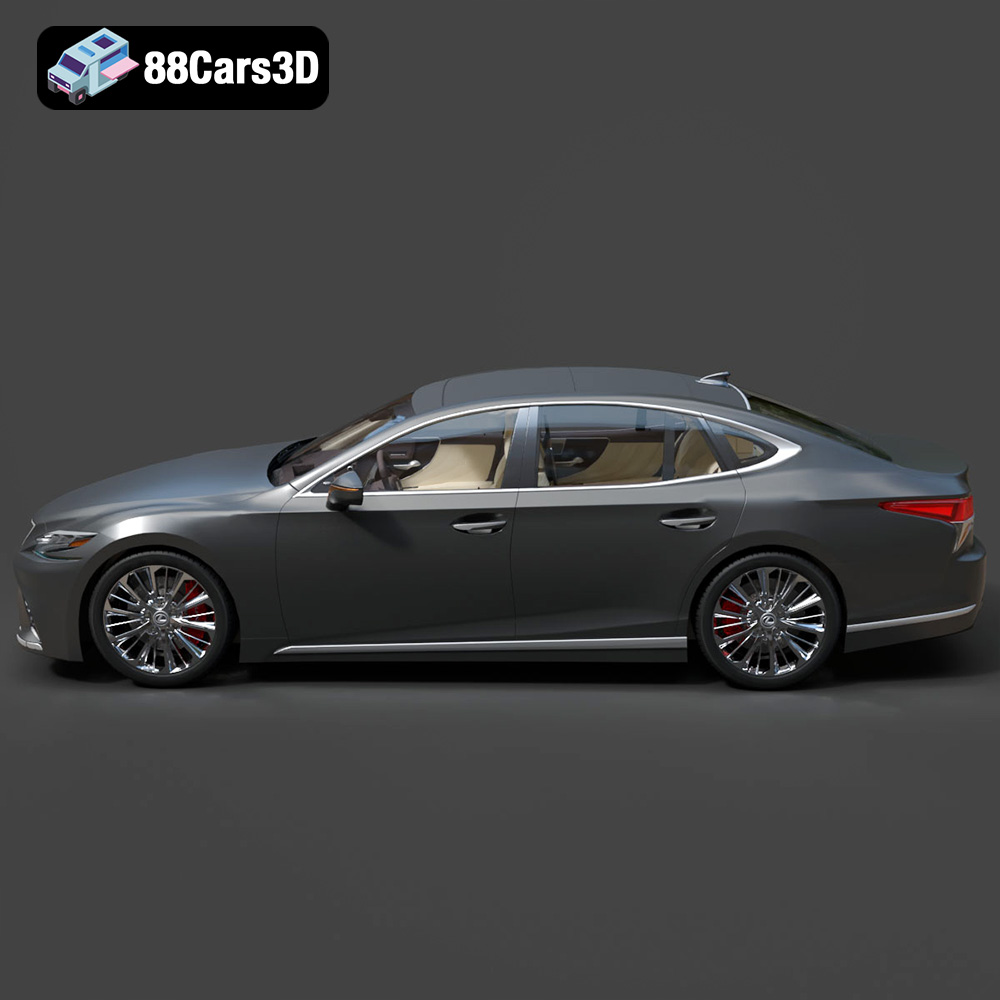
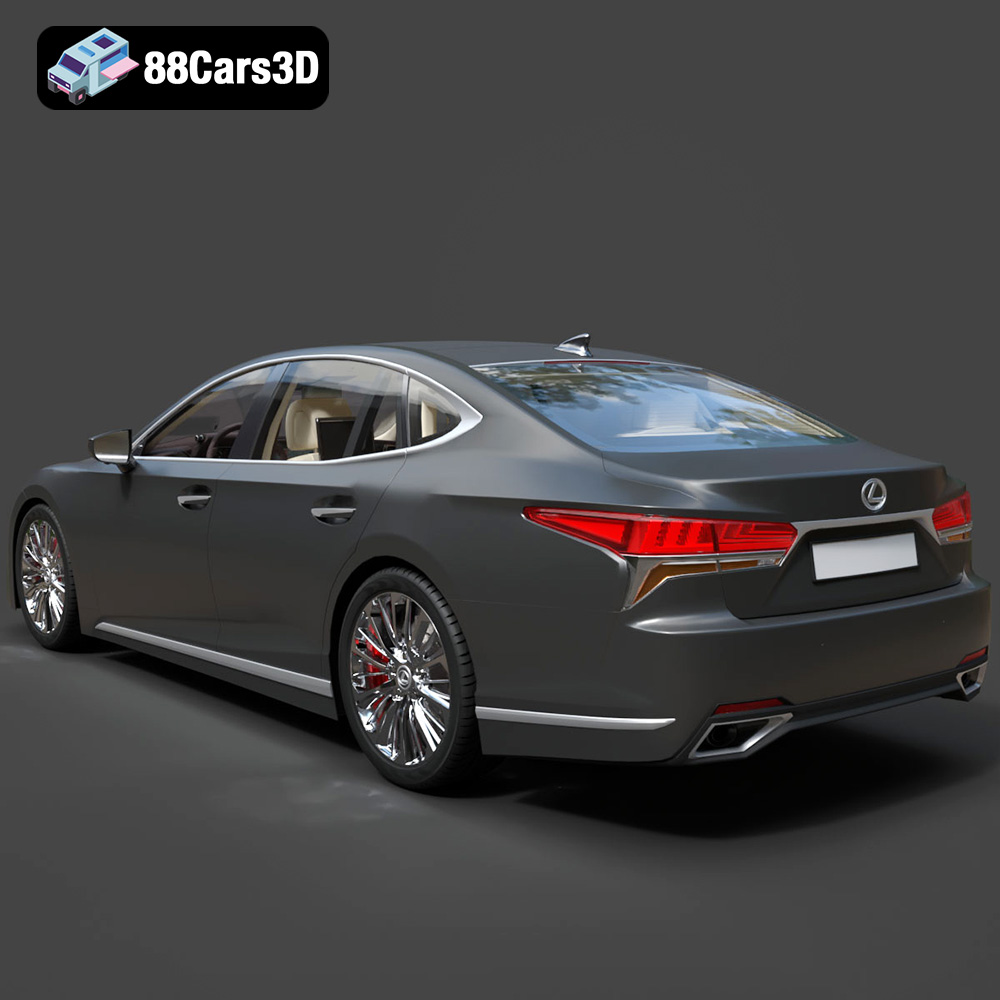
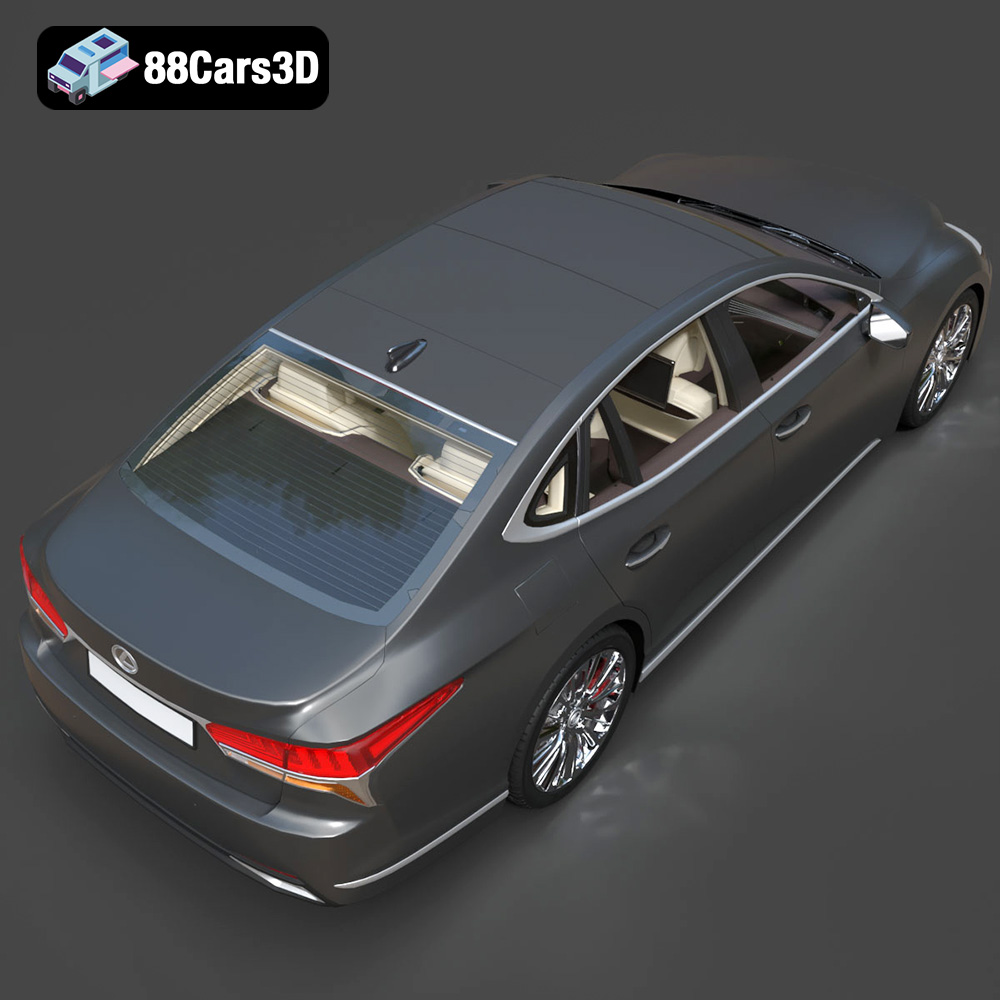
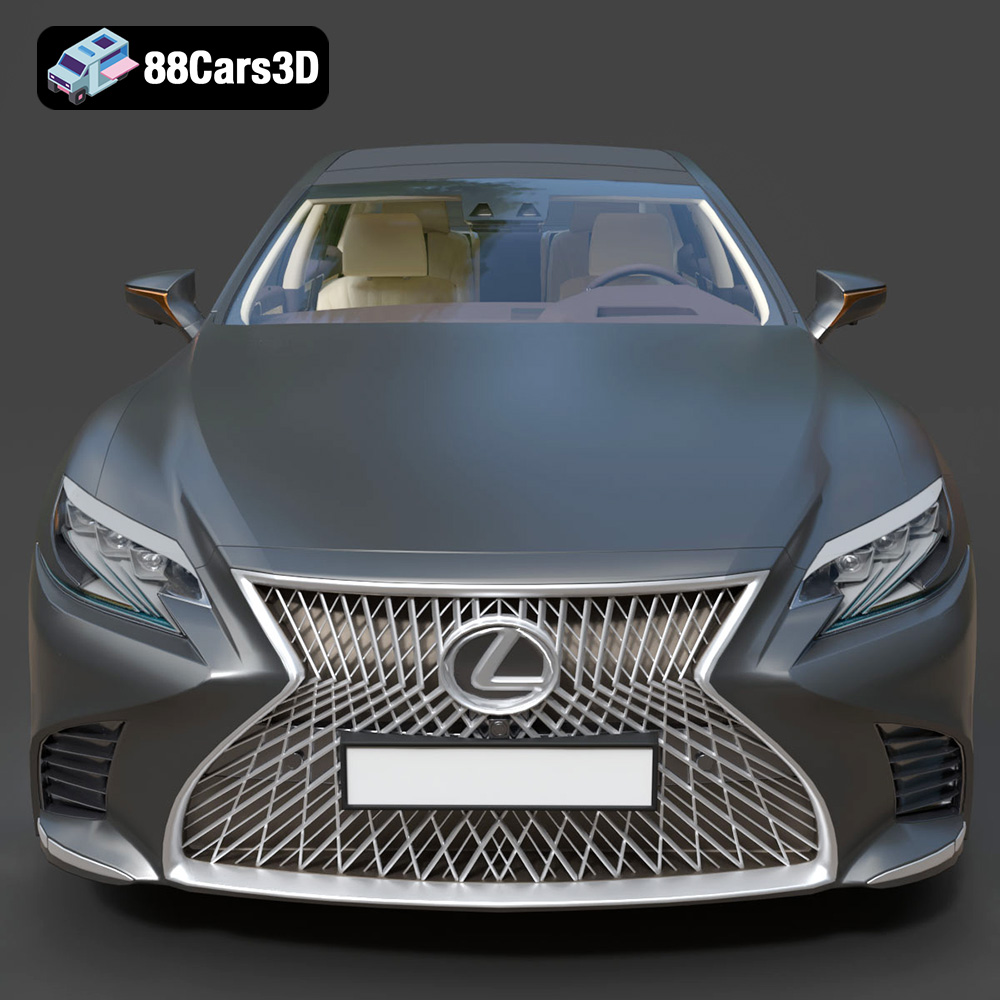
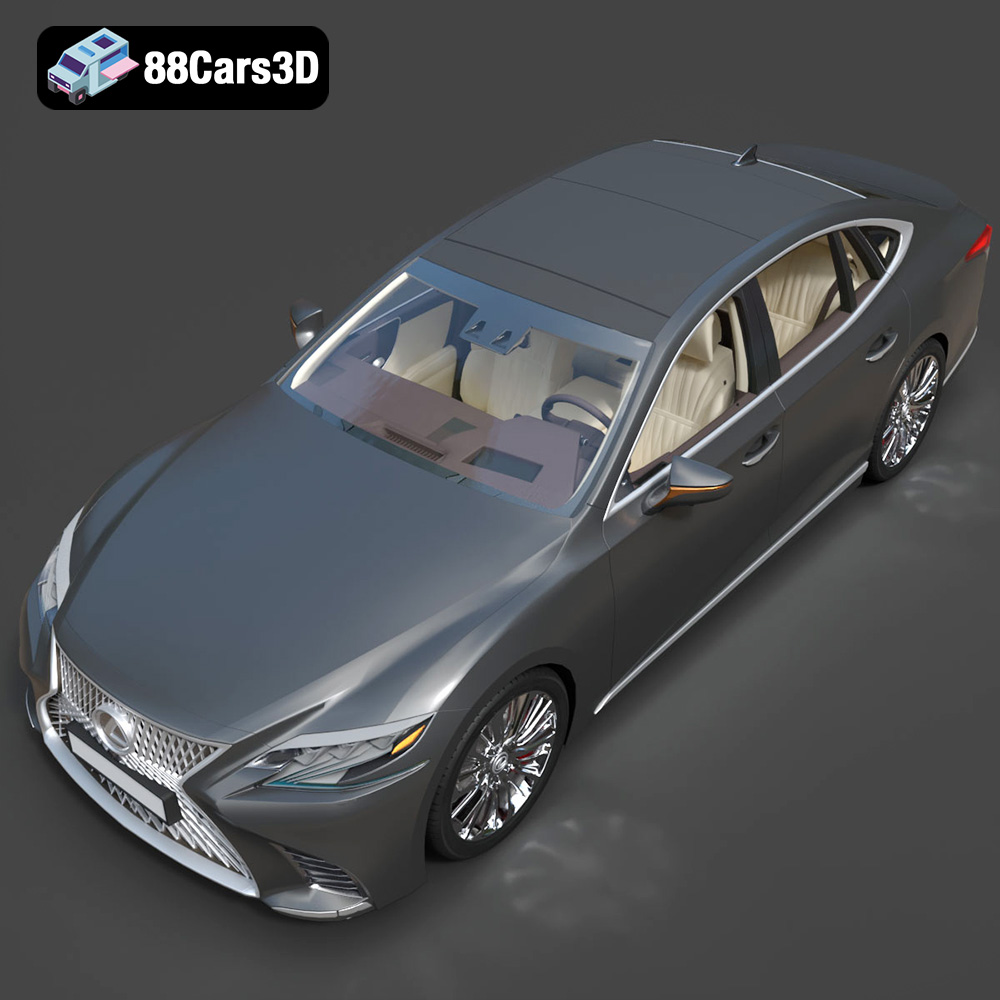
One such exemplary creation is the Lexus LS 500 2018 3D Model. This particular asset encapsulates the pinnacle of Japanese luxury, from its iconic spindle grille to its flowing coupe-like silhouette. Designed with meticulous attention to detail and optimized for a variety of applications, it represents the ideal foundation for designers, artists, and developers seeking to integrate automotive excellence into their work. In this comprehensive guide, we will explore the critical aspects of working with premium 3D car models, delve into essential technical specifications, discuss diverse professional workflows, and showcase how a top-tier asset like the Lexus LS 500 2018 can transform your creative endeavors.
Choosing the correct 3D model file format is not merely a matter of preference; it’s a critical decision that impacts workflow efficiency, software compatibility, performance, and the final quality of your project. Premium providers like 88cars3d.com understand this necessity, offering a wide array of formats to ensure seamless integration into virtually any pipeline. Let’s delve into the specifics of each commonly provided format and their ideal applications.
The .blend format is the native file type for Blender, one of the most powerful and widely used open-source 3D creation suites. When you receive a .blend file, you’re not just getting a mesh; you’re getting a fully editable Blender scene. This includes the model’s geometry, materials, textures, lighting setups, cameras, animation data, and even modifiers or rigging information. It is ideal for users who primarily work in Blender and require full control over every aspect of the asset, from tweaking material nodes to modifying the model’s subdivision levels or animation curves. Its self-contained nature makes it incredibly convenient for project organization within the Blender ecosystem.
FBX (Filmbox) is a proprietary file format developed by Autodesk, serving as a widely accepted standard for 3D data exchange between different software applications. Its strength lies in its ability to store not just geometry, but also materials, textures, animations, and even rigging information in a robust, comprehensive package. For game developers using Unreal Engine or Unity, .fbx is often the go-to format for importing animated characters, environmental props, and, crucially, sophisticated 3D car models like the Lexus LS 500. Its versatility makes it indispensable for real-time pipelines where consistent data transfer between modeling, animation, and engine environments is paramount.
OBJ (Object) is one of the oldest and most universal 3D file formats, making it incredibly compatible across almost all 3D software. It primarily stores geometric data – vertices, normals, UV coordinates, and faces. Material information is typically stored in an accompanying .mtl (Material Template Library) file, which references texture maps. While .obj does not support animations or rigging, its simplicity and widespread support make it excellent for static mesh exchange, especially when you need to ensure basic model geometry can be opened and worked on in any 3D application, regardless of its native format. It’s a reliable fallback for cross-software compatibility.
GLB is the binary version of glTF (GL Transmission Format), designed to be an efficient, single-file format for the transmission and loading of 3D scenes and models by engines and applications. It’s particularly optimized for AR, VR, and browser-based display due to its compact size and ability to embed textures and animations directly within the file. For interactive web experiences, virtual showrooms, or mobile AR applications featuring the Lexus LS 500, a .glb file provides the best balance of visual quality and performance.
STL (Stereolithography) is almost exclusively used for 3D printing. This format represents a 3D model as a series of connected triangles, essentially describing the surface geometry without any color, texture, or material information. While not suitable for rendering or animation, it is the universal language for communicating with 3D printers. The Lexus LS 500 2018 model, when converted to .stl, can be brought into the physical world, allowing hobbyists and professionals to create tangible prototypes or display models with accurate dimensions.
PLY (Polygon File Format or Stanford Triangle Format) is a file format for storing 3D data, particularly from 3D scanners. It can store a variety of properties for each polygon, including color, transparency, surface normals, and range data, making it more robust than .obj for certain applications. While less common for general 3D model exchange, it’s often preferred in scientific, CAD, or reverse engineering workflows where precise geometric data, sometimes including point clouds, is crucial.
While not a universal file format in the same vein as .fbx or .obj, “unreal” typically refers to an asset package specifically prepared or directly exported for the Unreal Engine. This could mean a .uasset file or an .fbx optimized and staged for Unreal’s import pipeline, potentially with pre-configured materials, collision meshes, and LODs (Levels of Detail). Assets designated as .unreal are designed for immediate use, minimizing setup time and maximizing performance within the engine, making them invaluable for game development.
The .max format is the native file type for Autodesk 3ds Max, a powerful 3D modeling, animation, and rendering software. Similar to .blend, a .max file contains the complete scene data, including geometry, materials, textures, lighting, cameras, animation, and any scene-specific settings. It is the preferred format for professionals working within the 3ds Max ecosystem, offering unparalleled flexibility for detailed editing, complex animation setups, and high-end automotive rendering, leveraging renderers like V-Ray or Corona.
The availability of the Lexus LS 500 2018 3D Model in these diverse formats from 88cars3d.com underscores a commitment to flexibility, ensuring that artists and developers can integrate this premium asset into their preferred workflows without friction.
Creating a truly exceptional 3D car model is a fusion of artistic skill and technical precision. It demands an understanding of real-world automotive design principles combined with a mastery of 3D software. The Lexus LS 500 2018 3D Model exemplifies this synergy, presenting a highly accurate and versatile asset.
The 2018 Lexus LS 500 is a masterclass in modern luxury sedan design. Its striking spindle grille, a signature Lexus element, features complex mesh geometry that requires meticulous poly-modeling to accurately represent in 3D. The elegant coupe-like silhouette, flowing lines, and subtle body creases are not just aesthetic choices; they are aerodynamic considerations that define the vehicle’s dynamic presence. The Z-shaped LED headlights and L-shaped taillights, with their internal projector detailing, contribute to its aggressive yet refined styling. Capturing these nuances, down to the chrome detailing on the integrated dual exhaust finishers, is what distinguishes a professional-grade 3D car model. This attention to *Takumi* craftsmanship, a hallmark of Lexus design, directly translates into the detailed geometry of the 3D model, ensuring that every curve and contour conveys the original vehicle’s sophisticated design language.
While exterior aesthetics often grab initial attention, the interior of a luxury vehicle like the Lexus LS 500 is where true comfort and advanced technology converge. For 3D models intended for virtual reality, first-person gaming perspectives, or detailed configurators, a highly accurate and immersive cockpit is essential. The Lexus LS 500 model includes luxurious leather-trimmed seating with intricate quilting and stitching details, a meticulously replicated steering wheel with integrated controls, paddle shifters, and a high-resolution digital instrument cluster and infotainment display. The accurately placed center console controls, trackpad, shifter, and pedals contribute significantly to the sense of realism, allowing for highly believable virtual driving experiences or architectural visualizations where the car might be viewed from within.
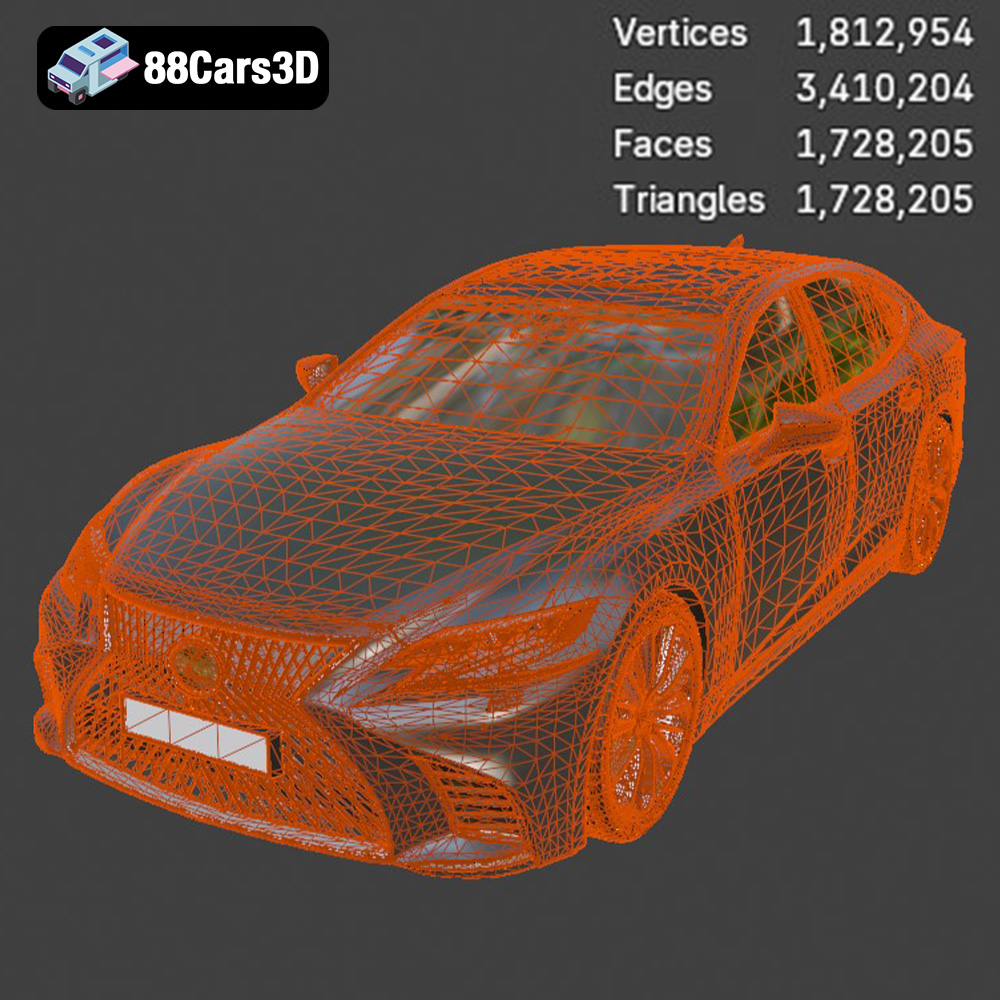
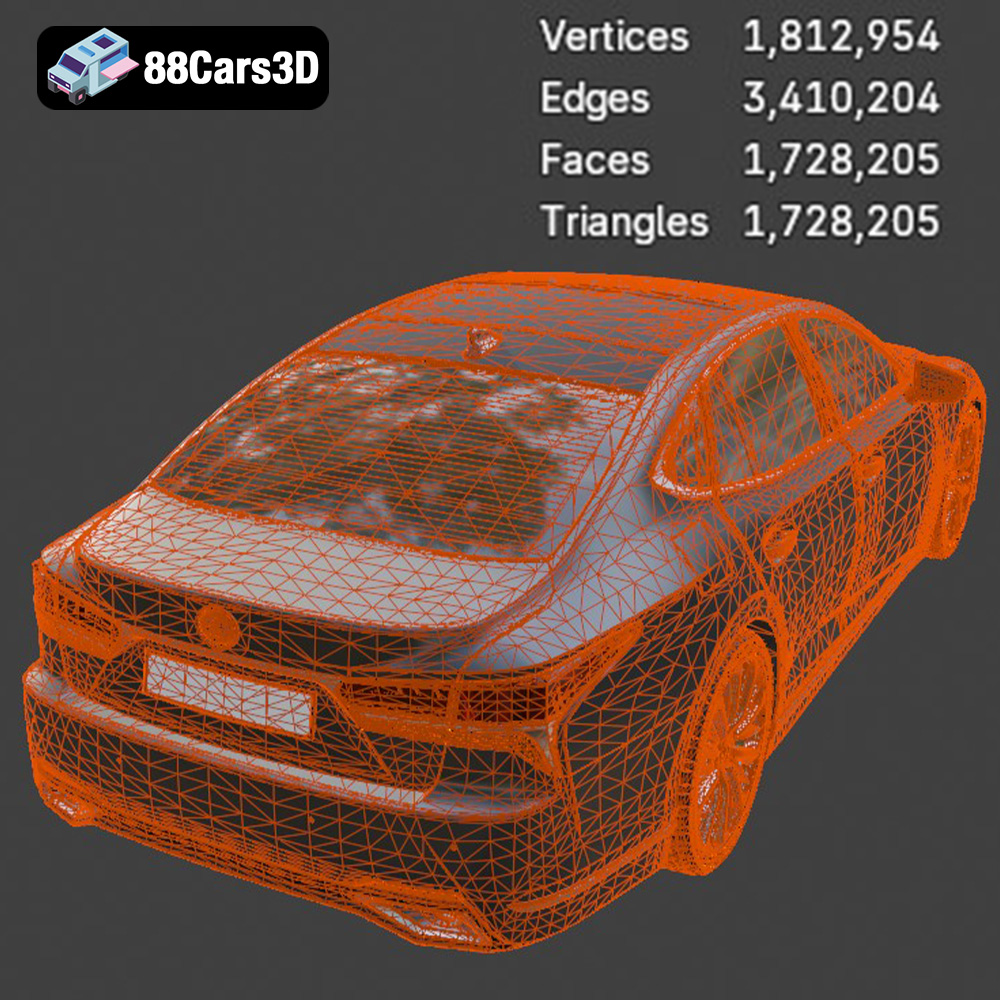
Beyond visual fidelity, technical precision is paramount for 3D car models. The Lexus LS 500 3D model boasts real-world scale accuracy, which is crucial for seamless integration into architectural scenes, simulations, or game environments. Its optimized topology, approximately 200,000 triangles, strikes a perfect balance between visual realism and real-time performance. This polycount is game-ready, meaning it performs efficiently in engines like Unreal and Unity without sacrificing the detailed aesthetic necessary for photorealistic renders. Clean geometry ensures proper deformation if animated, and efficient UV mapping allows for high-resolution textures to be applied without distortion, preserving the intricate details of the paint, glass, and chrome finishes. Separate components like wheels, doors, suspension, and steering further enhance its utility for animation and interactive applications.
High-quality 3D car models are incredibly versatile assets, serving as foundational elements across a multitude of digital content creation pipelines. The Lexus LS 500 2018 3D Model is engineered for seamless integration into various professional workflows, from game development to high-end rendering.
For modern game development, particularly for open-world games, racing titles, or advanced simulators, the Lexus LS 500 2018 3D Model is an ideal asset. Its game-ready optimization, with a sensible polycount of around 200,000 triangles, ensures excellent performance without compromising visual quality. Developers can import the model using the .fbx or .unreal formats directly into engines like Unreal Engine or Unity. Crucially, the model features proper pivot setups for steering, wheel rotation, and suspension travel, which is vital for implementing realistic physics and animation systems. This level of preparation significantly reduces development time, allowing teams to focus on gameplay mechanics and environmental design rather than laboriously optimizing a vehicle model from scratch. Imagine this Lexus LS 500 as a premium vehicle in a virtual city, offering players a realistic driving experience.
When the goal is stunning visual imagery for marketing campaigns, product showcases, or architectural visualization, the Lexus LS 500 3D model shines. Professionals can leverage the .max or .blend files for advanced rendering within 3ds Max or Blender, utilizing powerful renderers such as V-Ray, Corona, or Cycles. The clean geometry and well-organized UVs facilitate the application of complex material shaders – think multi-layered automotive paint with metallic flakes, realistic glass with reflections and refractions, and authentic chrome finishes. Lighting techniques, whether it’s a controlled studio setup, a dramatic night scene, or an integrated daylight environment, can be applied to showcase the vehicle’s design under various conditions. For instance, an architect could place the Lexus LS 500 in the driveway of a luxury home rendering, adding a touch of realism and aspiration to the scene. The detail of this 3D car model ensures it stands up to close-up shots and high-resolution outputs.
The burgeoning fields of Augmented Reality (AR) and Virtual Reality (VR) demand highly optimized yet visually rich 3D assets. The Lexus LS 500 2018 3D Model, particularly in its .glb format, is perfect for creating immersive virtual showrooms, interactive product configurators, or engaging mobile AR experiences. Its optimized geometry is crucial for maintaining smooth frame rates on mobile devices or VR headsets, providing users with a seamless and high-quality interaction. Businesses can utilize this model to allow potential customers to explore the Lexus LS 500 in a virtual space, customizing colors and viewing features up close, without ever stepping into a physical dealership.
The utility of a premium 3D car model extends beyond digital screens, offering tangible outputs and extensive customization possibilities that cater to a broad spectrum of creative and commercial needs.
For enthusiasts, model makers, or even automotive designers prototyping concepts, the ability to translate a digital 3D model into a physical object is invaluable. The Lexus LS 500 2018 3D Model can be readily converted to the .stl format, making it suitable for 3D printing. For optimal results, especially with intricate details like the spindle grille or interior elements, resin printing is often recommended. Users are advised to adhere to specified print settings: recommended scales (1:12, 1:18, 1:24), layer height (0.04–0.12 mm), wall thickness (1.2–2.0 mm), and infill (20–30%). Proper support structures are essential for delicate parts such as the exhaust outlets, mirrors, and the grille. Post-processing, including sanding, priming, and applying authentic factory colors with metallic finishes, allows hobbyists to create high-fidelity display models that capture the essence of the real vehicle. This capability turns a digital asset into a tangible piece of automotive art.
A key advantage of purchasing a high-quality 3D car model like the Lexus LS 500 from 88cars3d.com is its inherent flexibility for customization. Artists and designers can easily modify various attributes to suit specific project requirements:
This adaptability ensures that the Lexus LS 500 2018 3D Model can be seamlessly integrated into virtually any visual narrative, offering unparalleled creative freedom to artists and developers.
In a competitive digital landscape, the choice of assets can significantly impact project timelines, budgets, and the overall quality of the final output. Investing in premium 3D car models from a reputable source like 88cars3d.com offers tangible benefits that extend far beyond the initial purchase.
Creating a highly detailed, game-ready 3D car model from scratch is an incredibly time-consuming and resource-intensive endeavor. It requires specialized skills in modeling, texturing, UV mapping, and optimization, often taking hundreds of hours for a single vehicle. By leveraging pre-made, high-quality assets such as the Lexus LS 500 2018 3D Model, studios and individual artists can drastically cut down on development time and associated costs. This efficiency allows teams to allocate resources to other critical aspects of their projects, fostering faster turnaround times and greater productivity.
The automotive rendering and game asset industries demand precision and consistency. Premium 3D car models from 88cars3d.com are built to professional standards, ensuring clean geometry, accurate real-world scale, optimized polycounts, and well-organized textures. This reliability means fewer headaches during integration and better performance in real-time engines. Artists can trust that the assets they purchase are meticulously crafted, thoroughly tested, and ready for immediate use, providing a solid foundation for any high-stakes project.
The world of 3D modeling for automotive design, game development, and visualization is constantly evolving, demanding assets that are both visually stunning and technically robust. The Lexus LS 500 2018 3D Model stands as a testament to what is achievable when meticulous craftsmanship meets digital precision. Its optimized geometry, highly detailed interior and exterior, and availability in multiple crucial file formats make it an exceptionally versatile asset for professionals across various industries.
Whether you’re developing an immersive open-world game, creating a photorealistic architectural visualization, designing an interactive AR/VR showroom, or even 3D printing a scale model, this premium 3D car model provides the foundation for excellence. By choosing high-quality 3D car models, you not only elevate the realism and aesthetic appeal of your projects but also streamline your workflow and ensure compatibility with industry-standard tools. Explore this model and many other exceptional 3D car models at 88cars3d.com, and unlock new possibilities for your next creative venture.
The 2018 Lexus LS 500 is the pinnacle of Japanese luxury, featuring a striking spindle grille, elegant coupe-like silhouette, and a powerful twin-turbo V6 engine. Known for its meticulous Takumi craftsmanship, whisper-quiet ride, and aggressive yet refined styling, the LS 500 represents the intersection of executive comfort and cutting-edge automotive design. This highly detailed, game-ready 3D model boasts optimized topology (approximately 200,000 triangles), ensuring top-tier visual fidelity without sacrificing real-time performance. Designed with clean geometry and high-resolution textures, it delivers photorealistic results ideal for modern game development, immersive AR/VR experiences, high-end animation, and architectural visualization.
$39.99
.2018
.blend
.fbx
.glb
.lexus
.max
.obj
.ply
.rendering
.stl
.unreal
car-3d-model
executive-car
game asset
game-ready
low-poly
ls-500
luxury-sedan
optimized
VR/AR