Get 20% OFF All Premium 3D & STL Models!

In the fast-paced world of digital content creation, the demand for high-fidelity 3D assets continues to escalate. From cinematic automotive advertisements to immersive virtual reality experiences and hyper-realistic video games, a meticulously crafted 3D car model is often the linchpin of visual success. These digital vehicles aren’t just aesthetic elements; they are complex technical assets, engineered to perform across diverse platforms and pipelines while maintaining unparalleled visual integrity. Achieving this balance requires a deep understanding of geometry, materials, optimization, and industry-standard workflows.
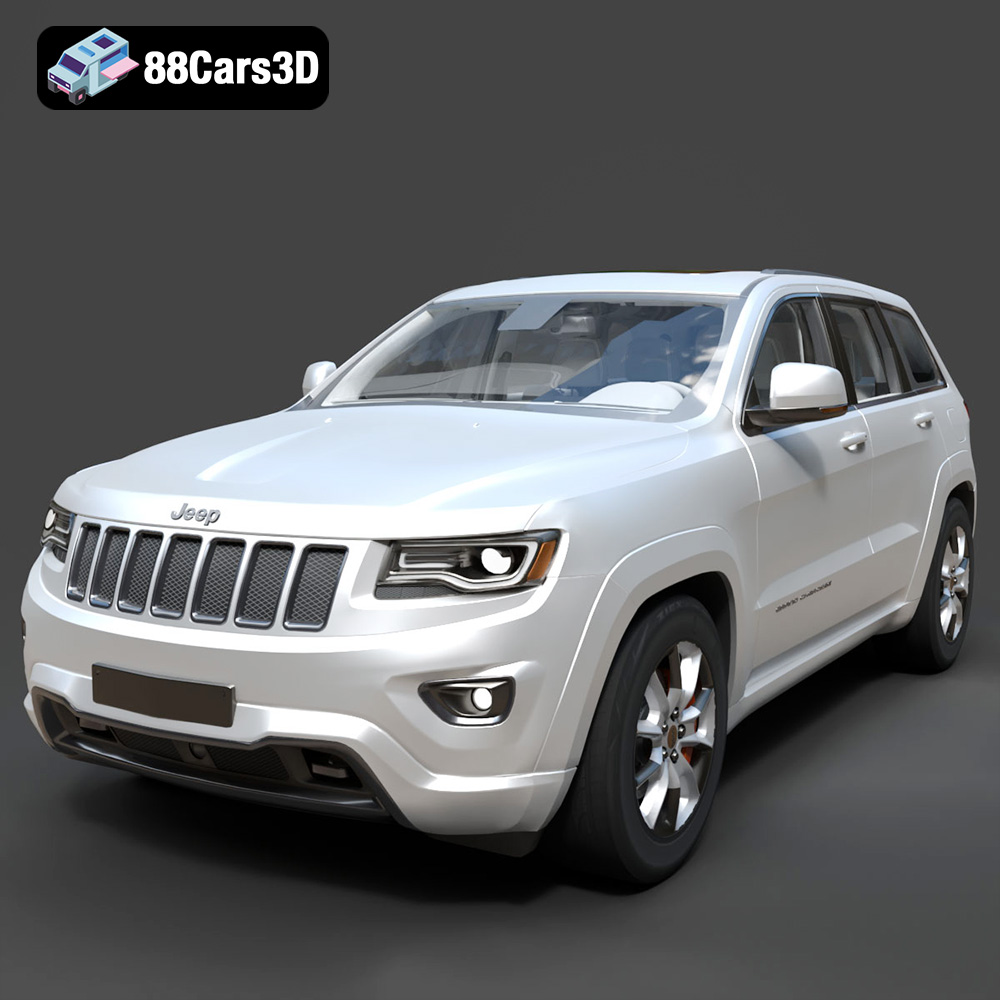
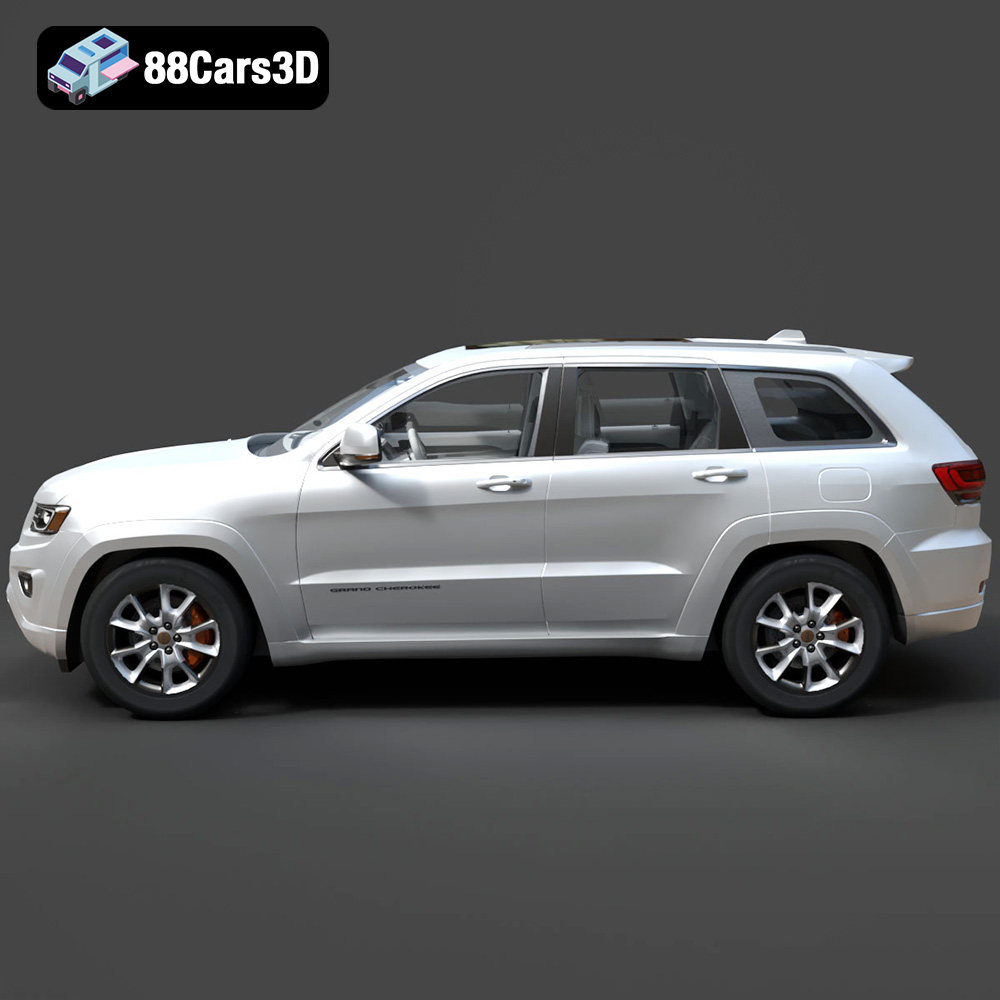
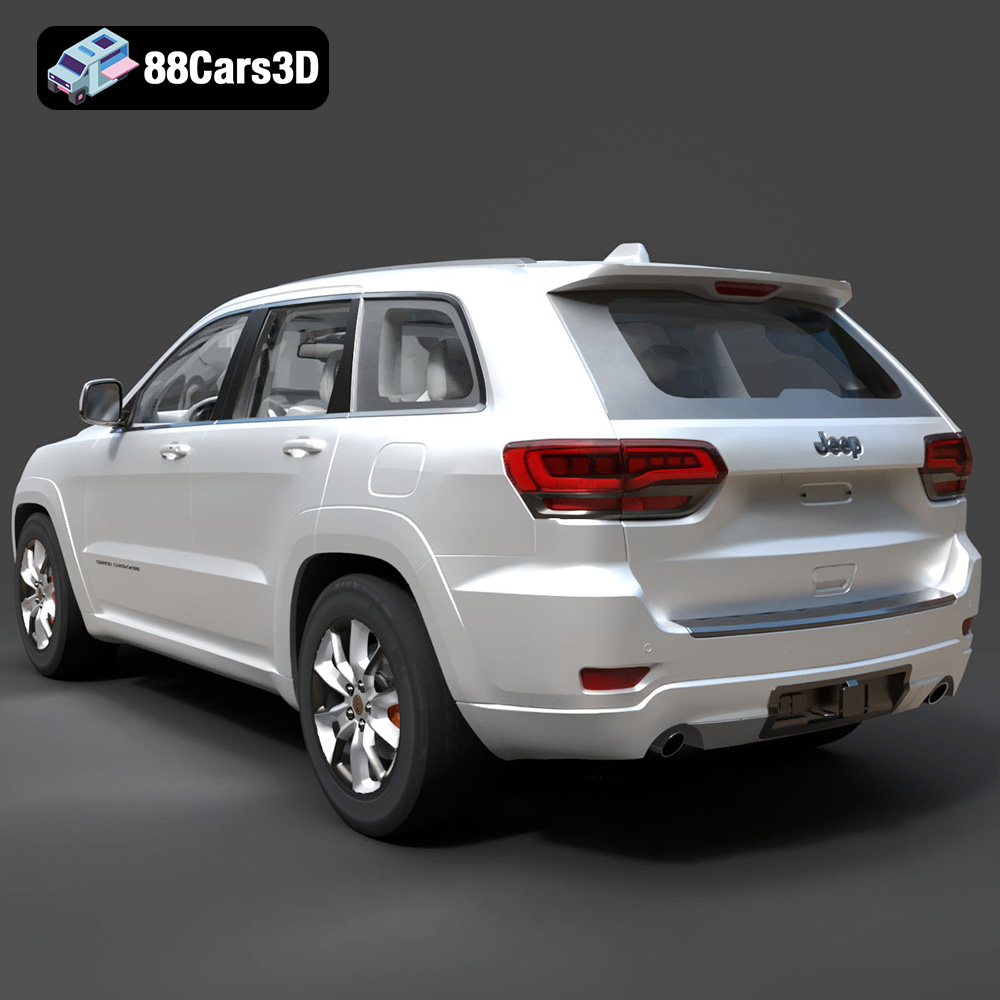
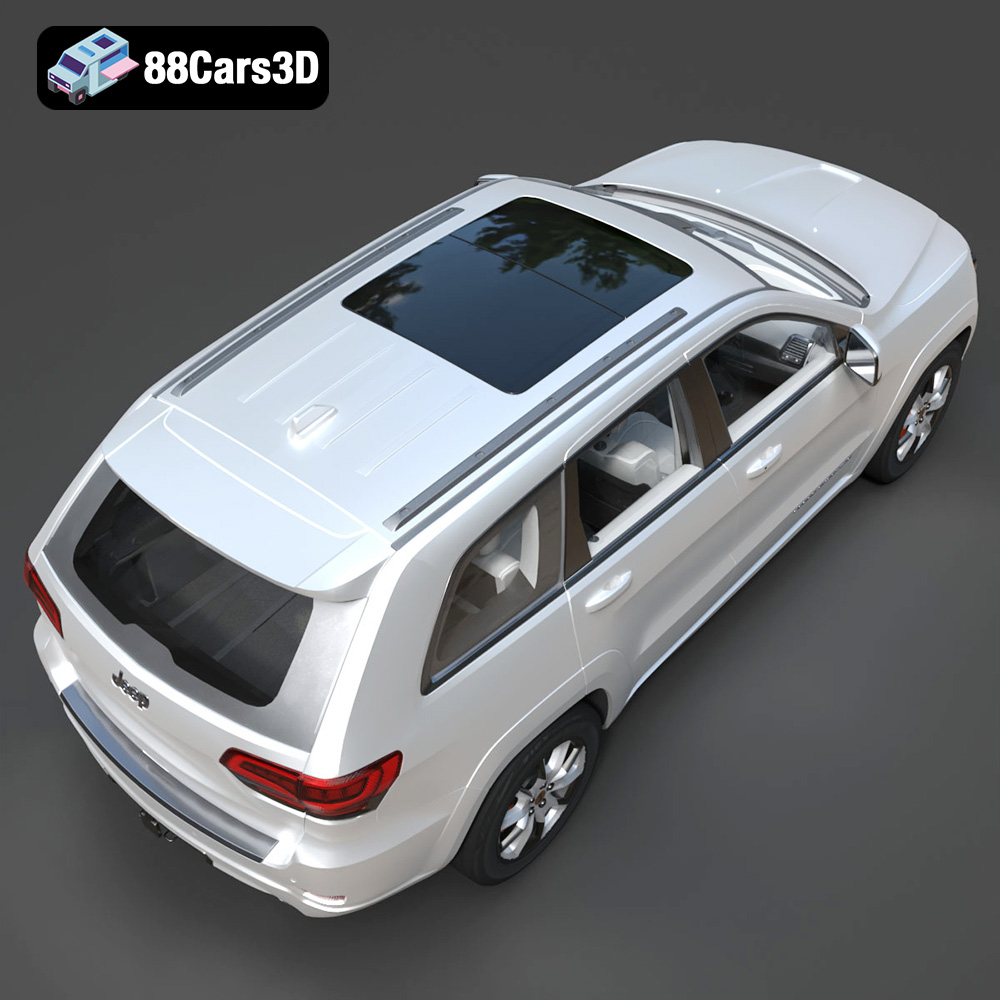
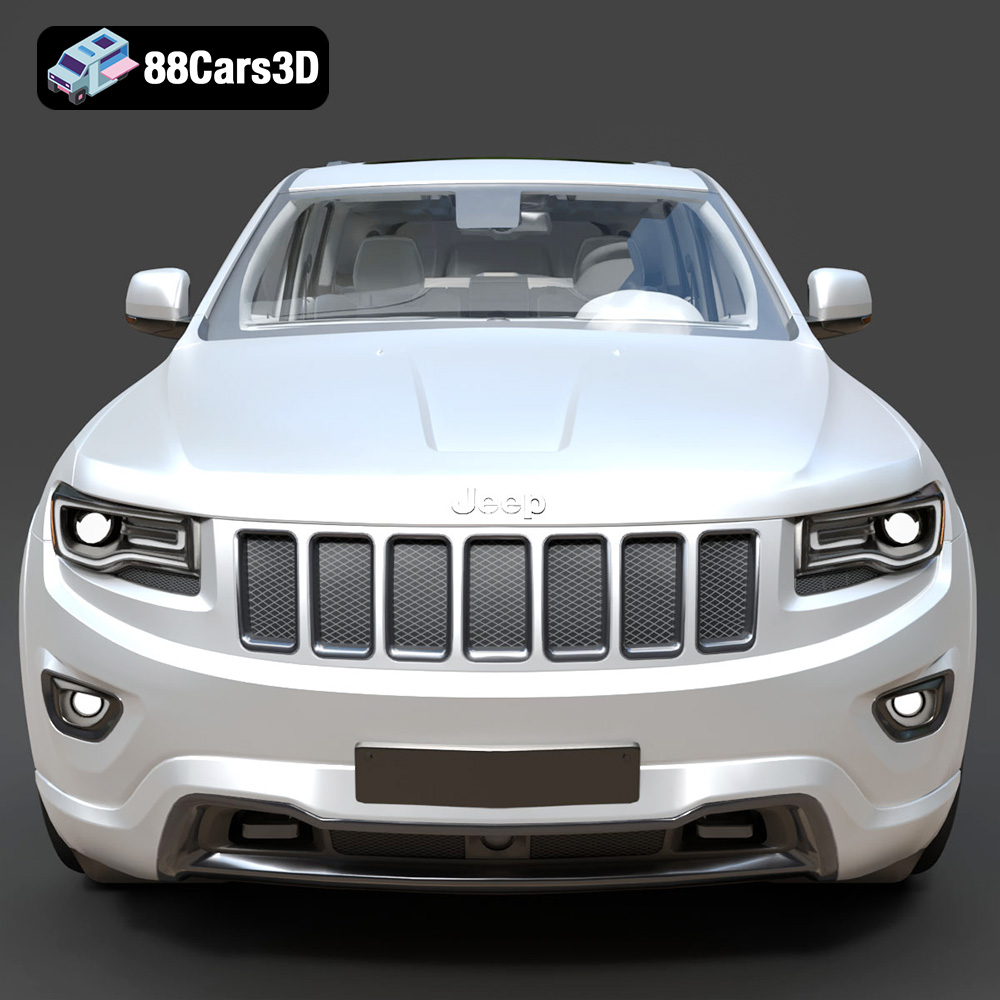
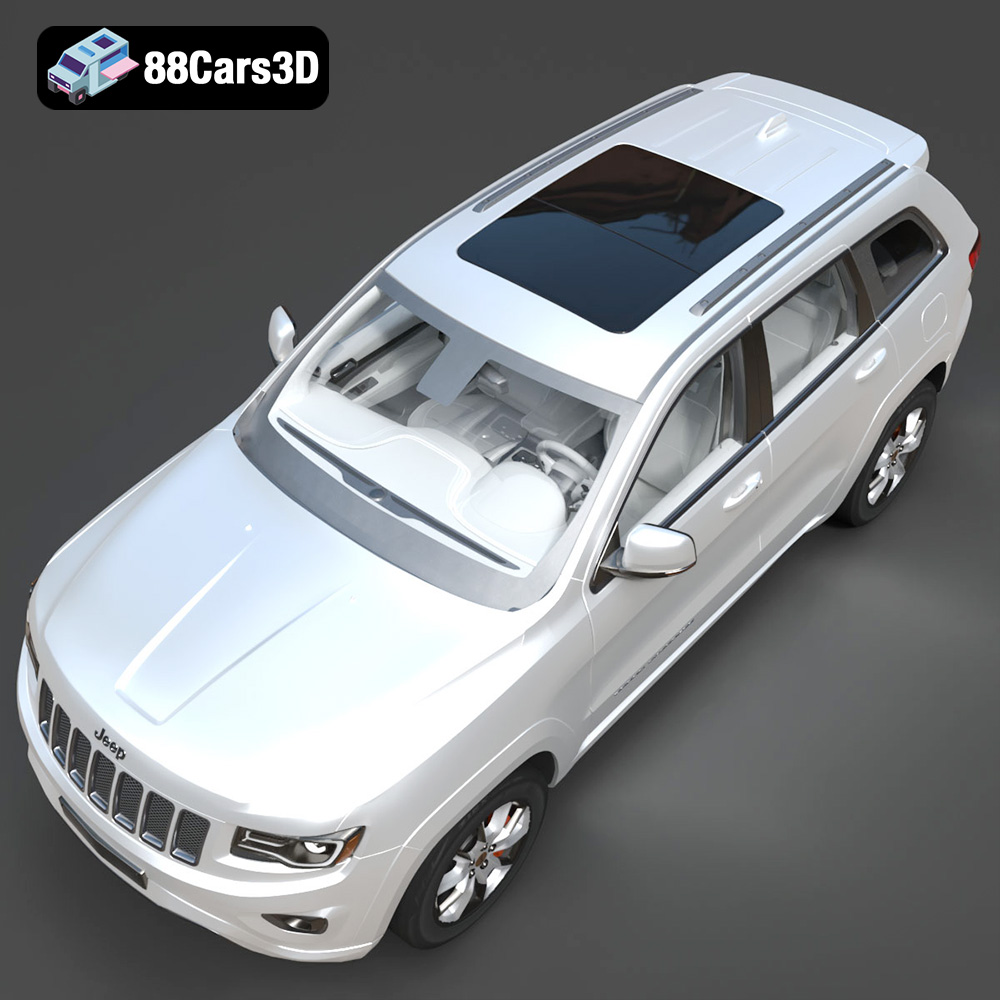
For professionals seeking assets that deliver both aesthetic appeal and technical robustness, the journey often begins with finding a reliable source. A prime example of such an asset that epitomizes digital realism is the Jeep Grand Cherokee Limited 2017 3D Model. This particular model stands out for its careful craftsmanship, mirroring the exact proportions and robust aesthetic of its real-world counterpart. It’s designed not just to look good, but to integrate seamlessly into a wide array of professional applications, from automotive rendering and product visualization to advanced game development and interactive AR/VR environments.
The creation of a truly exceptional 3D car model starts with an obsessive attention to detail. Every curve, every panel gap, and every functional component must be faithfully recreated. This isn’t merely about visual likeness; accurate proportions are critical for realistic reflections, shadow casting, and even physics simulation in interactive environments. A model like the Jeep Grand Cherokee Limited 2017 3D Model exemplifies this, capturing the distinct character of the SUV with precision, making it immediately recognizable and believable in any scene. This level of accuracy is invaluable for automotive design reviews, marketing materials, and any scenario where authenticity is paramount.
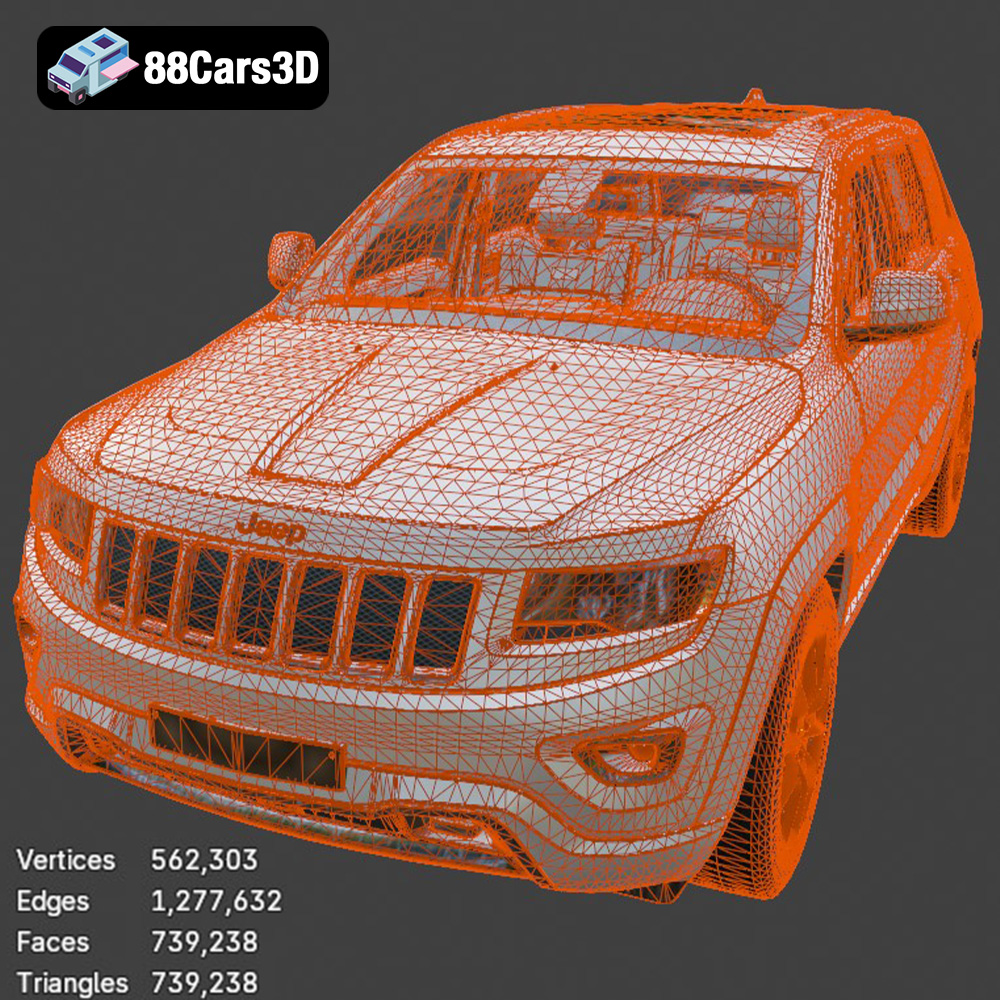
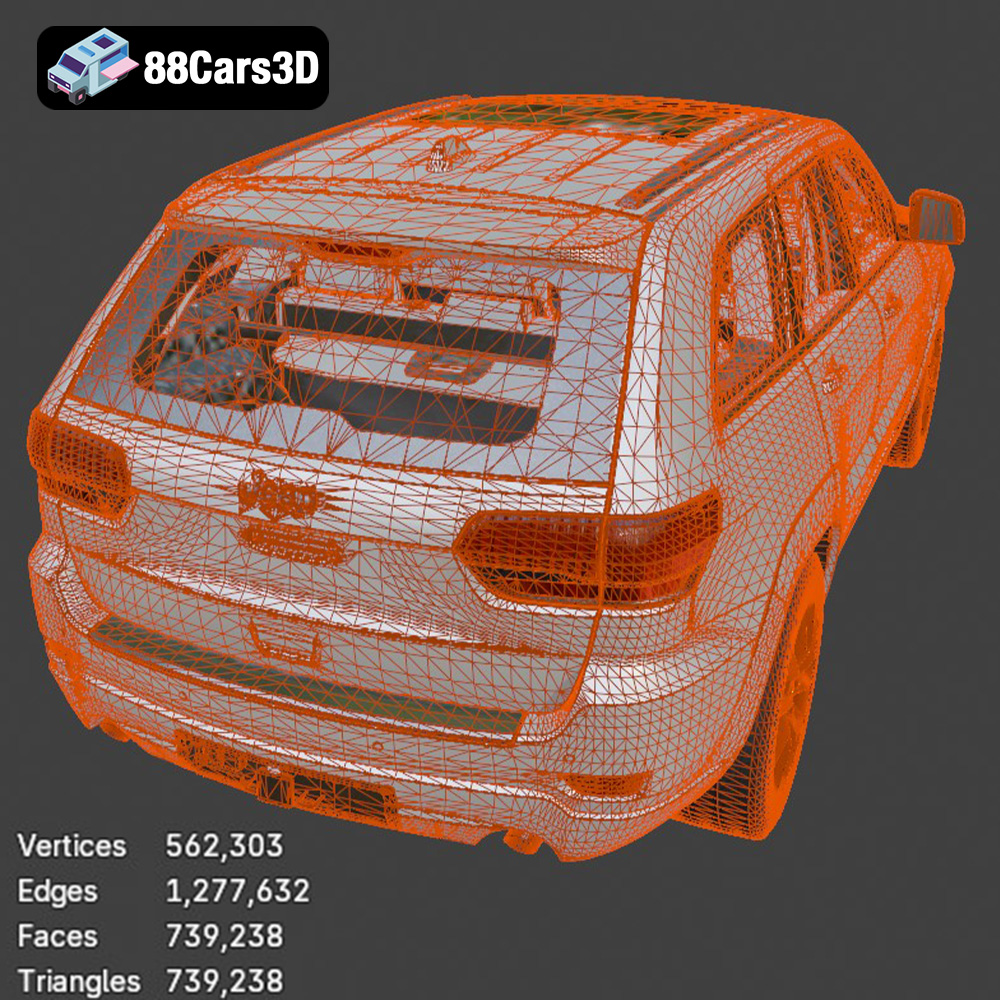
While detail is crucial, raw polygon count isn’t always the answer. Professional 3D car models must strike an optimal balance between visual fidelity and computational performance. For cinematic rendering, a high-polygon mesh allows for incredible detail, but for real-time applications like game assets or AR/VR, optimization strategies like clean topology, efficient poly counts, and Level of Detail (LOD) systems become essential. The goal is to provide stunning visuals without taxing hardware, ensuring smooth frame rates and responsive interactions. The Jeep Grand Cherokee Limited 2017 3D Model achieves this balance, designed for seamless integration and efficient workflow across various professional pipelines.
Beyond the geometry, materials are what truly bring a 3D model to life. Physically Based Rendering (PBR) materials are the industry standard, simulating how light interacts with surfaces in the real world. This means materials like paint, glass, rubber, and chrome react accurately to lighting conditions, resulting in hyper-realistic reflections, refractions, and diffuse shading. The use of PBR-ready materials, as found in the Jeep Grand Cherokee Limited 2017 3D Model, ensures outstanding results under any lighting setup, from studio lights to complex outdoor HDRIs. This consistency is vital for creating believable scenes and maintaining visual quality across different rendering engines.
The world of 3D modeling relies on a diverse ecosystem of file formats, each with its own strengths, ideal use cases, and technical considerations. Understanding these formats is crucial for ensuring compatibility, optimizing workflows, and achieving the desired outcome for any project involving 3D car models or other complex assets. The Jeep Grand Cherokee Limited 2017 3D Model, for instance, comes equipped with a comprehensive set of these formats, catering to virtually every professional need.
The .blend format is the native file type for Blender, an increasingly popular open-source 3D creation suite. A .blend file typically encapsulates an entire scene, including mesh data, materials, textures, lighting setups, cameras, animations, and even physics simulations. This makes it a self-contained package, perfect for artists working exclusively within Blender or sharing projects with other Blender users. For the Jeep Grand Cherokee Limited 2017, the .blend file provides a fully editable scene with pre-configured materials and lighting, offering maximum flexibility for customization and further artistic development within Blender’s powerful environment.
The .fbx (Filmbox) format is an industry-standard interchange format, widely adopted across 3D software and, critically, in real-time game engines like Unreal Engine and Unity. FBX files are excellent for transferring models, animations, rigs, and even PBR materials between different applications while maintaining hierarchical data. They are designed for efficient loading and rendering in real-time environments. The Jeep Grand Cherokee Limited 2017 3D Model’s .fbx version is explicitly designed to be game-engine ready, providing a streamlined path for integration. Complementing this, the .unreal format offers a pre-configured, engine-ready asset specifically tailored for direct import into Unreal Engine projects. This format often includes optimized meshes, collision data, and material instances that conform to Unreal’s specific requirements, significantly reducing setup time for game developers.
The .obj (Wavefront OBJ) format is one of the most universal 3D file formats. It’s a simple, text-based format that is highly compatible across virtually all 3D software. While it primarily stores geometric data (vertices, normals, UVs) and references material libraries (.mtl files) for basic material properties, it lacks support for complex features like rigging or animations. Its strength lies in its widespread acceptance, making it a reliable choice for cross-software compatibility. For those using Autodesk 3ds Max, the .max format is the native project file. Like .blend, it’s a comprehensive scene file containing all model data, materials, textures, lighting, cameras, and animations specific to 3ds Max. The .max version of the Jeep Grand Cherokee Limited 2017 offers full editability for users deeply embedded in the 3ds Max ecosystem, allowing for intricate rendering and animation workflows.
The .glb (GL Transmission Format Binary) format is increasingly vital for AR/VR and web-based applications. It’s a binary version of glTF (Graphics Library Transmission Format), designed for efficient transmission and loading of 3D scenes and models. .glb files are optimized for performance, often containing embedded textures and PBR material data, making them perfect for lightweight, interactive displays in browsers or mobile AR/VR environments. The Jeep Grand Cherokee Limited 2017 is available in .glb, making it ideal for showcasing in virtual showrooms or interactive web configurators. The .ply (Polygon File Format or Stanford Triangle Format) is another versatile format primarily used for storing 3D data from 3D scanners, CAD software, or for representing point clouds and polygon meshes. It can store a wide range of properties, including color, normals, texture coordinates, and transparency, making it suitable for detailed polygon meshes for analysis or visualization in scientific or engineering contexts.
The .stl (Stereolithography) format is the de facto standard for 3D printing. It represents a 3D model as a collection of unconnected triangles, defining only the surface geometry without color, texture, or material information. This simplicity makes it universally compatible with 3D printers and slicing software. While not used for rendering or animation, the .stl version of the Jeep Grand Cherokee Limited 2017 is perfect for rapid prototyping, creating physical models, or even fabricating custom parts related to the vehicle’s design. This broad support across formats ensures that the Jeep Grand Cherokee Limited 2017 3D Model is truly a versatile asset for any professional pipeline.
The true value of a premium 3D model lies in its ability to seamlessly integrate into established professional workflows, enhancing efficiency and quality across diverse projects. The Jeep Grand Cherokee Limited 2017 3D Model from 88cars3d.com is engineered precisely for this purpose, providing flexibility and robust performance for various applications.
For automotive rendering specialists, achieving photorealism is paramount. In industry-standard software like Autodesk 3ds Max or Blender, the Jeep Grand Cherokee Limited 2017 3D Model provides an excellent foundation.
In the realm of game development, performance and visual fidelity must go hand-in-hand. The Jeep Grand Cherokee Limited 2017 3D Model is game-engine ready, streamlining its integration into platforms like Unreal Engine and Unity.
The emerging fields of Augmented Reality (AR) and Virtual Reality (VR), along with interactive web content, demand highly optimized yet visually appealing 3D assets.
Through these diverse workflows, the Jeep Grand Cherokee Limited 2017 3D Model proves its versatility and quality, making it an invaluable asset for any professional project.
The “unparalleled digital realism” promised by the Jeep Grand Cherokee Limited 2017 3D Model is not merely a matter of good textures; it’s a testament to rigorous technical foundations. Professionals understand that the underlying structure and material definitions dictate a model’s performance and visual fidelity across different platforms.
Physically Based Rendering (PBR) has revolutionized digital realism by simulating the real-world behavior of light. The Jeep Grand Cherokee Limited 2017 3D Model utilizes “PBR-ready materials,” which typically means it comes with a set of texture maps that drive these PBR shaders:
These maps work in concert to create highly realistic surfaces, from the glossy sheen of the paint and the transparency of the windows to the intricate texture of the tires and the subtle reflectivity of chrome accents. This level of material detail is what truly brings the model to life under any lighting condition, fulfilling the promise of “outstanding results.”
For large-scale projects, particularly in game development or expansive AR/VR environments, a single high-resolution model can be a performance bottleneck. This is where Level of Detail (LOD) systems become critical. While not explicitly detailed in the description, a professional-grade 3D car model designed for game engines would typically include:
This scalability ensures that the Jeep Grand Cherokee Limited 2017 can be effectively utilized whether it’s the star of a cinematic sequence or a background vehicle in a bustling virtual city, striking an optimal balance between visual fidelity and computational performance.
The versatility and quality of premium 3D car models extend across numerous industries, providing powerful tools for visualization, simulation, and creative expression. The Jeep Grand Cherokee Limited 2017 3D Model is a prime example of an asset that can drive success in various professional applications.
Before a physical car even rolls off the assembly line, 3D models are indispensable for marketing. Companies use high-fidelity automotive models for:
The interactive capabilities of 3D models are transforming how we experience and learn about vehicles.
3D car models aren’t just for automotive projects; they are essential for adding context and realism to architectural and urban planning visualizations.
The entertainment industry, from AAA titles to independent games, relies heavily on high-quality 3D car models.
These diverse applications highlight why investing in a meticulously crafted 3D model, such as the Jeep Grand Cherokee Limited 2017, is a strategic decision for professionals across numerous fields.
The landscape of digital content creation continues to evolve, pushing the boundaries of realism and interactivity. At the heart of this evolution are high-quality 3D assets, meticulously crafted to meet the stringent demands of professional pipelines. As we’ve explored, a premium 3D car model is far more than just a visual prop; it’s a technically sophisticated tool that empowers artists, developers, and designers across industries.
The Jeep Grand Cherokee Limited 2017 3D Model exemplifies this standard of excellence. Its accurate exterior and interior representation, combined with clean, optimized geometry and PBR-ready materials, ensures unparalleled digital realism and seamless integration. Whether you’re a professional in automotive rendering, crafting immersive game assets, developing interactive AR/VR experiences, or contributing to architectural visualizations, this versatile model provides the robust foundation needed to achieve outstanding results.
For those seeking to elevate their projects with assets that balance visual fidelity with computational performance, the discerning choice lies in models engineered for efficiency and realism. Explore high-quality 3D car models like the Jeep Grand Cherokee Limited 2017 at 88cars3d.com, where professional-grade assets are made accessible for your next groundbreaking creation.
Experience unparalleled digital realism with the Jeep Grand Cherokee Limited 2017 3D Model. Carefully crafted to mirror the exact proportions, design elements, and robust aesthetic of the real-world SUV, this digital asset is the perfect choice for automotive visualization professionals, game developers, and 3D artists. The model delivers an accurate exterior and interior representation, complete with meticulously detailed fixtures, making it ideal for close-up shots and cinematic rendering.
Built with clean, optimized geometry and utilizing realistic materials, this model ensures seamless integration into your existing projects. The professional topology guarantees smooth reflections and an efficient workflow, while the included PBR-ready materials provide outstanding results under any lighting condition. It strikes an optimal balance between visual fidelity and computational performance.
Whether you are developing next-generation racing simulations, crafting an interactive AR/VR showroom experience, producing commercial visualizations, or populating urban environments in architectural renders, this versatile Jeep Grand Cherokee Limited 2017 model is ready to meet the demands of any professional production pipeline.
Available file formats include:
Tags:
.jeep, .grandcherokee, .limited, .suv, .offroad, .car3dmodel, .rendering, .simulation, .gameasset, .arvr, .blend, .fbx, .obj, .glb, .stl, .ply, .unreal, .maxMercedes Benz CLS 500 3D Model 3D Printable STL
$39.99
.arvr
.blend
.car3dmodel
.fbx
.gameasset
.glb
.grandcherokee
.jeep
.limited
.max
.obj
.offroad
.ply
.rendering
.simulation
.stl
.unreal
SUV