Get 20% OFF All Premium 3D & STL Models!

In the vibrant landscape of digital content creation, the demand for authentic, high-quality 3D assets is paramount. From immersive video games and captivating cinematic sequences to cutting-edge architectural visualizations and interactive AR/VR experiences, the foundation of any compelling visual project lies in its meticulously crafted models. Among the most challenging and rewarding assets to produce are 3D car models, which require an intricate blend of artistic skill, technical precision, and an unwavering eye for detail. These digital vehicles aren’t just props; they are often the stars of the show, demanding realism that can stand up to the closest scrutiny.
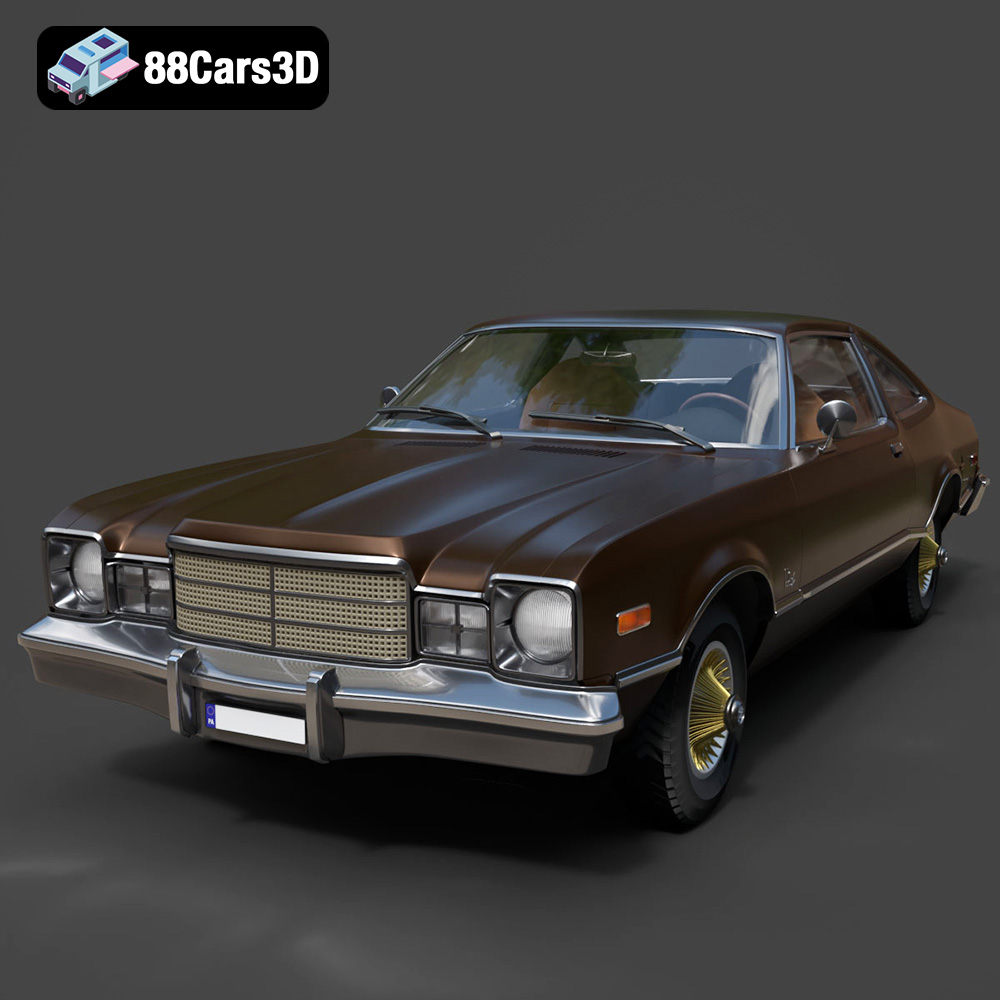
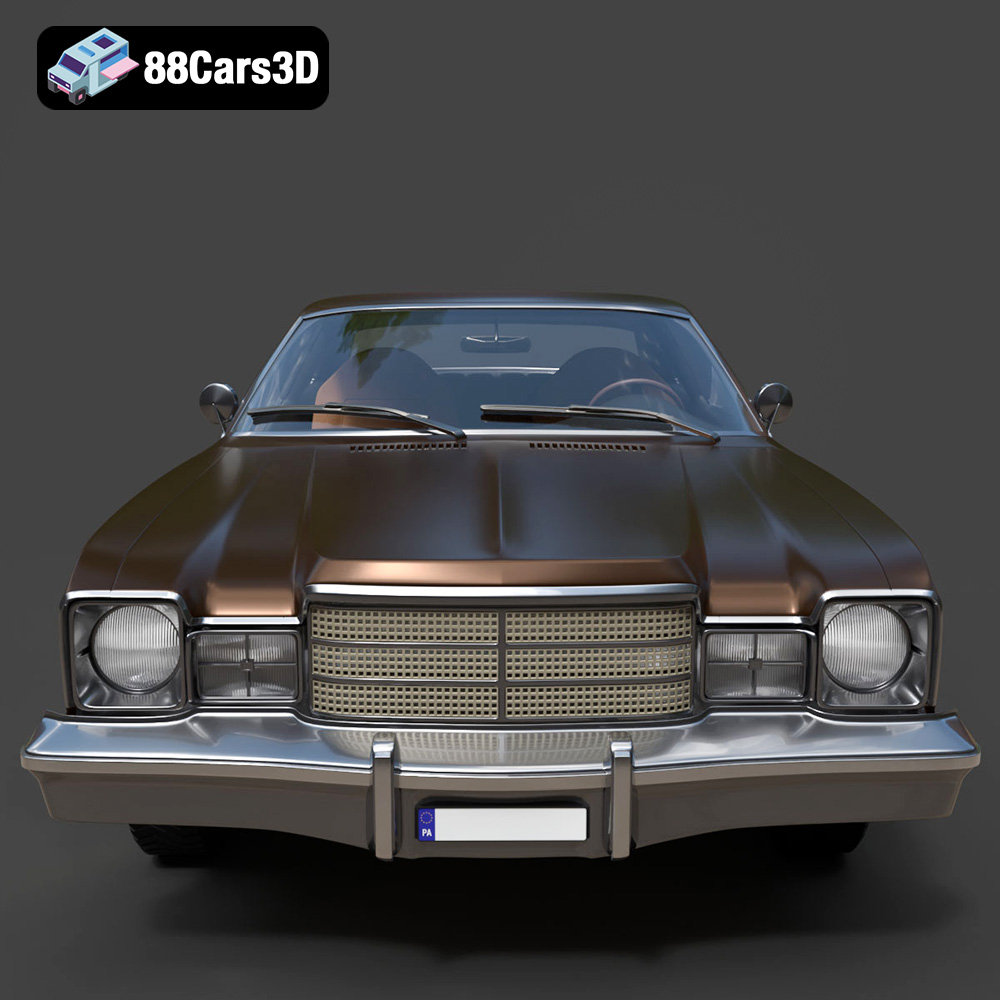
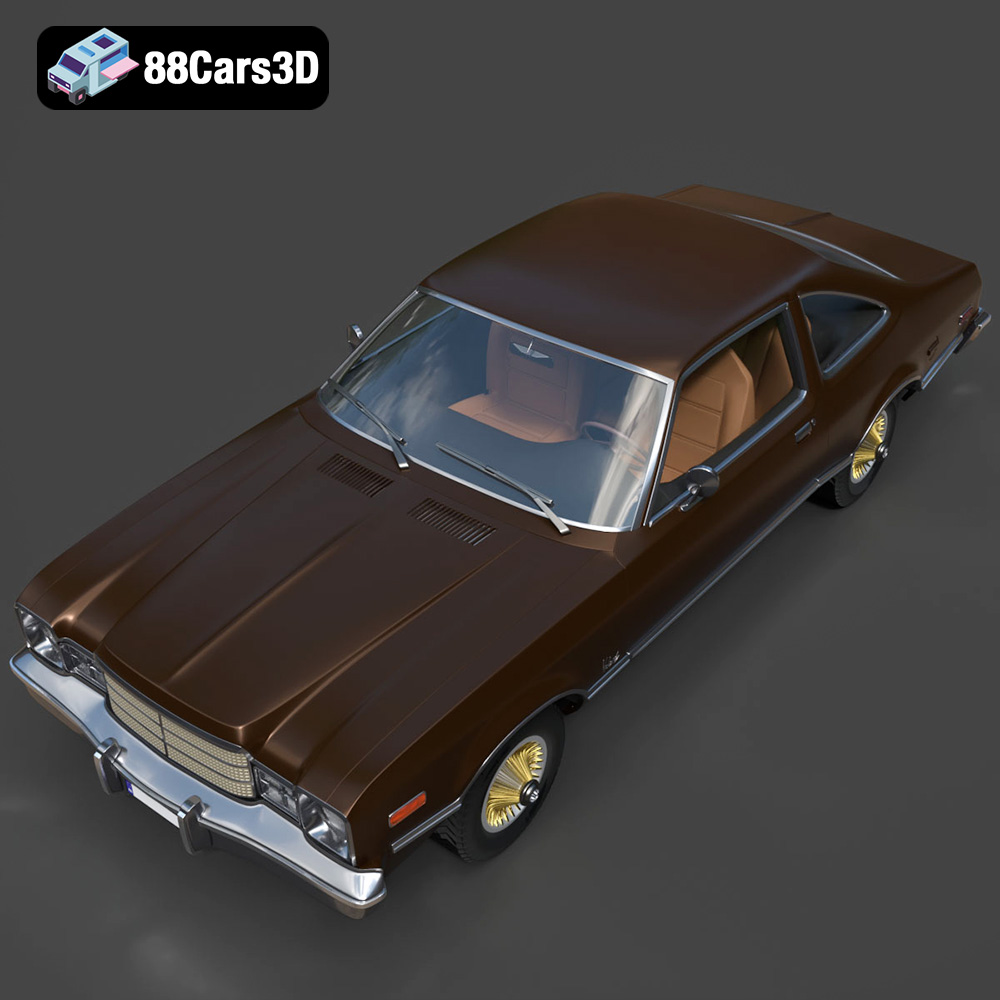
Imagine effortlessly dropping a classic piece of automotive history into your latest Unreal Engine project, or rendering it with photorealistic perfection in 3ds Max. This is where specialized marketplaces like 88cars3d.com excel, providing professionals with ready-to-use, expertly crafted models that save countless hours of development time. Today, we’ll delve into the intricacies of integrating such assets into demanding production pipelines, using a prime example of digital craftsmanship: the 1977 Plymouth Volare Coupe 3D Model. This iconic vehicle, an unmistakable representation of late 70s American automotive design, serves as a perfect case study for exploring the technical specifications, versatile applications, and professional workflows that elevate a good 3D model into an indispensable tool.
The flexibility and usability of a 3D model often hinge on the file formats it supports. Different formats are optimized for various purposes, software environments, and performance needs. A truly versatile asset, such as the Plymouth Volare Coupe 1977 3D model, provides a comprehensive suite of options, ensuring compatibility across a wide range of professional workflows. Understanding these formats is crucial for any 3D artist or developer looking to maximize efficiency and achieve specific project goals.
The .blend format is the native file type for Blender, the powerful open-source 3D creation suite. When you download a .blend file, you’re getting a complete Blender scene, often including materials, textures, lighting, cameras, and even animation data. This format is ideal for users who work primarily in Blender, offering full editability and access to the original scene setup. For the Volare model, a .blend file allows artists to easily inspect its topology, modify materials, adjust rigging, or even re-render it directly within Blender’s Cycles or Eevee engines, making it a highly flexible starting point for customization.
.fbx (Filmbox) is a proprietary file format developed by Autodesk, widely recognized as the industry standard for 3D data interchange. It supports comprehensive data, including models, materials, textures, animations, and rigs, making it ideal for transferring assets between different 3D software applications and, crucially, into real-time game engines like Unreal Engine and Unity. The Volare’s .fbx file is optimized for these environments, ensuring that its ~120,000 triangles, UV maps, and material assignments translate seamlessly, ready for immediate integration into game development or real-time visualization pipelines.
The .obj (Wavefront Object) format is a universal standard for storing 3D geometry. While it doesn’t typically include animation or rigging data, it excels at representing mesh data (vertices, normals, UV coordinates) and can reference external material files (.mtl). Its simplicity and wide support make it an excellent choice for cross-software compatibility, ensuring that the Plymouth Volare Coupe model can be opened and worked with in virtually any 3D application, from ZBrush to Houdini, even if it’s primarily for static renders or initial sculpting passes.
.glb (GL Transmission Format Binary) is a relatively newer format designed for efficient transmission and loading of 3D scenes and models in web and AR/VR applications. It’s a binary version of glTF, embedding textures and other assets directly into a single file, which streamlines deployment. For immersive virtual showrooms or configurators featuring the Volare, the .glb format offers optimal performance and ease of use, delivering a lightweight yet visually rich experience directly in a browser or mobile device.
.stl (Stereolithography) is almost exclusively used for 3D printing. It represents a 3D model as a series of connected triangles, describing only the surface geometry without color, texture, or material information. The Volare model’s availability in .stl format means enthusiasts can bring this classic car into the physical world, printing it at various scales (e.g., 1:12, 1:18, 1:24) for display. The product description highlights necessary considerations like support structures and print orientation for achieving a successful physical replica.
The .ply (Polygon File Format, or Stanford Triangle Format) is another format for storing 3D data, particularly useful for scanned data and precision mesh representation. It can store a wider range of properties for vertices, faces, and edges than .obj, including color, transparency, and normal vectors. While less common for general asset interchange than .fbx, it finds its niche in scientific, CAD, or analysis-driven workflows where high precision and additional data per vertex are critical for the Volare’s detailed geometry.
The .unreal file format denotes an asset specifically prepared and packaged for direct import and optimal performance within the Unreal Engine. This isn’t a standard interchangeable format but rather a descriptor that the asset has undergone Unreal-specific optimizations, material setups, and potentially collision meshes or LODs. For the Plymouth Volare, receiving it in an “.unreal” optimized state means minimal setup, allowing developers to immediately drop it into their projects with confidence, knowing it’s configured for Unreal’s rendering pipeline and physics system.
Finally, the .max format is the native file type for Autodesk 3ds Max, a leading software for 3D modeling, animation, and rendering. Similar to .blend for Blender users, a .max file offers full access to the original scene, including complex hierarchies, modifiers, animation curves, and V-Ray or Corona Renderer material setups. Professionals relying on 3ds Max for high-fidelity automotive rendering or complex animation sequences will find the Volare’s .max file invaluable for leveraging the software’s advanced features and customization capabilities.
The allure of classic cars extends far beyond their mechanical prowess; it lies in their design, their history, and the nostalgia they evoke. Translating this intricate blend of aesthetics and heritage into a digital 3D model is a specialized art form. It requires not just technical skill but also a deep appreciation for the original vehicle’s nuances. The 1977 Plymouth Volare Coupe 3D model exemplifies this dedication, capturing the essence of an era with remarkable fidelity.
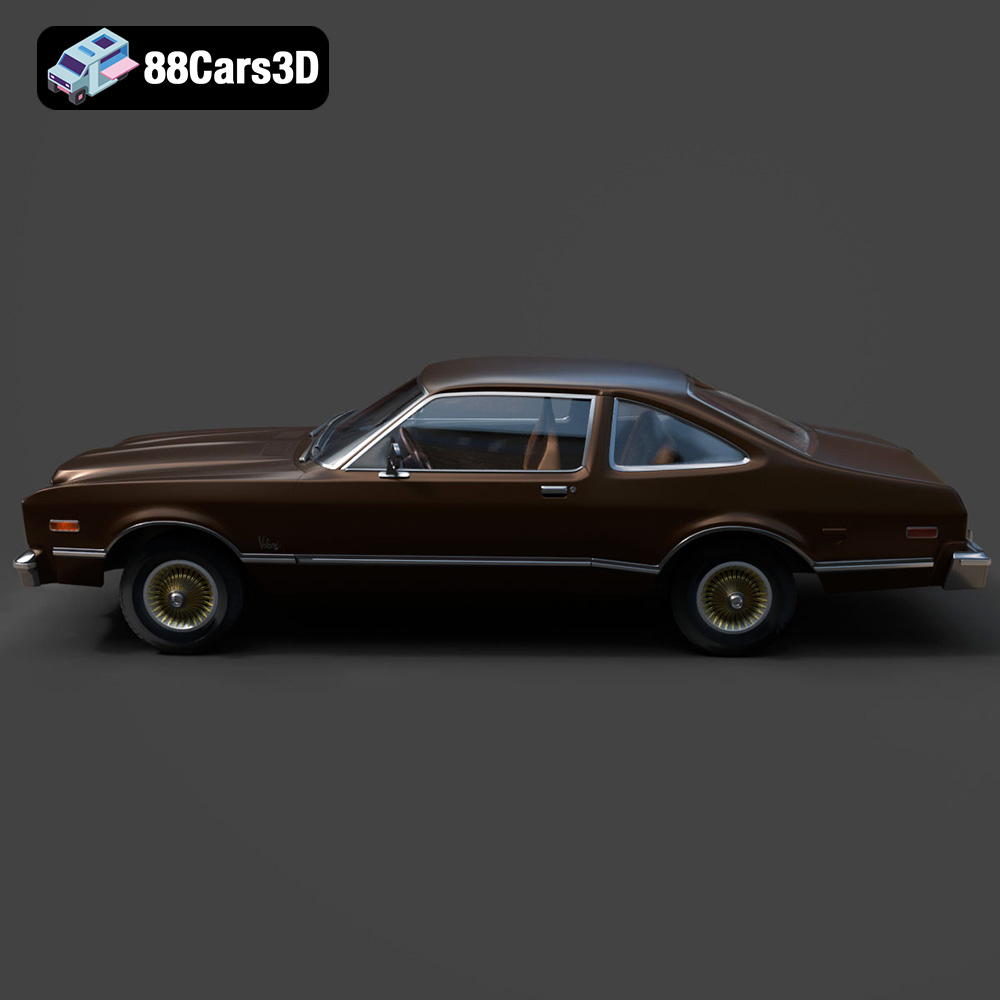
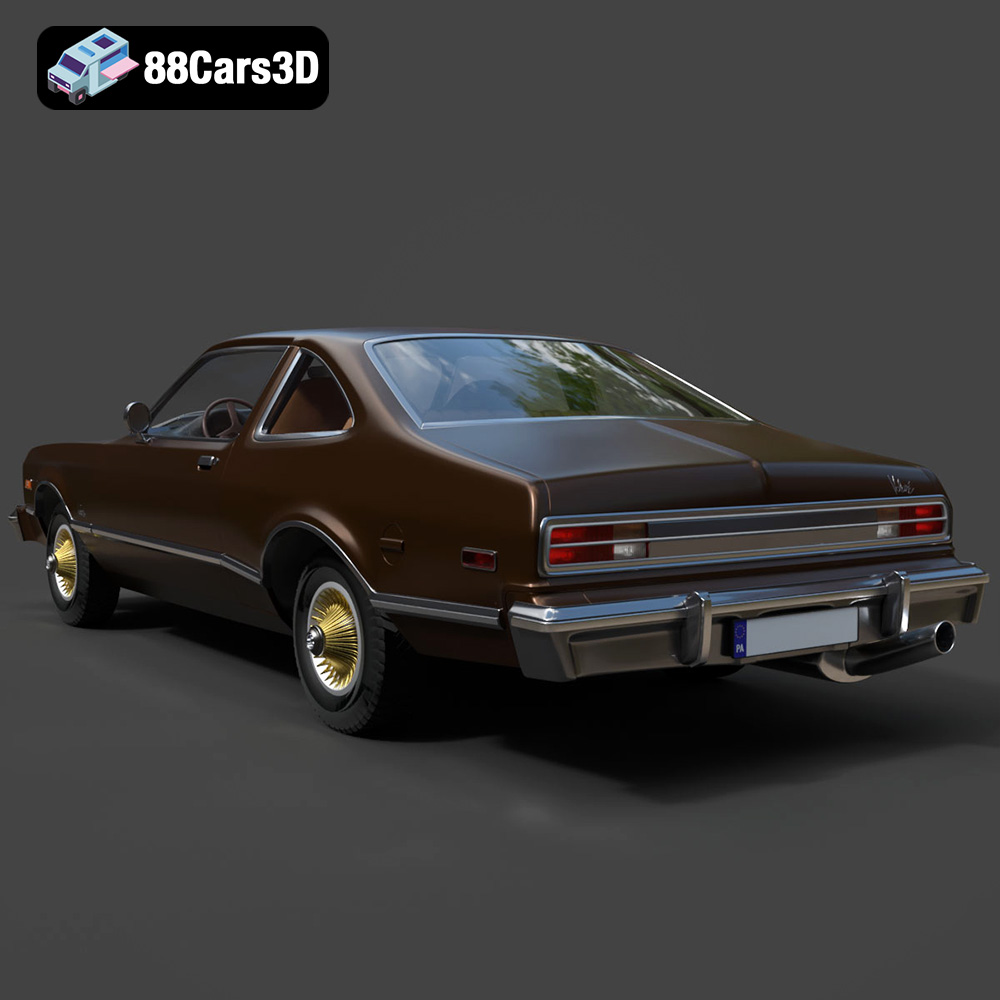
The meticulous attention to detail in the Plymouth Volare model is evident in every curve and line. Its distinct F-body platform, a hallmark of its generation, is accurately replicated, giving the model its authentic stance and proportions. The classic long-hood/short-deck design, characteristic of American cruisers, is perfectly translated, providing that unmistakable retro silhouette. Beyond the general form, specific details like the iconic square headlights and the intricately designed vintage taillights are recreated with precision, reflecting the true craftsmanship of the original vehicle. These elements are critical for any project aiming for historical accuracy or period-appropriate visual storytelling, whether it’s for a film previz or a retro-themed open-world game.
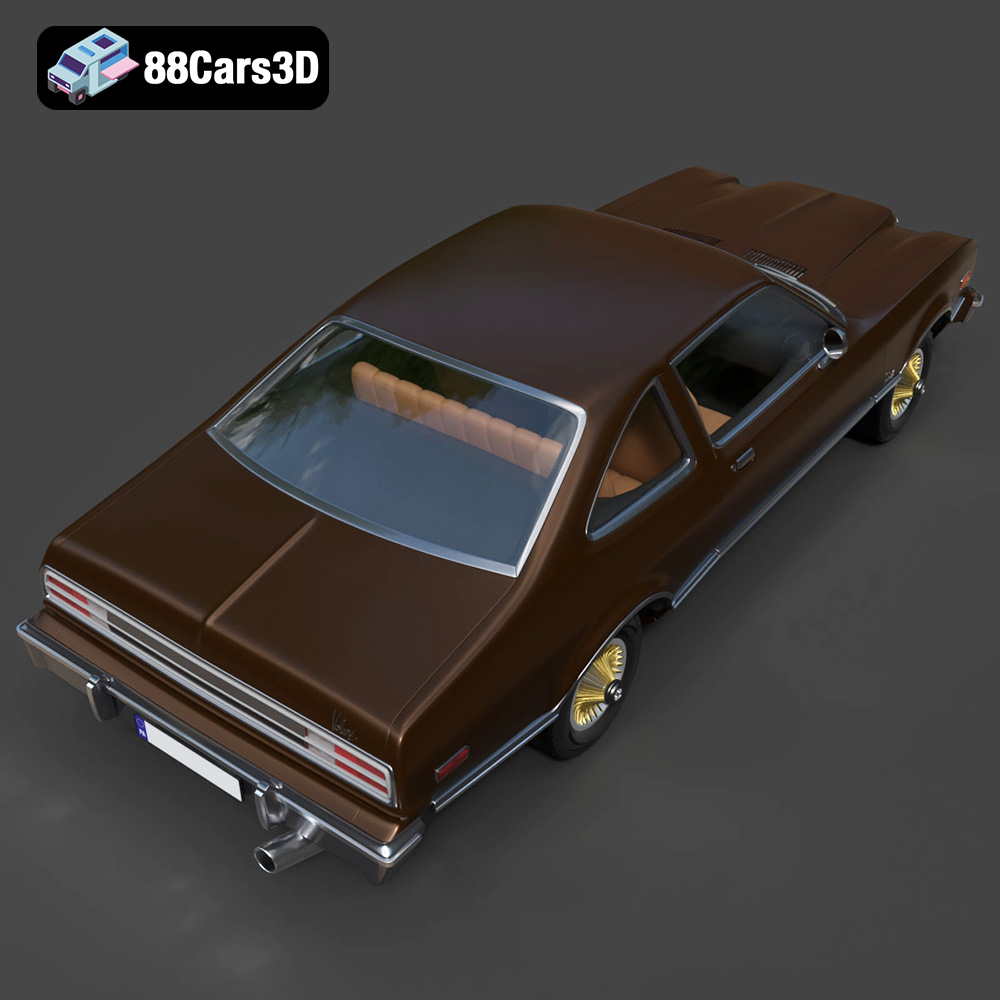
A truly high-quality 3D car model doesn’t just look good from the outside. The Plymouth Volare Coupe 1977 model demonstrates this by including comprehensive interior and undercarriage details. Under the hood, a detailed engine block representation adds significant depth for close-up shots or even interactive explorations in VR. The authentic period-correct single exhaust system and realistic suspension geometry enhance the overall realism, especially crucial for simulations or animations where undercarriage visibility is expected. Inside, the cockpit features classic 70s plush seating, a vintage two-spoke steering wheel, and an accurate analog instrument cluster. These interior elements are not merely present but are optimized for first-person perspective, making the model ideal for driving simulators or virtual experiences where users might sit inside the vehicle. Such thoroughness ensures the model is versatile enough for a broad spectrum of uses, from static beauty shots to fully interactive experiences.
In professional 3D production, visual fidelity must always be balanced with performance. A model that looks incredible but brings a game engine to its knees or takes hours to render is often impractical. The mark of a well-engineered 3D car model lies in its optimized technical specifications, ensuring it can perform efficiently across various demanding applications. The Plymouth Volare Coupe 1977 3D model is a testament to this principle, expertly crafted to meet the stringent demands of modern digital workflows.
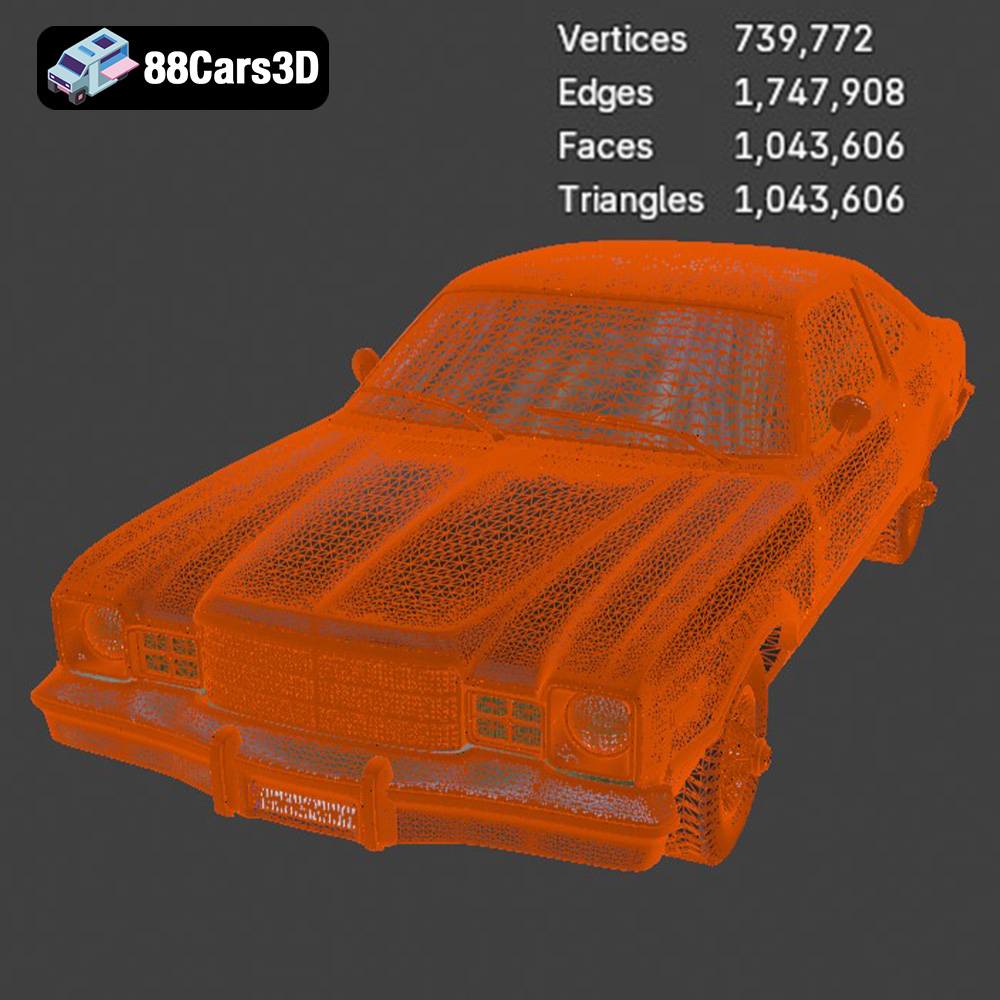
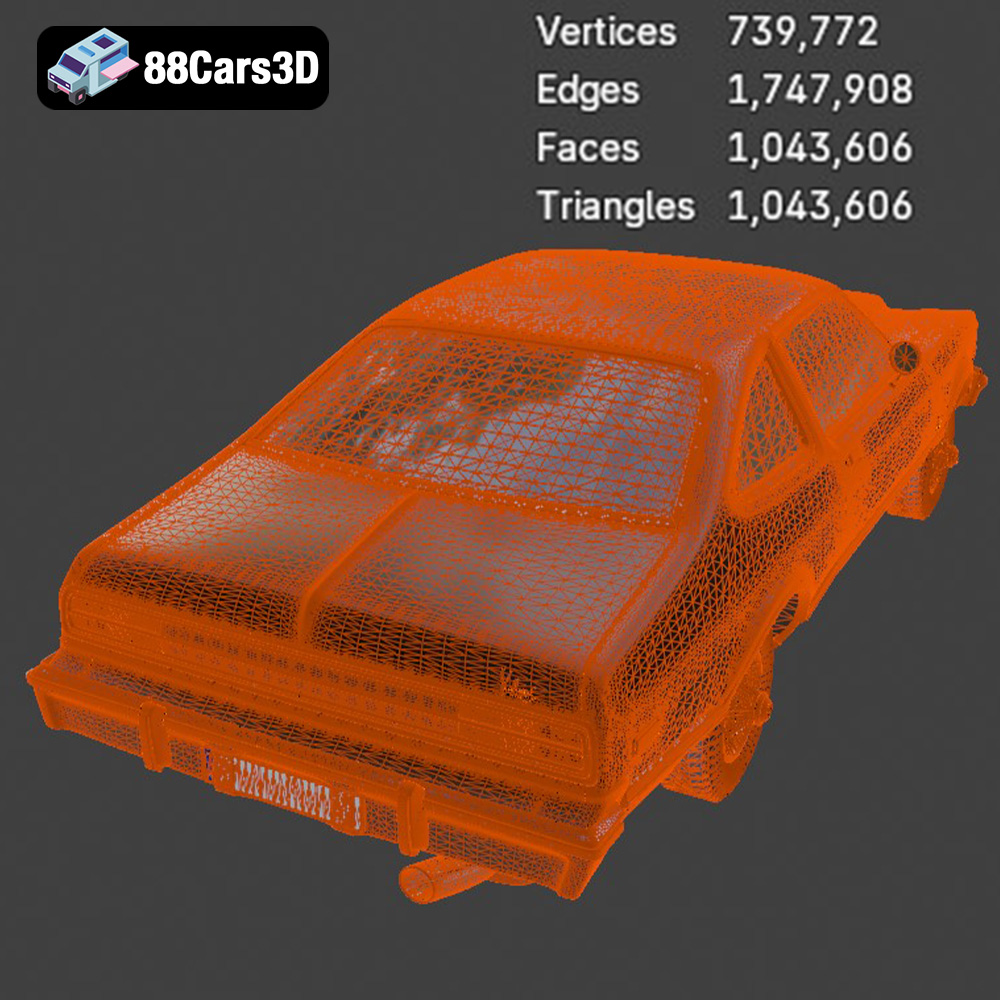
The Volare model boasts an optimized topology of approximately 120,000 triangles. This polycount strikes a near-perfect balance, offering sufficient detail for high-end visual realism in renders while remaining performant enough for real-time engines like Unreal Engine and Unity. Achieving this balance is a complex process, involving careful mesh construction, efficient polygon distribution, and often, the implementation of multiple Levels of Detail (LODs) – though for 120k triangles, it’s often directly game-ready without needing extensive LODs for many scenarios. This optimization ensures that developers and artists can integrate the model without fear of bogging down their scene or exceeding performance budgets, making it an excellent game asset. For automotive rendering specialists, the clean topology also translates to smoother subdivisions and more predictable shading, crucial for photorealistic output.
Accuracy in 3D modeling extends beyond visual replication to include real-world scale. The Plymouth Volare Coupe model is built to actual vehicle chassis dimensions, ensuring it fits seamlessly into environments and simulations that rely on accurate measurements. This is critical for architectural visualization, virtual production sets, and engineering simulations. Furthermore, the model is designed with animation in mind. Key components such as the wheels, suspension, and steering are separated and feature proper pivot setups. This allows animators to easily articulate these parts for realistic driving sequences, suspension compression over rough terrain, or intricate steering maneuvers. The ability to animate these elements out-of-the-box significantly reduces setup time, accelerating production for game developers creating racing titles or cinematics artists working on automotive advertisements.
The versatility of a well-designed 3D car model like the Plymouth Volare Coupe 1977 extends across a multitude of industries and applications. Its balanced optimization and detailed construction make it a valuable asset for almost any project requiring a vintage vehicle, underscoring why investing in high-quality 3D car models from platforms like 88cars3d.com is a smart choice for professionals.
For game developers, the Volare model is a highly sought-after asset. Its optimized polycount makes it ideal for integrating into open-world games, racing titles, and vehicle simulators. Imagine cruising through a meticulously recreated 70s-era city in a historically accurate Plymouth Volare, the vehicle’s unique handling and visual characteristics contributing to a truly immersive experience. Its game-ready state means less time spent on optimization and more time on core gameplay and creative iteration. Compatibility with Unreal Engine and Unity, often facilitated by the .fbx and .unreal formats, ensures a smooth import process, allowing developers to focus on gameplay mechanics, AI, and environmental design around this meticulously crafted classic.
Beyond interactive entertainment, the Plymouth Volare Coupe model is a powerful tool for high-end rendering and visualization. Marketing agencies can utilize it for brand campaigns, placing the classic car in lifestyle scenes that evoke nostalgia and luxury. Automotive designers and visualization artists can leverage its detail for studio lighting setups, creating stunning photorealistic images and animations for advertisements, product showcases, or conceptual presentations. The ability to customize body colors, material finishes (matte, gloss, metallic, chrome), and lighting allows artists to adapt the model to suit any aesthetic or narrative, delivering impactful visuals that resonate with audiences.
One of the most exciting applications for 3D models is the ability to transform them into physical objects through 3D printing. The Volare model’s availability in .stl format caters directly to hobbyists, collectors, and model makers. The detailed product description even provides specific 3D print settings, including recommended scales (1:12, 1:18, 1:24), layer heights, wall thickness, and advice on supports and print orientation. This ensures that even those without extensive 3D printing experience can achieve a successful print. The recommendation for resin printing for fine details and subsequent post-processing (sanding, primer, authentic factory colors) highlights the dedication to delivering a physical replica that honors the digital original, allowing enthusiasts to hold a piece of digital automotive history in their hands.
Leveraging a high-quality asset like the Plymouth Volare Coupe 1977 3D model to its fullest potential often involves integrating it into advanced professional workflows within industry-standard software. The versatility offered by its multiple file formats (.max, .blend, .fbx, .unreal) ensures that artists and developers can choose the environment best suited for their specific tasks, from real-time engine integration to high-fidelity rendering and bespoke animation.
For game developers and real-time visualization specialists, bringing the Plymouth Volare into Unreal Engine is a streamlined process. The .fbx file, or the specifically optimized .unreal package, allows for direct import. Once in Unreal, artists can assign physically based rendering (PBR) materials to the various parts of the car – metallic for chrome, rough plastic for trim, and glossy paint for the body. The proper pivot setup for wheels and suspension means that animators can quickly set up blueprints for realistic driving physics and interactive elements. Furthermore, the optimized ~120,000 triangle polycount ensures that the Volare performs efficiently within a complex game environment, maintaining high frame rates while still looking visually stunning. This makes it an ideal game asset for adding vintage flair to any digital world.
When photorealism is the ultimate goal, 3ds Max (with its .max file) or Blender (with its .blend file) become the tools of choice for automotive rendering. In 3ds Max, artists can utilize powerful renderers like V-Ray or Corona to create breathtaking studio shots or environmental renders. The ability to load the full .max scene means access to pre-configured materials, lighting rigs, and even animation setups, allowing for immediate iteration. In Blender, artists can leverage Cycles or Eevee, refining the car’s materials, applying advanced shaders for paint flakes, accurate glass refractions, and intricate tire textures. Both environments allow for precise camera control, depth of field, and sophisticated lighting setups (HDRI lighting, area lights) to showcase the Volare’s classic lines and detailed features in a visually compelling manner, suitable for advertisements, cinematics, or portfolio pieces.
A significant advantage of acquiring a detailed 3D model from 88cars3d.com is the inherent flexibility it offers for customization. Beyond its out-of-the-box appeal, the Plymouth Volare Coupe 1977 model provides ample opportunity for creative expression. Artists can easily change body colors, experimenting with authentic Malaise-era factory colors or inventing custom finishes to match a unique artistic vision. Modifying tire textures to include standard street or classic whitewall variants adds another layer of period authenticity or stylistic choice. Adjusting material finishes – from matte and gloss to metallic and classic chrome – allows for precise control over the car’s aesthetic, adapting it perfectly to different lighting conditions or project requirements. This level of customization ensures that the Volare model can be seamlessly integrated into diverse creative projects, making it a truly versatile and invaluable asset for any 3D professional.
The landscape of 3D content creation is constantly evolving, with increasing demands for realism, performance, and versatility. High-quality 3D car models are no longer just supplementary assets; they are foundational elements that can elevate an entire project. The 1977 Plymouth Volare Coupe 3D model stands as an exemplary representation of what a meticulously crafted digital asset can offer – from its optimized topology and real-world scale to its comprehensive detail across exterior, interior, and undercarriage components.
Its availability in a wide array of formats, including .blend, .fbx, .obj, .glb, .stl, .ply, .unreal, and .max, ensures seamless integration into virtually any professional workflow, whether it’s for game development, architectural visualization, cinematic rendering, or even 3D printing. By providing such a robust and adaptable model, platforms like 88cars3d.com empower artists and developers to save precious production time and focus on creative innovation, knowing they have a reliable, high-fidelity foundation for their automotive projects. Investing in premium 3D car models like the Plymouth Volare Coupe 1977 is not just about acquiring an asset; it’s about unlocking a world of creative possibilities and driving digital innovation forward.
The 1977 Plymouth Volare Coupe is an iconic representation of late 70s American automotive design. Known for its distinct F-body platform, classic long-hood/short-deck proportions, and unmistakable square headlights, this vehicle captures the true essence of classic American cruisers. From its detailed grille and chrome bumpers to the authentic vintage styling cues, this model brings retro nostalgia and classic craftsmanship to life in stunning detail.
$39.99
.blend
.fbx
.glb
.max
.obj
.ply
.plymouth
.rendering
.stl
.unreal
.volare
american-muscle
car-3d-model
classic-car
game asset
game-ready
low-poly
optimized
retro-car
vintage-car
volare-coupe
VR/AR