Get 20% OFF All Premium 3D & STL Models!

In the rapidly evolving world of digital visualization, the demand for high-quality 3D car models has never been greater. Whether for breathtaking cinematic renders, immersive game environments, cutting-edge AR/VR experiences, or even precise 3D printing, the foundational element remains a meticulously crafted 3D asset. These models are far more than just pretty pictures; they are complex digital blueprints that drive innovation across industries.
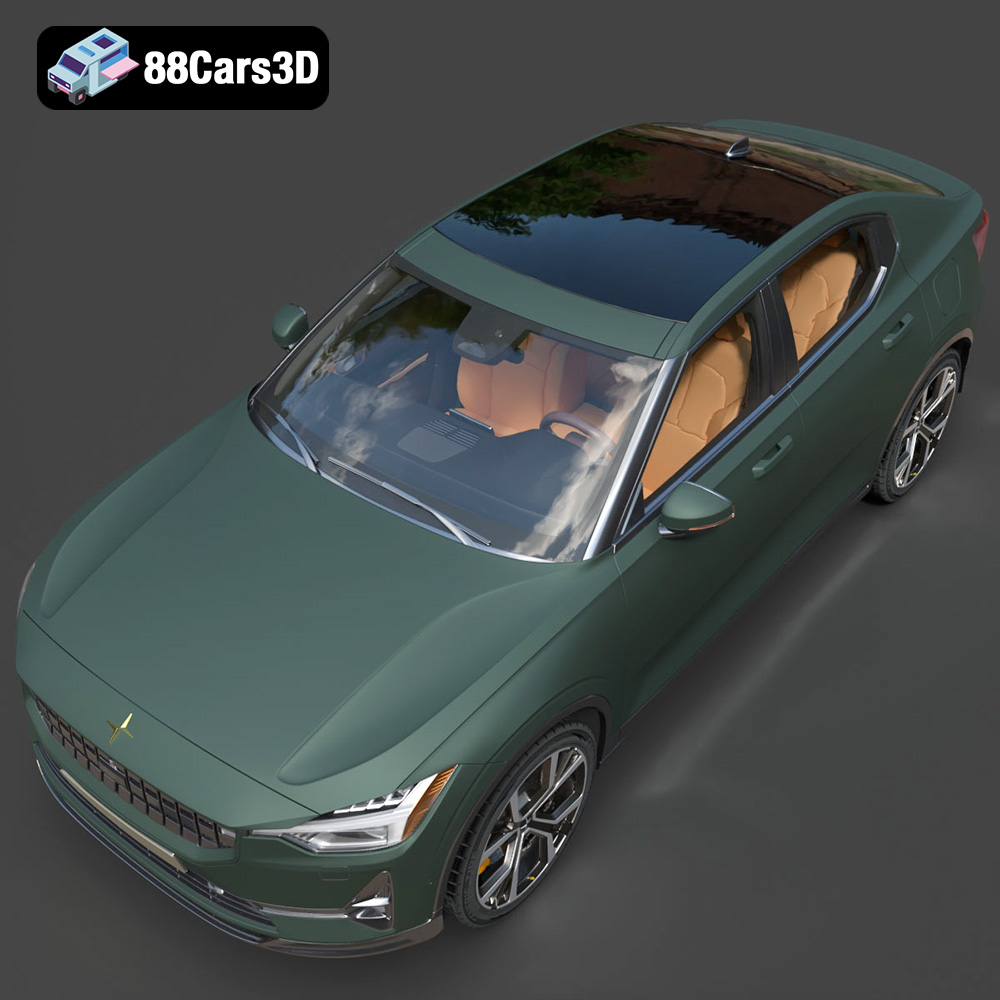
Today, we’re diving deep into the technical intricacies and creative potential that a premium 3D vehicle model offers, exemplified by the stunning Polestar 2 2020 3D Model. This particular asset stands out as a prime example of how modern digital craftsmanship merges sleek Scandinavian design with robust technical optimization, making it an invaluable tool for professionals. From its signature pixel LED headlights to its minimalist vegan interior, every detail is captured with precision, ensuring it performs flawlessly whether you’re building an urban racing game or an architectural visualization. Let’s explore how such models are conceptualized, built, and deployed to achieve unparalleled realism and performance.
The choice of file format is a critical decision in any 3D workflow, dictating compatibility, feature support, and overall pipeline efficiency. For a versatile asset like the Polestar 2 2020 3D Model, a comprehensive suite of formats is essential to serve diverse professional needs. Understanding when and why to use each format is key to unlocking its full potential.
The .blend format is native to Blender, a powerful open-source 3D creation suite. When you download a .blend file, you’re getting a fully editable Blender scene. This includes not only the mesh geometry but also materials, textures, lighting, camera setups, animations, and even physics simulations. For artists and studios heavily invested in the Blender ecosystem, this format offers unparalleled flexibility for further customization, rigging, animation, or scene integration. It’s the go-to for deep dives into an asset’s construction.
.fbx (Filmbox) is arguably the most widely adopted proprietary file format for 3D data exchange, especially within the game development and animation industries. Developed by Autodesk, FBX excels at preserving a wide range of data, including geometry, materials, textures, animations, skinning, and blend shapes. It’s the ideal choice for transferring models between different 3D applications like 3ds Max, Maya, and Blender, and is crucial for importing assets into real-time engines such as Unreal Engine and Unity. Its robust nature makes it the backbone for many real-time pipelines, ensuring that the Polestar 2 model retains its structural integrity and animation readiness.
The .obj (Wavefront OBJ) format is a universal standard for storing 3D geometry. It’s a simple, text-based format that defines vertices, normals, UV coordinates, and faces. While it’s excellent for cross-software compatibility due to its widespread support, it typically stores only mesh data, with materials and textures often referenced in a separate .mtl (material library) file. For static mesh exchange where fundamental geometry is paramount, .obj remains a reliable and widely accepted format, ensuring that the core structure of the Polestar 2 model can be accessed by virtually any 3D software.
.glb (GL Transmission Format Binary) is a relatively newer format gaining significant traction, particularly for AR (Augmented Reality), VR (Virtual Reality), and browser-based 3D applications. It’s a binary version of glTF, designed for efficient transmission and loading of 3D scenes and models. GLB bundles the entire 3D model – geometry, textures, and animations – into a single file, making it incredibly easy to share and deploy. For interactive virtual showrooms or mobile AR experiences featuring the Polestar 2, .glb offers an optimized, compact solution for instant rendering.
.stl (Stereolithography) is the de facto standard for 3D printing. It represents a 3D model as a series of connected triangles, defining only the surface geometry. It lacks color, texture, or material information, focusing solely on the object’s form. While basic, its simplicity ensures widespread compatibility with 3D printing software. The Polestar 2 3D Model, when converted to .stl, can be brought into the physical world, allowing hobbyists and designers to print scaled replicas, requiring careful attention to print settings like layer height and support structures for optimal results.
.ply (Polygon File Format) is another format for storing 3D data, often used in scientific and engineering applications, as well as 3D scanning. It can store a wider range of properties than .obj, including color, transparency, and even properties per vertex or per face. It’s known for its precision and ability to handle dense meshes, making it suitable for CAD, reverse engineering, or detailed analysis where intricate surface data from the Polestar 2 might be scrutinized.
While not a traditional open file format like .fbx or .obj, “.unreal” typically refers to an asset package specifically prepared for direct import and optimal performance within the Unreal Engine. This often implies an .fbx import with specific naming conventions, material setup, collision meshes, and LODs (Levels of Detail) already configured to meet Unreal’s pipeline requirements. For a game-ready asset like the Polestar 2 3D Model, having an “unreal” version means significantly reduced setup time and immediate integration into a real-time game environment, complete with engine-specific materials and shaders.
The .max format is native to Autodesk 3ds Max, one of the leading 3D modeling, animation, and rendering software packages. Similar to .blend for Blender, a .max file encapsulates the entire scene, including geometry, modifiers, materials, textures, lighting, cameras, and animation data. For users working within 3ds Max, this provides full access to the model’s construction, allowing for advanced scene setup, complex rendering, and detailed animation work without any data loss during import/export processes.
Having access to this range of formats ensures that the Polestar 2 2020 3D Model can seamlessly integrate into virtually any professional pipeline, providing maximum utility and flexibility for designers, developers, and artists.
The Polestar 2 is more than just an electric car; it’s a statement of minimalist design and sustainable performance. Translating such a vehicle into a high-fidelity 3D car model requires an acute understanding of both aesthetic principles and technical limitations. The Polestar 2 2020 3D Model available on 88cars3d.com exemplifies this balance, offering a premium asset that is both visually stunning and incredibly versatile.
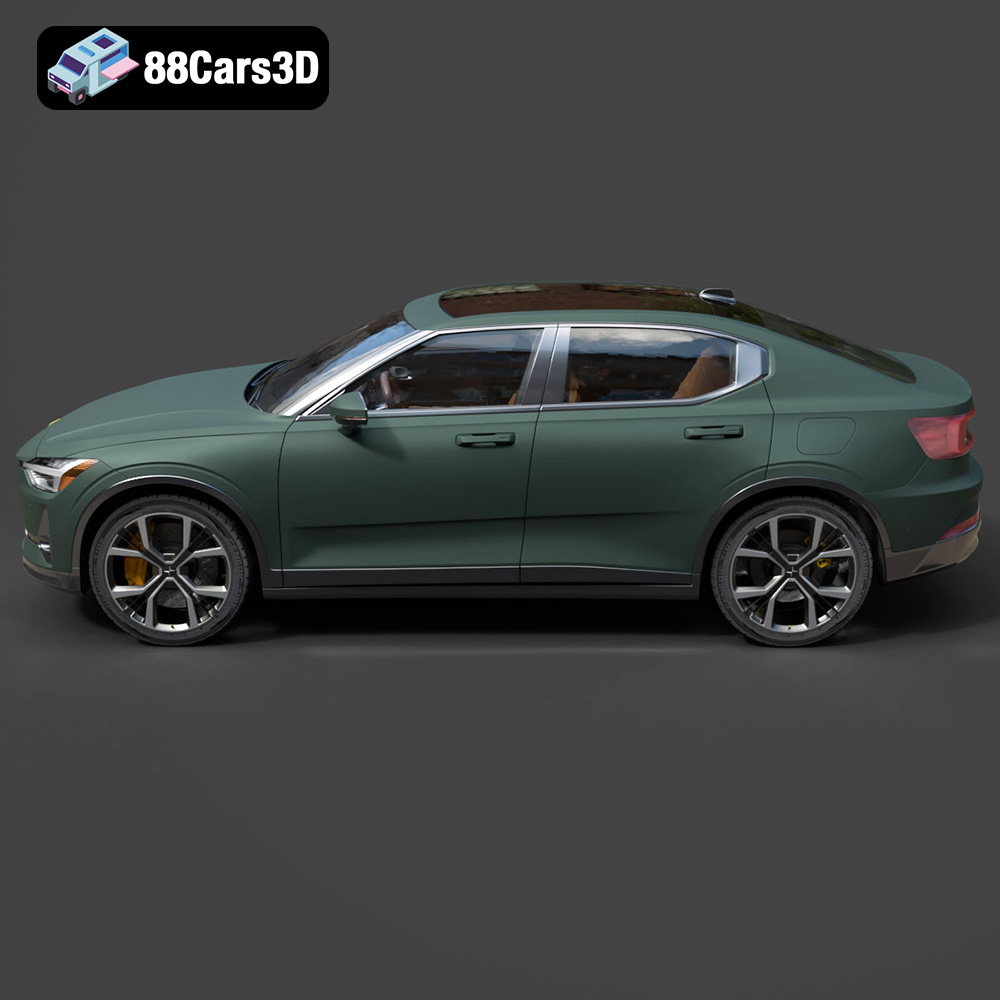
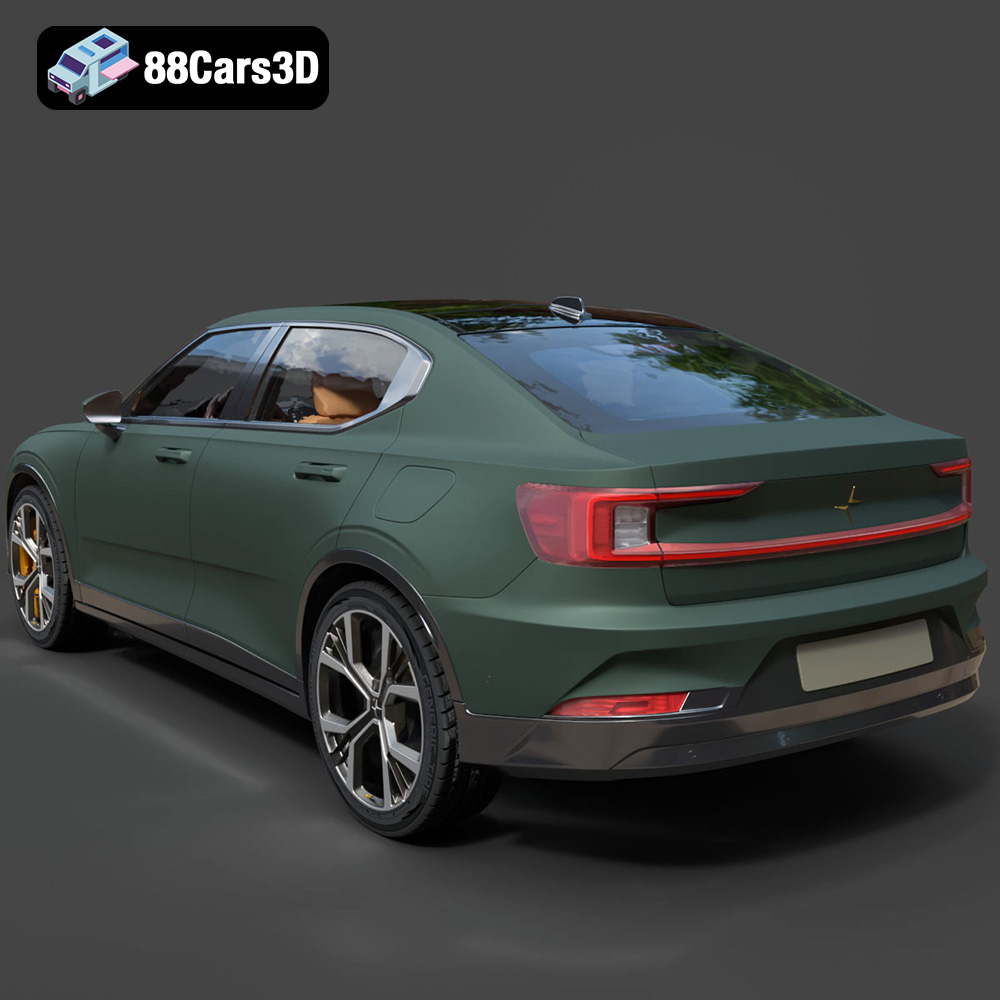
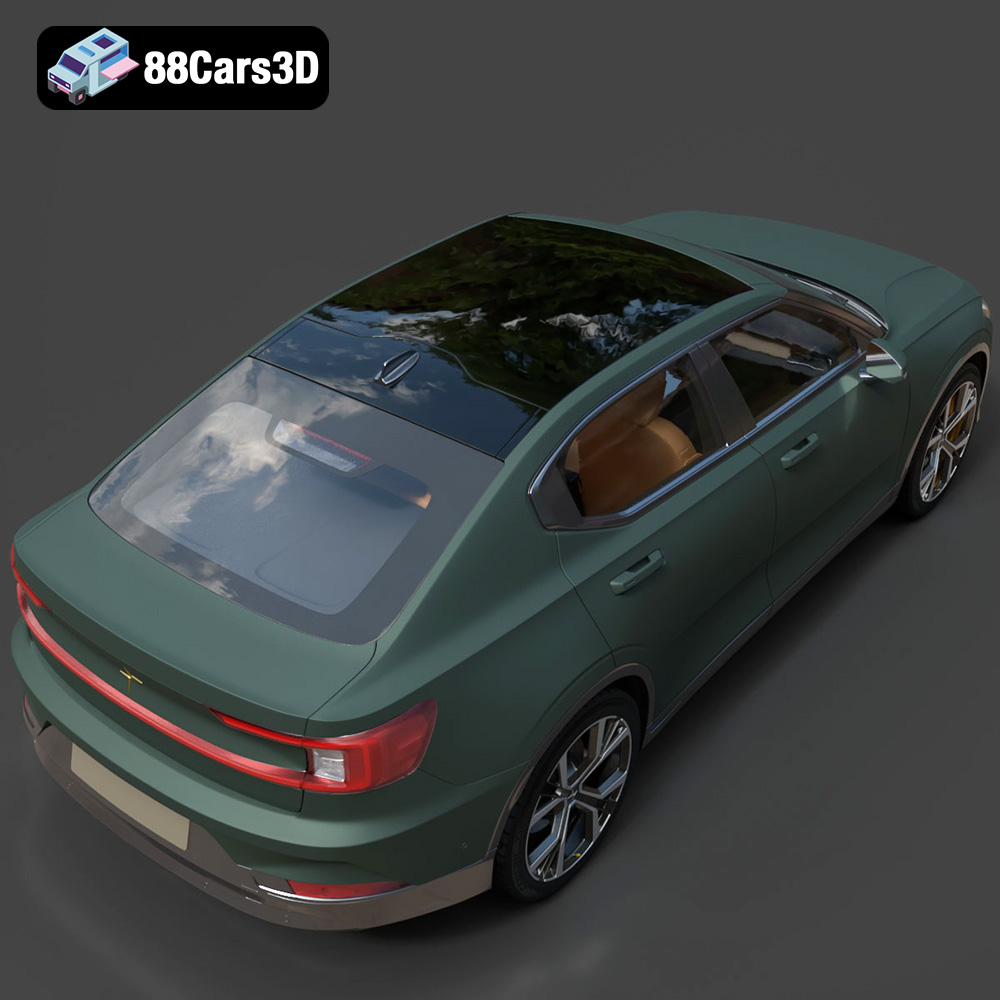
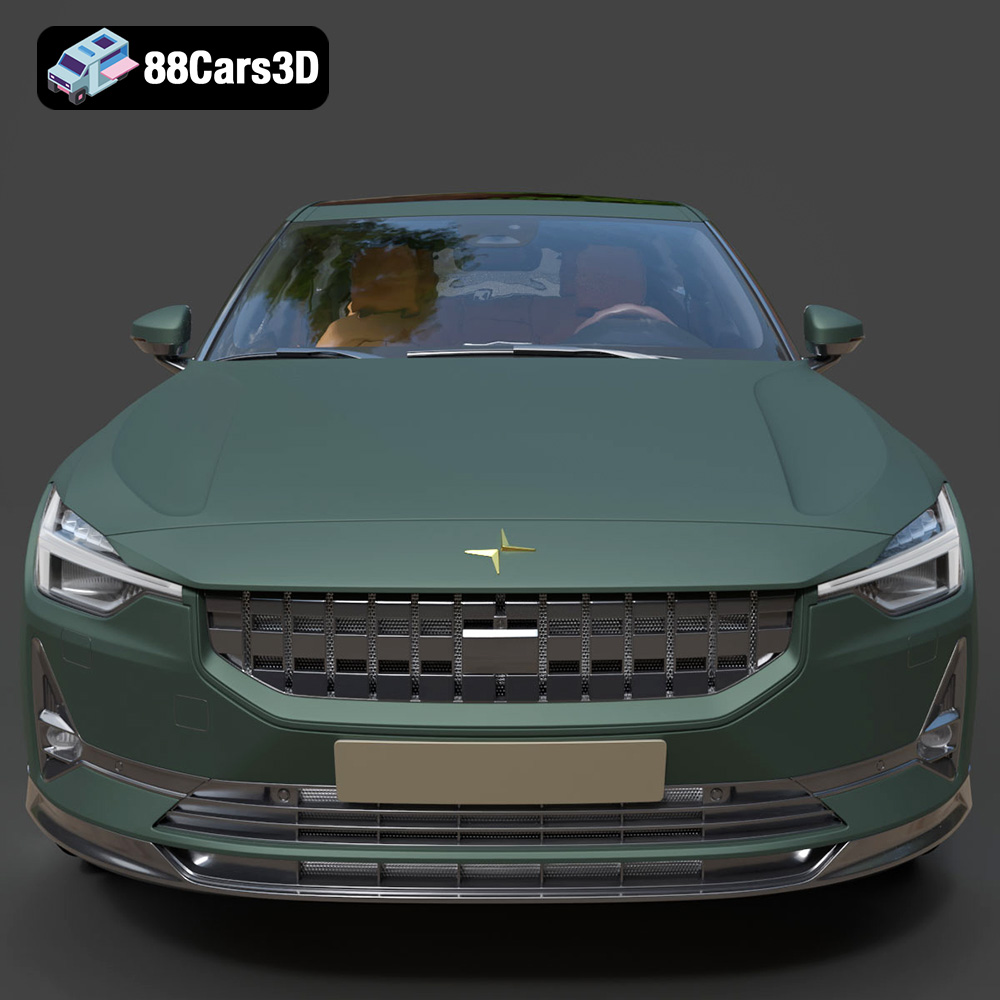
The physical Polestar 2 is renowned for its sleek fastback silhouette, distinctive pixel LED headlights, and the continuous rear lightbar. In the digital realm, these elements are meticulously recreated to maintain the vehicle’s unique character. The model boasts accurate body geometry and aerodynamic proportions, ensuring that renders and in-game appearances faithfully represent the real-world counterpart. Details like the frameless side mirrors and panoramic roof aren’t just cosmetic; they contribute to the overall authenticity and realism, which is paramount for high-end automotive rendering.
Beyond the visible exterior, the model also delves into more granular details crucial for comprehensive visualization. The precise placement of the EV battery pack and undercarriage components, while often unseen in typical renders, adds a layer of authenticity and can be vital for engineering visualizations, service training simulations, or even game damage models. This attention to detail extends to the aerodynamic alloy wheel rims and realistic tire tread patterns, ensuring that every angle holds up under close scrutiny.
The Polestar 2’s interior is a masterclass in Scandinavian vegan design, emphasizing clean lines and intuitive functionality. The 3D model replicates this minimalist cockpit with remarkable accuracy. From the accurately modeled steering wheel and digital instrument cluster to the central portrait-oriented infotainment touchscreen display, every element is designed to immerse the viewer. The distinctive geometric gear selector and the overall layout are optimized for first-person POV in gaming, making it ideal for racing simulators or interactive walkthroughs where players might explore the vehicle from the driver’s perspective.
This level of interior detail is crucial for creating convincing virtual showrooms or AR experiences where users can interact with the vehicle’s features. It transforms a static model into an interactive environment, enhancing user engagement and brand perception.
The true value of a premium 3D car model like the Polestar 2 2020 lies in its seamless integration into various professional pipelines. Artists and developers need assets that are not only beautiful but also technically sound and easily adaptable.
For artists working in 3ds Max or Blender, the provided .max and .blend formats offer direct access to the model’s raw data. This is invaluable for advanced rendering and animation projects. In 3ds Max, artists can leverage V-Ray or Corona Renderer to achieve hyper-realistic lighting and material properties, showcasing the Polestar 2 in cinematic quality. The model’s clean topology and proper pivot setups for steering, wheel rotation, and suspension travel make it animation-ready out of the box. Imagine animating a camera fly-through or a subtle suspension compression as the car turns – these details elevate the visual storytelling.
Blender users benefit from the fully editable scene, allowing them to experiment with Cycles or Eevee render engines, apply custom shader networks, or integrate the Polestar 2 into larger environmental scenes. The ability to modify tire textures, adjust material finishes (matte, gloss, metallic), and change body colors (like the authentic Snow, Thunder, or Magnesium factory EV colors) provides immense creative freedom for tailored visualizations.
Game developers and real-time experience creators rely heavily on optimized assets. The Polestar 2 3D Model, with its game-ready optimization of approximately 120,000 triangles, strikes a perfect balance between visual fidelity and performance. This polycount is ideal for real-time engines like Unreal Engine and Unity, ensuring smooth frame rates without sacrificing visual detail.
Using the .fbx format, developers can import the model into Unreal Engine, where they can set up physically based rendering (PBR) materials, dynamic lighting, and advanced animation sequences. The proper pivot setup is critical here, enabling realistic vehicle physics and handling for racing games or simulators. Similarly, in Unity, the asset can be used for mobile AR experiences, virtual showrooms, or integrated into larger open-world environments. The “unreal” specific version, if provided, further streamlines this process by pre-configuring engine-specific settings and material assignments, allowing for immediate deployment.
The versatility of a high-quality 3D car model extends far beyond traditional static renders. The Polestar 2 2020 3D Model is engineered to excel across a spectrum of modern digital applications, from interactive gaming to tangible physical replicas.
For game developers, the Polestar 2 model offers an immediate advantage. Its optimized polycount and real-world scale make it ideal for integration into racing titles, open-world adventures, and realistic driving simulators. The separate components for wheels, suspension, and steering allow for advanced vehicle rigging and physics simulations, providing players with an authentic driving experience. Imagine the Polestar 2 cruising through a meticulously designed urban environment, its pixel LED headlights cutting through the virtual night, all powered by this precisely engineered asset. Whether it’s a high-octane street race or a serene electric vehicle exploration, the model’s technical foundation supports diverse gameplay scenarios.
The burgeoning fields of Augmented Reality (AR) and Virtual Reality (VR) are revolutionizing how consumers interact with products. The Polestar 2 3D Model is perfectly suited for creating immersive virtual showrooms or interactive configurators. Using the .glb format, developers can deploy the model effortlessly on web platforms or mobile AR apps, allowing users to explore the car in their own driveway or customize its features in a virtual space. Imagine walking around the Polestar 2 in VR, opening its doors, examining the minimalist interior, and switching body colors with a gesture – all made possible by the optimized and detailed 3D asset. This provides an unparalleled level of engagement for potential buyers and enthusiasts.
For hobbyists, educators, or designers, the ability to transition from the digital screen to a physical object is incredibly exciting. The Polestar 2 3D Model is convertible to the .stl format, making it ready for 3D printing. This allows for the creation of display-scale models at recommended scales like 1:12, 1:18, or 1:24. Achieving a high-quality print requires attention to detail: resin printing is recommended for capturing the fine nuances of the Polestar 2’s design, such as the lightblades and intricate wheel patterns. Proper print orientation, support structures, and post-processing steps like sanding and painting (perhaps with authentic factory colors to match the digital model) are essential to produce a collectible-grade replica. This application bridges the gap between digital artistry and tangible craftsmanship.
In the world of real-time graphics and interactive experiences, performance is just as crucial as visual quality. A truly premium 3D car model, like the Polestar 2 2020, must be engineered for both. This involves a meticulous balancing act known as optimization, ensuring that the asset renders efficiently without sacrificing its detailed appearance.
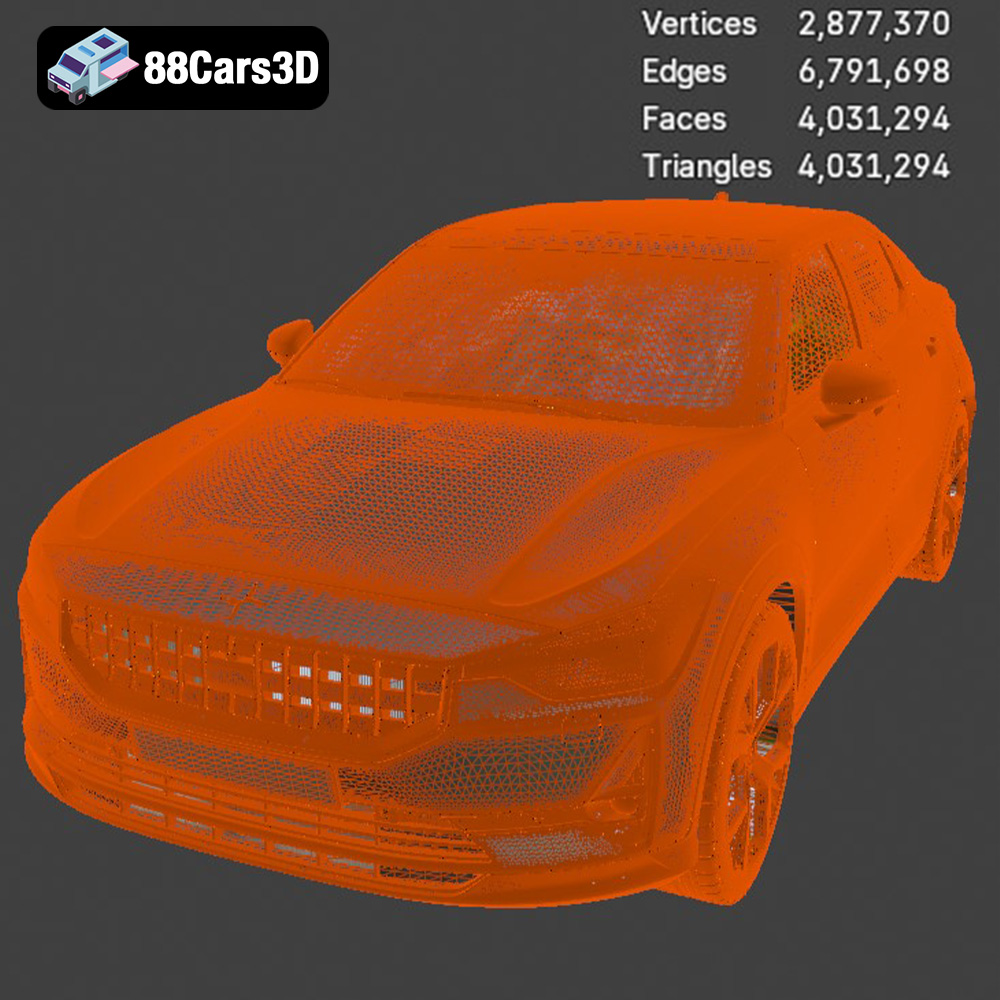
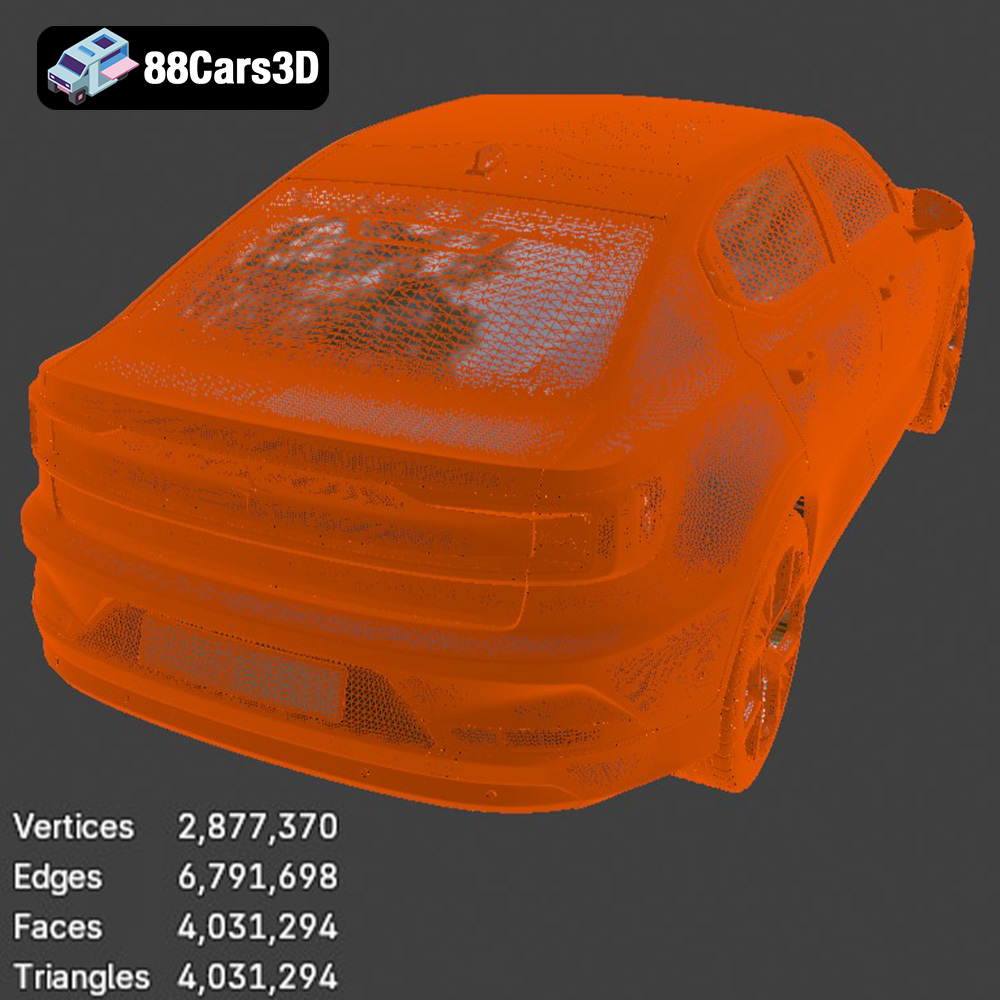
The approximate 120,000 triangle count of the Polestar 2 3D Model is a testament to careful optimization. While modern hardware can handle millions of polygons, maintaining a reasonable polycount is vital for broad compatibility and smooth performance, especially in games or mobile AR/VR applications. This “game-ready” topology means that the mesh is clean, uses mostly quads (for easier deformation and subdivision if needed), and avoids unnecessary geometry that would burden rendering engines. Every polygon is strategically placed to define the curves and edges of the Polestar 2 without redundancy, resulting in an efficient yet highly detailed model.
Accuracy is key for realism. The Polestar 2 model is built to real-world scale, which is fundamental for correct physics simulations in games, accurate placement in architectural visualizations, and consistent lighting behavior in any rendering environment. Furthermore, the proper pivot setup for steering, wheel rotation, and suspension travel is a crucial technical advantage. Without correctly placed pivots, animating these components becomes a cumbersome, if not impossible, task. This foresight in the model’s construction significantly reduces development time for animators and riggers, allowing them to focus on creative execution rather than technical corrections.
While the product description highlights customization options like changing body colors and modifying tire textures, the underlying material setup is equally important. Optimized materials leverage PBR (Physically Based Rendering) principles, ensuring that the car reacts realistically to various lighting conditions, just like its real-world counterpart. This means carefully crafted albedo, metallic, roughness, and normal maps that accurately represent the Polestar 2’s sleek paint, glass, and interior finishes. Efficient UV mapping ensures that textures are applied without distortion and that texture atlases are used where appropriate to minimize draw calls in real-time engines.
A well-designed 3D car model is not just a static representation; it’s a dynamic canvas for creative expression. The Polestar 2 2020 3D Model, with its robust structure and thoughtful design, offers extensive customization options that empower artists and developers to tailor it to their specific project needs.
The ability to change body colors is fundamental. From the Polestar’s factory EV colors like Snow, Thunder, and Magnesium to any custom finish imaginable, artists can quickly adapt the vehicle’s appearance to suit different brand campaigns, artistic visions, or even user preferences in a configurator. This extends to modifying material finishes – switching between matte, gloss, or metallic textures can drastically alter the car’s perceived luxury and style. Similarly, adapting lighting for different environments, from a sunny exterior to a dramatic studio setup, allows for complete atmospheric control, enhancing the vehicle’s visual impact.
The future of digital visualization is increasingly interactive and personalized. A versatile asset like the Polestar 2 3D Model from 88cars3d.com is not just a tool for current projects but an investment in future possibilities. Its clean topology and game-ready optimization make it future-proof for emerging platforms and technologies. As AR/VR experiences become more sophisticated and real-time rendering capabilities advance, having a high-quality foundation model reduces the barrier to entry for exploring new creative avenues. This model is more than an asset; it’s a catalyst for innovation, ready to be driven into the next generation of digital experiences.
The journey from a conceptual design to a hyper-realistic, interactive 3D car model is a complex one, demanding precision, technical expertise, and artistic vision. The Polestar 2 2020 3D Model embodies this intricate balance, offering a premium asset that excels across diverse applications – from high-end automotive rendering and cinematic animation to immersive game development, interactive AR/VR experiences, and even tangible 3D prints. Its optimized topology, detailed features, and comprehensive file format support make it an indispensable tool for any professional seeking uncompromising quality and versatility.
By understanding the nuances of file formats like .blend, .fbx, .obj, .glb, .stl, .ply, .unreal, and .max, creators can effectively leverage such models across their entire workflow. The Polestar 2 model’s attention to real-world scale, proper pivot setups, and game-ready optimization ensures seamless integration and exceptional performance in any digital environment. Whether you’re crafting the next big racing game, designing a virtual showroom, or simply aiming for breathtaking visualizations, an asset of this caliber significantly elevates your project’s fidelity and professionalism.
For those looking to accelerate their digital projects with top-tier assets, exploring the offerings at 88cars3d.com is a crucial step. High-quality 3D car models like the Polestar 2 2020 are not just purchases; they are investments in efficiency, realism, and creative potential, empowering you to build compelling digital worlds that captivate and inspire.
Discover the sleek and innovative Polestar 2 2020, a premium all-electric fastback that redefines Scandinavian minimalist design and sustainable performance. This cutting-edge EV features iconic visual elements such as signature pixel LED headlights, a striking full-width taillight blade, frameless mirrors, and a distinctively aerodynamic profile that sets it apart in the modern electric vehicle market. This premium 3D model boasts an optimized topology with an estimated triangle count of 120,000, striking the perfect balance between high-end visual fidelity and game-ready performance. Crafted with exceptional attention to detail, it is perfectly suited for high-end game development, interactive AR/VR experiences, animation, and hyper-realistic visualization. Perfect for urban racing games, sustainable tech showcases, architectural visualizations, and virtual showrooms.
$39.99
.blend
.ev
.fastback
.fbx
.glb
.max
.obj
.ply
.polestar
.rendering
.stl
.unreal
car-3d-model
electric-car
game asset
game-ready
low-poly
optimized
polestar-2
VR/AR