Get 20% OFF All Premium 3D & STL Models!

In the dynamic world of 3D visualization, the demand for unparalleled realism continues to grow. From captivating cinematic sequences to immersive game environments and precise architectural walkthroughs, high-fidelity 3D car models are indispensable assets. They are not merely props; they are complex digital sculptures that convey luxury, performance, and intricate design. This journey into automotive 3D explores the critical elements that define a premium model, the diverse applications it serves, and the technical considerations essential for seamless integration into any professional pipeline.
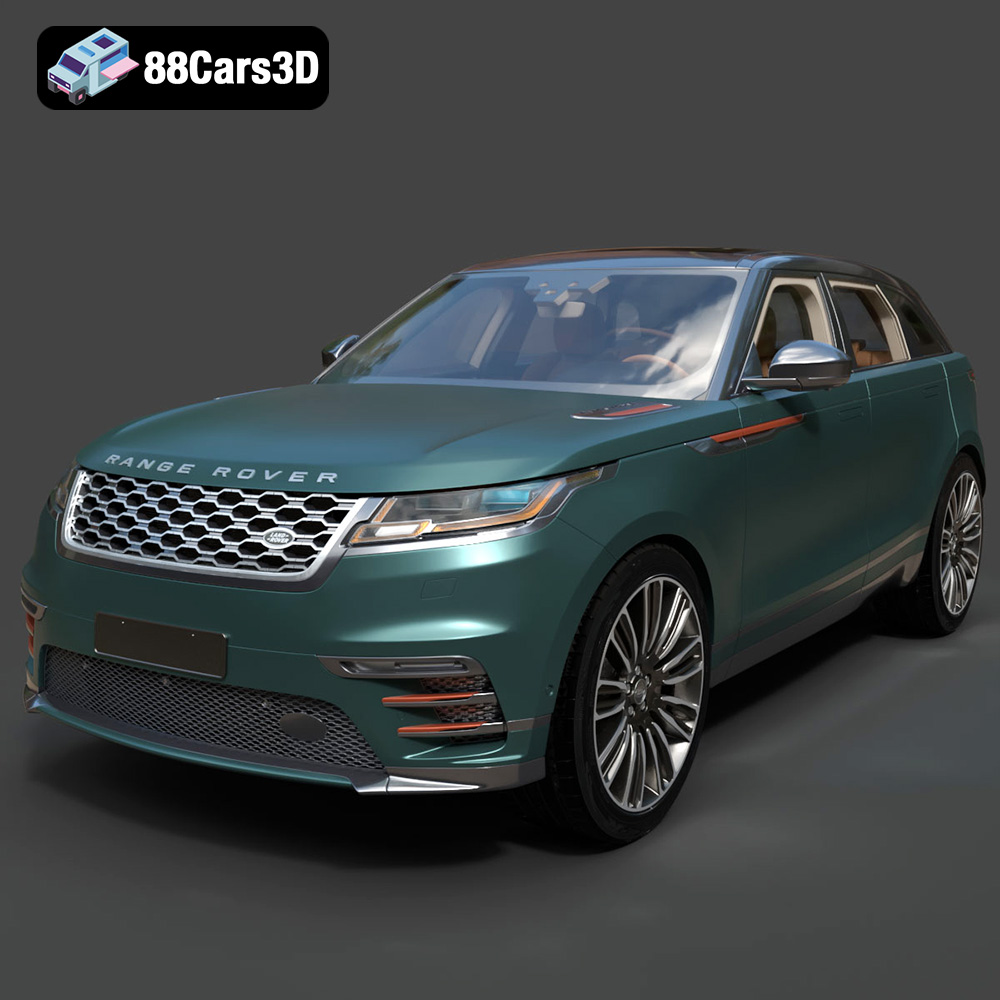
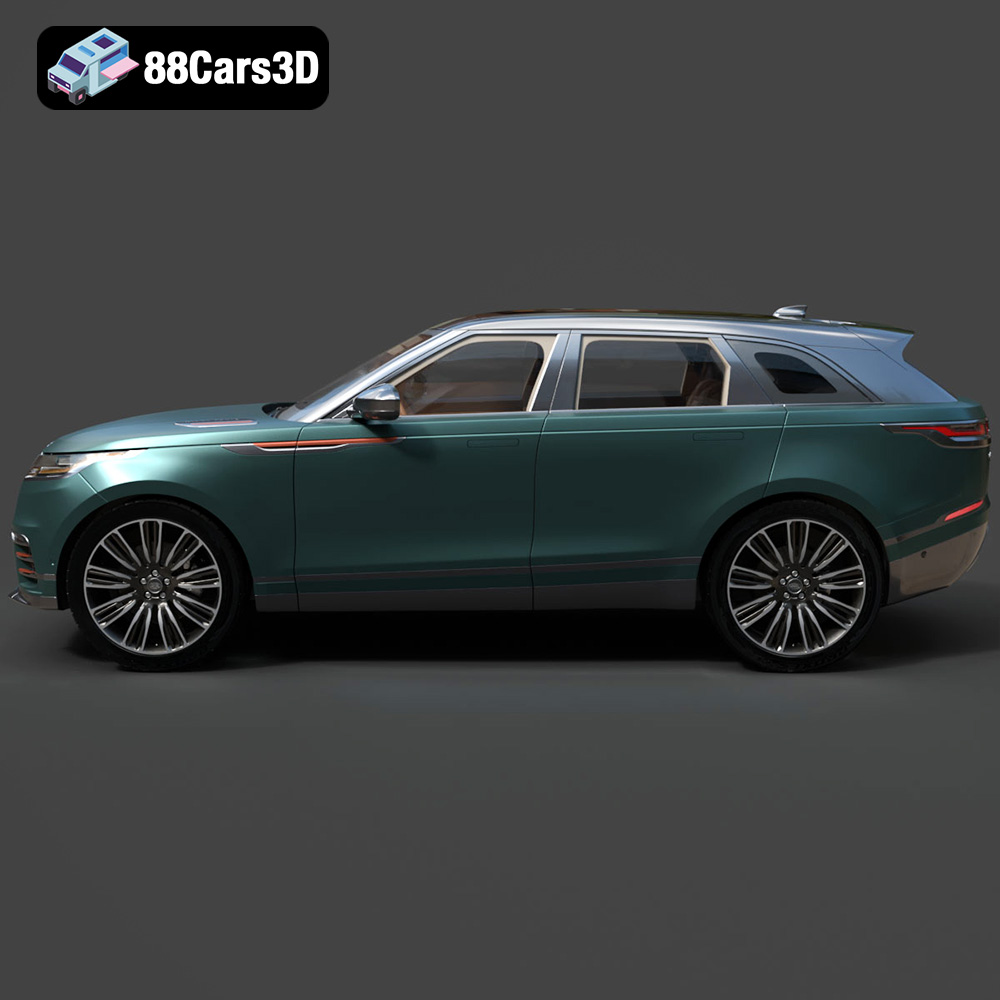
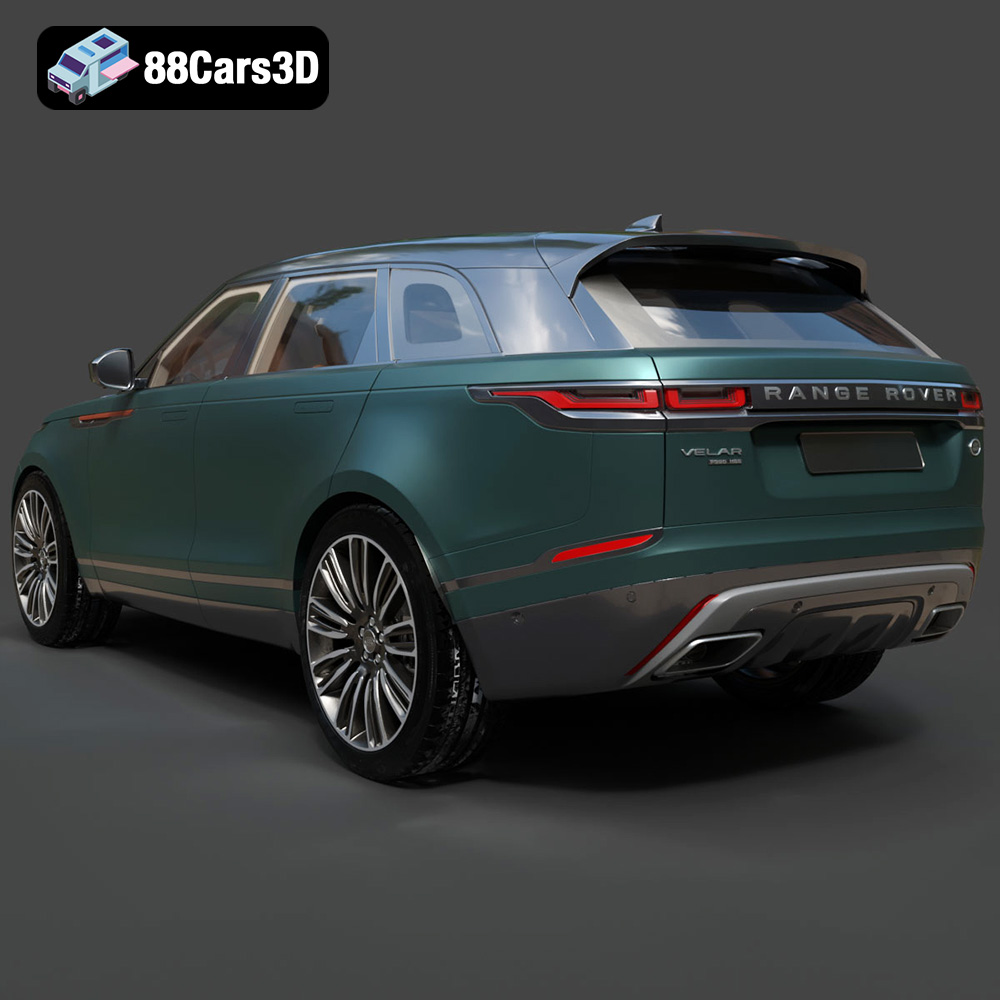
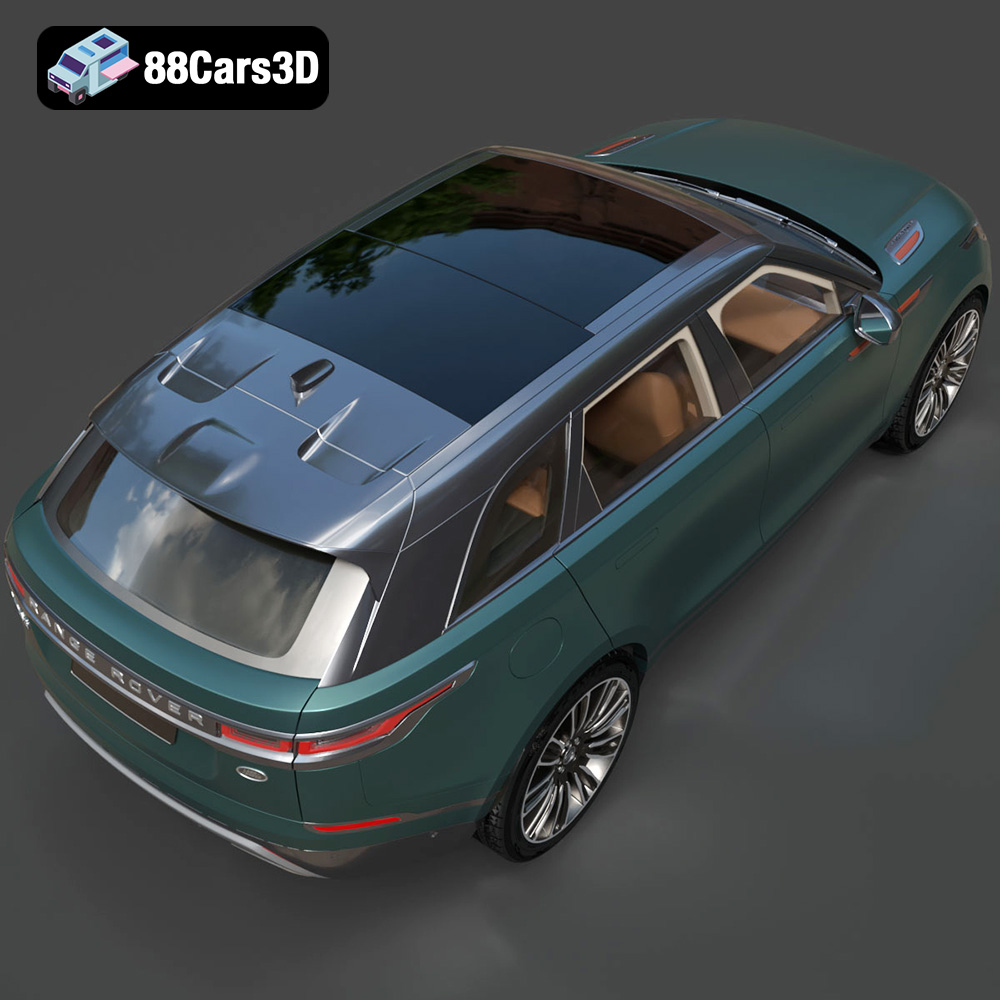
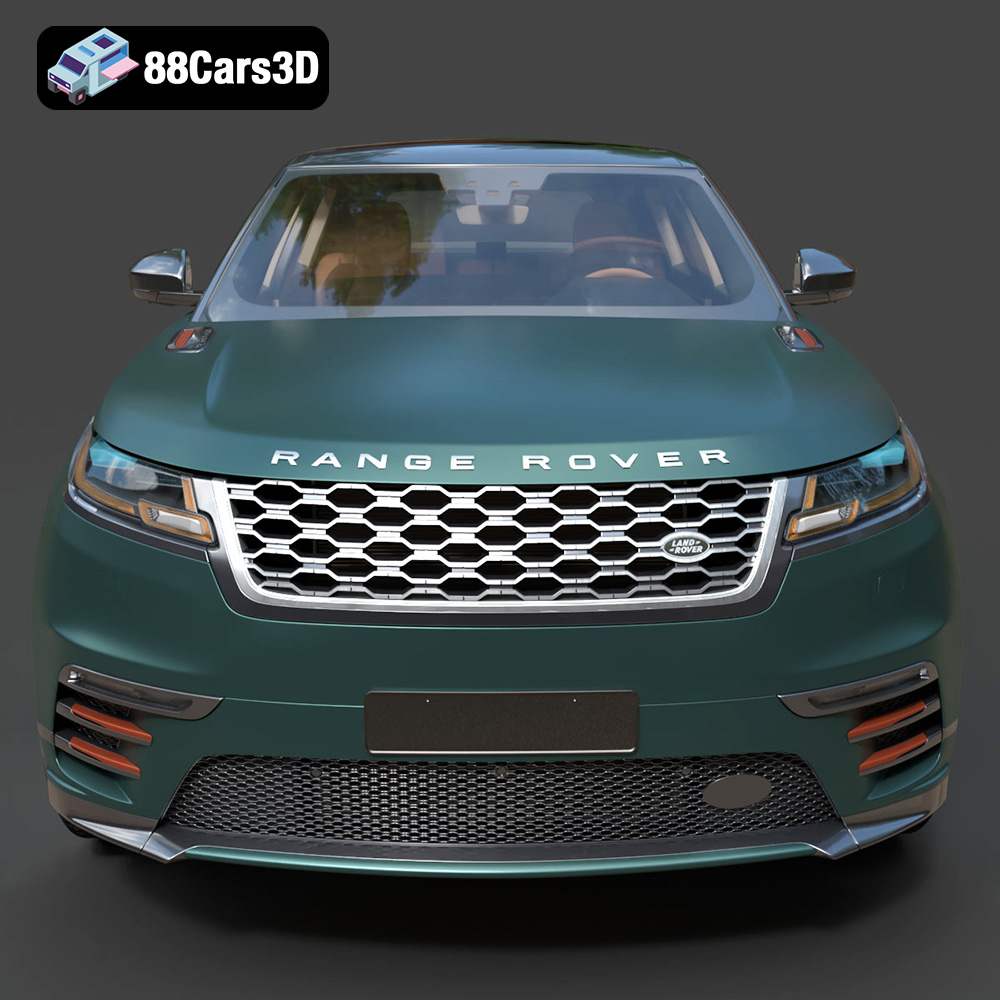
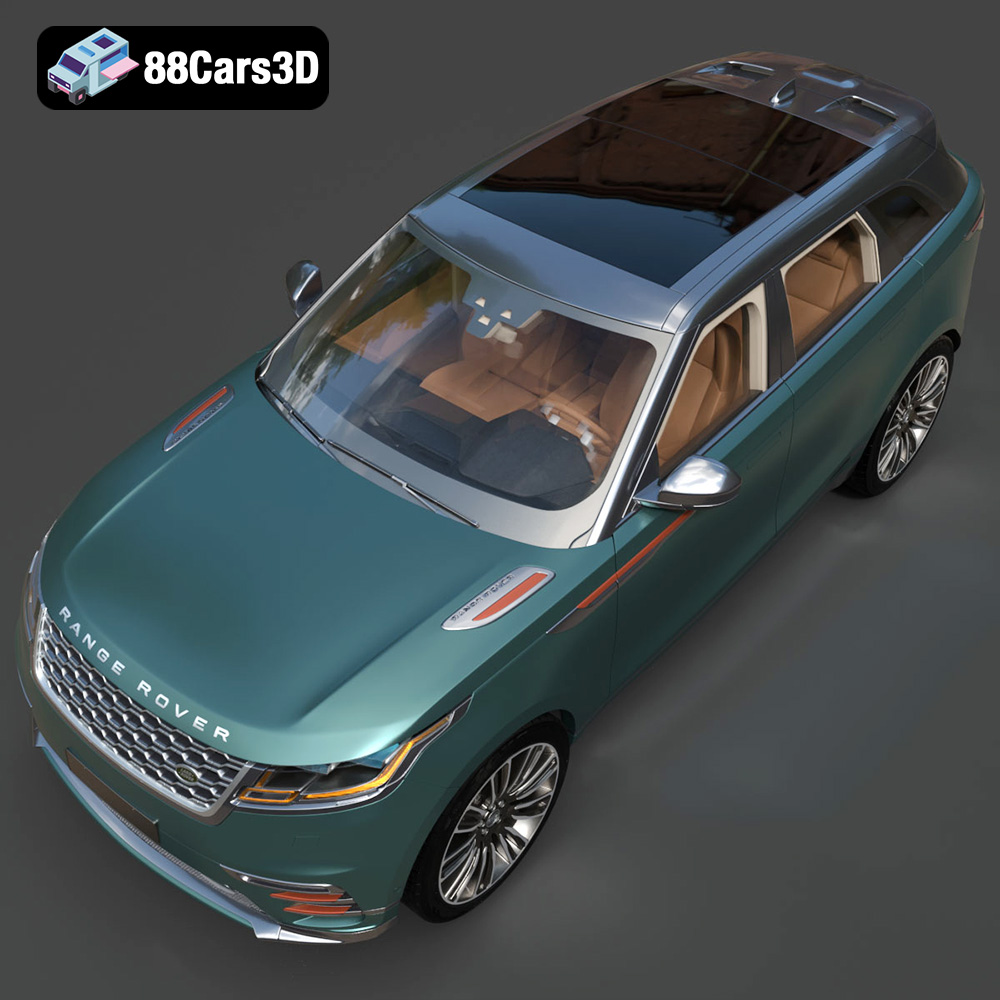
Imagine showcasing a sleek, modern SUV in a pristine virtual showroom or integrating it into a cutting-edge racing simulation. The visual impact hinges entirely on the quality of the 3D asset. This is where models like the Land Rover Range Rover Velar 2018 3D Model stand out. Crafted with exceptional attention to detail, this digital replica captures the distinctive elegance, streamlined proportions, and modern aesthetic of its real-world counterpart. Its meticulously modeled exterior and fully detailed interior, combined with clean geometry and realistic materials, make it an ideal asset for projects demanding true-to-life accuracy.
The versatility of a high-quality 3D car model is often defined by the range of file formats it supports. Each format serves a specific purpose, catering to different software, pipelines, and end-use scenarios. Understanding their strengths and limitations is crucial for any 3D professional.
The .blend format is the native file type for Blender, a powerful open-source 3D creation suite. When you acquire a .blend file, you’re getting a fully editable Blender scene. This includes not only the mesh data but also materials, textures, lighting setups, cameras, and even animations or physics simulations. It’s ideal for artists who primarily work within Blender, offering maximum flexibility for modifications, rigging, and rendering directly within the software. The Land Rover Range Rover Velar 2018 3D Model, provided as a .blend file, allows artists to immediately dive into customization without conversion hassles.
.fbx (Filmbox) is arguably the most widely used proprietary 3D file format for data exchange between various 3D applications, game engines, and virtual reality platforms. Developed by Autodesk, FBX is excellent for transferring hierarchical data, mesh geometry, materials, textures, animations, and skeletal data. Its robust support for complex scene information makes it the go-to format for pipelines involving Unreal Engine, Unity, 3ds Max, Maya, and Blender. For real-time applications like game development, an .fbx file of a 3D car model is often optimized for performance, ensuring efficient polygon counts and clean UVs.
The .obj (Wavefront OBJ) format is a simple, universal 3D geometry definition file. It stores geometric data such as vertex positions, UV coordinates, normals, and face information. While it doesn’t typically embed animations or complex scene data like FBX, it is renowned for its widespread compatibility across virtually all 3D software. For artists primarily concerned with mesh data and basic material assignments (often through an accompanying .mtl file), .obj is a reliable choice for cross-software transfers. It’s a foundational format that ensures a model like the Velar can be opened and worked on in almost any 3D application.
.glb (GL Transmission Format Binary) is a binary version of the glTF (GL Transmission Format) specification, designed for efficient transmission and loading of 3D scenes and models by applications. It’s quickly becoming the standard for 3D content on the web, in AR/VR experiences, and mobile applications due to its compact size and comprehensive support for PBR (Physically Based Rendering) materials. A .glb version of a car model means it’s ready for instant display in a browser, integration into augmented reality apps, or use in lightweight virtual environments without extensive optimization.
.stl (Stereolithography) is the most common file format used for 3D printing and rapid prototyping. It describes only the surface geometry of a 3D object using a mesh of triangular facets. STL files do not contain color, texture, or material information, focusing purely on solid form. While a Velar 3D model in .stl format won’t have its luxurious finish, it provides an accurate, watertight mesh suitable for creating physical prototypes or scale models, essential for automotive design validation or collectible merchandise.
The .ply (Polygon File Format) is a versatile format for storing 3D data, including not only geometry but also color, transparency, and sometimes even material properties per vertex or per face. It’s often used for scanned data, CAD applications, and scientific visualization where precision and additional per-element data are important. While less common for general 3D asset distribution, a .ply option can be valuable for specific analytical tasks or when dealing with highly detailed, dense meshes.
The .unreal format, or more accurately, assets packaged and optimized specifically for Unreal Engine, represents a significant advantage for game developers and real-time visualization artists. This isn’t a single file format in the traditional sense, but rather a collection of assets (meshes, materials, textures, blueprints) pre-configured and optimized to work seamlessly within Unreal Engine. This often means carefully assigned PBR materials, collision meshes, LODs (Levels of Detail), and sometimes even basic animation setups. Having the Land Rover Range Rover Velar 2018 3D Model available as a .unreal package dramatically reduces setup time, allowing developers to drag and drop a production-ready asset directly into their projects.
Finally, the .max format is the native scene file for Autodesk 3ds Max, one of the leading software packages for 3D modeling, animation, and rendering. A .max file contains all aspects of a 3ds Max scene, including geometry, modifiers, materials, textures, lights, cameras, animations, and render settings. It offers the most comprehensive control for artists working within the 3ds Max ecosystem, enabling complete customization, advanced V-Ray or Corona rendering setups, and complex animation sequences for automotive commercials or visualizations.
Creating a truly professional 3D car model is a blend of artistic vision and rigorous technical execution. It goes far beyond simply tracing blueprints; it involves an intricate understanding of surface continuity, material science, and optimization for diverse applications.
The hallmark of a premium 3D car model is its fidelity to the real-world vehicle. For a luxury SUV like the Land Rover Range Rover Velar, this means capturing every curve, panel gap, and intricate design element with surgical precision. Exterior modeling demands meticulous attention to body panel curvature, headlight and taillight assemblies, grilles, wheels, and tire treads. Small details like windshield wipers, door handles, and badge lettering must be geometrically accurate and maintain consistent scale. This level of detail is crucial for close-up renders and cinematic shots where even minor imperfections would break immersion.
Equally important is the interior. A “fully detailed interior” implies more than just seats and a dashboard. It means accurate modeling of the infotainment screen, steering wheel controls, air vents, stitching on upholstery, pedals, and even subtle textures on plastic or metallic surfaces. Such comprehensive interior modeling makes the 3D car model suitable for virtual tours, interactive configurators, and driving simulators, allowing users to experience the vehicle from the driver’s perspective.
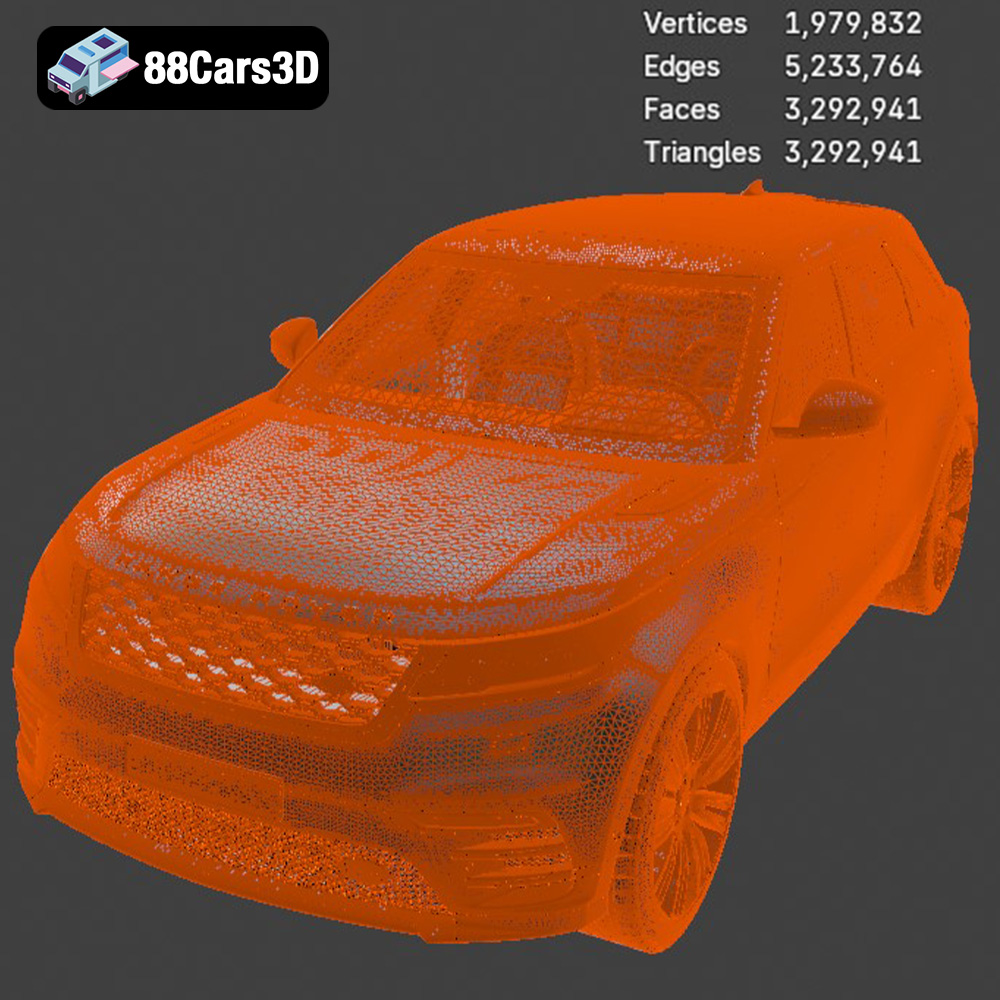
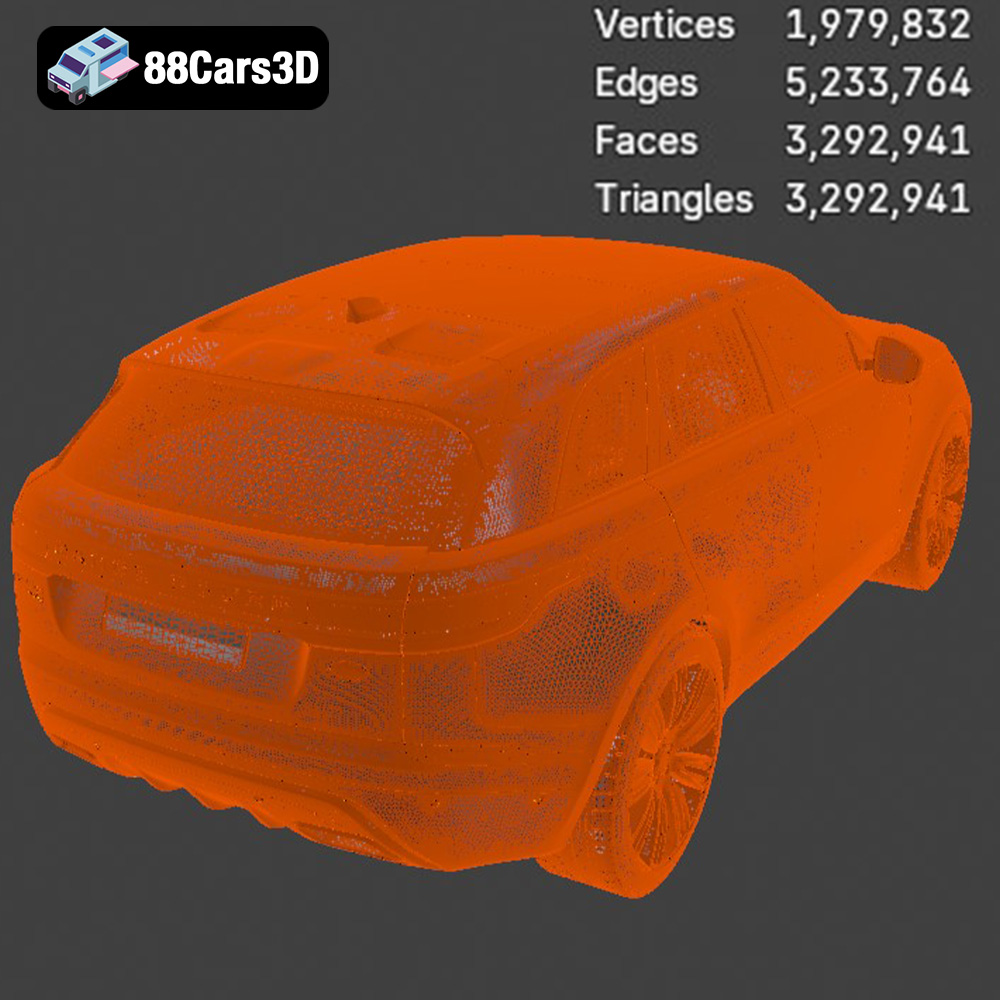
Beneath the surface detail lies the unseen backbone of any good 3D model: its topology. Clean, optimized topology ensures smooth deformations during animation, efficient rendering, and predictable behavior in game engines. This typically involves using a quad-based mesh structure, avoiding n-gons (polygons with more than four sides), and minimizing triangles where possible, especially on curved surfaces. An optimized mesh for the Land Rover Range Rover Velar 2018 3D Model means it can maintain its visual integrity even when subdivided for high-resolution renders or decimated for real-time applications.
UV mapping is another critical technical aspect. It’s the process of unfolding the 3D mesh into a 2D space, allowing textures to be accurately painted or applied. Professional models feature clean, non-overlapping UV layouts that maximize texture resolution and minimize distortion. Proper UVs are essential for applying PBR (Physically Based Rendering) materials, where textures like albedo, roughness, metallic, and normal maps work in harmony to define the surface properties. Without good UVs, even the most stunning textures will look stretched or misaligned.
Once a high-quality 3D car model is acquired, the next step is often to bring it to life through stunning renders. Automotive rendering is an art form in itself, requiring an understanding of light, shadow, and material properties to create images indistinguishable from photographs.
Autodesk 3ds Max, often paired with powerful renderers like V-Ray or Corona Renderer, is a staple in professional automotive visualization studios. The Land Rover Range Rover Velar 2018 3D Model, provided in a .max format, allows artists to leverage these tools to their fullest potential. Creating realistic car paint involves complex layered materials that simulate clear coat, metallic flakes, and diffuse color. Similarly, materials for glass, chrome, rubber, and various interior fabrics need to accurately reflect their physical properties.
Lighting is paramount. Studio lighting setups, often using large softbox lights and HDR (High Dynamic Range) environment maps, can dramatically enhance the perception of form and surface quality. Careful placement of fill lights, rim lights, and reflections can emphasize the vehicle’s contours and highlights, making it truly pop. Artists can experiment with different environments, from an urban street scene to a minimalist studio, to convey specific moods and showcase the Velar’s versatility.
Modern rendering pipelines heavily rely on Physically Based Rendering (PBR). PBR materials are designed to react to light in a way that accurately mimics real-world physics, leading to more consistent and believable results across different lighting conditions. This means using a set of textures (albedo, metallic, roughness, normal, ambient occlusion) that define how light interacts with the surface. The Velar model’s “realistic materials” suggest it’s built with PBR principles in mind, ensuring it looks exceptional in any PBR-compliant renderer or game engine.
Ray tracing, a rendering technique that simulates the path of light, has revolutionized realism. Renderers like V-Ray and Corona, and increasingly real-time engines like Unreal Engine with hardware-accelerated ray tracing, can produce incredibly accurate reflections, refractions, and global illumination. This is crucial for automotive rendering, where highly reflective surfaces and intricate light bounces within the interior can make or break the visual fidelity. Leveraging these techniques with a detailed model like the Land Rover Range Rover Velar 2018 3D Model ensures a breathtaking final image.
Beyond static renders, high-quality 3D car models are essential for interactive experiences. Game engines like Unreal Engine and Unity provide the framework for integrating these assets into dynamic, real-time environments, offering unparalleled immersion.
Unreal Engine is a powerhouse for realistic visuals, and a truly optimized 3D car model is a game-changer for game developers. The Land Rover Range Rover Velar 2018 3D Model, available in an “engine-ready format for Unreal Engine” (including a dedicated .unreal file), signifies that it’s been pre-configured for optimal performance and visual fidelity within the engine. This usually means proper asset scaling, collision meshes for realistic physics, and multiple Levels of Detail (LODs).
LODs are critical for performance. As a vehicle moves further away from the camera, a lower-polygon version of the model is automatically swapped in, reducing the rendering burden without a noticeable loss in visual quality. Effective LODs ensure that highly detailed assets like the Velar can be used in open-world environments or racing games without crippling frame rates. Furthermore, materials are set up using Unreal’s robust material editor, often utilizing PBR texture sets to achieve stunning visual realism in real-time.
Unity is another widely adopted game engine, particularly popular for mobile games, VR/AR experiences, and interactive applications. Integrating a 3D car model into Unity follows a similar workflow to Unreal. The .fbx format is typically the most suitable for Unity, efficiently importing meshes, materials, and potentially even animation data. Once imported, materials need to be configured using Unity’s Standard (PBR) shader or a custom shader to achieve the desired look.
Performance in Unity requires careful attention to draw calls and polygon count. While the Land Rover Range Rover Velar 2018 3D Model boasts “optimized topology,” further optimizations might be necessary depending on the target platform and project scale. This could involve texture atlasing, combining meshes where appropriate, and ensuring efficient material setups. Both Unreal and Unity offer tools for profiling and optimizing assets, helping developers ensure smooth performance even with highly detailed 3D car models.
The utility of a meticulously crafted 3D car model extends far beyond traditional rendering and game development, venturing into cutting-edge fields that demand diverse technical capabilities.
Augmented Reality (AR) and Virtual Reality (VR) are revolutionizing how we interact with digital content. For automotive companies, this means virtual showrooms, interactive car configurators, and immersive driving experiences. The Land Rover Range Rover Velar 2018 3D Model, offered in .glb and .fbx formats, is perfectly suited for these applications. The .glb format is particularly powerful for web-based AR/VR, allowing users to instantly view the Velar in their environment via a smartphone or web browser, thanks to its optimized, self-contained nature.
For more complex, high-fidelity VR experiences, the .fbx format, optimized for game engines, remains a strong contender. Developers can import the Velar model into VR platforms built with Unreal Engine or Unity, creating photorealistic virtual driving experiences or allowing users to explore the detailed interior in a truly immersive way. The challenge here lies in balancing visual quality with real-time performance requirements for a comfortable VR experience, often necessitating aggressive LODs and careful texture optimization.
While often associated with aesthetics, 3D car models also play a vital role in engineering and manufacturing. The .stl and .ply formats provided for the Velar model cater to these technical needs. The .stl format is the industry standard for 3D printing, enabling rapid prototyping of physical models. Automotive designers can print scale models of new vehicles, test aerodynamic properties, or even create functional parts for early-stage development.
The .ply format, with its ability to store detailed polygon mesh information, can be used for precise analysis. Engineers might use it to measure surfaces, check tolerances, or conduct simulations related to airflow or structural integrity. While the Land Rover Range Rover Velar 2018 3D Model is presented as a high-fidelity visual asset, its underlying clean geometry and availability in these engineering-focused formats underscore its versatility as a tool for both creative and technical disciplines.
The impact of high-quality 3D car models is evident across numerous professional sectors. They streamline workflows, enhance presentations, and create compelling user experiences.
In architectural visualization (ArchViz), a realistic vehicle can transform a static building rendering into a vibrant, lived-in scene. Placing a luxurious Land Rover Range Rover Velar in front of a modern home or within an urban streetscape instantly adds context, scale, and a touch of sophistication. The model’s realistic materials and detailed geometry ensure it seamlessly integrates into photorealistic renders, enhancing the overall presentation of the architectural project. This is a common practice for real estate marketing and urban planning proposals.
For automotive marketing, 3D car models are revolutionary. They allow manufacturers and dealerships to create stunning promotional materials without expensive photoshoots or physical prototypes. Configurator tools, built around detailed 3D models, let customers customize paint colors, wheel options, and interior finishes in real-time. Cinematic commercials can be entirely rendered in 3D, showcasing a vehicle in impossible environments or demonstrating features with dynamic camera movements that would be costly or impractical to achieve in live action. The Land Rover Range Rover Velar 2018 3D Model is an asset perfectly suited for these high-end marketing campaigns.
Beyond marketing, 3D car models are instrumental in advanced training and interactive experiences. Driving simulators, used for training professional drivers, testing autonomous vehicle algorithms, or even for entertainment, rely on highly accurate vehicle models. The detailed interior and accurate exterior proportions of the Velar model make it an excellent choice for such simulations, providing a realistic visual and physical representation.
Virtual showrooms, whether accessed via a web browser or a VR headset, offer an engaging way for potential buyers to explore vehicles. Customers can walk around the 3D Land Rover Range Rover Velar, open doors, examine the interior, and even take it for a virtual test drive, all from the comfort of their home. These interactive experiences not only drive engagement but also provide valuable insights into customer preferences.
The world of 3D modeling is an intricate tapestry of art and engineering, where the smallest details can make the biggest difference. From the initial mesh topology to the final render, every stage demands precision and an understanding of diverse technical requirements. High-quality 3D car models are more than just digital assets; they are foundational tools that empower creators across industries to achieve unparalleled realism and immersion.
Whether your project demands cinematic rendering, real-time game development, architectural visualization, AR/VR experiences, or even 3D printing, the versatility and technical excellence of a well-crafted 3D model are paramount. The Land Rover Range Rover Velar 2018 3D Model exemplifies this standard, offering comprehensive file formats and meticulous detail that ensure seamless integration into any professional pipeline. For those seeking top-tier 3D car models that stand up to the most rigorous scrutiny, 88cars3d.com provides a curated selection designed to elevate your projects to the next level. Invest in quality, and watch your visions come to life with stunning realism.
Experience unparalleled realism with the Land Rover Range Rover Velar 2018 3D Model. Crafted with precision, this digital replica captures the distinctive elegance, streamlined proportions, and modern aesthetic of the iconic luxury SUV. Whether viewed up close or from a distance, the model showcases exceptional attention to detail, making it an ideal asset for professional projects requiring true-to-life accuracy.
This model boasts a meticulously modeled exterior and a fully detailed interior, complemented by clean geometry and realistic materials. The topology is optimized for both visual fidelity and performance, ensuring seamless integration into various digital environments without compromising detail.
Perfect for a wide range of applications, this 3D model excels in architectural visualizations, cinematic rendering, game development, and AR/VR experiences. The robust structure and accurate proportions also make it an excellent choice for driving simulations and automotive design presentations.
Available in a comprehensive suite of file formats to suit any pipeline:
$39.99
.arvr
.blend
.car3dmodel
.fbx
.gameasset
.glb
.landrover
.luxurycar
.luxurysuv
.max
.obj
.ply
.rangerover
.rangerovervelar
.rendering
.simulation
.stl
.unreal
.velar
SUV