Get 20% OFF All Premium 3D & STL Models!

In the fast-evolving landscapes of digital media, from blockbuster video games to cutting-edge architectural visualizations and immersive augmented reality experiences, the demand for hyper-realistic and functionally optimized 3D assets has never been higher. At the heart of this digital transformation lies the intricate craft of creating compelling 3D car models. These aren’t just static images; they are complex digital blueprints that power everything from cinematic automotive rendering to real-time interactive simulations. A truly exceptional 3D vehicle model acts as a catalyst, elevating a project’s visual fidelity and streamlining demanding production pipelines.
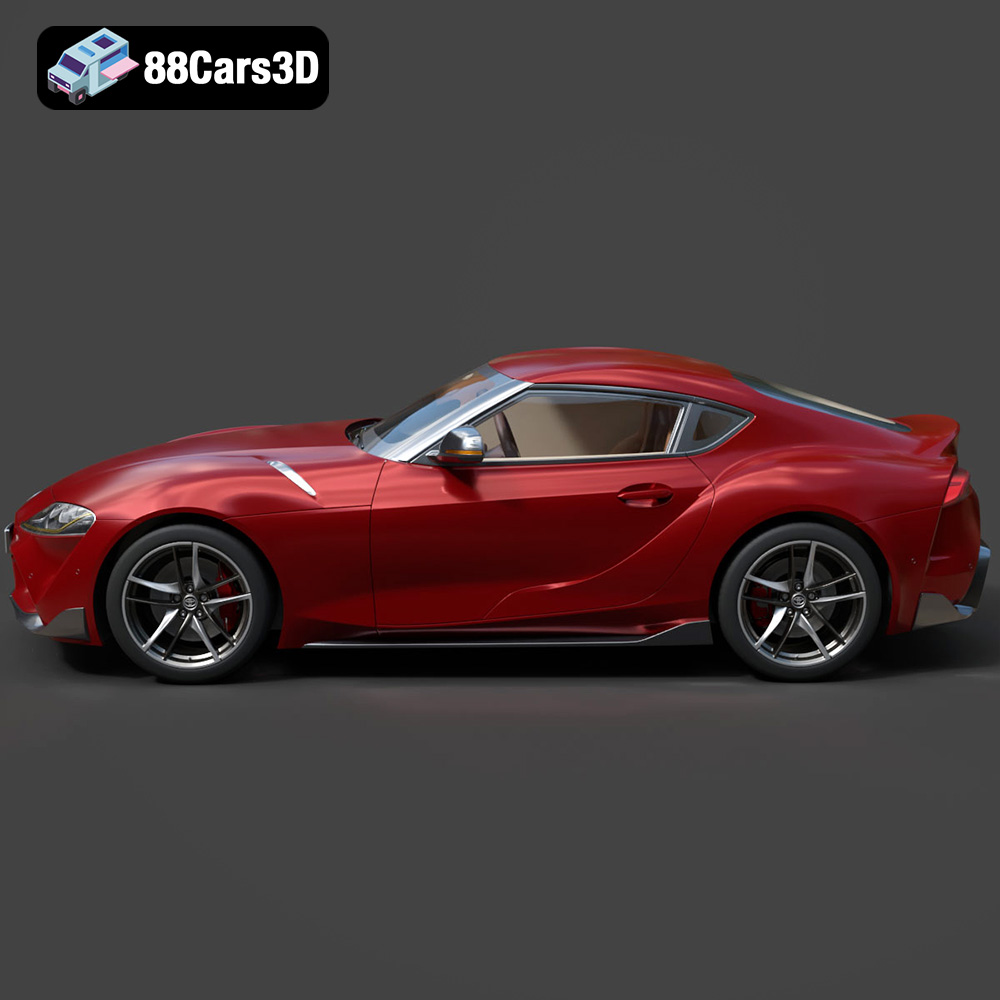
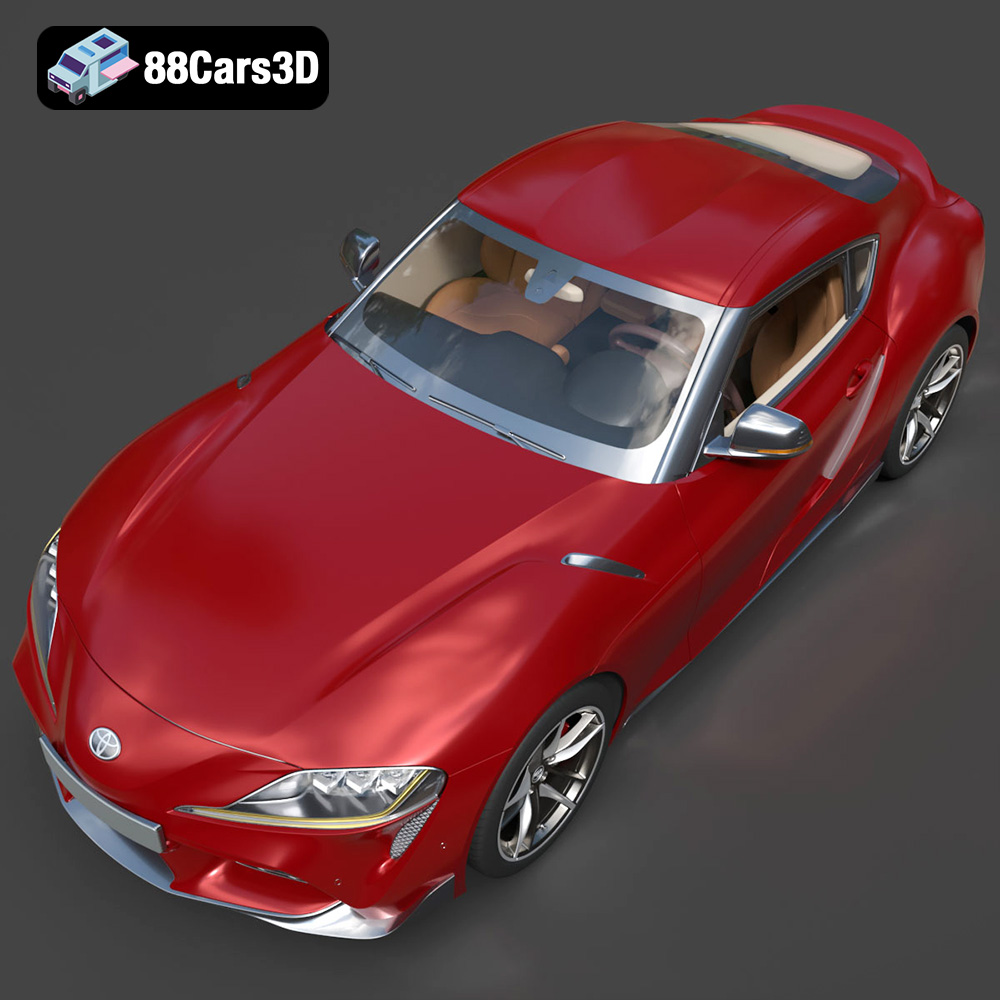
Few vehicles embody the spirit of modern automotive design and performance quite like the Toyota Supra 2020 3D Model. Marking the triumphant return of a legendary sports car icon, the Supra’s aggressive aerodynamic profile, signature double-bubble roof, and meticulously detailed B58 3.0L turbocharged inline-six engine bay make it a dream subject for any 3D artist or developer. The faithful recreation of every curve, from the striking LED headlight clusters to the prominent rear lip spoiler and dual-branch exhaust system, captures its powerful stance and dynamic aesthetics with unparalleled precision. This level of detail, combined with careful optimization, transforms an iconic car into an invaluable asset for a myriad of professional applications, setting the standard for what premium 3D car models should deliver.
The journey of a 3D car model from concept to deployment involves a crucial decision-making process concerning file formats. Each format serves a distinct purpose, offering specific advantages for different stages of the workflow and target platforms. Understanding these formats is essential for any professional leveraging 3D assets, ensuring compatibility, efficiency, and fidelity across various software and engines. The Toyota Supra 2020 3D Model exemplifies this versatility by being available in a comprehensive range of formats, making it accessible to a wide array of users.
The .blend file format is the native format for Blender, the powerful open-source 3D creation suite. When you download a .blend file, you’re getting a fully editable Blender scene, complete with materials, textures, lighting setups, animation data, and modifiers. This format is ideal for artists who primarily work within Blender, allowing for maximum flexibility in customization, rigging, and rendering. It retains all non-destructive workflow elements, making it perfect for tweaking geometry, adjusting materials via shader nodes, or even re-rigging components like suspension for specific animation sequences.
.fbx (Filmbox) is arguably the most widely adopted proprietary 3D exchange format, developed by Autodesk. It excels in transferring complex scene data between different 3D software applications and, critically, into game engines like Unreal Engine and Unity. FBX files can store not just mesh data (geometry, UVs, normals) but also animations, skinning, camera information, and lighting. Its robust support for hierarchical structures makes it ideal for animated car models, where wheels, doors, and suspension need to move independently. For game developers working with 3D car models, .fbx is often the go-to format for its reliability and comprehensive data transfer capabilities.
The .obj (Wavefront OBJ) format is a much simpler, universal exchange format, revered for its broad compatibility. It primarily stores geometric data like vertices, faces, normals, and UV coordinates. While it doesn’t support animations, rigging, or advanced material properties directly (materials are typically referenced via an accompanying .mtl file), its simplicity makes it incredibly robust for cross-software compatibility. If you need to import a basic mesh into virtually any 3D application for modeling or sculpting, .obj is a dependable choice. Many 3D car models are offered in .obj as a foundational asset.
.glb (GLB, the binary version of glTF) is a relatively newer format rapidly gaining traction, particularly for web-based 3D, AR (Augmented Reality), and VR (Virtual Reality) applications. It’s a self-contained file, meaning it embeds all necessary data—geometry, textures, materials, and animations—into a single file. This efficiency makes it incredibly optimized for rapid loading and display in browsers and mobile environments, without compromising visual quality. For interactive virtual showrooms or mobile AR experiences featuring a 3D car model, .glb offers an unparalleled user experience.
.stl (STereoLithography) is the de facto standard file format for 3D printing. Unlike other formats that describe surface geometry using polygons, .stl files represent 3D objects as a series of connected triangles (tessellation) without any color, texture, or material information. This pure geometric representation is what 3D printers interpret to build physical objects layer by layer. For hobbyists wanting to print a detailed miniature of the Toyota Supra 2020 3D Model, the .stl version is essential, requiring careful preparation for optimal print results.
The .ply (Polygon File Format or Stanford Triangle Format) is often used for storing 3D data from 3D scanners, CAD software, and scientific applications. It can store a wide range of properties beyond just geometry, including color and transparency for each vertex or face, surface normals, and even confidence values. While less common for general animation or game development, it’s a powerful format for precise geometric analysis, reverse engineering, or integrating scanned real-world objects into digital environments.
The .unreal designation often refers to assets that have been specifically prepared or optimized for direct import and use within Unreal Engine. This might involve an .fbx file pre-configured with materials, textures, collision meshes, and pivot points aligned to Unreal Engine’s conventions, or even a packaged Unreal Engine asset ready for drag-and-drop integration. For game developers, receiving a .unreal-ready asset like the Toyota Supra 2020 3D Model significantly reduces setup time and ensures optimal performance within the engine.
Similar to .blend for Blender, .max is the native file format for Autodesk 3ds Max, a leading software for 3D modeling, animation, and rendering. A .max file contains the entire scene, including geometry, materials, textures, lighting, cameras, animation timelines, and even render settings. For professionals working in 3ds Max, this format offers the highest degree of editability and allows access to all proprietary features and modifiers, making it ideal for high-fidelity automotive rendering projects and complex animation sequences.
Each of these formats plays a vital role in the lifecycle of a 3D car model, catering to different professional needs and technical requirements. The availability of the Toyota Supra 2020 3D Model in such a wide array of formats underscores its adaptability and value as a premium asset.
Crafting a truly premium 3D car model is a sophisticated blend of artistic vision and meticulous technical execution. It requires not just an eye for aesthetic detail, but also a deep understanding of automotive design principles and 3D optimization techniques. The Toyota Supra 2020 3D Model stands as a testament to this delicate balance, showcasing what’s possible when precision meets performance.
The Toyota Supra 2020 is a modern icon, and its digital counterpart must capture every essence of its physical presence. This involves a painstaking recreation of its distinctive features. From the aggressive aerodynamic profile that defines its sporty stance to the unique double-bubble roof that pays homage to racing heritage, every design element is critical. The striking LED headlight clusters and the prominent rear lip spoiler are not merely aesthetic; they are integrated components of the car’s identity. Furthermore, the model extends beyond the exterior, offering a meticulously detailed B58 3.0L turbocharged inline-six engine bay. This level of granular detail, including the authentic dual-branch sports exhaust system and precision-modeled alloy wheels with realistic low-profile performance tires, is what separates a generic car model from a truly faithful digital twin. Such visual fidelity is paramount for realistic automotive rendering and visualization projects.
A premium 3D car model is more than just a beautiful shell; it’s a functional digital asset engineered for diverse applications. The Toyota Supra 2020 3D Model adheres to real-world scale accuracy, based on the actual vehicle chassis, which is crucial for believable physics in simulations and accurate integration into virtual environments. The underlying geometry is clean and optimized, a hallmark of professional game assets, ensuring smooth deformation and efficient rendering. Beyond the static model, its design prioritizes animation readiness. Features like separate wheels, suspension, and steering components are not merely present but are configured with proper pivot setups. This allows for realistic wheel rotation, independent suspension travel, and accurate steering, making the model ideal for complex automotive animations, racing simulators, and interactive driving experiences.
In the world of interactive experiences, whether it’s high-octane racing games or immersive AR/VR applications, performance is paramount. A beautiful 3D car model is only truly valuable if it can run efficiently in real-time environments without compromising visual quality. This is where strategic optimization comes into play, a core advantage of the Toyota Supra 2020 3D Model from 88cars3d.com.
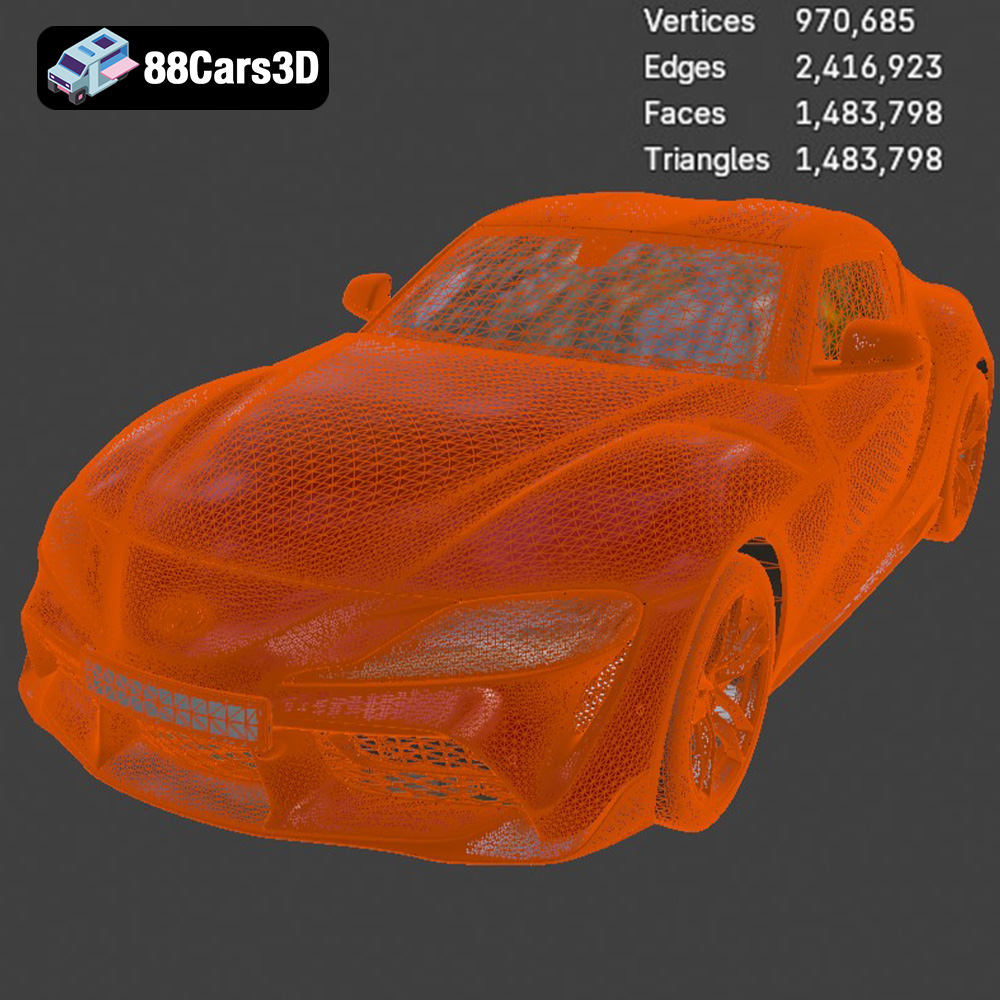
One of the most critical technical specifications for a game-ready asset is its polycount, typically measured in triangles. The Toyota Supra 2020 3D Model boasts an optimized topology of approximately 250,000 triangles. This figure strikes a perfect balance: it’s high enough to maintain extreme visual detail, capturing every curve and panel gap with photorealistic accuracy, yet low enough to be exceptionally game-ready. In real-time engines like Unreal Engine and Unity, managing polygon count directly impacts frame rates and memory usage. A model with 250,000 triangles ensures that the Supra can be rendered smoothly even in complex scenes with multiple vehicles, diverse environments, and demanding lighting conditions, without bogging down the system. This intelligent optimization is vital for achieving fluid gameplay and seamless AR/VR experiences, offering high-end visual realism without sacrificing performance.
For professional game developers and AR/VR creators, the ease of integrating 3D car models into their engine of choice is a significant time-saver. The Toyota Supra 2020 3D Model, with its clean geometry and intelligent material separation, is designed for seamless integration. When imported via the .fbx or .unreal formats into Unreal Engine or Unity, the model’s well-organized mesh and distinct material IDs allow for quick assignment of physically-based rendering (PBR) textures. Proper UV mapping, crucial for both texture application and lightmap generation, ensures that the vehicle will look consistent under various lighting conditions and can support baked global illumination for even greater realism. Additionally, optimized assets often come with pre-configured collision meshes, allowing for realistic physics interactions without manual setup. This “drop-in ready” characteristic accelerates development workflows, letting artists and engineers focus on building immersive environments rather than wrestling with asset preparation.
The versatility of a high-quality 3D car model extends far beyond a single use case. From digital advertising to interactive training simulations, assets like the Toyota Supra 2020 3D Model are indispensable tools that empower creative professionals across diverse industries.
For agencies and studios specializing in automotive marketing, product showcases, and cinematic presentations, high-fidelity 3D car models are the bedrock of their work. The Toyota Supra 2020 3D Model is excellent for brand campaigns, lifestyle scenes, and studio lighting setups. Imagine a dynamic studio shot, meticulously lit to highlight the Supra’s aggressive lines, or an elegant lifestyle rendering showcasing the car in a luxurious urban setting. Using software like 3ds Max or Blender, artists can apply advanced physically-based rendering (PBR) materials, craft intricate lighting rigs (including HDRIs and volumetric lights), and set up sophisticated camera animations. The model’s accurate geometry and separated components facilitate precise control over reflections, refractions, and shadows, allowing for photorealistic output indistinguishable from real photography. Furthermore, for digital car configurators, the model’s flexibility in material and color changes allows customers to visualize their dream car in real-time, greatly enhancing the buying experience.
Augmented Reality (AR) and Virtual Reality (VR) are transforming how we interact with digital content, and the automotive industry is at the forefront of this innovation. The Toyota Supra 2020 3D Model is perfect for immersive virtual showrooms, configurators, and mobile AR experiences, particularly when utilizing the optimized .glb format. In a VR showroom, potential buyers can “walk around” the Supra, open doors, examine the highly detailed sports bucket seats and intricate center console, and even “sit” inside for a first-person perspective, all before setting foot in a physical dealership. For AR applications, the model can be projected into real-world environments via a smartphone or tablet, allowing users to park a virtual Supra in their driveway or office. This level of immersion provides an unprecedented engagement opportunity, offering a rich, interactive product experience that traditional media cannot match.
The utility of a premium 3D car model isn’t limited to digital screens; it can also cross into the physical realm through 3D printing. The Toyota Supra 2020 3D Model is convertible to the .stl format, making it suitable for display-scale hobbyists and even professional prototyping. For enthusiasts, printing a miniature replica allows for tactile interaction with their favorite vehicle. Recommended scales like 1:12, 1:18, or 1:24 offer a balance of detail and manageable size. Technical considerations for 3D printing include layer height (0.04–0.12 mm, with resin printing often recommended for fine details), adequate wall thickness (1.2–2.0 mm), and strategic use of supports for complex parts like mirrors and the exhaust system. Post-processing, including sanding, priming, and painting with authentic factory colors and metallic finishes, transforms the raw print into a stunning physical display piece, blurring the lines between the digital and physical worlds.
One of the most powerful advantages of working with high-quality 3D car models is the inherent flexibility they offer for customization. Artists and developers aren’t confined to a single look or configuration; they have the freedom to adapt the model to specific project requirements, branding guidelines, or creative visions. The Toyota Supra 2020 3D Model provides extensive options for such personalization, making it an incredibly versatile asset.
The ability to effortlessly modify a vehicle’s appearance is critical for automotive rendering, game development, and interactive configurators. With the Supra model, users can easily change body colors, choosing from authentic factory hues to custom finishes that match a particular brand aesthetic or creative concept. Beyond color, the material finishes can be adjusted from matte to gloss, metallic to pearlescent, significantly altering the car’s perceived luxury and style. Tire textures can also be swapped, perhaps from low-profile performance tires to more aggressive off-road variants for a game environment, or different tread patterns for a realistic simulation. These customization options, facilitated by well-separated materials and clean UVs, allow for rapid iteration and adaptation, empowering artists to create truly unique visual narratives around the vehicle.
The environment in which a 3D car model is presented profoundly impacts its visual appeal and realism. A premium asset like the Toyota Supra 2020 3D Model is designed to react convincingly to diverse lighting conditions and environmental setups. Artists can adapt the lighting to evoke different moods—from the dramatic shadows of a twilight urban scene to the crisp, bright reflections of a sun-drenched racetrack. Utilizing global illumination and realistic light sources, the model will accurately cast shadows and reflect its surroundings, making it feel truly integrated into the virtual world. This adaptability means the same Supra model can be used in a virtual studio showroom, a bustling street racing environment, or a serene mountainous landscape, each time feeling perfectly at home and visually stunning. This level of environmental responsiveness is a hallmark of professional-grade 3D car models.
The demand for highly detailed, optimized, and versatile 3D car models is an undeniable force in today’s digital landscape. From fueling the most demanding game engines to crafting photorealistic automotive rendering and delivering immersive AR/VR experiences, these assets are the fundamental building blocks of countless professional projects. The Toyota Supra 2020 3D Model exemplifies the pinnacle of this craft, offering a meticulously recreated automotive icon engineered for performance and adaptability across a spectrum of applications.
Its comprehensive array of file formats—from the editable .blend and .max files to the game-ready .fbx and .unreal, the universal .obj, the web-optimized .glb, and the 3D print-ready .stl and .ply—ensures that it can seamlessly integrate into virtually any professional workflow. Whether you’re an animator seeking realistic vehicle dynamics, a game developer prioritizing optimized performance, or a visualization artist aiming for breathtaking realism, this model provides the technical foundation and visual fidelity required to exceed expectations. Investing in premium 3D car models like this Toyota Supra is not just about acquiring an asset; it’s about investing in efficiency, quality, and the boundless creative possibilities they unlock. Explore the full range of high-quality 3D car models for your next project at 88cars3d.com.
The Toyota Supra 2020 marks the triumphant return of a legendary sports car icon. Fusing a rich heritage with modern engineering, this masterpiece boasts an aggressive aerodynamic profile, signature double-bubble roof, and a meticulously detailed B58 3.0L turbocharged inline-six engine bay. Every curve, from the striking LED headlight clusters to the prominent rear lip spoiler and dual-branch exhaust system, has been faithfully recreated to capture its powerful stance and dynamic aesthetics.
Crafted with premium visual fidelity, this 3D model features a highly optimized topology of approximately 250,000 triangles, making it exceptionally game-ready without sacrificing extreme detail. Its clean geometry and intelligent material separation ensure seamless integration into real-time rendering pipelines, making it a top-tier asset for game development, AR/VR applications, high-end animation, and architectural visualization.
Perfect for street racing environments, virtual showrooms, digital car configurators, and cinematic automotive animations.
.blend, .fbx, .obj, .glb, .stl, .ply, .unreal, .max
Tags:
toyota, supra-2020, sports-car, coupe, jdm, game-ready, low-poly, optimized, car-3d-model, game-asset, rendering, vr-ar, blend, fbx, obj, glb, stl, ply, unreal, maxVespa VNB 125-B 3D Model 3D Printable STL
$39.99
.blend
.coupe
.fbx
.glb
.jdm
.max
.obj
.ply
.rendering
.sports car
.stl
.toyota
.unreal
car-3d-model
game asset
game-ready
low-poly
optimized
supra-2020
VR/AR