Get 20% OFF All Premium 3D & STL Models!

In the rapidly evolving landscape of digital content creation, the demand for exceptionally crafted 3D models has never been higher. From photorealistic advertising campaigns to immersive virtual reality experiences and high-performance game development, the foundation of any successful project lies in the quality of its assets. Automotive design, in particular, thrives on precision and aesthetic fidelity. Imagine capturing the essence of unparalleled luxury, the sweeping lines, and the majestic presence of a vehicle like the 2018 Rolls-Royce Ghost EWB – not just in a photograph, but as a fully interactive, render-ready digital masterpiece.
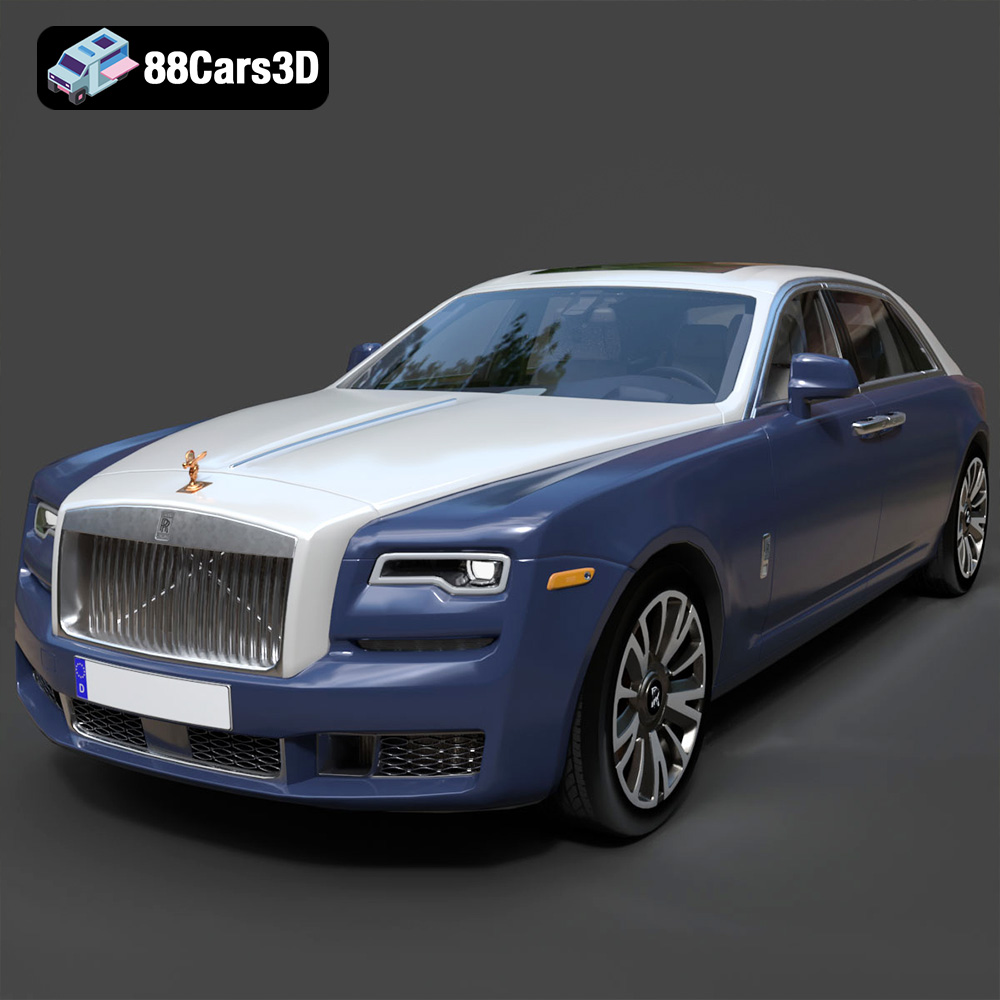
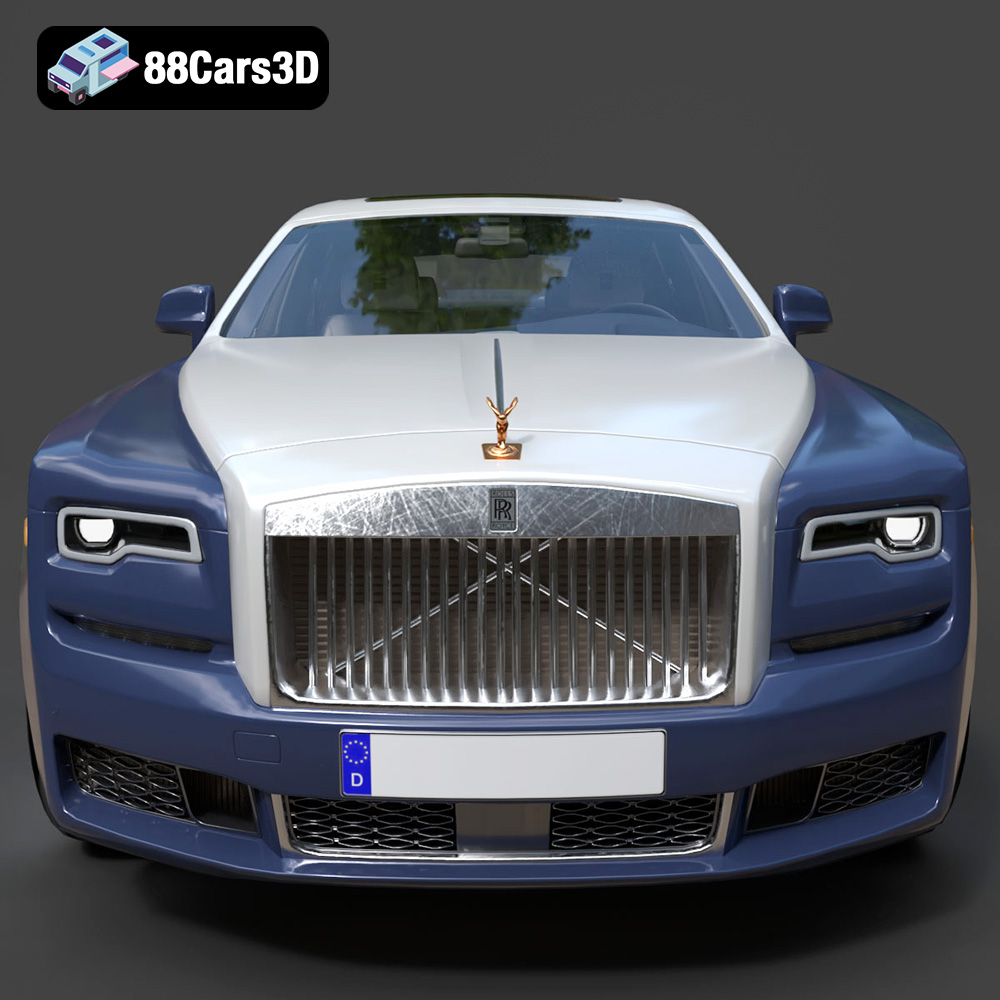
This is where the magic of premium 3D car models comes into play. They are more than just digital replicas; they are versatile tools empowering artists, developers, and designers to push the boundaries of visual storytelling and interactive experiences. The Rolls-Royce Ghost EWB 2018 3D Model featured on 88cars3d.com is a prime example of such an asset, meticulously engineered to serve a myriad of professional applications. It encapsulates the vehicle’s iconic Pantheon grille, signature rear-hinged coach doors, and sophisticated interior, ready to be dropped into your next project.
Creating a high-quality 3D car model is an intricate process that blends artistic vision with rigorous technical execution. It requires an understanding of real-world physics, material properties, and the specific demands of various digital environments. The goal is always to achieve a balance between breathtaking realism and optimal performance.
Industries across the board are increasingly reliant on robust 3D automotive assets. Automobile manufacturers use them for design visualization, marketing, and configurators long before a physical prototype is built. Advertising agencies leverage them for stunning visuals without the logistical nightmare of real-world photoshoots. Game developers require them for believable vehicles that populate their virtual worlds, and architectural visualization studios use them to bring life and context to their proposed structures. Even product designers and engineers utilize these models for simulations and analysis.
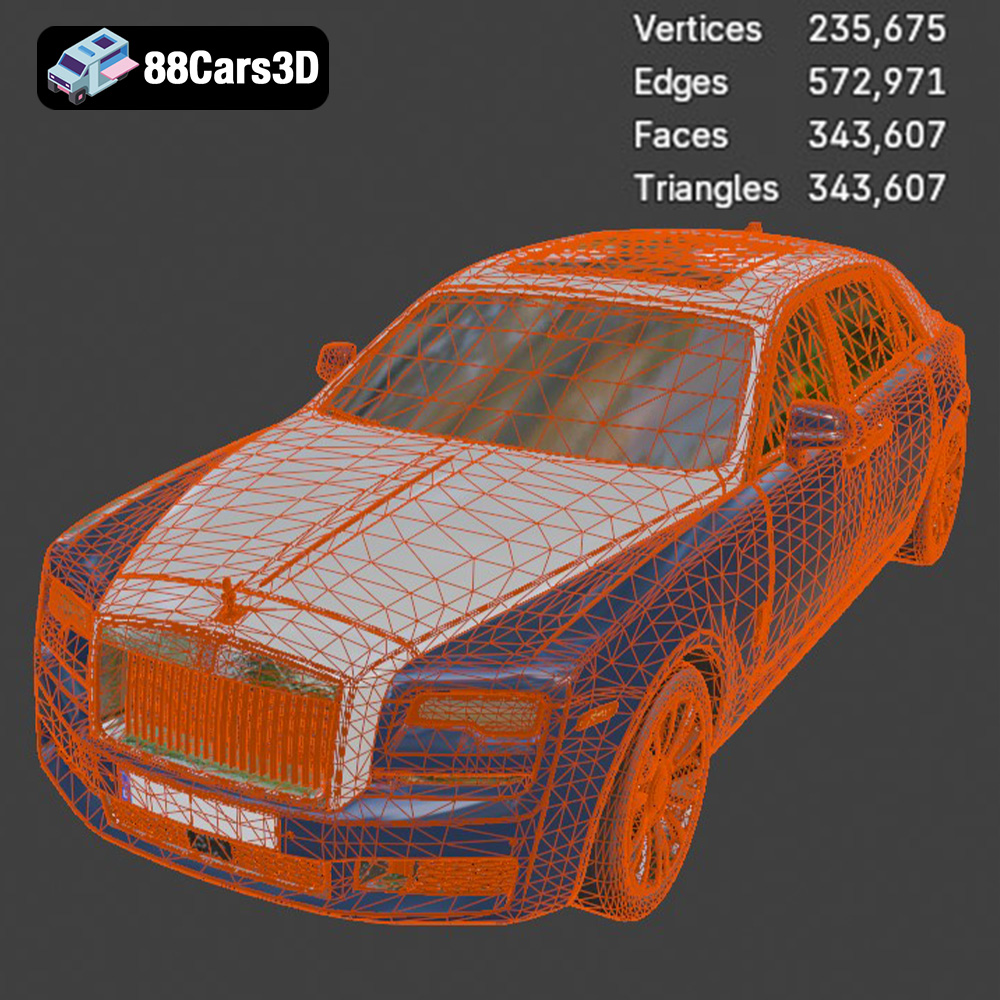
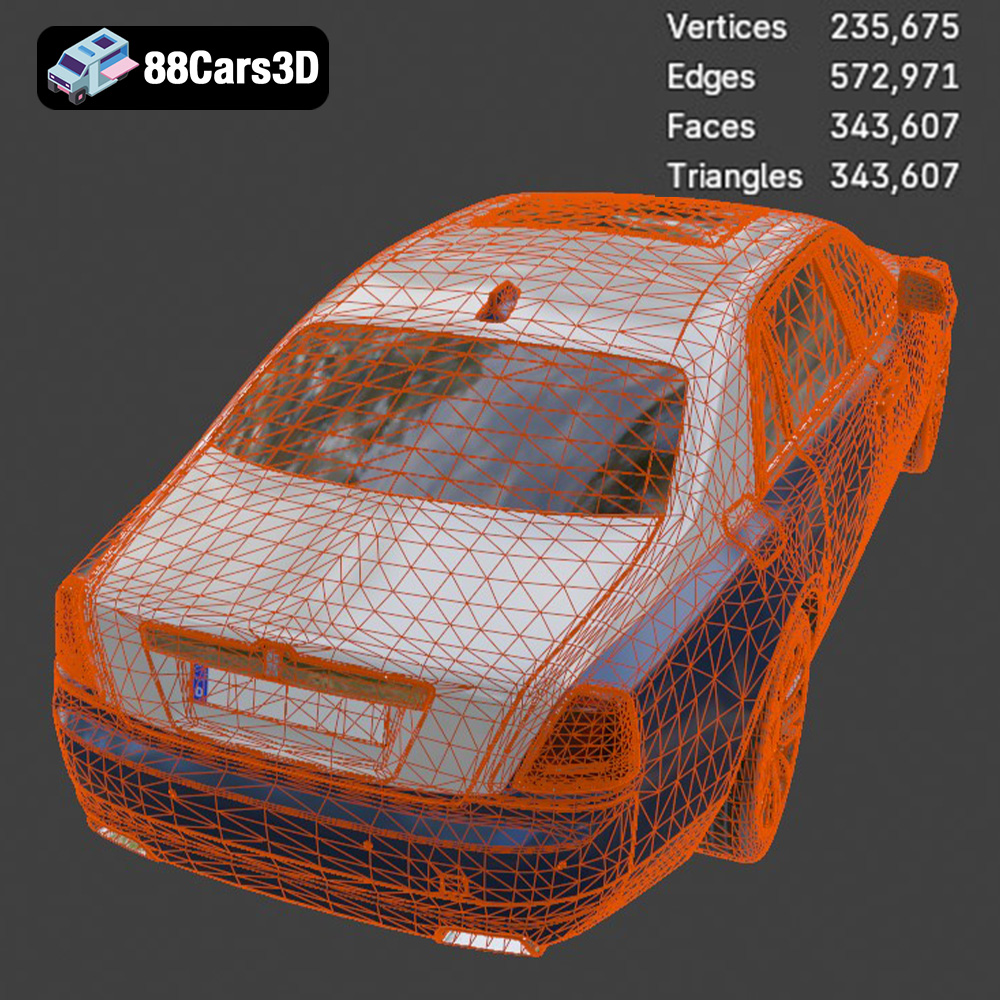
The core challenge in 3D modeling, especially for complex objects like cars, is to bridge the gap between visual realism and computational performance. A model that looks incredible but brings a game engine to its knees or takes hours to render is often impractical. Conversely, a low-polygon model that performs well but lacks detail fails to convey the necessary realism. Premium models, like the Rolls-Royce Ghost EWB 2018, strike this delicate balance. With an optimized triangle count of around 250,000, it maintains high-end visual realism suitable for cinematic renders while remaining ‘game-ready’ for real-time engines like Unreal or Unity.
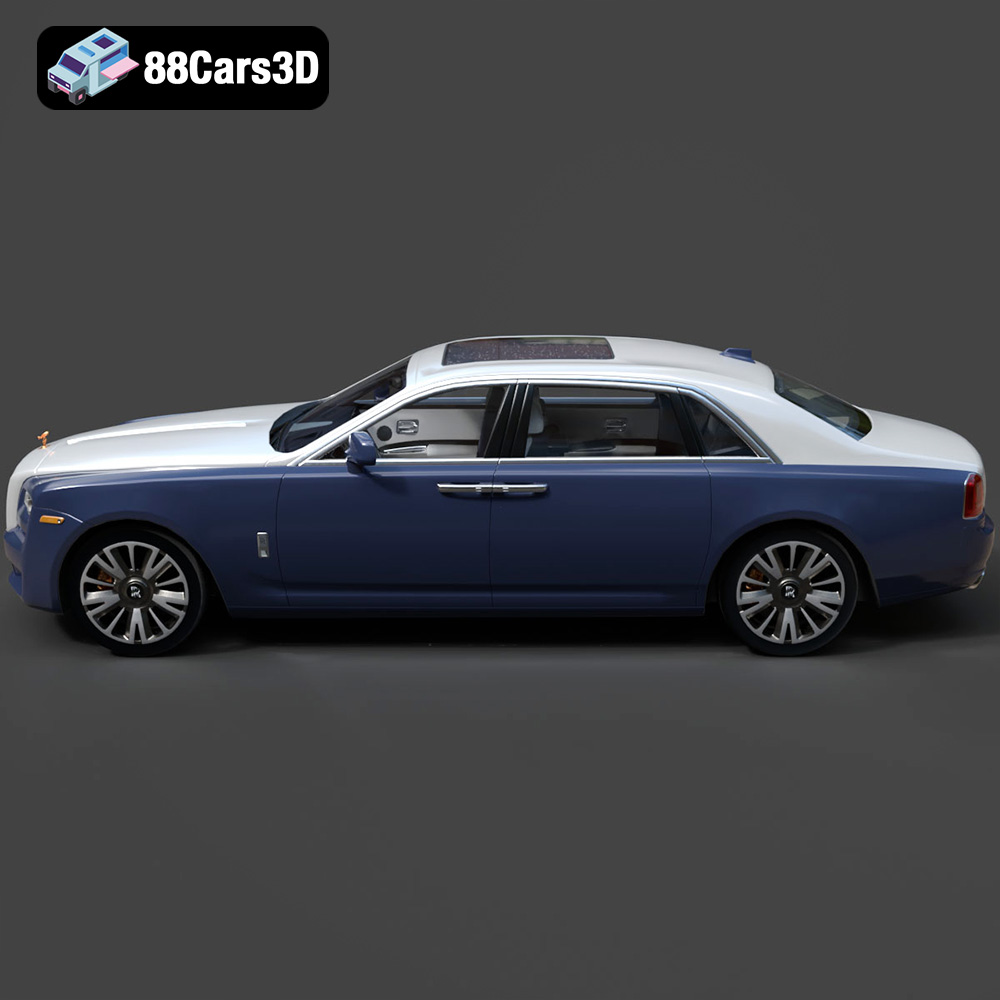
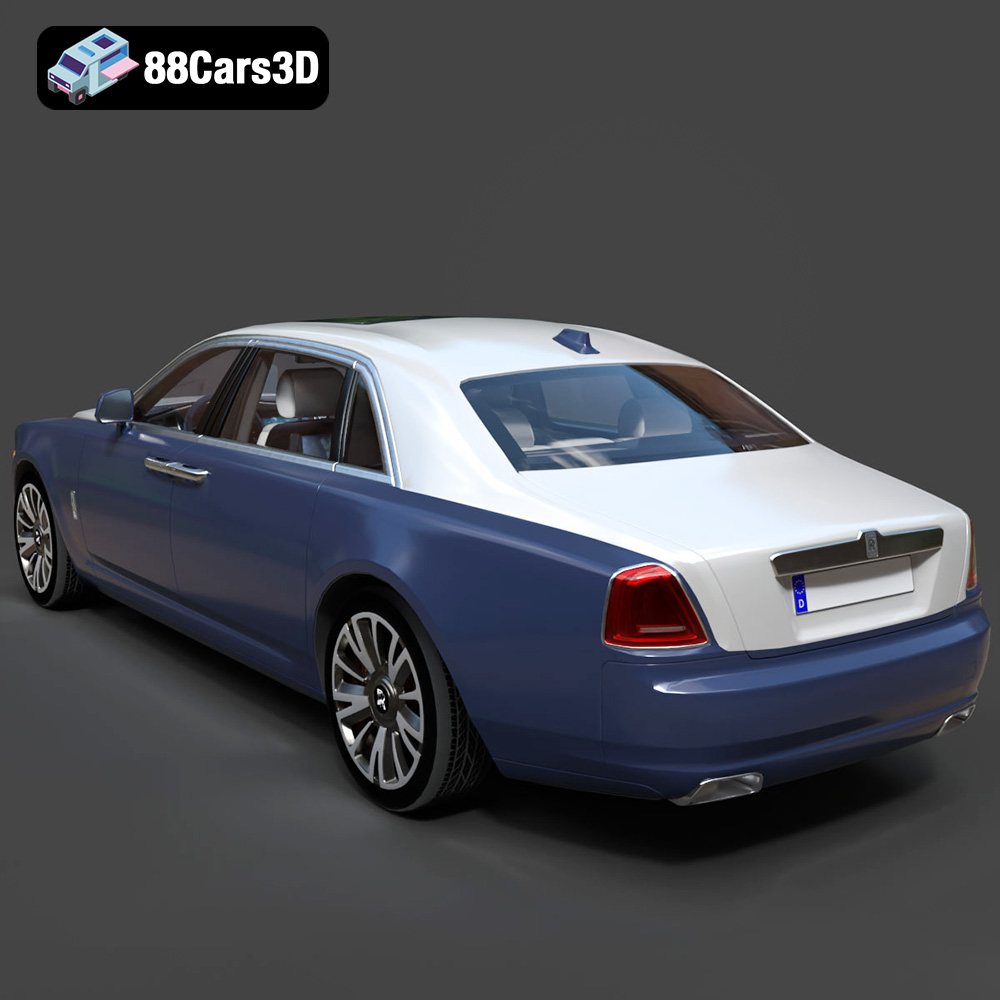
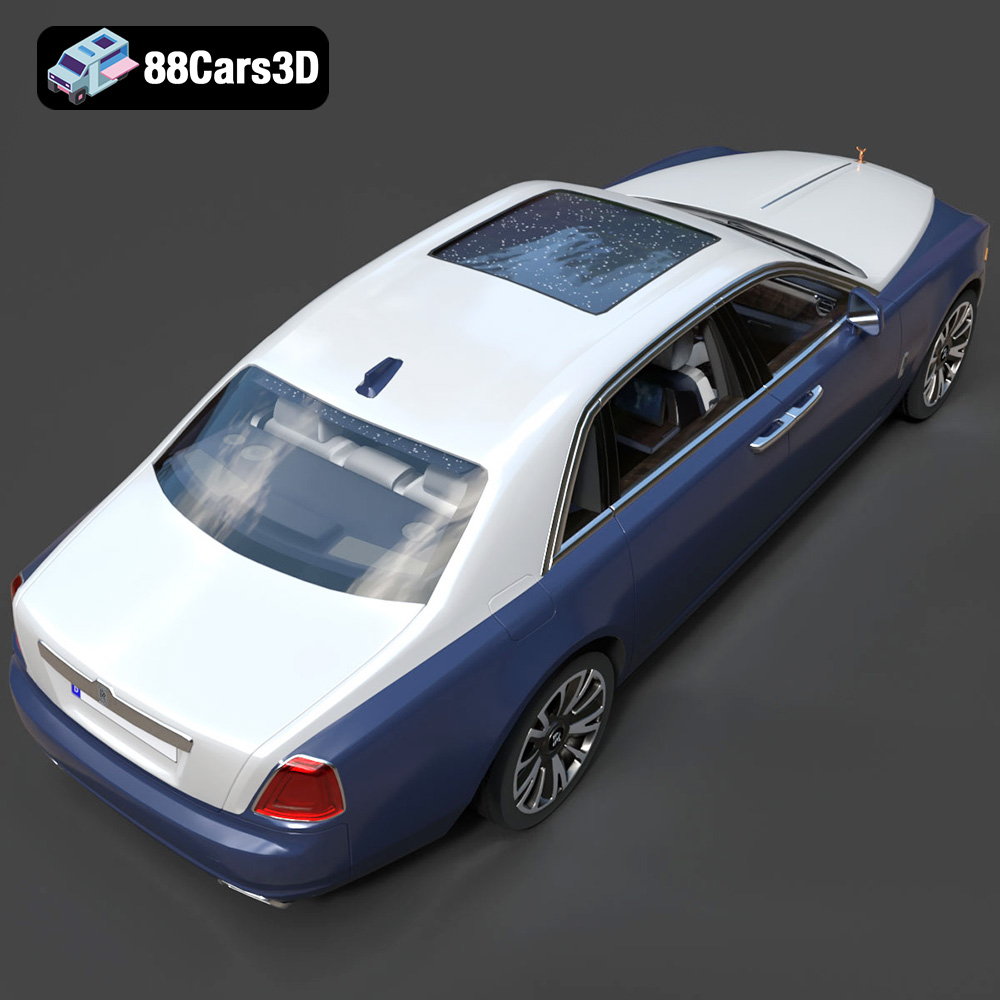
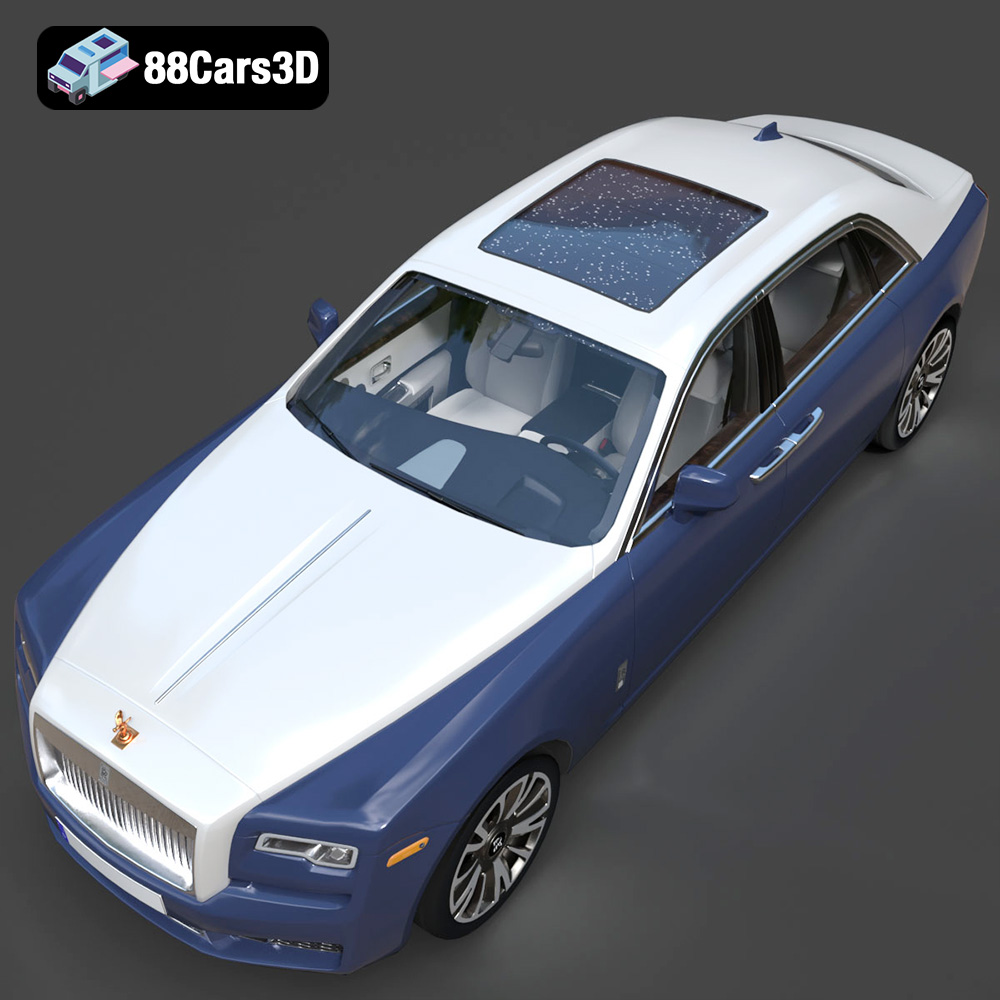
The 2018 Rolls-Royce Ghost EWB is a masterpiece of automotive engineering and luxury. Translating this into a 3D model demands exceptional attention to detail. This particular model captures not just the outer shell, but also the intricate LED headlights, the detailed twin-turbo V12 engine bay layout, the self-righting wheel center caps, and the ultra-luxurious rear cabin. The inclusion of separate wheels, suspension, coach doors, and steering components ensures it’s not just a static display piece but a functional asset capable of advanced animation. This level of detail makes it invaluable for luxury lifestyle visualizers, high-end architectural renders, and sophisticated virtual reality configurators where the feeling of exclusivity is paramount.
One of the most critical aspects of working with 3D models, especially when sourcing them from marketplaces like 88cars3d.com, is understanding the various file formats. Each format serves specific purposes, offering unique advantages for different stages of a project or different software environments. Choosing the correct format is paramount for a smooth workflow and optimal results.
The `.blend` file is Blender’s native format, acting as a complete package for a Blender project. It contains all aspects of the scene: mesh data, materials, textures, lighting, cameras, animations, rigging, and even physics simulations. Its primary advantage is retaining full editability. If you need to dive deep into the model, adjust its topology, modify materials using Blender’s powerful node-based shader editor, or tweak animations, `.blend` is the format of choice. It ensures that all the scene’s relationships and modifiers are preserved, making it ideal for users who primarily work within the Blender ecosystem and require maximum flexibility.
Developed by Autodesk, `.fbx` (Filmbox) is arguably the most widely adopted interchange format in the 3D industry, particularly for game development. It excels at transferring comprehensive scene data, including geometry, materials, textures, animations, and skeletal deformation. Its robust support for animation data makes it indispensable for character and vehicle rigging. For game engines like Unreal Engine and Unity, `.fbx` is the go-to format for importing complex assets because it reliably carries all necessary components, often including custom properties. The Rolls-Royce Ghost EWB model, provided in `.fbx`, means it’s ready to be integrated into these real-time environments with minimal setup, preserving its sophisticated structure and animation capabilities.
The `.obj` (Wavefront OBJ) format is a simple, universal geometry definition file. It stores only the mesh data (vertices, normals, UV coordinates, and polygons) and typically references external `.mtl` (material template library) files for material properties. While it doesn’t support animations or complex scene data, its simplicity and widespread compatibility make it an excellent choice for cross-software transfers. Almost every 3D application can import and export `.obj` files, making it a reliable fallback when other formats present compatibility issues. It’s perfect for when you only need the raw geometry and plan to set up materials and lighting from scratch in your target application.
`.glb` (GL Transmission Format Binary) is the binary version of glTF, a royalty-free specification for the efficient transmission and loading of 3D scenes and models by applications. Its key advantage is that it packages all necessary data—geometry, materials, textures, and animations—into a single, self-contained file. This makes `.glb` highly optimized for web-based 3D viewers, augmented reality (AR), virtual reality (VR), and mobile applications. For showcasing the Rolls-Royce Ghost EWB in a virtual showroom or integrating it into a mobile AR experience, the `.glb` format offers superior performance and ease of deployment.
`.stl` (Standard Tessellation Language or Stereolithography) is the de facto standard format for 3D printing. It represents 3D surfaces as a collection of unconnected triangular facets. The `.stl` format primarily defines the geometry of a 3D object without color or texture information. For a model like the Rolls-Royce Ghost EWB, converting to `.stl` allows hobbyists and professionals to physically print a miniature replica. This format demands a ‘manifold’ mesh (watertight with no holes or self-intersections) to ensure successful printing, a consideration often addressed in premium 3D models from reliable sources.
The `.ply` (Polygon File Format or Stanford Triangle Format) is another common format for storing 3D data, particularly from 3D scanners. It can store a wider range of properties than `.obj` or `.stl`, including color, transparency, surface normals, and even confidence values for each data point. While less common for everyday 3D asset exchange, it’s valuable in scientific, engineering, and CAD applications where precise mesh data and additional attributes are crucial for analysis or reverse engineering. For highly detailed surface analysis of the Rolls-Royce Ghost EWB, a `.ply` file could be beneficial.
While not a universal file format in the same vein as .fbx or .obj, the inclusion of an “.unreal” file or an Unreal Engine-ready project implies an asset specifically packaged and optimized for direct use within Unreal Engine. This often means the asset has already undergone the necessary conversions, material setups, collision mesh generation, and potentially even blueprint scripting to function correctly within the engine. For rapid prototyping and direct integration into Unreal-based projects, this format offers a significant time-saving advantage, allowing developers to immediately utilize the Rolls-Royce Ghost EWB model without extensive configuration.
The `.max` file is the native project format for Autodesk 3ds Max, a leading software in architectural visualization, animation, and game development. Similar to `.blend` for Blender, a `.max` file contains the complete 3ds Max scene, including geometry, materials (with all their specific shaders), lighting, cameras, animation timelines, and render settings. For professionals working in 3ds Max, having the `.max` file provides the ultimate flexibility for modifying every aspect of the Rolls-Royce Ghost EWB model, from intricate material adjustments using V-Ray or Corona to setting up complex cinematic animations or integrating it into existing 3ds Max projects.
The true power of a high-quality 3D car model, such as the Rolls-Royce Ghost EWB, shines through in automotive rendering and visualization. This is where artists transform raw 3D data into captivating, photorealistic images and animations that are often indistinguishable from real photography.
Achieving photorealism in automotive rendering hinges on several key elements: precise lighting, accurate material definitions, and a believable environment. For a luxury vehicle like the Ghost EWB, understanding how light interacts with its polished surfaces, chrome accents, and deep paintwork is crucial. Studio lighting setups, often mimicking real-world photography studios, or physically accurate HDRIs (High Dynamic Range Images) for environmental lighting are essential to bring out the car’s true character. The model’s excellent topology ensures pristine reflections and accurate shading, which are critical for conveying the quality of the vehicle.
Modern rendering workflows heavily rely on Physically Based Rendering (PBR) materials, which accurately simulate how light interacts with surfaces based on real-world physics. This involves meticulously crafted textures for color (Albedo/Base Color), roughness, metallicness, normal maps for fine details, and sometimes displacement maps. The Rolls-Royce Ghost EWB model would benefit from bespoke PBR materials to replicate its luxury street radials, high-gloss paint, polished metal switches, and intricate wood veneers. Layered materials can also be employed to simulate clear coat over paint, or subtle dust and grime for added realism in specific scenes.
Let’s consider a workflow for rendering the Ghost EWB. In 3ds Max with V-Ray or Corona Renderer, you’d start by importing the `.max` or `.fbx` file. Then, you’d set up an interior studio lighting environment using large area lights or an HDRI. The car’s materials would be assigned, ensuring proper metallic and roughness values for the body, glass, and chrome. Crucially, the model’s optimized geometry and correct UVs simplify texture application. For animations, the separate components (wheels, doors, steering) allow for realistic motion. Similarly, in Blender with Cycles or Eevee, the `.blend` file would be opened, and the powerful node editor used to refine materials, set up camera angles, and apply environmental lighting from an HDRI. Both workflows emphasize the importance of a well-structured, clean 3D model as a starting point, which the 88cars3d.com asset provides.
The shift towards real-time graphics has revolutionized interactive experiences, making 3D car models indispensable for game development, AR, and VR. The Rolls-Royce Ghost EWB model, designed with “game-ready” specifications, exemplifies how premium assets integrate seamlessly into these demanding environments.
In real-time engines, performance is king. Every polygon and texture draw call counts. The Ghost EWB model’s ~250,000 triangle count strikes a perfect balance, offering visual fidelity without overburdening the GPU. Beyond polycount, optimization involves creating Levels of Detail (LODs), where simpler versions of the model are swapped in as the car moves further from the camera. Collision meshes, often simplified geometric representations, are vital for realistic physics interactions. Proper UV unwrapping ensures efficient texture packing, and the ‘proper pivot setup for steering, wheel rotation, and suspension travel’ is a critical feature for any drivable vehicle in a game, allowing for realistic physics and animation without extra rigging work.
For Unreal Engine, the provided `.unreal` or `.fbx` file makes integration straightforward. After importing, material instances can be created from master PBR materials, allowing for easy customization of body colors (e.g., the Ghost’s signature two-tone factory paint), tire textures, and interior finishes directly within the engine. Blueprint scripting would then connect the separate wheel and steering components to a vehicle physics system, enabling realistic driving dynamics. For an immersive experience, the detailed interior is optimized for first-person POV, making it perfect for driving simulations or cinematic sequences within a game.
Augmented Reality (AR) and Virtual Reality (VR) environments demand highly optimized yet visually appealing models. The Rolls-Royce Ghost EWB 3D model is perfect for immersive virtual showrooms or sophisticated configurators where users can explore the vehicle in a 360-degree digital space. Using the `.glb` format, it can be deployed efficiently on web browsers or mobile AR apps, allowing potential buyers to place the luxury sedan in their driveway or customize it in real-time. This level of interaction fosters engagement and provides a powerful marketing tool for automotive brands.
While most 3D models live in the digital realm, the ability to transcend the screen and manifest as a physical object is a powerful application. The Rolls-Royce Ghost EWB 3D model, with its `.stl` format inclusion, offers this unique versatility, opening doors for collectors, hobbyists, and even designers.
3D printing requires models to be ‘manifold’ or ‘watertight,’ meaning they have no holes, internal geometry, or self-intersecting surfaces. A high-quality model like the Ghost EWB is typically designed with robust geometry, making it easier to prepare for printing. Tools within 3D software can further check and repair meshes for printability. Key considerations include ensuring sufficient wall thickness (recommended 1.2–2.0 mm for this model) to prevent fragility and planning for supports, especially for overhangs like the Spirit of Ecstasy, exhaust, or mirrors.
Imagine holding a tangible, scaled replica of the Ghost EWB. The provided `.stl` format facilitates this. The model’s detailed exterior features, from the majestic proportions to the intricate LED headlight clusters, translate well into a physical print. Recommended scales like 1:12, 1:18, or 1:24 offer a balance between detail and manageable print size. Resin printing is often recommended for finer details, ensuring the luxury car’s nuances are accurately captured in its physical form. This offers a unique way to appreciate the digital asset beyond the screen.
Once printed, the physical model requires post-processing to achieve a showroom-worthy finish. This typically involves removing supports, sanding to smooth layer lines (especially with FDM prints), and applying primer. For the Rolls-Royce Ghost EWB, the final touch would be authentic factory colors with metallic finishes, possibly even bespoke two-tone paint schemes, to truly emulate its real-world counterpart. This meticulous process transforms a raw 3D print into a detailed display piece, showcasing the versatility of the initial digital asset.
A truly professional 3D asset provides not just a static model but a flexible foundation for creative exploration and adaptation. The Rolls-Royce Ghost EWB 2018 3D model embodies this principle, offering extensive customization options that empower artists and developers.
The included file formats and separated components (wheels, suspension, doors, steering) are not mere features; they are critical enablers for customization. Artists can easily change body colors, applying anything from the signature two-tone factory paint to custom finishes tailored for a specific brand campaign. Tire textures can be modified to reflect different types of luxury street radials or even custom tread patterns. Furthermore, adjusting material finishes – from high-gloss to matte, or tweaking the bespoke wood veneers in the interior – allows for endless variations without needing to remodel. The properly set up pivots mean animators can effortlessly create dynamic sequences, such as opening the coach doors or showcasing the active suspension, enhancing its utility across various media.
In the realm of advertising and marketing, a high-quality 3D car model like the Ghost EWB is an invaluable storytelling tool. It allows agencies to create compelling visuals that are impossible or cost-prohibitive with physical cars. Imagine a virtual commercial where the Ghost EWB glides through a fantastical urban landscape, or a configurator that lets customers virtually “build” their dream car. The model’s pristine reflections and accurate shading ensure that these visuals maintain the prestige and luxury associated with the Rolls-Royce brand. The availability of multiple formats from 88cars3d.com ensures that these storytelling assets can be integrated into diverse production pipelines, from film-quality renders to interactive web experiences.
The comprehensive nature of the Rolls-Royce Ghost EWB 2018 3D Model, with its optimized geometry, detailed features, and inclusion of various file formats (.blend, .fbx, .obj, .glb, .stl, .ply, .unreal, .max), represents immense value for any professional. This eliminates the need to source multiple versions or spend valuable time converting and optimizing. Whether your project demands extreme realism for cinematic rendering, lightweight performance for game development, or the tactile appeal of a 3D print, this single package provides the necessary tools, ensuring a streamlined and efficient workflow. This level of attention to detail and versatility is what sets premium 3D models apart and makes them indispensable.
The digital age has transformed how we design, visualize, and interact with the world around us. At the heart of this transformation lies the power of high-quality 3D models. The Rolls-Royce Ghost EWB 2018 3D Model stands as a testament to this, offering an unparalleled level of detail, optimization, and versatility across a spectrum of professional applications. From captivating automotive rendering and immersive game development to innovative AR/VR experiences and even tangible 3D prints, this asset provides the foundation for limitless creative endeavors.
Understanding the nuances of different file formats, mastering advanced rendering techniques, and appreciating the critical role of optimization are key skills for any digital artist or developer. By leveraging expertly crafted 3D car models like the Rolls-Royce Ghost EWB 2018, available at 88cars3d.com, professionals can not only meet but exceed the demands of today’s visually driven industries. Investing in such premium assets is investing in efficiency, quality, and the boundless potential of digital creativity.
Experience the pinnacle of automotive luxury with this meticulous 3D model of the 2018 Rolls-Royce Ghost EWB (Extended Wheelbase). Renowned for its unparalleled elegance, whisper-quiet V12 engine, and majestic road presence, the Ghost EWB represents the ultimate in bespoke craftsmanship. This model faithfully recreates the vehicle’s sweeping lines, iconic Pantheon grille, and signature rear-hinged coach doors, capturing the essence of modern British luxury. This premium 3D model features exceptional topology and an optimized triangle count, ensuring a seamless blend of high visual fidelity and game-ready performance. Carefully crafted to maintain pristine reflections and accurate shading, the geometry is perfectly suited for demanding real-time environments and high-end offline rendering applications. Perfect for luxury lifestyle visualizers, high-end architectural renders, cinematic animations, and sophisticated virtual reality configurators.
$19.99
.2018
.blend
.fbx
.glb
.limousine
.max
.obj
.ply
.rendering
.sedan
.stl
.unreal
car-3d-model
game asset
game-ready
ghost-ewb
low-poly
luxury car
optimized
rolls-royce
VR/AR