Get 20% OFF All Premium 3D & STL Models!

In the dynamic worlds of automotive design, game development, cinematic rendering, and immersive AR/VR experiences, the quality of your 3D assets is paramount. A meticulously crafted 3D model isn’t just a visual element; it’s a foundation for innovation, a catalyst for storytelling, and a crucial component for performance optimization. Whether you’re a seasoned professional building the next blockbuster game or a visualization artist aiming for photorealistic fidelity, the demand for high-quality, production-ready assets has never been higher.
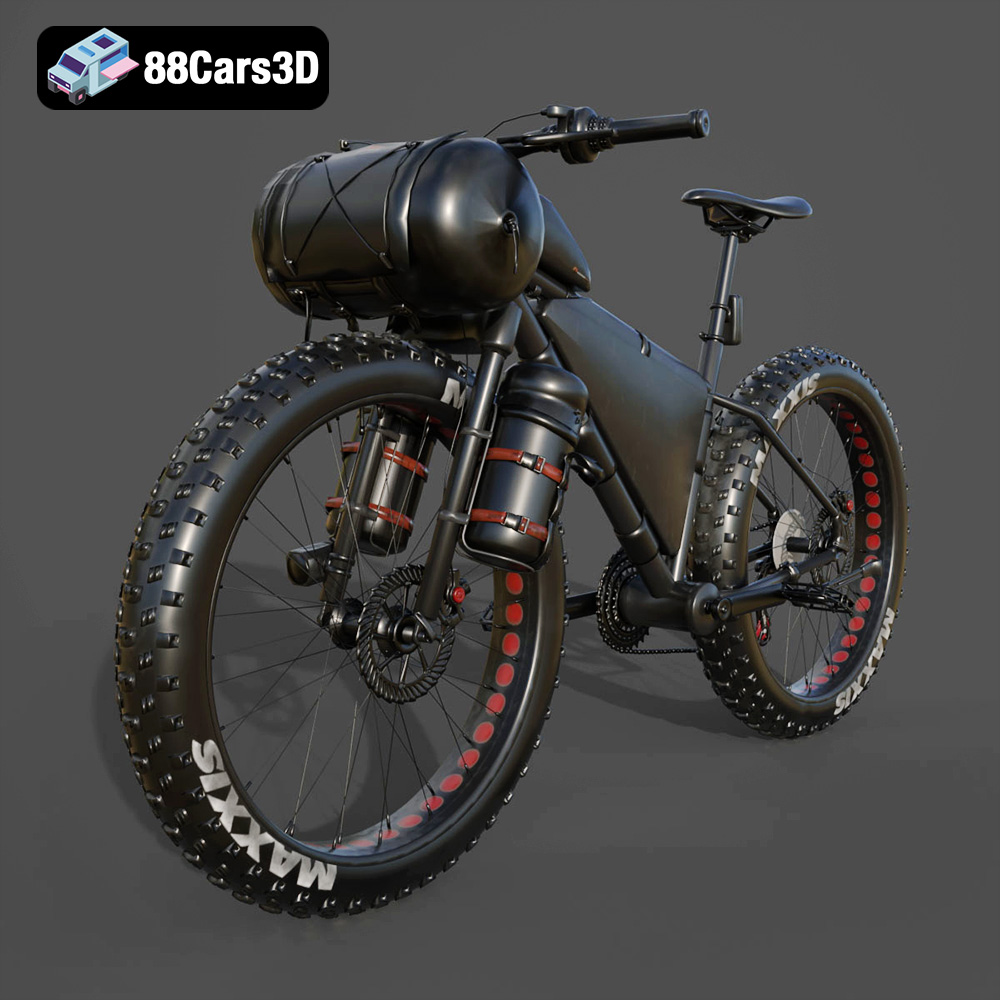
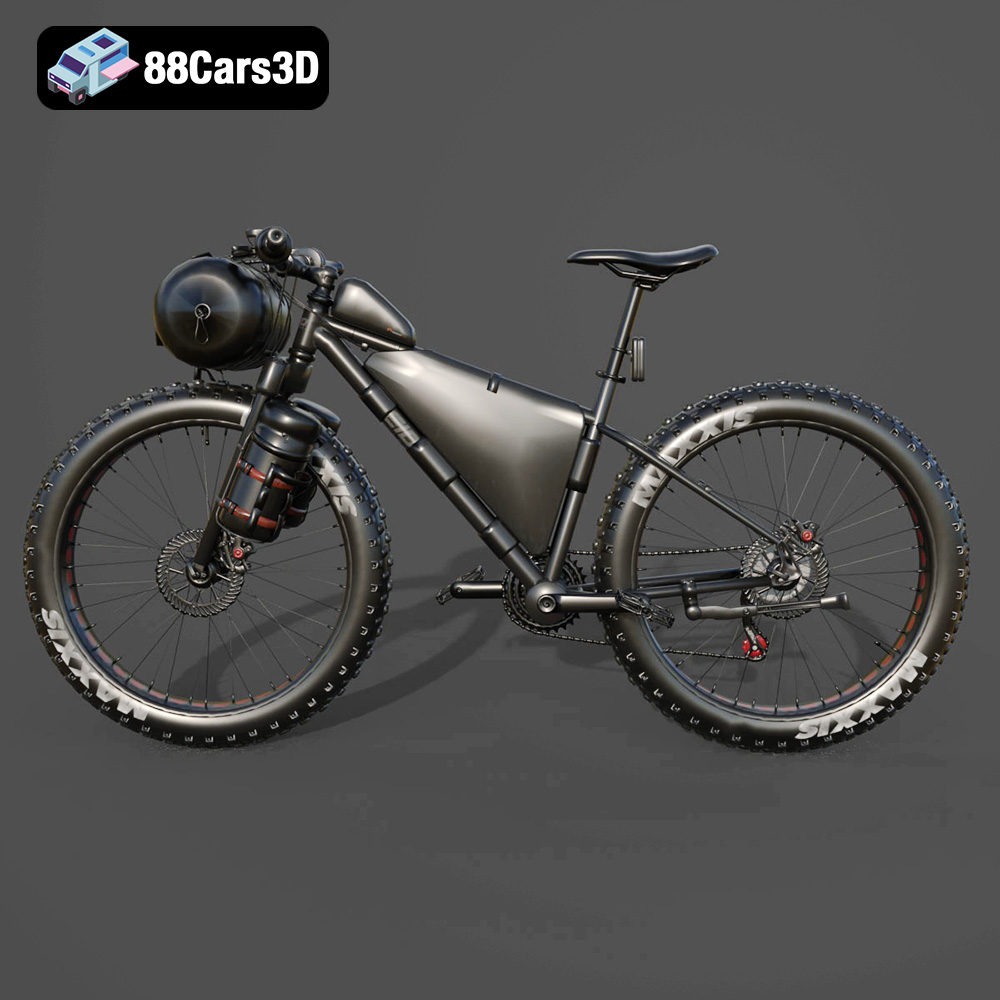
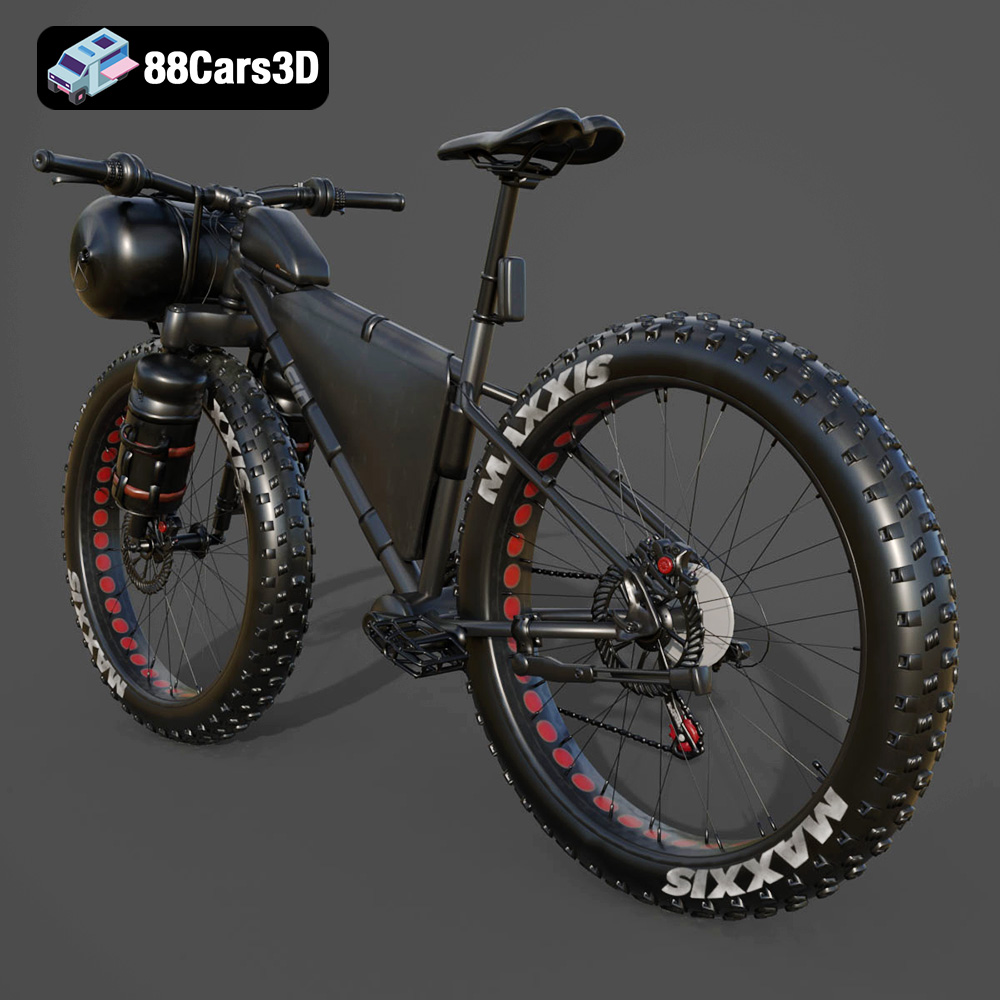
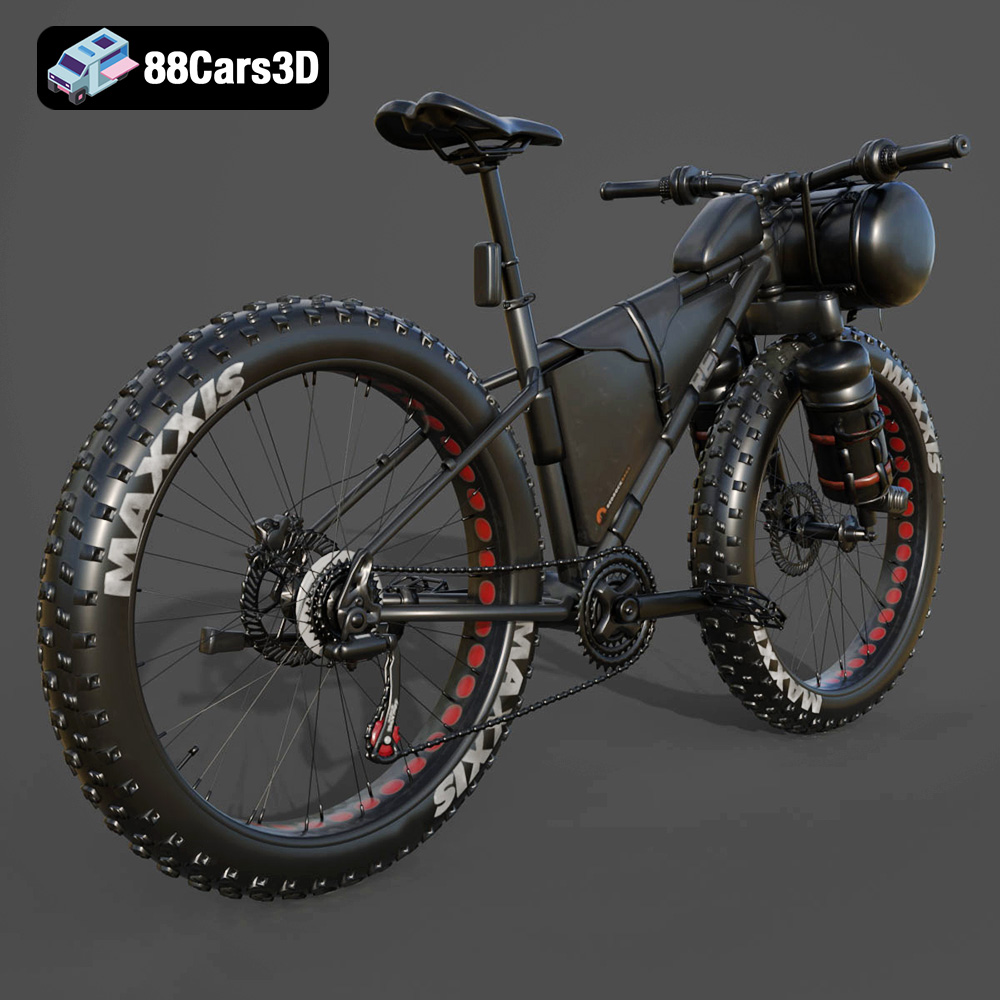
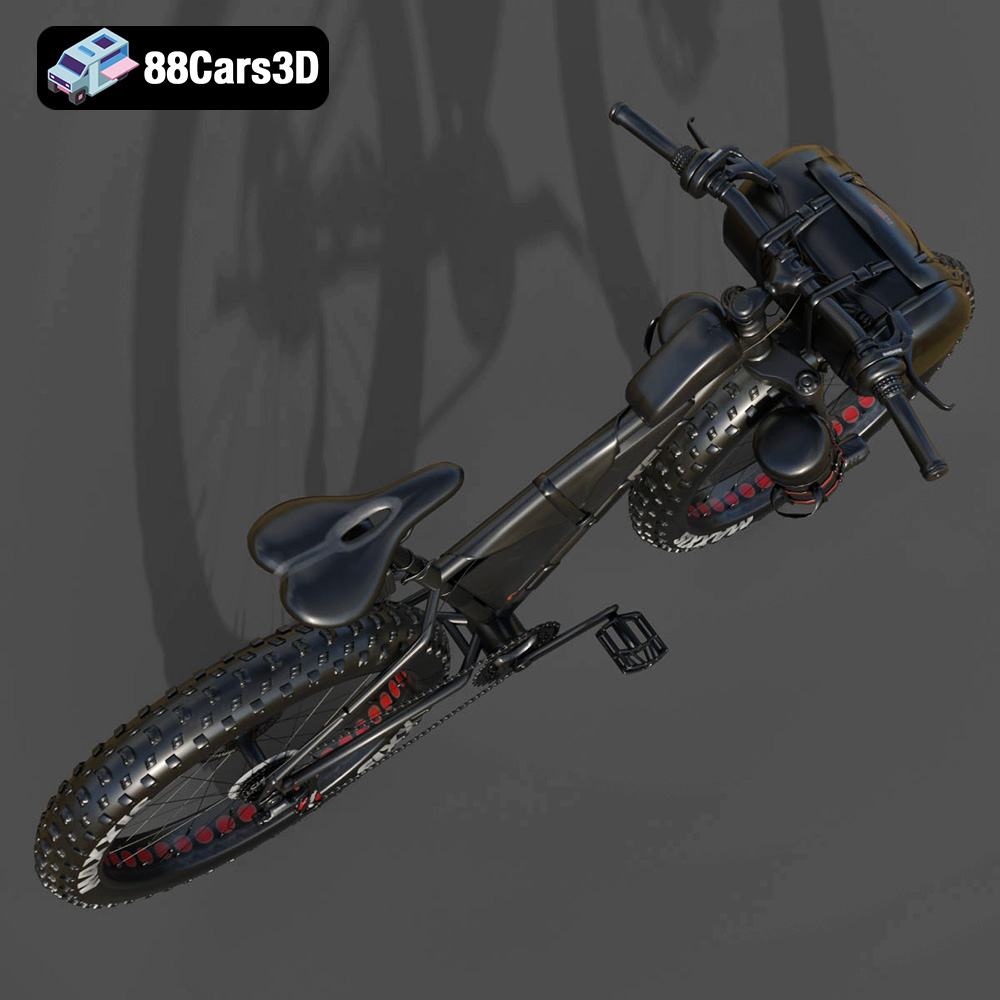
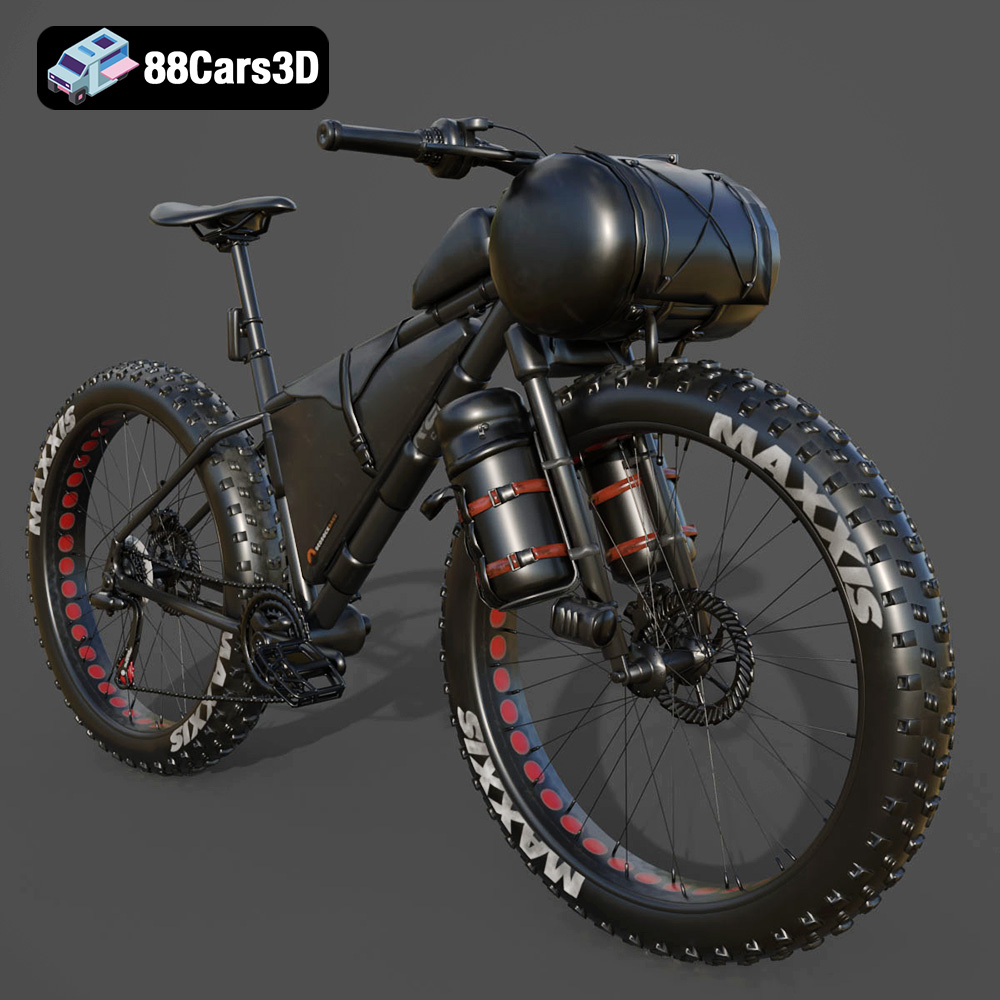
Today, we’re diving deep into an exceptional example that embodies this fusion of technical excellence and artistic vision: The F.A.T. Bike 3D Model. This isn’t just any motorcycle model; it’s a statement piece designed with versatility and professional workflows at its core. Its aggressive stance, signature wide tires, and seamless blend of modern electric and custom motorcycle aesthetics make it a standout asset. Available for download across a multitude of industry-standard formats, The F.A.T. Bike provides immediate value, elevating projects from urban exploration games to high-end lifestyle visualizations.
The journey of a 3D model, from creation to implementation, often involves navigating a complex landscape of file formats. Each format serves a specific purpose, catering to different software ecosystems, production pipelines, and end-use applications. Understanding these distinctions is crucial for maximizing efficiency and ensuring compatibility. The F.A.T. Bike 3D model, recognizing these diverse needs, is supplied in a comprehensive range of formats, making it incredibly adaptable.
The .blend file is the native format for Blender, a powerful open-source 3D creation suite. When you acquire a .blend file, you’re not just getting the mesh; you’re gaining access to a fully editable Blender scene. This typically includes all materials, textures, lighting setups, cameras, and even animation data if present. For The F.A.T. Bike, this means an artist can open the file and immediately begin tweaking shaders, adjusting the geometry, or integrating it into an existing Blender project with all its original properties intact. It offers maximum flexibility for artists deeply embedded in the Blender pipeline, allowing for advanced node-based material edits and precise control over every aspect of the model.
.fbx (Filmbox) is arguably the most widely adopted proprietary 3D file format for exchanging data between various 3D software applications and game engines. Developed by Autodesk, FBX excels at preserving complex scene data, including meshes, materials, textures, skeletal animation, inverse kinematics, and blend shapes. For assets like The F.A.T. Bike, an FBX file is ideal for pipelines involving Unreal Engine, Unity, 3ds Max, Maya, or Cinema 4D. Its robust nature makes it the go-to choice for transferring game-ready assets that need to retain rigging and animation information, ensuring that separate components like wheels, suspension, and steering can be correctly animated in the target environment.
The .obj (Wavefront OBJ) format is one of the oldest and most widely supported 3D file formats. While it primarily stores geometric data (vertices, normals, texture coordinates, and faces), it’s also capable of referencing external material files (.mtl) for basic shading information. OBJ files are excellent for static meshes where complex animation data isn’t required. They offer unparalleled cross-software compatibility, meaning virtually any 3D application can open and interpret an OBJ file. For The F.A.T. Bike, the OBJ format serves as a reliable universal fallback, ensuring that the core geometry is accessible even in niche or legacy software.
.glb (GL Transmission Format Binary) is the binary version of glTF, a royalty-free specification for 3D scenes and models. GLB is specifically designed for efficient transmission and loading of 3D content, making it perfect for AR (Augmented Reality), VR (Virtual Reality), and browser-based applications. It bundles all necessary data—geometry, materials, textures, animations—into a single, self-contained file. This makes The F.A.T. Bike in GLB format incredibly lightweight and performant for showcasing in virtual showrooms, mobile AR experiences, or interactive web configurators, ensuring quick loading times and smooth performance.
The .stl (STereoLithography) format is the de facto standard for 3D printing. It represents the surface geometry of a 3D object using a collection of interconnected triangles, without any color, texture, or material information. While simplistic, its ubiquity makes it essential for physical prototyping and fabrication. The F.A.T. Bike, when provided as an STL, can be directly imported into slicing software for 3D printers, allowing hobbyists and professionals to bring the digital model into the physical world as a display-scale replica. Careful preparation for printability, like ensuring manifold meshes, is often done for quality STL exports.
.ply (Polygon File Format) is another format primarily used for storing 3D data, particularly from 3D scanners or for CAD applications. Like OBJ, it stores geometric data (vertices, faces), but it can also include additional properties such as color per vertex, normal information, transparency, and range data. PLY files are often used in scientific visualization, reverse engineering, and applications requiring highly detailed mesh information. For The F.A.T. Bike, a PLY file could be beneficial for precise analysis of its structure or integration into specialized engineering software.
The inclusion of a .unreal file (often a .uasset file or project packaged for Unreal) indicates that The F.A.T. Bike has been specifically optimized and prepared for direct integration into Unreal Engine. This typically means the model has been imported, materials set up with Unreal’s Physically Based Rendering (PBR) system, textures assigned, collisions generated, and potentially even blueprint functionality or LODs (Levels of Detail) configured. This format significantly streamlines the workflow for Unreal Engine developers, saving considerable time on asset preparation and ensuring optimal performance within the engine.
A .max file is the native scene file for Autodesk 3ds Max, a powerful 3D modeling, animation, and rendering software. Similar to a .blend file for Blender, a .max file provides a complete project environment, including all geometry, modifiers, materials, lights, cameras, and animation curves. For users of 3ds Max, this format allows for deep customization, advanced rendering setups (using V-Ray, Corona, Arnold), and complex animation sequences. The F.A.T. Bike in .max format offers the ultimate control for professional animators and visualization artists working within the 3ds Max ecosystem.
This extensive array of formats ensures that The F.A.T. Bike is not just a high-quality model, but also an incredibly versatile and accessible asset, ready for virtually any professional pipeline you can imagine.
The F.A.T. Bike isn’t merely a static image; it’s a meticulously engineered 3D model designed to excel across various professional applications. Its technical specifications and design philosophy prioritize both visual fidelity and performance, making it a truly game-ready asset that also shines in high-end renders.
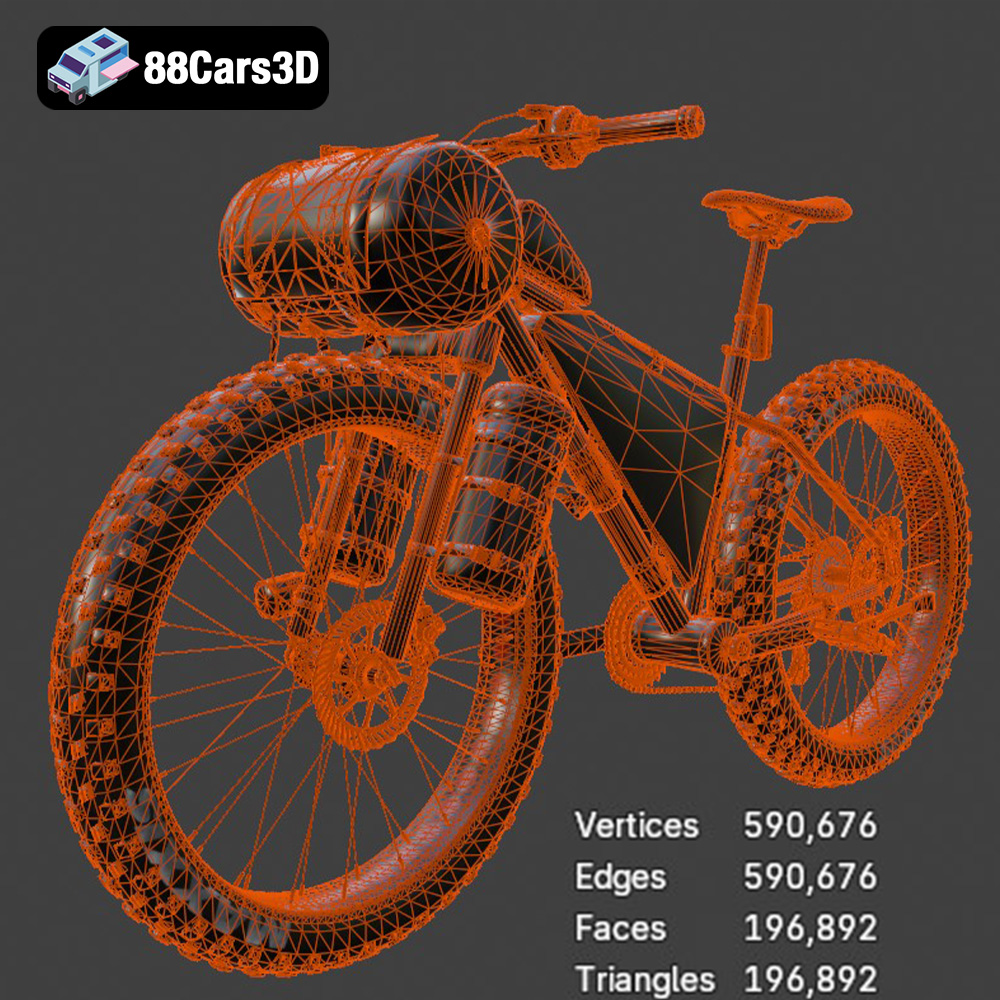
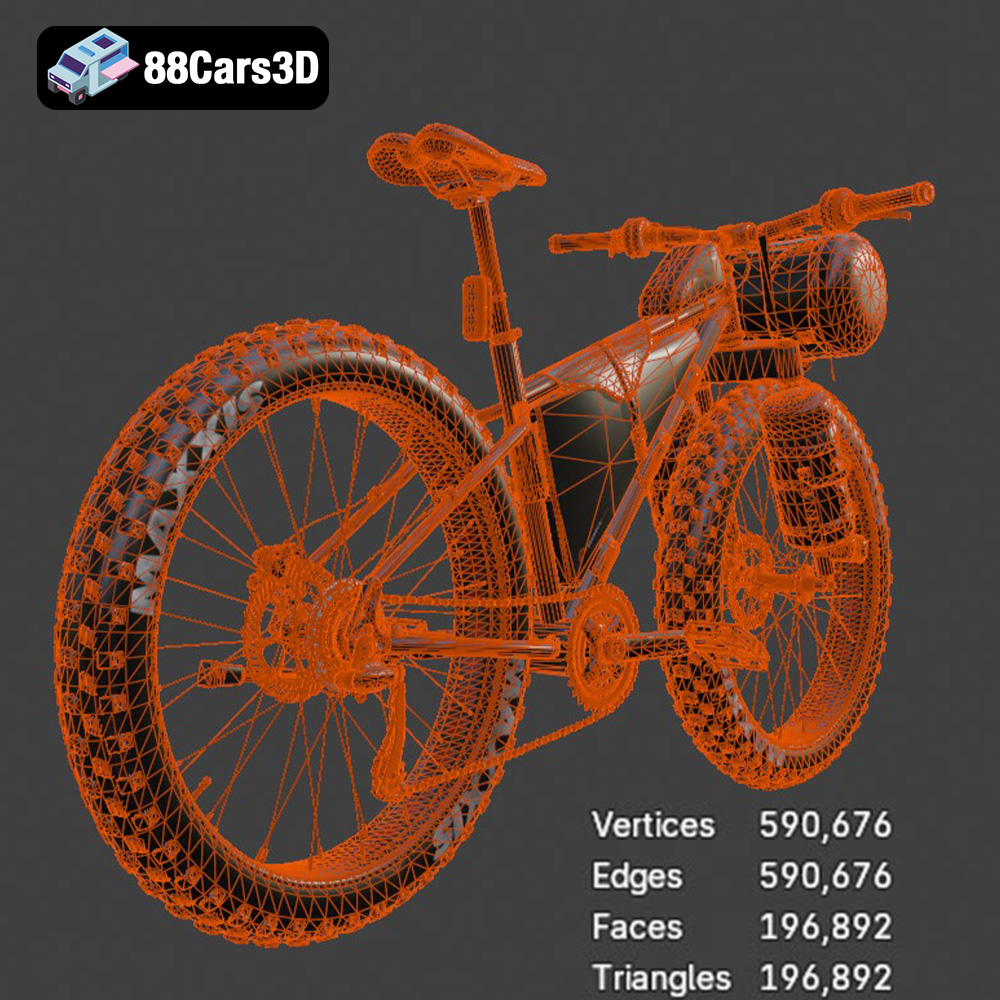
At approximately 200,000 triangles, The F.A.T. Bike strikes an exceptional balance between visual detail and real-time performance. This polycount is perfectly optimized for modern game engines like Unreal Engine and Unity, allowing it to be integrated into open-world environments or racing simulators without significantly impacting frame rates. Unlike ultra-high-poly cinematic models that can burden real-time applications, The F.A.T. Bike’s topology is clean, efficient, and designed to perform. Every curve and component, from the reinforced structural frame to the chunky all-terrain treads, maintains its integrity even at this optimized count. This attention to detail ensures that the model looks fantastic up close while remaining light enough for dynamic, interactive experiences. Furthermore, a clean topology facilitates easier UV mapping and texture application, reducing potential issues like stretching or distortion.
One of the standout technical advantages of The F.A.T. Bike is its modular construction. Every key component—the wheels, suspension, and steering setup—is fully separated. This isn’t just a convenience; it’s a fundamental requirement for professional rigging and animation workflows. Proper pivot setups are already integrated, meaning animators can immediately begin defining realistic wheel rotation, suspension travel, and steering articulation without laborious preparation. For game developers, this translates directly into dynamic physics interactions, responsive controls, and engaging gameplay. Imagine navigating challenging terrain with realistically moving suspension or executing tight turns with accurately rotating handlebars – these elements are precisely what The F.A.T. Bike’s modular design enables.
The visual appeal of The F.A.T. Bike is rooted in its authentic and meticulous detailing. The exterior features showcase accurate frame geometry with robust tubular structures, a highly detailed motor and drivetrain housing, and signature oversized fat tires with deep, aggressive all-terrain tread patterns that truly convey its off-road capability. High-intensity LED projector headlights and sleek minimalist taillights contribute to its modern aesthetic. Inside the cockpit, an ergonomic custom-stitched saddle boasts accurate texture details, complemented by wide, tracker-style handlebars with finely modeled grips and control switches. A minimalist digital instrument cluster provides a clean interface, while accurately modeled hand levers, footpegs, and braking hardware complete the immersive experience. This level of detail, combined with optimized geometry, makes it ideal for first-person POV in gaming, ensuring players feel truly connected to the machine.
The versatility of The F.A.T. Bike 3D model allows it to seamlessly integrate into a variety of professional pipelines, offering significant time and cost savings compared to modeling from scratch.
For automotive visualization artists and those working on cinematic projects, The F.A.T. Bike provides a high-fidelity foundation. In software like 3ds Max or Blender, artists can import the .max or .blend file and leverage its separated components for advanced rendering. Imagine setting up a dynamic studio shot with V-Ray or Corona Renderer, showcasing the bike’s metallic finishes and custom components under dramatic lighting. The real-world scale accuracy ensures it fits perfectly into existing scene environments. Artists can easily adjust material finishes – from matte to gloss to metallic – and fine-tune texture details on the custom-stitched saddle or aggressive tire treads to match specific brand aesthetics or creative visions. This capability is invaluable for lifestyle visualizations, brand campaigns, and architectural renders that require a striking vehicle to add context or flair.
The F.A.T. Bike is a prime example of a game-ready asset, particularly beneficial for developers using Unreal Engine or Unity. The inclusion of .fbx and .unreal formats drastically streamlines the asset pipeline. Once imported, its optimized ~200,000 triangle count ensures efficient rendering within real-time environments. The properly set-up pivots for steering, wheel rotation, and suspension travel are critical for implementing realistic physics and player controls. Developers can easily hook up the separate components to physics constraints, enabling dynamic suspension responses over rough terrain or realistic lean angles during turns. Its optimized geometry is particularly beneficial for first-person POV in games, ensuring a smooth and immersive experience for the player navigating the open world or competing in a race. This model drastically cuts down development time by providing a pre-optimized, rig-ready solution.
The burgeoning fields of Augmented Reality (AR) and Virtual Reality (VR) demand highly optimized, lightweight 3D models for smooth, interactive experiences. The F.A.T. Bike, with its .glb format, is perfectly suited for this. GLB files are renowned for their efficiency, bundling all necessary data into a single file for quick loading on mobile AR devices or within VR headsets. This makes it ideal for virtual showrooms where potential customers can explore the bike in 3D, perhaps even customizing its colors and finishes in real-time. For interactive configurators, its separated components allow for dynamic part swaps or material changes. The real-world scale accuracy is also crucial for AR, ensuring the bike appears correctly proportioned when overlaid onto the real environment, enhancing immersion.
While The F.A.T. Bike model is exceptional out of the box, its true power lies in its capacity for extensive customization, allowing artists and developers to tailor it precisely to their project’s unique requirements.
The model’s clean topology and well-defined UVs make material and texture modifications a straightforward process. Users can easily change body and tank colors, applying anything from authentic factory hues to wild custom finishes, vibrant metallics, or understated matte looks. The distinction between off-road and street variants can be achieved by simply swapping or modifying tire textures, giving the bike a completely different character for urban exploration versus rugged trail blazing. Artists can experiment with different shader properties, from metallic flakes on the frame to the subtle wear on the ergonomic custom-stitched saddle, ensuring the bike fits seamlessly into any aesthetic.
Beyond material changes, The F.A.T. Bike truly comes to life when integrated into diverse lighting environments. Its high-intensity LED projector headlight and sleek minimalist taillights are designed to react realistically to global illumination and direct light sources. This means artists can adapt the lighting for dramatic studio renders, gritty urban night scenes, sun-drenched desert trails, or moody atmospheric shots. The model’s robust construction and detailed components, like the heavy-duty front suspension forks and articulated rear shock setup, will cast accurate shadows and reflect light naturally, enhancing the realism of any scene. This flexibility ensures that The F.A.T. Bike can be a focal point in any visual narrative, adapting to the mood and tone of the environment.
The journey of a 3D model doesn’t always end on a digital screen. For enthusiasts, collectors, and prototyping professionals, the ability to physically manifest a digital creation through 3D printing offers an entirely new dimension of appreciation and utility. The F.A.T. Bike, with its .stl format inclusion, is perfectly poised for this transition.
3D printing The F.A.T. Bike requires careful consideration to ensure a successful, high-quality physical replica. The recommended scales (1:12 / 1:18 / 1:24) are ideal for display-scale hobbyists, providing a good balance between detail and printability. For optimal results, especially for fine details like the custom spoked wheels or the minimalist digital instrument cluster, resin printing (SLA/DLP) is highly recommended over FDM, allowing for layer heights as fine as 0.04–0.12 mm. This captures the intricate frame geometry and aggressive tread patterns with remarkable precision.
Structural integrity is key; recommended wall thicknesses of 1.2–2.0 mm ensure the model is robust enough post-print. Infill between 20–30% provides internal strength without excessive material usage. Supports are almost always required for complex overhangs and delicate parts such as the handlebars, exhaust components, and detailed motor housing. Strategic print orientation is also crucial – for instance, printing the frame angled can improve structural integrity and reduce the need for extensive supports on critical areas, while wheels are best printed separately for cleaner results and easier post-processing. After printing, sanding, priming, and painting with authentic factory colors or metallic finishes can elevate the physical model to a stunning display piece, truly bringing The F.A.T. Bike to life.
In a world where visual excellence and technical efficiency are non-negotiable, investing in high-quality 3D assets is a strategic decision for any professional. The F.A.T. Bike 3D Model stands as a testament to this principle, offering a rare blend of aggressive aesthetics, meticulous detail, and unparalleled technical versatility. Its optimized polycount, modular design, and extensive file format support make it an indispensable tool for game developers, automotive visualization artists, AR/VR creators, and even 3D printing enthusiasts.
Whether you’re crafting an immersive open-world game, developing a stunning product visualization, or prototyping a physical model, The F.A.T. Bike delivers the performance and fidelity required to exceed expectations. Its thoughtful design, from the fully separated components ready for rigging to the game-ready topology, ensures that your projects can move forward with confidence and creativity. For those seeking to elevate their digital automotive and motorcycle projects, exploring premium 3D models like The F.A.T. Bike is a definitive step towards achieving outstanding results. Discover this exceptional asset and many more at 88cars3d.com, where quality meets innovation.
Discover the rugged versatility and commanding presence of The F.A.T. Bike, a masterclass in custom two-wheeled engineering. Characterized by its massive, signature wide tires and aggressive stance, this bike seamlessly blends modern electric and custom motorcycle aesthetics with raw off-road capability. The model captures every meticulous detail, from its reinforced structural frame to the chunky all-terrain treads and minimalist, industrial-chic lighting elements.
Designed with professional workflows in mind, this 3D model boasts exceptional topology and an optimized triangle count, delivering a game-ready asset that doesn’t compromise on high-end visual fidelity. Every component, including the drivetrain, suspension, and steering setup, is fully separated and ready for rigging, making it an incredibly versatile addition to any 3D library.
Perfect for urban exploration games, off-road racing simulators, lifestyle visualizations, and immersive VR configurations.
.blend, .fbx, .obj, .glb, .stl, .ply, .unreal, .max
Tags:
the-f-a-t-bike, fat-bike, custom-bike, off-road, scrambler, motorcycle-3d-model, bike-3d-model, game-ready, low-poly, optimized, game-asset, rendering, vr-ar, blend, fbx, obj, glb, stl, ply, unreal, max
$19.99