Get 20% OFF All Premium 3D & STL Models!

In the expansive world of 3D design and digital visualization, the demand for exceptionally detailed and versatile assets continues to grow. From blockbuster video games and immersive virtual reality experiences to stunning architectural renders and sophisticated automotive configurators, the quality of a 3D model can make or break a project. Automotive models, in particular, stand as a testament to the blend of artistic skill and technical precision required to replicate real-world engineering and aesthetic grandeur.
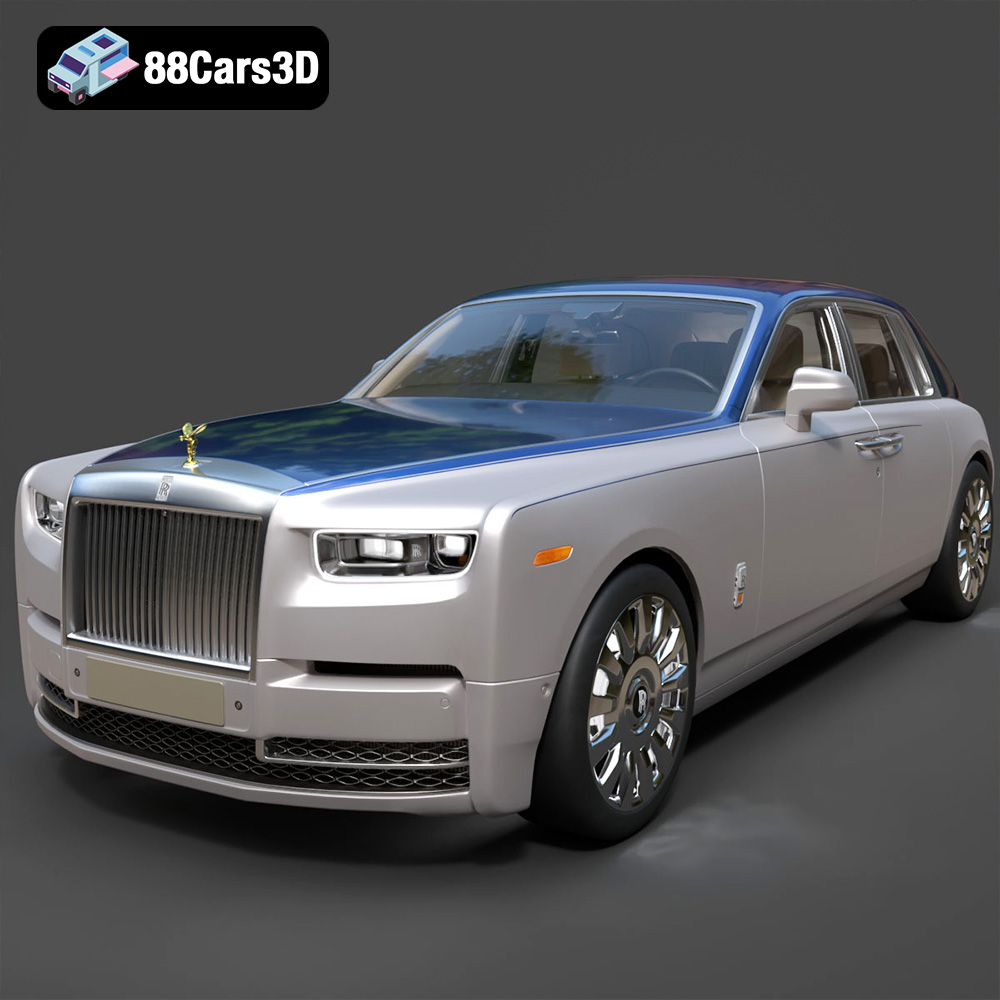
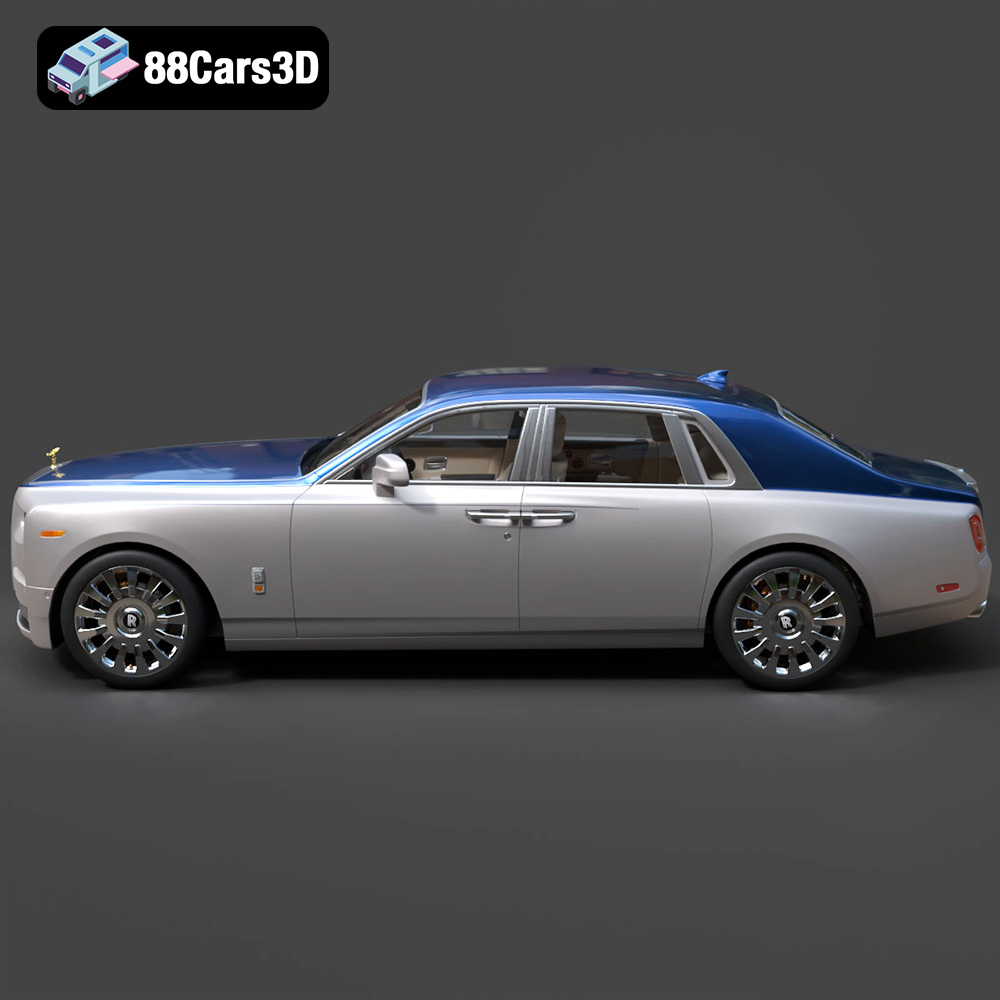
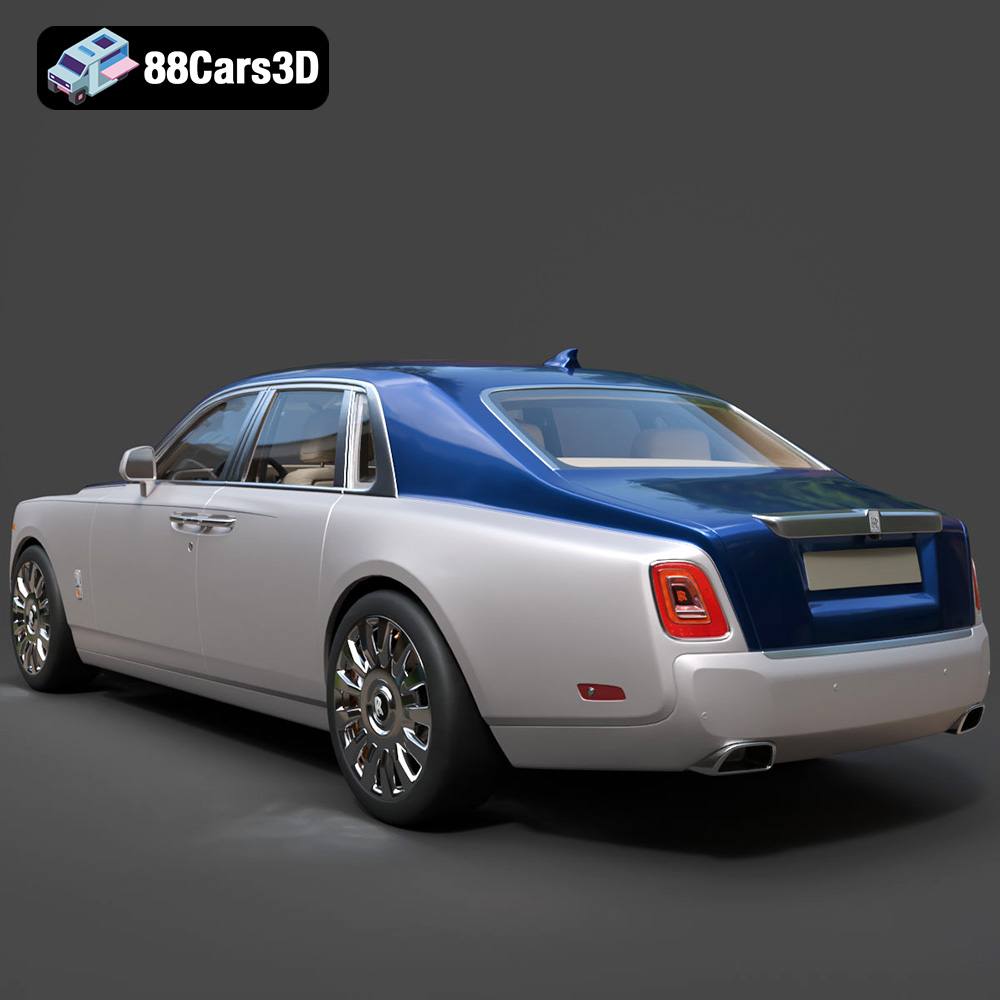
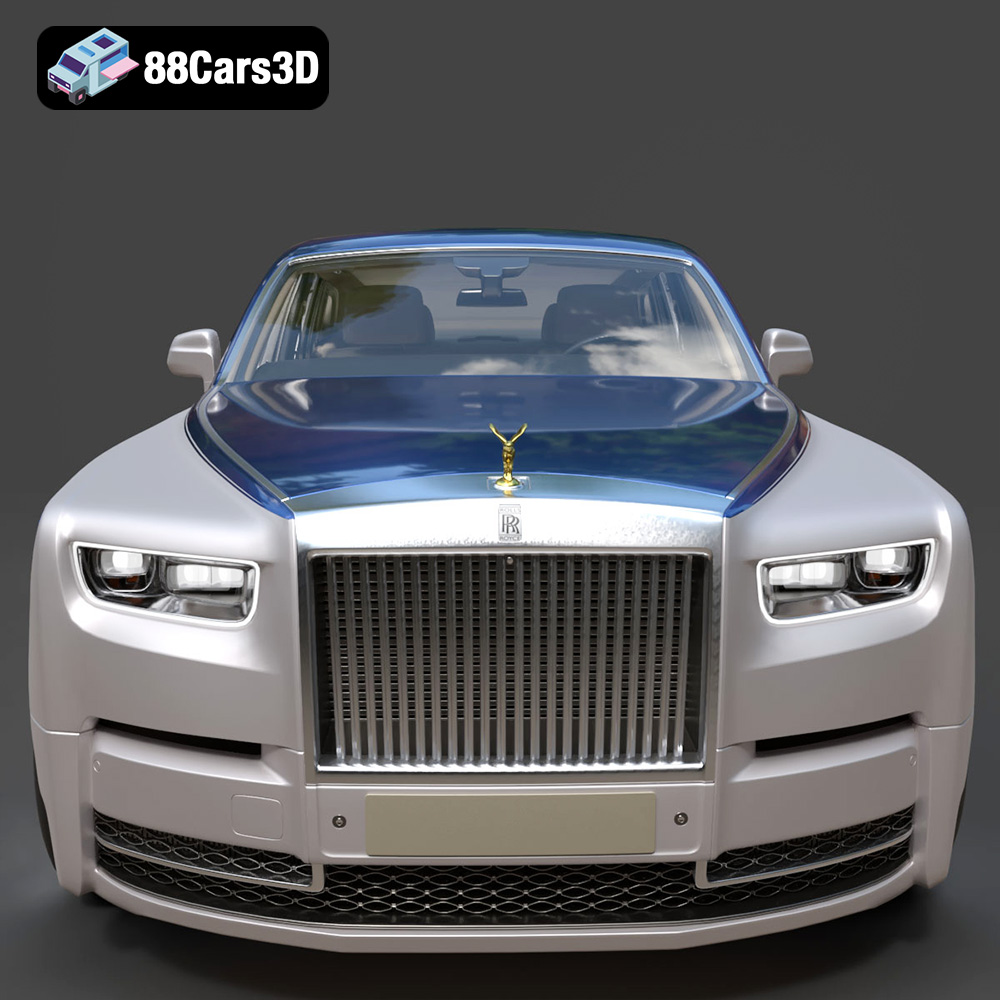
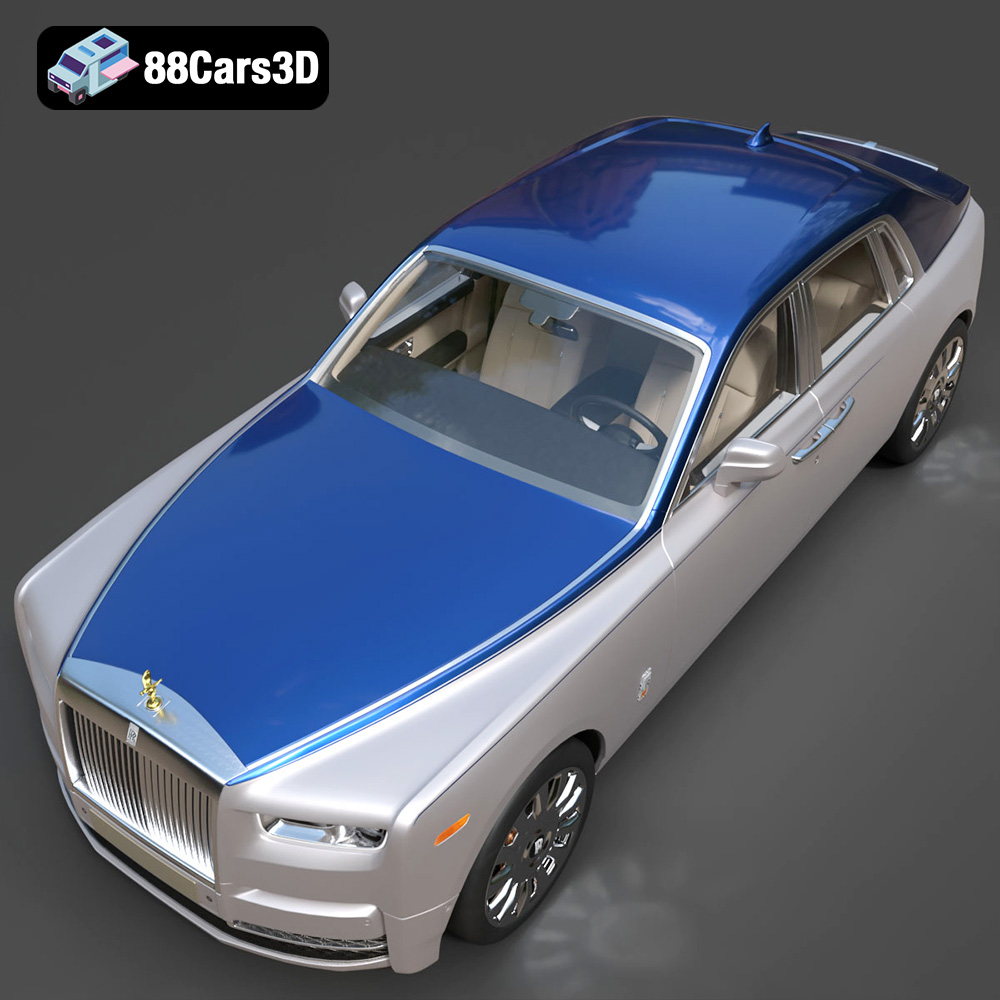
Today, we’re exploring the nuances of what makes a premium 3D car model truly exceptional, using a prime example from the pinnacle of automotive luxury: the 2018 Rolls-Royce Phantom. This iconic vehicle, synonymous with bespoke craftsmanship and engineering prowess, presents a unique challenge and opportunity for 3D artists. Replicating its majestic presence, intricate details, and the silent power of its twin-turbocharged V12 engine requires a meticulous approach to topology, texture, and overall optimization. The Rolls-Royce Phantom 2018 3D Model available at 88cars3d.com exemplifies how such a complex asset can be distilled into a versatile digital form, ready for a myriad of professional applications.
This article will delve into the technical specifications, workflow integrations, and diverse applications of high-quality 3D car models, demonstrating how a meticulously crafted asset like the Rolls-Royce Phantom can elevate any digital project.
One of the most crucial aspects of working with 3D models, especially in professional pipelines, is understanding the various file formats available. Each format serves a specific purpose, offering unique advantages for different stages of production, software compatibility, and final deployment. The Rolls-Royce Phantom 2018 3D Model provides a comprehensive suite of formats, ensuring maximum flexibility for any project. Let’s break down the most common and powerful formats you’ll encounter:
The native file format for Blender, a powerful open-source 3D creation suite. A `.blend` file offers a complete scene package, including all geometry, materials, textures, lighting, cameras, and even animation data. It’s ideal for users who primarily work in Blender and require full editability, allowing for deep customization, rigging modifications, and native rendering within the software. This format ensures that all specific Blender nodes, modifiers, and Cycles/Eevee materials are preserved, making it perfect for artists who want to tweak the model’s appearance or integrate it into an existing Blender project seamlessly.
Developed by Autodesk, the `.fbx` (Filmbox) format is widely considered the industry standard for exchanging 3D data between different applications. It’s renowned for its robust support of geometry, materials (often simplified for transfer), textures, bones, skinning, and animation. Crucially, `.fbx` is the preferred format for game engines like Unreal Engine and Unity, where its efficiency and ability to package complex data make it invaluable for importing game assets. When a model is labeled “game-ready,” its `.fbx` variant is often the most optimized for real-time performance, typically featuring baked textures and streamlined material setups.
The `.obj` (Wavefront Object) format is one of the oldest and most universally supported 3D file formats. It’s excellent for geometry transfer, offering broad compatibility across virtually all 3D software packages. While it handles geometry and UV mapping well, its material support is basic, often relying on an accompanying `.mtl` (material library) file to define colors and texture paths. It typically doesn’t support rigging or animation data, making it best suited for static models or as a base for further development in a different application. It’s a reliable choice for ensuring your model can be opened and worked on regardless of your software ecosystem.
As the binary version of glTF (Graphics Library Transmission Format), `.glb` is quickly becoming the standard for 3D model delivery on the web, in AR (Augmented Reality), and VR (Virtual Reality) applications. It’s a compact, single-file format that efficiently encapsulates geometry, materials, textures, and animation, making it perfect for rapid loading and display in real-time environments like web viewers, mobile AR apps, and immersive VR experiences. Its optimization for PBR (Physically Based Rendering) workflows ensures consistent visual quality across different platforms, making it an excellent choice for virtual showrooms or product configurators.
The `.stl` (Stereolithography) format is the ubiquitous standard for 3D printing. It represents a 3D model as a series of connected triangles, defining only the surface geometry of an object. It lacks color, texture, and material information, focusing purely on the physical shape. When preparing a model like the Rolls-Royce Phantom for 3D printing, the `.stl` file ensures that the printer has the necessary geometric data to accurately reproduce the physical form, making it essential for hobbyists and professionals looking to create physical prototypes or display models.
The `.ply` (Polygon File Format) is another common format for storing 3D data, particularly useful for scanned data or models with precise geometric requirements. It can store a wider range of properties than `.stl`, including color per vertex, normal information, and sometimes even texture coordinates. While less common for general artistic asset exchange, it’s valuable in scientific, CAD, and engineering contexts where detailed mesh analysis or high-fidelity geometric reproduction is paramount.
While not a universal file format in the same vein as `.fbx` or `.obj`, `.unreal` implies an asset that has been specifically prepared and potentially packaged for direct import or integration into Unreal Engine. This could mean a `.fbx` file that has been thoroughly tested, optimized, and configured with Unreal Engine-specific materials and blueprints, or perhaps a pre-packaged Unreal asset file (e.g., a `.uasset` file if distributed directly) designed for drag-and-drop functionality within an Unreal project. It signifies a high level of optimization and engine-specific setup, reducing integration time for game developers.
The native file format for Autodesk 3ds Max, a leading 3D modeling, animation, and rendering software. Similar to `.blend` for Blender, a `.max` file contains the complete scene, including geometry, modifiers, materials (V-Ray, Corona, Arnold, etc.), lighting, cameras, and animation data specific to 3ds Max. It’s the go-to format for artists deeply embedded in the 3ds Max ecosystem, allowing for full project flexibility, complex rigging setups, and high-fidelity rendering using professional renderers.
The inclusion of this diverse range of formats with the Rolls-Royce Phantom 2018 3D Model highlights its professional-grade versatility, catering to virtually every conceivable 3D application and workflow. This thoughtful provision of formats is a hallmark of quality assets found on platforms like 88cars3d.com.
Creating a 3D model that accurately captures the essence of a luxury vehicle like the Rolls-Royce Phantom requires more than just artistic flair; it demands rigorous technical precision. Every curve, panel gap, and intricate component must be meticulously recreated to meet the exacting standards of automotive visualization, gaming, and simulation.
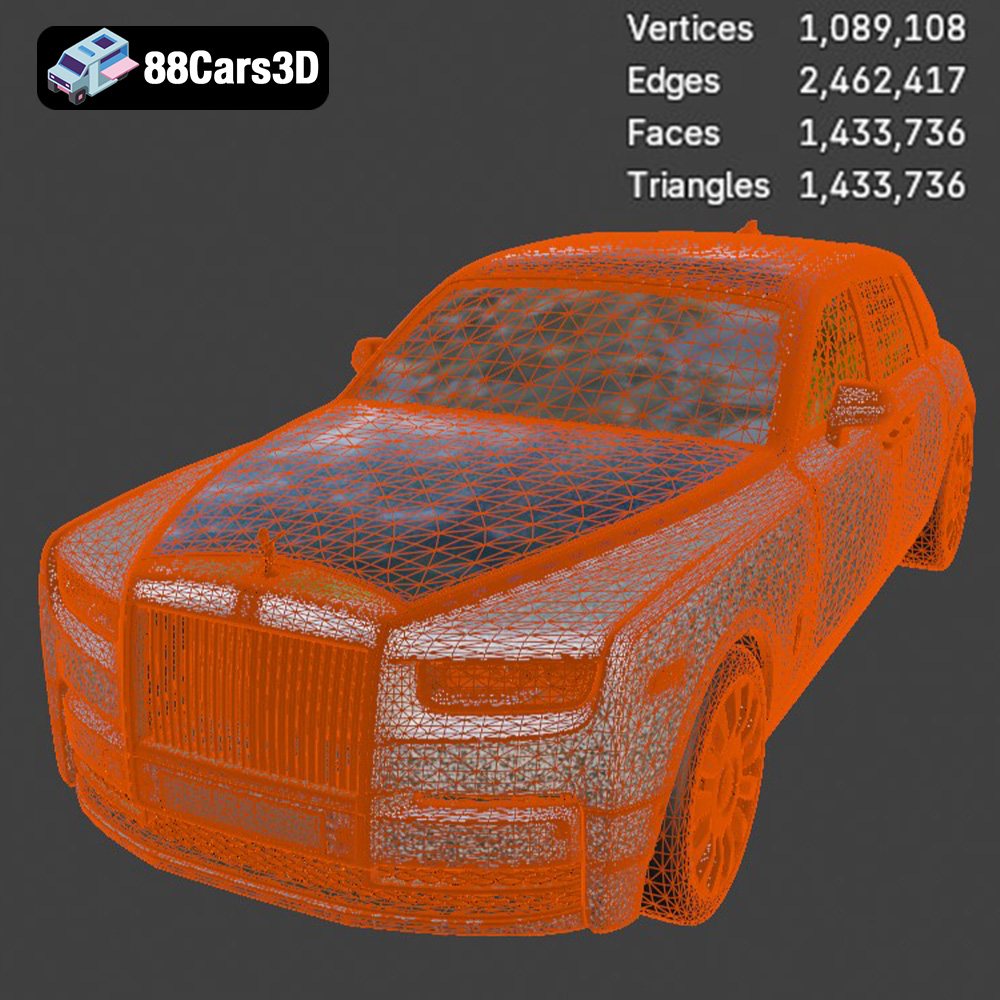
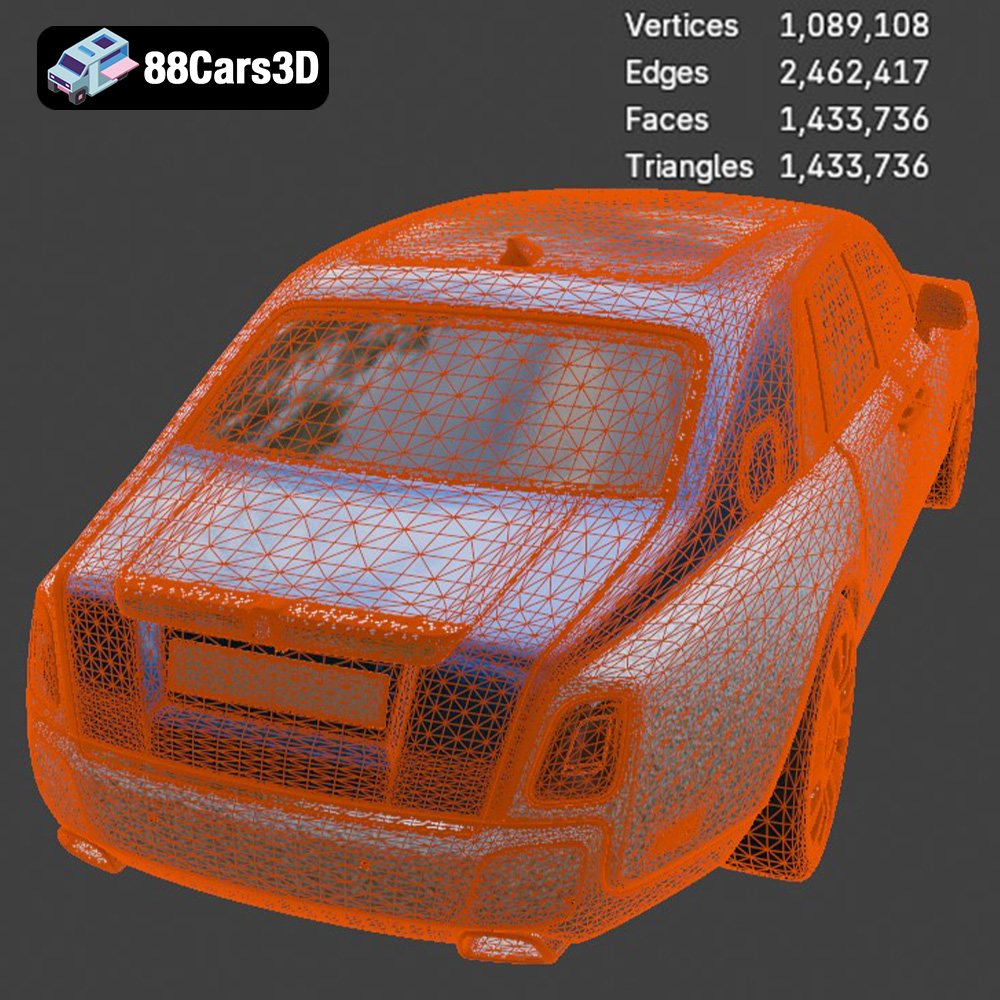
The description emphasizes “optimized topology and triangle count,” a critical factor for any modern 3D asset. Optimized topology means that the mesh is clean, efficient, and well-distributed, using the fewest possible polygons to describe the form without sacrificing detail. For a high-end car model, this involves a strategic balance: higher polygon density in visually critical areas like the grille, headlights, and badges, and lower density in smoother, less prominent surfaces. This ensures the model is “game-ready,” meaning it can be rendered in real-time engines like Unreal or Unity at smooth frame rates, while still maintaining the “high-end visual fidelity” expected of a Rolls-Royce.
The model’s ability to maintain realism while being optimized is crucial. This Rolls-Royce Phantom model, with its accurate chassis geometry, laser headlights, and intricate alloy wheels, demonstrates this balance. The attention to detail extends to the internal components, with a detailed engine bay layout and even accurate suspension details, all while aiming for an efficient triangle count. This is a testament to sophisticated modeling techniques that allow for both close-up renders and seamless integration into broader scenes.
The level of detail in this 3D model goes far beyond the exterior. The “Cockpit & Interior Features” list highlights the luxurious bespoke seating with “meticulous leather texture mapping,” a detailed steering wheel, instrument cluster, and ‘The Gallery’ dashboard glass fascia. These interior elements are crucial for first-person views in gaming or VR simulations, where the user will be immersed within the car’s environment. Accurate representation of controls, elegant chrome air vents, and classic shifter stalks adds layers of realism that significantly enhance the user experience.
On the exterior, “separate wheels, suspension, and steering components for animation (including iconic coach doors)” are vital for realistic simulations and cinematic animations. Proper pivot setups for these elements allow for accurate wheel rotation, steering, and suspension travel, mimicking the real vehicle’s behavior. This modularity not only aids animators but also allows for individual customization and dynamic interactivity within game engines.
For game developers and real-time visualization specialists, the immediate usability of a 3D asset within a game engine is paramount. The Rolls-Royce Phantom 2018 3D Model is specifically designed with “Game-Ready & Optimized” characteristics, making it an ideal candidate for integration into engines like Unreal and Unity.
The `.fbx` and `.unreal` formats are key to seamless integration. When importing into Unreal Engine, for example, the `.fbx` file typically carries mesh data, basic material assignments, and sometimes even pre-rigged skeletons for animation. The “proper pivot setup for steering, wheel rotation, and suspension travel” means less time spent by the developer manually adjusting origins and pivots within the engine, significantly accelerating the workflow.
Once imported, the optimization allows for efficient material creation. High-quality PBR (Physically Based Rendering) materials can be quickly applied, utilizing the included texture maps (if provided, which is implied by “meticulous leather texture mapping” and “metallic finishes” mentioned in 3D Print settings). Developers can then leverage Unreal’s sophisticated material editor to create realistic car paint, chrome, glass, and leather shaders that react accurately to light, bringing the Phantom to life in a virtual environment.
The separated components (wheels, suspension, steering, coach doors) are invaluable for dynamic gameplay or interactive simulations. In Unreal Engine, these can be rigged to a vehicle blueprint, allowing for realistic physics simulation, driving mechanics, and interactive elements. Imagine a virtual showroom where a user can open the iconic coach doors, inspect the interior, and even take the Phantom for a virtual test drive, all powered by the robust physics engine and interactive capabilities of Unreal. The optimized polycount ensures that multiple instances of the vehicle, or integration into a vast open-world environment, won’t cripple performance.
This model is perfect for open-world games where luxury vehicles populate the environment, or for dedicated racing titles and simulators demanding high visual fidelity without compromising frame rates. Its real-world scale accuracy is also crucial for consistent integration into any scene, ensuring that environmental elements and characters interact with the vehicle realistically.
While optimized for real-time applications, the detailed nature of the Rolls-Royce Phantom 3D Model also makes it an outstanding asset for non-real-time, high-fidelity rendering and architectural visualization (arch-viz) projects. These applications demand photorealism, where every reflection, shadow, and material nuance counts.
In arch-viz, the inclusion of a high-quality vehicle can significantly enhance the realism and aspirational quality of a rendered scene. Placing the 2018 Rolls-Royce Phantom elegantly parked outside a modern mansion or gliding through a meticulously designed cityscape instantly elevates the perceived luxury and scale of the environment. The model’s accurate proportions and detailed features ensure it blends seamlessly into photorealistic compositions. Artists can easily adjust body colors, material finishes (matte, gloss, metallic), and even lighting to match the mood and branding of the architectural project.
For luxury lifestyle scenes, whether for advertising, film, or editorial content, this model is a cinematographer’s dream. Its meticulous geometry and potential for sophisticated material adaptation mean it can hold up under extreme close-ups, showcasing the subtle curves, the grandeur of the Pantheon grille, and the intricate details of the Spirit of Ecstasy. The `.max` and `.blend` files are particularly useful here, offering full scene control within professional rendering environments like V-Ray, Corona Renderer, or Cycles, allowing artists to craft breathtaking, photorealistic images and animations.
The “Customization Options” provided, such as changing body colors, modifying tire textures, and adjusting material finishes, are invaluable for rendering specialists. For an automotive advertisement, for instance, a creative team might need to showcase the Phantom in various factory two-tone colors or custom finishes, with different wheel designs, or under specific lighting conditions – from a sun-drenched coastal road to a moody, rain-swept urban environment. The model’s flexibility allows for these iterative design and presentation changes without requiring a complete rebuild.
When producing cinematic renders, the separate animated components (doors, wheels, suspension) become critical. A scene might feature the Phantom smoothly pulling up to a grand entrance, its coach doors opening with quiet dignity, revealing the opulent interior. Such complex animations are straightforward to implement with a well-prepared model, enabling storytelling and immersive visual narratives that captivate audiences. Platforms like 88cars3d.com provide these meticulously prepared assets, saving countless hours for professional studios.
The intersection of digital design and physical fabrication has opened up new avenues for 3D models. The inclusion of the `.stl` format and dedicated 3D print settings for the Rolls-Royce Phantom 2018 3D Model highlights its versatility beyond screen-based applications, allowing enthusiasts and professionals to bring this digital luxury into the physical world.
3D printing offers an incredible opportunity to create tangible replicas of complex digital assets. For automotive enthusiasts, owning a highly detailed, accurate scale model of a Rolls-Royce Phantom, which they might customize and paint themselves, is a compelling prospect. The recommended scales (1:12, 1:18, 1:24) are standard for hobby model kits, ensuring compatibility with existing display cases and dioramas.
The “3D Print Settings” provided are essential guidance for successful physical output. Recommendations like layer height (0.04–0.12 mm) and the suggestion of resin printing for fine details underscore the commitment to quality even in the physical reproduction. Resin printers, known for their ability to capture intricate geometry and smooth surfaces, would be ideal for replicating the Phantom’s sleek lines, the delicate Spirit of Ecstasy, and the intricate details of the grille and headlights.
3D printing is often just the first step. The model’s inherent detail provides an excellent foundation for post-processing. “Sanding, primer, and authentic factory colors with metallic finishes” are standard practices for achieving a professional, display-worthy model. Hobbyists can experiment with different painting techniques, weathering effects, or custom finishes to create unique representations of the car. Imagine a meticulously printed and painted Phantom, complete with tiny details replicating the leather textures and chrome accents, proudly displayed on a desk.
The advice on “supports: Required for detailed parts like exhaust, mirrors, grille, and Spirit of Ecstasy” is practical and crucial for preventing print failures. Similarly, “print orientation: Frame printed angled for structural integrity; wheels printed separately” demonstrates a clear understanding of 3D printing best practices, ensuring that users achieve the best possible results with this complex automotive subject. This detailed guidance transforms a digital asset into a practical, print-ready file, expanding its value significantly.
The rapidly evolving fields of Augmented Reality (AR) and Virtual Reality (VR) are transforming how we interact with digital content. High-quality 3D car models like the Rolls-Royce Phantom are at the forefront of this revolution, enabling immersive experiences from virtual showrooms to personalized product configurators.
Imagine stepping into a virtual showroom and being able to walk around the 2018 Rolls-Royce Phantom as if it were truly there. With a VR headset, users can open the doors, sit inside, and examine the bespoke interior details up close. The “optimized geometry for first-person POV in gaming and VR simulations” is specifically tailored for this purpose, ensuring a smooth and highly detailed interior experience.
For AR, the `.glb` format is particularly powerful. Users can project a life-sized Phantom into their driveway using a smartphone or tablet, viewing it in real-world context, rotating it, and even changing its color in real-time. This provides a highly engaging and interactive way for potential buyers to experience a luxury vehicle without needing to visit a physical dealership. Brands can leverage these models for cutting-edge marketing campaigns, allowing customers to personalize their dream car directly from their homes.
Automotive configurators are becoming increasingly sophisticated, allowing customers to customize every aspect of their vehicle online. A 3D model with separate components and material customization options, like the Rolls-Royce Phantom, is foundational for such systems. Users can select different body colors, interior trim options, wheel designs, and even view how specific features (like headlight types or exhaust systems) change the car’s appearance.
The model’s clean topology and accurate material zones simplify the development of these configurators. Developers can assign unique material IDs to different parts, allowing for dynamic material swapping based on user selections. This interactive customization, powered by highly optimized 3D assets, provides a rich, engaging, and informative experience for consumers, bringing them closer to their purchase decision. The Rolls-Royce Phantom 2018 3D Model, with its detailed features and versatile file formats, is perfectly positioned to drive these next-generation AR/VR and configurator applications, solidifying its status as a professional-grade asset.
The world of 3D modeling is a dynamic interplay of artistic vision and technical mastery. A truly exceptional 3D car model, such as the Rolls-Royce Phantom 2018 3D Model, stands as a testament to this synergy, offering unparalleled detail, robust optimization, and professional versatility across a multitude of applications. From the intricate geometry of its iconic grille to the meticulous leather textures of its bespoke interior, every aspect has been crafted to meet the highest industry standards.
Whether you’re a game developer aiming for immersive real-time experiences, an architectural visualization artist seeking to elevate your renders with luxury elements, a product designer leveraging AR/VR for interactive showcases, or a hobbyist aspiring to 3D print a dream car, this model delivers. Its comprehensive range of file formats—including .blend, .fbx, .obj, .glb, .stl, .ply, .unreal, and .max—ensures seamless integration into virtually any professional workflow, making it an indispensable asset for any serious 3D artist or studio.
The investment in high-quality 3D car models like the Rolls-Royce Phantom isn’t just about acquiring a digital asset; it’s about investing in efficiency, realism, and the ability to bring even the most ambitious creative visions to life. Explore this and other premium 3D car models at 88cars3d.com, where quality and versatility drive innovation in digital automotive design.
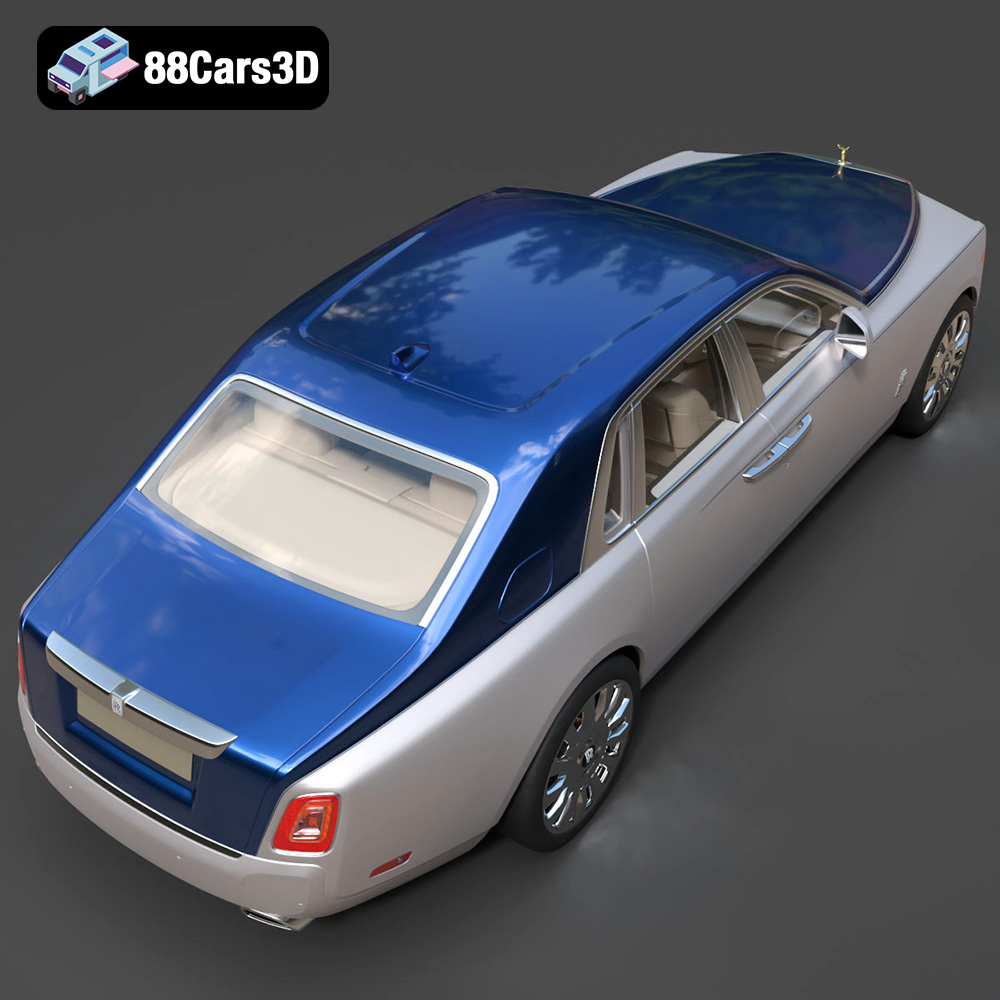
Experience the absolute pinnacle of luxury with this incredibly detailed 3D model of the 2018 Rolls-Royce Phantom. As the flagship of the Rolls-Royce marque, the Phantom represents over a century of bespoke craftsmanship and engineering excellence. This model faithfully captures the majestic presence of the real-world vehicle, featuring the iconic monolithic Pantheon grille, the elegantly sweeping roofline, and the unmistakable Spirit of Ecstasy adorning the hood. Underneath its regal exterior lies the representation of its silent but powerful 6.75-liter twin-turbocharged V12 engine.
$19.99
.blend
.fbx
.glb
.max
.obj
.phantom
.ply
.rendering
.stl
.unreal
car-3d-model
game asset
game-ready
low-poly
luxury car
luxury-sedan
optimized
phantom-2018
rolls-royce
VR/AR