Get 20% OFF All Premium 3D & STL Models!

In the dynamic world of digital content creation, the demand for high-fidelity 3D assets continues to surge. From blockbuster video games and immersive virtual reality experiences to cutting-edge architectural visualizations and compelling marketing campaigns, the backbone of any successful project is the quality of its foundational models. Automotive design, in particular, stands at the forefront of this evolution, requiring unparalleled precision and realism to accurately represent complex machinery and sophisticated aesthetics.
Creating a truly convincing 3D vehicle model is an art form that blends technical prowess with artistic vision. It involves more than just replicating shapes; it’s about capturing the essence of design, the interplay of light on surfaces, and the mechanical intricacies that define a car’s character. For professionals across various sectors, sourcing ready-to-use, meticulously crafted 3D car models is a crucial step in accelerating workflows and ensuring top-tier visual output without the prohibitive time investment of building assets from scratch. This is where platforms like 88cars3d.com excel, providing access to a curated selection of premium 3D assets designed for immediate integration.
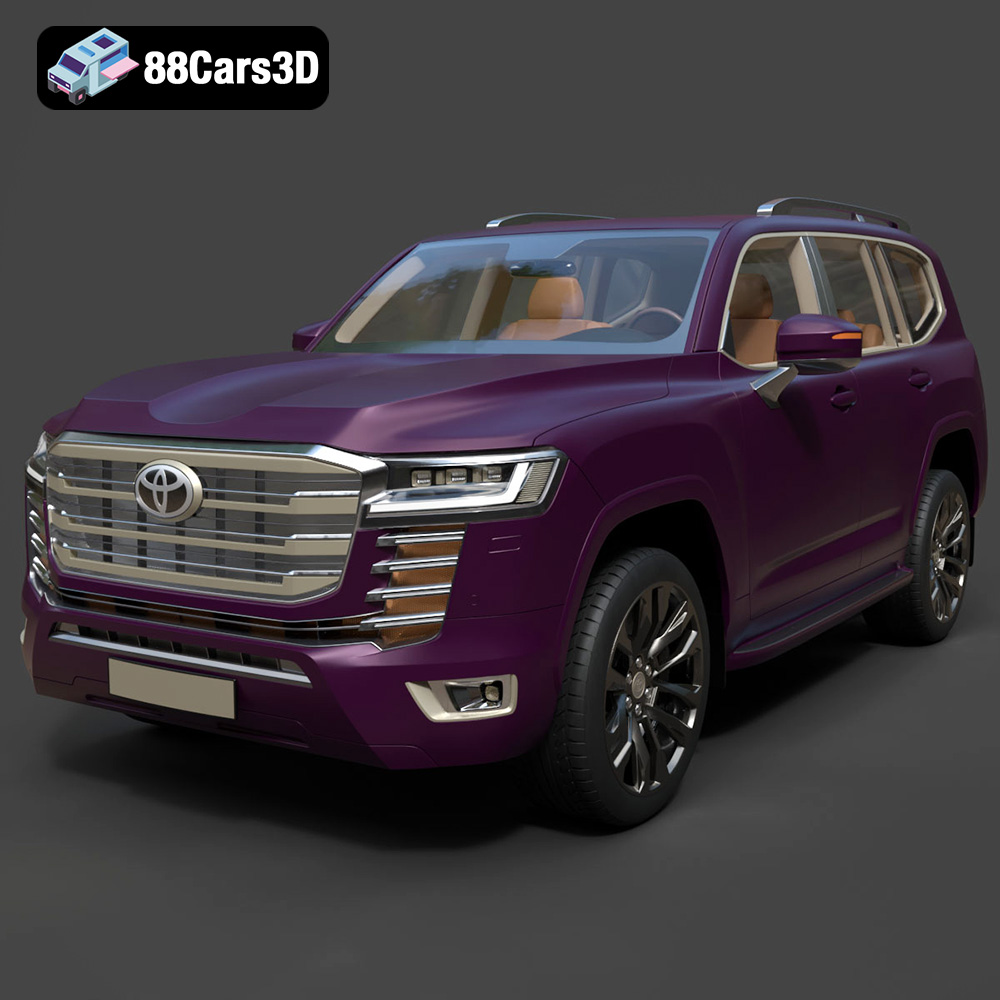
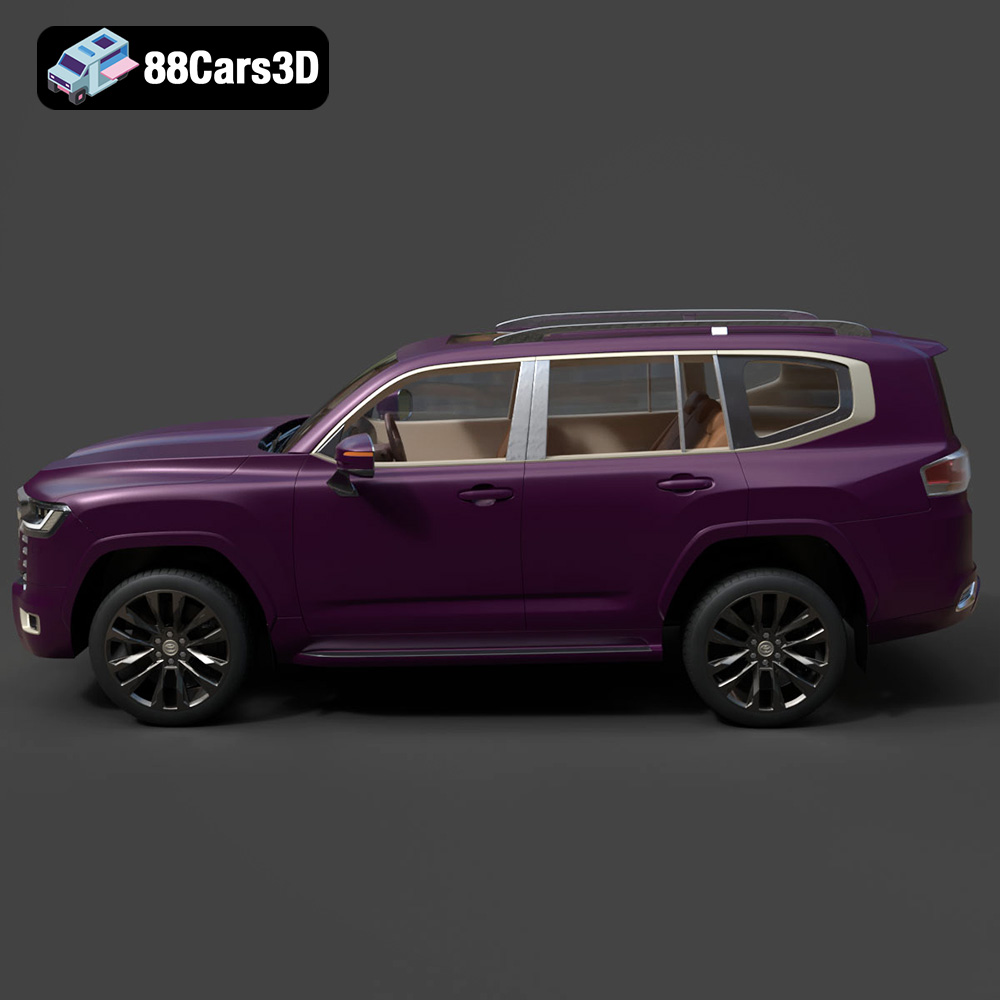
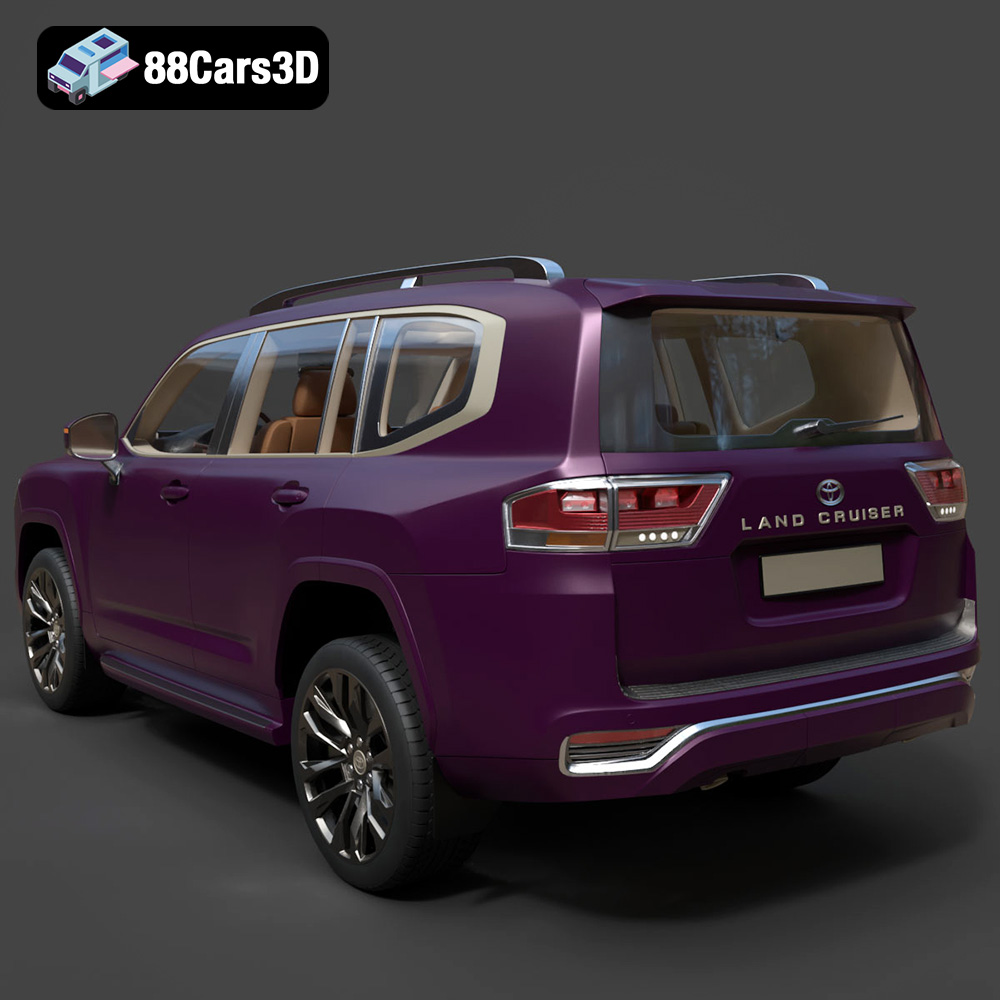
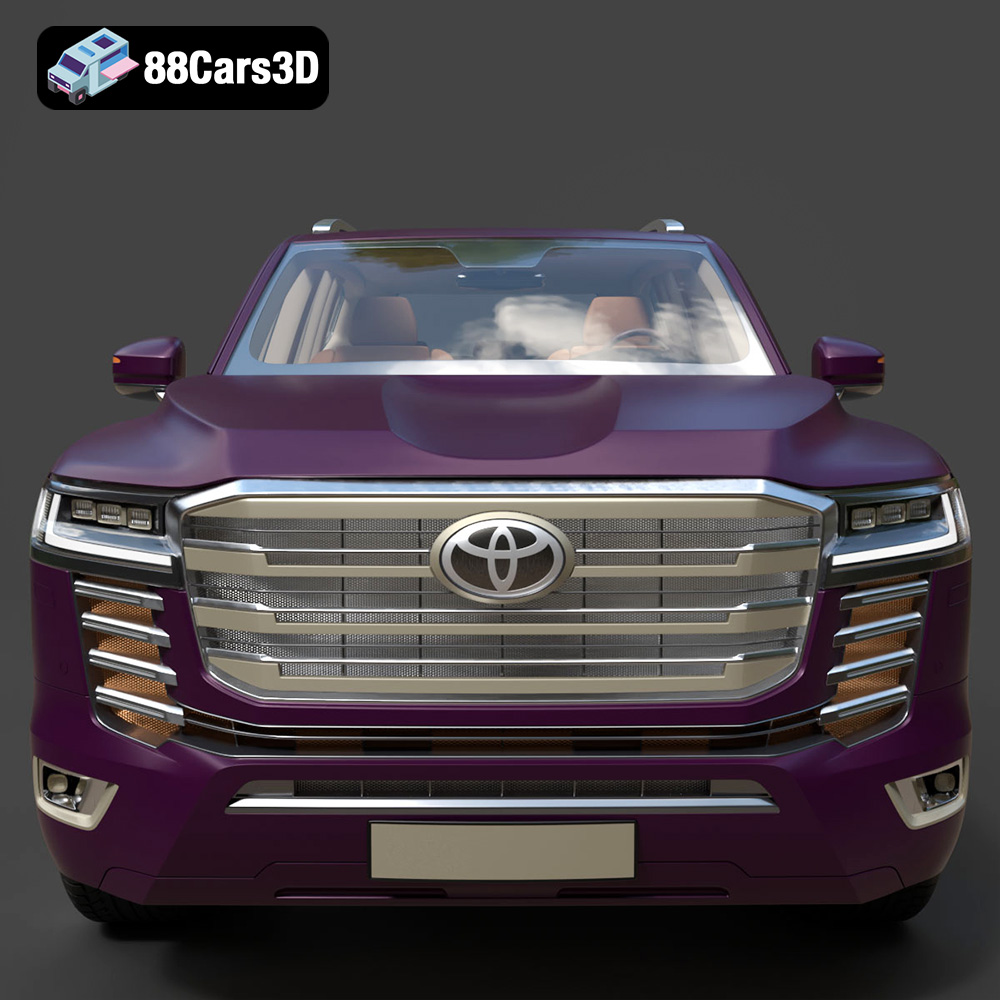
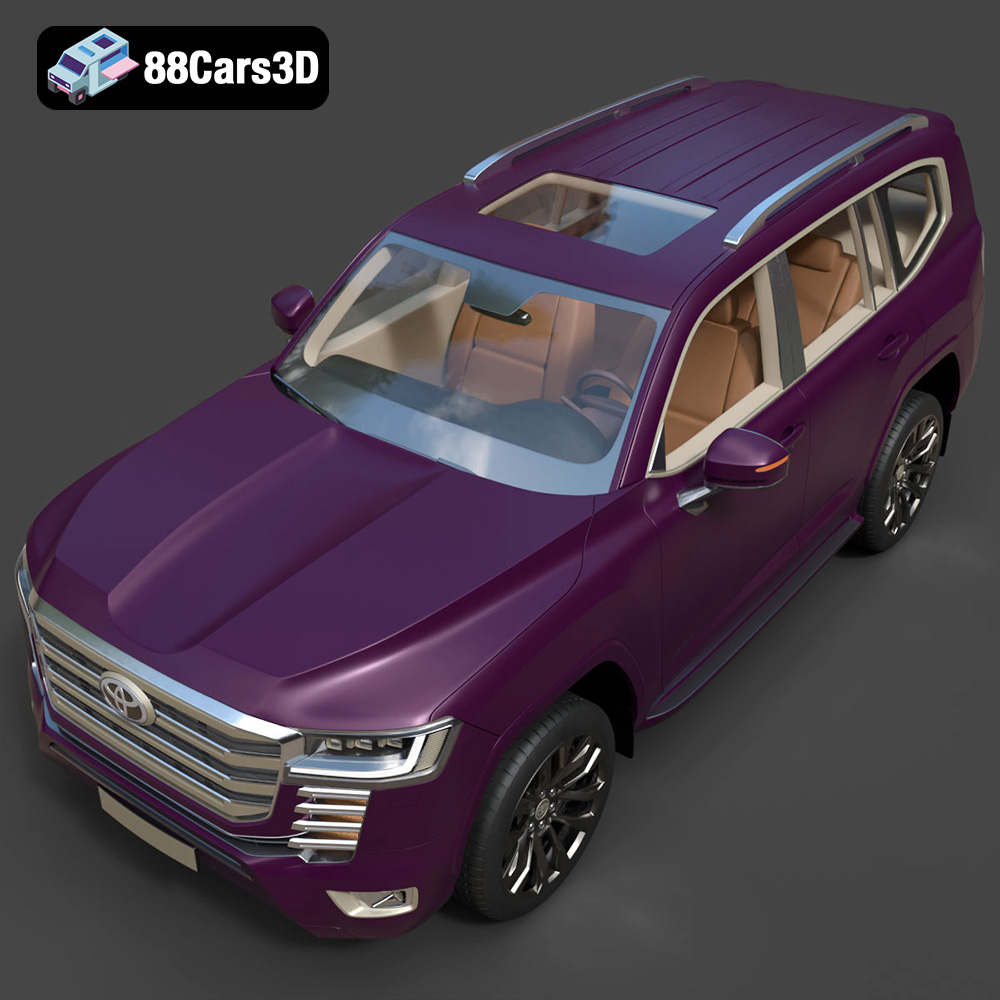
Among the pantheon of iconic vehicles, the Toyota Land Cruiser stands as a testament to rugged capability and refined luxury. The latest iteration, the Land Cruiser 300, represents the ultimate evolution, blending decades of off-road heritage with modern sophistication. We are excited to delve into a prime example of digital excellence: the Toyota Land Cruiser 300 3D Model. This particular asset embodies the pinnacle of 3D modeling, capturing the imposing stance, bold grille, sleek LED headlights, and aerodynamic yet muscular body lines that define the LC300. Every detail, from the twin-turbo engine layout to the refined exhaust system, has been carefully crafted, making it an indispensable asset for game developers, visualization artists, and AR/VR creators seeking to elevate their projects with unparalleled realism.
The choice of a 3D model file format is far more critical than many realize. It dictates compatibility, workflow efficiency, and the ultimate quality and usability of your digital asset. A premium asset like the Toyota Land Cruiser 300 3D Model offers a comprehensive range of formats, ensuring seamless integration into virtually any professional pipeline. Understanding each format’s strengths and ideal use cases is paramount for any serious 3D artist or developer.
By offering this diverse array of formats, 88cars3d.com ensures that the Toyota Land Cruiser 300 3D Model is not just a high-quality asset, but a versatile tool adaptable to any professional’s demanding workflow.
The true value of a premium 3D model lies in its meticulous technical execution. The Toyota Land Cruiser 300 3D Model is a testament to this, engineered to meet the stringent demands of various high-fidelity applications. Its construction reflects a deep understanding of optimized topology, material integrity, and animation readiness.
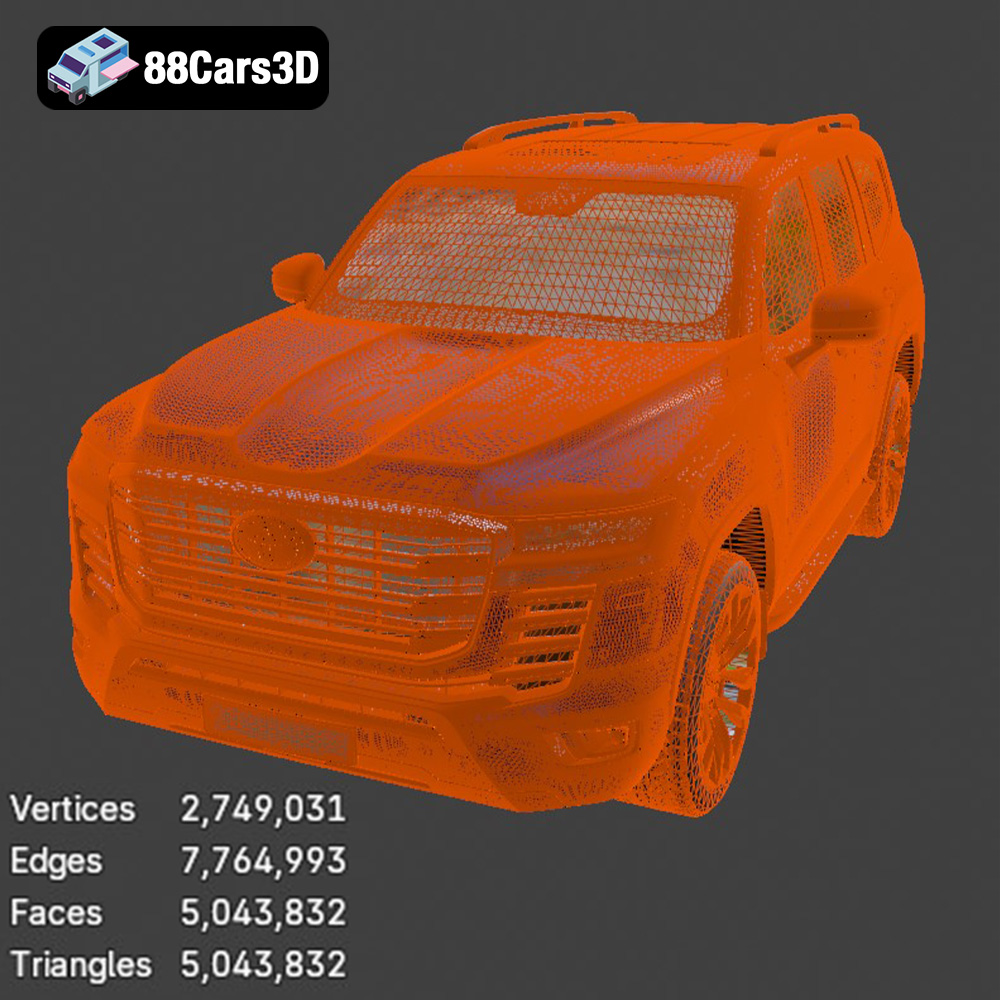
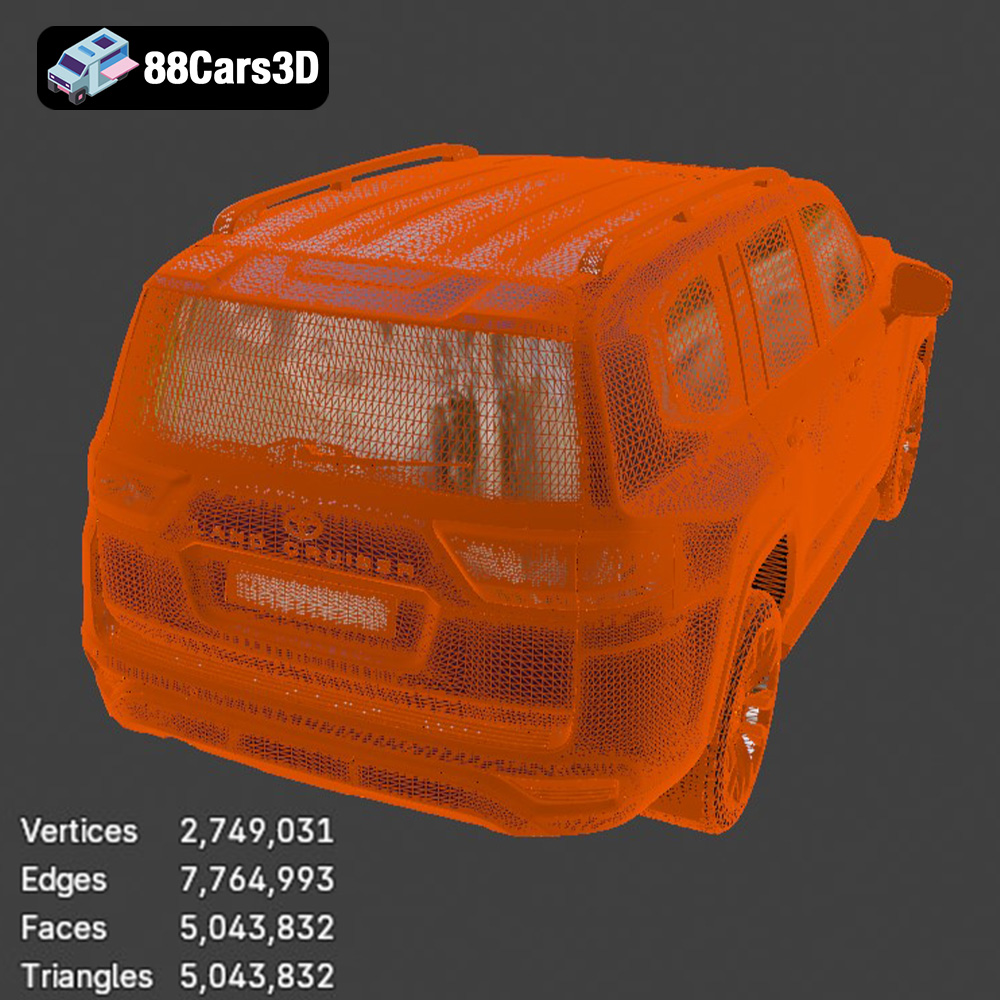
At the heart of any photorealistic 3D car model is its geometry. The Toyota Land Cruiser 300 3D Model boasts an optimized topology, meticulously sculpted to strike a perfect balance between high visual fidelity and real-time performance. With approximately 180,000 triangles, this asset is robust enough to look stunning in close-up renders and cinematic sequences, yet efficient enough for seamless integration into demanding game engines like Unreal and Unity. This careful polycount management ensures smooth performance even in expansive open-world environments or complex AR/VR experiences. The clean edge flow guarantees excellent deformation during animation and precise subdivision for even smoother results if needed, while optimized UV mapping ensures textures are applied accurately and efficiently, minimizing stretching or distortion.
A static model, however detailed, limits creative possibilities. This Land Cruiser 300 model is built for motion. It features separate components for key animated parts, including wheels, suspension, doors, and steering. Crucially, proper pivot points have been established for these elements. This means that animating a realistic steering turn, the rotation of wheels, or the intricate travel of the high-clearance independent front and solid-axle rear suspension becomes a straightforward process. Game developers can easily integrate vehicle physics, and animators can craft dynamic cinematic sequences, showcasing the LC300’s legendary capability in a digital realm.
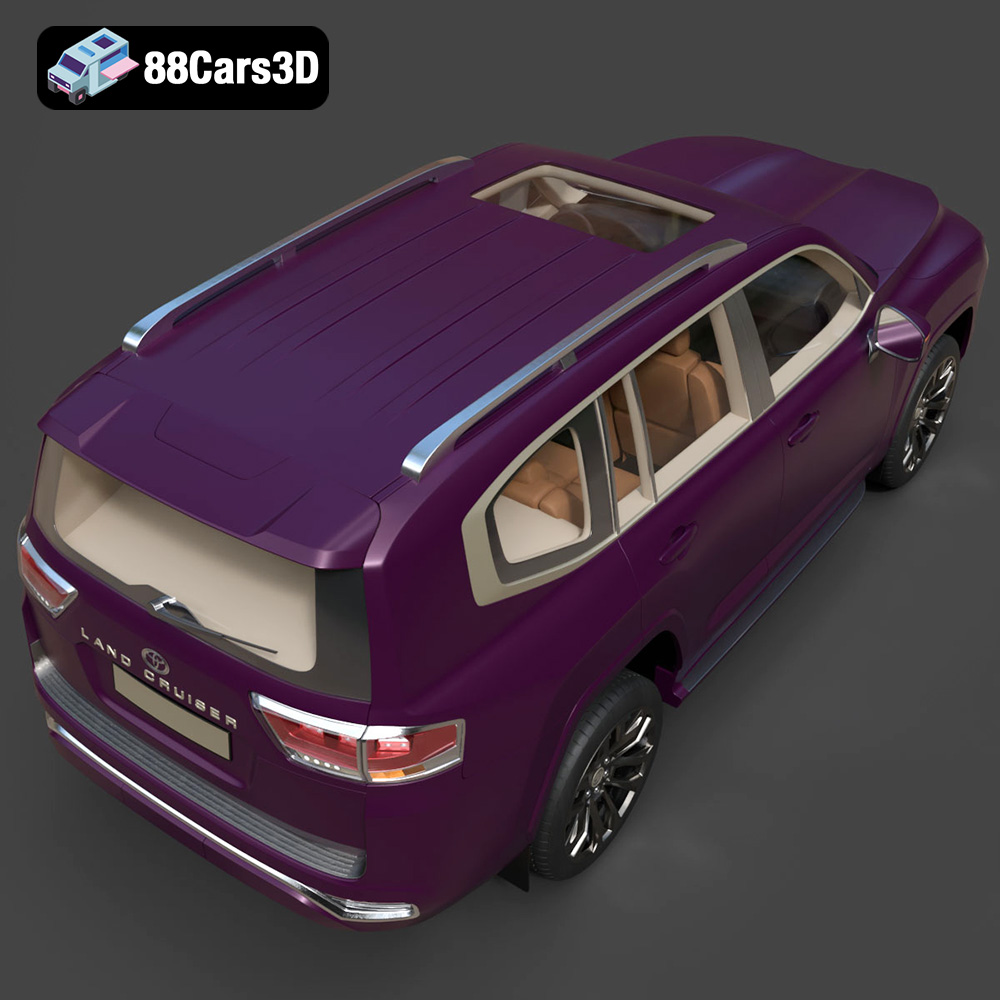
The attention to detail extends beyond the imposing exterior. The cockpit and interior features of this 3D model are equally impressive, making it suitable for first-person perspectives in gaming or virtual showroom applications. Users will find premium leather-textured seating with accurate three-row configurations, a multi-function steering wheel with detailed tactile buttons, and an accurate digital instrument cluster alongside the floating infotainment display. Every control detail, from drive-mode selectors to the shifter and pedals, has been precisely modeled. This level of interior fidelity is vital for immersive experiences, providing a complete and convincing environment for virtual drivers or passengers.
The versatility of a well-crafted 3D car model like the Toyota Land Cruiser 300 extends across numerous professional domains, driving innovation and enhancing visual communication.
For game developers, performance is paramount without sacrificing visual appeal. The optimized polycount of 180,000 triangles makes this Toyota Land Cruiser 300 3D Model a “game-ready” asset. Its clean topology, optimized UVs, and real-world scale are ideal for integration into demanding real-time environments. It’s perfectly suited for open-world off-road simulators, where players can navigate challenging terrains, or as a premium vehicle in racing titles that demand realism. The separate, animatable components allow for realistic vehicle physics and damage systems, providing a truly immersive gaming experience.
Augmented Reality (AR) and Virtual Reality (VR) are transforming how we interact with products and environments. High-quality 3D car models are central to these experiences. Imagine a virtual showroom where prospective buyers can walk around, open doors, and even “sit inside” a digital Land Cruiser 300, exploring its luxurious interior and powerful exterior from any angle. For mobile AR experiences, the optimized .glb format ensures fast loading and smooth performance on various devices. This model serves as an excellent foundation for interactive configurators, allowing users to customize paint colors, wheel types, and material finishes in real-time, greatly enhancing engagement and pre-sales visualization.
Beyond interactive applications, the Toyota Land Cruiser 300 3D Model excels in static and animated rendering for architectural visualization and cinematic projects. Placing this detailed vehicle in an architectural scene – whether a luxury residence driveway or an urban streetscape – instantly adds realism, scale, and a sense of lifestyle. For brand campaigns or lifestyle scenes, its majestic presence can elevate the entire visual narrative. With its accurate proportions and high-fidelity details, it’s perfect for studio lighting setups, creating stunning product shots, or as a key element in dynamic automotive animations that require photographic precision.
The true measure of a versatile 3D asset is how easily it can be incorporated into existing professional workflows. The Toyota Land Cruiser 300 3D Model, available on 88cars3d.com, is designed for maximum compatibility and ease of use across industry-standard software.
For artists working with Blender, the native .blend file provides a complete scene with materials, textures, and proper scaling, ready for advanced rendering with Cycles or Eevee. Users can quickly adjust lighting, camera angles, and material properties to achieve specific aesthetic goals. In 3ds Max, the .max file offers similar benefits, allowing artists to leverage powerful renderers like V-Ray or Corona. The clean topology and well-defined UVs ensure that custom materials and textures can be applied without issue, making it straightforward to match the model’s appearance to a particular brand aesthetic or environmental condition. This flexibility empowers artists to create bespoke automotive rendering scenes with efficiency.
Game developers will find the .fbx and .unreal formats particularly valuable. The .fbx file, being an industry standard, imports seamlessly into both Unreal Engine and Unity. The model’s optimized geometry and proper pivot setups mean that setting up vehicle physics, collision meshes, and animation sequences (for wheels, steering, doors, etc.) is a streamlined process. For Unreal Engine, the “engine-ready” .unreal format implies further pre-optimization, potentially including LODs (Levels of Detail) for performance scaling, pre-configured materials that leverage Unreal’s physically based rendering (PBR) system, and even basic Blueprint setups for immediate interactivity. This significantly reduces the time and effort typically required to prepare complex automotive assets for real-time environments.
Beyond digital displays, the Toyota Land Cruiser 300 3D Model can also be brought to life through 3D printing. The availability of an .stl format makes this possible. For optimal results, certain considerations are key. Recommended scales typically range from 1:12 to 1:24, offering a good balance of detail and print size. For capturing the model’s fine intricacies, resin printing is often recommended over FDM, allowing for layer heights as fine as 0.04–0.12 mm. Proper wall thickness (1.2–2.0 mm) ensures structural integrity, while infill of 20–30% provides strength. Supports are almost always required for complex parts like the exhaust system, mirrors, and undercarriage details. Strategic print orientation – such as printing the frame angled and wheels separately – further aids in successful output. Post-processing, including sanding, priming, and painting with authentic factory colors, can yield a stunning physical replica.
Purchasing a premium 3D car model is an investment, and its long-term value is significantly enhanced by its adaptability and customization potential. The Toyota Land Cruiser 300 3D Model is designed with this flexibility in mind, offering numerous avenues for personalization and future-proofing within your projects.
A core strength of this model is its clean UV mapping and well-structured materials, which allow for extensive customization. Artists can easily change body colors, experimenting with a spectrum of factory colors or bespoke custom finishes. The model supports various material adaptations, from glossy metallic paints that catch light dynamically to matte or satin finishes that offer a different aesthetic. Similarly, modifying tire textures to switch between rugged off-road variants and sleek street-focused options is straightforward. Beyond direct material edits, the model excels under different lighting scenarios. Its accurate geometry and realistic materials respond beautifully to studio lighting setups for product showcases, or environmental lighting in a bustling city street or a sun-drenched desert, offering endless possibilities for creative expression and photorealistic automotive rendering.
The clean edge flow and optimized topology of the Toyota Land Cruiser 300 3D Model provide an excellent foundation for further modifications. Should a project require unique aftermarket accessories, custom body kits, or specific branding elements, the model’s structure allows for easy integration without compromising its integrity. Developers can add animated components, implement sophisticated damage systems, or even create modular variants for different vehicle configurations. This inherent flexibility ensures that the asset remains relevant and valuable across multiple projects, adapting to evolving creative briefs and technical demands. It’s not just a model; it’s a highly detailed, customizable base for endless automotive visualizations and interactive experiences.
The journey from conceptual design to a fully realized digital experience is intricate and demanding. High-quality 3D car models are no longer a luxury but a necessity for professionals aiming to deliver exceptional results in automotive rendering, game development, AR/VR, and various visualization fields. The detailed examination of the Toyota Land Cruiser 300 3D Model underscores the importance of choosing assets that combine aesthetic precision with technical robustness and versatile file format support.
Investing in a meticulously crafted 3D model like the Land Cruiser 300 from 88cars3d.com drastically cuts down production time, allowing artists and developers to focus on creativity and project-specific customizations rather than foundational modeling. Its optimized polycount, clean topology, detailed interior, and multiple file formats (including .blend, .fbx, .obj, .glb, .stl, .ply, .unreal, .max) ensure it’s ready for any challenge, from real-time game engines to high-fidelity cinematic renders or even physical 3D prints. This level of preparation and detail ensures that your projects achieve a professional polish that captivates audiences and elevates brand presence.
Whether you’re building the next open-world driving simulator, crafting an immersive virtual showroom, or creating stunning architectural visualizations, the Toyota Land Cruiser 300 3D Model provides an unparalleled starting point. It’s more than just a model; it’s a production-ready asset engineered for success in today’s demanding digital landscape. Explore this exceptional model and a vast collection of other premium 3D car models today at 88cars3d.com, and empower your creative vision with assets designed for excellence.
The Toyota Land Cruiser 300 is the ultimate evolution of the legendary off-road SUV, combining decades of rugged heritage with modern luxury and advanced technology. This highly detailed 3D model captures the imposing stance, bold front grille, sleek LED projector headlights, and aerodynamic yet muscular body lines that define the LC300. Every detail, from the twin-turbo engine layout to the refined exhaust system, has been carefully crafted to represent the pinnacle of 4×4 capability and prestige. Crafted with meticulous attention to detail, this game-ready 3D model boasts optimized topology (approximately 180,000 triangles), ensuring a perfect balance between high visual fidelity and real-time performance. The model features clean edge flow and optimized UV mapping, making it meticulously prepared for seamless integration into game development, immersive AR/VR experiences, high-end architectural visualization, and dynamic animations.
$19.99
.4×4
.blend
.fbx
.glb
.max
.obj
.ply
.rendering
.stl
.toyota
.unreal
car-3d-model
game asset
game-ready
land-cruiser
land-cruiser-300
low-poly
off-road
optimized
SUV
VR/AR