Get 20% OFF All Premium 3D & STL Models!

In the realm of digital artistry, few subjects command as much respect and require as much precision as high-end automotive design. Creating a 3D model that truly captures the essence of a luxury vehicle like the Rolls-Royce Phantom is an exercise in meticulous detail and technical mastery. For designers, game developers, architects, and visualization artists, having access to impeccably crafted 3D car models can be the difference between a good project and an exceptional one.
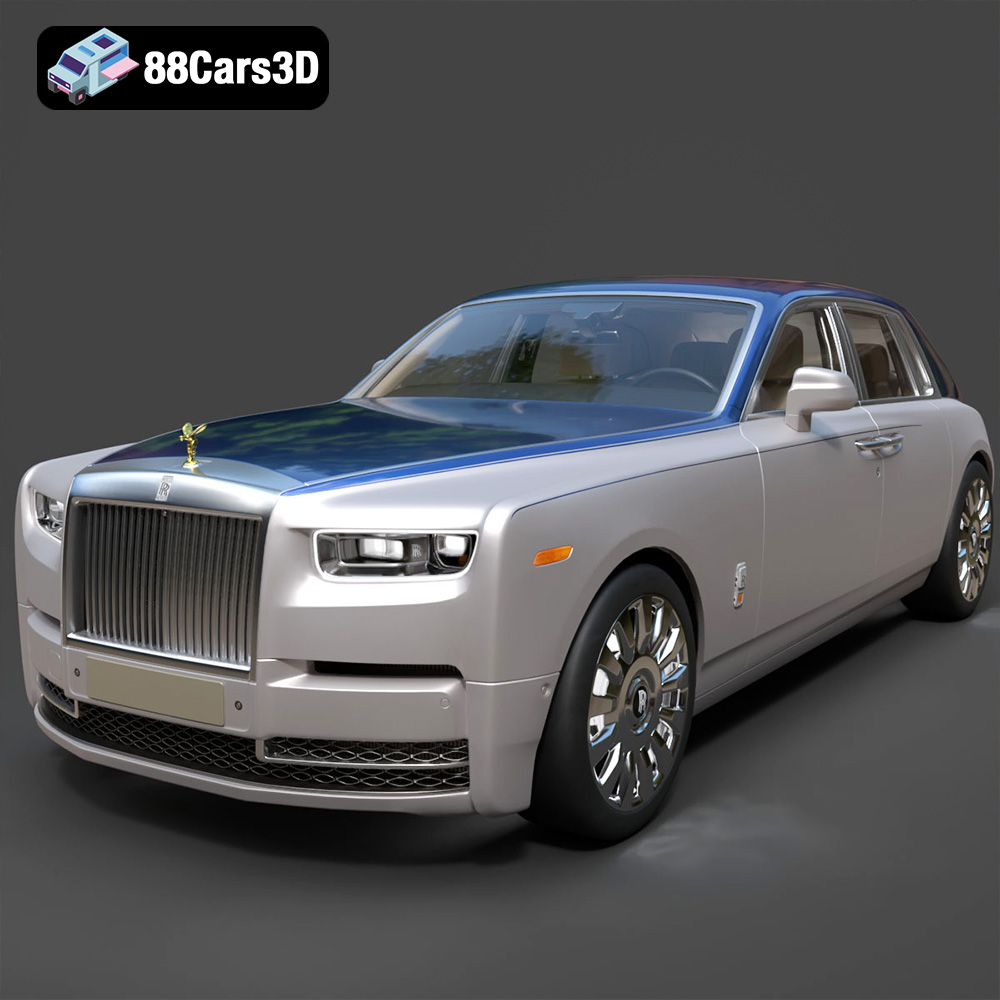
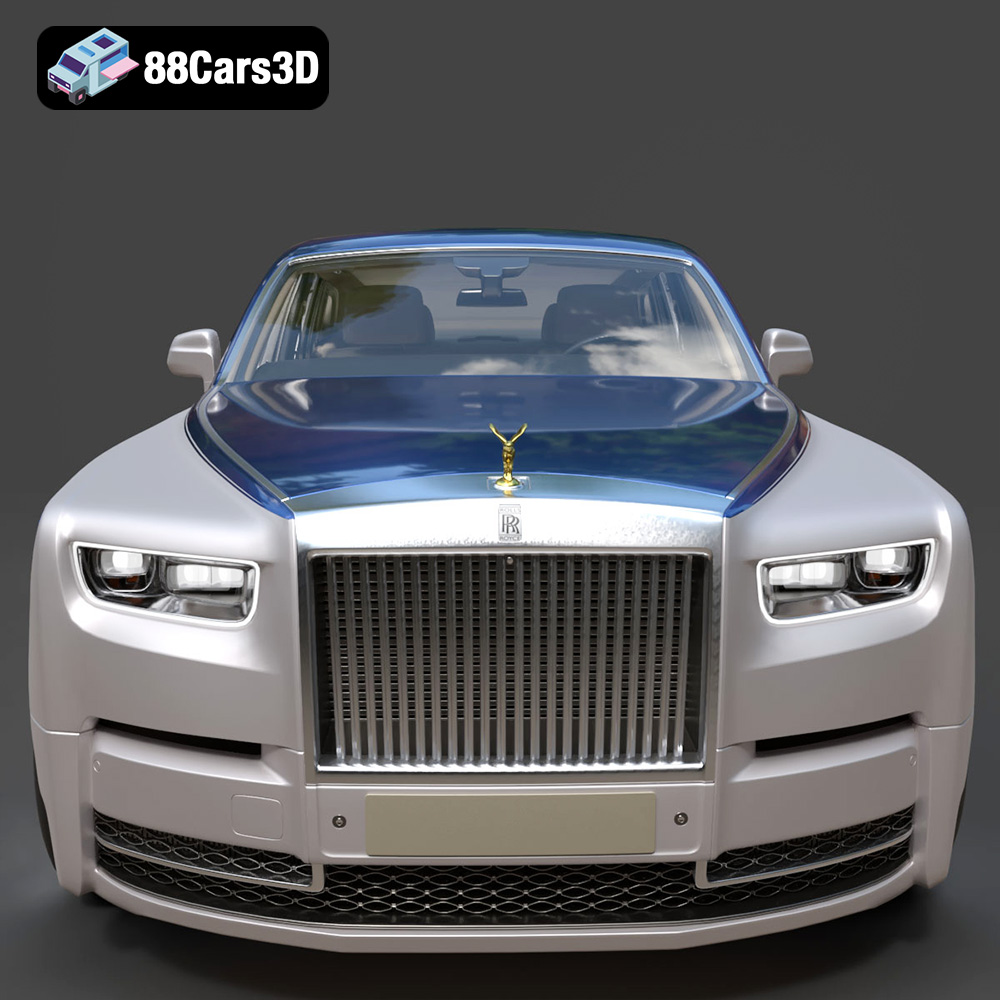
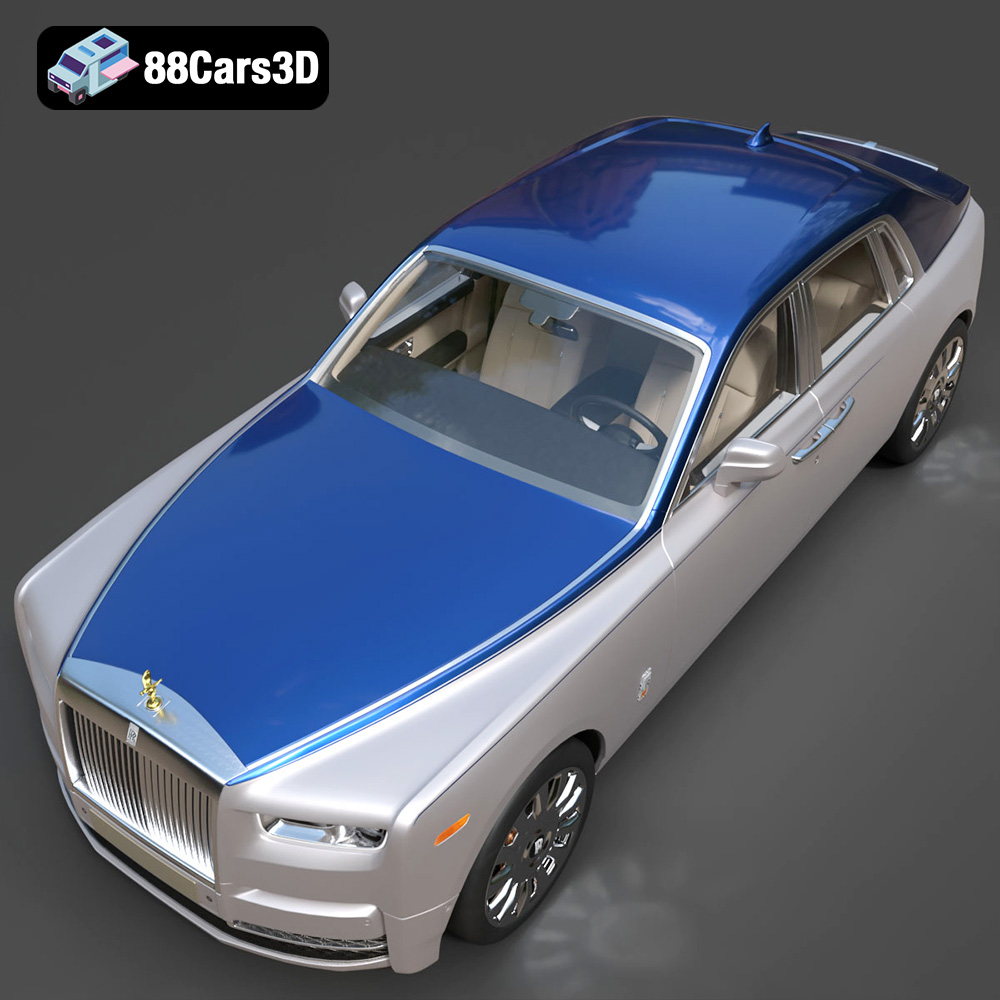
The 2018 Rolls-Royce Phantom stands as a monument to bespoke craftsmanship and engineering excellence. Its majestic presence, from the iconic Pantheon grille to the gracefully sweeping roofline and the unmistakable Spirit of Ecstasy, presents a unique challenge and opportunity for digital recreation. We’re thrilled to delve into an outstanding example of such digital artistry: the Rolls-Royce Phantom 2018 3D Model. This asset, available on 88cars3d.com, is not merely a static representation; it’s a versatile, game-ready, and render-optimized masterpiece designed to elevate any project it touches, whether for breathtaking automotive rendering, immersive game assets, or cutting-edge AR/VR experiences.
This comprehensive guide will explore the intricacies of leveraging such a sophisticated 3D car model, covering everything from understanding crucial file formats to integrating it into professional workflows, and even preparing it for physical manifestation through 3D printing. Join us as we uncover how this digital Phantom can redefine your creative possibilities.
The choice of file format is a critical first step in any 3D project, dictating compatibility, feature support, and overall workflow efficiency. A high-quality 3D asset like the Rolls-Royce Phantom 2018 model thoughtfully provides a comprehensive suite of formats, ensuring maximum utility across diverse applications. Understanding each one’s strengths and typical use cases is paramount for any professional working with 3D car models.
The provision of all these formats with the Rolls-Royce Phantom 2018 3D Model from 88cars3d.com underscores its versatility and readiness for any professional pipeline.
Replicating the grandeur of a Rolls-Royce Phantom in the digital realm is not just about modeling shapes; it’s about capturing the essence of luxury, the precision of engineering, and the subtle nuances that convey its real-world presence. This is where an exceptionally crafted 3D model truly shines.
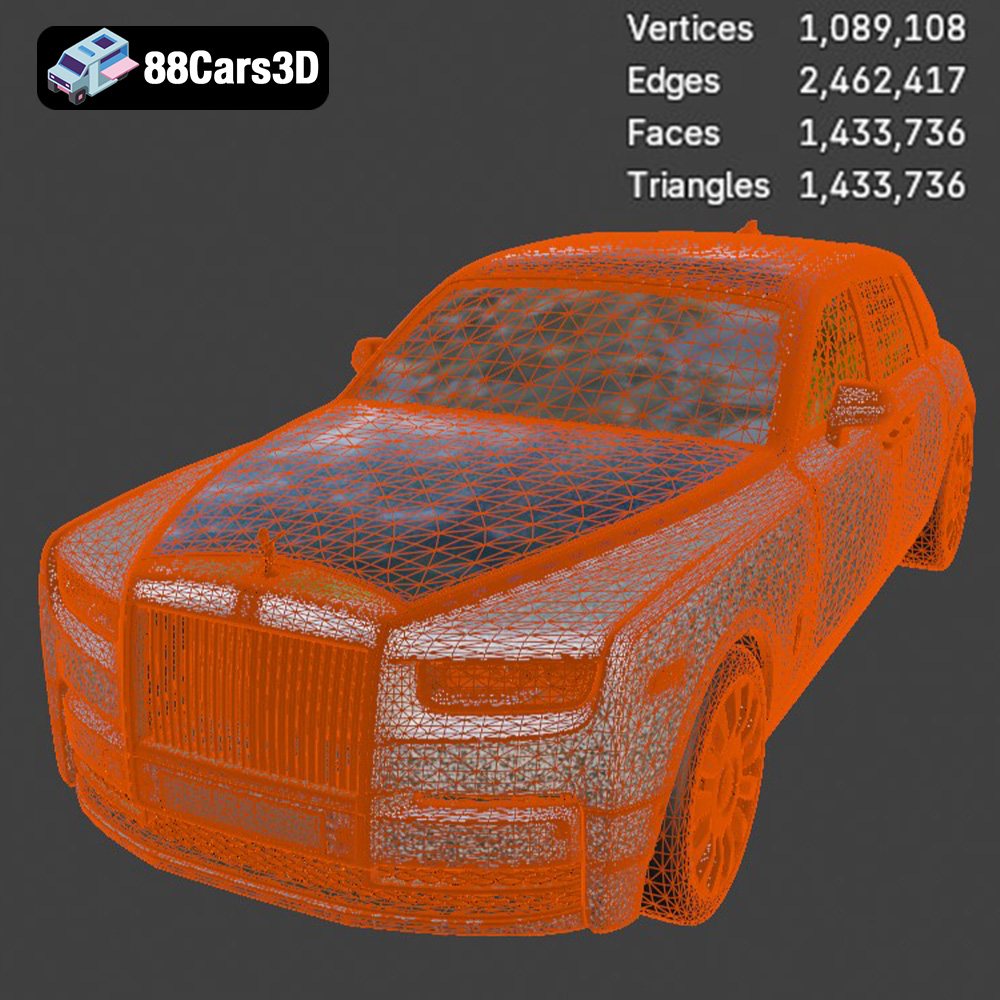
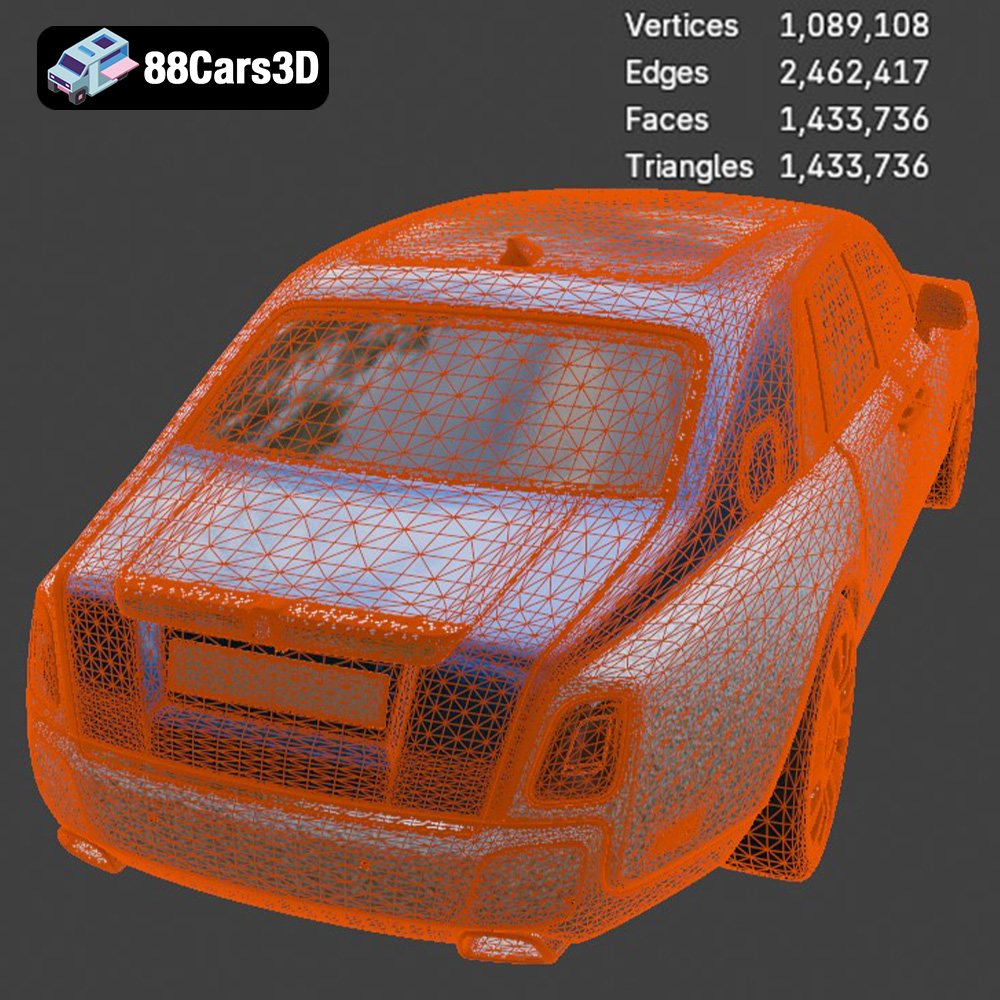
The journey from a physical luxury vehicle to a digital asset demands an extraordinary level of attention to detail. Every curve, every crease, every minute element – from the laser headlights to the intricate alloy wheels with their self-leveling center caps – must be faithfully translated into polygons. This process begins with extensive reference gathering, followed by precise modeling using techniques that ensure accurate proportions and a clean, efficient topology. The challenge is to maintain aesthetic fidelity while adhering to technical constraints, especially for game-ready assets. The goal is to ensure that whether viewed up close in a cinematic render or at a distance in a game environment, the model exudes the same commanding presence as its real-world counterpart.
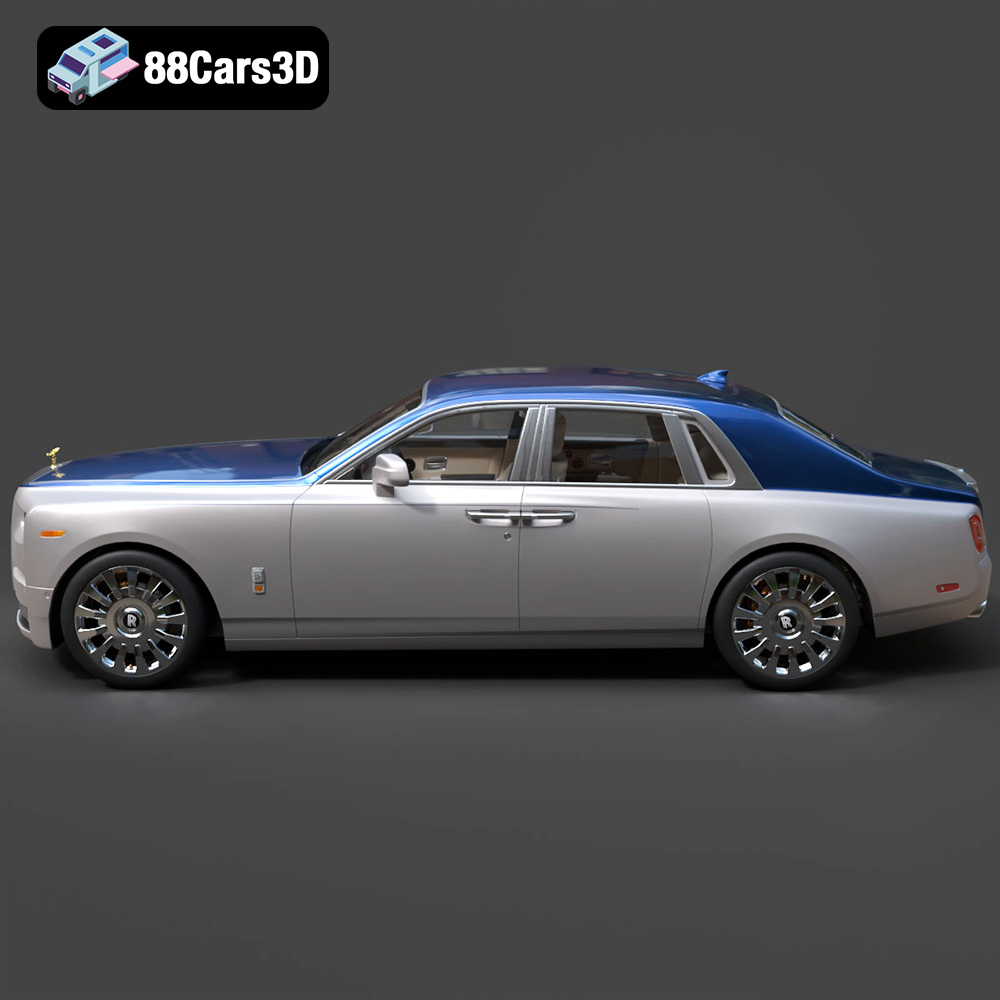
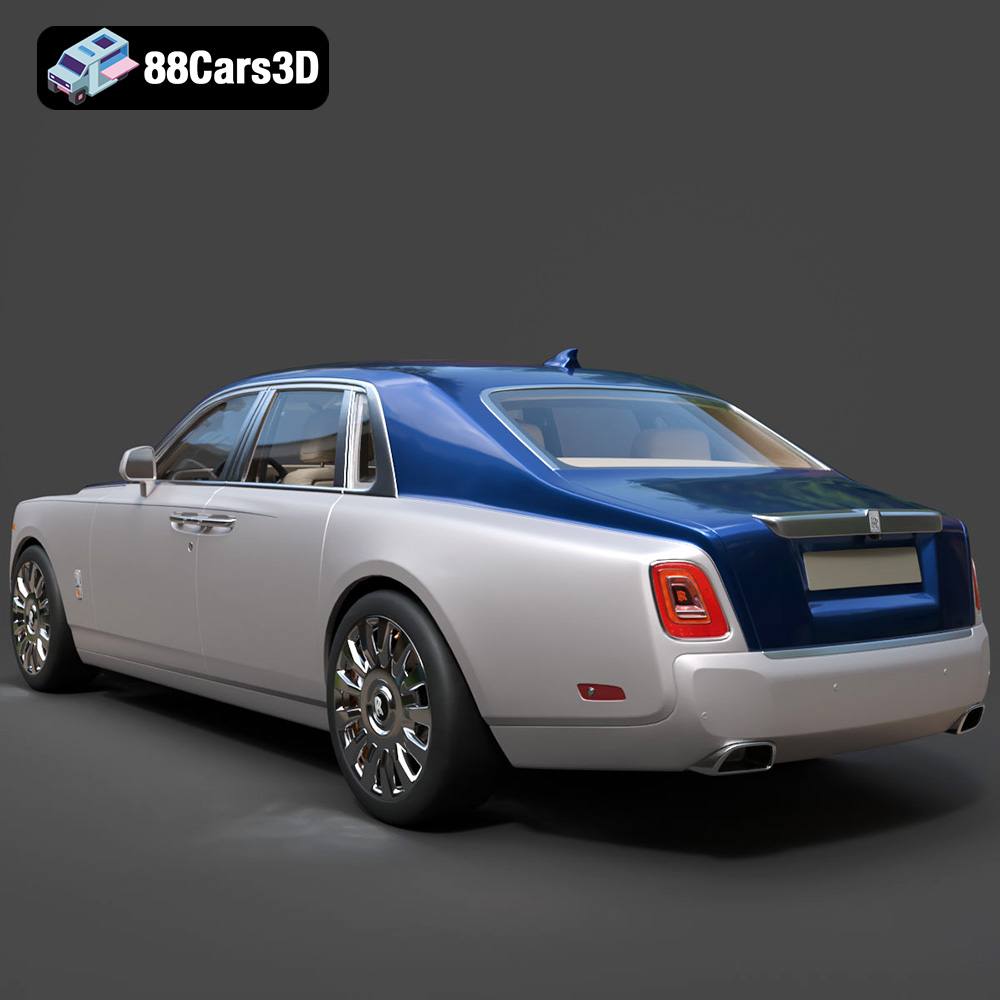
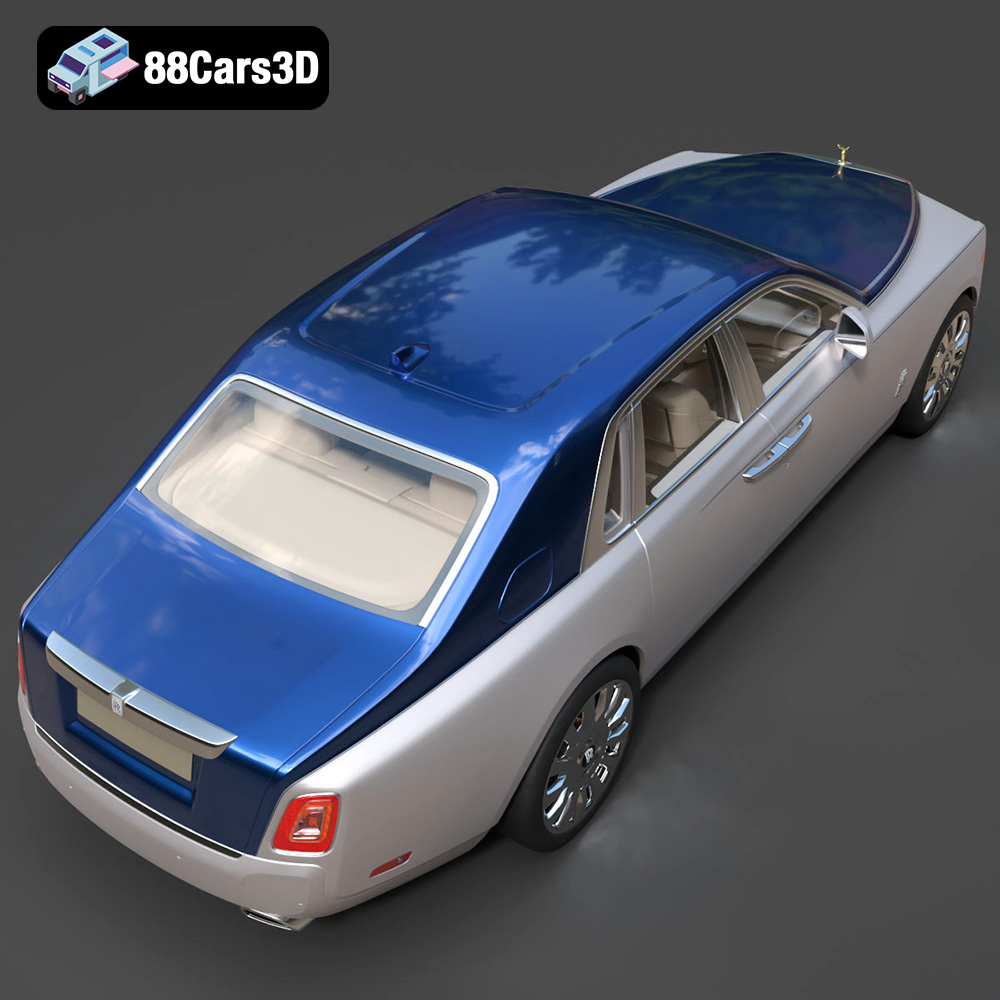
The Rolls-Royce Phantom 2018 3D Model truly stands out due to its meticulous attention to both exterior and interior features. On the outside, the iconic monolithic Pantheon grille, the elegantly sweeping roofline, and the legendary Spirit of Ecstasy are rendered with breathtaking accuracy. Even details like the integrated dual exhaust system and the ‘magic carpet ride’ suspension details are present, contributing to an overall sense of realism. Inside, the model doesn’t compromise on luxury. The cockpit features opulent bespoke seating with meticulous leather texture mapping, a detailed steering wheel, the classic Rolls-Royce dashboard layout, and the distinctive ‘The Gallery’ glass fascia. This level of interior detail makes the model perfect for first-person perspectives in VR simulations or close-up shots in high-end advertisements, offering an unparalleled sense of immersion.
The versatility of the Rolls-Royce Phantom 2018 3D Model, with its optimized geometry and array of file formats, makes it an invaluable asset across various professional creative pipelines. Let’s explore how this luxury vehicle can be seamlessly integrated into different industry-standard workflows.
For professionals aiming for photorealistic architectural visualization, product showcases, or high-end advertising, 3ds Max paired with renderers like V-Ray or Corona is a powerhouse. The inclusion of a native .max file or a robust .fbx allows for a direct and efficient import. Once in 3ds Max, artists can leverage the model’s clean topology to apply advanced PBR (Physically Based Rendering) materials. Imagine crafting a bespoke metallic flake paint shader that reacts realistically to studio HDRIs, or refining the intricate leather textures of the interior seats. The accurate geometry means that subtle reflections and refractions will behave correctly, from the laser headlights to the polished chrome vents. Proper pivot points for components like the coach doors and wheels facilitate creating dynamic studio turntable animations or placement in complex scene compositions, making it ideal for visualizing the Phantom in a virtual showroom or luxurious architectural setting.
The “game-ready & optimized” nature of this 3D car model is a significant advantage for game developers. Importing the .fbx or the Unreal Engine-optimized asset into Unreal Engine or Unity is designed to be straightforward. For Unreal, the pre-optimized asset significantly reduces the setup time, ensuring PBR materials translate correctly and performance is maintained. Developers can quickly convert materials to Unreal’s native PBR system or Unity’s URP/HDRP, leveraging the model’s clean UVs for efficient texture application. The optimized triangle count strikes a perfect balance between visual fidelity and real-time performance, crucial for open-world games, racing titles, or immersive simulators. Furthermore, the real-world scale accuracy and proper pivot setups for steering, wheel rotation, and suspension travel are critical for implementing realistic vehicle physics and animation within game environments, allowing for engaging interactive experiences.
Blender users will find the native .blend file a treasure trove. It provides a complete, editable scene that allows for extensive customization, re-texturing, or even further artistic embellishment. The separated components – including wheels, suspension, steering, and the iconic coach doors – are perfect for animators. Imagine creating a cinematic shot of the Phantom gliding smoothly, its suspension absorbing every bump, or the coach doors elegantly opening to reveal the lavish interior. Blender’s powerful animation tools can bring these elements to life, whether for short films, interactive presentations, or virtual product configurators. The model’s robust foundation ensures that any modifications or animations created in Blender will maintain the high quality expected of such a luxury vehicle.
The utility of a high-quality 3D car model extends far beyond traditional screen-based rendering and game development. The Rolls-Royce Phantom 2018 3D Model is also perfectly suited for the burgeoning fields of augmented reality (AR), virtual reality (VR), and even physical manifestation through 3D printing.
Augmented and Virtual Reality are transforming how we interact with digital content, offering immersive experiences that blend the real and virtual worlds. The Rolls-Royce Phantom model, particularly in its .glb format, is tailor-made for these applications. The .glb format is optimized for web, AR, and VR, packing all necessary data into a single, efficient file, ensuring fast loading and smooth performance on mobile devices or VR headsets. Imagine a virtual showroom where potential buyers can explore the Phantom’s exquisite details in 360 degrees, or an AR app that projects the car into their driveway, allowing them to visualize it at true scale. The optimized geometry ensures that even with the demanding real-time rendering of AR/VR, the Phantom retains its high-end visual realism, making it perfect for virtual configurators, training simulations, or experiential marketing campaigns.
For enthusiasts, collectors, or even designers needing a physical prototype, the Rolls-Royce Phantom model’s .stl format opens the door to 3D printing. This capability transforms a digital asset into a tangible object, allowing for display-scale hobby models or detailed mock-ups. The provided 3D print settings are invaluable for achieving the best results: recommended scales (1:12, 1:18, 1:24) ensure a manageable yet detailed print, while suggestions for layer height (0.04–0.12 mm) and the recommendation of resin printing highlight the pursuit of fine detail crucial for a luxury vehicle. Specific advice on wall thickness, infill, and the necessity of supports for delicate parts like the exhaust, mirrors, grille, and the Spirit of Ecstasy ensures a successful print. Post-processing guidance, including sanding, priming, and applying authentic factory colors with metallic finishes, offers a pathway to a truly stunning physical replica of this magnificent automobile.
The true value of a professional 3D car model lies not just in its visual appeal but in its underlying technical integrity and flexibility. The Rolls-Royce Phantom 2018 3D Model is engineered for both performance and artistic freedom.
Creating a “game-ready” asset involves a delicate balance. The model boasts an optimized topology and triangle count, which means the mesh is structured efficiently, using just enough polygons to represent detail without overburdening real-time engines. This ensures smooth frame rates in interactive applications. Crucially, clean UVs (Unwrap UV coordinates) are essential for efficient texture application and baking. Good UVs prevent stretching or distortion of textures and allow for the creation of high-quality material maps (diffuse, normal, roughness, metallic) that enhance realism. The model’s real-world scale accuracy is also a key technical advantage, ensuring it integrates seamlessly into virtual environments without scale mismatches. Furthermore, proper pivot setups for steering, wheel rotation, and suspension travel are fundamental for realistic vehicle physics and animation, enabling developers to rig and animate the car with minimal effort. This attention to technical detail makes the Phantom an exemplary game asset.
While the Rolls-Royce Phantom model is delivered in pristine condition, its architecture is designed for extensive customization. Artists can easily change body colors, exploring everything from factory two-tone schemes to bespoke custom finishes. Modifying material properties allows for a spectrum of looks – from a deep gloss black to a subtle matte finish, or even experimenting with exotic wood veneers for the interior. Tire textures can be swapped for different street variants or performance profiles, and lighting can be adapted for various environments, be it a sun-drenched coastal road or a moody, rain-soaked city street. This inherent flexibility means the Rolls-Royce Phantom 2018 3D Model serves as an excellent foundation, allowing designers and artists to tailor the digital luxury experience precisely to the needs of their project, whether for a unique client brief or a distinct creative vision.
The digital realm offers unprecedented opportunities to experience and interact with the world’s most exquisite creations. The Rolls-Royce Phantom 2018 3D Model stands as a testament to this, offering an unparalleled level of detail and versatility for professionals across various industries. From its meticulously crafted exterior, capturing every curve of its majestic form, to its lavishly appointed interior, this model provides a comprehensive and technically sound foundation for any project.
Whether you’re pushing the boundaries of photorealistic automotive rendering with 3ds Max, building immersive game worlds in Unreal Engine or Unity, creating dynamic animations in Blender, designing interactive AR/VR experiences with GLB, or even bringing the luxury to life through 3D printing, this asset is engineered to meet the highest professional standards. Its wide array of included file formats ensures compatibility, while its optimized topology and detailed features empower artists and developers to achieve stunning results with efficiency and precision. By integrating such a high-quality 3D car model into your workflow, you unlock a world of creative possibilities.
Explore the full potential of premium 3D car models and elevate your digital projects by visiting 88cars3d.com, where quality and technical excellence converge to bring your visions to life.
Experience the absolute pinnacle of luxury with this incredibly detailed 3D model of the 2018 Rolls-Royce Phantom. As the flagship of the Rolls-Royce marque, the Phantom represents over a century of bespoke craftsmanship and engineering excellence. This model faithfully captures the majestic presence of the real-world vehicle, featuring the iconic monolithic Pantheon grille, the elegantly sweeping roofline, and the unmistakable Spirit of Ecstasy adorning the hood. Underneath its regal exterior lies the representation of its silent but powerful 6.75-liter twin-turbocharged V12 engine. This 3D model boasts exceptional quality with an optimized topology and triangle count, ensuring it is fully game-ready without sacrificing high-end visual fidelity. The meticulous geometry is designed to meet the rigorous standards of modern game development, AR/VR experiences, high-end animation, and architectural visualization. Perfect for luxury lifestyle scenes, high-end automotive configurators, immersive virtual showrooms, and cinematic renders.
$19.99
.blend
.fbx
.glb
.max
.obj
.phantom
.ply
.rendering
.stl
.unreal
car-3d-model
game asset
game-ready
low-poly
luxury car
luxury-sedan
optimized
phantom-2018
rolls-royce
VR/AR