Get 20% OFF All Premium 3D & STL Models!

In the dynamic world of 3D visualization, automotive rendering, and game development, the demand for high-fidelity, meticulously crafted assets is ceaseless. Artists, developers, and designers are constantly seeking models that not only look stunning but are also technically robust and versatile. Today, we’re taking an in-depth look at an asset that perfectly embodies these qualities: the Ford F150 Raptor With Tuning From ARE 3D Model. This isn’t just another digital truck; it’s a meticulously engineered powerhouse, ready to conquer any virtual landscape you throw its way, from the gritty tracks of an open-world game to the polished studio lighting of a high-end commercial render.
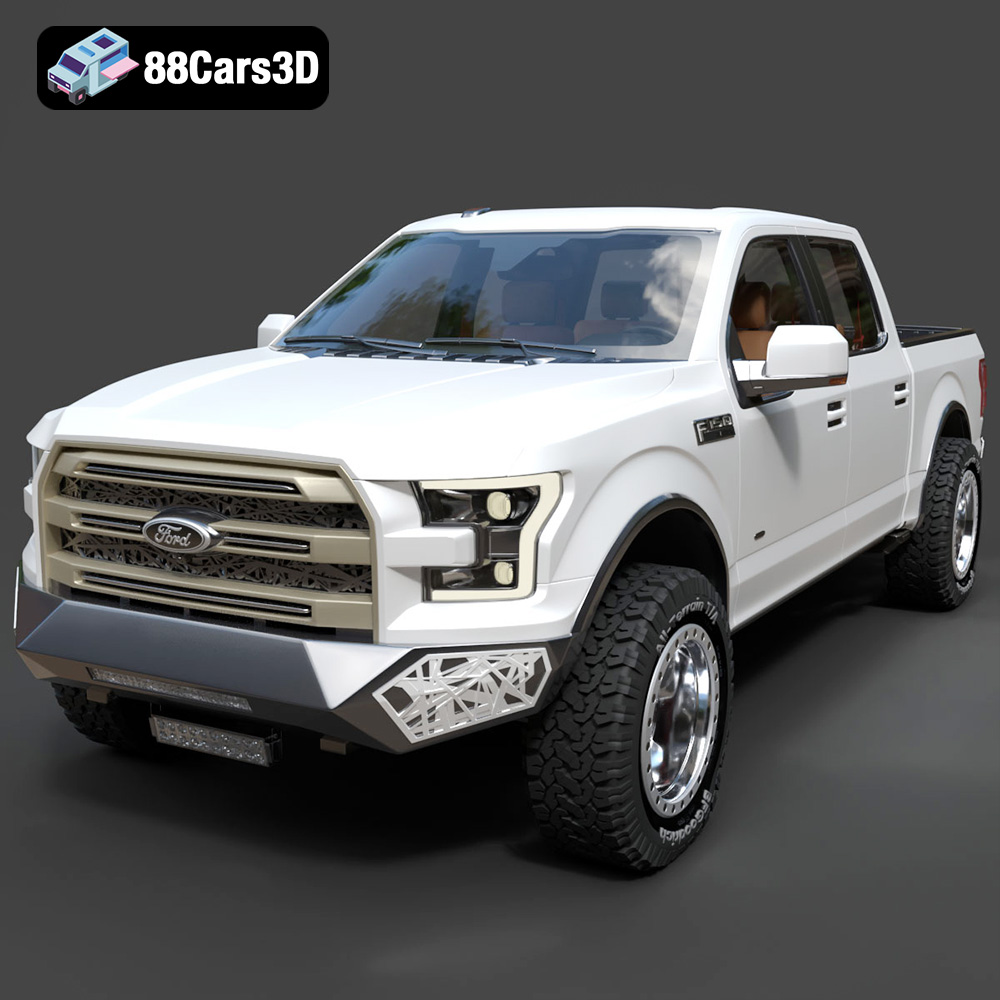
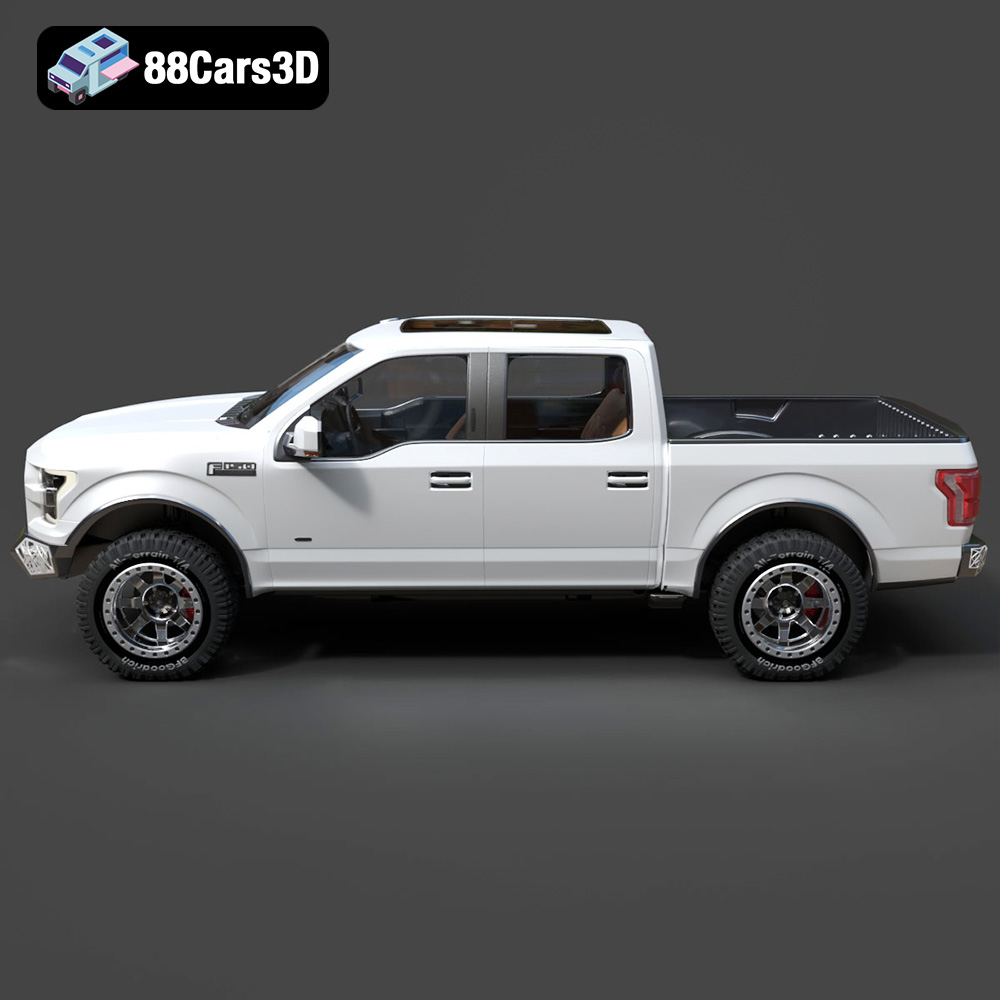
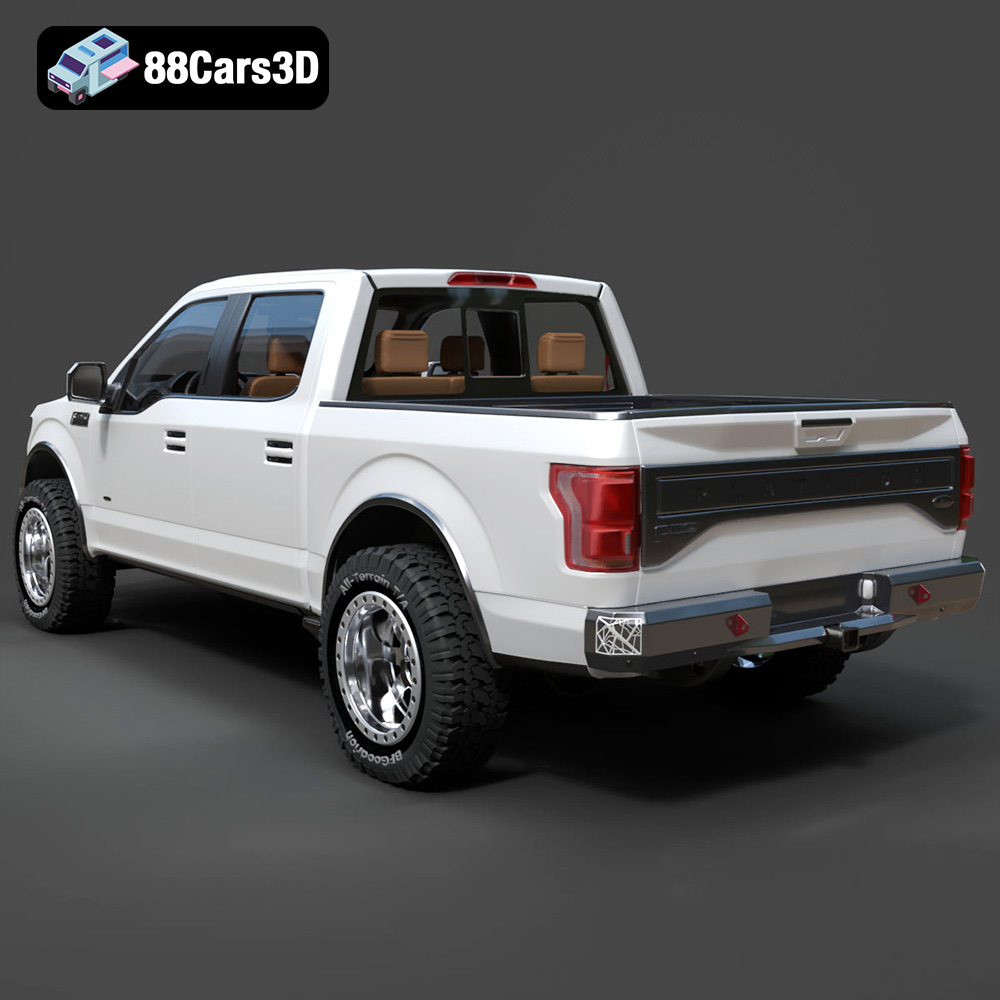
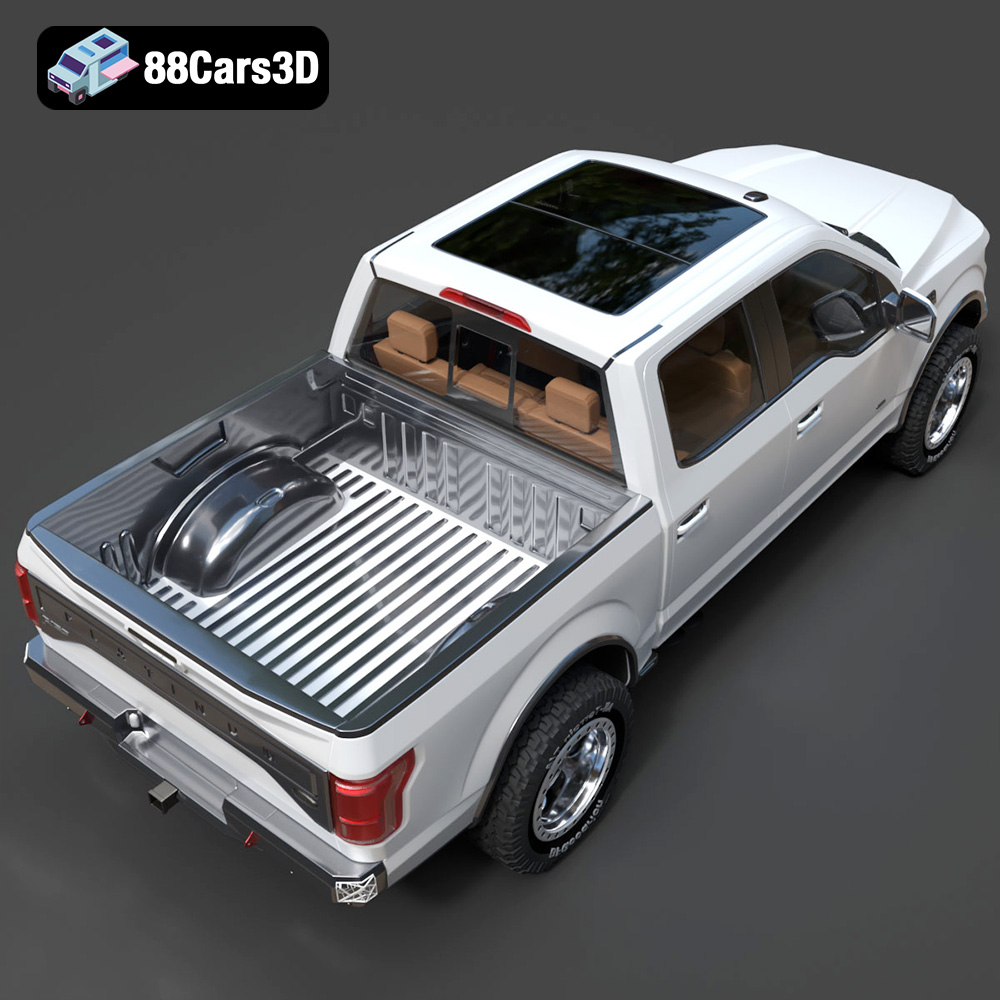
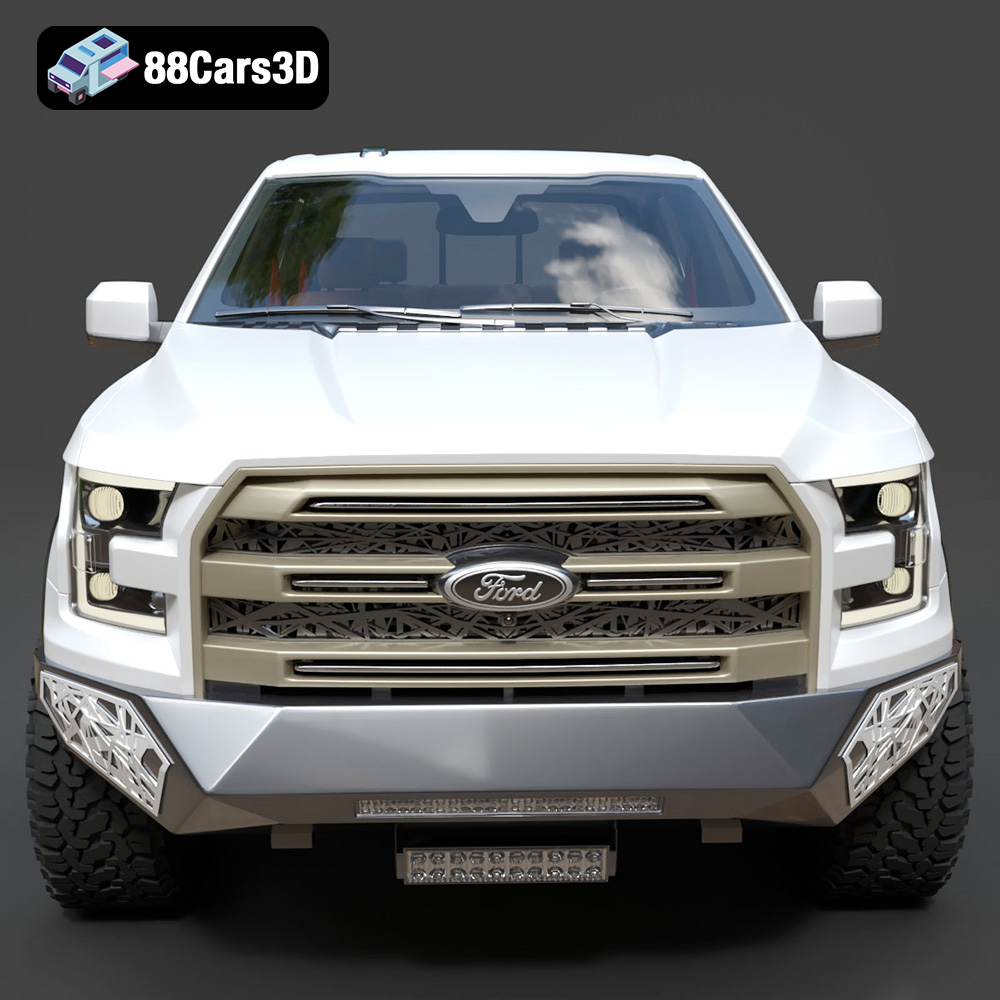
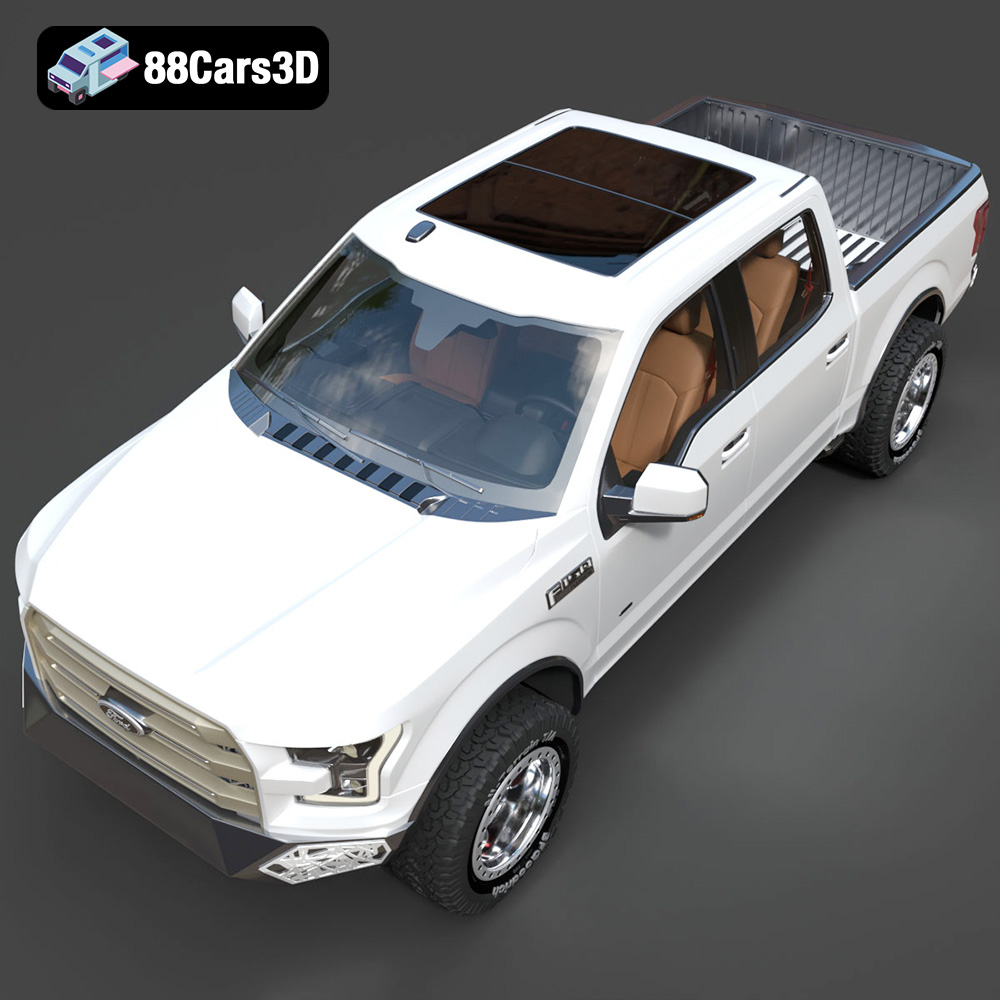
The Ford F150 Raptor has long been a symbol of off-road prowess, blending formidable capability with an iconic, aggressive aesthetic. When you infuse that with the rugged utility and refined customization of ARE tuning components, you get a vehicle that commands attention. This particular 3D model captures every nuance of that presence. From its imposing Ford grille and flared fenders to the distinct high-output dual exhaust system and the signature ARE truck cap, every detail is faithfully recreated. Whether you’re populating a virtual environment, crafting a compelling advertisement, or developing the next hit simulation, this model provides an unparalleled foundation. Let’s explore what makes this 3D car model from 88cars3d.com an indispensable asset for your projects.
Before diving into specific workflows, it’s crucial to understand the various file formats that facilitate the use of a versatile asset like the Ford F150 Raptor With Tuning From ARE 3D Model. Each format offers distinct advantages, making certain ones more suitable for particular stages of a project or different software environments. The availability of multiple formats in a single package is a hallmark of a truly professional 3D car model, offering unparalleled flexibility.
The .blend format is native to Blender, the powerful open-source 3D creation suite. When you receive a .blend file, you’re getting the entire scene exactly as the artist created it in Blender. This includes the full mesh, materials, textures, lighting, cameras, and even animation data. For users entrenched in the Blender ecosystem, this is the most advantageous format. It allows for complete editability, easy modification of materials (e.g., tweaking the PBR setup for metallic or roughness values), rigging adjustments, and direct rendering within Blender’s Cycles or Eevee engines. It’s perfect for artists who want to deeply customize the Ford F150 Raptor asset or integrate it seamlessly into existing Blender projects without any loss of data or conversion artifacts.
.fbx (Filmbox) is arguably the most widely used 3D interchange format in the entertainment industry. Developed by Autodesk, it’s designed to carry a comprehensive array of 3D data, including geometry, materials, textures, animations, and rigs, between different 3D software applications. Its robust nature makes it ideal for game development pipelines, particularly for engines like Unreal Engine and Unity, where it ensures smooth asset integration. For this Raptor model, the .fbx file would be the go-to for importing into game engines or other DCC applications like Maya or 3ds Max, preserving animation pivots and hierarchical structures crucial for wheel rotation and suspension movement.
The .obj (Wavefront OBJ) format is a simple, universal 3D geometry definition file. While it doesn’t typically store animation or rigging data, it excels at preserving mesh geometry (vertices, normals, UVs) and basic material assignments (via an accompanying .mtl file). Its widespread support across virtually all 3D software makes it an excellent fallback or starting point for compatibility. If you need a clean mesh of the Ford F150 Raptor 3D model for sculpting, retopology, or simply to bring into a less common 3D application, the .obj file is reliable and easy to work with.
.glb (GL Transmission Format Binary) is the binary version of glTF, a royalty-free specification for the efficient transmission and loading of 3D scenes and models by applications. It’s highly optimized for web-based 3D, augmented reality (AR), and virtual reality (VR) experiences. A .glb file packages geometry, materials, textures, and animations into a single, compact file, making it incredibly efficient for streaming and display in real-time browser environments or mobile AR applications. For presenting the F150 Raptor in an interactive online configurator or an immersive AR showroom, the .glb format is indispensable due to its performance and widespread support.
The .stl (Stereolithography) format is synonymous with 3D printing. It represents a 3D model as a series of connected triangles, defining only the surface geometry without any color, texture, or material information. While simplistic, its ubiquity makes it the preferred format for sending models to 3D printers. The .stl file of the Ford F150 Raptor 3D model would be specifically prepared for additive manufacturing, potentially optimized for watertightness and manifold geometry, making it ready for physical replication.
.ply (Polygon File Format, or Stanford Triangle Format) is another format that stores 3D data, including geometry, color, and properties like transparency. It can represent models created from 3D scanners, and is often used in scientific and CAD applications where precise mesh data is critical. While less common for general rendering, the .ply format offers a robust option for those needing the Ford F150 Raptor model for reverse engineering, detailed analysis, or integration into specific engineering software suites.
The .unreal format signifies an asset specifically prepared and optimized for direct import into Unreal Engine. This often means the model has already been processed with appropriate material setups, collision meshes, LODs (Levels of Detail), and possibly even Blueprints for interactive elements. For game developers using Unreal, this format streamlines the workflow immensely, allowing for quick deployment of the Ford F150 Raptor into a virtual environment with minimal post-import setup, ensuring it’s “engine-ready” right out of the box.
Lastly, the .max format is the native file type for Autodesk 3ds Max, a leading software for 3D modeling, animation, and rendering in architectural visualization, product design, and cinematic projects. Like .blend, it contains the full scene with all its components, offering complete editability within 3ds Max. For users of this powerful software, the .max file provides the highest level of control and integration, allowing for advanced rigging, complex material setups using renderers like V-Ray or Corona, and sophisticated animation sequences for the F150 Raptor model.
The true measure of a high-quality 3D car model lies not just in its visual appeal, but in its technical foundation. The Ford F150 Raptor With Tuning From ARE 3D Model exemplifies engineering for excellence, meticulously crafted to excel in both high-end visualization and demanding real-time environments.
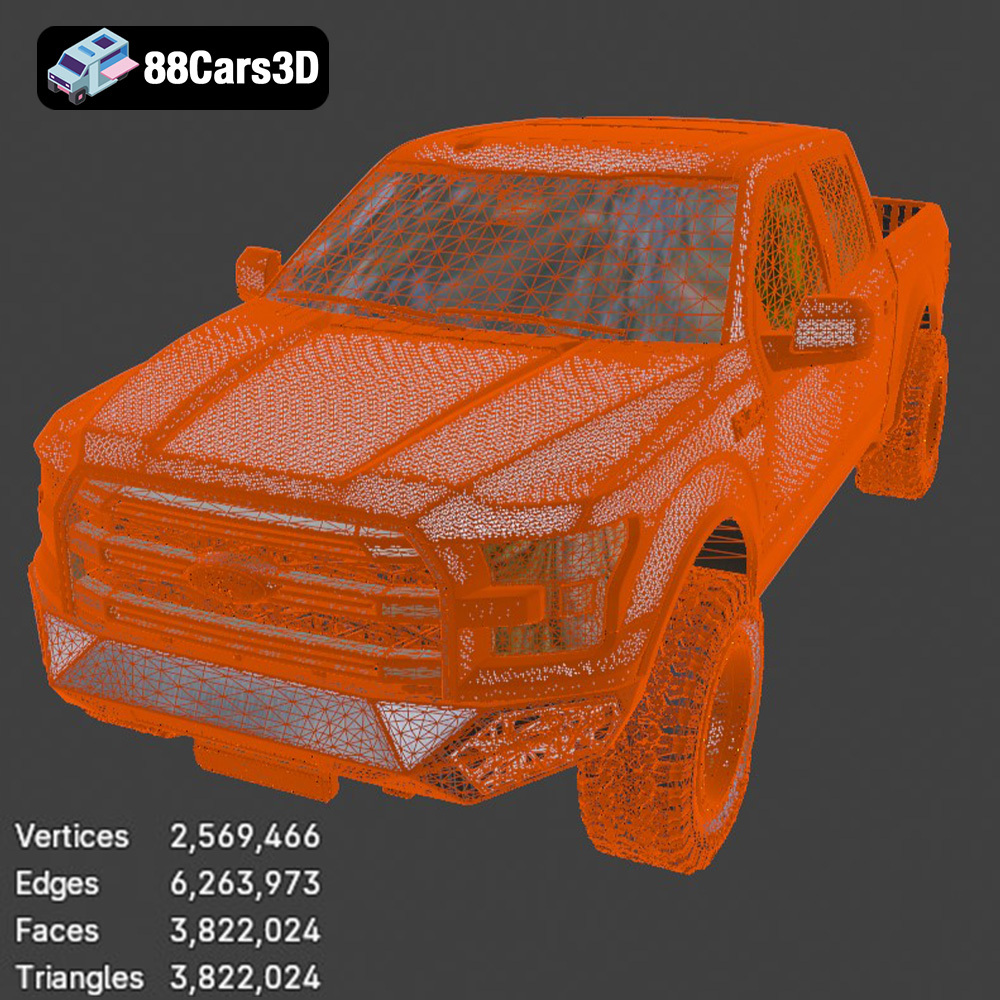
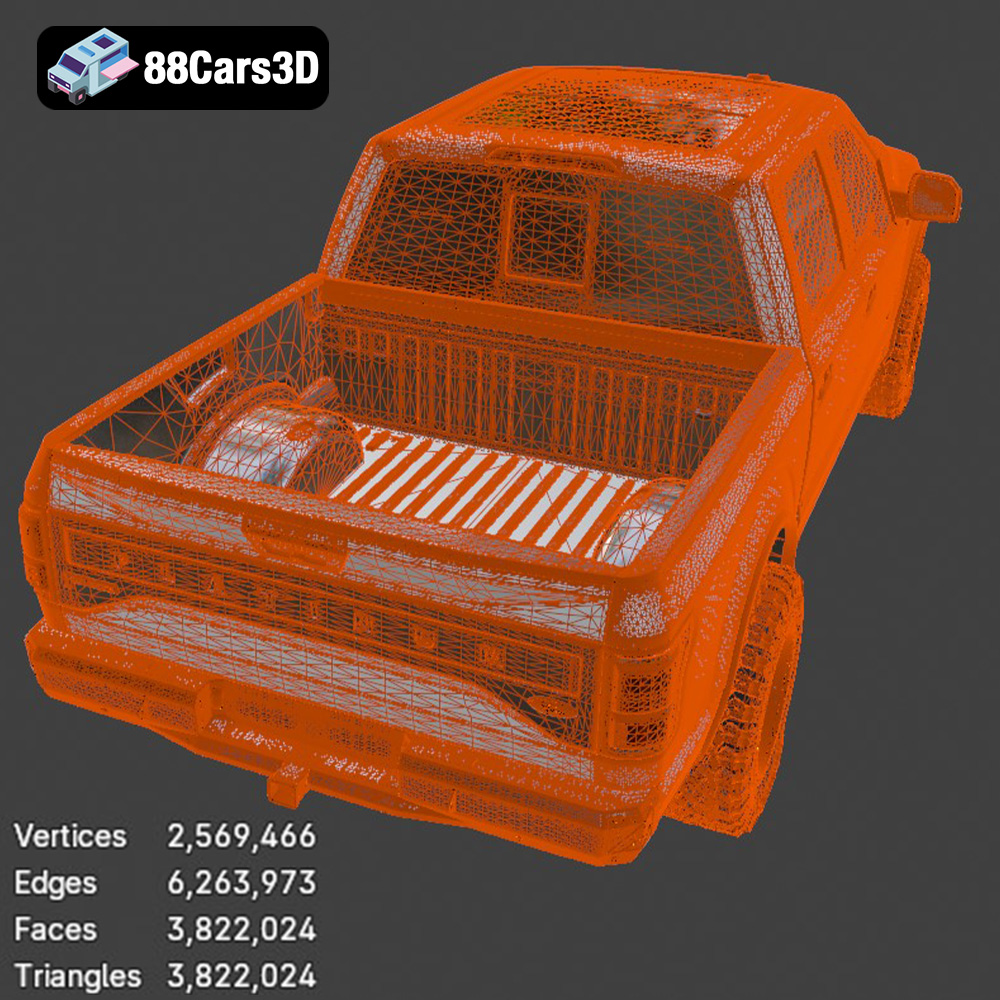
One of the most critical technical specifications for any 3D asset, especially 3D car models, is its polygon count. This Raptor model boasts an optimized ~450,000 triangle count. This number is not arbitrary; it represents a carefully calculated sweet spot. For real-time engines like Unreal and Unity, this polycount is sufficiently low to ensure smooth framerates, even when multiple instances of the vehicle are present in a scene. Simultaneously, it’s high enough to retain the intricate details of the Ford F150 Raptor, including its aggressive proportions, the finely sculpted ARE truck cap, detailed suspension components, and the interior cockpit. This balance ensures that the model looks realistic up close without bogging down engine performance, making it truly “game-ready.”
Accuracy is paramount in professional 3D work. This model adheres to real-world scale based on actual F150 Raptor and ARE accessory chassis data. This is crucial for applications where the vehicle needs to integrate seamlessly with other real-world scaled assets, such as in architectural visualization (ArchViz), simulation training, or product configurators. Beyond static scale, the model features proper pivot setups for crucial animated elements: steering, wheel rotation, and suspension travel. This means that animating the vehicle’s movement is straightforward and anatomically correct, saving countless hours for animators and riggers. The separate geometry for wheels, suspension, and steering further enhances this capability, allowing for highly realistic driving simulations or dynamic scene compositions.
Underpinning the visual quality is the model’s exceptional topology. It features clean, optimized edge loops that ensure deformations are smooth and predictable when animated, and that subdivision surfaces render cleanly if desired for ultra-high-resolution shots. Distinct material zones allow for easy customization and accurate PBR (Physically Based Rendering) material setups. The interior, with its sport-bolstered Recaro-style seats and highly detailed digital instrument cluster, also benefits from optimized geometry for first-person POV, making it perfect for immersive VR experiences or cockpit views in racing games. High-resolution geometry is strategically applied where it matters most, like the signature C-clamp LED headlights and detailed grilles, ensuring visual impact without unnecessary polygon overhead.
The versatility of the Ford F150 Raptor With Tuning From ARE 3D Model is evident in its suitability for a broad spectrum of professional workflows. From high-stakes game development to impactful marketing campaigns, this asset streamlines production and elevates visual quality.
For game developers, finding a high-quality, optimized 3D car model is a constant challenge. The Ford F150 Raptor fits this niche perfectly. Its ~450,000 triangle count is ideal for integration into modern game engines. In an Unreal Engine workflow, developers would typically import the .fbx or .unreal file, which comes pre-configured with pivots and potentially basic materials. They can then quickly set up PBR materials, add collision meshes, generate LODs (Levels of Detail) for performance optimization across different distances, and integrate it into vehicle blueprints. This allows the Raptor to function flawlessly as a player vehicle in open-world adventures, an AI-driven opponent in racing titles, or an environmental prop that adds realism to any scene. Its detailed interior even supports first-person camera perspectives, offering players an immersive cockpit experience.
Augmented Reality (AR) and Virtual Reality (VR) applications demand highly optimized assets to maintain fluid performance and immersion. The Ford F150 Raptor 3D model excels here, particularly with its .glb format. Imagine an automotive brand using this model for a virtual showroom, allowing potential buyers to explore the ARE-tuned F150 in 3D directly from their browser or through an AR app on their phone. Users could walk around it, change body colors, even peek inside. For VR training simulations, the accurate scale and detailed interior make it an invaluable tool for familiarization with the vehicle’s controls and layout, enhancing the realism of the virtual environment. 88cars3d.com provides assets designed to bridge the gap between imagination and immersive reality.
For advertising agencies, product designers, and architectural visualization artists, the ability to produce photorealistic renders is non-negotiable. Using the .max or .blend files, artists can import the Ford F150 Raptor into 3ds Max or Blender, respectively. Here, they can leverage advanced renderers like V-Ray, Corona, or Cycles to achieve stunning visual fidelity. This involves setting up complex studio lighting, realistic environments (perhaps a dusty off-road trail or an urban landscape), and fine-tuning material properties to accurately depict paint reflections, tire rubber textures, and interior fabric details. The model’s high-resolution geometry and accurate proportions make it perfect for creating compelling brand campaigns, lifestyle scenes, or integrating vehicles seamlessly into ArchViz projects to add a touch of realism and aspiration.
While often associated with digital environments, the utility of a well-crafted 3D model extends into the physical realm through 3D printing. The Ford F150 Raptor With Tuning From ARE 3D Model is not just a visual treat; it’s also designed for tangible creation, offering enthusiasts and professionals the opportunity to hold a piece of virtual excellence.
The inclusion of the .stl and .ply formats specifically caters to 3D printing applications. The .stl format is the universal language of 3D printers, defining the surface geometry as a collection of triangles. For hobbyists, collectors, or even professional prototype developers, this means the Raptor model can be directly fed into slicing software. The model’s clean topology ensures a watertight mesh, a critical requirement for successful 3D prints, preventing errors during the slicing process. The .ply format, with its ability to carry more detailed mesh data, can be useful for higher-precision output or specific industrial printing processes, if required.
Achieving a high-quality 3D print requires specific considerations, and this product’s description offers excellent guidance. Recommended scales like 1:12, 1:18, or 1:24 allow for various display sizes, balancing detail with print time and material usage. A fine layer height (0.04–0.12 mm) is suggested, especially for resin printing, which is highly recommended for capturing the intricate details of the ARE cap, the Fox Racing shocks, and the aggressive grille. Critical advice on wall thickness (1.2–2.0 mm) ensures structural integrity, while infill recommendations (20–30%) provide a balance between strength and material conservation. The need for supports on detailed parts is clearly outlined, along with optimal print orientation strategies, such as printing the frame angled for strength and wheels separately for better detail. This foresight in preparation saves users significant trial-and-error, ensuring a successful print from the outset.
The journey from a raw 3D print to a display-worthy model often involves meticulous post-processing. The provided guidelines suggest sanding, priming, and applying authentic factory colors with metallic finishes. This is where the artistic touch comes in, allowing creators to replicate the real-world sheen and rugged texture of the Ford F150 Raptor. Imagine painting the ARE truck cap with a textured bedliner finish, or painstakingly detailing the interior of the cockpit. The high fidelity of the original 3D model ensures that even at smaller scales, these details are present and can be brought to life through careful finishing, resulting in a stunning physical replica that perfectly mirrors its digital counterpart.
A truly professional 3D car model empowers artists with the freedom to adapt and customize it to suit unique project requirements. The Ford F150 Raptor With Tuning From ARE 3D Model is built with this flexibility in mind, offering a rich canvas for creative expression.
The model’s design, with distinct material zones and optimized UVs, makes material customization straightforward. Artists can easily change body colors, experimenting with factory hues like Velocity Blue or Rapid Red, or creating custom ARE tuning finishes that are unique to their vision. Beyond body paint, the ability to modify tire textures allows for switching between aggressive mud-terrain variants for extreme off-road scenes and all-terrain options for a more balanced look. Material finishes can be adjusted across the board—from matte to gloss, metallic sheen to rugged bedliner textures—to match specific aesthetic requirements or artistic direction. This level of granular control ensures that the Raptor can be styled to fit any narrative or brand identity.
Lighting plays a pivotal role in establishing mood and realism in any 3D scene. With the Ford F150 Raptor asset, artists can adapt the lighting to suit different environments. Whether it’s the harsh midday sun of a desert landscape, the dramatic artificial illumination of a studio photoshoot, or the subtle glow of a dusk scene, the model’s materials will react realistically thanks to its PBR-ready setup. This adaptability is critical for integration into diverse scenes, allowing the Raptor to look equally at home cruising through a dense forest or parked under city lights. The C-clamp LED headlights and taillights are separate elements, allowing for realistic lighting effects that can be controlled and animated to add further dynamism to a scene.
In a marketplace flooded with digital assets, discerning creators understand the value of investing in quality. The Ford F150 Raptor With Tuning From ARE 3D Model from 88cars3d.com stands out as a prime example of a premium asset that delivers on multiple fronts.
Opting for a professionally crafted 3D car model like this ARE-tuned F150 brings numerous advantages. It eliminates the time-consuming process of modeling a complex vehicle from scratch, which can take weeks or even months for a single artist. The model’s optimized topology, accurate scale, and game-ready polycount mean less post-purchase cleanup and more time dedicated to creative iteration. The availability of multiple file formats (including .blend, .fbx, .obj, .glb, .stl, .ply, .unreal, and .max) ensures seamless compatibility across virtually any 3D software or engine you might be using, minimizing workflow friction. This is an investment that pays dividends in efficiency and final output quality, making it an ideal choice for both seasoned professionals and serious hobbyists aiming for professional results.
Ultimately, high-quality 3D assets are about enhancing productivity without compromising on visual fidelity. This Ford F150 Raptor 3D model allows designers to quickly populate scenes, game developers to implement detailed vehicles without performance concerns, and animators to create realistic sequences with ease. Whether you’re visualizing an off-road adventure, designing a virtual showroom, or prototyping a physical replica, the inherent quality and versatility of this model provide a robust foundation. It’s an asset that not only meets but exceeds the technical and artistic demands of modern 3D production, empowering creators to focus on storytelling and innovation.
The Ford F150 Raptor With Tuning From ARE 3D Model is more than just a digital representation of an iconic truck; it’s a meticulously engineered asset built for the rigors of modern 3D production. Its optimized polygon count, real-world scale, precise articulation, and comprehensive suite of file formats make it an exceptionally versatile tool for a wide array of applications. From enhancing the realism of game environments in Unreal Engine or Unity to producing stunning photorealistic renders in 3ds Max or Blender, and even enabling the creation of physical models via 3D printing, this model offers a robust and flexible solution.
Investing in a high-quality 3D car model like this Raptor from 88cars3d.com means acquiring an asset that not only saves valuable production time but also elevates the overall quality of your projects. It’s a testament to the fact that technical precision and artistic fidelity can coexist, delivering an asset that truly masters the digital terrain. For anyone serious about automotive rendering, game development, AR/VR experiences, or 3D printing, this Ford F150 Raptor 3D model with ARE tuning components is an indispensable addition to your digital library.
Experience the ultimate off-road powerhouse with the Ford F150 Raptor featuring exclusive tuning components from ARE. Known for its aggressive stance and Baja-conquering heritage, this F150 Raptor is elevated with ARE’s signature truck cap and rugged overland accessories. The model perfectly captures the imposing Ford grille, massive suspension travel, flared fenders, and the distinct high-output dual exhaust system, making it an exceptional focal point for any virtual environment.
This 3D model boasts exceptional topology with an optimized triangle count, ensuring it is fully game-ready without sacrificing high-end visual fidelity. Carefully constructed to meet the demands of modern real-time engines, the model features distinct material zones, accurate edge loops, and high-resolution geometry where it matters most. It is an ideal asset for game development, AR/VR experiences, high-quality animation, and professional automotive visualization.
Perfect for off-road racing games, open-world survival simulators, overland vehicle configurators, and high-end brand rendering campaigns.
.blend, .fbx, .obj, .glb, .stl, .ply, .unreal, .max
Tags:
ford, f150-raptor, are-tuning, pickup-truck, off-road, 4×4, car-3d-model, truck-3d-model, game-ready, low-poly, optimized, game-asset, rendering, vr-ar, blend, fbx, obj, glb, stl, ply, unreal, maxVespa VNB 125-B 3D Model 3D Printable STL
$19.99
.4×4
.blend
.fbx
.ford
.glb
.max
.obj
.ply
.rendering
.stl
.unreal
are-tuning
car-3d-model
f150-raptor
game asset
game-ready
low-poly
off-road
optimized
pickup-truck
truck-3d-model
VR/AR