Get 20% OFF All Premium 3D & STL Models!

In the exhilarating world of digital content creation, the pursuit of realism and performance drives innovation. From the cinematic spectacle of high-budget animations to the immersive thrill of cutting-edge video games and the practical applications of architectural visualization, the demand for meticulously crafted 3D assets has never been higher. Automotive models, in particular, stand as a testament to this pursuit, blending artistic vision with engineering precision.
Capturing the essence of a real-world vehicle, from its sleek aerodynamics to its intricate interior details, requires a deep understanding of 3D modeling principles, texturing, and optimization. It’s about translating complex physical forms into digital data that can be manipulated, rendered, and experienced across diverse platforms. Whether you’re a game developer striving for photorealism, an automotive designer presenting a new concept, or an animator seeking dynamic visual storytelling, the quality of your 3D car models is paramount.
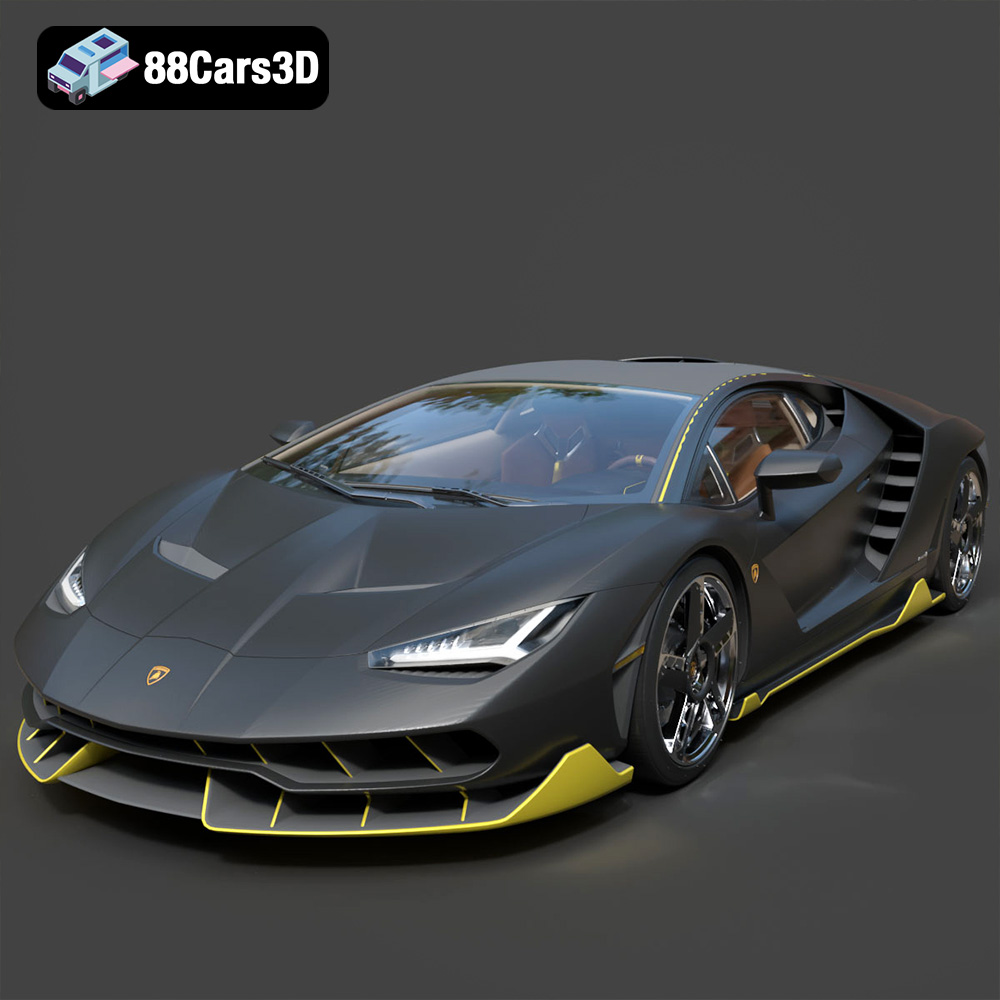
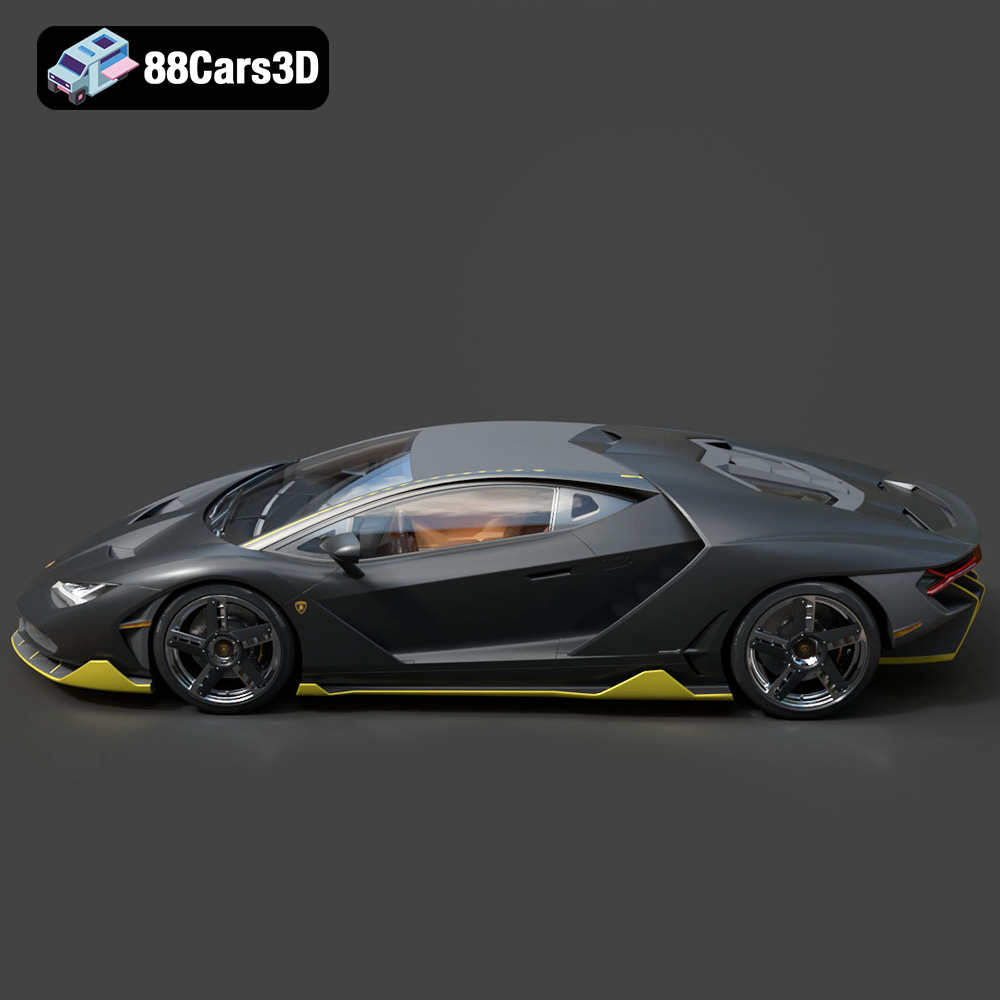
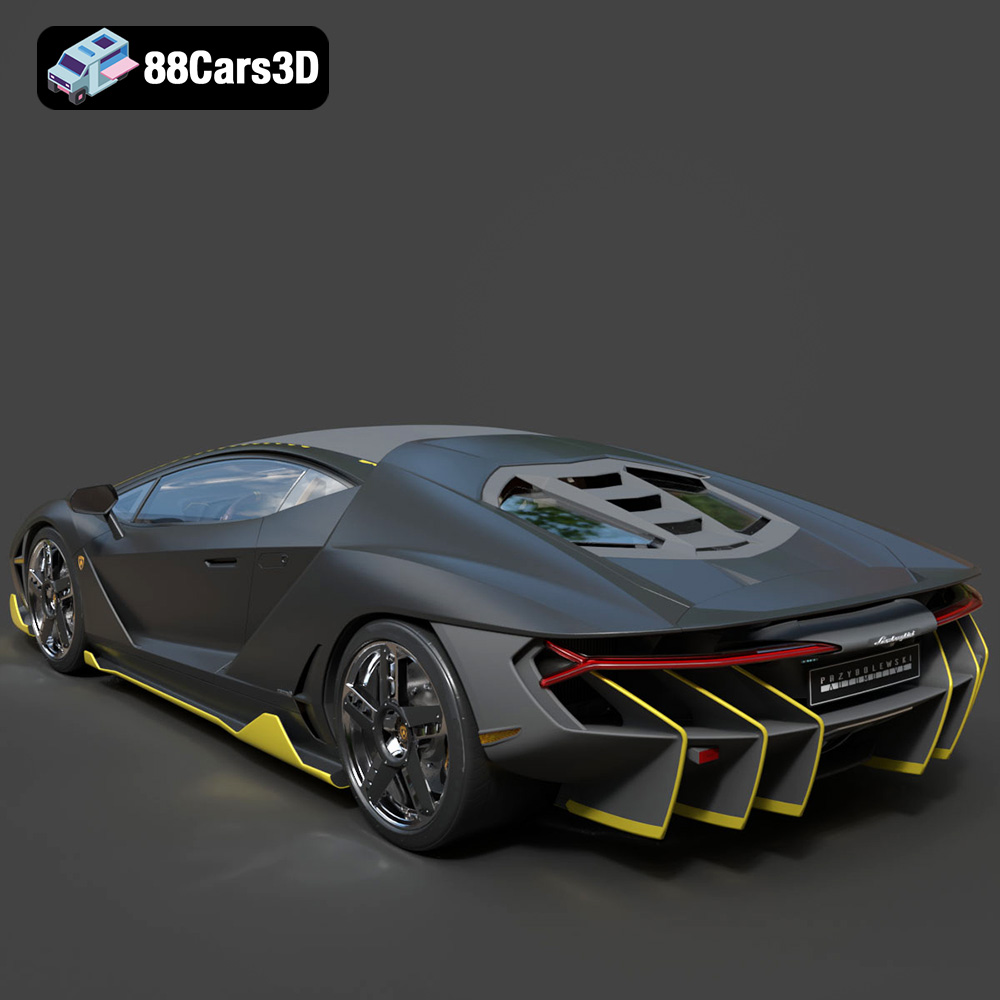
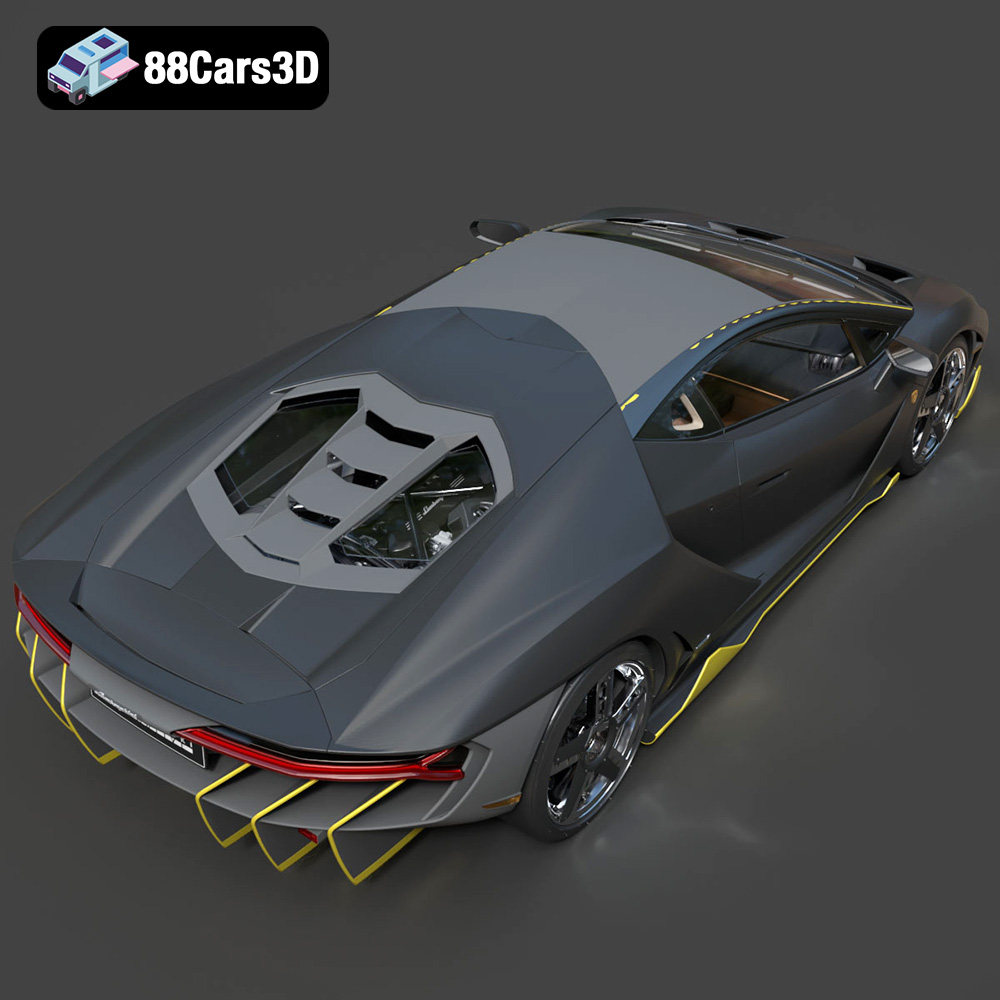
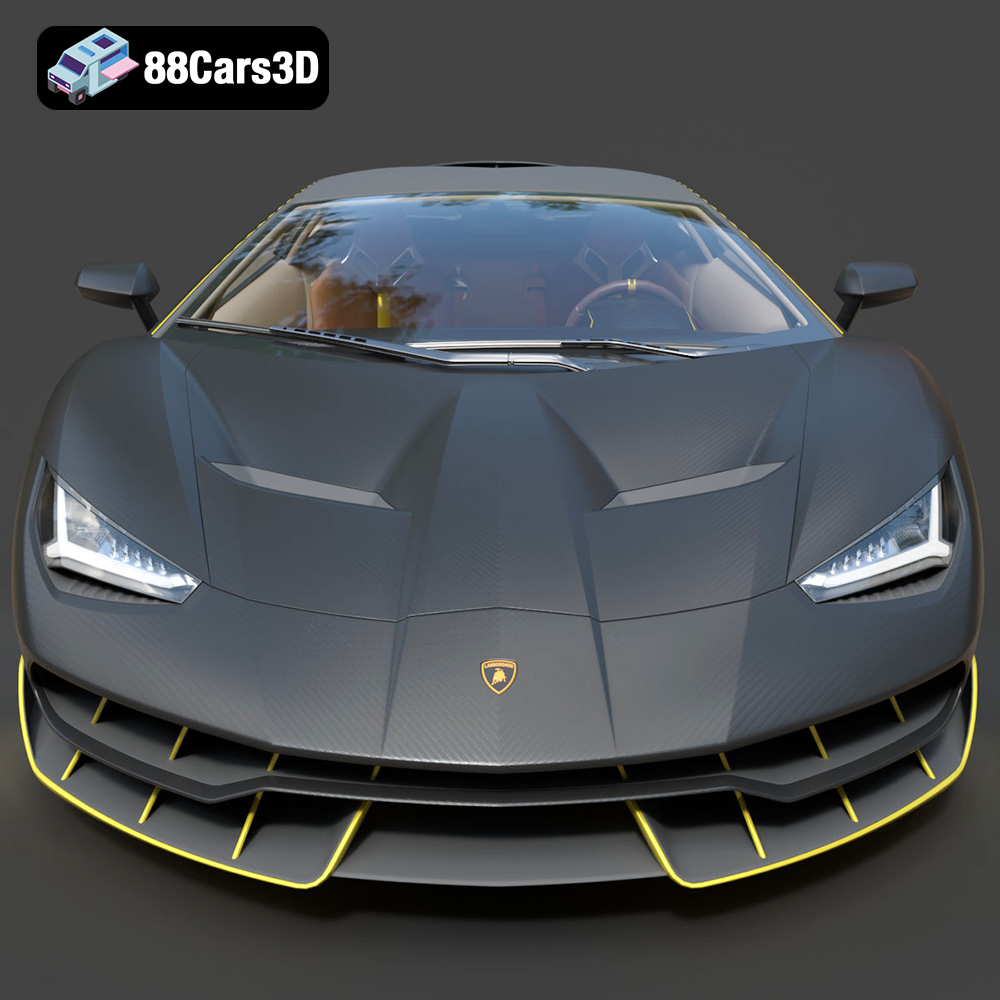
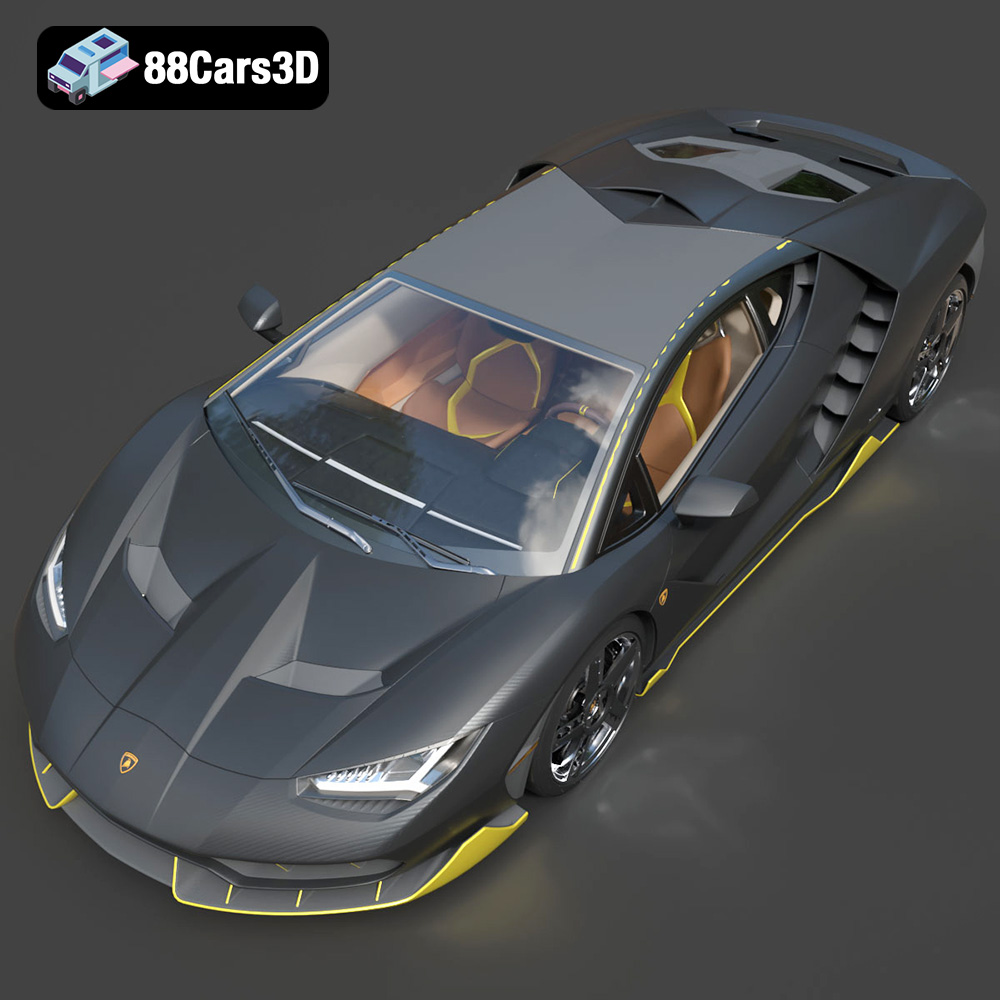
Today, we delve into the technicalities and creative opportunities presented by professional-grade 3D car models, with a spotlight on an extraordinary example: the Lamborghini Centenario 3D Model. This ultra-exclusive hypercar masterpiece, engineered to celebrate the 100th birthday of founder Ferruccio Lamborghini, boasts a jaw-dropping, aerodynamically aggressive carbon fiber body, a monumental rear diffuser, and houses a naturally aspirated 6.5-liter V12 engine. Every angular surface, cooling duct, and sharp styling cue has been meticulously crafted to push the boundaries of track-focused performance and luxury. A premium 3D representation of such a vehicle, like the one available at 88cars3d.com, delivers exceptional visual fidelity paired with highly optimized topology, making it an invaluable asset for any digital project.
Choosing the correct file format for your 3D model is a critical decision that impacts compatibility, workflow efficiency, and the ultimate usability of your asset across different software and platforms. Each format serves distinct purposes, catering to specific stages of the 3D pipeline, from initial modeling and animation to real-time rendering and manufacturing. Understanding these distinctions is fundamental for any professional working with 3D car models.
The .blend format is the native file type for Blender, the powerful open-source 3D creation suite. When you download a .blend file, you’re getting a fully editable Blender scene. This means it includes not just the mesh data, but also materials, textures (often packed within the file or referenced externally), lighting setups, camera positions, animations, modifiers, and even scene properties. For users who primarily work in Blender, this format offers maximum flexibility for customization, rigging, animation, and rendering. It allows direct access to every component of the model, making it ideal for artists who want to deeply integrate the asset into their existing Blender projects or modify it extensively.
Autodesk’s .fbx (Filmbox) format is arguably the most widely adopted interchange format in the 3D industry, particularly for game development. It’s designed to store comprehensive 3D scene data, including geometry, materials, textures, animations, skinning information, and even camera and light data. Its robust support across major 3D software packages like 3ds Max, Maya, Blender, and real-time engines like Unreal Engine and Unity makes it indispensable for pipelines involving multiple applications. For game-ready assets like the Lamborghini Centenario 3D model, .fbx is often the go-to choice due to its ability to transfer complex hierarchies and animations while maintaining integrity.
The .obj (Wavefront OBJ) format is a venerable and universally compatible file type, primarily used for storing 3D geometry data. It defines vertices, normals, UV coordinates, and faces, making it excellent for transferring static mesh data between almost any 3D software. While it doesn’t natively support animations or advanced material properties in the same way .fbx does, it is often accompanied by an .mtl (material) file that describes basic material attributes like color and shininess. For simple geometric transfers or when maximum compatibility is needed, .obj remains a reliable choice. It’s lightweight and human-readable, making it easy to parse.
.glb (GL Transmission Format Binary) is a modern, compact, and efficient format designed for real-time delivery of 3D models, especially across web, AR, and VR platforms. It’s the binary version of glTF (GL Transmission Format), packing all necessary assets like geometry, textures, and animations into a single file. This self-contained nature and optimization for efficient loading make it perfect for browser-based 3D viewers, mobile AR applications, and any scenario where quick, high-quality 3D rendering is crucial without excessive file sizes. The Lamborghini Centenario 3D Model in .glb format would be ideal for a virtual showroom accessible directly from a webpage.
The .stl (Stereolithography) format is the de facto standard for 3D printing. It represents a 3D model as a series of connected triangles, defining only the surface geometry without color, texture, or other properties. While not suitable for rendering or animation due to its lack of such data, its simplicity makes it perfect for additive manufacturing. When preparing the Lamborghini Centenario for physical replication, converting to .stl is the essential step, allowing 3D printers to understand the object’s form and build it layer by layer.
The .ply (Polygon File Format, or Stanford Triangle Format) is another format that describes 3D objects as a collection of polygons. It’s more versatile than .stl, as it can store a wider range of properties, including color, transparency, and even normal vectors for each vertex or face. It’s often used in academic and research contexts, particularly for 3D scanning, point cloud data, and precision mesh applications where detailed surface information is critical for CAD, scientific visualization, or analysis. For highly detailed models like the Centenario, .ply can preserve more granular surface data than .obj.
While not a universal file extension in the same way as .fbx or .obj, a file designated as .unreal typically signifies an asset specifically prepared or packaged for direct import and optimal performance within Unreal Engine. This might involve pre-configured materials, collision meshes, LODs (Levels of Detail), and blueprint setups that streamline integration into the engine’s ecosystem. Such a file indicates that the asset has undergone the necessary optimizations and configurations to be truly “game-ready” for demanding real-time environments, offering developers a seamless drag-and-drop experience without extensive post-import tweaking.
Similar to .blend for Blender, the .max format is the native project file type for Autodesk 3ds Max. It stores a complete 3ds Max scene, including all geometry, materials, textures, lights, cameras, animations, modifiers, and scene settings. For artists working within 3ds Max, this format provides full editability and access to every aspect of the project. It’s ideal for high-end rendering, complex animation setups, and detailed scene construction, offering the most control for those immersed in the 3ds Max environment. The Lamborghini Centenario in .max format means maximum flexibility for professional visualization artists.
Automotive visualization is more than just creating a pretty picture; it’s about conveying emotion, performance, and luxury through digital artistry. For a vehicle as iconic as the Lamborghini Centenario, the challenge is to capture its aggressive beauty and engineering marvel in a way that resonates with viewers, whether they are potential buyers, game players, or film audiences.
Achieving photorealism in automotive rendering relies on several key technical and artistic elements. A high-quality 3D model, such as the Centenario from 88cars3d.com, provides the foundational geometry. This model boasts accurate carbon-fiber body geometry, detailed engine bay showcasing the iconic 6.5L V12, and intricate active aero components. But geometry is only part of the equation. Realistic materials—car paint, carbon fiber, glass, rubber, and interior leathers—must be meticulously crafted using physically-based rendering (PBR) workflows. This involves defining diffuse, specular, roughness, metallic, and normal maps to accurately simulate how light interacts with surfaces. Complex reflections, refractions through glass, and subtle imperfections all contribute to the illusion of reality. Furthermore, advanced lighting setups, often using HDRI (High Dynamic Range Image) environments combined with targeted studio lights, are crucial for illuminating the vehicle and emphasizing its contours and design features.
Beyond static renders, cinematic animations elevate automotive visualization to new heights. Here, the Lamborghini Centenario 3D Model shines with its separated components for animation: wheels, suspension, doors, and steering. This modularity allows animators to create dynamic sequences, such as the car racing down a track, its active aero components deploying, or a luxurious shot of the door opening to reveal the intricate interior. Proper pivot setup for steering and wheel rotation, as noted in the model’s technical specifications, is vital for realistic motion. Animating suspension travel adds a layer of realism to driving simulations. These animations often involve complex camera movements, dynamic lighting changes, and environmental effects to tell a compelling visual story, demanding a robust and animation-ready 3D asset.
The transition from high-fidelity rendering to real-time game engines introduces a new set of technical considerations. While visual quality remains paramount, performance becomes an equally critical factor. Game developers require assets that are both stunning and efficient, capable of maintaining high frame rates across various hardware configurations.
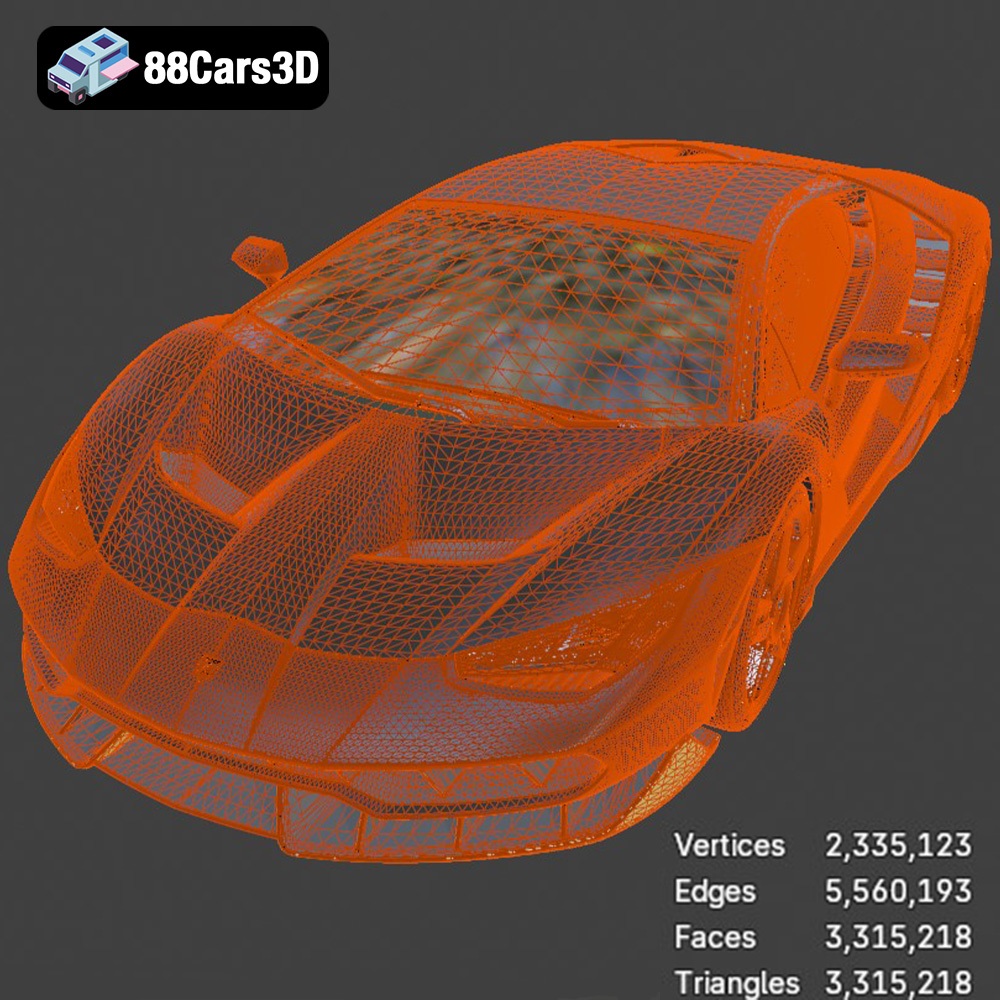
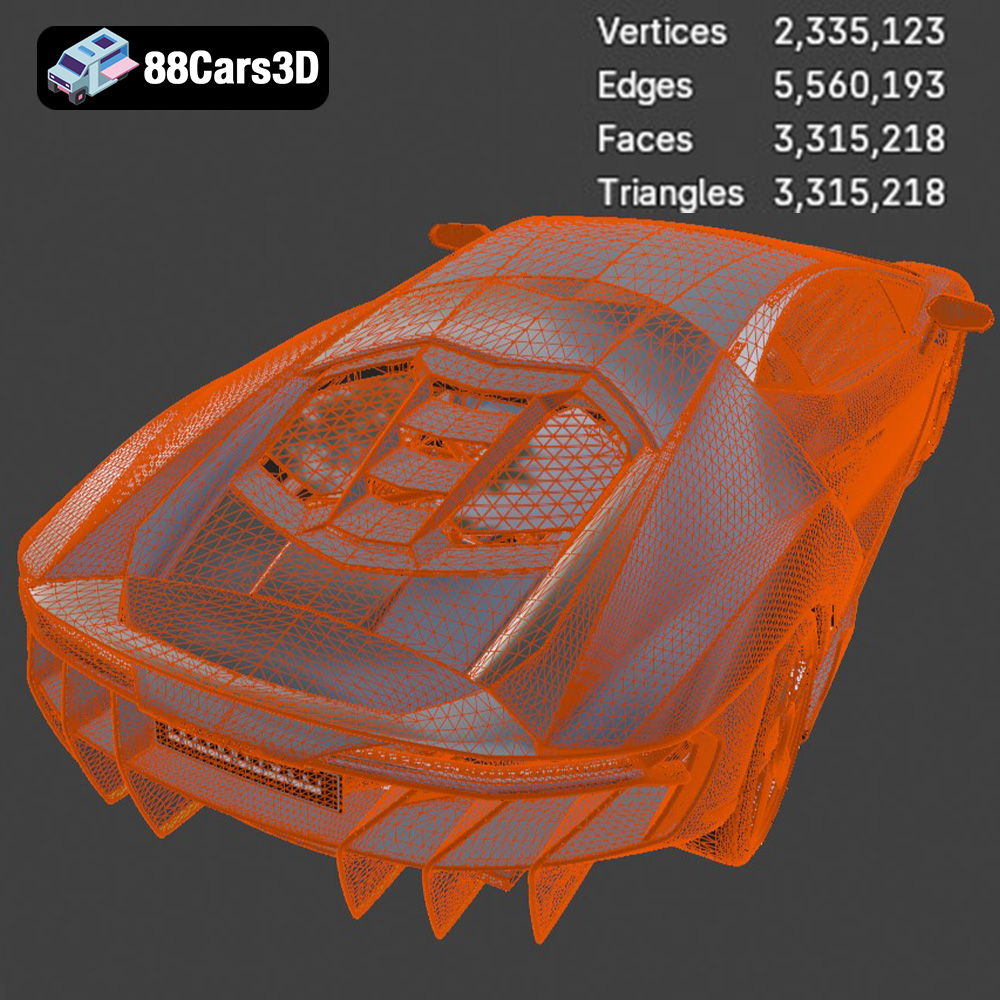
One of the primary optimizations for game-ready assets is managing polygon count. The Lamborghini Centenario 3D Model, with ~200,000 triangles, strikes an excellent balance. This polycount is sufficiently detailed to maintain the hypercar’s striking silhouette and intricate geometry, including the aggressive triple exhaust system and signature Y-shaped LED taillights, even when viewed up close in a game engine. Simultaneously, it remains optimized enough to avoid bogging down real-time rendering pipelines, allowing for seamless integration into AAA racing titles or open-world driving games. Achieving this balance often involves techniques like careful mesh reduction, normal mapping (baking high-poly details onto a lower-poly mesh), and efficient UV unwrapping to maximize texture resolution.
For game developers, an asset’s “game-ready” status means it’s designed for seamless integration into engines like Unreal and Unity. This involves more than just geometry. The Centenario model features real-world scale accuracy, proper pivot setup for interactive components, and likely includes optimized UV layouts for efficient texturing. The inclusion of a dedicated “.unreal” file format option is a clear indicator that this model has been prepped for Unreal Engine, potentially including optimized materials, collision meshes, and LODs (Levels of Detail). LODs are crucial for performance, automatically swapping out higher-detail meshes for simpler ones as the car moves further from the camera, thereby reducing rendering overhead without noticeable quality loss to the player.
The utility of high-quality 3D car models extends far beyond traditional screens, opening doors to immersive and tangible experiences. Augmented Reality (AR), Virtual Reality (VR), and 3D printing represent powerful new frontiers for digital assets.
In the realm of AR and VR, the Lamborghini Centenario 3D Model becomes a portal to an interactive luxury experience. For virtual showrooms, users can explore the car’s exterior and interior in a fully immersive 360-degree environment, examining the high-detail Alcantara-styled racing seats or the digital instrument cluster. Luxury car configurators leverage these models to allow customers to customize body colors, adjust material finishes, and adapt lighting for different environments in real-time. For mobile AR experiences, the Centenario can be superimposed onto a real-world environment, allowing users to “place” the hypercar in their driveway or office, offering a unique and engaging interaction with the product. The .glb file format, optimized for these applications, ensures efficient loading and smooth performance on AR/VR devices.
The conversion of a digital 3D model into a physical object via 3D printing is a fascinating application. While the Lamborghini Centenario is an exclusive vehicle, collectors and hobbyists can possess a highly detailed physical replica using the provided .stl format. The product description offers comprehensive 3D print settings, recommending specific scales (1:12, 1:18, 1:24), layer heights, wall thicknesses, infill percentages, and crucial support structures for intricate parts like the rear diffuser and mirrors. Resin printing is specifically recommended for achieving the fine aerodynamic details. This capability transforms a virtual asset into a tangible display piece, requiring a model with watertight geometry and precise surface definition, which this 3D car model from 88cars3d.com undoubtedly offers.
A truly versatile 3D car model is one that integrates seamlessly into diverse professional workflows, from the initial modeling and texturing phases to final rendering and deployment. The extensive file format support of the Lamborghini Centenario 3D Model is a testament to its adaptability.
For artists and studios primarily using 3ds Max, the included .max file provides native access to the model. This is invaluable for deep customization, complex scene setups, and high-end rendering. In 3ds Max, one can easily adjust materials, refine textures, set up advanced lighting scenarios with renderers like V-Ray or Corona, and craft sophisticated animations. The separate components for animation, such as doors and suspension, allow for intricate rigging and movement, perfect for automotive marketing campaigns or detailed product visualizations where absolute control over every element is essential. The model’s real-world scale accuracy further aids in creating believable compositions.
Blender users benefit from the native .blend file, offering immediate access to a fully editable scene. This allows for quick integration into existing Blender projects, leveraging its powerful Cycles or Eevee renderers. Artists can easily modify the model, experiment with different material variations (like exposed carbon fiber or various gloss factory paints), or use Blender’s robust animation tools to create custom sequences. The open-source nature of Blender, combined with a high-quality asset like the Centenario, empowers artists with immense creative freedom without needing to convert or re-optimize the model extensively, ensuring a smooth workflow from start to finish.
For real-time applications, Unreal Engine stands as a titan. The .unreal file format, along with .fbx, ensures the Lamborghini Centenario 3D Model is primed for this environment. Developers can import the model, set up dynamic lighting, implement physics simulations for realistic driving, and integrate it into interactive gameplay or immersive architectural visualizations. The optimized polycount (~200,000 triangles) is crucial here, maintaining performance even with multiple vehicles on screen or complex environments. With proper pivot setups for interactive elements and pre-optimized materials, developers can rapidly prototype and deploy high-performance automotive experiences, making the Centenario a perfect candidate for next-gen racing simulations.
The digital landscape is saturated with 3D assets, but the distinction between a generic model and a high-quality, professional-grade asset is vast. This difference is particularly stark when dealing with complex subjects like hypercars, where every curve, vent, and interior detail contributes to the vehicle’s unique identity and appeal.
A meticulously crafted 3D car model, such as the Lamborghini Centenario available on 88cars3d.com, profoundly impacts project fidelity. Low-quality models often come with messy topology, poor UVs, incorrect scale, or missing details, leading to frustrating cleanup work, suboptimal renders, and compromised performance in real-time applications. In contrast, a premium model like the Centenario provides clean, optimized geometry, accurate real-world dimensions, and well-structured materials right out of the box. This saves countless hours of development time, allowing artists and developers to focus on creative execution rather than technical fixes. The detailed exterior features, from the aggressive rear diffuser to the bespoke forged center-lock wheels, are all present and accurately represented, contributing to a truly convincing digital representation.
For brands and content creators, the ability to showcase a vehicle with exceptional realism translates directly into enhanced storytelling and audience engagement. Imagine presenting an automotive concept in a virtual showroom where every reflection is perfect, every stitch visible, and the car’s performance is palpable through dynamic animations. The Centenario model, with its high-detail Alcantara-styled racing seats and accurate flat-bottom steering wheel, ensures that even interior first-person views in racing games offer an immersive and authentic experience. This level of detail elevates the perceived value of the product or project, establishing credibility and fostering deeper connections with the audience. Investing in assets of this caliber ensures that your digital productions stand out in a competitive market.
The journey through the intricate world of 3D car models reveals a fascinating blend of artistic craftsmanship and technical prowess. From the foundational understanding of file formats to the nuanced art of automotive visualization, optimization for real-time environments, and the expansive applications in AR/VR and 3D printing, the quality of a 3D asset dictates the success and impact of your digital projects.
The Lamborghini Centenario 3D Model exemplifies what a premium asset should be: a balanced triangle count for game-ready performance, exceptional visual fidelity for high-end rendering, and comprehensive compatibility across major 3D software and engines. Its detailed exterior and interior features, coupled with flexible animation components, make it an invaluable tool for a wide spectrum of professionals.
Whether you’re developing the next AAA racing title, crafting stunning cinematic animations, designing an immersive virtual showroom, or bringing a collector’s dream to life through 3D printing, this model offers a robust and reliable foundation. By choosing high-quality 3D car models like the Lamborghini Centenario from 88cars3d.com, you’re not just acquiring an asset; you’re investing in efficiency, visual excellence, and the power to truly unleash your creative vision.
Elevate your automotive projects. Explore the detailed precision and versatile applications that only a truly professional 3D model can provide. Your next masterpiece awaits.
The Lamborghini Centenario is an ultra-exclusive hypercar masterpiece engineered to celebrate the 100th birthday of founder Ferruccio Lamborghini. Boasting a jaw-dropping, aerodynamically aggressive carbon fiber body, a monumental rear diffuser, and housing a naturally aspirated 6.5-liter V12 engine, this striking vehicle represents the pinnacle of Italian automotive design. Every angular surface, cooling duct, and sharp styling cue has been meticulously crafted to push the boundaries of track-focused performance and luxury.
This premium 3D model delivers exceptional visual fidelity paired with highly optimized topology. With a balanced triangle count carefully tuned for game-ready performance, it ensures seamless integration into real-time environments without sacrificing the photorealistic details required for high-end rendering. Whether deployed in demanding interactive applications or cinematic sequences, the model maintains its striking silhouette and intricate geometry from every viewing angle.
Perfect for high-octane racing simulations, luxury virtual showrooms, cinematic automotive animations, and interactive AR configurators.
$19.99
.blend
.fbx
.glb
.hypercar
.lamborghini
.max
.obj
.ply
.rendering
.sports car
.stl
.supercar
.unreal
car-3d-model
centenario
game asset
game-ready
low-poly
optimized
VR/AR