Get 20% OFF All Premium 3D & STL Models!

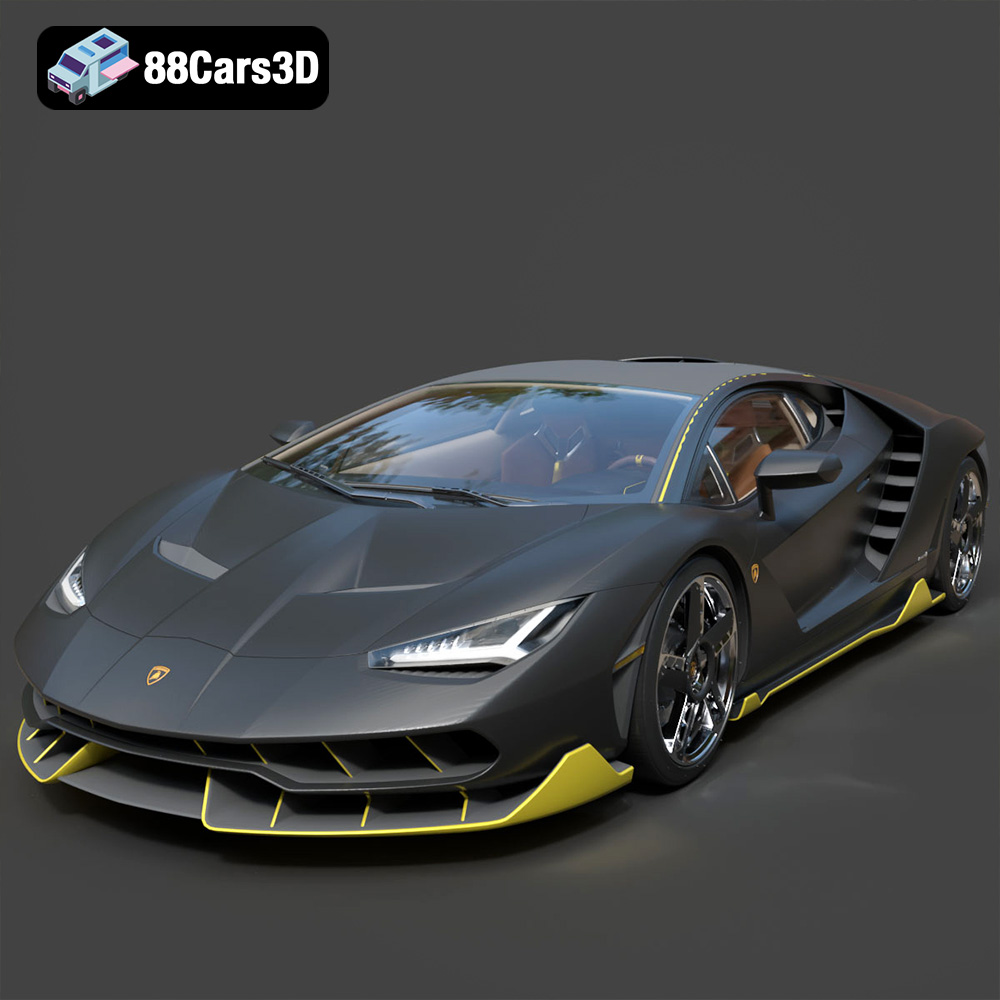
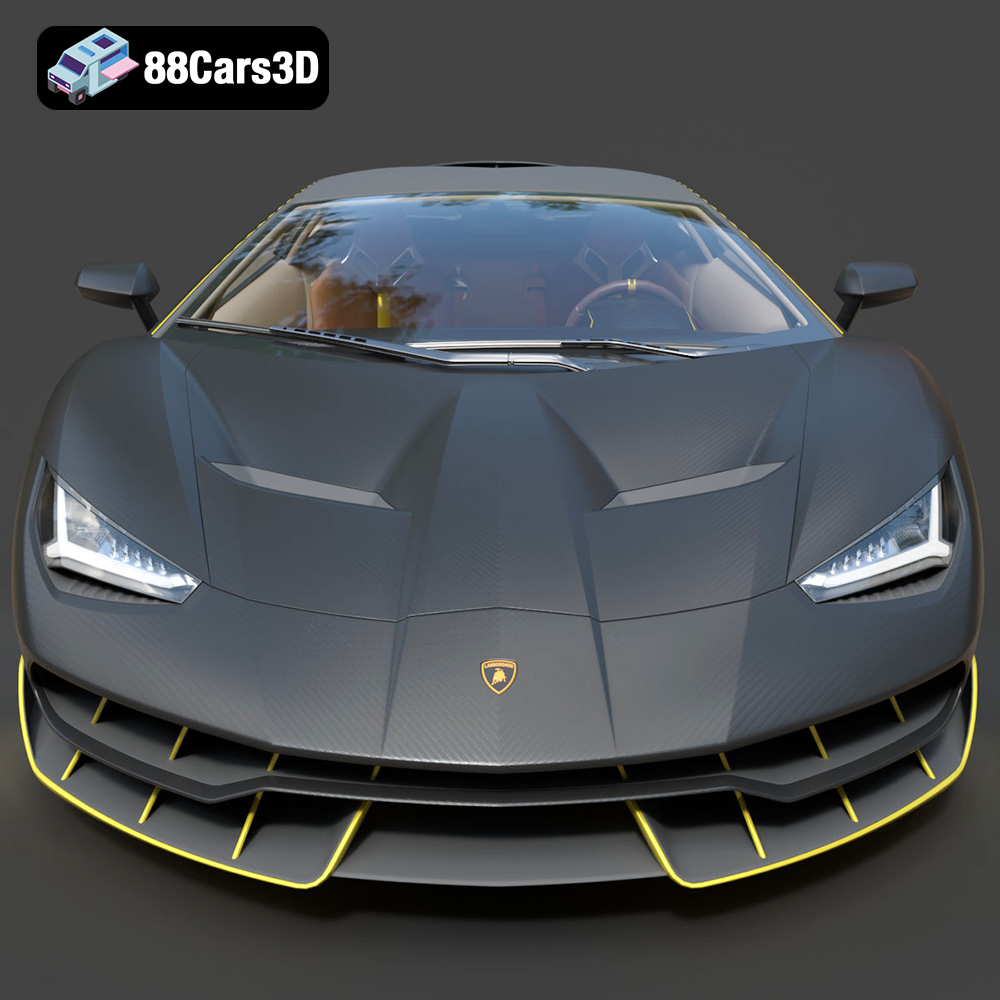
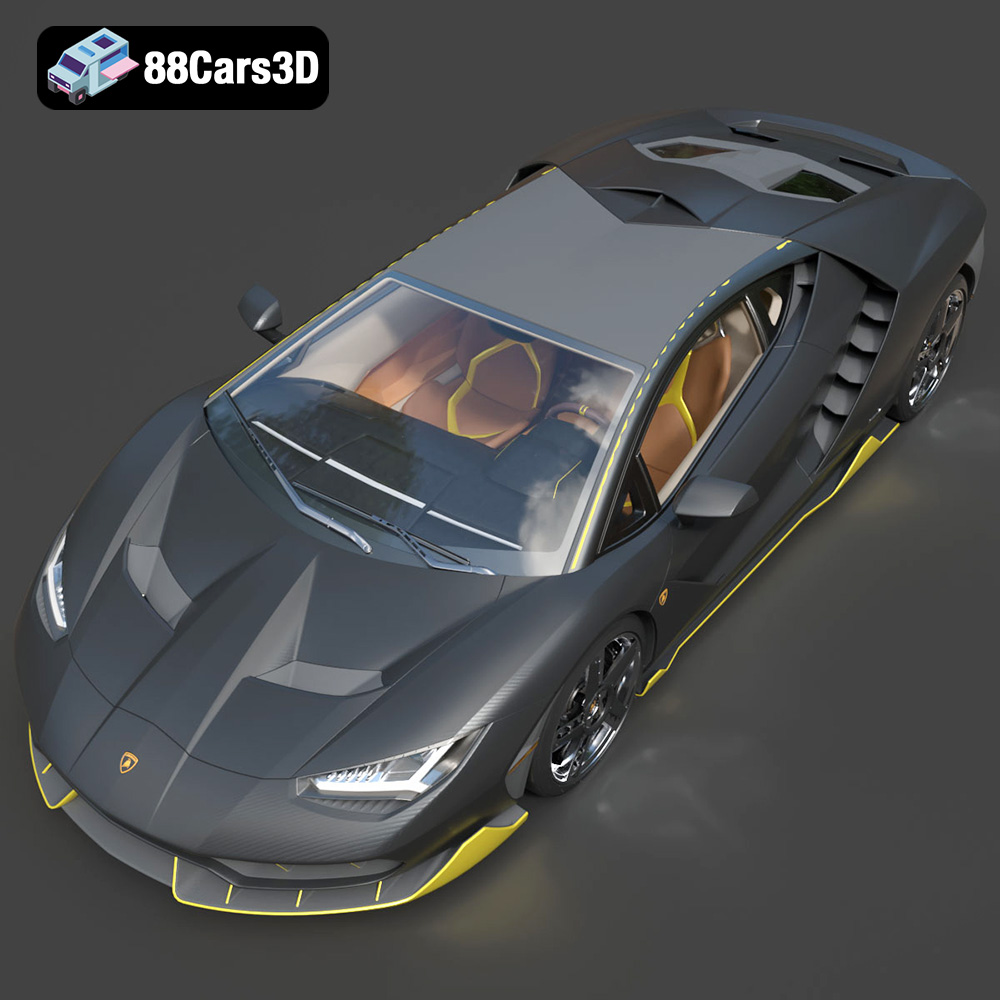
In the realm where automotive artistry meets digital innovation, hypercars transcend their physical limitations to become integral components of virtual experiences. The Lamborghini Centenario, a breathtaking tribute to Ferruccio Lamborghini’s centenary, stands as a testament to unparalleled engineering and audacious design. Its aggressive carbon fiber body, monumental rear diffuser, and iconic 6.5-liter V12 engine embody the pinnacle of Italian automotive prowess. Translating such a masterpiece into a digital asset requires meticulous attention to detail, optimization, and versatility.
This is precisely where a premium 3D model, such as the Lamborghini Centenario 3D Model available on 88cars3d.com, becomes an invaluable tool for professionals. Whether you’re an automotive visualization artist, a game developer crafting the next AAA racing title, an AR/VR innovator building immersive experiences, or a product designer preparing for 3D printing, the demand for high-fidelity, optimized 3D car models is constant. This article will delve into the technical intricacies and diverse applications of integrating a sophisticated 3D vehicle asset like the Centenario into various professional workflows, emphasizing the strategic choices in file formats and software ecosystems.
The choice of 3D model file format is a critical decision that dictates compatibility, functionality, and performance across different software platforms and application types. A high-quality asset like the Lamborghini Centenario 3D Model offers a comprehensive suite of formats, ensuring its utility across the entire spectrum of digital production. Understanding each format’s strengths and typical use cases is paramount for any professional.
The availability of such a diverse range of formats for the Lamborghini Centenario 3D Model from 88cars3d.com underscores its professional-grade versatility, ensuring that artists and developers can access the optimal version for their specific software and project needs.
Automotive rendering is a specialized field that demands an exquisite blend of artistic vision and technical prowess. High-fidelity 3D car models are the bedrock of creating visually stunning marketing materials, cinematic animations, and virtual showcases that capture the essence of luxury and performance. The Lamborghini Centenario 3D Model is engineered precisely for this purpose, offering the detail and optimization required for top-tier visualization.
Professionals utilizing Autodesk 3ds Max, often paired with industry-standard renderers like V-Ray or Corona, can leverage the .max file format of the Lamborghini Centenario for unparalleled control over their rendering pipeline. The model’s intricate geometry, accurate proportions, and detailed components – from the carbon-fiber body to the aggressive triple exhaust system – provide a robust foundation. Artists can set up sophisticated lighting rigs, replicate realistic studio environments, or place the hypercar in dynamic outdoor scenes. The separate wheels, suspension, and steering components facilitate complex animations, allowing for dynamic camera movements that highlight the vehicle’s active aero or suspension travel, creating breathtaking cinematic sequences for advertising or film.
The application of a high-quality 3D car model extends far beyond simple imagery. Automotive brands frequently use such assets for product launches, virtual showrooms, and configurators. Imagine a prospective buyer interacting with a virtual Lamborghini Centenario, changing its body color from exposed carbon fiber to gloss metallic factory paints, or adjusting material finishes from matte carbon to premium Alcantara, all in real-time. This level of interaction, powered by an accurate 3D model, not only enhances the customer experience but also provides powerful marketing tools. Visualization studios create compelling brand stories, dynamic lifestyle scenes, and engaging virtual tours, where the Centenario model serves as the hero asset, showcasing its striking silhouette and intricate details from every viewing angle.
Achieving photorealism is heavily reliant on an accurate Physically Based Rendering (PBR) material setup. The Lamborghini Centenario 3D Model provides a foundation for this, allowing artists to apply detailed PBR textures for various surfaces. The exposed carbon fiber, for instance, requires complex normal, roughness, and metallic maps to simulate its woven structure and light-scattering properties. The glossy factory paints demand precise clear-coat shaders and fall-off reflections. Interior elements like Alcantara-styled racing seats necessitate subtle fiber textures and soft specular responses, while the digital instrument cluster and central touchscreen require emissive materials for their illuminated displays. Attention to these material nuances is what transforms a good render into a truly believable one, capturing the luxury and precision of the Centenario.
The demand for immersive, real-time experiences is soaring, pushing the boundaries of performance and visual fidelity in game development, augmented reality (AR), and virtual reality (VR). For these applications, an optimized 3D car model is not just a luxury; it’s a necessity. The Lamborghini Centenario 3D Model is specifically designed as a game-ready asset, striking a delicate balance between visual realism and real-time performance.
Game developers working with Unreal Engine or Unity will find the .fbx and dedicated .unreal file formats of the Centenario model particularly advantageous. With approximately 200,000 triangles, the model is carefully tuned to maintain high-end visual realism without burdening the rendering pipeline, making it perfect for AAA racing titles, open-world driving games, and high-speed simulators. Proper pivot setups for steering, wheel rotation, and active aero components are crucial for realistic in-game physics and animations. Developers can integrate the model, set up collision meshes, and fine-tune its behavior for dynamic interactive environments, ensuring a seamless and responsive driving experience. The optimized topology means less time spent on manual decimation and more time on gameplay mechanics and environmental design.
AR and VR experiences thrive on optimized assets that load quickly and perform smoothly on diverse hardware, from high-end VR headsets to mobile AR devices. The .glb format of the Lamborghini Centenario 3D Model is specifically optimized for this. Imagine a luxury virtual showroom where clients can walk around the Centenario, open its doors, sit inside, and even start the engine – all within a fully immersive VR environment. Or consider a mobile AR application allowing users to place a life-sized Centenario in their driveway, examining its intricate details from every angle. The high-detail cockpit and interior features, including the accurate flat-bottom steering wheel and digital instrument cluster, are ideal for first-person POV in such applications, creating a truly engaging and interactive experience.
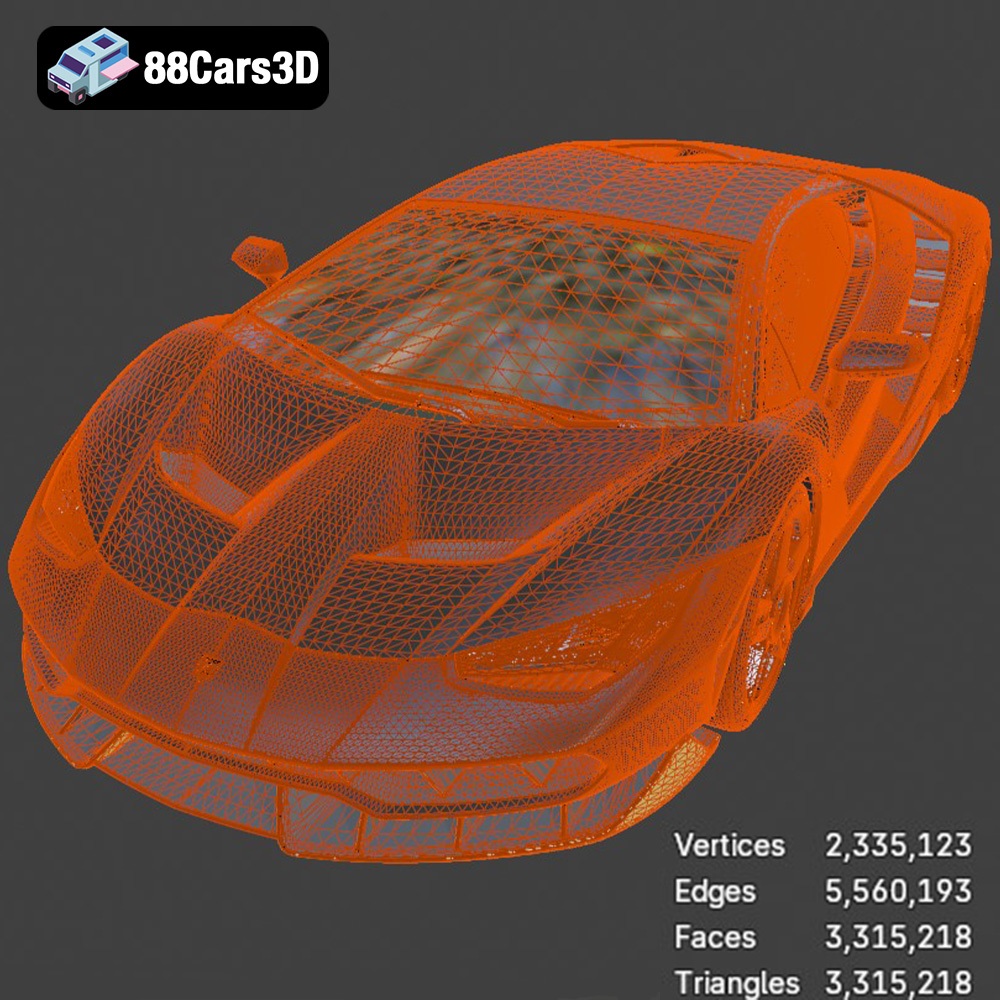
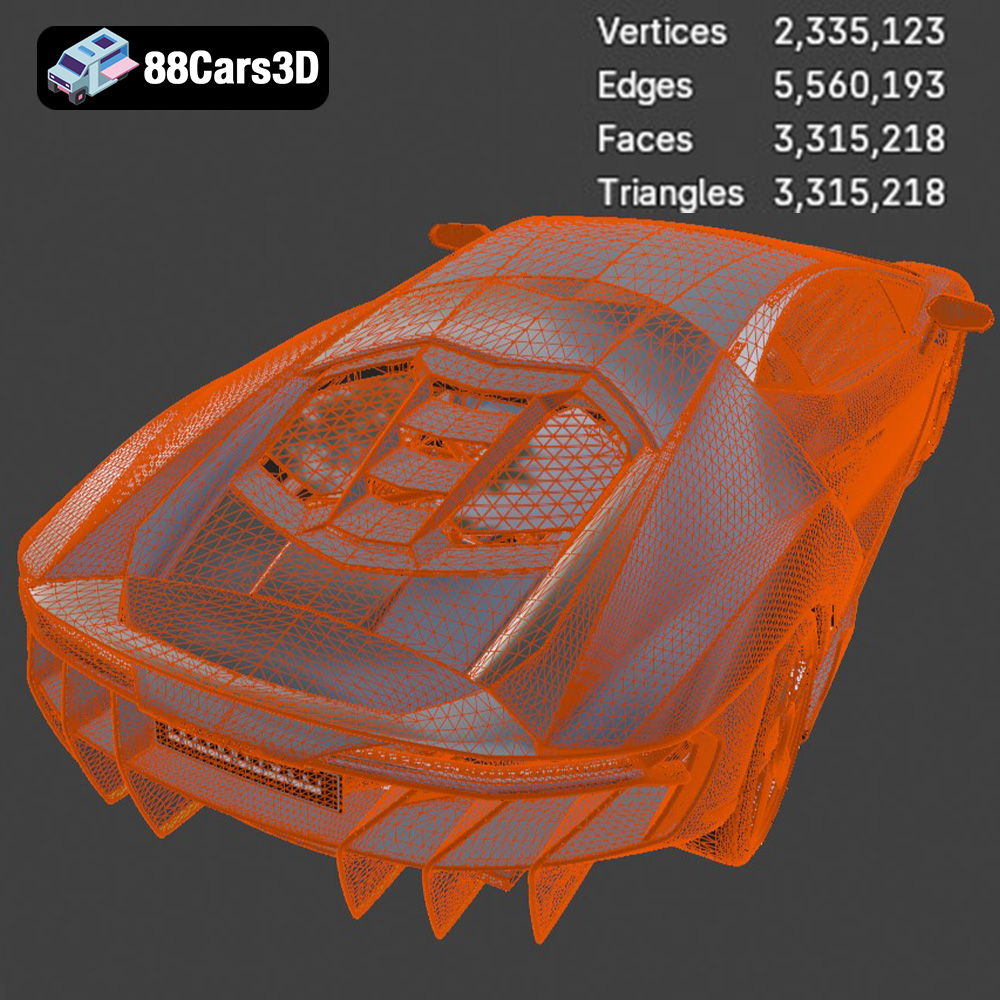
The “balanced triangle count” and “optimized topology” of the Lamborghini Centenario 3D Model are not just marketing buzzwords; they represent significant technical advantages. In real-time engines, every polygon contributes to rendering cost. An overly dense model can cripple frame rates, while an overly sparse one sacrifices detail. Achieving around 200,000 triangles for such a complex hypercar, while retaining “exceptional visual fidelity,” is a testament to skilled 3D modeling. This optimization means less CPU and GPU strain, allowing for more complex scenes, more detailed environments, and higher frame rates. Furthermore, the inclusion of separate, properly pivoted components for wheels, suspension, doors, and steering is essential for any dynamic vehicle simulation, providing the necessary hooks for physics engines and animation systems to accurately mimic real-world movement.
While digital visualization captures immense attention, the tangible output of 3D modeling remains a fascinating and valuable application. The ability to transform a digital model into a physical object opens doors for collectors, hobbyists, and even design prototyping. The Lamborghini Centenario 3D Model provides the necessary flexibility to cross this boundary, particularly through its .stl format.
For those looking to bring the Lamborghini Centenario into the physical world, the .stl file format is the gateway to 3D printing. This format represents the model as a watertight mesh of triangles, essential for successful slicing and printing. Professionals often convert or export models to .stl, ensuring that all surfaces are manifold (closed and without holes) to prevent printing errors. The .ply format can also be utilized for 3D printing, especially for workflows that require additional vertex data or specific industrial printers. The base model’s clean geometry simplifies the preparation process, requiring less time for mesh repair before sending it to a 3D printer.
3D printing a complex automotive model like the Centenario demands specific considerations to capture its intricate details. For optimal results, especially with its aggressive aerodynamic features, a resin printer is often recommended over filament-based FDM printers due to its ability to achieve finer layer heights (0.04–0.12 mm). Adhering to recommended wall thickness (1.2–2.0 mm) ensures structural integrity, while an infill of 20–30% provides a good balance between strength and material usage. Supports are almost always required for overhangs, particularly for delicate parts like the rear diffuser, mirrors, and exhaust system. Strategic print orientation, such as printing the frame angled and wheels separately, further enhances print quality and simplifies post-processing. After printing, meticulous sanding, priming, and applying authentic finishes – like exposed carbon or metallic factory paints – elevate a raw print into a stunning collectible replica.
For automotive enthusiasts and model collectors, the Lamborghini Centenario 3D Model offers an exciting opportunity to own a bespoke replica. The recommended scales (1:12, 1:18, 1:24) align with popular die-cast model sizes, allowing for seamless integration into existing collections. Beyond static display, hobbyists can use the printed components for custom dioramas, RC car bodies, or even as reference models for traditional sculpting. The accuracy of the digital model ensures that every curve, vent, and styling cue of the real Centenario is faithfully reproduced, making it a truly rewarding project for anyone passionate about hypercars and digital fabrication.
In a competitive digital landscape, efficiency and flexibility are paramount. Utilizing a pre-optimized, high-quality asset like the Lamborghini Centenario 3D Model from 88cars3d.com can dramatically streamline professional workflows, allowing artists and developers to focus on creativity and innovation rather than foundational modeling tasks.
One of the significant advantages of a professional-grade 3D model is its inherent customizability. The Lamborghini Centenario 3D Model provides extensive options for adaptation. Using the .blend or .max files, artists can easily change body colors, experimenting with various exposed carbon fiber patterns or gloss factory paints. Tire textures can be modified to represent track slicks versus street variants, adding versatility for different scene contexts. Material finishes can be adjusted from matte carbon to gloss metallic or fine-tuned Alcantara. Lighting environments can be adapted to suit specific moods, whether it’s a dramatic studio shot, a sun-drenched coastal drive, or a neon-lit urban night. This level of control empowers creators to tailor the Centenario to their exact vision, making it unique for each project.
Time is a valuable commodity in any production pipeline. Starting with a meticulously detailed and optimized 3D car model like the Lamborghini Centenario eliminates countless hours of modeling, unwrapping, and initial texturing. The asset’s “game-ready & optimized” ~200,000 triangle count, real-world scale accuracy, and proper pivot setups mean it’s ready for immediate deployment in real-time engines or high-end rendering projects. This significantly reduces lead times, allowing studios to take on more projects or allocate resources to other complex tasks, ultimately enhancing productivity and profitability. The cost of a premium asset like this is quickly recouped through saved development hours and the superior quality of the final output.
Modern production pipelines often involve multiple teams and disciplines working concurrently. A unified, versatile 3D asset facilitates seamless collaboration. A visualization team might use the .max file for cinematic renders, while a game development team integrates the .fbx or .unreal version into their engine. An AR/VR team could deploy the .glb for interactive experiences, and a marketing department might commission a 3D print from the .stl. The consistency of the base model ensures brand accuracy and visual coherence across all media, making the Lamborghini Centenario 3D Model a central hub for various creative endeavors. This robust framework for asset sharing minimizes discrepancies and maximizes efficiency throughout the entire project lifecycle.
The digital representation of a hypercar like the Lamborghini Centenario is more than just a model; it’s a versatile tool that bridges the gap between automotive passion and digital innovation. From the intricate details of its carbon fiber body to the optimized topology for real-time performance, the Lamborghini Centenario 3D Model offers unparalleled fidelity and flexibility for professionals across various industries. Whether destined for a photorealistic rendering, an immersive game environment, an interactive AR/VR experience, or a detailed 3D print, its comprehensive file format support ensures compatibility and ease of integration into virtually any workflow.
Investing in such a high-quality 3D car model from a trusted source like 88cars3d.com empowers creators to achieve their artistic and technical goals efficiently and effectively. It’s a foundational asset that not only meets the rigorous demands of professional production but also inspires new avenues for creativity and digital storytelling, making the dream of the Centenario accessible in countless virtual and tangible forms.
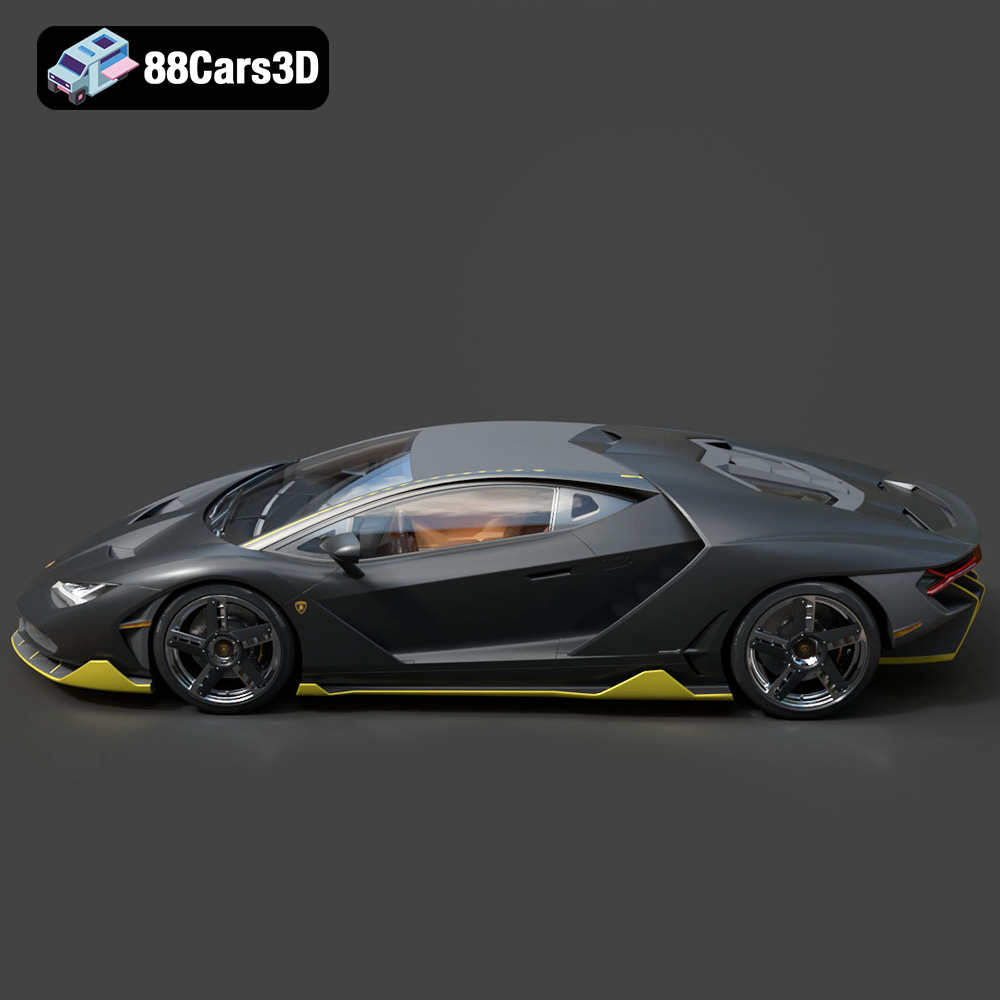
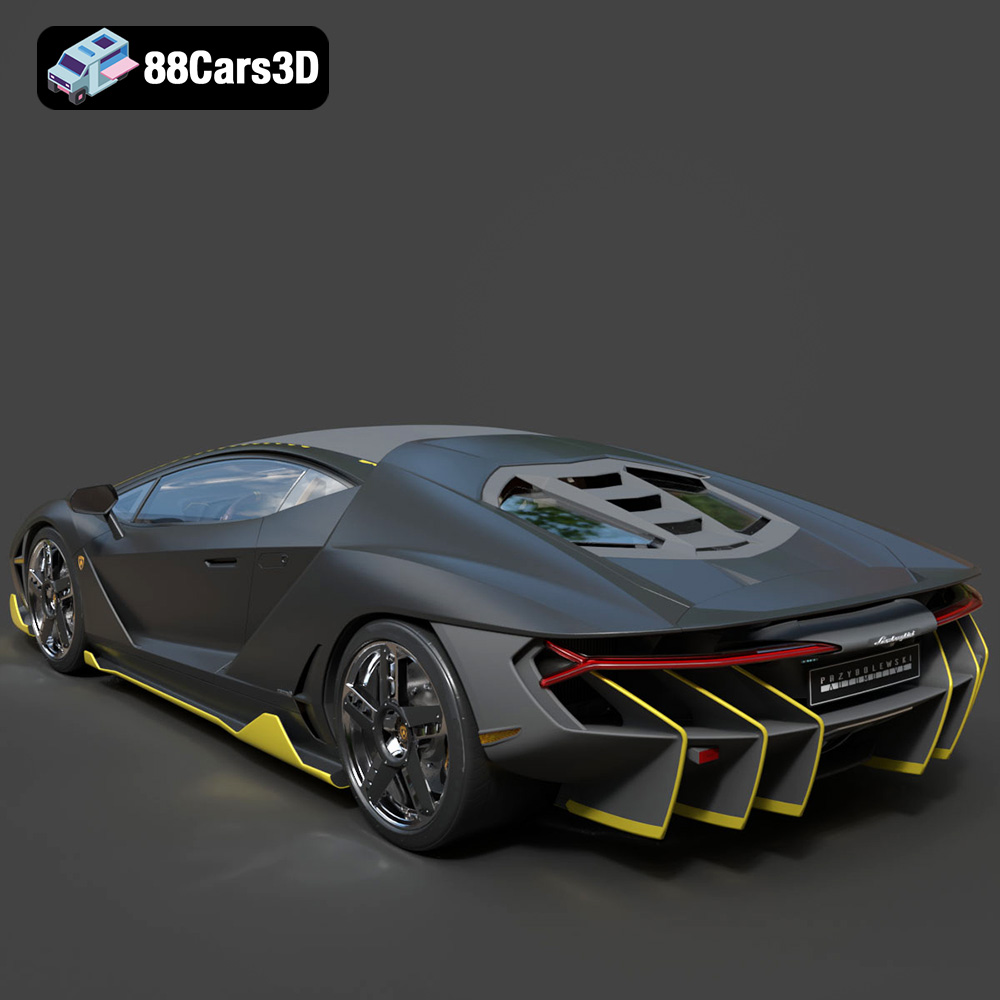
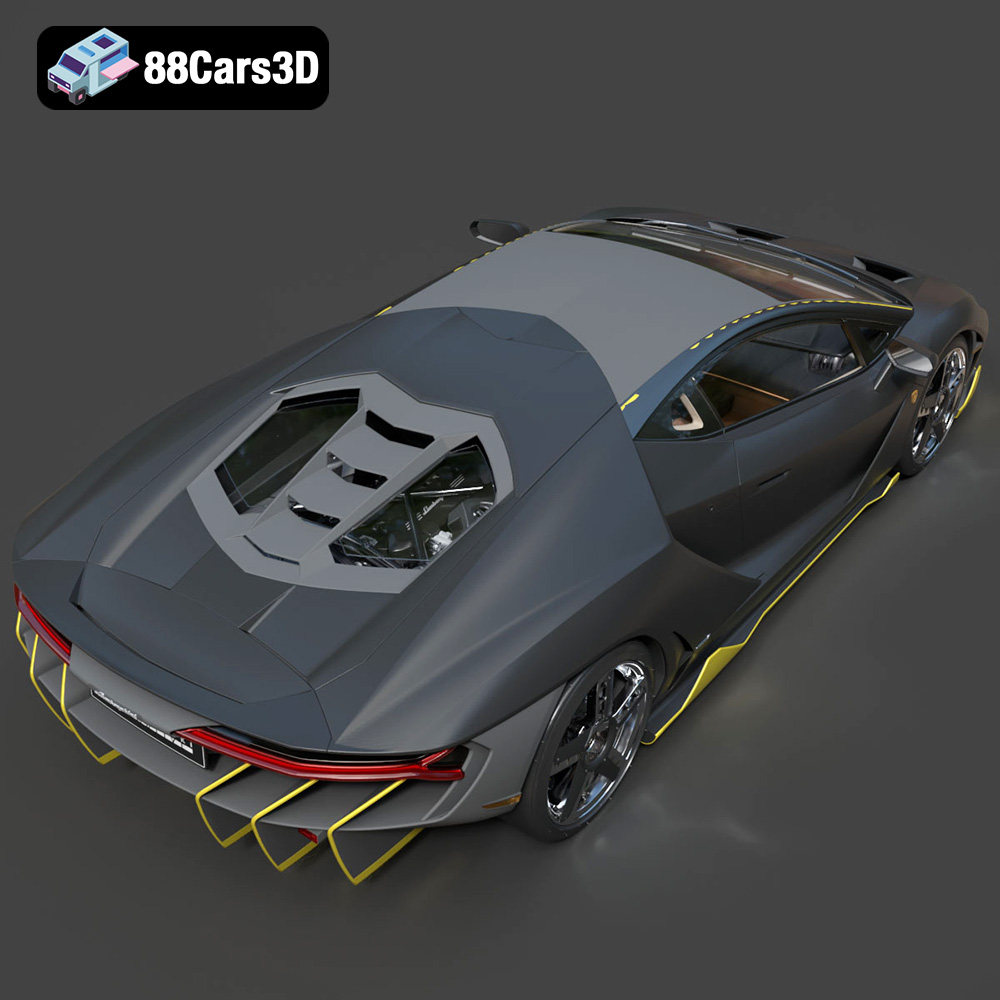
The Lamborghini Centenario is an ultra-exclusive hypercar masterpiece engineered to celebrate the 100th birthday of founder Ferruccio Lamborghini. Boasting a jaw-dropping, aerodynamically aggressive carbon fiber body, a monumental rear diffuser, and housing a naturally aspirated 6.5-liter V12 engine, this striking vehicle represents the pinnacle of Italian automotive design. Every angular surface, cooling duct, and sharp styling cue has been meticulously crafted to push the boundaries of track-focused performance and luxury. This premium 3D model delivers exceptional visual fidelity paired with highly optimized topology, ensuring seamless integration into real-time environments or cinematic sequences.
$19.99
.blend
.fbx
.glb
.hypercar
.lamborghini
.max
.obj
.ply
.rendering
.sports car
.stl
.supercar
.unreal
car-3d-model
centenario
game asset
game-ready
low-poly
optimized
VR/AR