Get 20% OFF All Premium 3D & STL Models!

In the vibrant world of 3D visualization, the demand for hyper-realistic and technically sound automotive assets has never been higher. From the sleek lines of a luxury car in a blockbuster game to a meticulously rendered vehicle showcasing new architectural developments, 3D car models are indispensable. These digital representations are more than just polygons; they are complex engineering marvels, designed to evoke emotion and communicate design intent with stunning clarity. Achieving this level of realism requires not only artistic vision but also a deep understanding of technical specifications, software workflows, and optimization strategies.
The journey from a designer’s sketch to a fully interactive digital car model is a testament to modern 3D artistry. Every curve, every reflection, and every material surface must be faithfully recreated. This process demands precision in modeling, texturing, and shading to ensure the final asset holds up under intense scrutiny, whether it’s for a static render or a dynamic real-time environment. The integration of automotive rendering techniques, such as physically based rendering (PBR) and advanced lighting setups, allows artists to mimic real-world physics, resulting in incredibly convincing digital automobiles.
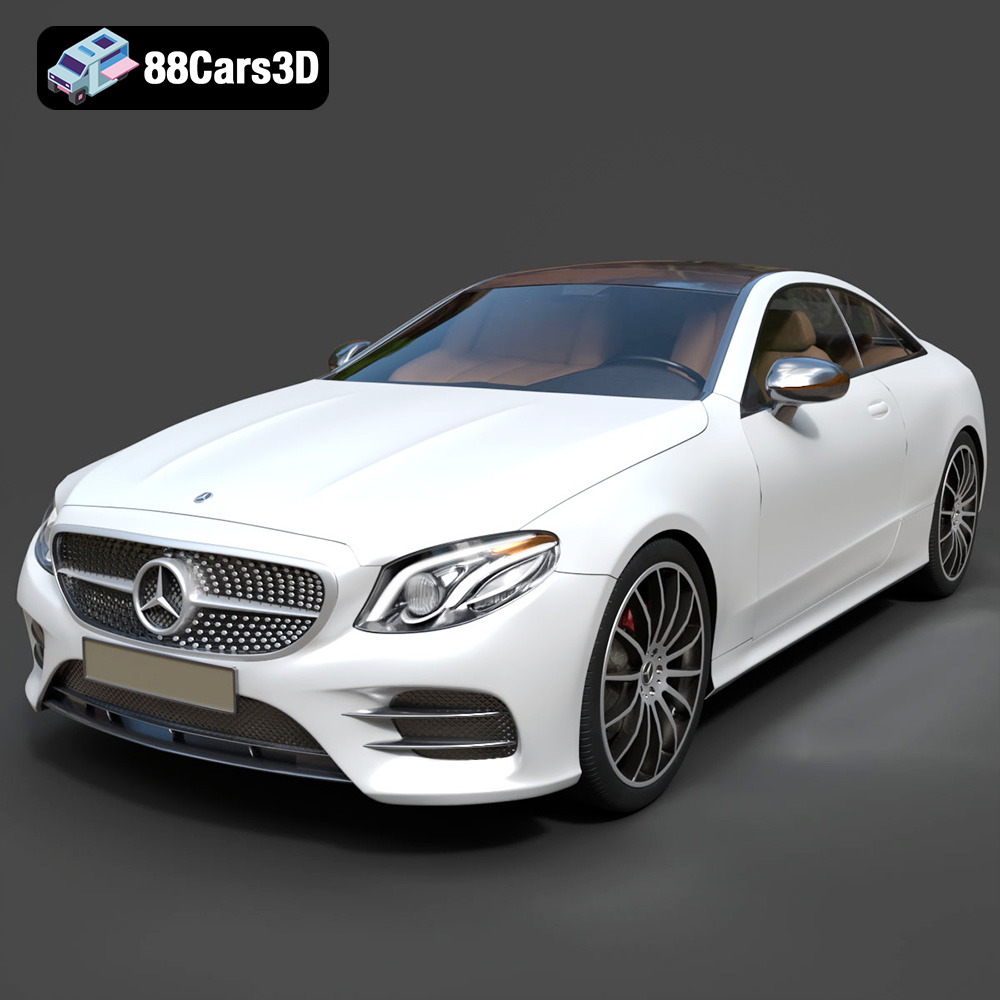
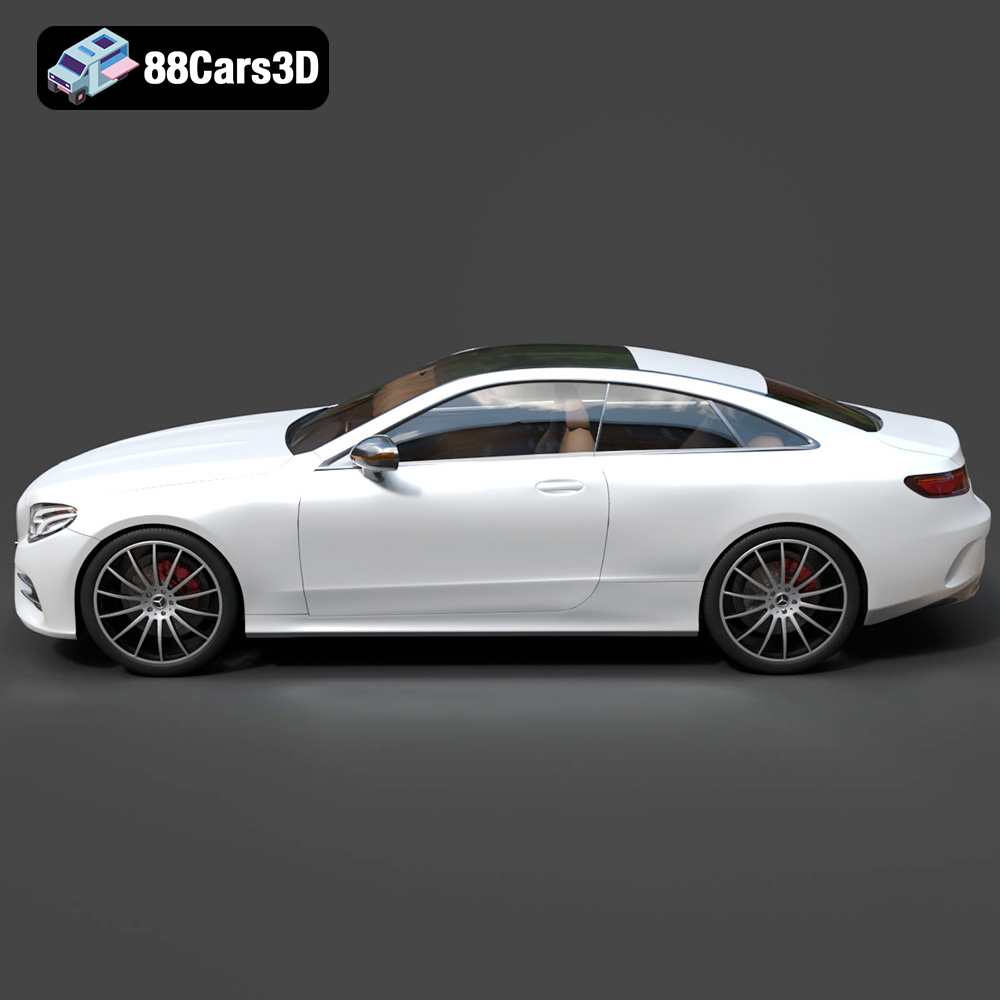
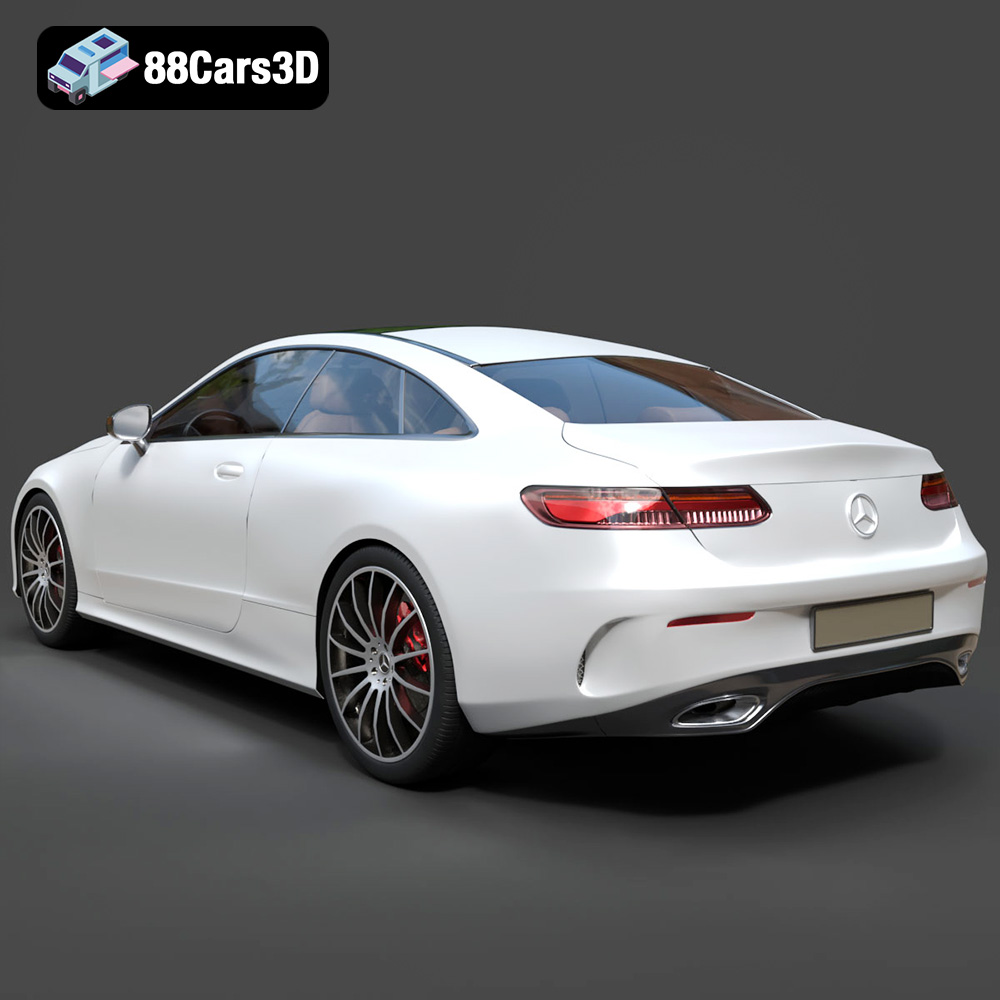
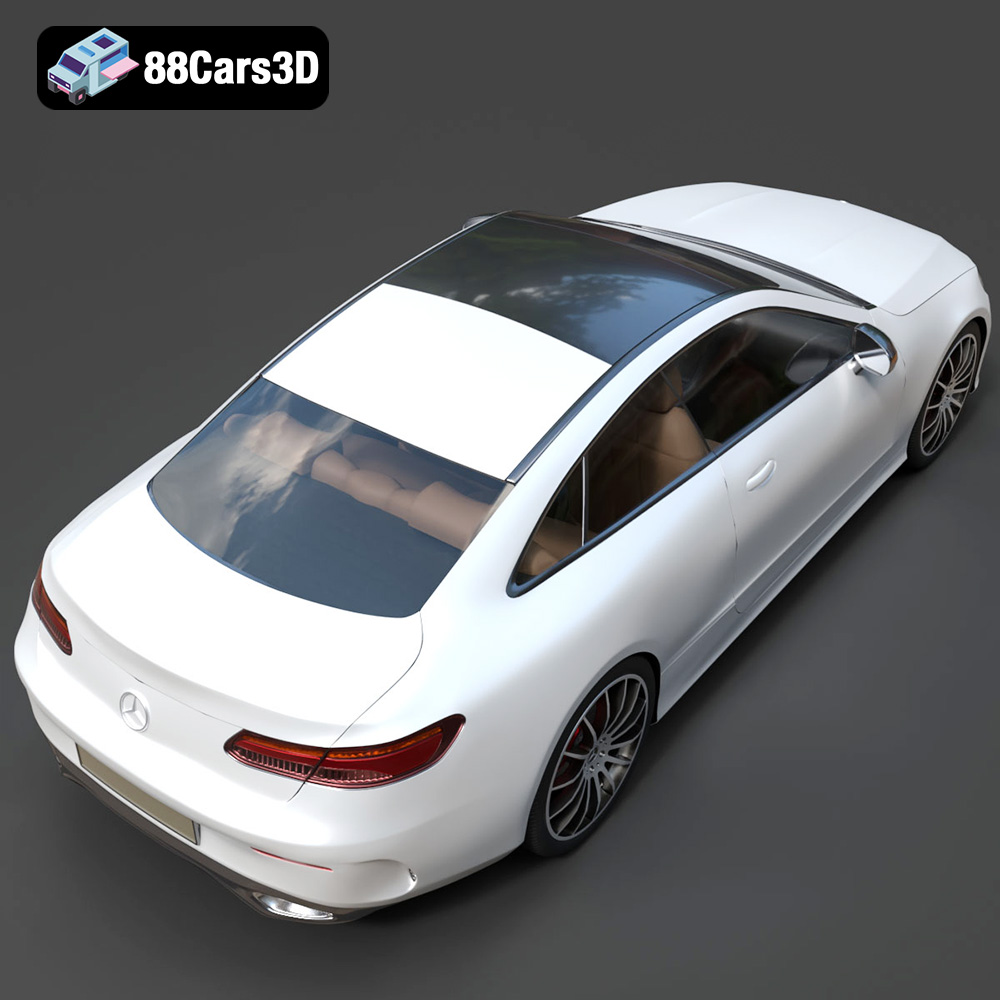
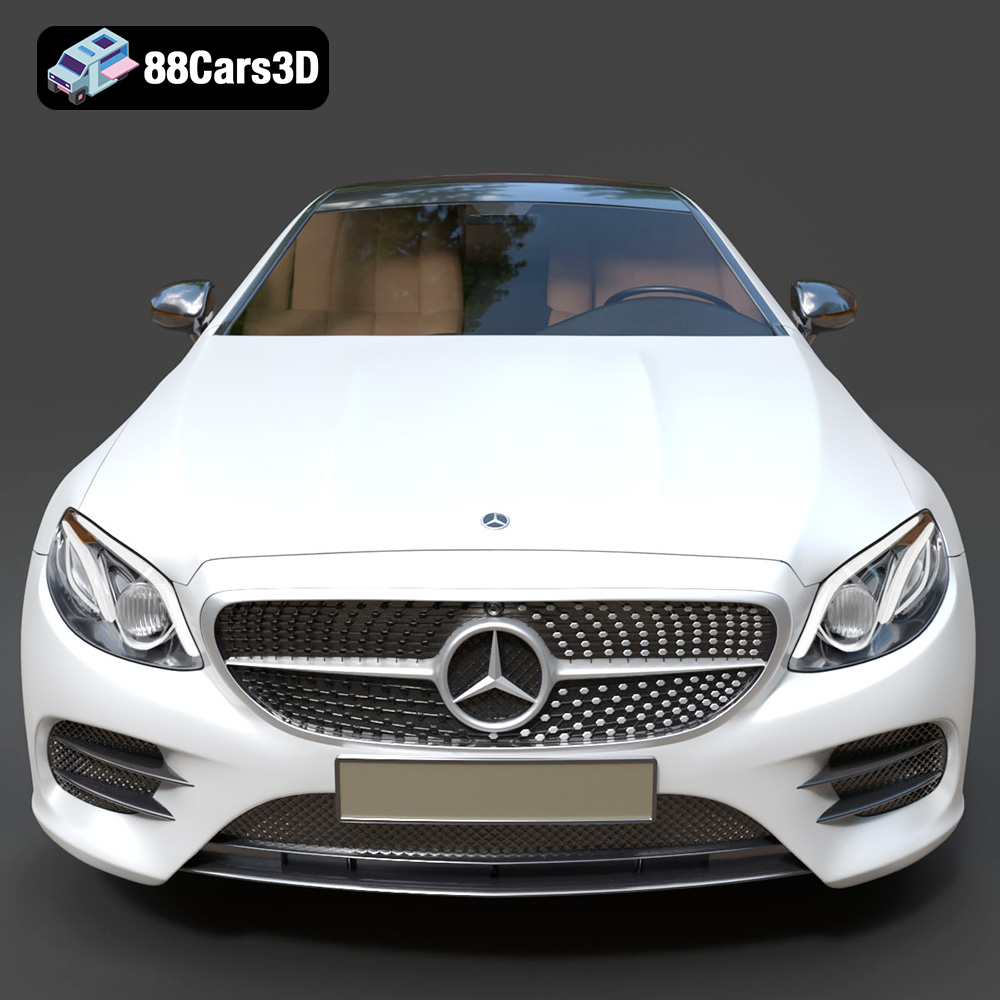
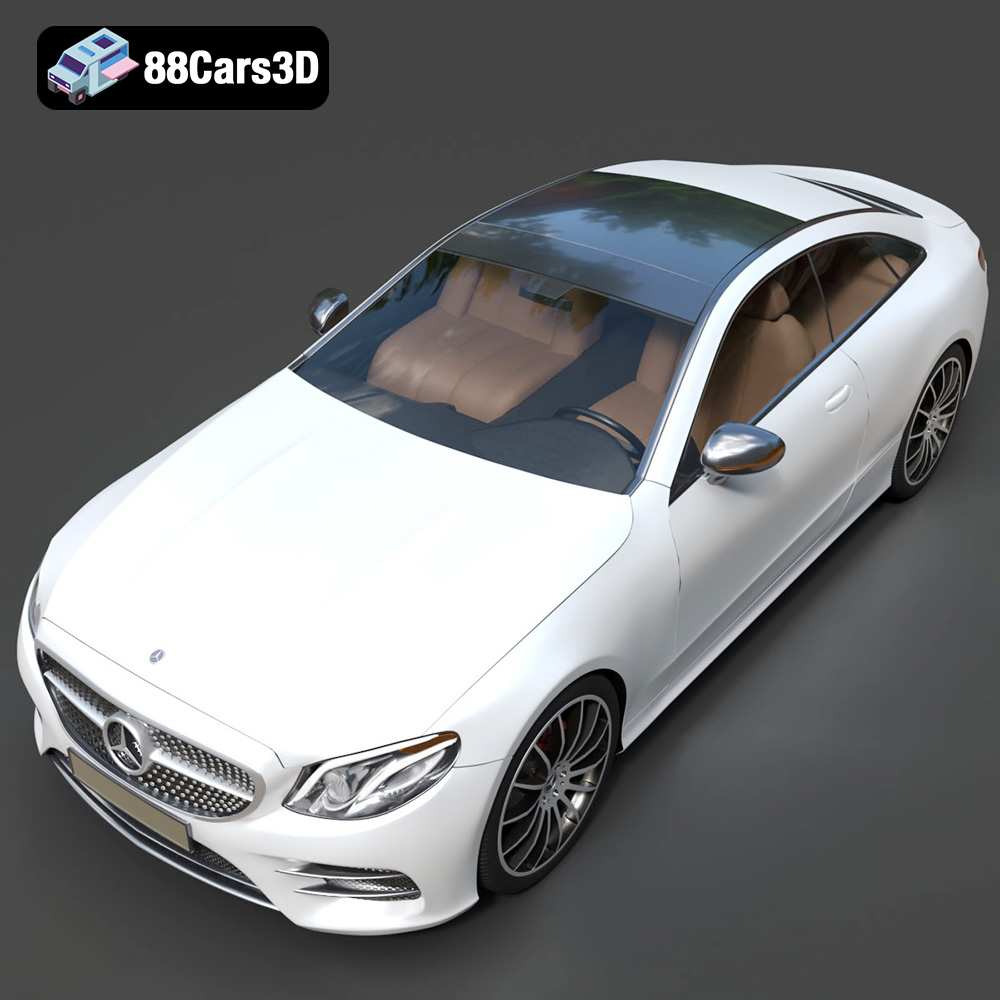
At the forefront of this digital revolution are meticulously crafted assets like the Mercedes-Benz E-Class Coupe C238 3D Model. This particular model stands as a prime example of how luxury and performance can be translated into the digital realm with exceptional fidelity. Representing a masterpiece of modern luxury and automotive design, the E-Class Coupe C238 blends athletic proportions with classic Grand Tourer elegance. The digital rendition, available for download, captures every distinctive styling cue, from the stardust-effect LED taillights to the diamond-block front grille and the sweeping roofline. It’s an asset designed not just to look good, but to perform flawlessly across a myriad of applications, from cinematic rendering to demanding game engines, embodying the very best in game assets creation.
One of the most crucial aspects of working with 3D car models, or any 3D asset for that matter, is understanding the various file formats available. Each format serves a specific purpose, offering different levels of compatibility, data retention, and optimization for particular workflows. Selecting the right format is paramount for seamless integration, efficient development, and optimal performance across diverse platforms.
Professional 3D artists and developers often need to move assets between different software packages or prepare them for specific end-use cases like automotive rendering, game development, or 3D printing. The ability of a premium asset, such as the Mercedes-Benz E-Class Coupe C238 3D Model, to be supplied in multiple formats is a significant advantage, ensuring maximum utility and flexibility. The included formats cater to a broad spectrum of requirements, making it a truly versatile asset for any creative pipeline.
Achieving photorealistic results in automotive rendering is a highly technical art form. It’s about more than just a good model; it’s about how light interacts with surfaces, how materials are defined, and how environments are constructed. The Mercedes-Benz E-Class Coupe C238 3D model from 88cars3d.com exemplifies this dedication to technical excellence, designed from the ground up to excel in demanding rendering pipelines.
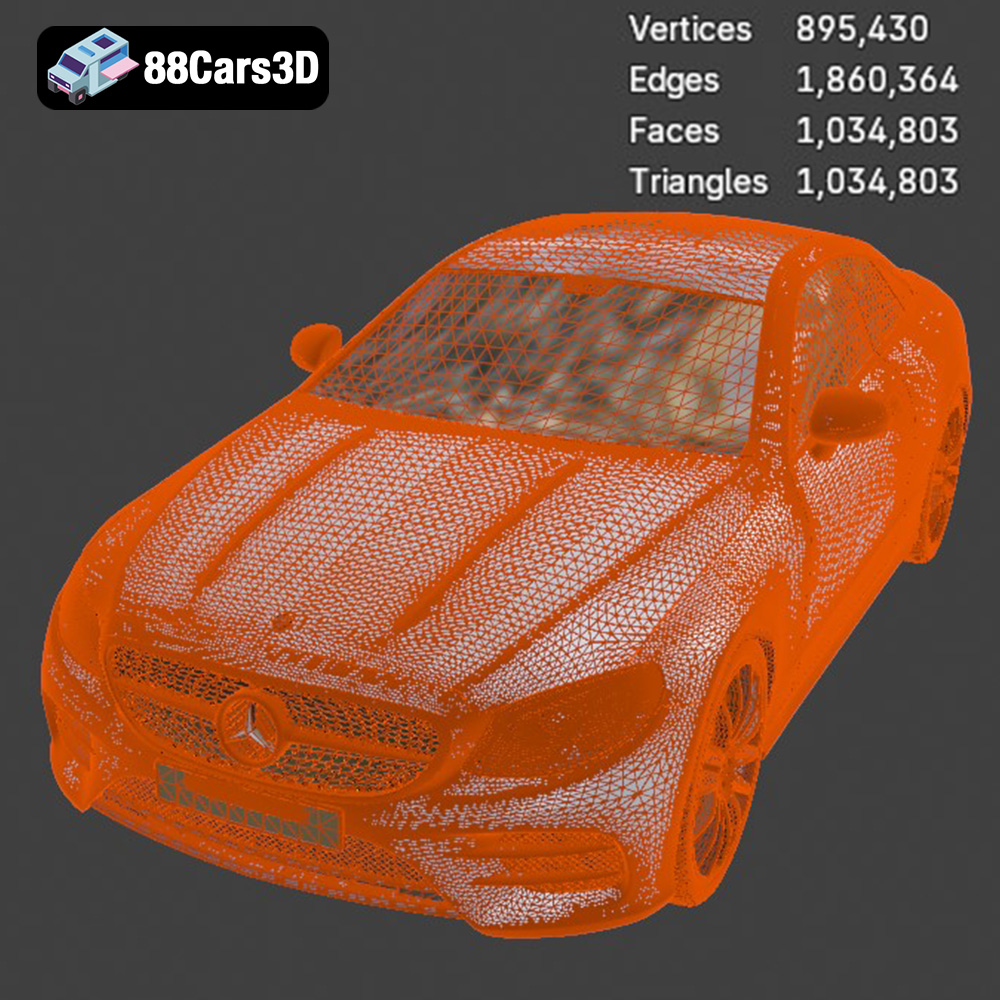
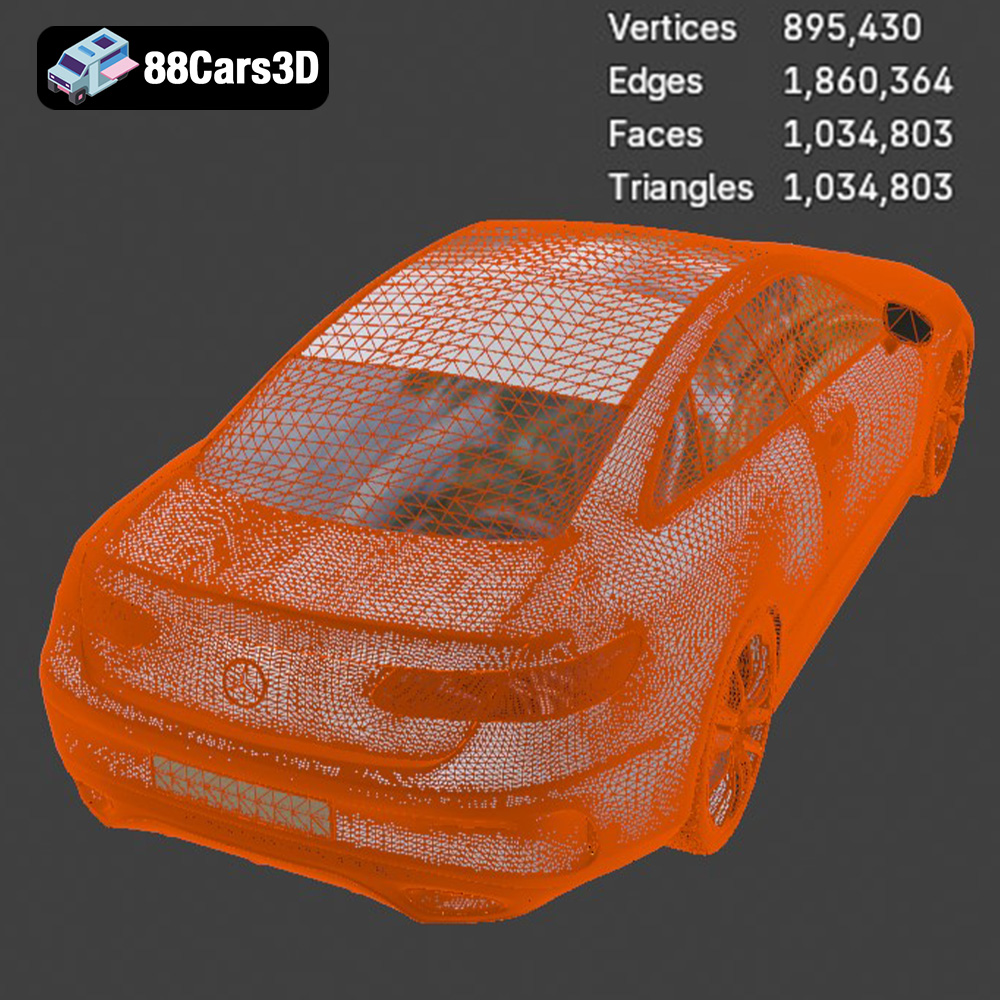
The core of any visually compelling 3D car model lies in its topology. The E-Class Coupe C238 model boasts optimized topology for flawless subdivision, which is crucial for achieving smooth reflections across its curved surfaces. Poor topology can lead to artifacts, pinching, or undesirable faceting, particularly noticeable on highly reflective automotive paint. By using clean quad-based geometry, the model ensures that subdivision modifiers (like Turbosmooth in 3ds Max or Subdivision Surface in Blender) can be applied without issue, producing a high-resolution mesh suitable for close-up renders while maintaining a manageable base polycount for easier manipulation.
Modern automotive rendering relies heavily on Physically Based Rendering (PBR) workflows. This involves creating materials with physically accurate properties such as albedo (base color), roughness, metallic, normal, and ambient occlusion maps. The Mercedes-Benz E-Class Coupe C238 3D model is built with these principles in mind, ensuring that its paint, glass, chrome, and interior materials react realistically to light. Advanced shading techniques are employed to replicate the intricate nuances of luxury car finishes, from the multi-layered depth of metallic paint to the subtle reflections of polished leather and the refractive qualities of the Multibeam LED headlights and stardust-effect taillights.
Even the most perfect 3D car model needs expert lighting to shine. High Dynamic Range Images (HDRIs) are commonly used to provide realistic environmental lighting and reflections, instantly placing the vehicle in a believable setting. Combined with targeted studio lights or area lights, these setups highlight the car’s design elements. For the E-Class Coupe C238, visualizing it in different environments – from a sun-drenched coastal road to a sleek urban garage – demonstrates its versatility. The model’s accurate real-world scale and proper material calibration ensure it integrates seamlessly into any scene, whether for a luxury brand campaign or an architectural visualization.
In the realm of video games, AR/VR experiences, and real-time simulators, performance is as critical as visual quality. Game assets must strike a delicate balance between polygon count, texture resolution, and efficient material setups. The Mercedes-Benz E-Class Coupe C238 3D model is engineered specifically to meet these rigorous demands, making it an ideal choice for developers looking for premium automotive content.
The Mercedes-Benz E-Class Coupe C238 3D model is described as “Game-Ready & Optimized” with a triangle count of approximately 250k-350k. This range represents a sweet spot for real-time engines like Unreal Engine and Unity. It’s high enough to maintain excellent visual realism and capture the intricate details of the exterior and interior, yet optimized enough to prevent significant performance bottlenecks, especially when multiple vehicles are present in a scene. This careful optimization ensures smooth frame rates and responsive interactions, a key factor for open-world games and racing titles.
Efficient UV mapping is essential for game assets. The C238 model features well-organized UVs, allowing textures to be applied accurately without stretching or distortion. For game development, texture atlasing (combining multiple textures into one larger image) can further enhance performance by reducing draw calls. While not explicitly detailed in the product description, a professional game-ready asset typically utilizes smart UV layouts to maximize texture space and facilitate performance-friendly material instancing within game engines.
A static car model has limited use in interactive environments. The E-Class Coupe C238 model addresses this by having separate wheels, suspension, and steering components, along with a proper pivot setup for steering, wheel rotation, and suspension travel. This allows for realistic animation and physics simulations within game engines. Developers can easily rig the vehicle for dynamic driving mechanics, enabling players to experience a truly immersive driving simulation. The optimized interior geometry also supports first-person POV in gaming, making it perfect for detailed cockpit views and immersive experiences.
The utility of high-quality 3D car models extends far beyond traditional screen-based rendering and gaming. With advancements in additive manufacturing and immersive technologies, these digital assets are becoming vital for physical prototyping, interactive showrooms, and personalized digital experiences. The Mercedes-Benz E-Class Coupe C238 3D model is versatile enough to serve these cutting-edge applications.
For designers, engineers, and hobbyists, the ability to transition from a digital model to a tangible object is invaluable. The Mercedes-Benz E-Class Coupe C238 3D model is convertible to .stl format, making it directly suitable for 3D printing. The provided print settings (recommended scales like 1:12, 1:18, 1:24, layer height, infill, and support requirements) are critical guidelines that ensure a successful physical output. Resin printing is specifically recommended for its ability to capture fine details, crucial for replicating the intricate grille, detailed brake calipers, and precise interior elements of a luxury vehicle. This capability allows for the creation of display-scale models, prototypes, or even custom parts for enthusiasts.
Augmented Reality (AR) and Virtual Reality (VR) are revolutionizing how consumers interact with products, especially in the automotive sector. Imagine exploring the Mercedes-Benz E-Class Coupe C238 in a virtual showroom, customizing its colors and finishes in real-time, or even placing a life-sized digital version in your driveway using AR. The .glb file format included with the model is optimized precisely for these scenarios, offering efficient loading and display in AR/VR applications and web browsers. This makes the E-Class Coupe C238 model perfect for immersive virtual configurators, marketing campaigns, and interactive educational tools.
A key advantage of working with professional 3D car models is the inherent flexibility for customization. The E-Class Coupe C238 model offers various customization options: easily changing body colors to authentic factory shades or custom finishes, modifying tire textures (e.g., track vs. street variants), adjusting material finishes (matte, gloss, metallic), and adapting lighting for different environments. This flexibility allows artists and developers to iterate quickly, create numerous variations from a single base model, and tailor the asset to specific project requirements without starting from scratch.
For creative professionals across various industries, the seamless integration of high-quality 3D car models into established workflows is paramount. Whether it’s for cinematic advertising, architectural visualization, or groundbreaking game development, the efficiency and fidelity of the assets can significantly impact project timelines and final output quality. The Mercedes-Benz E-Class Coupe C238 3D model is designed to slot effortlessly into these professional pipelines, offering robust compatibility and detailed construction.
In studios utilizing Autodesk 3ds Max or Blender, the provided native .max and .blend files are game-changers. Artists can leverage the full power of their preferred software, accessing the original mesh data, material setups, and scene organization. This enables them to refine materials, set up advanced lighting scenarios, add environmental details, and render stunning photorealistic images or animations. For instance, a visualization artist could import the Mercedes-Benz E-Class Coupe C238 into 3ds Max, place it within a meticulously crafted architectural scene, and render it with V-Ray or Corona Renderer, showcasing the vehicle in a luxury setting with impeccable detail. The model’s real-world scale accuracy and proper pivot setups facilitate easy positioning and animation for turntable renders or dynamic sequences.
For interactive experiences, the .fbx format and the dedicated “unreal” variant of the Mercedes-Benz E-Class Coupe C238 3D model streamline deployment into game engines. Developers can import the optimized geometry and PBR materials directly into Unreal Engine or Unity. The game-ready topology and appropriate triangle count ensure optimal performance. In Unreal Engine, for example, artists can further refine materials using advanced nodes, set up car physics, implement collision detection, and integrate the vehicle into a playable level or a virtual configurator. The separation of wheels, suspension, and steering components allows for complex vehicle blueprints and dynamic controls, making it a powerful game asset for racing simulators or open-world games.
Consider an architectural firm tasked with visualizing a high-end residential complex featuring a sleek, modern garage. To truly sell the luxury lifestyle, including a premium vehicle is essential. By integrating the Mercedes-Benz E-Class Coupe C238 3D model into the architectural visualization, the firm can instantly elevate the scene. Its detailed exterior, accurate proportions, and refined materials would perfectly complement the modern aesthetic of the building. The ability to quickly change body colors or adjust material finishes allows the firm to present various options to clients, demonstrating how different vehicles might look in the space. The model’s high visual fidelity, even when viewed up close, ensures that it holds its own alongside detailed architectural elements, enhancing the overall realism and aspirational quality of the render. This demonstrates how a high-quality 3D car model can become a crucial element in diverse professional contexts.
The journey through the intricate world of 3D car models reveals a landscape where artistry meets technical precision. From the initial modeling and topology optimization to the selection of appropriate file formats for rendering, gaming, or 3D printing, every step is critical. Assets like the Mercedes-Benz E-Class Coupe C238 3D model embody this comprehensive approach, delivering not just a visually stunning representation but also a versatile and technically robust tool for professionals.
As technology continues to advance, the boundaries between the physical and digital realms blur. High-quality automotive rendering and game assets will increasingly drive innovation in product design, marketing, and interactive entertainment. The demand for models that are both exquisitely detailed and highly optimized will only grow, making platforms that offer such assets invaluable resources for creators worldwide.
For those seeking to elevate their projects with meticulously crafted vehicles, exploring premium assets is a must. The Mercedes-Benz E-Class Coupe C238 3D model is just one example of the caliber of models available, perfectly suited for high-end virtual showrooms, realistic driving simulators, architectural visualizations, and luxury brand promotional renders. By providing a broad array of optimized file formats, 88cars3d.com ensures that artists and developers have the tools they need to bring their visions to life with unparalleled realism and efficiency. Whether you’re working on a cinematic render, a cutting-edge game, or an immersive AR/VR experience, investing in top-tier 3D car models from 88cars3d.com can significantly accelerate your creative process and enhance the quality of your final output.
The Mercedes-Benz E-Class Coupe C238 is a masterpiece of modern luxury and automotive design, blending athletic proportions with classic Grand Tourer elegance. This premium 3D model is meticulously crafted for exceptional visual fidelity and game-ready topology, perfect for high-end virtual showrooms, realistic driving simulators, and immersive digital experiences. It boasts detailed exterior and interior features, optimized geometry, and includes various file formats for broad compatibility.
$19.99
.blend
.fbx
.glb
.max
.obj
.ply
.rendering
.sports car
.stl
.unreal
car-3d-model
e-class-coupe-c238
game asset
game-ready
low-poly
luxury-coupe
mercedes-benz
optimized
VR/AR