Get 20% OFF All Premium 3D & STL Models!

In the dynamic world of digital visualization, automotive design stands as a pinnacle of technical artistry. From crafting breathtaking cinematic renders to developing hyper-realistic racing simulations, the demand for exceptionally detailed and optimized 3D car models is ever-growing. Professionals across game development, architectural visualization, AR/VR experiences, and product marketing rely on precision-engineered digital assets to bring their visions to life. The foundation of any successful project often begins with a meticulously crafted model that balances aesthetic fidelity with technical efficiency.
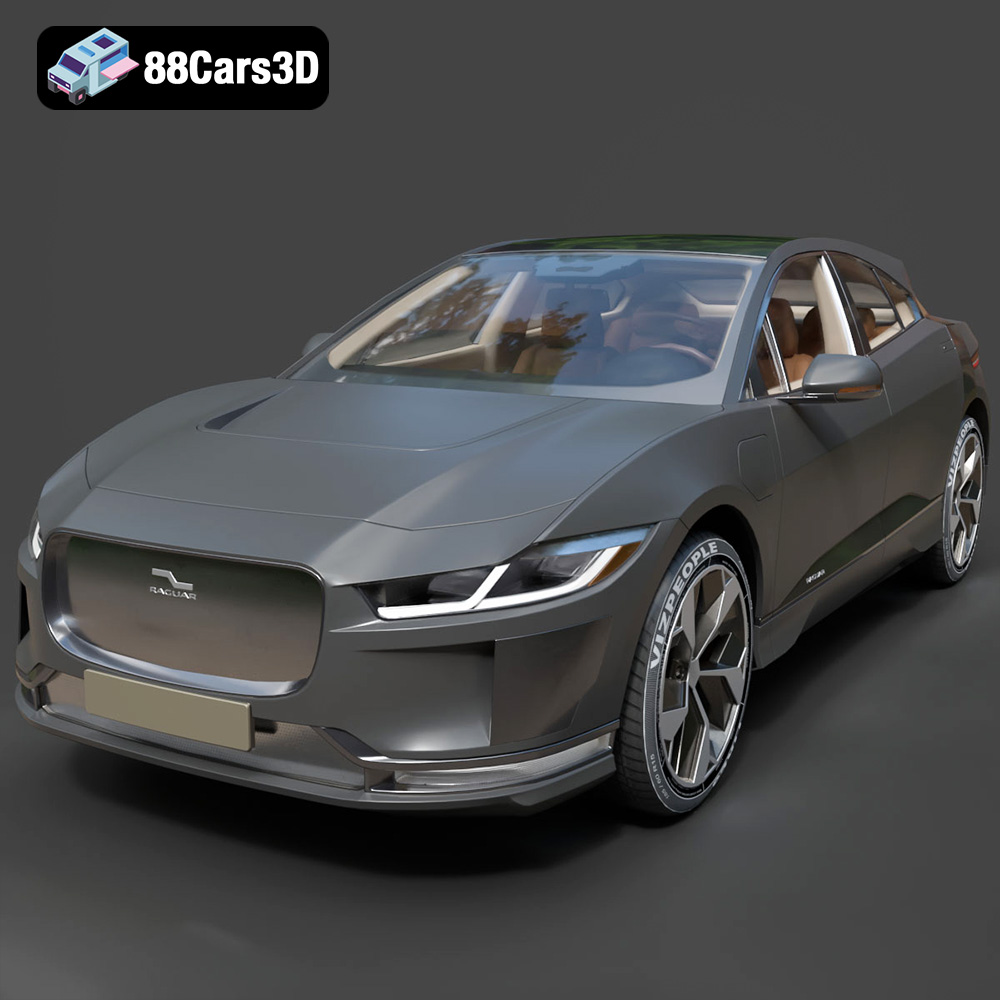
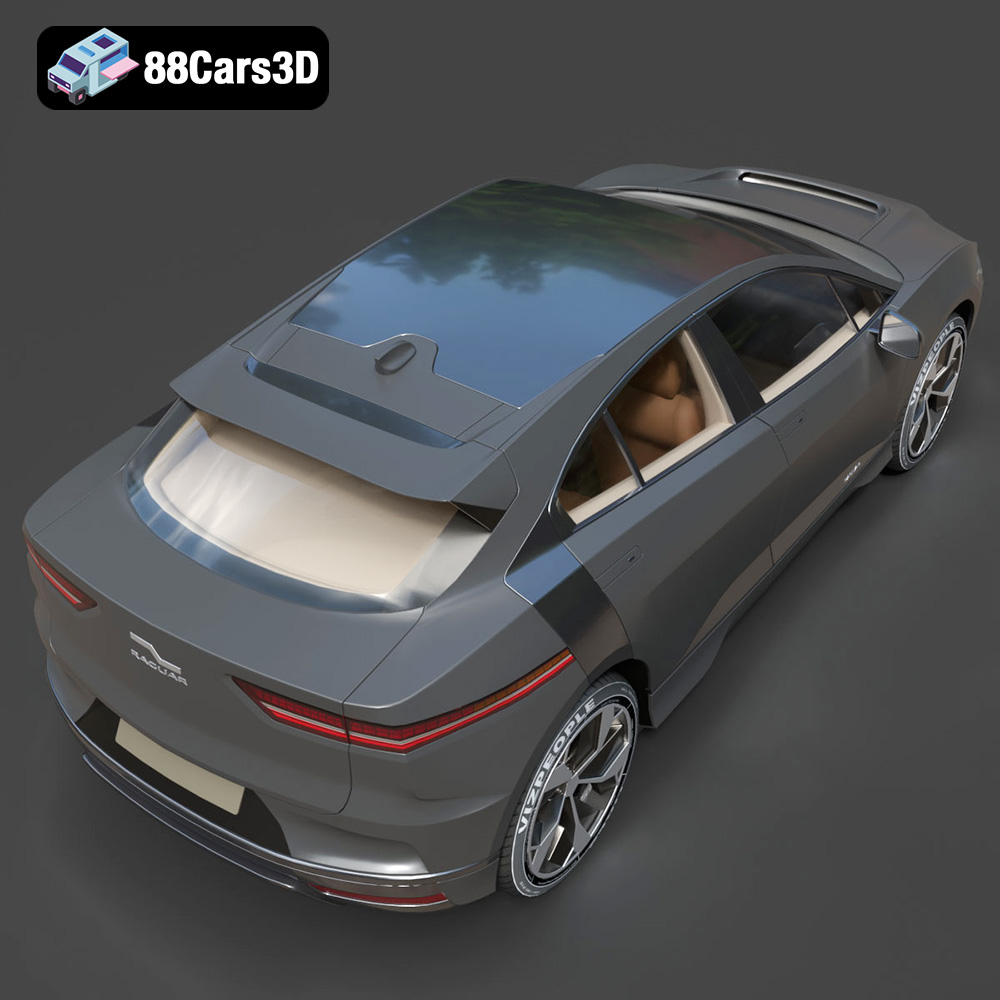
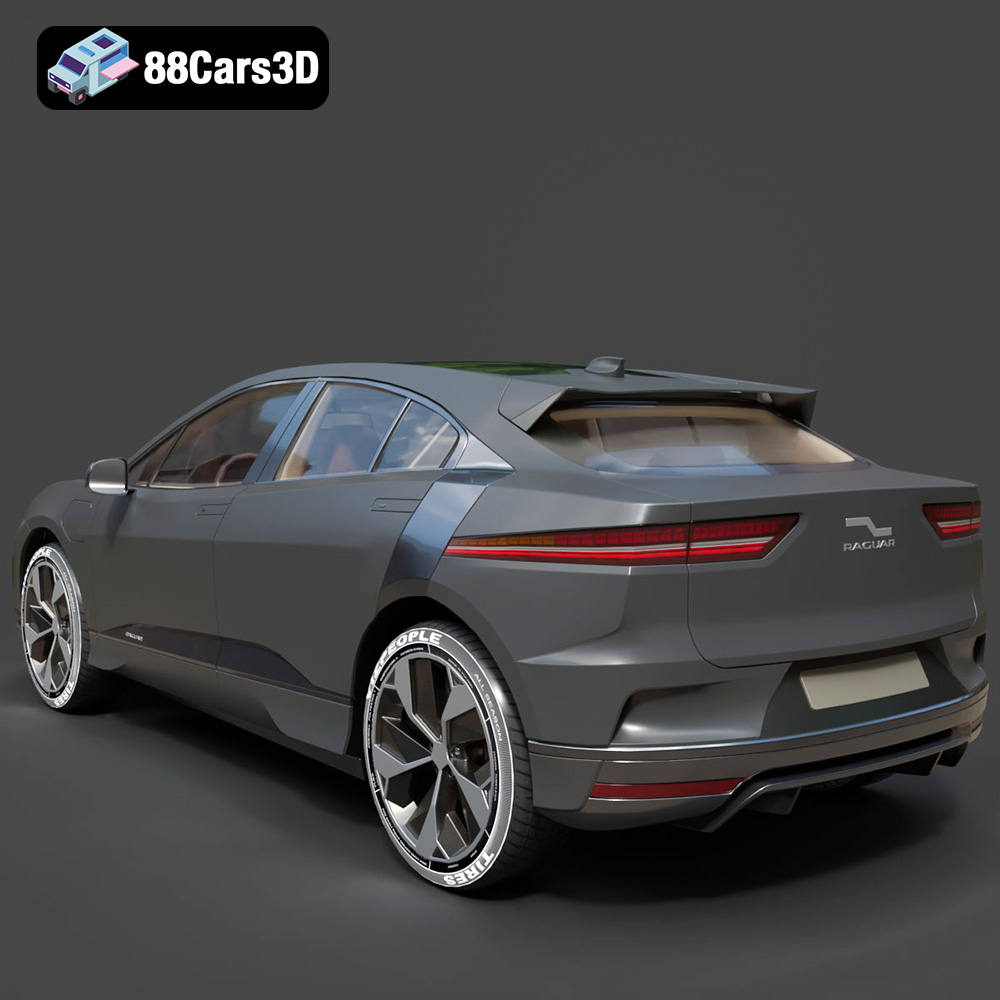
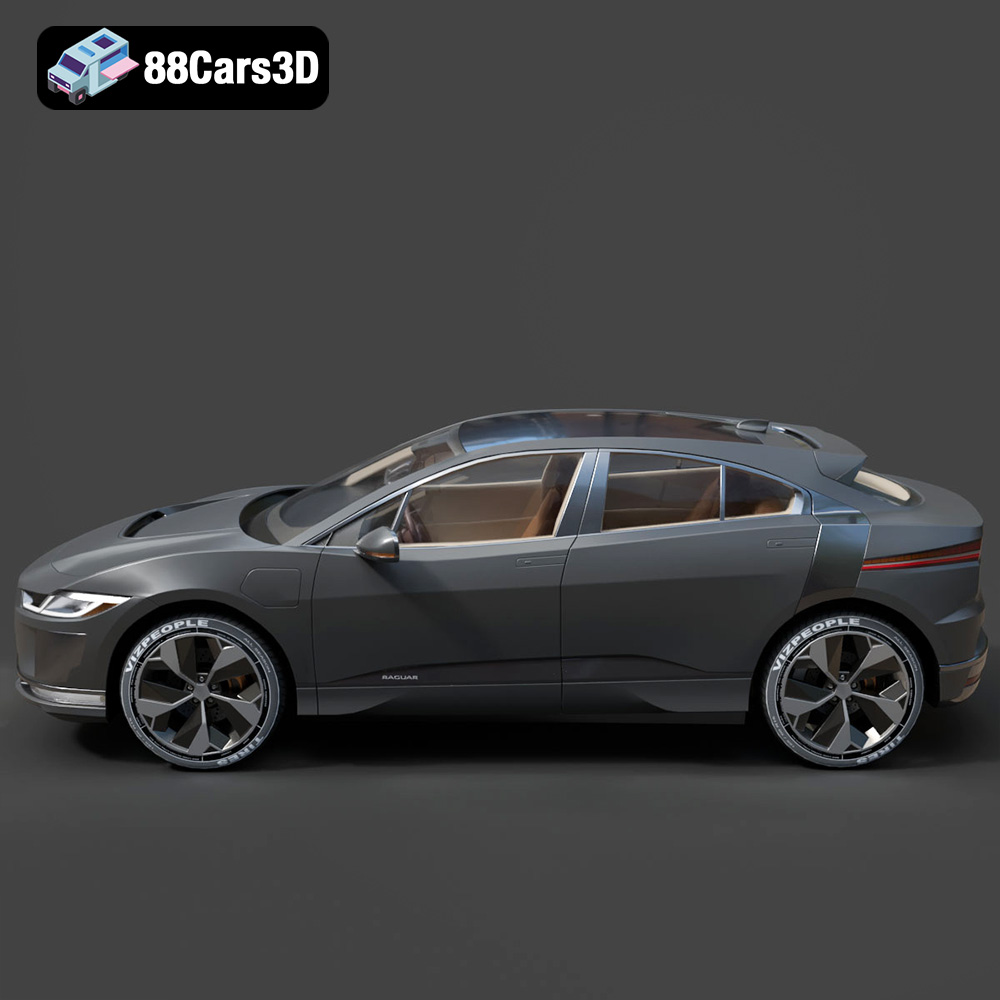
This is where assets like the Raguar 08 3D Model truly shine. Representing a masterful blend of aggressive aerodynamics and luxurious styling, the Raguar 08 is more than just a sports car; it’s a testament to modern automotive design philosophy. Its stunning low-slung profile, sculpted body lines, and high-performance inspired powertrain make it an immediate standout. Whether you’re an indie developer building the next big racing title or a seasoned rendering artist aiming for photorealism, understanding the nuances of such a high-quality asset and its integration into various pipelines is crucial. This article will delve into the technical depths of 3D car models, explore critical file formats, and illustrate how a premium asset like the Raguar 08 from 88cars3d.com can elevate your professional projects.
The versatility of a 3D model is often defined by the range and quality of its supported file formats. Each format serves a specific purpose, excelling in certain applications while potentially falling short in others. For a comprehensive asset like the Raguar 08, which is available in a multitude of formats, understanding these distinctions is key to maximizing its utility.
The .blend file format is native to Blender, the popular open-source 3D creation suite. When you acquire a .blend file, you’re getting a fully editable Blender scene, complete with all its associated data: meshes, materials, textures, lighting setups, cameras, animation data, and even modifiers. This format is ideal for users deeply integrated into the Blender ecosystem, offering the most flexibility for customization, rigging, animation, and further development within Blender itself. For the Raguar 08, a .blend file means access to the original scene setup, allowing artists to dissect and learn from its optimized topology and material configurations, or to freely adapt it for complex animations or custom renders.
.fbx (Filmbox) is a proprietary file format developed by Autodesk, and it has become a de facto industry standard for 3D data exchange, particularly between different software applications and game engines. It supports geometry, materials, textures, skeletal animation, blend shapes, and more. This makes it an excellent choice for transferring the Raguar 08 into real-time pipelines like Unreal Engine and Unity, or into other DCC (Digital Content Creation) tools like 3ds Max or Maya. Its robust support for animation data ensures that components like separate wheels, suspension, and steering, which are modeled for animation in the Raguar 08, transfer seamlessly, preserving their pivot points and hierarchies.
The .obj (Wavefront Object) format is one of the oldest and most widely supported 3D file formats. It’s a universal format known for its excellent compatibility across virtually all 3D software. While .obj files primarily store geometry (vertices, normals, UV coordinates, and faces), they can also reference external .mtl (material) files for basic material properties. For the Raguar 08, the .obj format serves as a highly reliable fallback for cross-software compatibility, ensuring that the core mesh data can be imported into almost any application, even if advanced material setups need to be re-created manually.
.glb (GL Transmission Format Binary) is the binary version of glTF, an open-standard, royalty-free specification for 3D scenes and models. Designed specifically for efficient transmission and loading of 3D content, it is highly optimized for AR (Augmented Reality), VR (Virtual Reality), and browser-based display. A .glb file typically packs all necessary data (geometry, textures, animations) into a single compact file. This format is crucial for showcasing the Raguar 08 in interactive virtual showrooms, mobile AR experiences, or on websites where fast loading and real-time rendering are paramount, making it perfect for immersive brand campaigns.
.stl (Stereolithography) is the most common file format used for 3D printing. It represents a 3D model as a series of connected triangles, defining only the surface geometry of an object without color, texture, or other CAD attributes. For hobbyists or professionals looking to create physical prototypes or display models of the Raguar 08, the .stl format is indispensable. The product description for the Raguar 08 specifically mentions its suitability for 3D printing, with recommended scales and print settings, highlighting the model’s adaptability beyond digital screens.
.ply (Polygon File Format, or Stanford Triangle Format) is another format used for representing 3D scanned data and meshes, often including color information per vertex. It is widely used in scientific, engineering, and CAD applications for precision mesh data. While less common for general-purpose 3D models compared to .fbx or .obj, its inclusion for the Raguar 08 underscores the model’s high geometric integrity and potential use in more specialized analytical or visualization contexts where exact surface representation is critical.
The inclusion of an .unreal file (or an Unreal Engine-ready asset package) signifies that the Raguar 08 has been specifically prepared and optimized for direct import and use within Unreal Engine. This often means the asset comes with pre-configured materials, textures, collision meshes, LODs (Levels of Detail), and possibly even Blueprints for immediate integration into an Unreal project. This is a massive time-saver for game developers and real-time visualization artists, allowing them to drop the Raguar 08 into their scene with minimal setup, instantly benefiting from its game-ready optimization and visual fidelity.
Finally, the .max file format is native to Autodesk 3ds Max, a leading 3D modeling, animation, rendering, and visualization software. Like .blend, a .max file provides the complete scene, including complex material setups, lighting rigs, cameras, and animation data specific to 3ds Max workflows. For artists whose primary DCC tool is 3ds Max, this format offers the highest degree of editability and ensures that all intricate details and optimizations of the Raguar 08 are preserved, making it perfect for high-end rendering and animation projects within that environment.
The availability of the Raguar 08 in such a wide array of formats speaks volumes about its versatility and the foresight of its creators. This comprehensive support ensures that virtually any professional, regardless of their preferred software or target application, can seamlessly integrate this exceptional 3D car model into their workflow.
The Raguar 08 is not just a pretty face; it’s a masterclass in balancing visual appeal with technical optimization. For any high-performance 3D car model, the underlying geometry and structure are paramount. This model from 88cars3d.com exemplifies what it means to be “game-ready” without compromising on the luxurious details expected of a modern sports car.
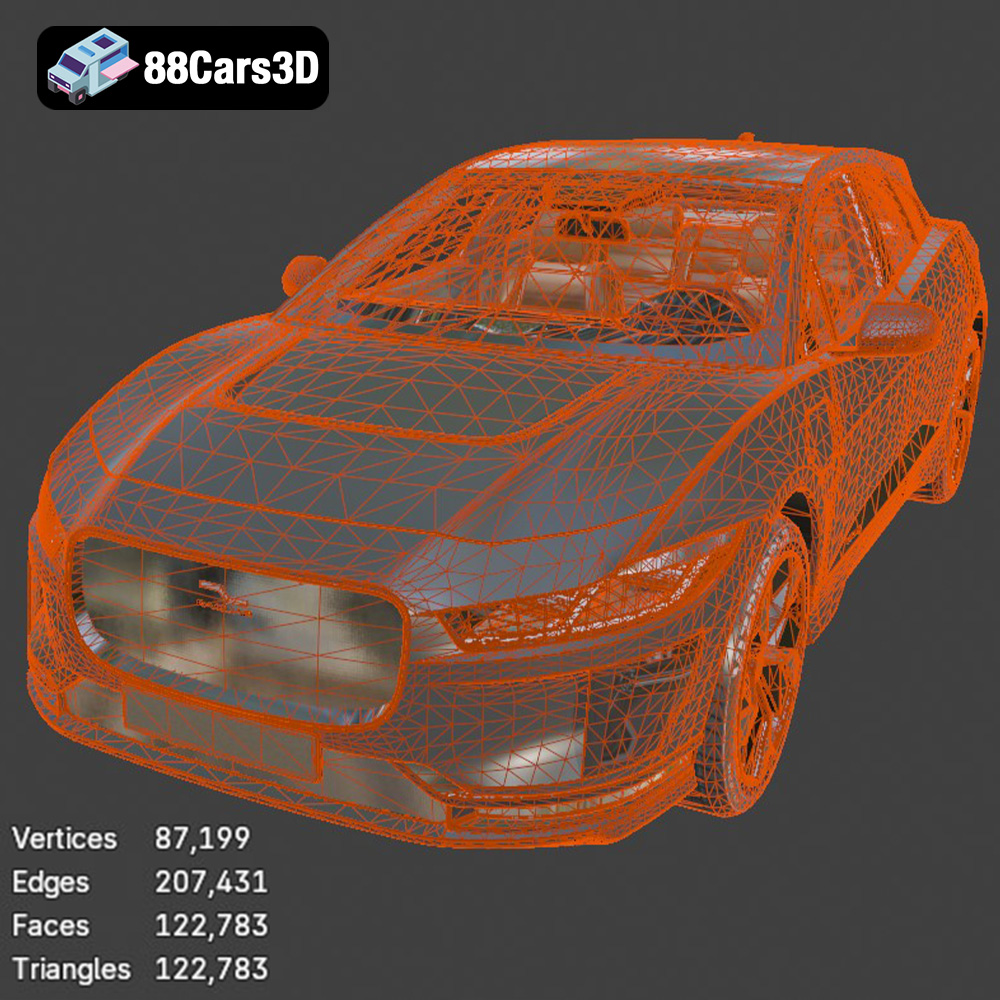
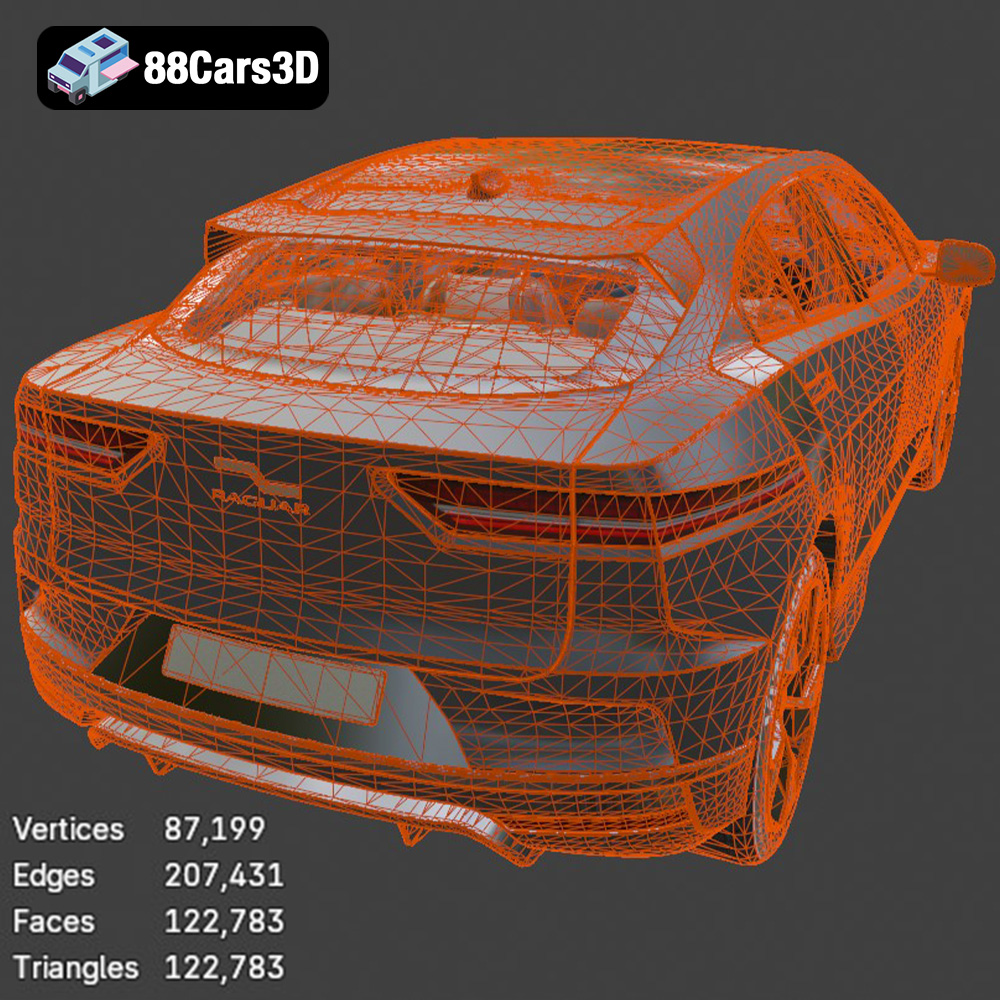
At the heart of the Raguar 08’s digital prowess lies its expertly crafted topology. With an optimized triangle count typically ranging between 150,000 to 200,000 triangles, it strikes a perfect balance. This polycount is sufficiently high to capture complex curvatures and intricate details, ensuring that the model looks stunning in close-up renders and cinematic sequences. Crucially, it remains low enough to facilitate smooth performance in demanding real-time environments like Unreal Engine and Unity. This careful optimization means developers can integrate the Raguar 08 into racing games, open-world titles, or simulators without incurring significant performance overheads. Furthermore, the mesh is meticulously structured to ensure flawless reflections and highlights, a critical factor for achieving photorealistic automotive rendering, where the interplay of light on polished surfaces defines realism.
The Raguar 08 goes beyond surface-level aesthetics. Its design adheres to real-world scale accuracy, based on actual vehicle chassis, ensuring proportional integrity in any scene. Every aspect, from its aerodynamic body geometry to its aggressive LED lighting signatures, is faithfully recreated.
A static model, however beautiful, limits creative potential. The Raguar 08 is designed with animation in mind. Its separate wheels, suspension, and steering components come with proper pivot setups, ready for dynamic animation. This allows artists to easily simulate steering, realistic wheel rotation, and suspension travel, essential for believable in-game physics, compelling cinematic sequences, or interactive vehicle configurators. This level of preparation saves countless hours in the rigging and animation pipeline, allowing artists to focus on creative storytelling rather than foundational setup.
The true value of a premium 3D asset like the Raguar 08 lies in its seamless integration into various professional pipelines. Its multi-format support and optimized structure make it a versatile tool for diverse applications.
For game developers, time is a precious commodity. The Raguar 08, being “game-ready” with its optimized polycount and dedicated .fbx and .unreal formats, significantly accelerates development cycles.
When the goal is photorealism, artists turn to powerful offline renderers. The Raguar 08 excels in these environments, making it a favorite for automotive rendering and visualization projects.
The immersive nature of AR/VR demands models that are both visually rich and highly performant. The Raguar 08, particularly in its .glb format, is perfectly suited for these applications.
A high-quality 3D car model is a starting point, not an end product. The Raguar 08 is designed to be highly customizable, allowing artists and developers to adapt it to their specific creative requirements.
The ability to change the aesthetic of a vehicle dramatically impacts its perceived value and suitability for a given scene. The Raguar 08 facilitates extensive material and texture customization.
The lighting and environment significantly influence how a 3D model appears. The Raguar 08’s well-defined geometry and material properties make it highly adaptable to diverse lighting scenarios. Whether it’s under the harsh sunlight of a desert race track, the subtle glow of a car showroom, or the dramatic lighting of a cyberpunk city, the model reacts realistically to its environment. Artists can easily adjust scene lighting to enhance reflections, showcase specific design elements, or create a particular mood, ensuring the Raguar 08 always looks its best. The clean mesh ensures that light bounces and shadows fall accurately, contributing to a believable final image.
The versatility of the Raguar 08 extends beyond digital screens into the tangible world of 3D printing. The inclusion of the .stl format means enthusiasts and professionals can bring this stunning design into physical reality, creating display models, prototypes, or custom collectibles.
3D printing requires specific considerations to translate a digital model into a robust physical object. The Raguar 08’s pre-optimized geometry makes this process considerably smoother.
Once printed, the journey continues with post-processing to achieve a professional finish.
The world of 3D modeling demands both artistic vision and technical precision. Assets like the Raguar 08 3D model epitomize this balance, offering a comprehensive solution for a myriad of digital and physical applications. From its meticulously optimized topology and game-ready polycount to its stunningly accurate details and broad file format support, the Raguar 08 is engineered for excellence across all fronts.
Whether you’re developing the next generation of racing simulations, crafting cinematic automotive renders, building immersive AR/VR experiences, or even fabricating physical models through 3D printing, this asset provides an unparalleled foundation. Its versatility and customization options empower professionals to integrate it seamlessly into their workflows, saving valuable time and elevating the quality of their final output. For anyone seeking to push the boundaries of digital automotive design, exploring high-quality 3D car models like the Raguar 08 available at 88cars3d.com is an investment in both efficiency and visual fidelity. Unleash the full potential of your projects with assets that are built to perform.
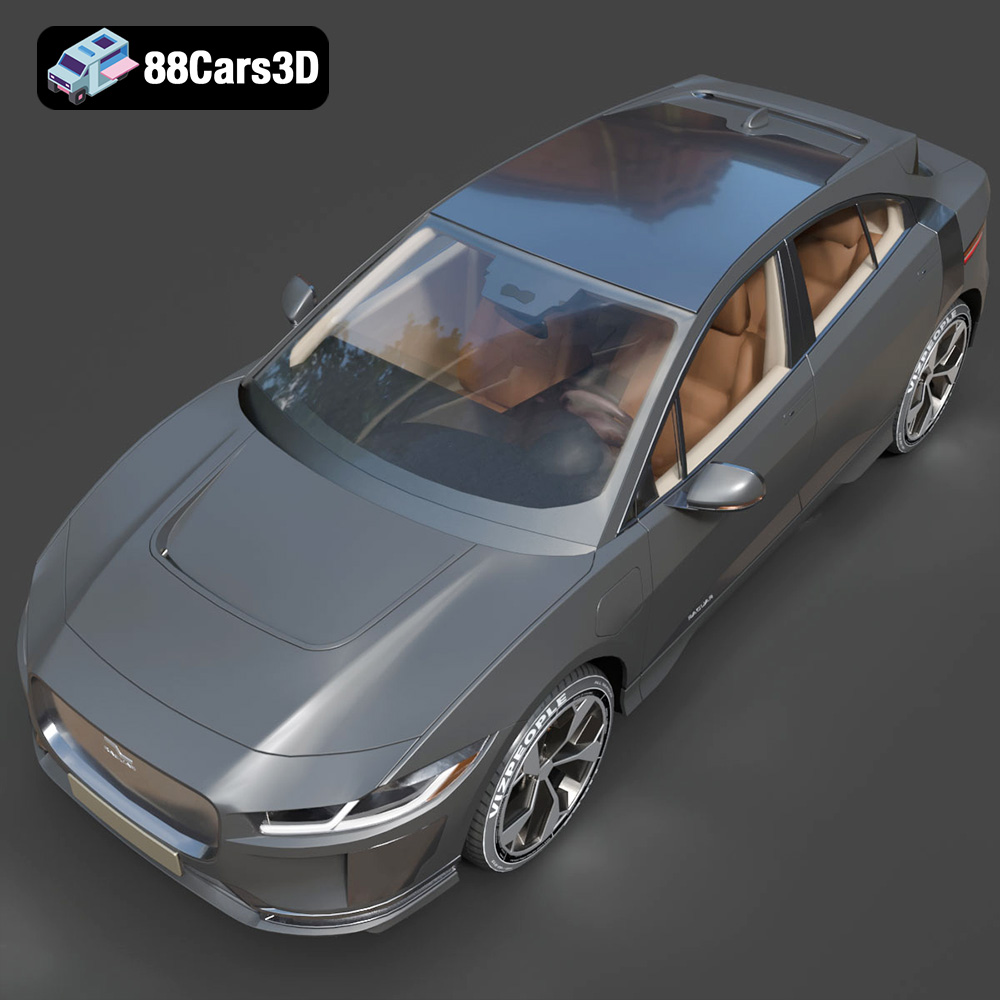
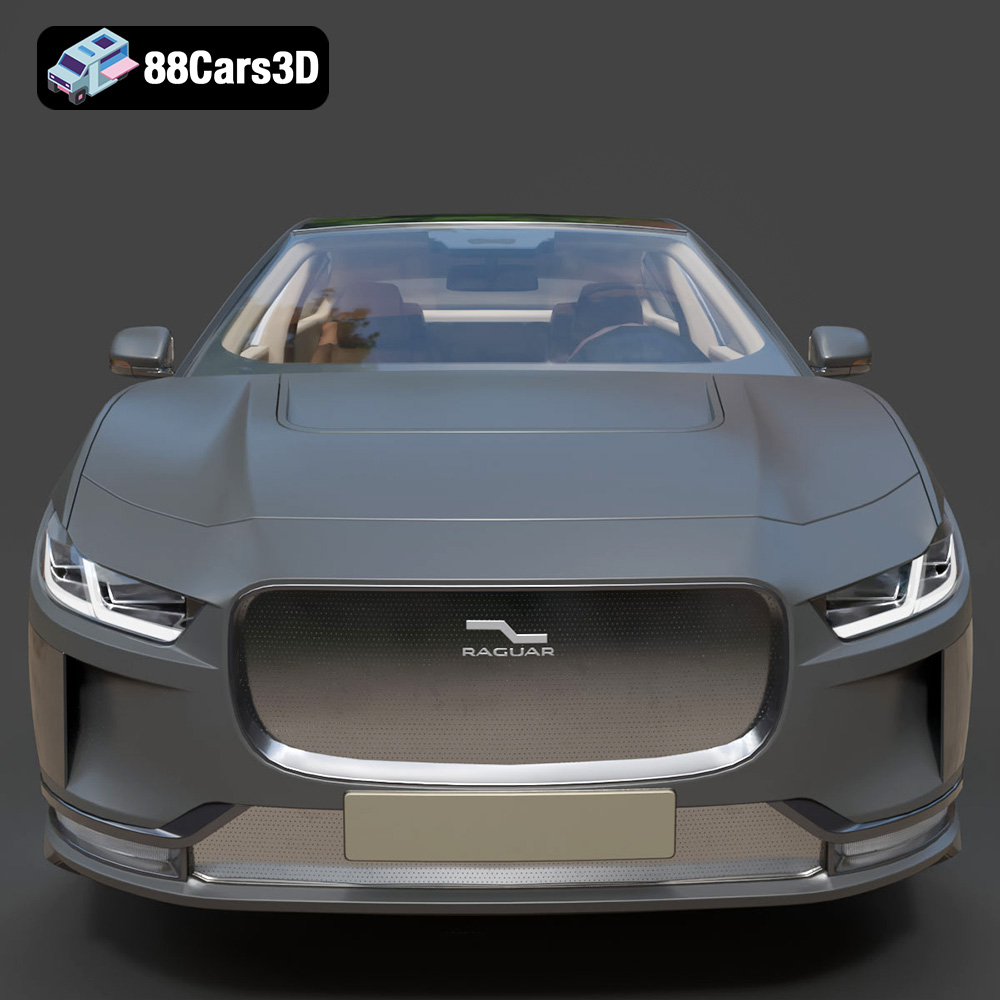
The Raguar 08 is a masterpiece of modern automotive design, blending aggressive aerodynamics with luxurious styling. This stunning sports car features a low-slung profile, sculpted body lines, and a high-performance inspired powertrain. Its striking front fascia, sleek LED lighting signatures, and aggressive rear diffuser make it a standout in any virtual environment. This premium 3D model boasts exceptional topology with an optimized triangle count (approximately 150,000 triangles), making it completely game-ready without sacrificing visual fidelity. The mesh is carefully structured to ensure flawless reflections and highlights, ensuring top-tier performance in real-time engines like Unreal Engine and Unity, as well as offline renderers. Perfect for high-speed racing games, automotive virtual showrooms, high-end architectural visualizations, and cinematic animations.
$19.99
.blend
.fbx
.glb
.max
.obj
.ply
.rendering
.sports car
.stl
.unreal
car-3d-model
concept-car
game asset
game-ready
low-poly
optimized
raguar
raguar-08
VR/AR