Get 20% OFF All Premium 3D & STL Models!

In the dynamic realms of automotive design, game development, and high-fidelity visualization, the demand for exceptionally crafted 3D car models has never been higher. A truly outstanding 3D asset is not just a visual representation; it’s a meticulously engineered digital component, ready to integrate seamlessly into complex pipelines, from real-time engines to photorealistic rendering suites. Professionals across industries understand that the quality of their foundational assets directly impacts the final output, saving countless hours in production and ensuring a polished, convincing end product.
At 88cars3d.com, we specialize in providing these indispensable tools, offering a curated selection of 3D car models designed to meet the rigorous standards of today’s creative industries. One prime example of such precision and versatility is the VM T3 010 3D Model. This particular asset embodies the perfect blend of aggressive aerodynamic styling, performance-oriented aesthetics, and impeccable technical optimization, making it an ideal choice for a wide array of projects, whether you’re building a cutting-edge racing game, developing a sophisticated AR configurator, or crafting a breathtaking commercial render. Its robust construction and extensive file format compatibility ensure that it’s not just a model, but a catalyst for creative innovation.
The versatility of a 3D model hinges significantly on the file formats it supports. Each format is designed with specific applications and compatibility in mind, making it crucial for designers, developers, and artists to choose the right one for their project. The VM T3 010 3D model offers an impressive array of formats, ensuring broad applicability across various software and platforms. Let’s delve into these essential formats and their optimal use cases.
The `.blend` file is Blender’s native format, renowned for encapsulating an entire scene, including geometry, materials, textures, lighting, animation data, and even the UI layout. For users immersed in the Blender ecosystem, this format offers unparalleled flexibility. It allows for complete modification of every aspect of the VM T3 010 model – from adjusting the topology and unwrapping UVs to tweaking PBR material nodes, refining existing animations, or setting up new camera angles. It’s the go-to format for those who require full creative control and plan extensive customizations within Blender, providing a robust starting point for any artistic direction.
Autodesk’s `.fbx` (Filmbox) format stands as an industry standard for 3D asset exchange, particularly favored in game development and animation studios. Its strength lies in its ability to store not just mesh data (vertices, faces, normals, UVs) but also a comprehensive suite of scene information, including rigging, skeletal animation, blend shapes, lights, cameras, and PBR material assignments. This makes `.fbx` an excellent choice for exporting the VM T3 010 into game engines like Unreal Engine and Unity, where its pre-configured hierarchies and potential animation data can be readily imported and utilized, streamlining the development process for game assets.
The Wavefront `.obj` format is a ubiquitous and highly compatible standard for transferring 3D geometry. It primarily stores vertex data, texture coordinates, normals, and polygonal faces. While simpler than FBX, lacking support for animation, rigging, or complex material networks (it relies on an accompanying `.mtl` file for basic material properties), its universality is its greatest asset. Almost every 3D modeling software can import and export `.obj` files, making it an excellent choice for basic mesh exchange, archival purposes, or when working across disparate software environments where only the core geometry of the VM T3 010 is required.
The GL Transmission Format, or `.glb`, is the binary version of glTF, specifically designed for efficient transmission and loading of 3D scenes and models into web-based, AR, and VR applications. What sets `.glb` apart is its “self-contained” nature, bundling all essential data—geometry, materials, textures, and even animation—into a single, compact file. This optimization makes the VM T3 010 in `.glb` format perfect for interactive web viewers, immersive virtual showrooms, or mobile AR experiences where performance and rapid loading are paramount.
The Stereolithography (`.stl`) format is the undisputed standard for 3D printing. Unlike other formats that describe surfaces, textures, and scene data, `.stl` represents a 3D object as a collection of unconnected triangular facets that define its outer surface. It contains no color, material, or texture information, focusing purely on geometric accuracy for manufacturing. When you want to bring the VM T3 010 from the digital realm into a tangible object, perhaps for a display model or a prototype, the `.stl` file is precisely what you need to feed into your slicing software for additive manufacturing.
The Polygon File Format (`.ply`) is a versatile format for storing 3D data, particularly useful for objects generated by 3D scanners or for CAD/CAM applications. It can store a wider range of properties than `.obj` or `.stl`, including color, transparency, normals, and even texture coordinates per vertex or face. While not as universally used for general modeling interchange as FBX or OBJ, it provides a more comprehensive representation of raw scan data or detailed geometric analysis, offering a precise, attribute-rich mesh of the VM T3 010 for specific engineering or scientific applications.
While `.unreal` is not a standalone file extension in the same way as FBX or OBJ, its inclusion signifies that the VM T3 010 asset has been specifically pre-processed and optimized for direct import and use within Unreal Engine. This often implies that the FBX file, for instance, has been meticulously prepared with proper scaling, pivot points, material assignments using Unreal’s PBR standards, and potentially even collision meshes or LODs (Levels of Detail), ensuring it’s “engine-ready” right out of the box, minimizing setup time for game developers.
The `.max` file is the native project file format for Autodesk 3ds Max, a powerful 3D modeling, animation, and rendering software. Similar to `.blend` for Blender users, a `.max` file contains the entire scene, including geometry, modifiers stack, materials, lighting, animation curves, cameras, and scene setup specific to 3ds Max. For professionals working within a 3ds Max pipeline, this format provides full editability of the VM T3 010, enabling complex rigging, advanced material development using V-Ray or Corona renders, and intricate animation sequences, leveraging all the robust tools 3ds Max has to offer.
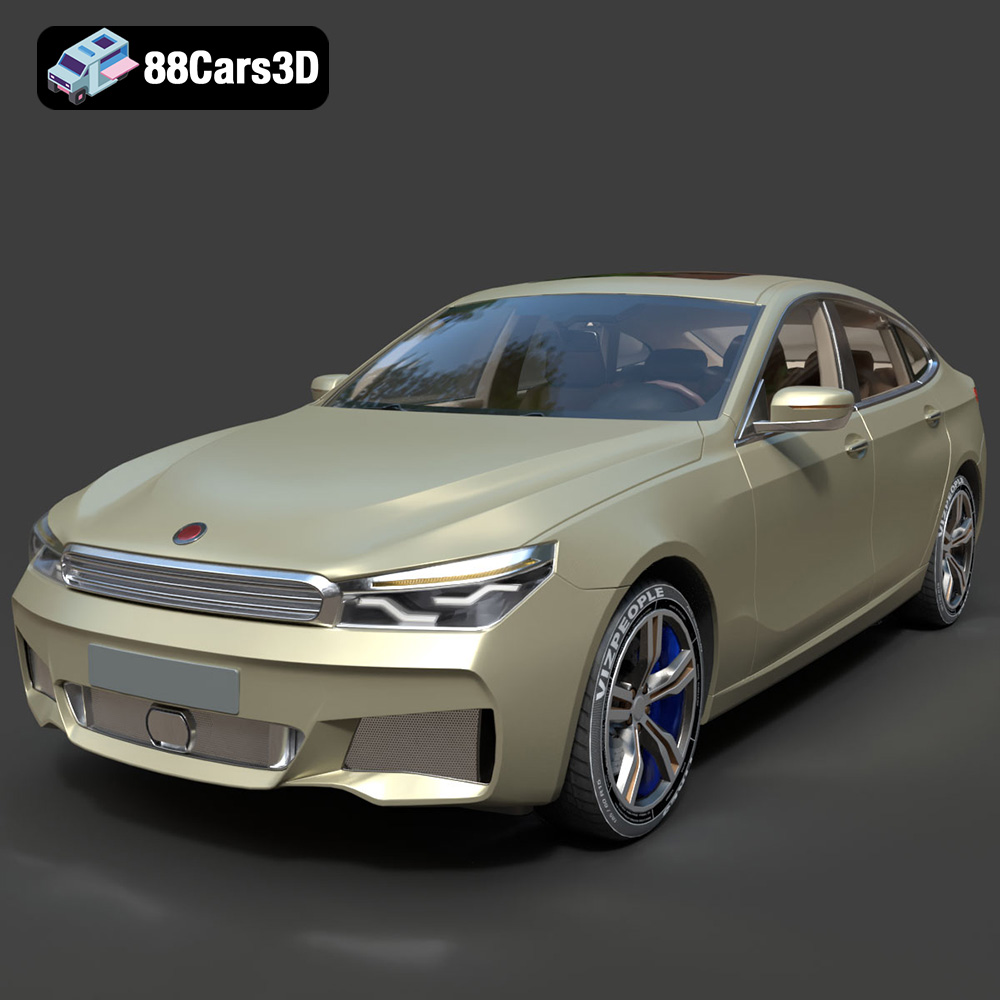
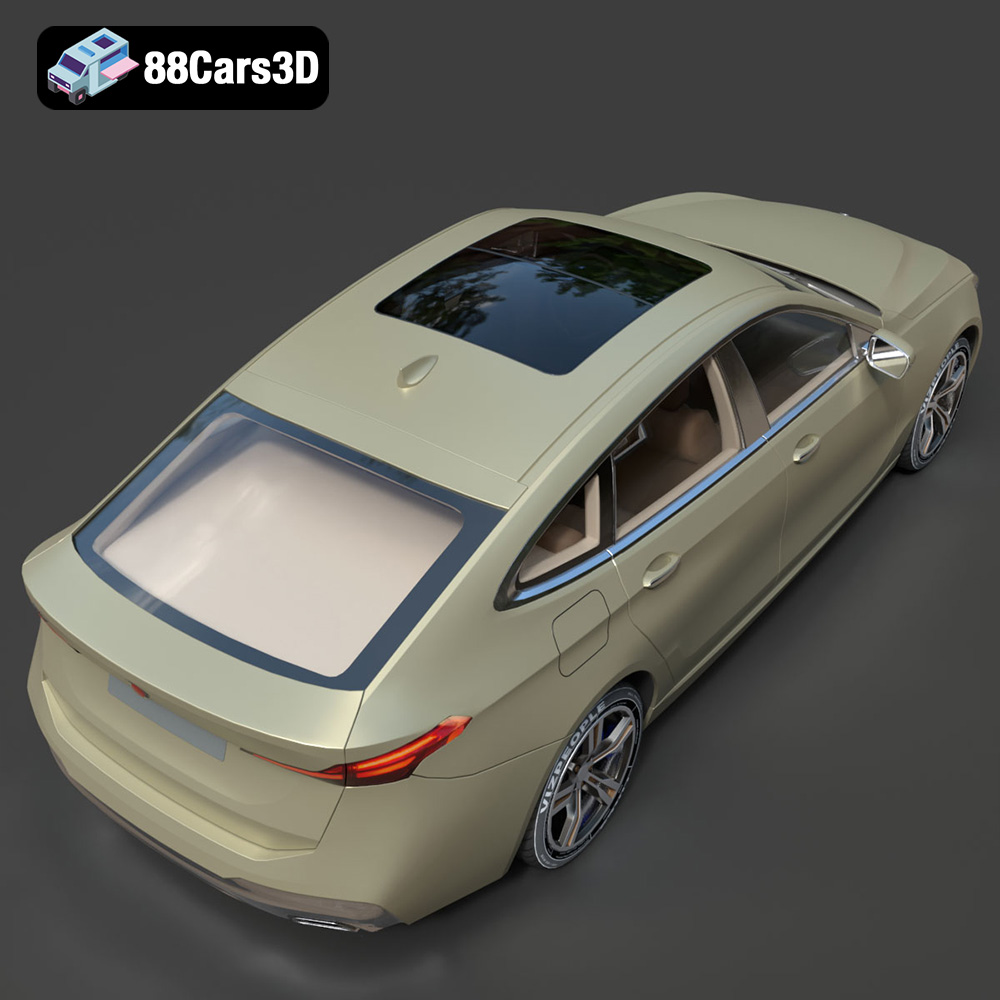
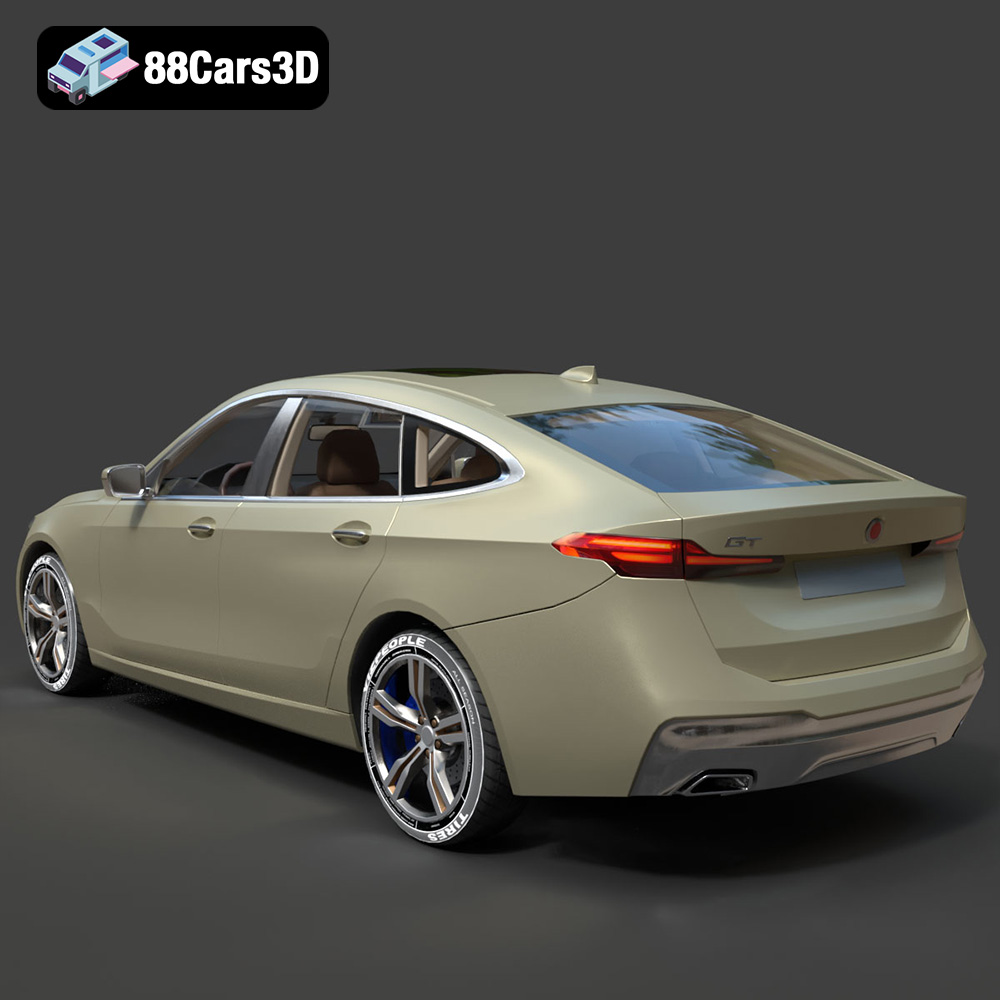
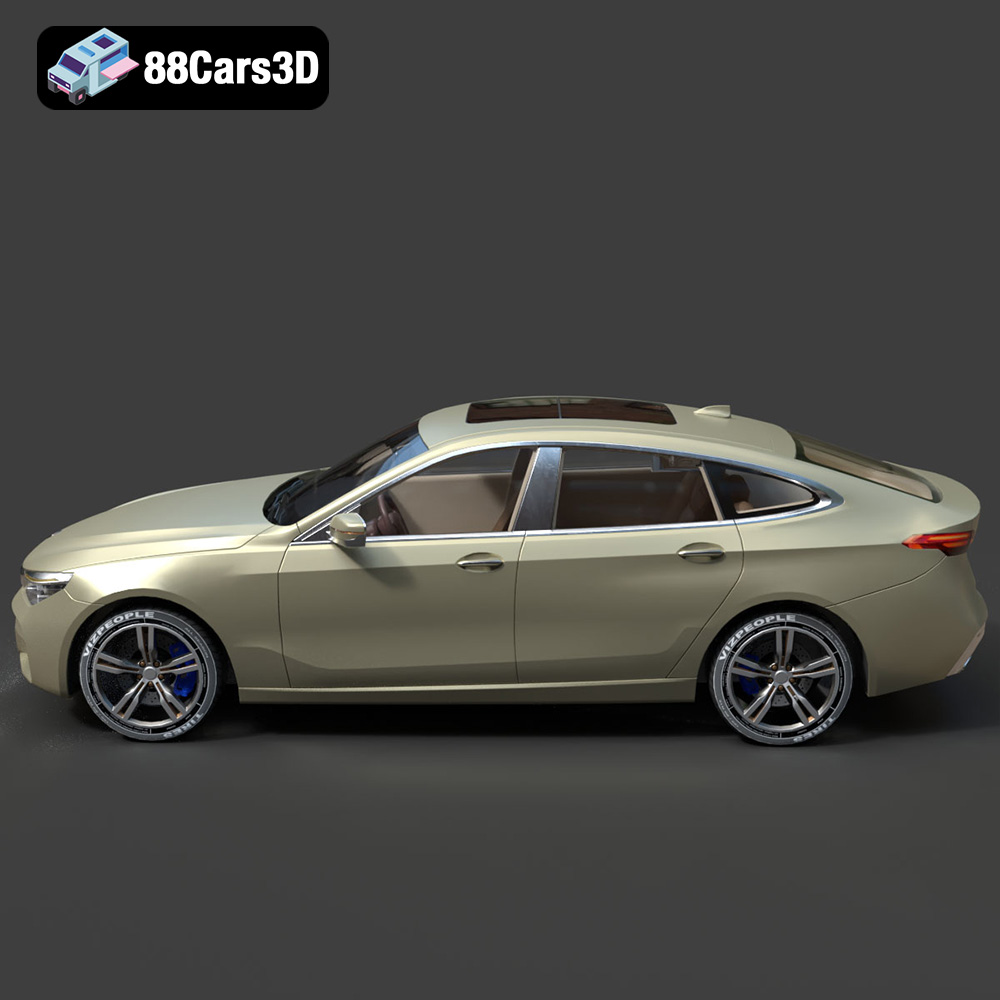
The VM T3 010 is more than just a collection of polygons; it’s a testament to meticulous digital craftsmanship. Every curve, vent, and component has been carefully sculpted to capture the essence of a high-performance vehicle, ready to make an impact in any virtual scene. Its design blends aggressive aerodynamic styling with a powerful, track-ready stance, making it instantly recognizable and visually striking.
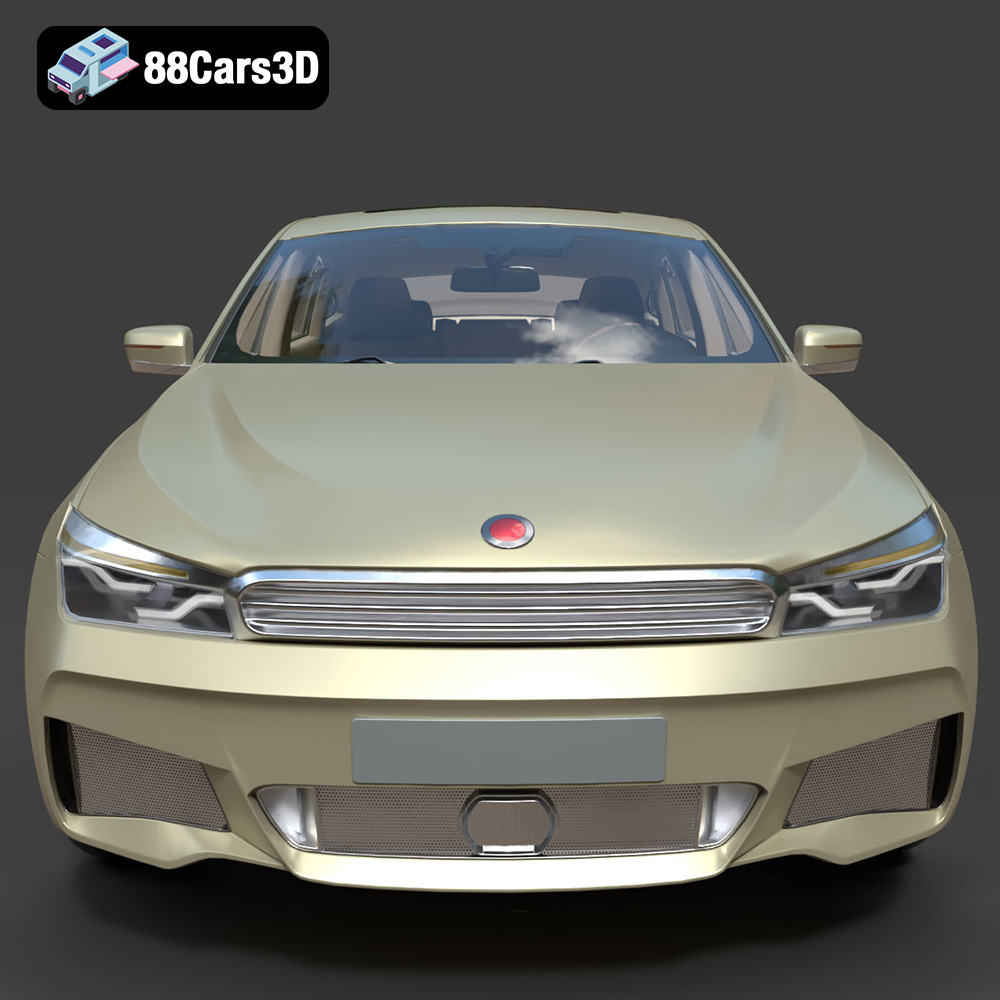
The model features an accurate VM T3 010 frame geometry with aerodynamic proportions, reflecting a sleek, low-profile silhouette. Key exterior highlights include intricate air intake vents that speak to its performance pedigree and a muscular rear end that exudes speed and precision. Beyond the main body, the model showcases a detailed high-performance V-style engine block and a custom dual exhaust system complete with heat shielding details, visible through the rear, adding incredible realism. High-tech LED headlight arrays and sculpted taillights contribute to its modern aesthetic, while lightweight alloy wheel designs paired with realistic performance tires and detailed sport suspension and brake caliper assemblies ground the vehicle in reality. Crucially, components like wheels, suspension, and steering are separated, allowing for realistic animation.
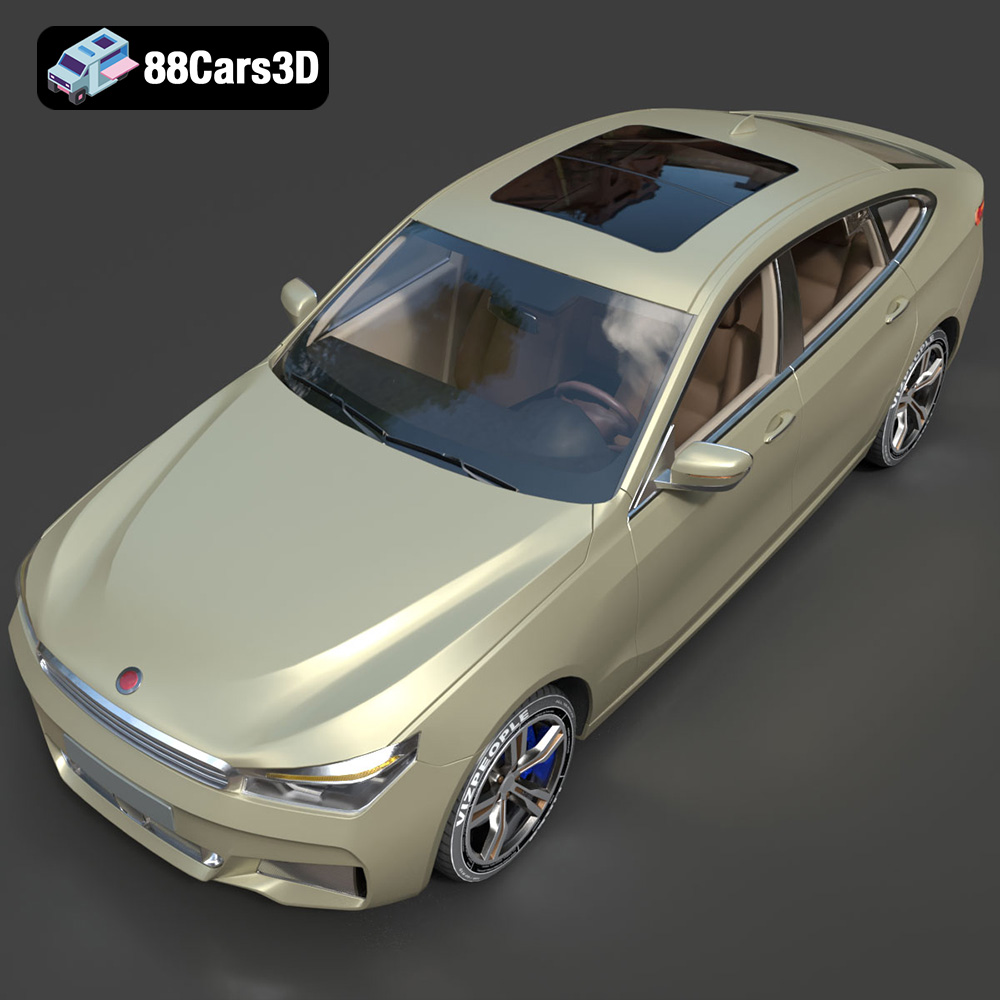
The attention to detail extends seamlessly into the cockpit. The VM T3 010 features sport bucket seats with detailed stitching and harness slots, a performance steering wheel with integrated paddle shifters, and a modern digital instrument cluster and center console. Accurate control details, including racing pedals and a gear selector, complete the immersive interior. This meticulous detailing is not just for show; the optimized geometry is designed specifically for first-person POV in gaming, ensuring that players experience a fully realized environment from behind the wheel.
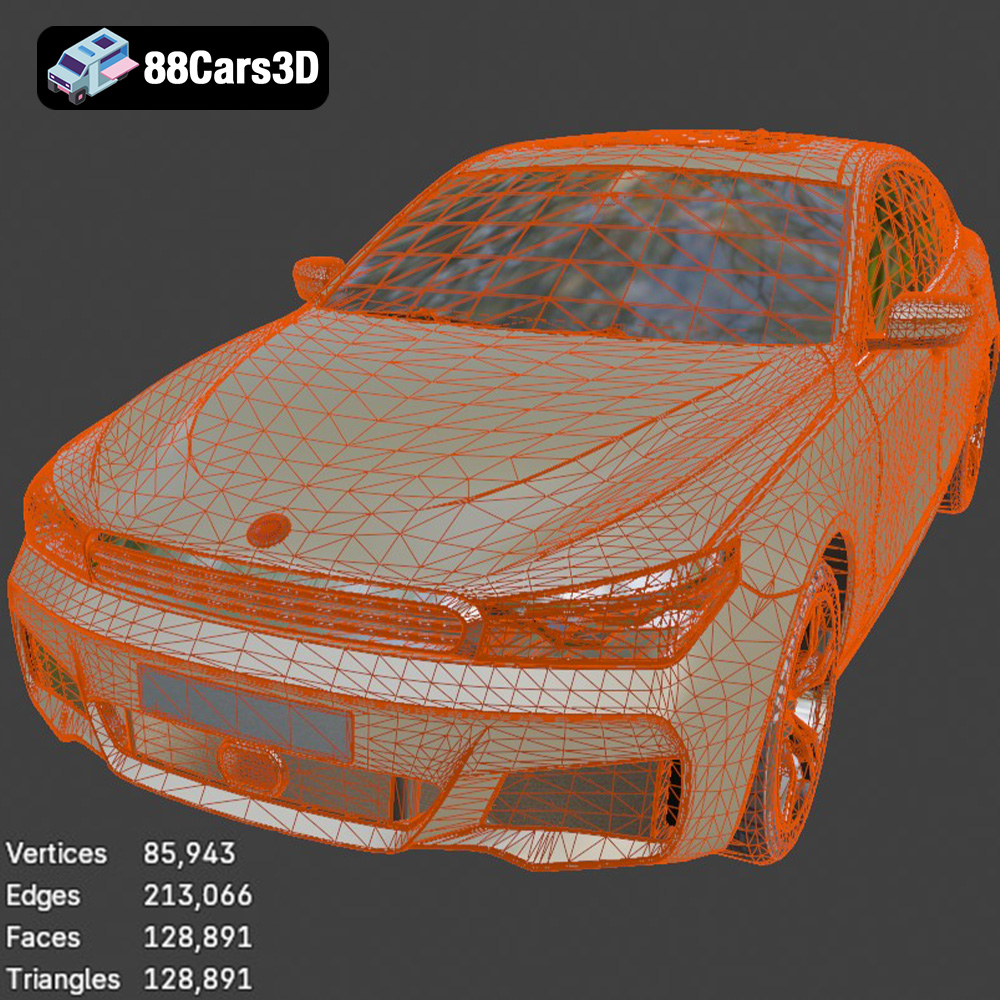
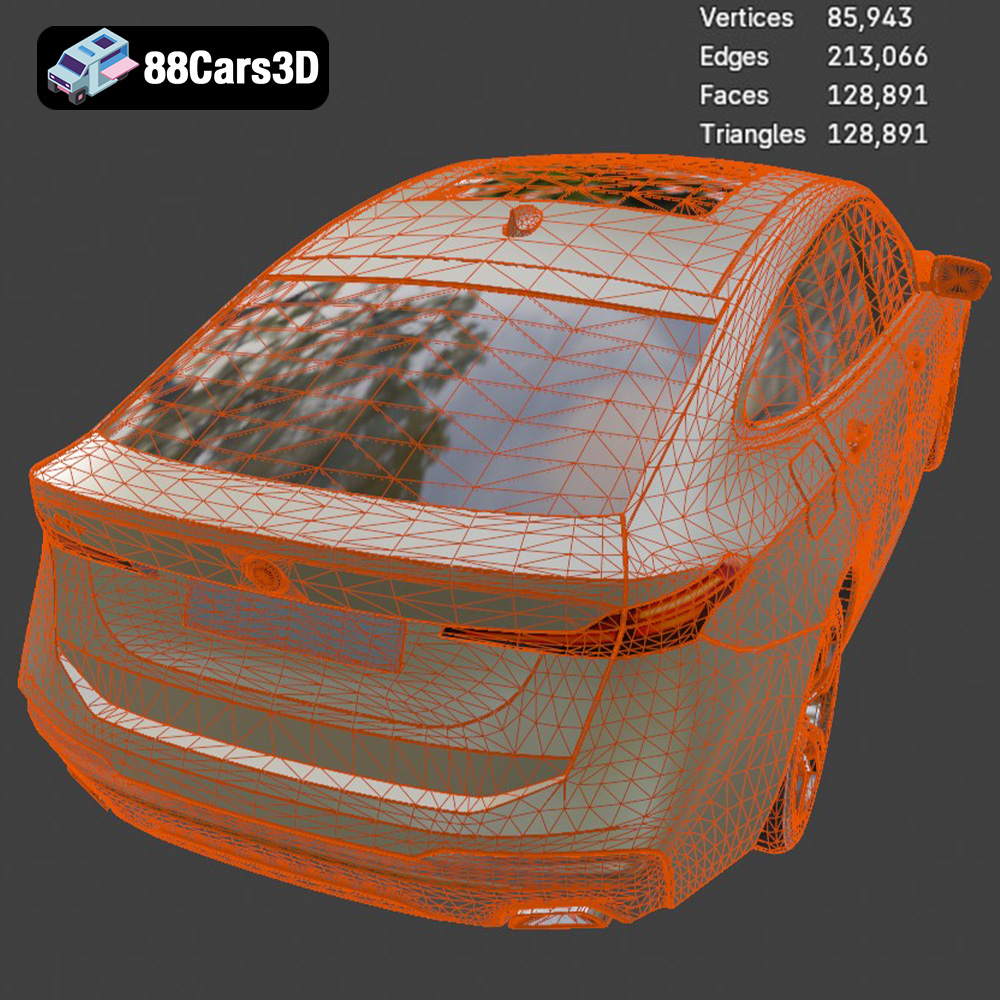
Beneath its stunning visuals, the VM T3 010 is engineered for maximum versatility and performance. It boasts clean, optimized topology and an efficient triangle count of approximately 120,000. This perfectly balanced polycount ensures flawless performance in real-time engines like Unreal and Unity while preserving breathtaking visual fidelity for up-close studio renders. The model adheres to real-world scale accuracy, based on actual vehicle chassis dimensions, and features proper pivot setups for steering, wheel rotation, and suspension travel. This technical precision makes it compatible with major 3D software platforms and real-time rendering engines, providing a solid foundation for any professional application.
High-quality 3D car models like the VM T3 010 from 88cars3d.com are indispensable assets that streamline production across various professional domains. Their game-ready optimization and comprehensive detail ensure seamless integration into demanding pipelines, significantly reducing development time and boosting the realism of any project.
For game developers, the VM T3 010 is a dream asset. Its optimized ~120,000 triangle count is a sweet spot, providing enough detail for stunning visuals without bogging down real-time performance. This makes it ideal for open-world games, high-octane racing titles, and precision simulators. When imported via its `.fbx` or pre-optimized `.unreal` format into engines like Unreal Engine or Unity, its proper pivot setup for wheels, steering, and suspension means animators can quickly set up realistic driving physics and complex animation sequences without extensive re-rigging. Developers can integrate the model as a player vehicle, an NPC car, or even environmental dressing, knowing that its efficient geometry and clean topology will contribute to a smooth gameplay experience and visually impressive cinematics.
In the realm of automotive rendering and visualization, the VM T3 010 truly shines. Whether working in 3ds Max (using the native `.max` file) or Blender (with the `.blend` file), artists have full access to its meticulously crafted geometry and material setups. The clean geometry ensures seamless reflections, crucial for capturing the metallic sheen and pristine finishes expected in high-end studio renders. Designers can leverage global illumination, advanced PBR materials, and complex lighting setups to create breathtaking brand campaigns, immersive lifestyle scenes, or detailed product showcases. The model’s intricate details, from the V-style engine block to the stitching on the sport bucket seats, stand up to extreme close-ups, making it perfect for promotional imagery and virtual automotive showrooms where every detail counts.
The rise of Augmented and Virtual Reality has opened new avenues for showcasing products and creating interactive experiences. The VM T3 010, particularly in its `.glb` format, is perfectly suited for these applications. Its optimized geometry and bundled textures within a single file allow for rapid loading and smooth performance in immersive virtual showrooms, interactive configurators, and mobile AR experiences. Imagine a customer exploring the VM T3 010 on their phone, seeing it appear in their driveway, or walking around it in a VR environment, customizing colors and finishes in real-time. The model’s efficiency ensures these experiences are fluid and engaging, providing a powerful tool for marketing and customer engagement.
While the primary application of 3D car models is often digital, the VM T3 010 extends its utility into the physical world through 3D printing. This capability opens up opportunities for hobbyists, collectors, and designers to create tangible representations of this striking vehicle, whether for display, prototyping, or custom model building.
Converting a complex digital asset like the VM T3 010 into a physical object requires careful preparation, starting with its `.stl` format. The recommended scales—1:12, 1:18, or 1:24—offer a balance between detail retention and manageable print size. For optimal results, especially with fine details like the exhaust system, mirrors, and aerodynamic spoilers, resin printing is highly recommended due to its superior resolution and ability to reproduce intricate features. Layer heights between 0.04 and 0.12 mm will capture the model’s fidelity. Critical considerations include a wall thickness of 1.2–2.0 mm for structural integrity, 20–30% infill for a sturdy yet efficient build, and strategically placed supports to prevent sagging on overhangs. Printing the frame at an angle can also enhance structural integrity, while printing wheels separately allows for greater detail and easier post-processing.
Once the printing process is complete, the journey to a realistic physical model begins with post-processing. This typically involves support removal, followed by sanding to smooth out any layer lines or imperfections. A coat of primer prepares the surface for painting, which is where the VM T3 010 can truly come to life. Applying authentic factory colors with metallic finishes can replicate the vehicle’s real-world appearance, while detailing with fine brushes can pick out elements like the LED headlight arrays or brake calipers. This hands-on process allows enthusiasts to connect with the design on a deeper level, creating a unique display piece that started its life as a meticulously crafted digital 3D car model from 88cars3d.com.
One of the significant advantages of working with a high-quality, professionally built 3D car model like the VM T3 010 is the inherent flexibility it offers for customization. Artists and developers are not confined to a single look; instead, they can adapt the model to suit specific project needs, branding guidelines, or creative visions.
The VM T3 010 model is built with customizable materials, allowing users to effortlessly change body and tank colors to anything from authentic factory hues to bespoke custom finishes. This extends to adjusting material properties, enabling transitions between matte, gloss, or metallic looks to perfectly match the desired aesthetic. Beyond primary colors, tire textures can be modified to reflect different scenarios, from sleek street variants to rugged off-road designs, enhancing versatility for various game environments or visualization contexts. This level of material control empowers artists to create unique iterations of the vehicle, making it distinct within any virtual scene.
Beyond visual customization, the VM T3 010 is designed with animation in mind. Its separate wheels, suspension, and steering components, coupled with proper pivot setups, significantly streamline the rigging process. This means animators can quickly and accurately simulate realistic steering, wheel rotation, and suspension travel, essential for believable driving sequences in games, cinematics, or virtual simulations. The optimized geometry for first-person POV in gaming also means that any interior elements can be animated or made interactive without performance compromises, further expanding its utility for dynamic, engaging experiences. This inherent readiness for animation truly unlocks the model’s potential for expressive storytelling and interactive applications.
In the fast-evolving landscape of digital content creation, the VM T3 010 3D model stands out as a prime example of an invaluable asset. From its aggressive, performance-driven aesthetics and meticulously detailed interior to its optimized geometry and extensive file format compatibility, every aspect is crafted to empower professionals across game development, automotive rendering, AR/VR, and even 3D printing. It represents not just a visual spectacle, but a technically robust foundation that minimizes development friction and maximizes creative potential.
The availability of formats like `.blend`, `.fbx`, `.obj`, `.glb`, `.stl`, `.ply`, `.unreal`, and `.max` ensures that the VM T3 010 can be seamlessly integrated into virtually any workflow, providing a versatile solution for a multitude of applications. Whether your project demands real-time performance, photorealistic fidelity, or tangible physical output, this model is engineered to deliver. By choosing expertly crafted 3D car models like the VM T3 010 from trusted sources such as 88cars3d.com, you invest in quality that translates directly into stunning visuals, efficient workflows, and successful projects. Elevate your next creation with assets that are built to perform and inspire.
The VM T3 010 represents a pinnacle of digital vehicle design, blending aggressive aerodynamic styling with a powerful, track-ready stance. Known for its distinct performance-oriented aesthetic, this vehicle features a sleek low-profile silhouette, intricate air intake vents, and a muscular rear end that exudes speed and precision. The meticulously modeled high-performance engine block and dynamic dual exhaust system add an incredible level of realism to the overall design. Engineered for maximum versatility, this 3D model boasts clean, optimized topology and an efficient triangle count. It is perfectly balanced to ensure flawless performance in real-time engines while preserving breathtaking visual fidelity. Whether used for up-close studio renders or dynamic driving simulations, the geometry delivers seamless reflections and highly detailed close-ups. Perfect for modern racing games, cyberpunk urban environments, virtual automotive showrooms, and high-end commercial rendering.
$19.99
.blend
.fbx
.glb
.max
.obj
.ply
.rendering
.sports car
.stl
.unreal
car-3d-model
game asset
game-ready
Gold Sedan Beige
low-poly
optimized
VR/AR