Get 20% OFF All Premium 3D & STL Models!

In the rapidly evolving landscape of digital media, the demand for photorealistic and performant 3D assets has never been higher. From blockbuster video games to cutting-edge architectural visualizations and immersive AR/VR experiences, meticulously crafted models form the backbone of compelling visual narratives. Among these, high-quality 3D car models stand out as particularly challenging and rewarding to create, requiring a delicate balance of artistic flair and technical precision.
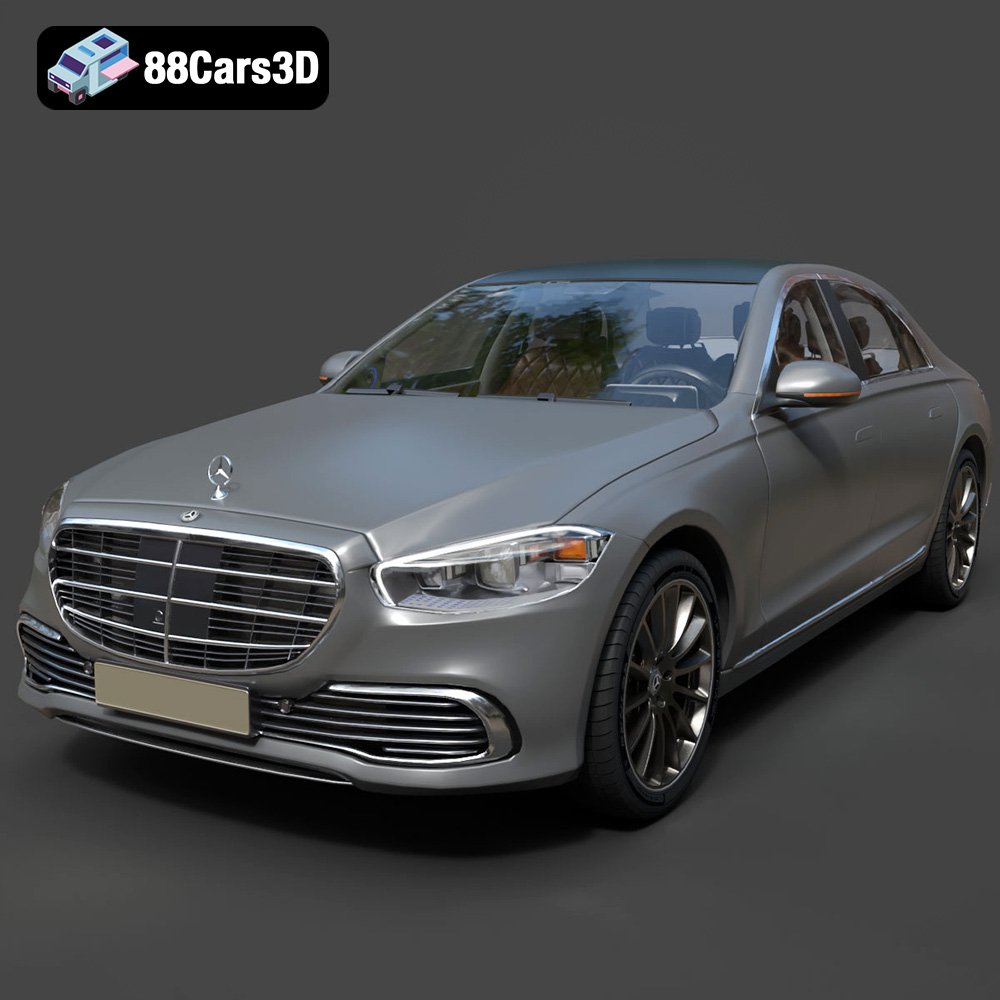
Today, we’re diving deep into the world of automotive 3D design, exploring the intricate details, technical considerations, and diverse applications of a premium asset: the Mercedes-Benz S400d 2021 3D Model. This particular model, available on 88cars3d.com, encapsulates the essence of automotive luxury and engineering excellence, translated flawlessly into the digital realm. It serves as an exemplary case study for understanding what makes a truly versatile and valuable 3D asset, ready for virtually any professional workflow.
The choice of file format is a critical decision in any 3D project, dictating compatibility, feature support, and overall workflow efficiency. A high-quality 3D car model, such as the Mercedes-Benz S400d 2021, is often provided in multiple formats to ensure maximum versatility across various software and platforms. Understanding each format’s strengths and weaknesses is essential for leveraging your 3D assets to their full potential.
The .blend format is the native file type for Blender, a powerful open-source 3D creation suite. When you download a .blend file, you’re getting a fully editable scene, complete with materials, textures, lighting, cameras, and even animation data if present. This format is ideal for users who primarily work in Blender and require complete control over the model’s components. Technical artists can delve into modifiers, procedural textures, rigging, and animation curves, making it perfect for custom modifications or integration into existing Blender projects. Its self-contained nature ensures that all necessary components are present, minimizing missing file errors.
.fbx (Filmbox) is a proprietary file format developed by Autodesk, renowned for its robust support for 3D model data, animation, and scene information. It acts as a universal exchange format, making it exceptionally popular for transferring 3D assets between different software applications like Maya, 3ds Max, Blender, and especially game engines such as Unreal Engine and Unity. FBX files can store not only mesh data but also materials, textures (though often requiring re-linking), bone structures, skinning, and animation curves. This makes it an ideal choice for game assets and real-time pipelines where complex animated objects are crucial.
The .obj (Wavefront Object) format is one of the oldest and most widely supported 3D file formats. It’s a simple, text-based format primarily used for storing 3D geometry – vertices, normals, UV coordinates, and faces. While it can reference external material files (.mtl), it doesn’t embed textures or advanced material properties directly. Its universal compatibility makes it an excellent choice for cross-software transfers when you primarily need the raw mesh data. It’s lightweight and often used as a fallback format due to its widespread support.
.glb (GL Transmission Format Binary) is the binary version of glTF, a royalty-free specification for the efficient transmission and loading of 3D scenes and models by applications. GLB files package all assets (geometry, materials, textures, animations) into a single, self-contained binary file. This optimization makes it perfect for AR/VR applications, web-based 3D viewers, and mobile platforms where file size and loading speed are paramount. It’s rapidly becoming the “JPEG of 3D” due to its efficiency and broad adoption in modern real-time environments.
.stl (Stereolithography) is the de facto standard file format for 3D printing. It represents a 3D model as a series of connected triangles, describing only the surface geometry of an object without color, texture, or other CAD attributes. While simple, its ubiquity in the 3D printing world means almost every 3D printer and slicing software can interpret it. For the Mercedes-Benz S400d 2021, the .stl format allows enthusiasts to bring the digital model into the physical world, creating display-scale replicas with recommended settings for layer height and support structures.
.ply (Polygon File Format or Stanford Triangle Format) is a file format for storing three-dimensional data from 3D scanners. It can store various properties of a 3D object, including color, transparency, normals, texture coordinates, and data confidence values, typically for point clouds or mesh data. While less common for everyday artistic exchange than FBX or OBJ, it’s highly valued in scientific, engineering, and CAD applications where precision and additional data attributes are crucial.
The inclusion of an .unreal file (or an asset specifically tailored for Unreal Engine, often via FBX import with Unreal’s specific material setups) signifies an asset designed for seamless integration into Epic Games’ powerful real-time engine. This implies proper scaling, collision setups, optimized mesh density, and potentially pre-configured materials using Unreal’s physically-based rendering (PBR) system. Such assets are truly “game-ready,” saving developers significant setup time and ensuring optimal performance within the engine.
The .max format is the native file format for Autodesk 3ds Max, a leading software for 3D modeling, animation, rendering, and compositing. Similar to .blend, a .max file contains the complete scene data, including geometry, materials, textures, lighting, cameras, animation, and plugin-specific data. It’s the go-to format for professionals working within the 3ds Max ecosystem, offering full editability and access to all the software’s powerful features for advanced rendering and animation pipelines.
By offering the Mercedes-Benz S400d 2021 3D model in these diverse formats, 88cars3d.com ensures that artists, developers, and hobbyists alike can integrate this high-quality asset into their preferred workflows with minimal friction.
Creating a 3D model of a modern luxury vehicle like the Mercedes-Benz S400d 2021 is a masterclass in digital craftsmanship. It involves an intricate balance of artistic interpretation and strict adherence to real-world proportions and details. Every curve, every panel gap, and every texture must be meticulously crafted to evoke the same sense of elegance and sophistication as its physical counterpart.
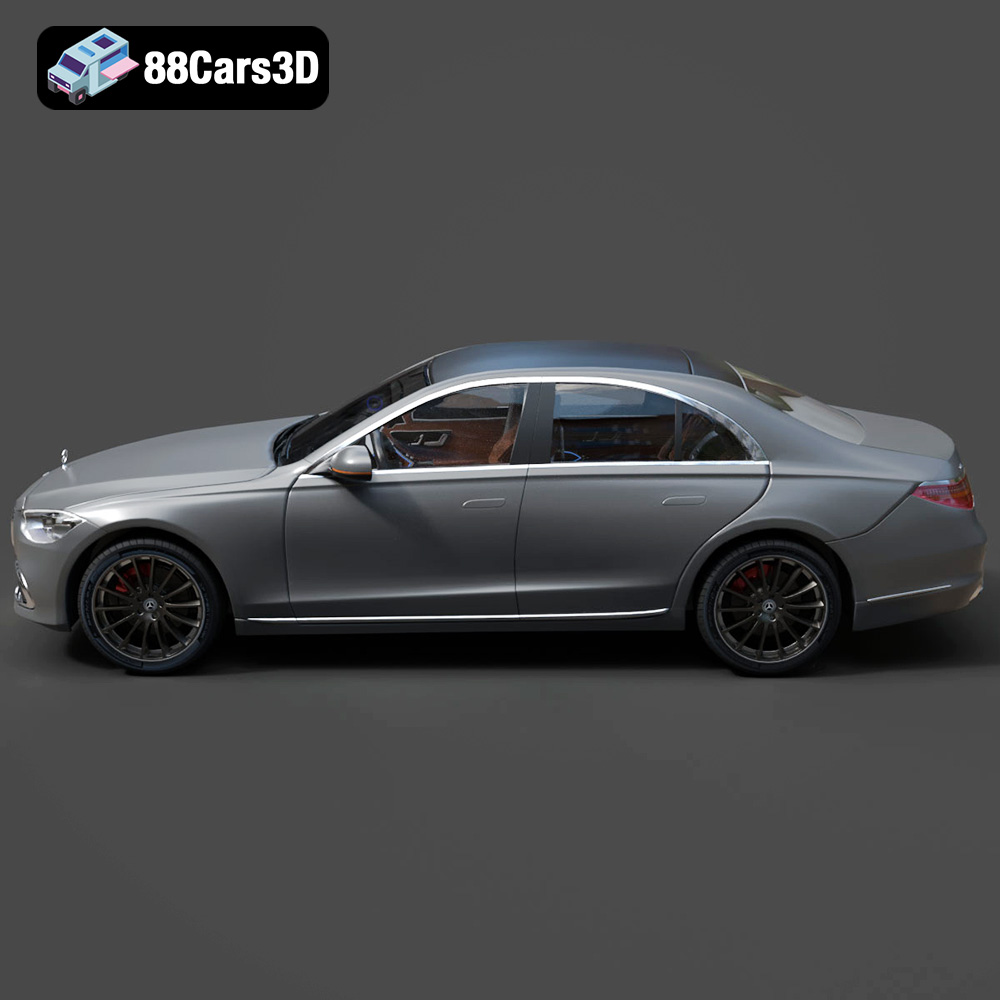
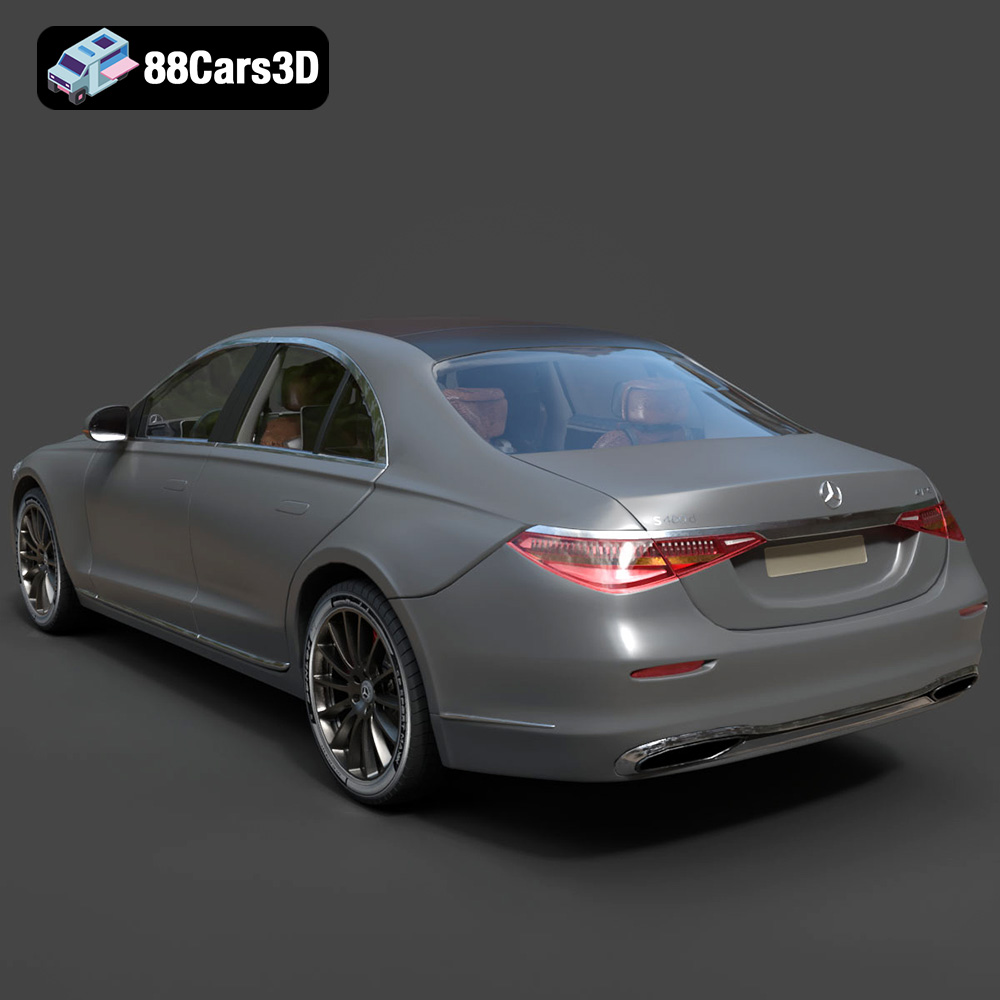
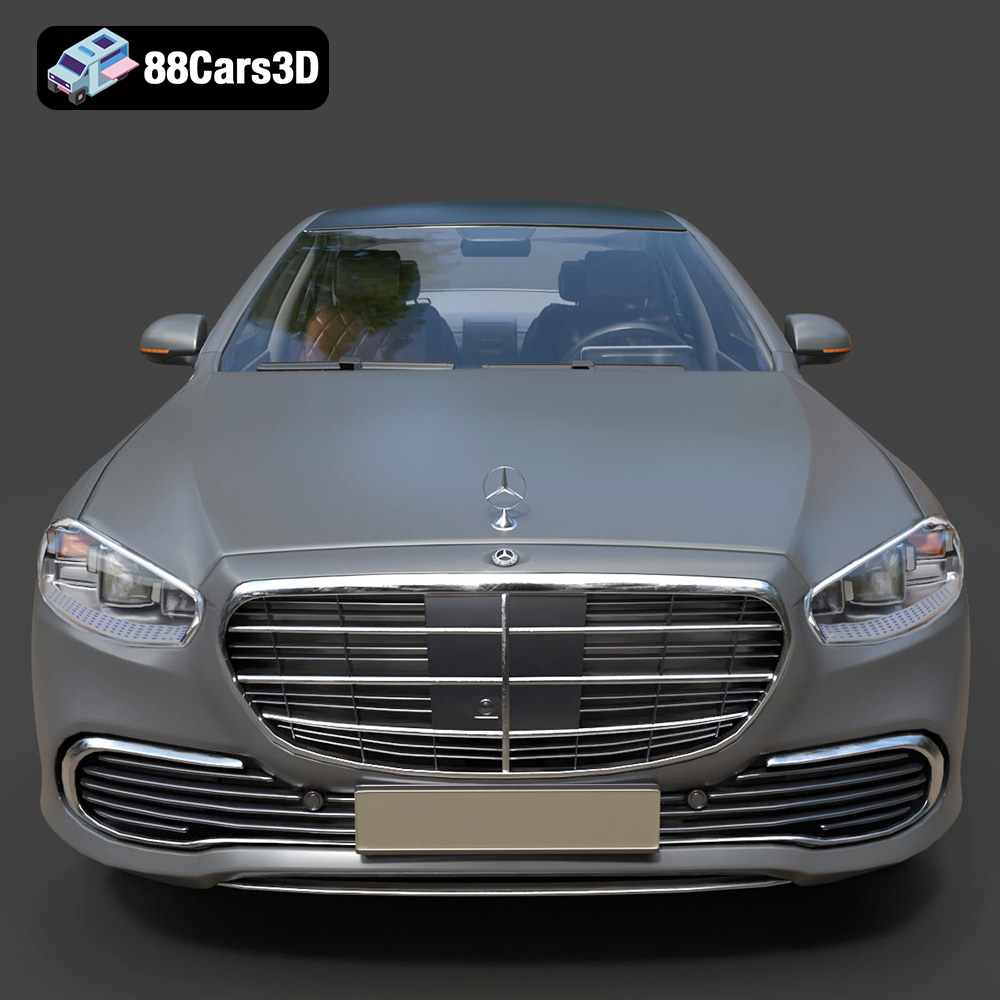
The exterior of the S400d 2021 is defined by its imposing chrome front grille, sleek flush door handles, and the distinctive DIGITAL LIGHT multi-beam LED headlights. In 3D modeling, capturing these elements requires precise polygonal modeling. The model’s “accurate Mercedes-Benz S400d 2021 frame geometry and proportions” are crucial, as even slight deviations can break the illusion of realism. Details like the “refined twin exhaust system with integrated chrome rear bumper surrounds” and “luxury multi-spoke alloy wheels with high-resolution tire tread patterns” demand a high poly count in specific areas to ensure crisp, believable details in close-up renders. Furthermore, the inclusion of “detailed AIRMATIC air suspension components” and “separate wheels, suspension, and steering components for animation” highlights a design philosophy geared towards dynamic simulation and photorealistic motion.
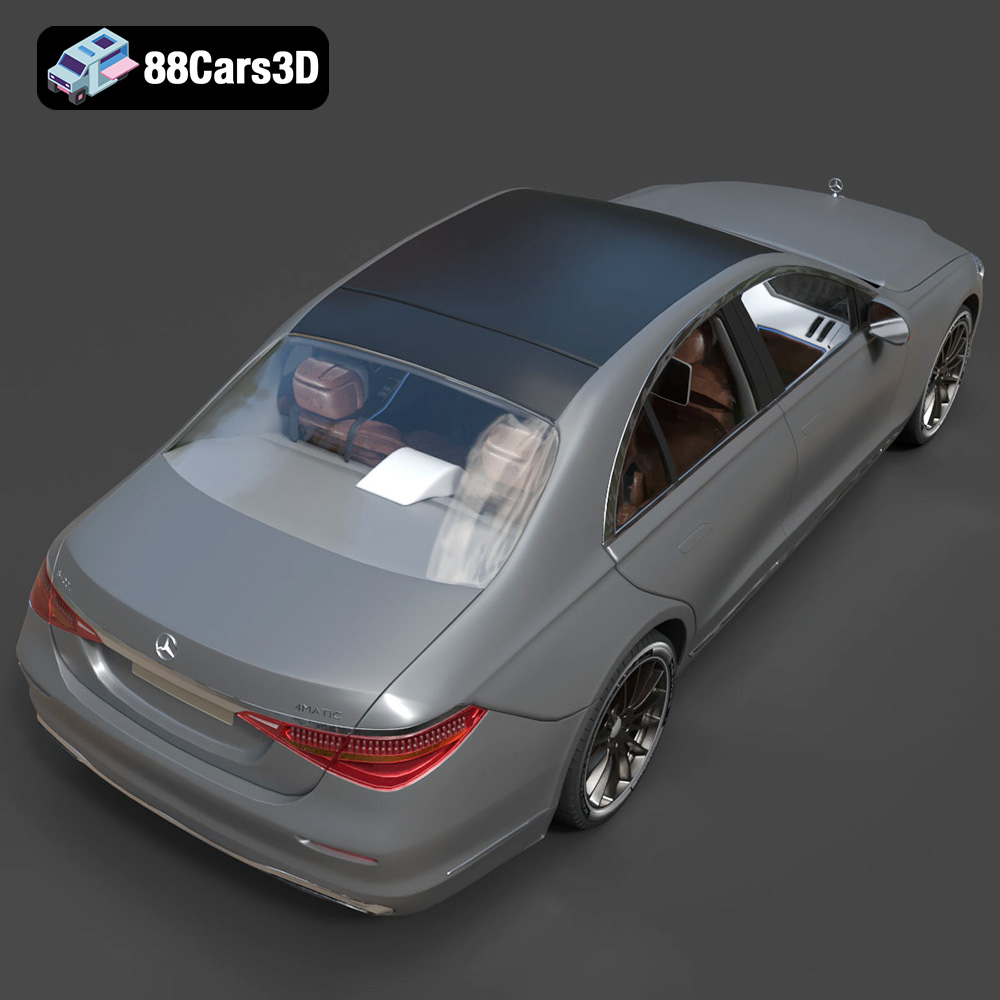
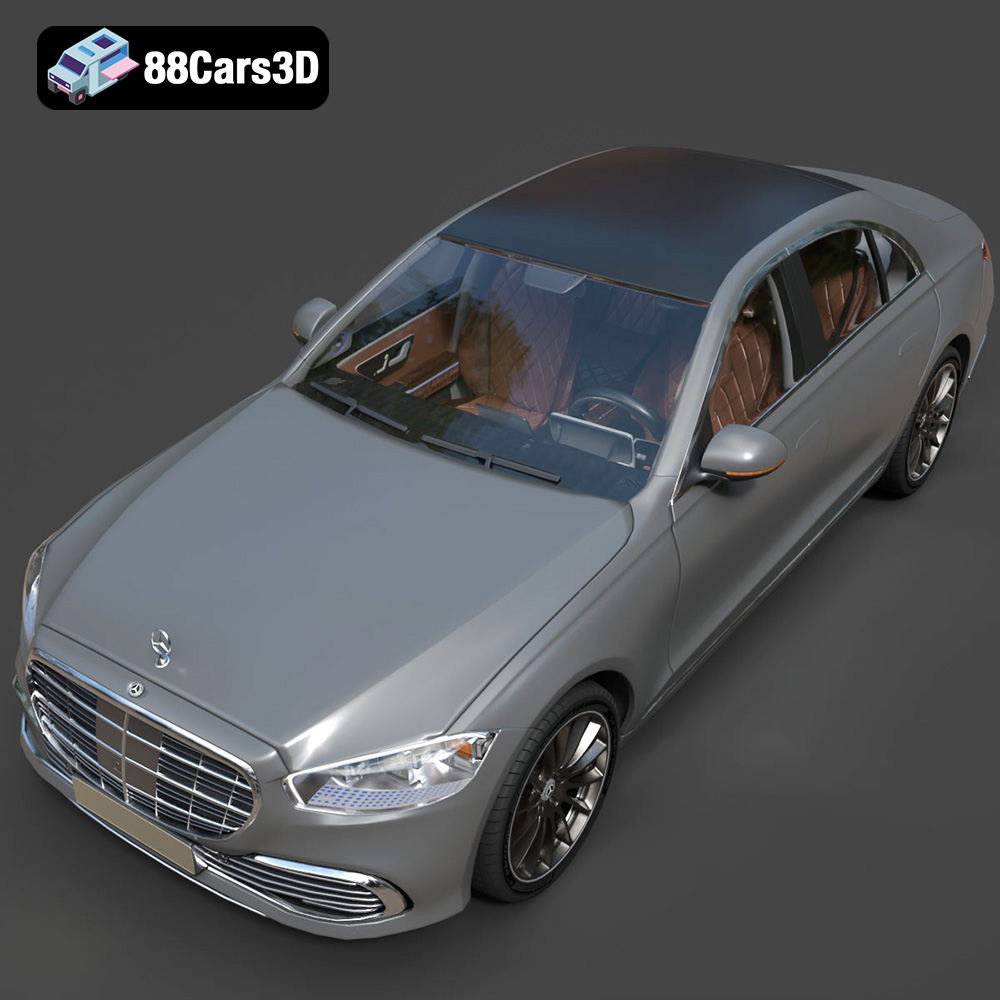
While the exterior provides the initial wow factor, the interior often reveals the true depth of a 3D model’s quality. The S-Class cabin is a sanctuary of luxury, and its digital twin must reflect this. “Exquisite quilted leather seating and luxury headrest details,” a “precise multi-function steering wheel with capacitive touch control details,” and the expansive “MBUX infotainment center screen and digital driver display” are not just cosmetic additions; they are complex geometric challenges. The model’s “optimized geometry for first-person POV in gaming” ensures that even at close inspection within a virtual environment, the luxury details hold up, from ambient lighting zones to premium trim finishes. This level of detail makes the Mercedes-Benz S400d 2021 3D model invaluable for virtual showrooms, architectural visualizations, and immersive VR experiences.
A high-quality 3D car model isn’t just about raw detail; it’s about intelligent optimization that allows it to perform flawlessly across a spectrum of demanding applications. The Mercedes-Benz S400d 2021 3D model exemplifies this philosophy, being both “game-ready” and suitable for high-end rendering.
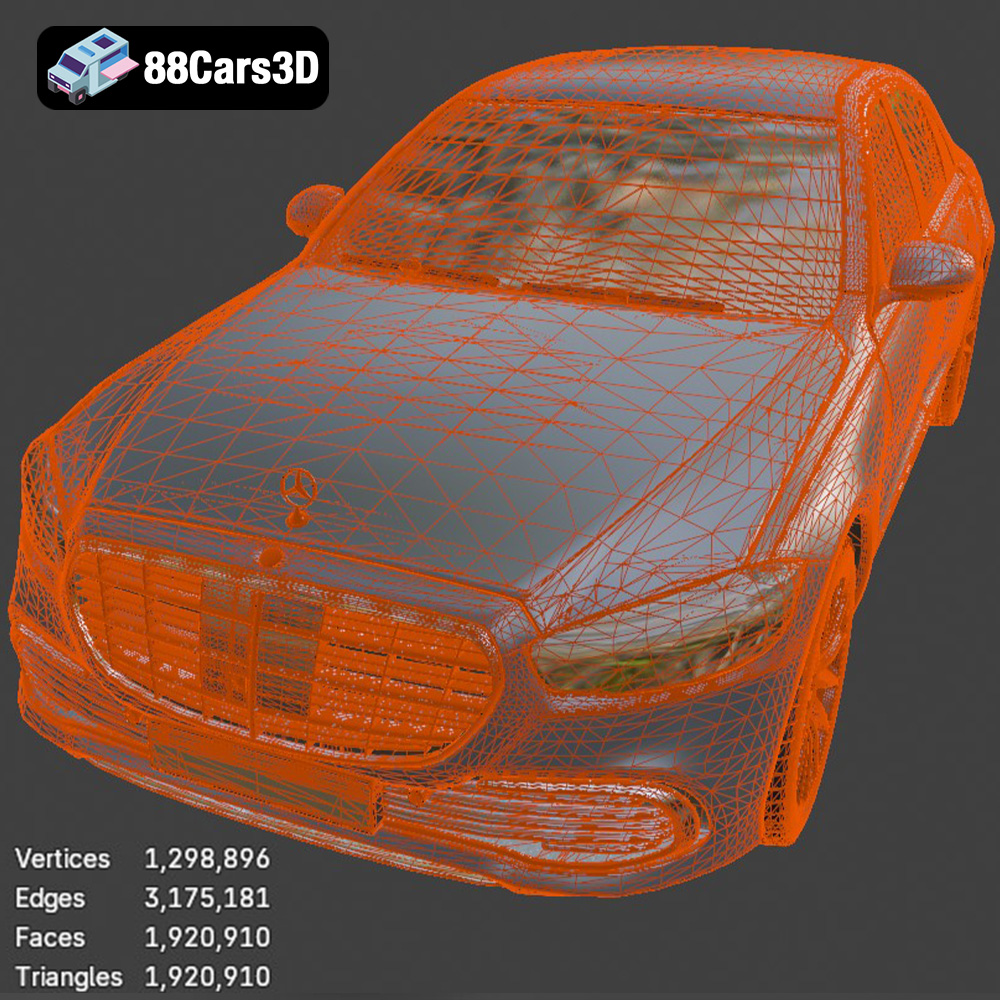
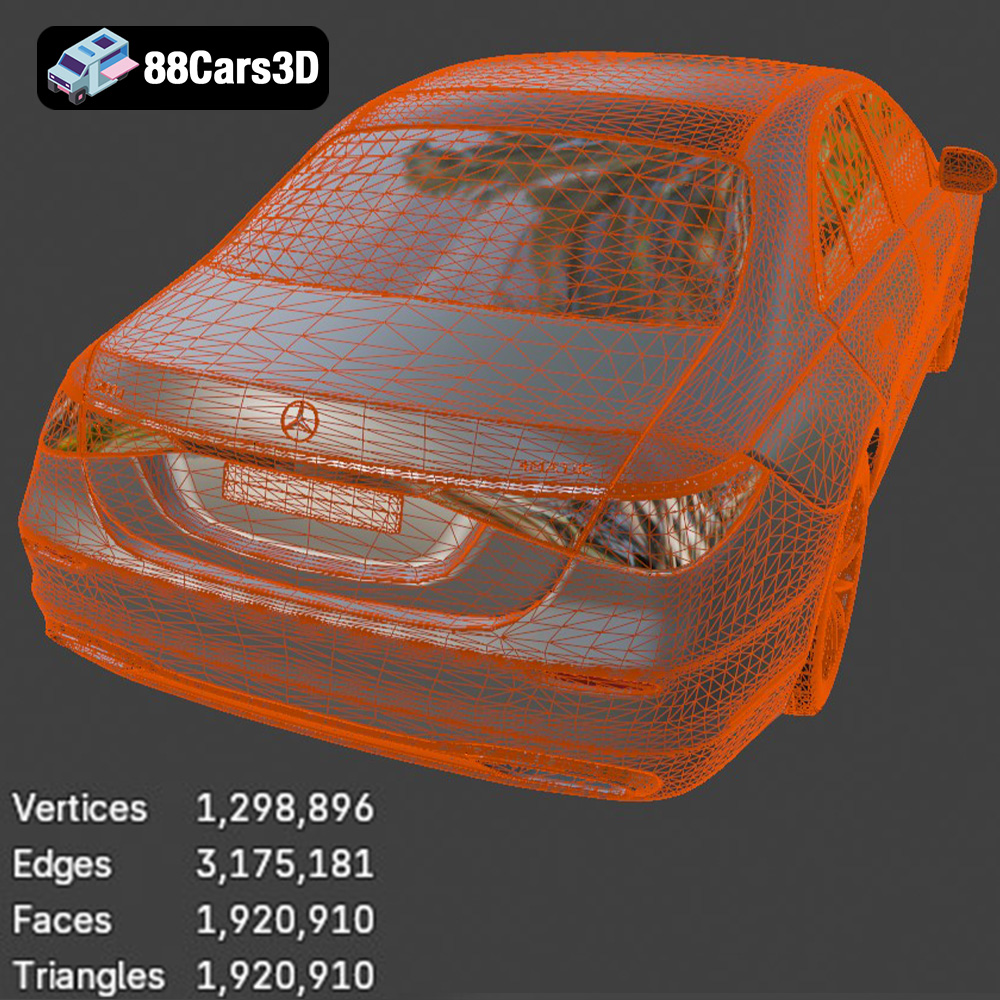
For game development, performance is king. The model’s “~250,000 triangle count” is a carefully chosen figure. It’s high enough to maintain “high-end visual realism” but optimized to ensure smooth frame rates in real-time engines like Unreal Engine and Unity. This balance is critical for open-world games, racing titles, and simulators where multiple vehicles and complex environments need to render simultaneously without bogging down the system. “Real-world scale accuracy” and “proper pivot setup for steering, wheel rotation, and suspension travel” are also vital for realistic physics and animation in game engines, allowing for dynamic interactions and believable driving simulations. The “game-ready” label means less work for developers in preparing the asset for their engine.
While games prioritize frame rates, high-resolution rendering for brand campaigns, lifestyle scenes, and studio lighting setups demands ultimate visual fidelity. The Mercedes-Benz S400d 2021 model’s superior topology and meticulously crafted details, from the intricate headlights to the luxurious interior, make it perfect for photorealistic automotive rendering. Artists can leverage advanced rendering techniques in software like V-Ray, Corona, or Octane, combined with the model’s detailed geometry and PBR (Physically Based Rendering) ready materials, to create stunning, print-quality images and animations that are virtually indistinguishable from real-world photography. The ability to “change body colors,” “modify tire textures,” and “adjust material finishes” provides immense creative freedom for bespoke visualizations.
Augmented Reality (AR) and Virtual Reality (VR) represent the future of interactive visualization, and high-quality 3D car models are central to these experiences. For virtual showrooms or immersive configurators, the S400d model provides the necessary detail for a convincing user experience. Its optimized nature ensures that it can be loaded and interacted with smoothly on various devices, from high-end VR headsets to mobile AR applications. Users can explore the vehicle’s exterior, delve into its interior, and even customize options in a truly immersive fashion, making it ideal for “immersive virtual showrooms” and “mobile AR experiences” that captivate potential buyers.
Professional workflows demand assets that integrate seamlessly and efficiently. The Mercedes-Benz S400d 2021 3D model from 88cars3d.com is designed with this in mind, providing flexibility for various stages of content creation.
In a studio environment, artists often begin by importing the chosen 3D car model into their preferred software, such as 3ds Max or Blender. Using the provided .max or .blend files gives artists full control over the scene. Here, they can set up sophisticated lighting rigs, apply custom materials, and fine-tune render settings to achieve specific artistic visions. For example, a commercial project might require showcasing the S400d in a sleek, minimalist studio environment with dramatic rim lighting to emphasize its contours. The “separate wheels, suspension, and steering components for animation” allow for dynamic camera movements and even short cinematic sequences, such as the car driving into frame or its suspension subtly reacting to an unseen surface. The model’s clean topology ensures that subdivision modifiers can be applied smoothly for extremely high-resolution renders without artifacts.
For real-time applications, the workflow shifts towards game engines. Developers would typically import the .fbx or even the dedicated .unreal asset into Unreal Engine. Once inside, the model can be configured with Unreal’s powerful material editor, creating physically accurate shaders for paint, glass, chrome, and leather, taking advantage of PBR textures. Collision meshes can be generated, and the separate animated parts (wheels, steering, suspension) can be connected to Unreal’s vehicle blueprint system, enabling realistic driving dynamics. This allows for rapid prototyping of driving mechanics, creation of interactive configurators, or integration into larger game worlds where the Mercedes-Benz S400d 2021 might serve as a player vehicle or an AI-driven prop. The optimization of the model means less time spent reducing poly counts and more time on gameplay and interactive features.
The utility of a high-fidelity 3D model extends beyond digital screens. For hobbyists, collectors, or designers looking for physical representations, 3D printing offers an exciting avenue. The Mercedes-Benz S400d 2021 3D model is designed with 3D printing in mind, evidenced by its inclusion of the .stl format and specific printing recommendations.
When preparing the S400d model for 3D printing, the choice of printer technology is paramount. FDM (Fused Deposition Modeling) printers are common for larger, less detailed prints, while SLA/DLP (Resin) printers excel at capturing fine details due to their higher resolution capabilities. For a luxury car model, “Resin printing recommended for fine details” is a crucial piece of advice. This ensures that intricate elements like the “DIGITAL LIGHT headlights,” “intricate 3D taillight clusters,” and even the “quilted leather seating” patterns can be accurately reproduced. Recommended scales like “1:12 / 1:18 / 1:24” are ideal for display models, balancing size with detail retention.
Successful 3D printing is often just the beginning. The quality of the final physical model depends heavily on post-processing. The recommendations for “Layer height: 0.04–0.12 mm” and “Wall thickness: 1.2–2.0 mm” are starting points for achieving a robust print. “Supports: Required for detailed parts like exhaust, mirrors, door handles” highlights the need for careful print preparation to prevent sagging and ensure structural integrity. After printing, steps like “Sanding, primer, and authentic factory colors with metallic finishes” are essential to elevate a raw print into a professional-looking replica. This hands-on process allows enthusiasts to connect with the digital asset in a tangible way, creating bespoke models that reflect the luxury of the real vehicle.
In a competitive digital landscape, efficiency and quality are non-negotiable. Sourcing pre-made, high-quality 3D car models like the Mercedes-Benz S400d 2021 from platforms such as 88cars3d.com offers significant advantages over modeling from scratch. It drastically reduces development time and costs, allowing artists and developers to focus on creative execution rather than foundational asset creation. The comprehensive nature of this particular model, with its optimized geometry, real-world scale, multiple file formats, and detailed interior/exterior features, makes it a highly versatile and valuable investment for any professional or enthusiast.
Whether you’re crafting a stunning visualization, building the next big racing game, or venturing into the realm of AR/VR, having a meticulously prepared asset at your disposal is a game-changer. The Mercedes-Benz S400d 2021 3D model is not just a digital representation; it’s a ready-to-use solution that empowers creators to elevate their projects with unparalleled realism and performance. Its proven compatibility across major software and engines ensures that it integrates seamlessly into virtually any professional workflow, making it a standout choice for high-end digital automotive content.
The journey from a luxurious physical automobile to a high-fidelity 3D model is one paved with technical challenges and artistic opportunities. The Mercedes-Benz S400d 2021 3D model stands as a testament to what can be achieved with expert craftsmanship and an understanding of diverse digital applications. From its meticulously recreated exterior and interior details to its optimized geometry and extensive file format support, it’s an asset designed for peak performance and visual realism across game development, architectural visualization, AR/VR experiences, and even 3D printing.
By offering such a comprehensive and versatile asset, 88cars3d.com provides professionals and hobbyists with the tools to bring their most ambitious projects to life. Investing in high-quality 3D car models like the S400d 2021 streamlines workflows, ensures visual excellence, and ultimately, helps create truly immersive and engaging digital experiences, allowing creators to spend less time on asset creation and more time on innovation.
Experience the pinnacle of automotive luxury with this highly detailed 3D model of the 2021 Mercedes-Benz S400d (W223). As the flagship sedan of the iconic German marque, the S-Class represents a masterful blend of cutting-edge technology, elegant aerodynamics, and sophisticated heritage. This meticulously crafted model captures the essence of the real vehicle, featuring its imposing chrome front grille, sleek flush door handles, dynamic roofline, and precisely modeled DIGITAL LIGHT multi-beam LED headlights. The refined aesthetics make it an essential asset for any high-end digital environment.
Built with exceptional attention to detail, this model boasts superior topology and an optimized triangle count that strikes the perfect balance between high-end visual fidelity and real-time performance. Designed to be fully game-ready, it ensures seamless integration into major game engines like Unreal Engine and Unity. The meticulously modeled exterior and interior geometry make it the ultimate choice for game development, immersive AR/VR experiences, high-resolution animations, and photorealistic automotive visualizations.
Perfect for luxury architectural visualizations, urban driving simulators, VIP transport game modes, and high-end automotive configurators.
.blend, .fbx, .obj, .glb, .stl, .ply, .unreal, .max
Tags:
mercedes-benz, s400d, 2021, luxury-sedan, saloon, w223, game-ready, low-poly, optimized, car-3d-model, game-asset, rendering, vr-ar, blend, fbx, obj, glb, stl, ply, unreal, maxMercedes Benz CLS 500 3D Model 3D Printable STL
$19.99
.2021
.blend
.fbx
.glb
.max
.obj
.ply
.rendering
.s400d
.saloon
.stl
.unreal
.w223
car-3d-model
game asset
game-ready
low-poly
luxury-sedan
mercedes-benz
optimized
VR/AR