Get 20% OFF All Premium 3D & STL Models!

In the dynamic landscape of digital visualization, the demand for exceptionally crafted 3D models continues to accelerate. From the adrenaline-pumping realism of racing simulators to the immersive environments of virtual showrooms, high-fidelity automotive assets are the engines that power these experiences. They are not merely static representations but complex digital sculptures, engineered to perform flawlessly across diverse platforms and applications. The pursuit of photorealism, game-ready optimization, and versatile compatibility defines the benchmark for quality in this specialized field.
At the heart of this pursuit lies the detailed and expertly realized Taigun TGR-08 3D Model Download STL FBX OBJ GLB Blend. This specific model exemplifies the pinnacle of modern 3D automotive design, offering a comprehensive solution for professionals seeking to integrate a contemporary, aggressively styled vehicle into their projects. Whether your aim is to create breathtaking cinematic renders, develop a cutting-edge racing game, or build an interactive AR experience, understanding the intricacies of such an asset is paramount. This article delves deep into the technical nuances, workflow considerations, and extensive applications that define a professional-grade 3D car model like the Taigun TGR-08, setting a new standard for digital automotive excellence available on platforms like 88cars3d.com.
The journey of any 3D model, especially one as complex as a detailed car, involves navigating a spectrum of file formats, each with its unique strengths and intended applications. A professional 3D car model, such as the Taigun TGR-08, often comes bundled with a variety of these formats to ensure maximum compatibility and utility across different software ecosystems and end-use scenarios. Understanding when and why to use each format is crucial for streamlining workflows and achieving optimal results.
The .blend format is Blender’s native file type, offering a fully editable scene with all its components: meshes, materials, textures, lighting, cameras, animation data, and even physics simulations. For artists and studios primarily working within Blender, this is often the most convenient and flexible format. It allows for deep customization, re-rigging, re-texturing, or further detailing without any loss of information that might occur during conversion. When you download the Taigun TGR-08 in .blend format, you gain access to the raw project file, enabling you to dissect its construction and adapt it precisely to your artistic vision.
.fbx (Filmbox) stands as a ubiquitous interchange format, particularly favored in game development and animation pipelines. Developed by Autodesk, it excels at preserving complex scene information including geometry, materials (with some limitations), textures, skeletal animations, blend shapes, and camera data. Its robust nature makes it ideal for transferring assets between different 3D software packages like Maya, 3ds Max, Blender, and directly into real-time engines such as Unreal Engine and Unity. For the Taigun TGR-08, the .fbx format is the go-to for ensuring that all its meticulously modeled components, proper pivot setups for animation, and basic material assignments translate seamlessly into your chosen real-time environment or rendering suite.
The .obj (Wavefront OBJ) format is one of the oldest and most universally supported 3D formats. It primarily stores geometric data – vertices, faces, normals, and UV coordinates – and can also reference external material (.mtl) files for basic color and texture information. While it doesn’t support animation or rigging, its simplicity and widespread compatibility make it an excellent choice for straightforward mesh transfer across almost any 3D software. The Taigun TGR-08 in .obj format provides a clean, raw mesh that can be easily imported into any application for re-texturing, sculpting, or use in non-animation-focused rendering.
.glb (GL Transmission Format Binary) is the binary version of glTF, a royalty-free specification for the efficient transmission and loading of 3D scenes and models by applications. It packages geometry, materials, textures, and animation into a single, self-contained file, making it incredibly efficient for web-based 3D, augmented reality (AR), virtual reality (VR), and mobile applications. Its optimization for real-time rendering and small file size makes the Taigun TGR-08 .glb model perfect for interactive virtual showrooms, mobile AR experiences, or integrating high-quality 3D visuals directly into websites without heavy load times.
.stl (Stereolithography) is the de facto standard file format for 3D printing. It represents 3D surfaces as a collection of unconnected triangular facets. While it contains no color or texture information, its simplicity makes it universally compatible with 3D printers and slicing software. The Taigun TGR-08 .stl file is specifically designed for physical output, allowing hobbyists and professionals to bring the digital model into the physical world as a scaled-down collectible or prototype, leveraging the precise geometry for accurate printing.
.ply (Polygon File Format, or Stanford Triangle Format) is another format for storing 3D data, particularly useful for scanned data and often employed in scientific or CAD applications. It can store a wider range of properties for each vertex and face, including color, transparency, normals, texture coordinates, and confidence values. While less common for general artistic asset distribution, the .ply version of the Taigun TGR-08 offers a robust and precise mesh representation that might be beneficial for engineers, designers performing structural analysis, or those requiring highly detailed point cloud data.
The inclusion of a dedicated .unreal asset signifies a model specifically prepared and optimized for direct integration into Unreal Engine. This format often means the asset has been pre-configured with Unreal-specific materials, collision meshes, LODs (Levels of Detail), and possibly Blueprints, ensuring it meets the engine’s rigorous real-time performance requirements. For developers working with Unreal, the Taigun TGR-08 .unreal asset significantly reduces import and setup time, offering an “out-of-the-box” solution for immediate use in game development or high-fidelity architectural visualization within the engine.
Similar to .blend for Blender, the .max format is the native file type for Autodesk 3ds Max. This file contains the entire scene data, including geometry, materials, textures, lighting, camera setups, and animation. For users deeply integrated into the 3ds Max ecosystem, the .max file for the Taigun TGR-08 provides the most comprehensive access to the original project. It allows for advanced customization, integration into complex rendering scenes using V-Ray or Corona Renderer, and precise control over every aspect of the model for animation and high-end visualization projects.
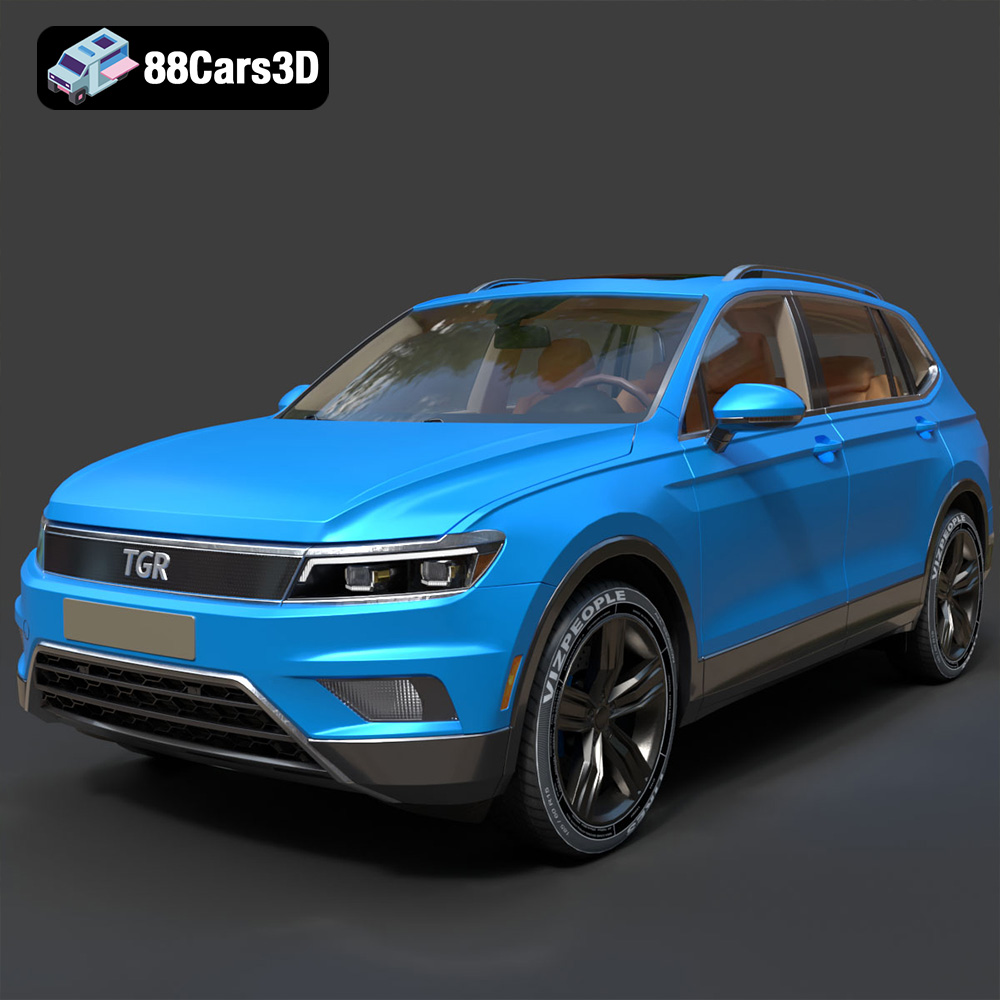
The Taigun TGR-08 3D model is a testament to meticulous craftsmanship, blending aesthetic appeal with technical ingenuity. Its design captures the essence of modern automotive styling, characterized by an aggressive stance and sculpted lines, while its underlying structure is optimized for peak performance across various digital applications. This balance is critical for any high-quality 3D car model.
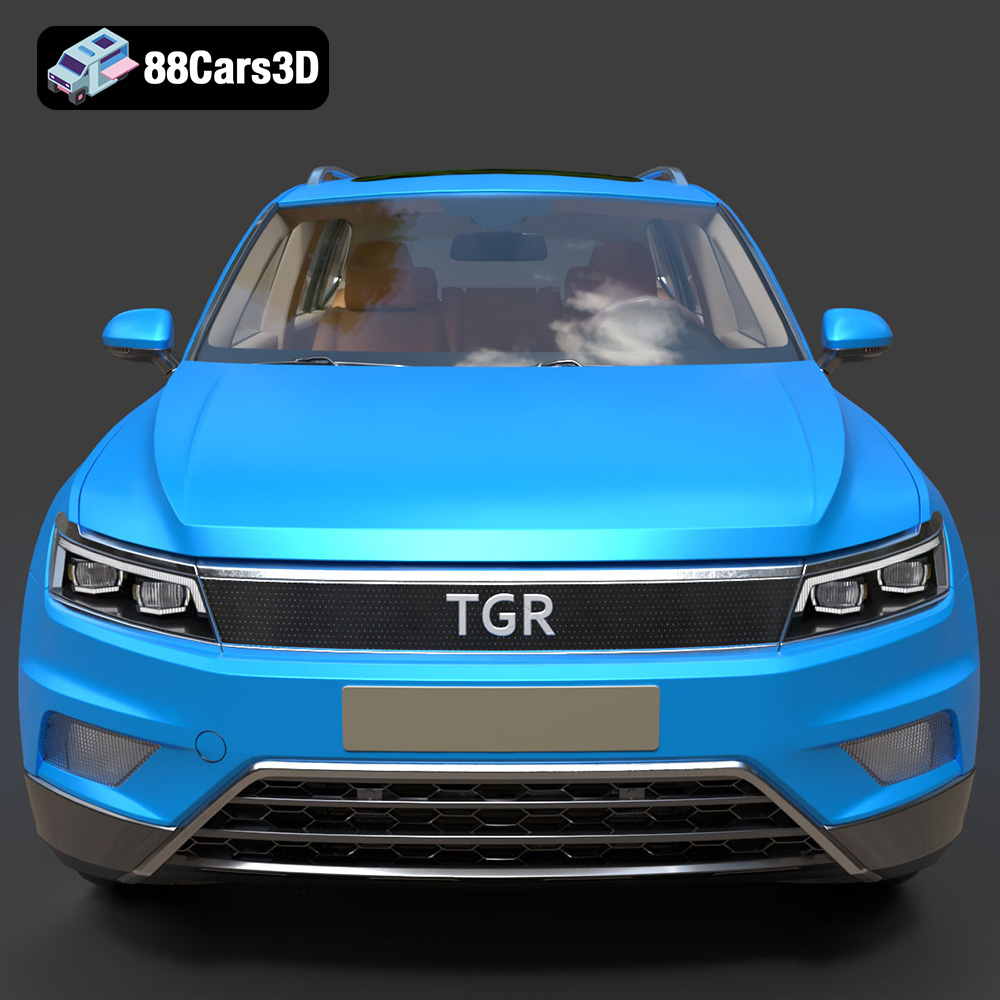
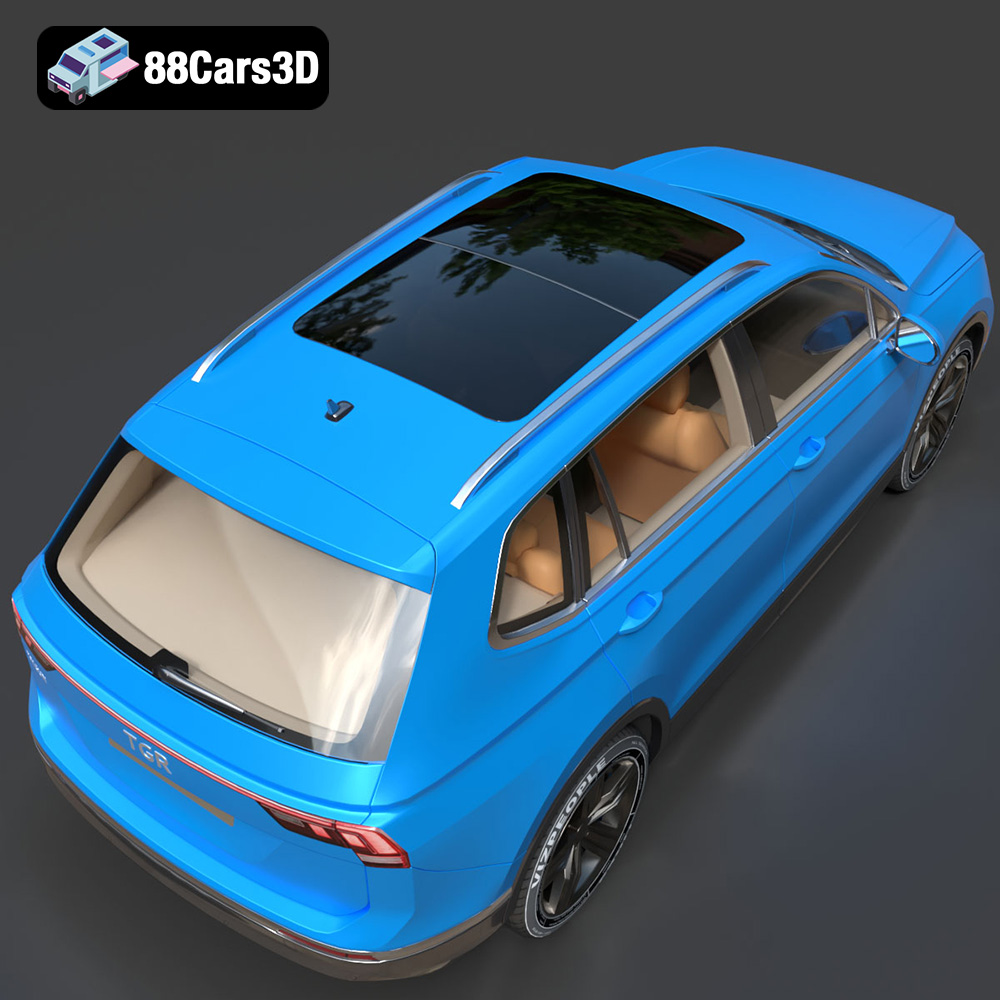
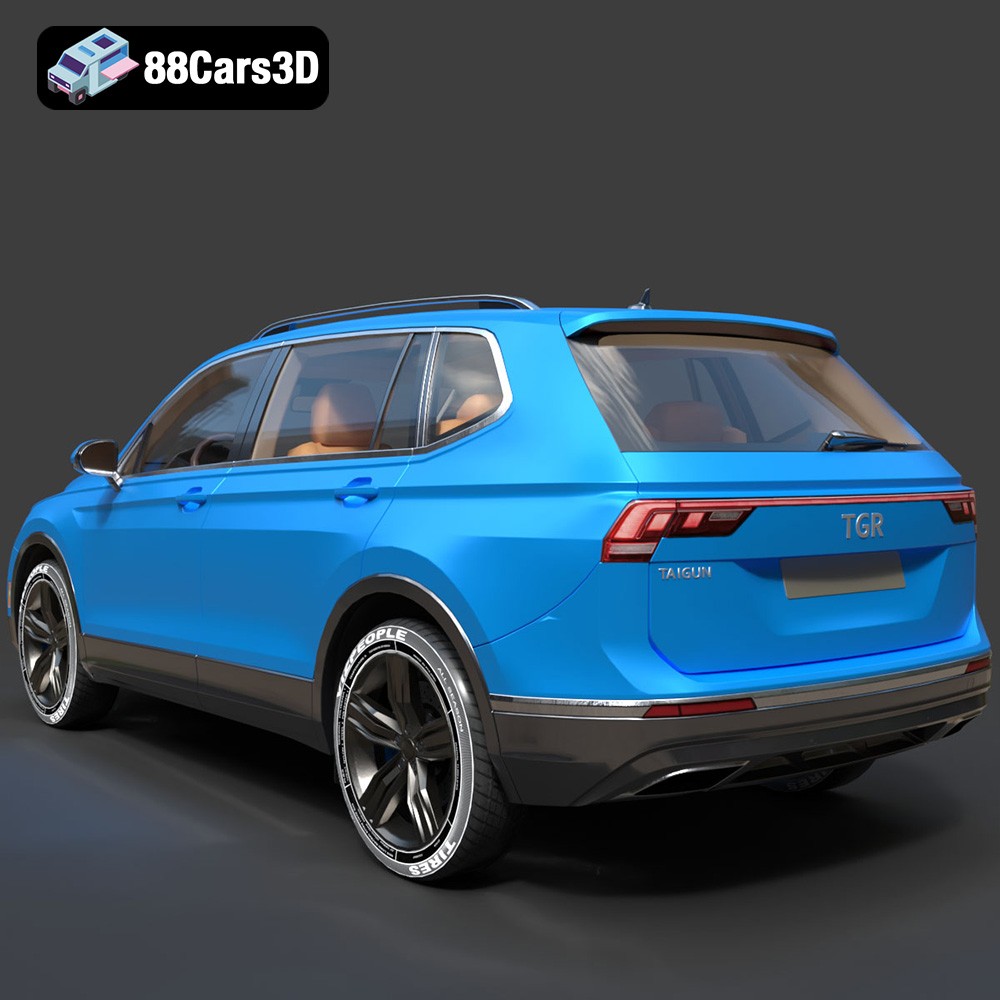
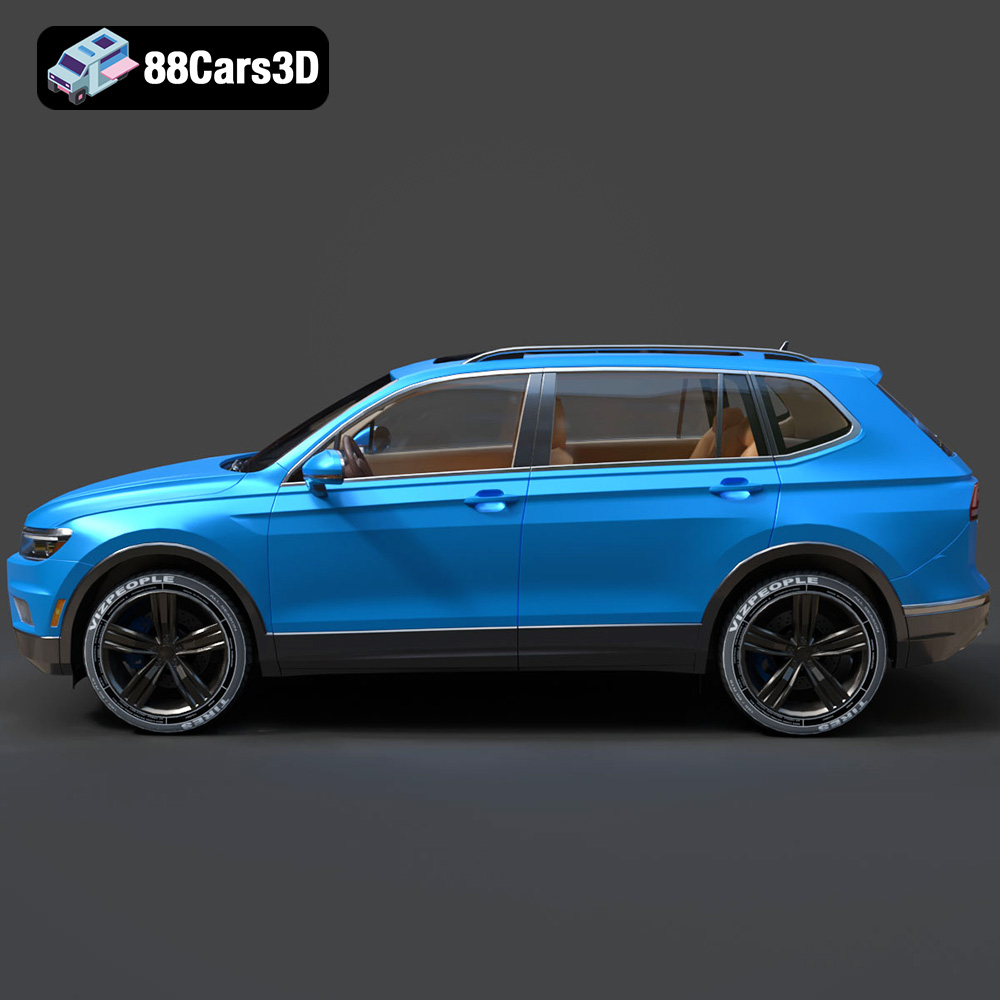
Every curve and contour of the Taigun TGR-08 has been painstakingly recreated, mirroring its real-world counterpart. The attention to detail extends beyond the primary body panels to crucial elements that define its character. The intricate front grille, complete with subtle badging and functional aerodynamic air intakes, adds a layer of realism often overlooked in less detailed models. Similarly, the aggressive rear diffuser and performance exhaust system are not merely suggested but fully modeled, reflecting a commitment to authenticity. The high-resolution LED headlight and taillight housings are particularly noteworthy, featuring complex internal reflectors that would react accurately to light, making it ideal for sophisticated automotive rendering setups. Custom alloy wheels and performance tires boast realistic tread patterns, contributing significantly to the overall visual impact. Crucially, components like separate wheels, suspension, and steering parts are ready for animation, transforming a static model into a dynamic asset capable of portraying realistic motion, a hallmark of professional 3D car models.
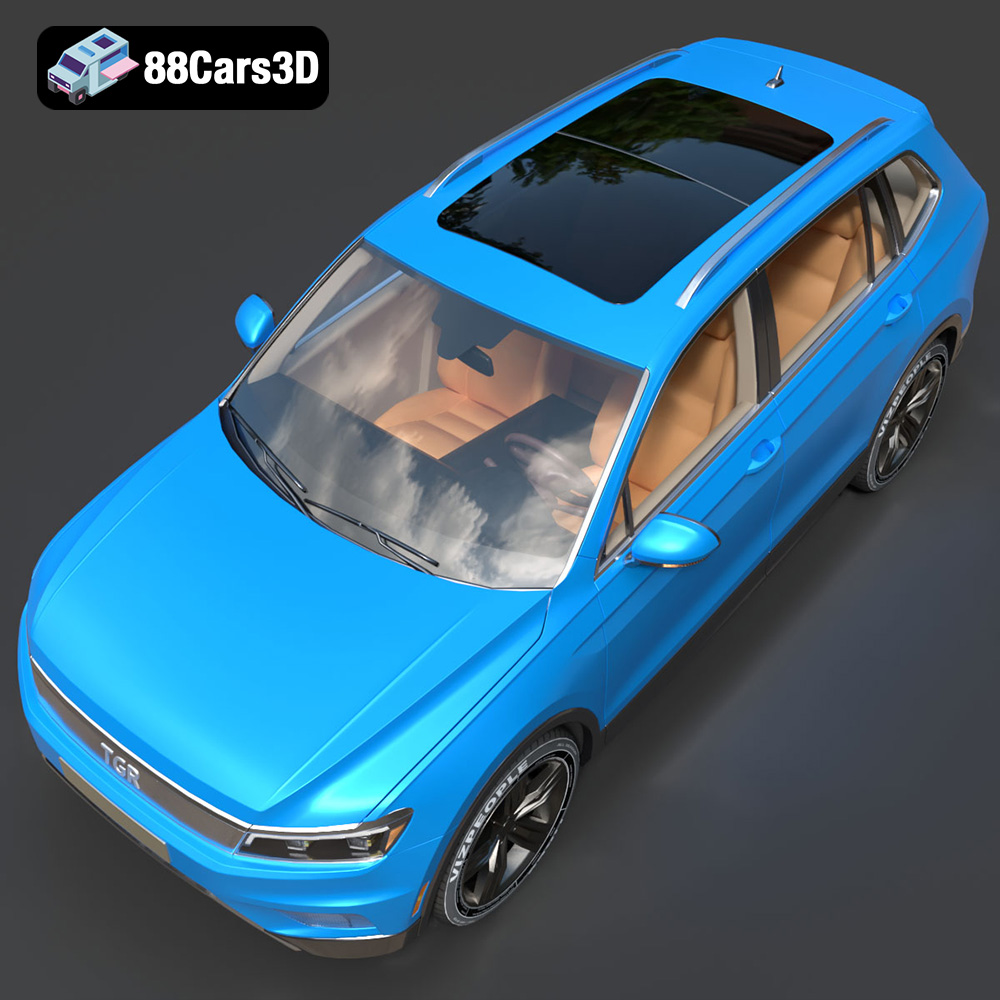
A truly professional 3D car model doesn’t stop at the exterior; it extends into a fully realized interior that can withstand close-up views and first-person perspectives. The Taigun TGR-08’s cockpit is a masterclass in this regard. Detailed sport seats feature accurate contouring and material separation, ready for PBR (Physically Based Rendering) texturing. The ergonomic steering wheel includes geometric button layouts, not just flat textures, enhancing its realism. A high-tech digital instrument cluster and center infotainment screen provide a focal point, while precise control details such—as pedals, a gear shifter, and console switches—ensure the interior is believable and interactive. This optimized geometry for first-person POV makes the Taigun TGR-08 particularly suitable for gaming and virtual reality applications, where immersion is paramount.
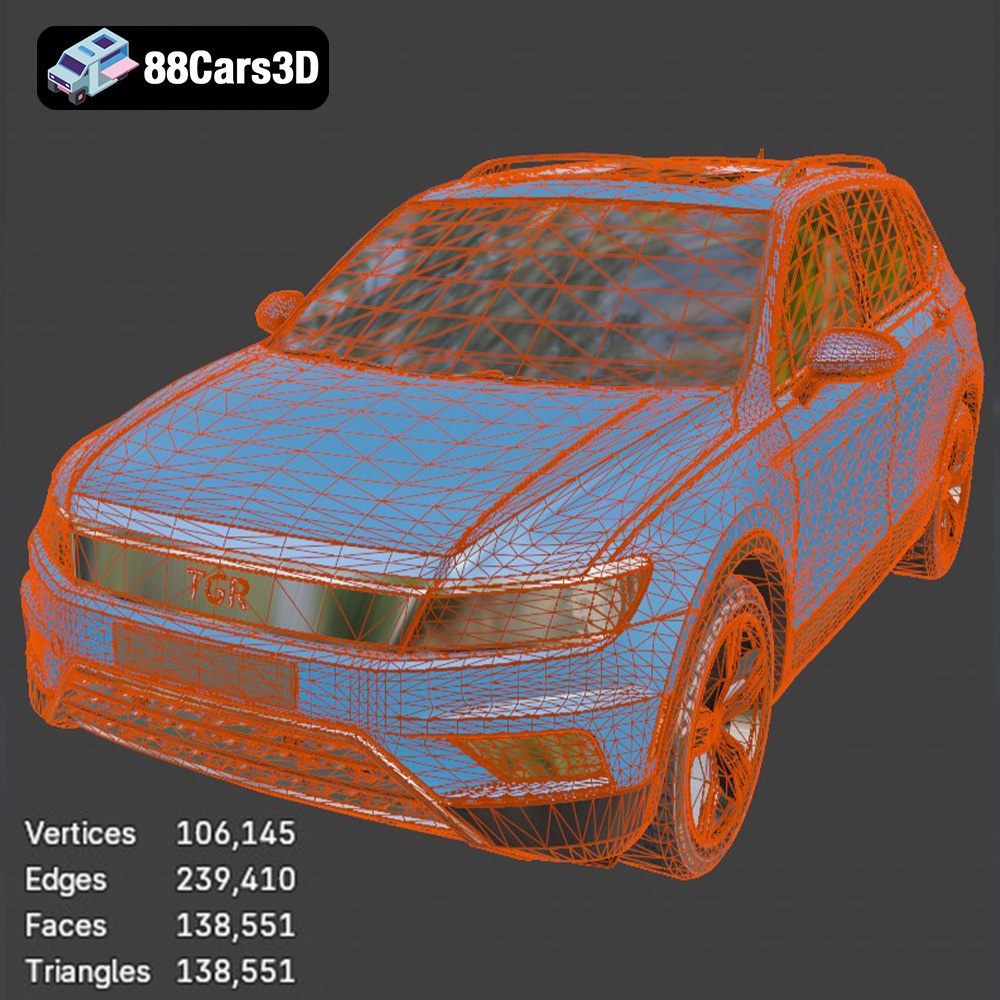
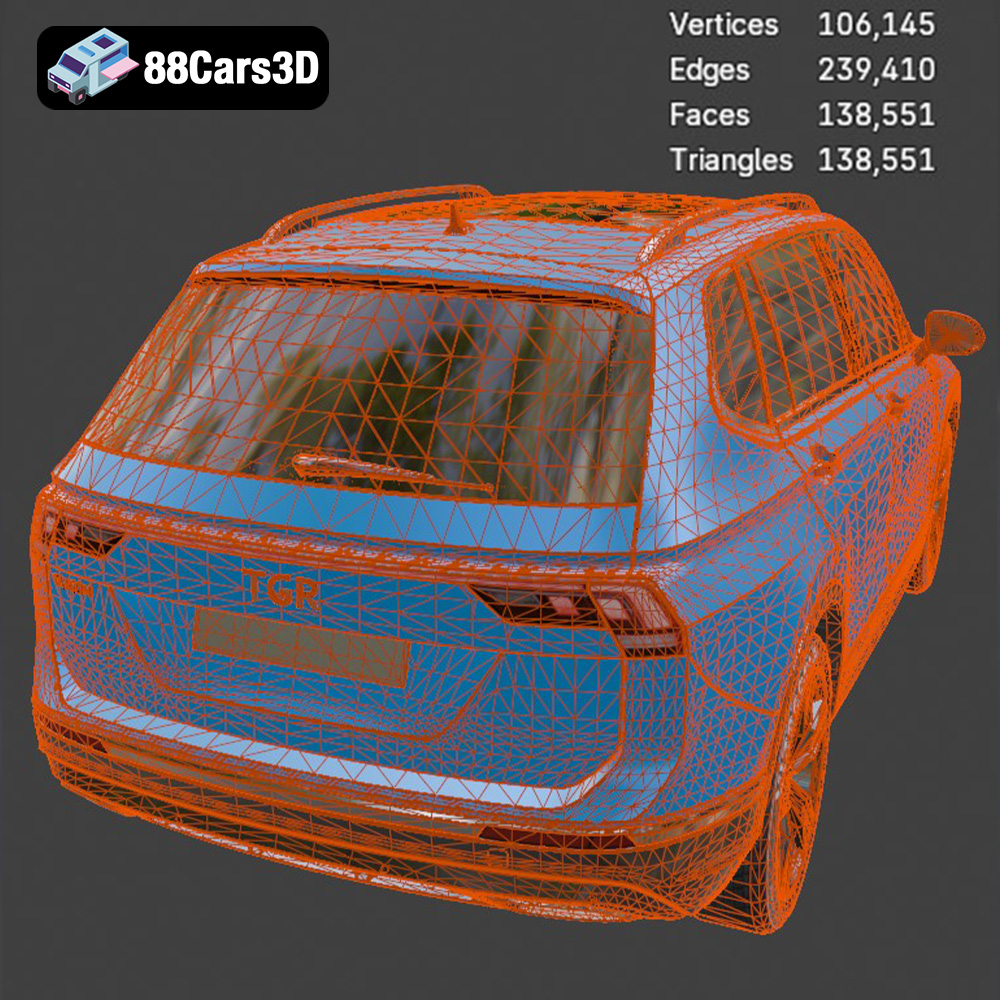
The “game-ready & optimized” label is a critical advantage of the Taigun TGR-08. This signifies that the model’s underlying mesh, defined by its triangle count and topology, has been carefully balanced to deliver high visual fidelity without compromising real-time rendering performance. While not explicitly stated, such optimization implies efficient UV mapping, which is essential for texture application without distortion. It ensures that the model can be smoothly integrated into game engines like Unreal and Unity, maintaining high frame rates even within complex scenes. The real-world scale accuracy further contributes to seamless integration, preventing scaling issues when combining the model with other assets or environments. Furthermore, proper pivot setups for steering, wheel rotation, and suspension travel are pre-configured, drastically reducing the setup time for animators and developers. This level of technical consideration is what distinguishes a truly professional 3D asset from a basic model.
The true value of a versatile 3D asset like the Taigun TGR-08 lies in its seamless integration into various professional pipelines. Its diverse file format offerings and optimized structure cater to specific industry needs, from blockbuster game development to cutting-edge visualization.
For game developers, the Taigun TGR-08 is a prime candidate for open-world games, racing titles, and simulators. The included .fbx and especially the .unreal formats are tailored for this purpose. When integrating into Unreal Engine, developers can import the .unreal asset directly, which often includes pre-set materials, collision meshes, and LODs (Levels of Detail). For .fbx, the workflow typically involves importing the model, configuring its PBR materials within Unreal’s material editor, setting up accurate collision meshes for physics interactions, and then implementing vehicle blueprints for realistic driving dynamics, including steering, acceleration, and suspension. The pre-set pivot points for animation significantly reduce rigging efforts, allowing developers to quickly animate steering, wheel rotation, and suspension travel. This level of optimization and preparation makes the Taigun TGR-08 a truly game-ready asset, saving valuable development time.
In architectural visualization (arch-viz) and cinematic rendering, realism is paramount. The Taigun TGR-08 excels in these areas, offering high-resolution detail suitable for close-up shots and photorealistic integration. Artists using 3ds Max can leverage the native .max file, granting full access to the original scene, including complex materials and potential lighting setups. Similarly, Blender users benefit from the .blend file for complete scene control. The workflow typically involves importing the model, applying advanced PBR materials (often using textures provided or created from scratch based on reference), setting up studio or environmental lighting (e.g., HDRI domes, area lights), and positioning the vehicle within an architectural scene. Rendering engines like V-Ray, Corona Renderer, or Blender’s Cycles and Eevee can then produce stunning, photorealistic images or cinematic sequences, with the TGR-08 acting as a sophisticated centerpiece or background element in lifestyle scenes, brand campaigns, or marketing visuals.
The immersive nature of Augmented Reality (AR) and Virtual Reality (VR) demands highly optimized assets. The Taigun TGR-08’s .glb format is specifically designed for these applications and web-based 3D viewers. For AR showrooms, the model can be easily integrated into platforms like Apple’s ARKit or Google’s ARCore, allowing users to “place” the car in their real-world environment via a smartphone or tablet. In VR configurators, users can walk around, open doors, and even customize the Taigun TGR-08 in a virtual space, thanks to its optimized geometry and material separation. Its efficient file size also makes it perfect for WebGL implementations, allowing interactive 3D models to be displayed directly in a web browser without requiring plugins, which is invaluable for online product showcases or marketing campaigns. The balance between visual quality and performance offered by this 3D car model ensures a smooth and engaging user experience in these cutting-edge digital environments.
The utility of high-quality 3D car models extends beyond pixels and polygons into the realm of physical objects. The Taigun TGR-08, with its robust collection of file formats, offers exceptional capabilities for 3D printing and even precision engineering applications.
The inclusion of the .stl format specifically caters to the burgeoning field of 3D printing. This format strips away textures and materials, focusing solely on the pure geometric form, ideal for translating a digital concept into a tangible model. For hobbyists or professionals looking to create a physical representation of the Taigun TGR-08, the recommended scales of 1:12, 1:18, or 1:24 provide a starting point for print size. Fine details such as the intricate grille, LED light housings, and delicate exhaust system necessitate a high-resolution printing method, with resin printing (SLA/DLP) often recommended over FDM for achieving the sharpest results. Critical print settings, such as layer height (0.04–0.12 mm) and wall thickness (1.2–2.0 mm), are crucial for structural integrity and detail preservation. Supports are unequivocally required for complex overhangs and intricate components like mirrors or the undercarriage. Post-processing steps like sanding, priming, and painting with authentic factory colors and metallic finishes can elevate a raw print to a display-worthy masterpiece, truly bringing the Taigun TGR-08 to life off-screen.
While less common for everyday artistic workflows, the .ply format offers a robust, precise mesh representation that is highly valuable in certain engineering and analytical contexts. For the Taigun TGR-08, this could mean using the model for more than just aesthetics. Engineers might import the .ply data into CAD software to perform basic aerodynamic simulations, evaluate clearances between components (though the model is not a true CAD assembly), or derive precise measurements for design validation. While the model is optimized for visual realism rather than strict engineering tolerances, the precision of its geometry in .ply format allows for a level of analytical engagement that other formats might not facilitate as cleanly. This demonstrates the multifaceted utility of a comprehensively prepared 3D asset, catering to both visual artists and technical professionals alike.
A truly professional 3D asset, like the Taigun TGR-08 3D Model, is not a static object but a flexible foundation for creative exploration. Its design and included features provide extensive customization options, ensuring its longevity and adaptability across countless projects.
One of the most powerful aspects of working with high-quality 3D car models is the ability to customize their appearance to suit any scene or brand requirement. The Taigun TGR-08 is designed with material separation, allowing artists to effortlessly change body and tank colors to any desired hue—from authentic factory shades to bespoke metallic or matte finishes. This is achieved by adjusting material properties (like base color, roughness, metallic values) within the chosen 3D software or game engine. Furthermore, modifying tire textures from performance street variants to more aggressive all-terrain options can dramatically alter the vehicle’s character and suitability for different environments. Artists can also experiment with various material finishes, such as adding carbon fiber accents, high-gloss clear coats, or a rugged matte texture, offering endless possibilities for personalization and visual storytelling.
Beyond static renders, the Taigun TGR-08 is built for dynamic action. Its separate wheels, suspension, and steering components are not just cosmetic details; they are crucial elements that enable complex animations. With proper pivot setups already integrated into the model, animators can quickly rig the car for realistic driving sequences, including steering wheel turns, wheel rotation, and suspension compression over uneven terrain. This makes it an invaluable asset for creating realistic driving simulators, cinematic car chases, or interactive experiences where vehicle dynamics are key. The model’s versatility means it can be adapted to various lighting conditions and environmental settings, ensuring it looks spectacular whether driving through a sun-drenched city or navigating a rain-slicked track. This forward-thinking design, anticipating the needs of animators and real-time developers, truly future-proofs the asset for a wide array of high-demand projects.
The world of 3D modeling for automotive design is a blend of artistic vision and technical precision. The Taigun TGR-08 3D Model stands as a shining example of this synergy, offering an incredibly detailed, optimized, and versatile asset for a broad spectrum of digital applications. From its aggressive aesthetic to its meticulously crafted interior, every element reflects a commitment to quality. The extensive array of included file formats—.blend, .fbx, .obj, .glb, .stl, .ply, .unreal, and .max—underscores its adaptability, making it an indispensable tool for game developers, architectural visualizers, AR/VR creators, and even 3D printing enthusiasts.
Whether you are rendering a photorealistic advertisement, building an immersive virtual showroom, or developing the next big racing game, the Taigun TGR-08 provides the foundation for excellence. Its game-ready optimization, real-world scale, and animation-friendly setup ensure seamless integration into professional workflows, minimizing setup time and maximizing creative output. By understanding the capabilities inherent in such a sophisticated 3D car model, artists and developers can unlock new levels of realism and interactivity in their projects.
For those seeking to elevate their digital automotive library with high-quality 3D car models that truly perform, assets like the Taigun TGR-08 are paramount. Discover this model and a wide selection of other professional-grade resources designed for every creative need at 88cars3d.com, your trusted source for premium 3D assets.
Experience the modern design and dynamic presence of the Taigun TGR-08 with this high-fidelity 3D model. Characterized by its aggressive front fascia, sculpted bodylines, and aerodynamic contours, the TGR-08 embodies contemporary automotive styling. This model captures every distinctive feature, from the intricate front grille and striking LED lighting assemblies to the dynamic exhaust system and sporty alloy wheels, making it a standout digital asset for any high-end project. Built with a meticulously optimized topology, this game-ready model maintains an exceptional balance between visual fidelity and rendering performance. Sitting at an efficient triangle count, it seamlessly integrates into real-time environments without sacrificing the high-resolution details demanded by modern engines. Whether for interactive applications, virtual reality, or cinematic sequences, this model delivers unparalleled quality. Perfect for open-world racing games, automotive configurators, mobile AR showrooms, and modern architectural visualizations.
$19.99
.blend
.fbx
.glb
.max
.obj
.ply
.rendering
.stl
.unreal
car-3d-model
concept-car
game asset
game-ready
low-poly
optimized
performance-vehicle
SUV
taigun
tgr-08
VR/AR