Get 20% OFF All Premium 3D & STL Models!

In the exhilarating world where hypercar engineering meets cutting-edge digital artistry, the demand for breathtakingly accurate 3D car models has never been higher. For professionals in game development, automotive rendering, AR/VR, and cinematic visualization, the ability to seamlessly integrate high-fidelity vehicle assets is paramount. We’re not just talking about a static mesh; we’re discussing a comprehensive digital twin, engineered for performance across diverse platforms.
Imagine bringing the sheer dominance of the Koenigsegg Jesko 2019 to your next project. This isn’t just a car; it’s a statement of unparalleled power and aerodynamic precision. Capturing its essence in a digital format requires meticulous attention to detail, optimized topology, and versatile file formats. This is precisely what a premium 3D car model, such as the Koenigsegg Jesko 2019 3D Model available at 88cars3d.com, delivers to artists and developers alike. It represents the pinnacle of digital craftsmanship, ready to accelerate your creative endeavors.
The choice of file format is often as crucial as the model itself, dictating compatibility, performance, and the scope of a project. For professionals working with 3D car models, understanding these nuances is essential for efficient workflows and successful project delivery. The Koenigsegg Jesko 2019 3D Model, for instance, offers a comprehensive suite of formats, each tailored for specific applications.
The .blend format is native to Blender, a powerful open-source 3D creation suite. A .blend file typically contains an entire scene, including the 3D model’s geometry, materials, textures, lighting setups, cameras, animations, and even rigging. It’s fully editable, allowing artists complete freedom to dissect, modify, and re-purpose every aspect of the model. For the Koenigsegg Jesko, receiving it in .blend format means having access to the original project file, allowing for deep customization of materials, scene lighting, or even preparing it for complex animation sequences within Blender.
.fbx (Filmbox) is an Autodesk-developed proprietary file format widely adopted across the 3D industry. It’s an excellent choice for transferring 3D data between different software applications and is particularly favored in game development for engines like Unreal and Unity. FBX files can store not just geometry, but also animation, skeletal data, skinning, blend shapes, and PBR (Physically Based Rendering) materials. Its versatility makes it ideal for real-time pipelines where accurate data transfer of complex animated assets is critical. When importing the Jesko into Unreal Engine or Unity, an FBX ensures all relevant data, including pivot points for wheels and suspension, is retained.
.obj (Wavefront OBJ) is one of the most widely supported and universal 3D file formats. It’s a simple, text-based format primarily used to exchange 3D geometric data, including vertices, faces, normals, and UV coordinates. While it can reference external material files (.mtl) for basic color and texture information, it doesn’t support advanced features like animation, rigging, or complex PBR materials directly within the file itself. For simple geometry transfer or when working with software that has limited import options, an OBJ of the Koenigsegg Jesko provides a clean, compatible base mesh that can be textured and shaded in almost any 3D application.
.glb (GL Transmission Format Binary) is the binary version of the glTF format, specifically designed for efficient transmission and loading of 3D scenes and models by engines and applications. It’s an open standard that has rapidly gained traction for its compactness and ability to encapsulate PBR materials, animations, and scene hierarchy in a single, self-contained file. GLB is perfect for web-based 3D viewers, augmented reality (AR) experiences, and virtual reality (VR) applications due to its optimization for real-time display. Showcasing the Koenigsegg Jesko in a mobile AR configurator or an interactive web experience benefits immensely from the .glb format.
.stl (StereoLithography) is the de-facto standard file format for 3D printing. It represents a 3D model as a series of connected triangles (a triangulated mesh) that describe the surface geometry without any color, texture, or material information. While it lacks visual fidelity for rendering, its simplicity makes it universally compatible with 3D printers and slicing software. For hobbyists or professionals wanting a physical replica of the Koenigsegg Jesko, the .stl format provides the necessary data for manufacturing, allowing them to bring the digital model into the physical world.
The .ply (Polygon File Format) is a file format designed to store 3D data from 3D scanners. It supports storing properties like color, transparency, surface normals, texture coordinates, and data confidence values for the front and back of a polygon. It’s often used in applications requiring high precision or for models derived from real-world scans or CAD data. While less common for general-purpose rendering than FBX or OBJ, it’s valuable when retaining vertex-level detail or specific data for analysis or engineering-focused visualization of the Jesko.
While not a universal file extension in the same vein as FBX or OBJ, the inclusion of .unreal typically signifies an asset specifically packaged or optimized for direct import or use within Unreal Engine. This might imply pre-configured materials, collision meshes, LODs (Levels of Detail), and blueprint setups, saving significant time during game development. For the Koenigsegg Jesko 3D model, this could mean an FBX tailored with Unreal’s specific material workflow in mind, or even a .uasset file if it’s part of a larger asset pack, ensuring maximum compatibility and ease of integration for stunning real-time visuals.
The .max format is the native file type for Autodesk 3ds Max, one of the leading software packages for 3D modeling, animation, and rendering. A .max file contains an entire 3ds Max scene, including all 3D geometry, materials, textures, lighting, cameras, animation data, and modifier stacks. This format offers maximum flexibility for artists who use 3ds Max, allowing them to manipulate every aspect of the Koenigsegg Jesko model, from fine-tuning its mesh to setting up complex rendering scenarios or advanced animations. It’s the ultimate format for comprehensive control and high-end studio work.
The digital representation of a hypercar like the Koenigsegg Jesko 2019 demands an uncompromising blend of visual fidelity and technical efficiency. This isn’t just about creating a pretty picture; it’s about crafting a functional digital asset that performs flawlessly across demanding professional applications.
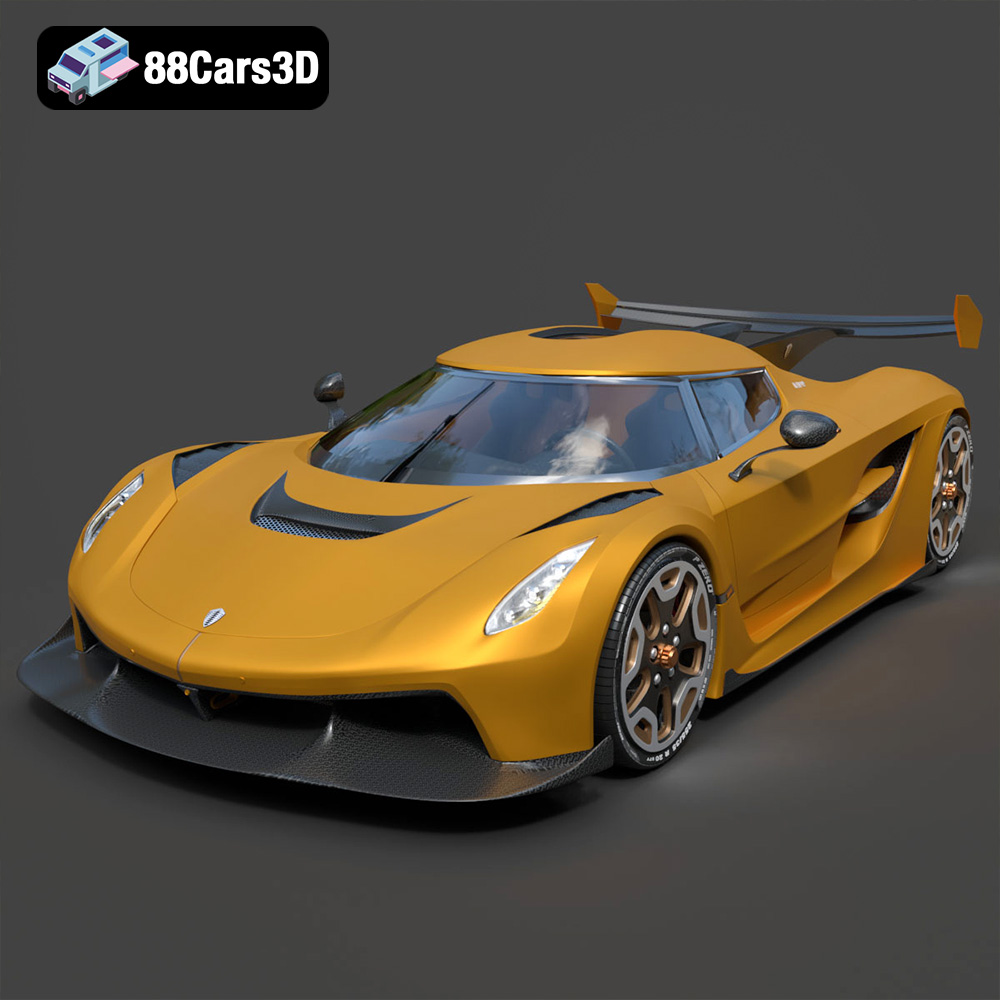
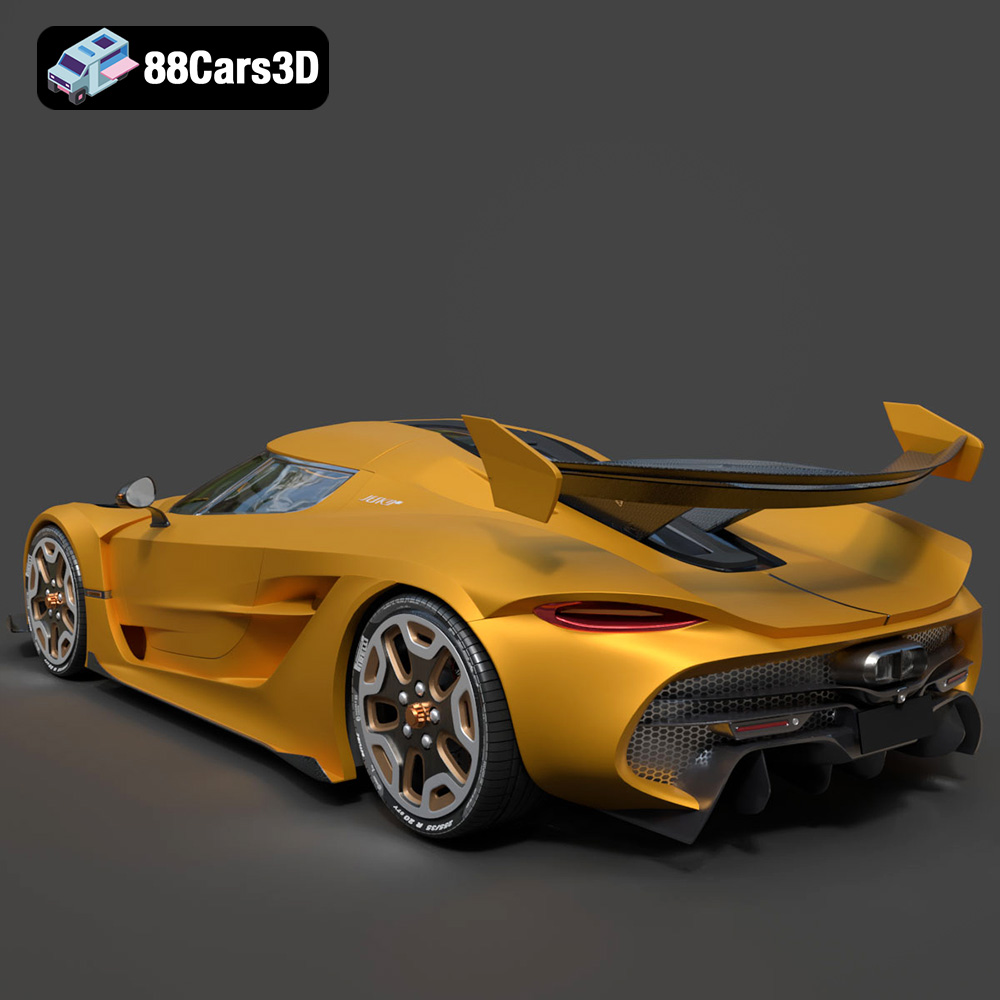
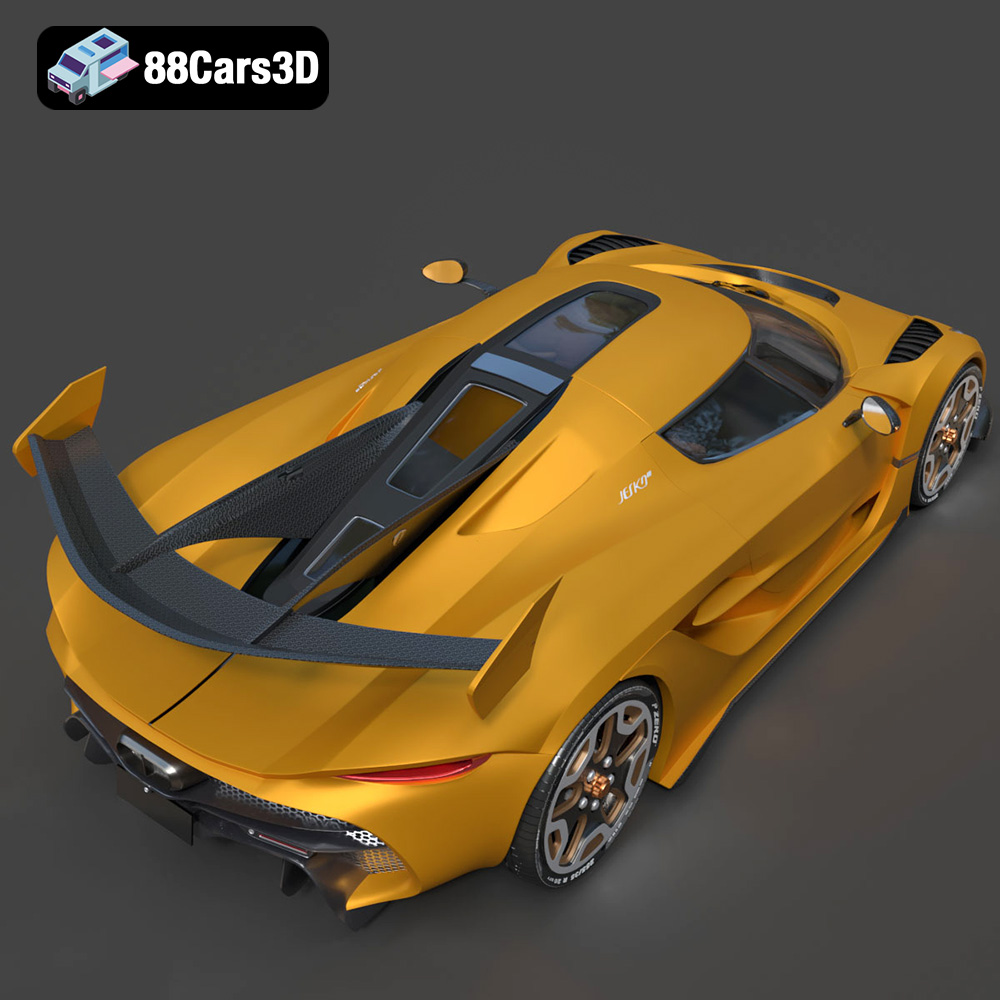
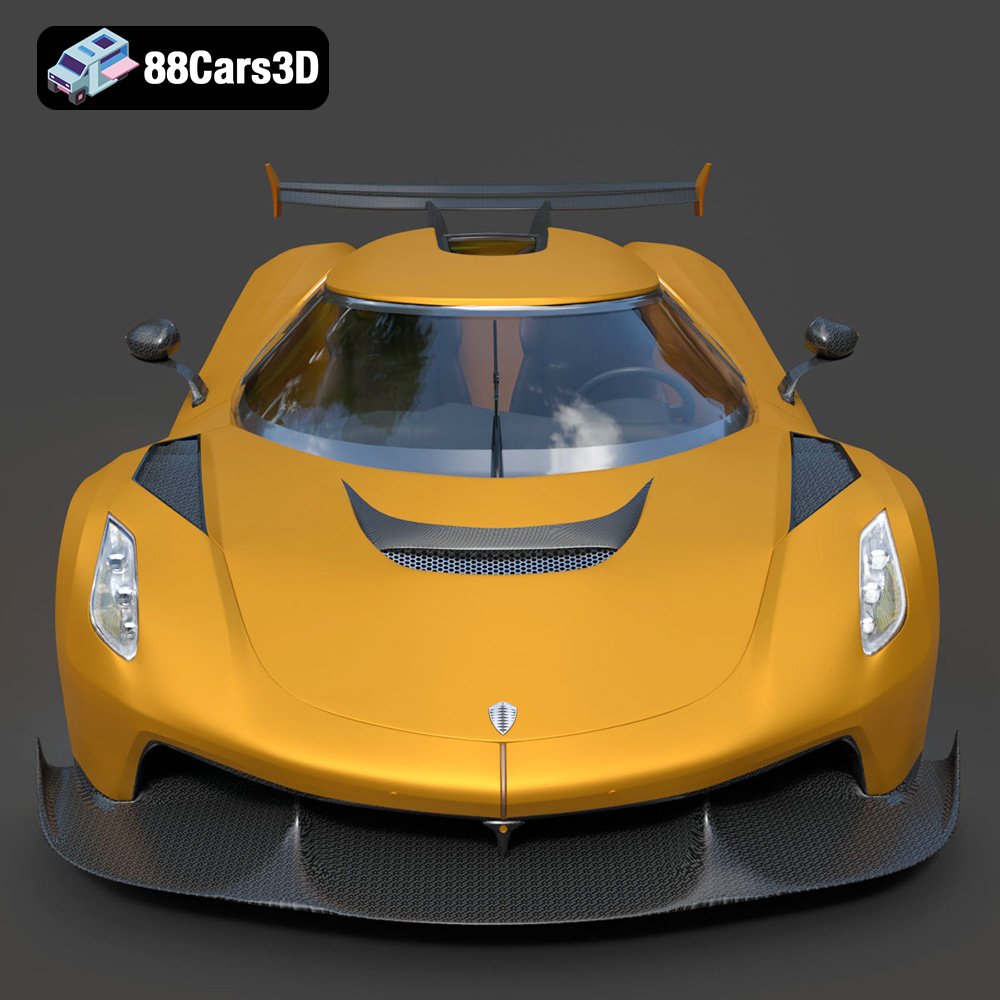
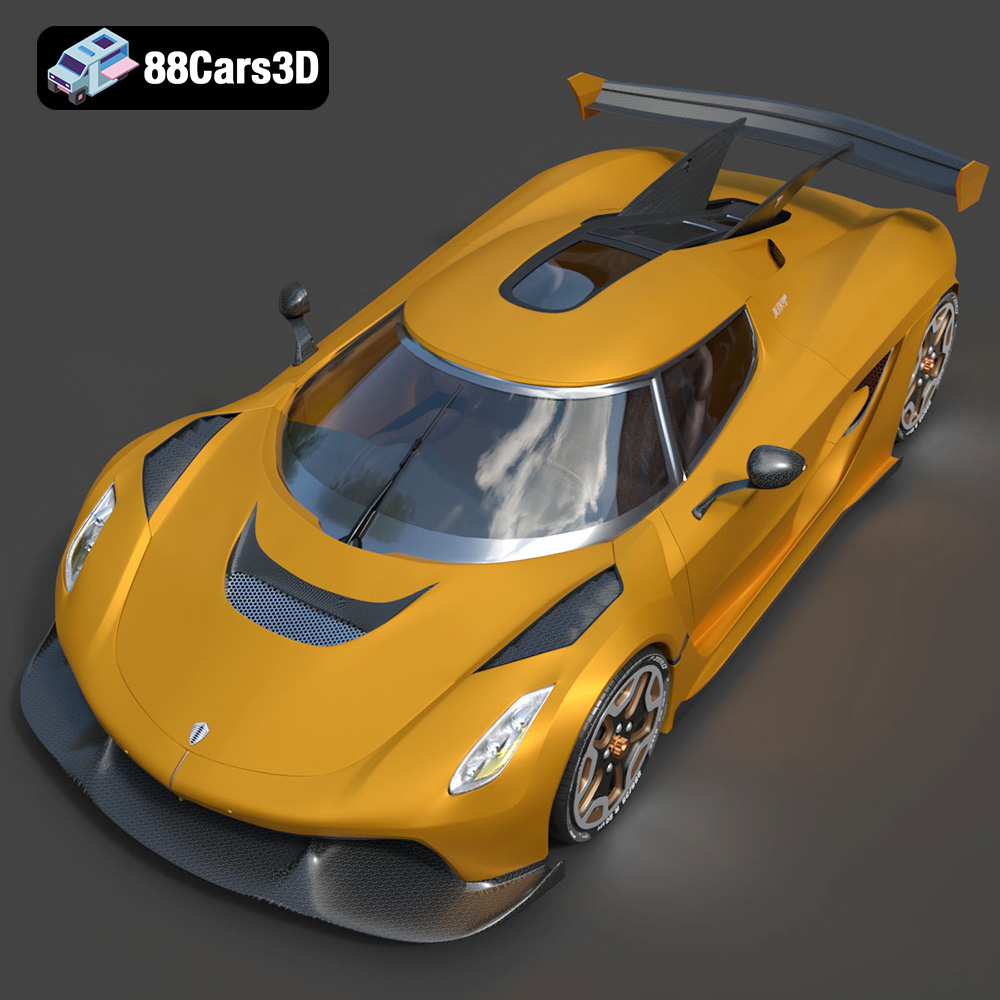
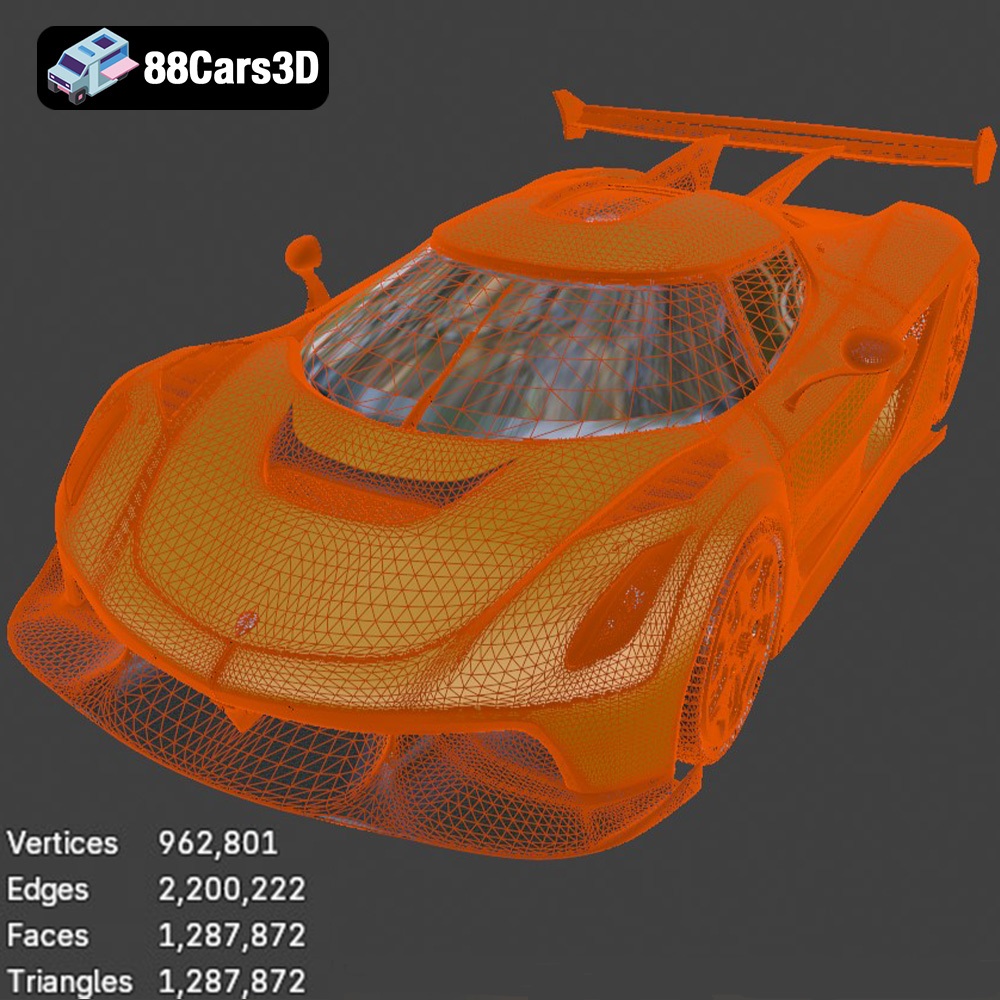
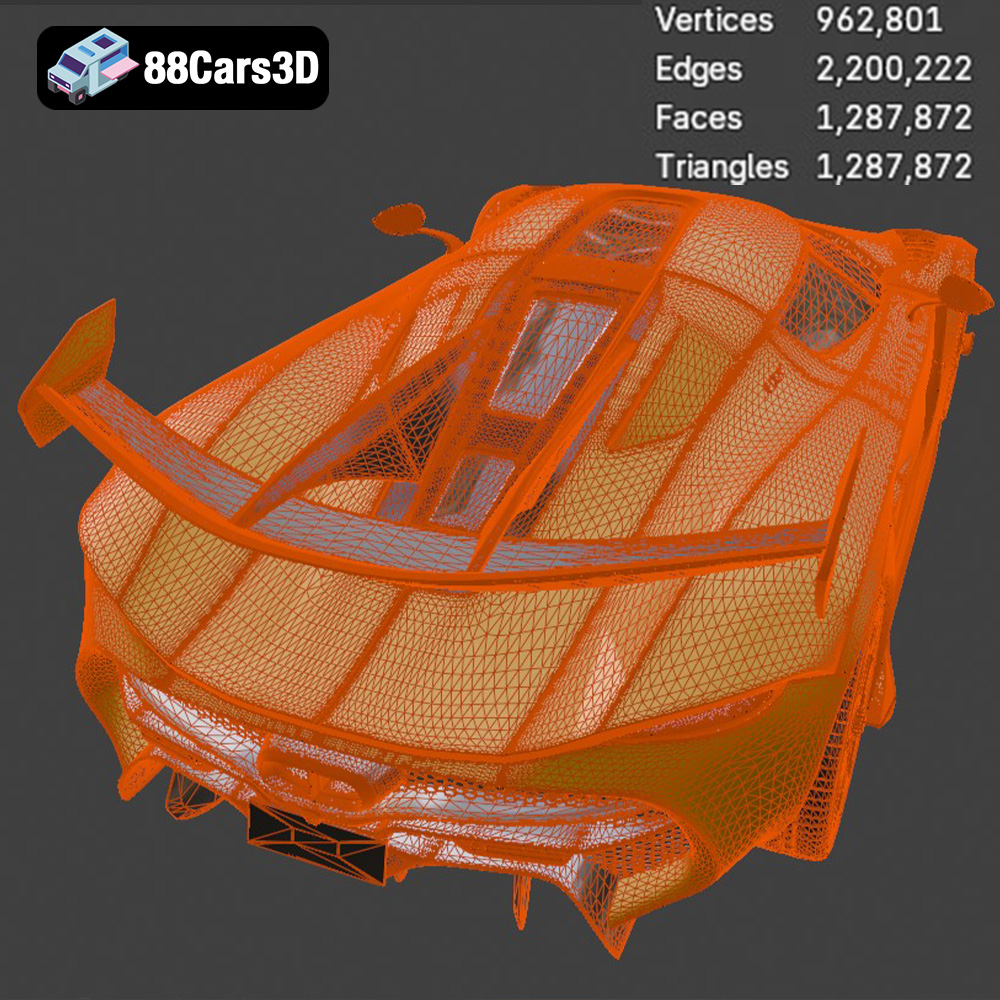
The core of any exceptional 3D car model lies in its exterior accuracy. The Koenigsegg Jesko model boasts precise aerodynamic carbon-fiber bodywork, capturing the car’s unmistakable silhouette, aggressive splitter, and the colossal active rear wing. Critical elements like the detailed 5.0L twin-turbo V8 engine bay, complete with surrounding heat shields and the iconic top-mounted center-exit exhaust system, are meticulously reproduced. Precision-modeled LED headlights and sweeping taillight signatures add to the realism, crucial for automotive rendering. The lightweight forged alloy wheels, high-performance Michelin tire treads, and intricate carbon-ceramic brake calipers with drilled rotors are all separate, allowing for accurate animation of steering, suspension, and wheel rotation. With approximately 650,000 triangles, this model strikes a superb balance, offering breathtaking visual fidelity without overburdening real-time engines – a testament to its optimized topology.
Beyond the stunning exterior, a high-quality 3D car model provides an equally compelling interior. The Jesko’s cockpit is replicated with detailed carbon-fiber racing bucket seats, featuring authentic upholstery stitching. The accurate SmartWheel racing steering wheel, integrated haptic touchscreens, and the unique steering-column mounted gyroscopic digital instrument cluster are all modeled with precision. The minimalist center console, complete with climate control and shifter details, completes the immersive experience. This level of detail is paramount for first-person POV in gaming or for creating virtual showrooms where users can explore the interior up close.
The true value of a premium 3D asset for professionals lies in its technical underpinnings. The Koenigsegg Jesko 3D model is built with game-ready optimization in mind, featuring a balanced triangle count (~650,000) that allows for exceptional visual realism while maintaining performance in real-time engines like Unreal and Unity. Its real-world scale accuracy ensures seamless integration into environments and prevents scaling issues. Furthermore, proper pivot setups for steering, wheel rotation, and suspension travel are critical for realistic animation and physics simulations in racing titles or cinematic sequences. This attention to technical detail significantly reduces development time, making it a plug-and-play solution for complex projects.
Incorporating a high-quality 3D car model like the Koenigsegg Jesko transforms various professional workflows, from marketing campaigns to immersive simulations. These assets are not merely decorative; they are foundational elements for sophisticated digital experiences.
In the realm of automotive rendering, photorealism is the ultimate goal. Professionals leverage advanced 3D car models within software like 3ds Max (with renderers such as V-Ray or Corona) or Blender (using Cycles or Eevee) to create stunning marketing visuals. The Jesko’s meticulous details allow for close-up studio renders that highlight its design, materials, and luxury finishes. Artists can set up sophisticated lighting scenarios using HDRIs (High Dynamic Range Images) for realistic reflections and global illumination, or place the vehicle against high-resolution backplates to simulate real-world environments. Case studies often include creating captivating lifestyle scenes for brochures, virtual configurators for brand websites, or cinematic promotional videos that rival live-action footage. The pre-optimized topology of the Koenigsegg Jesko 3D model ensures smooth subdivision for high-resolution renders and efficient texture mapping.
For game developers, the challenge is balancing visual fidelity with performance in real-time environments. The Koenigsegg Jesko 3D model, classified as “game-ready,” is ideally suited for this. When integrated into Unreal Engine or Unity, its optimized polycount allows it to run smoothly within racing simulators, open-world games, or even mobile titles. Developers can create dynamic gameplay experiences, implement realistic physics, and design damage models. The separate components for wheels, suspension, and steering facilitate complex rigging and animation, crucial for authentic driving mechanics. While the base model is optimized, developers can further implement LODs (Levels of Detail) to ensure consistent performance across different viewing distances, or create custom collision meshes for accurate in-game interactions, building upon the solid foundation provided by 88cars3d.com.
The immersive nature of AR/VR and the tactile appeal of 3D printing present unique opportunities for high-quality 3D car models. For AR/VR, formats like .glb are essential. Imagine a virtual showroom where prospective buyers can walk around the Koenigsegg Jesko, change colors, and even sit inside using a VR headset, or an AR app that projects the hypercar onto your driveway via a smartphone. The optimized geometry ensures these experiences are fluid and visually rich. For 3D printing, the .stl format of the Jesko allows hobbyists and collectors to bring the model to life. Preparing for print involves considerations such as recommended scaling (e.g., 1:12, 1:18), layer height for resin printers, wall thickness, and strategic use of supports for delicate parts like the exhaust or active aero elements. Post-processing, including sanding, priming, and painting with authentic factory colors, transforms a raw print into a stunning display piece.
A high-quality 3D model serves as a robust foundation, but its true power is unlocked through customization and intelligent optimization. The Koenigsegg Jesko 3D model provides ample opportunities for artists and developers to inject their unique vision and technical expertise.
One of the immediate customization options is altering the vehicle’s appearance. Artists can easily change body colors, experimenting with Koenigsegg’s signature factory finishes or creating entirely new custom carbon-fiber weaves and paint schemes. Modifying tire textures from track slicks to street variants allows the car to fit different narrative contexts. Adjusting material finishes—transitioning from high-gloss to a stealthy matte or exposing raw carbon—can dramatically change the car’s personality. This flexibility ensures the Jesko fits perfectly into diverse branding campaigns, game environments, or visualization projects, offering endless creative possibilities to make the model truly unique.
Beyond the car itself, how it interacts with its environment is key to photorealism. Adapting lighting for different environments, from a sun-drenched coastal road to a moody urban night scene, is crucial. This involves not only adjusting the placement and intensity of virtual lights but also leveraging advanced rendering techniques like global illumination, reflections, and refractions. Achieving photorealism demands a deep understanding of real-world physics and how light interacts with various surfaces. The accurate material definitions and clean topology of the Koenigsegg Jesko 3D model simplify this process, allowing artists to focus on artistic direction rather than wrestling with mesh errors or shading artifacts.
While the Jesko 3D model is already optimized, professionals can further enhance its performance within specific project constraints. For extreme real-time applications, artists might generate additional Levels of Detail (LODs) from the base model, creating lower-polygon versions that are automatically swapped out as the camera moves further away. Efficient asset management becomes crucial in large-scale projects, involving proper naming conventions, grouping, and texture atlasing. Leveraging the model’s clean pivot setup can streamline animation workflows, making it easier to rig and animate complex components like doors, steering, and suspension accurately. These enhancements ensure that the digital Jesko not only looks phenomenal but also contributes to a smooth, efficient production pipeline.
In the fast-paced world of 3D production, time is a valuable commodity. Building highly detailed and technically sound 3D car models from scratch is a labor-intensive process, often requiring hundreds of hours of expert craftsmanship. This is why sourcing premium, ready-made assets becomes an invaluable strategy for professionals.
The quality of a 3D asset directly impacts the final output of any project. Subpar models can lead to rendering artifacts, performance bottlenecks in real-time engines, and a general lack of professionalism in the final product. Investing in high-fidelity, optimized 3D car models ensures that your project starts with a strong foundation, allowing artists and developers to focus their efforts on creative direction and unique project-specific elements rather than foundational modeling tasks.
This is where marketplaces like 88cars3d.com prove indispensable. They curate and offer meticulously crafted 3D models, such as the Koenigsegg Jesko 2019, that meet stringent industry standards for accuracy, optimization, and versatility. By providing models in multiple industry-standard formats, they empower users to integrate these assets seamlessly into any professional workflow, making high-end visualization and game development more accessible and efficient.
The Koenigsegg Jesko 2019 is a marvel of automotive engineering, and its digital counterpart, a premium 3D model, is equally impressive in its technical execution. From its meticulously recreated carbon-fiber exterior to its detailed cockpit and optimized geometry, this asset is designed to excel across a spectrum of professional applications. Whether you are crafting hyper-realistic automotive renders, developing next-generation racing simulators, creating immersive AR/VR experiences, or even producing physical 3D prints, the versatility provided by multiple file formats like .blend, .fbx, .obj, .glb, .stl, .ply, .unreal, and .max ensures seamless integration into your workflow.
Investing in such high-quality 3D car models not only elevates the visual impact of your projects but also significantly streamlines your production pipeline, saving invaluable time and resources. For professionals seeking to push the boundaries of digital content creation, the Koenigsegg Jesko 2019 3D Model download offers an unparalleled combination of fidelity, optimization, and flexibility. Explore this and other exceptional 3D car models to accelerate your creative vision at 88cars3d.com.
The 2019 Koenigsegg Jesko represents the absolute pinnacle of hypercar engineering, designed to dominate the track with unprecedented aerodynamic downforce and raw power. Named after the founder’s father, the Jesko features an unmistakable carbon-fiber silhouette, an aggressive front splitter with distinct dive planes, and a colossal dual-profile active rear wing. Under the rear clamshell lies a beautifully detailed representation of its legendary 5.0L twin-turbo V8 engine, paired with the revolutionary Light Speed Transmission design. This premium 3D model features meticulously optimized topology, offering a highly balanced triangle count that maintains breathtaking visual fidelity while ensuring exceptional game-ready performance. Whether used for up-close studio rendering or high-speed gameplay, the model retains crisp reflections, realistic material transitions, and sharp geometric accuracy. It is perfectly tailored for game development, AR/VR applications, high-end animation, and architectural visualization.
$19.99
.2019
.blend
.fbx
.glb
.hypercar
.jesko
.koenigsegg
.max
.obj
.ply
.rendering
.sports car
.stl
.supercar
.unreal
car-3d-model
game asset
game-ready
low-poly
optimized
VR/AR