Get 20% OFF All Premium 3D & STL Models!

In the fast-paced world of 3D visualization, game development, and immersive experiences, the demand for high-fidelity, meticulously crafted 3D car models has never been greater. Whether you’re a seasoned automotive designer bringing a concept to life, a game developer populating an open-world racing title, or an architect creating a luxurious rendering scene, the quality of your digital assets dictates the realism and impact of your final product. Enter the Lamborghini Urus 3D Model – a prime example of a meticulously engineered digital asset that bridges the gap between raw power and pixel-perfect precision. This isn’t just a model; it’s a gateway to creating breathtaking visuals and dynamic interactive experiences, embodying the very essence of a super-SUV in the digital realm.
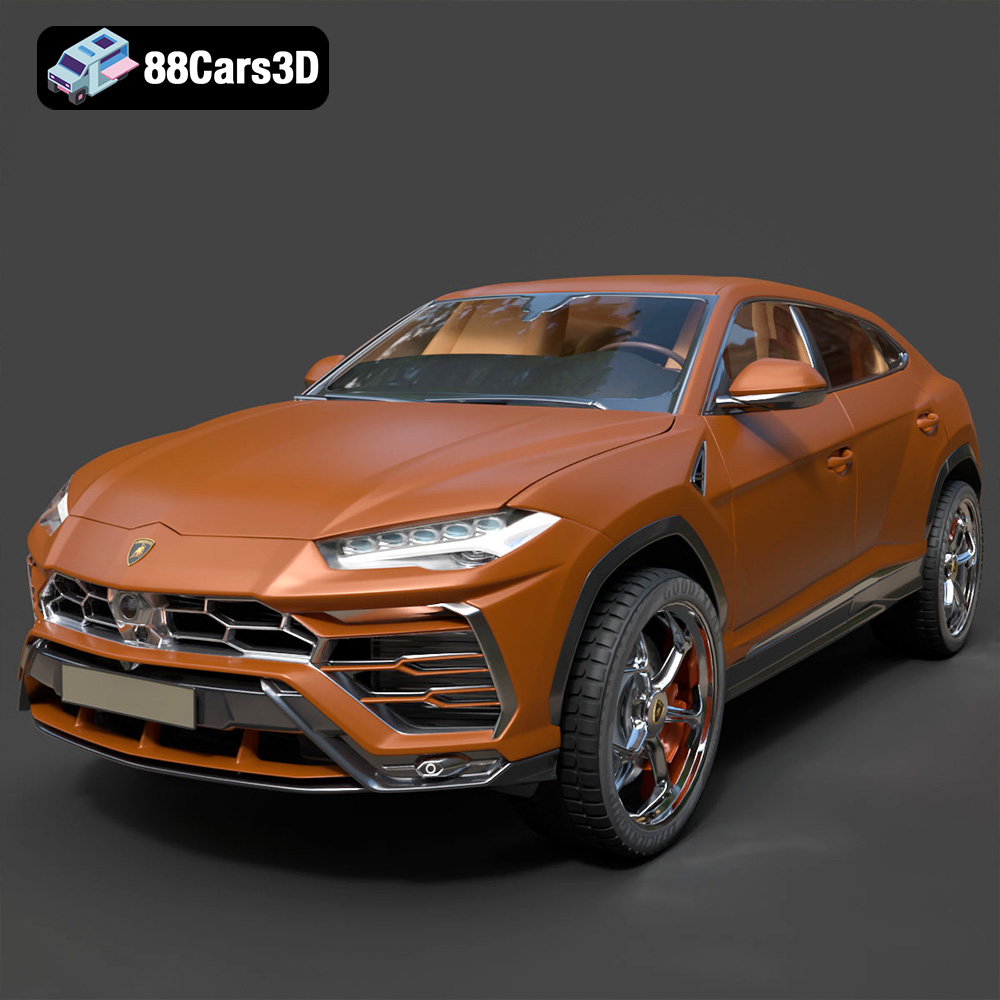
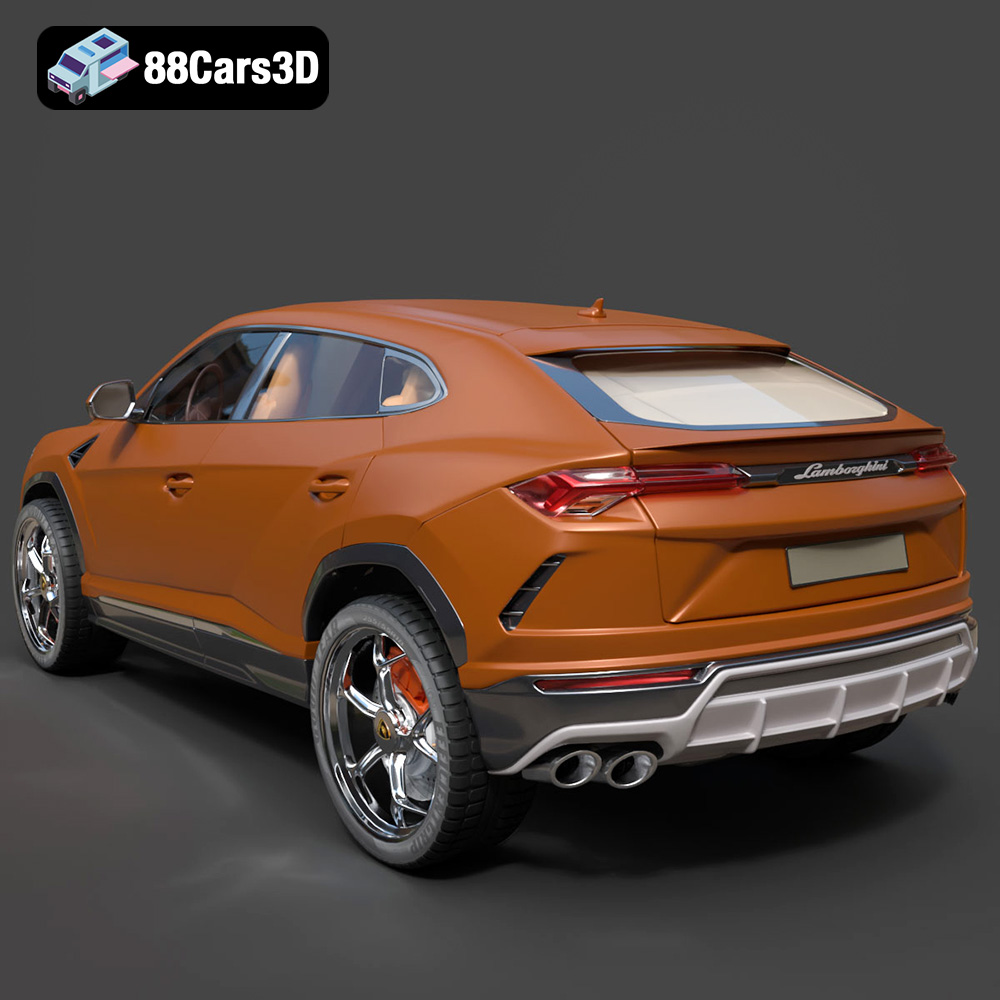
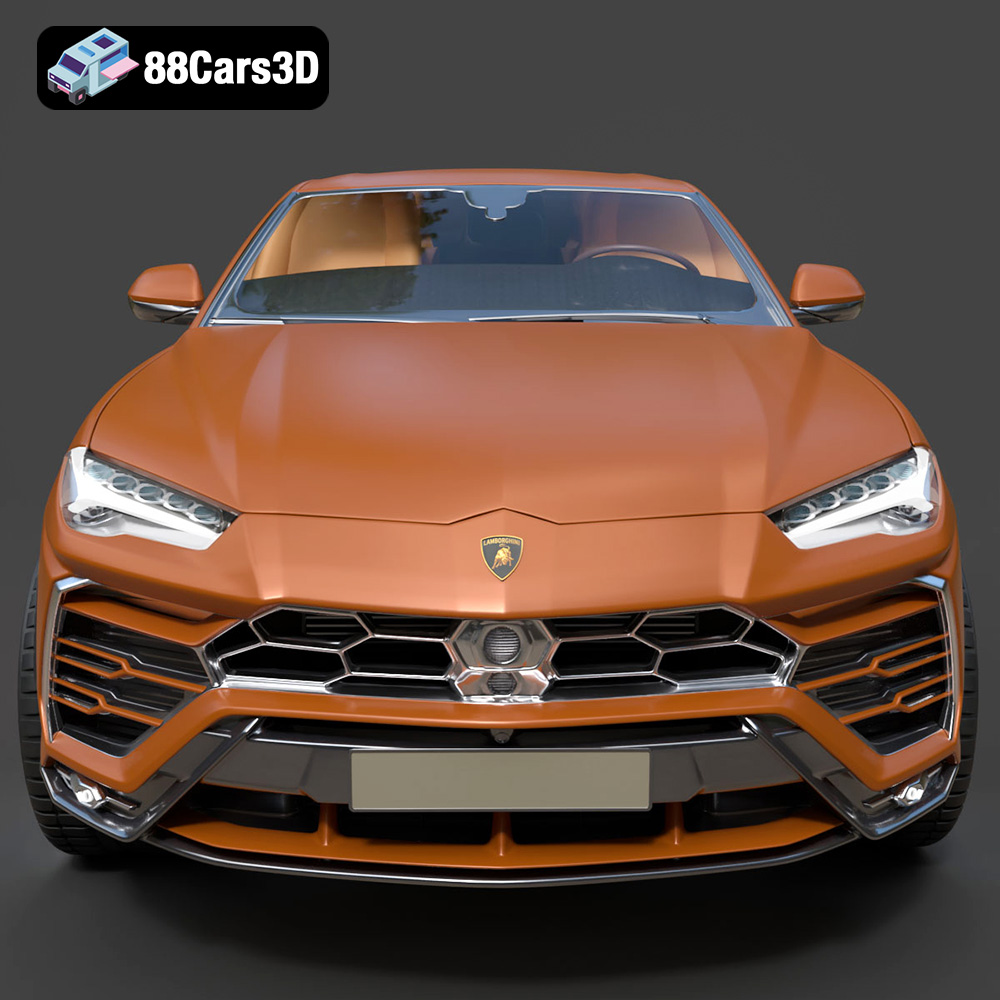
The Lamborghini Urus redefined its segment, blending the soul of a super sports car with the practical functionality of an SUV. Its razor-sharp, angular body lines, unmistakable Y-shaped LED lighting signatures, and menacing stance make it an instant icon. Translating such an intricate and powerful machine into a 3D model requires not only artistic skill but also deep technical understanding. The digital rendition must capture every curve and aggressive proportion, from the imposing front fascia with massive air intakes to the quad exhaust system at the rear, all while maintaining optimal performance for its intended applications.
In modern game development, architectural visualization, and virtual production, generic models simply won’t cut it. Clients and audiences demand authenticity. A high-fidelity 3D car model, like the Lamborghini Urus 3D Model available at 88cars3d.com, serves as a crucial foundation. It ensures that the vehicle assets in your project are not only visually stunning but also technically robust, capable of withstanding close-up shots, dynamic lighting, and real-time interaction without breaking immersion. This attention to detail elevates the entire project, lending credibility and professionalism to your work.
The challenge in creating exceptional 3D car models lies in striking the perfect balance between visual fidelity and performance optimization. A model that looks incredible but brings your game engine to its knees is impractical. Conversely, an optimized model that lacks detail fails to inspire. The ideal 3D asset, exemplified by the Lamborghini Urus, is one that offers a rich visual experience while being “game-ready” – meaning its polygon count, UV mapping, and material setup are engineered for efficiency in real-time environments, alongside being suitable for high-resolution offline renders.
One of the most critical aspects of working with 3D models is understanding the various file formats available. Each format serves a specific purpose, offering unique advantages in terms of compatibility, features, and optimization for different pipelines. The Lamborghini Urus 3D Model, for instance, comes in a comprehensive array of formats, ensuring maximum flexibility for any professional workflow. Choosing the right format can save countless hours in conversion, data loss, and optimization.
The .blend format is native to Blender, an incredibly powerful and increasingly popular open-source 3D creation suite. When you download the Lamborghini Urus 3D Model in .blend format, you gain access to a fully editable Blender scene. This includes all geometry, materials (with Cycles/Eevee nodes configured), lighting setups, cameras, and even animations if present. It’s ideal for artists deeply embedded in the Blender ecosystem who need full control over every aspect of the model. You can easily modify topology, tweak textures, adjust shaders, or integrate it seamlessly into a larger Blender project without any import/export loss.
.fbx (Filmbox) is arguably the most widely adopted format for exchanging 3D data between different software applications and game engines. Developed by Autodesk, it excels at carrying comprehensive scene information, including geometry, materials, textures, rigging, animation, and even camera data. For game developers working with Unreal Engine or Unity, .fbx is the go-to choice due to its robust support for real-time pipelines. The Lamborghini Urus in .fbx format ensures that all critical elements like separate wheels, proper pivot setups, and material assignments transfer cleanly, making it truly game-ready for rapid integration.
The .obj (Wavefront OBJ) format is a universal mesh format, renowned for its simplicity and wide compatibility. It’s an excellent choice for transferring pure geometric data, including vertex positions, UV coordinates, and normal information, along with basic material references (via an accompanying .mtl file). While it doesn’t support complex scene data like animation or rigging, its widespread support across virtually all 3D software makes it incredibly useful for cross-software compatibility. If you need to bring the Lamborghini Urus into a niche rendering engine or an older 3D application, .obj is a reliable fallback.
.glb (GL Transmission Format Binary) is the binary version of glTF, a modern, open-standard format for 3D scenes and models. It’s specifically optimized for efficient transmission and loading in web-based applications, AR, and VR environments. A .glb file packages all assets (geometry, textures, animations) into a single file, making it incredibly easy to share and display 3D content in browsers, mobile AR apps, and virtual showrooms. The Lamborghini Urus 3D Model in .glb format is perfect for creating interactive web experiences or showcasing the model directly on a product page, providing lightweight yet high-quality visuals.
.stl (Stereolithography) is the de facto standard file format for 3D printing. It represents a 3D model as a collection of unconnected triangular facets, defining the surface geometry without color or texture information. When preparing the Lamborghini Urus for physical production, the .stl format is essential. While not suited for rendering or animation, its simplicity and ubiquitous support across 3D printing software (slicers) make it indispensable for creating tangible scale models of the vehicle.
The .ply (Polygon File Format or Stanford Triangle Format) is another popular format for storing 3D data, particularly useful for scanned data, CAD applications, and scientific visualization. It can store a variety of properties including color, transparency, surface normals, and range data, often found in point cloud data. For specialized analysis or when integrating the Lamborghini Urus into a more technical engineering or design pipeline where precision mesh data is critical, the .ply format offers a robust solution.
The .unreal format signifies an asset specifically prepared and optimized for direct import into Unreal Engine projects. This might involve a packaged asset with pre-configured materials, collision meshes, LODs (Levels of Detail), and even basic Blueprints for immediate use. When a model like the Lamborghini Urus is provided in an .unreal format, it means significant setup work has already been done, dramatically accelerating the workflow for game developers and real-time visualization artists.
The .max format is the native file type for Autodesk 3ds Max, a leading software for 3D modeling, animation, and rendering in professional visualization and game development. A .max file contains the entire 3ds Max scene, including geometry, materials, textures, lighting, cameras, animation, and scene settings. For professionals working in 3ds Max, the Lamborghini Urus 3D Model in .max format offers the highest level of control and editability, allowing for complex rendering setups, detailed animation sequences, and seamless integration into existing 3ds Max projects.
The Lamborghini Urus 3D Model from 88cars3d.com stands as a testament to the meticulous attention to detail required in creating top-tier 3D car models. It’s not merely a representation but a carefully engineered digital twin, ready for a myriad of applications, from cutting-edge game assets to high-end automotive rendering.
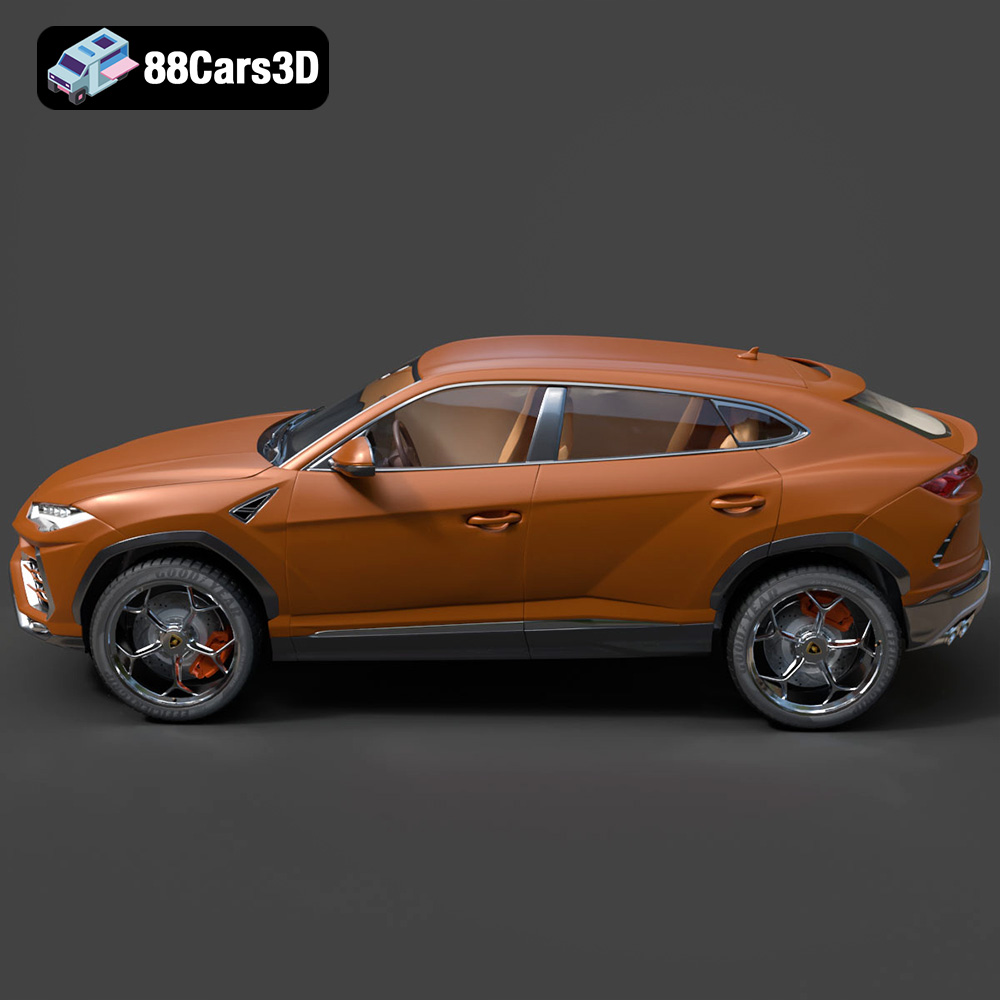
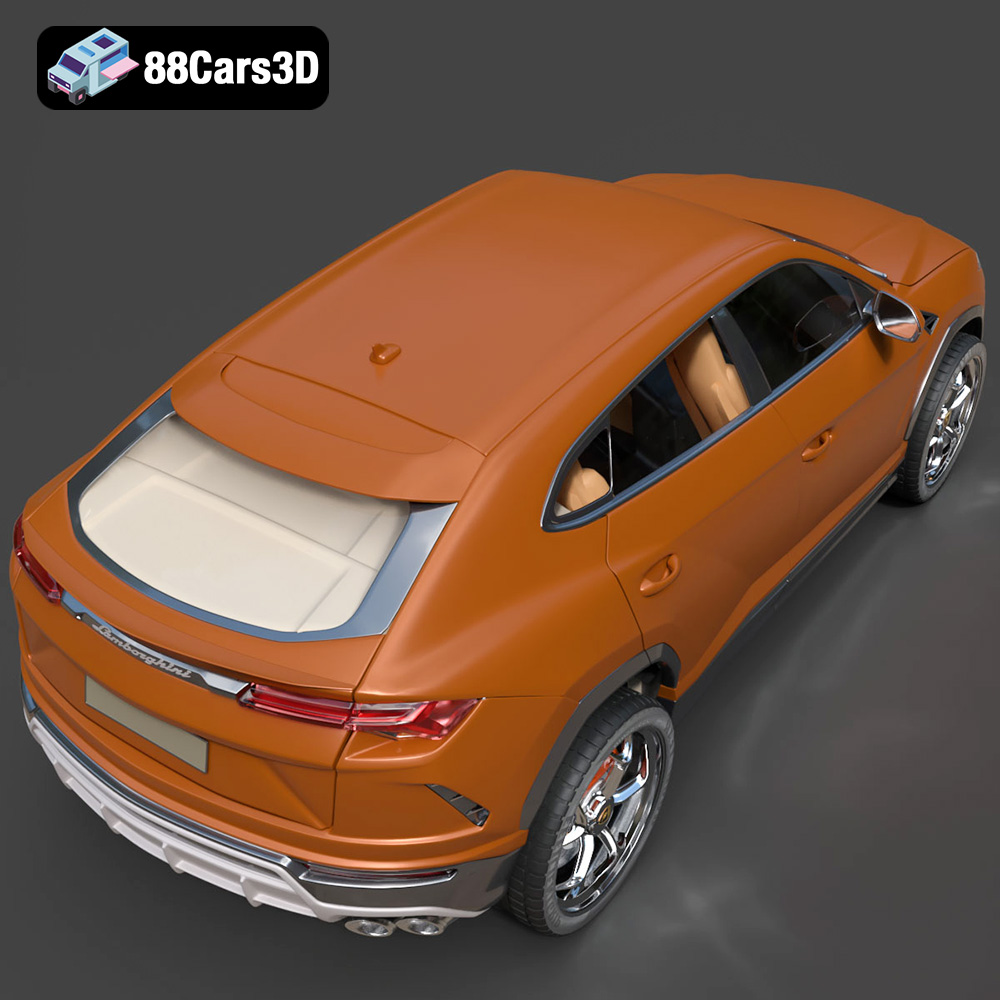
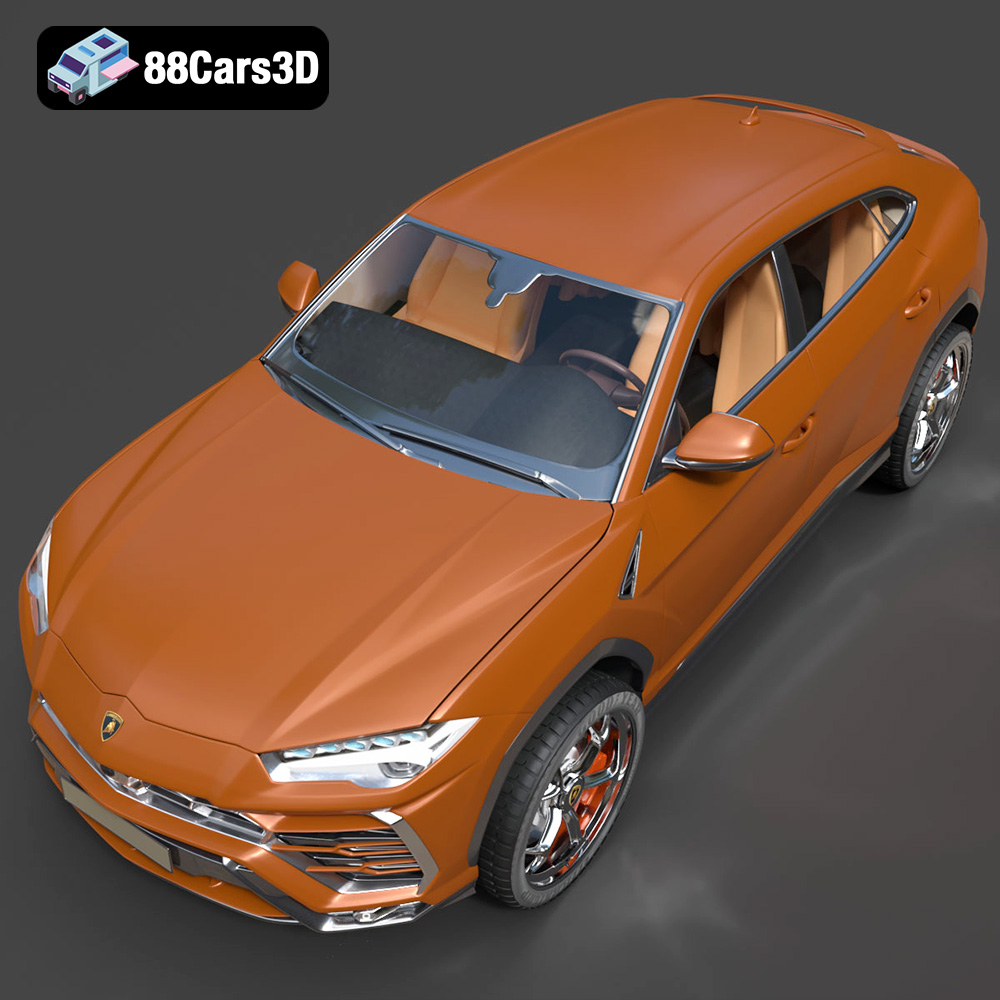
The exterior of this Lamborghini Urus model boasts accurate frame geometry and the signature angular proportions that define the vehicle. Every element, from the distinct Y-shaped LED headlights and taillights to the massive alloy wheels housing detailed carbon-ceramic brake calipers and cross-drilled rotors, has been faithfully recreated. The presence of a detailed twin-turbo V8 engine bay layout, though often hidden, adds to the model’s authenticity, making it suitable for even the most scrutinizing virtual garage scenes or cinematic fly-throughs. The quad-pipe sport exhaust system, rendered with realistic depth, completes the aggressive rear profile, capturing the raw power of its real-world counterpart.
A critical technical advantage for animation and interactive experiences is the model’s accurate ride height and dynamic suspension stance. More importantly, it features separate wheels, suspension components, and steering parts. This granular separation is essential for any professional looking to animate steering, wheel rotation, or realistic suspension travel over uneven terrain in a racing game or simulation. Proper pivot setups ensure that these animations can be implemented with minimal fuss, offering designers maximum flexibility.
Beyond the stunning exterior, the Lamborghini Urus 3D Model extends its detail to a fully realized cockpit. The sporty, hexagonal-themed luxury bucket seats, flat-bottomed multifunction steering wheel with paddle shifters, and the intricate digital instrument cluster are all meticulously modeled. Dual touchscreen infotainment displays and the aeronautical-inspired center console, complete with the iconic Tamburo driving mode selector, create an immersive environment. This level of interior detail is crucial for first-person perspective shots in gaming, virtual reality showrooms, or detailed interior renderings, providing an unparalleled sense of realism for the user.
The interior geometry isn’t just detailed; it’s optimized. This means that while it maintains high visual fidelity, its polygon distribution is efficient, making it ideal for immersive first-person point-of-view experiences in game development and virtual reality. Developers can integrate this model knowing that it will perform smoothly even when viewed from the driver’s seat, allowing for truly engaging interactive experiences.
The versatility of the Lamborghini Urus 3D Model is amplified by its compatibility with a wide range of professional software. Its inclusion of various file formats like .max, .blend, .fbx, and .unreal ensures a streamlined workflow for artists and developers, regardless of their preferred toolset.
For artists focused on high-end automotive rendering, using the .max file format in 3ds Max offers unparalleled control.
The workflow typically involves:
Given the separate wheel, suspension, and steering components, animators can easily rig the Lamborghini Urus for complex sequences. Link the wheels to dummy objects, apply constraints for steering rotation, and use simple bone chains or pivot-based animations for suspension compression. This allows for dynamic car commercials or realistic drive-by shots within larger animated scenes.
Blender users can leverage the .blend file format, offering native integration and complete access to the model’s structure.
A typical Blender workflow might look like this:
For game developers and real-time visualization specialists, the .fbx or .unreal formats are paramount for Unreal Engine.
The process would involve:
The utility of a high-quality 3D car model extends far beyond traditional rendering and game development. The Lamborghini Urus 3D Model is also perfectly suited for cutting-edge applications like Augmented Reality (AR), Virtual Reality (VR), and even physical fabrication through 3D printing.
The optimized geometry and comprehensive file formats, particularly .glb and .fbx, make the Lamborghini Urus ideal for AR/VR experiences. Imagine a virtual showroom where potential buyers can explore the Urus in full 3D, changing colors, inspecting the interior, and even placing it in their real-world driveway via augmented reality on a tablet. For VR, designers can create fully immersive test-drive experiences or virtual configurations, allowing users to step inside the meticulously detailed cockpit and interact with the digital instrument cluster and Tamburo driving mode selector.
The ~350,000 triangle count strikes a critical balance for AR/VR. While providing ample detail for close-up inspection, it remains optimized enough to ensure smooth frame rates on mobile AR devices or VR headsets, preventing motion sickness and enhancing user engagement. This performance characteristic is a key advantage of the Lamborghini Urus 3D Model, enabling developers to push the boundaries of immersive automotive experiences.
The inclusion of the .stl format, alongside detailed 3D print settings, opens up an exciting avenue for hobbyists and professionals alike: creating physical scale models. The Lamborghini Urus 3D Model can be transformed from pixels to plastic, allowing for display-scale models or prototypes.
The “game-ready” designation for the Lamborghini Urus 3D Model is not just a marketing term; it reflects a set of technical advantages engineered for efficiency and quality across various platforms.
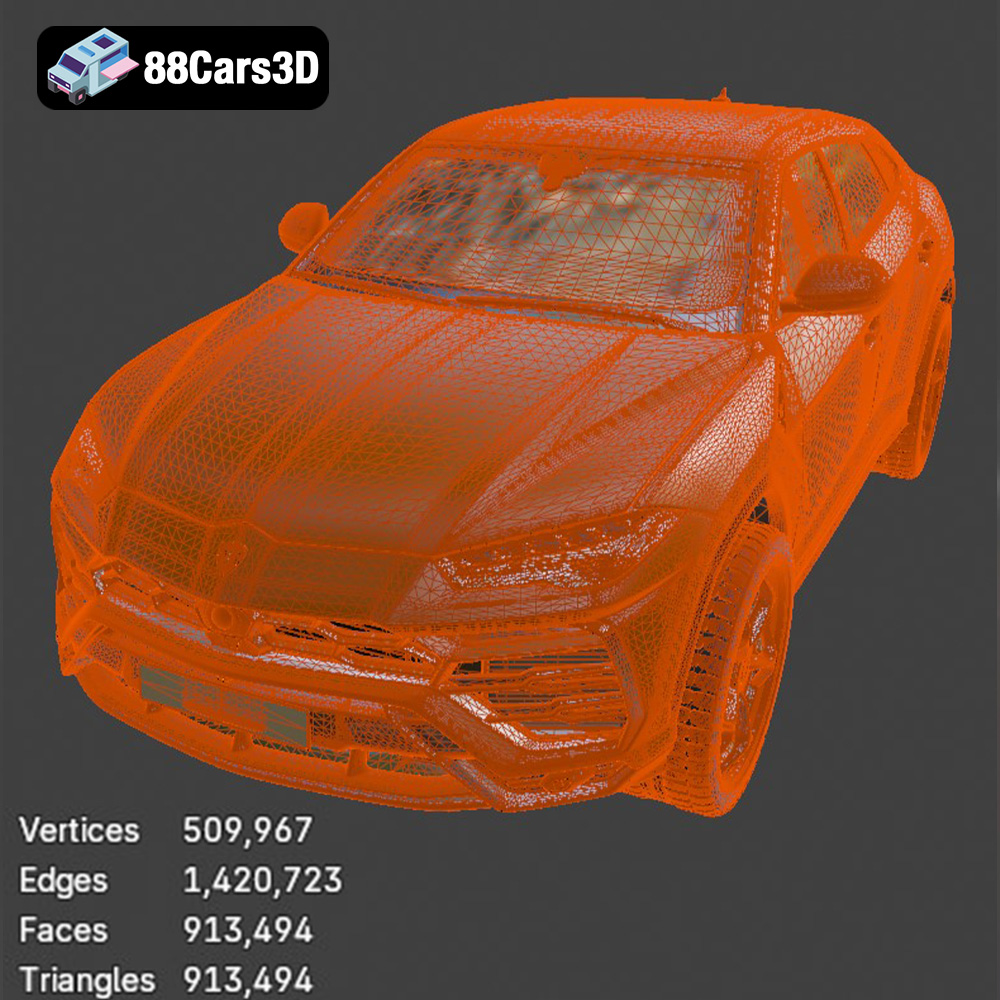
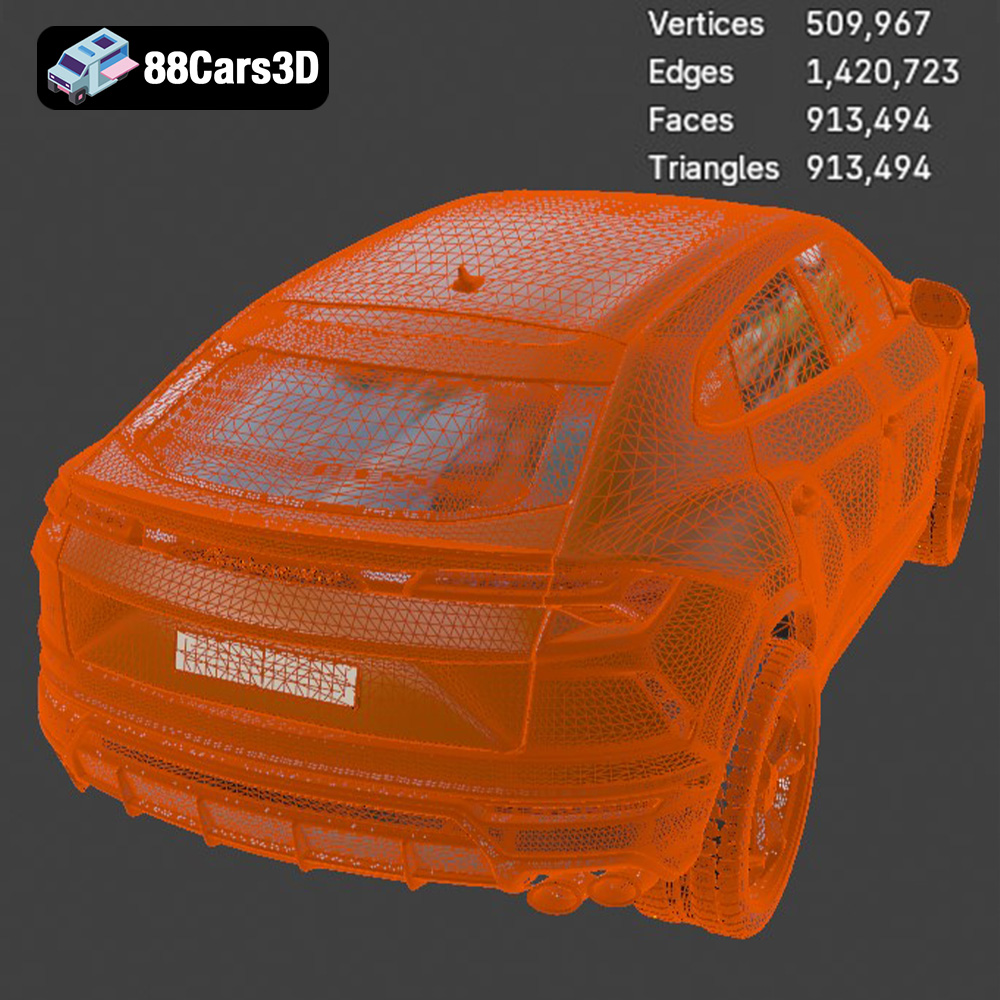
With approximately 350,000 triangles, this model occupies a sweet spot in modern 3D asset development. For high-end cinematic rendering, this count allows for stunning detail and smooth surfaces without needing excessive subdivision. For real-time applications like Unreal Engine or Unity, it’s a manageable polycount for hero vehicles, especially in current-generation games, ensuring high visual fidelity without crippling performance. This balance is critical, preventing over-optimization that sacrifices detail or under-optimization that causes lag.
Accuracy is paramount. The model adheres to real-world scale based on the actual vehicle chassis, ensuring that when integrated into architectural visualizations or simulations, it looks perfectly proportionate within the scene. This eliminates the need for manual scaling and ensures a seamless fit into any project requiring authentic dimensions.
One of the most valuable technical features for animators and game developers is the proper pivot setup for steering, wheel rotation, and suspension travel. Incorrect pivot points are a common headache, requiring tedious manual adjustments. With the Urus model, these pivots are correctly positioned, meaning a game engine’s physics system or a 3D animation rig can immediately understand how the components should move, significantly accelerating development time for interactive vehicles or complex animated sequences.
While not explicitly detailed in the description, the “game-ready” and “optimized” nature implies a clean UV layout and efficient PBR material setup. This ensures that textures are applied correctly, without stretching or seams, and that the model responds accurately to light in various rendering environments. High-quality textures for car paint, glass, tires, and interior elements are essential for photorealism and are inherently part of a professionally developed 3D car model.
The true power of a versatile 3D asset lies in its ability to be customized and adapted for diverse applications. The Lamborghini Urus 3D Model offers extensive customization options, making it a valuable tool across multiple industries.
The model provides a robust foundation for personalization. Artists can:
The Lamborghini Urus 3D Model from 88cars3d.com is a multi-faceted asset that fits perfectly into numerous professional workflows:
As a game-ready asset, it’s ideal for open-world games, racing titles, and simulators. Its optimized polycount ensures smooth performance, while its detailed exterior and interior provide the visual fidelity expected in modern AAA games. Imagine racing the Urus across a vast landscape or customizing it in a virtual garage – this model makes it possible.
For augmented and virtual reality, the model excels in creating immersive virtual showrooms, configurators, and mobile AR experiences. Brands can use it to allow customers to explore the vehicle in a highly interactive and personal way, bringing the showroom experience directly to their homes.
For architectural rendering scenes, brand campaigns, and luxury lifestyle visualizations, the Urus provides a high-impact element. Its presence elevates any scene, adding a touch of prestige and dynamism. Studio lighting setups can highlight its stunning design, creating captivating marketing materials and visualizations.
Beyond the digital, the model’s suitability for 3D printing offers unique opportunities for display-scale hobbyists, rapid prototyping for design concepts, or creating unique collectibles. The transition from digital asset to physical object showcases the model’s comprehensive utility.
In the dynamic landscape of 3D content creation, a high-quality, versatile 3D car model is an invaluable asset. The Lamborghini Urus 3D Model embodies precision, performance, and flexibility, making it an indispensable tool for professionals across game development, automotive rendering, AR/VR experiences, and even 3D printing. Its meticulously crafted details, optimized technical specifications, and comprehensive range of file formats ensure seamless integration into virtually any workflow.
From the intricate Y-shaped LED lighting to the detailed Tamburo driving mode selector in its cockpit, every aspect has been engineered to deliver exceptional realism and performance. Whether you’re an artist looking to create stunning photorealistic renders in 3ds Max, a developer integrating a hero vehicle into Unreal Engine, or an innovator exploring new AR/VR frontiers, this model provides the foundation for success. For those seeking top-tier 3D car models that stand up to the most demanding professional standards, a visit to 88cars3d.com is highly recommended. The Lamborghini Urus 3D Model is more than just a digital file; it’s a launchpad for your next groundbreaking project, empowering you to bring the thrill of the super-SUV to life in new and exciting ways.
The Lamborghini Urus redefines the boundaries of high-performance vehicles, blending the soul of a super sports car with the practical functionality of an SUV. This iconic vehicle is renowned for its razor-sharp, angular body lines, unmistakable Y-shaped LED lighting signatures, and menacing stance. The imposing front fascia with massive air intakes, coupled with the quad exhaust system at the rear, perfectly embodies the raw power of its twin-turbo V8 engine.
This highly detailed, game-ready 3D model features a meticulously optimized topology of approximately 350,000 triangles, striking the perfect balance between high-end visual fidelity and real-time performance. Designed to meet the demanding standards of modern game engines and high-resolution renderers, it captures the aggressive proportions and intricate details of the world’s first Super Sport Utility Vehicle.
Perfect for open-world racing games, luxury lifestyle visualisations, architectural rendering scenes, and immersive virtual reality showrooms.
.blend, .fbx, .obj, .glb, .stl, .ply, .unreal, .max
Tags:
lamborghini, urus, super-suv, luxury-suv, game-ready, low-poly, optimized, car-3d-model, game-asset, rendering, vr-ar, blend, fbx, obj, glb, stl, ply, unreal, maxMercedes Benz CLS 500 3D Model 3D Printable STL
$19.99
.blend
.fbx
.glb
.lamborghini
.luxury suv
.max
.obj
.ply
.rendering
.stl
.unreal
.urus
car-3d-model
game asset
game-ready
low-poly
optimized
super-suv
VR/AR