Get 20% OFF All Premium 3D & STL Models!

In the dynamic world of digital design and interactive experiences, the demand for high-fidelity 3D assets is ever-increasing. From blockbuster racing games to cutting-edge virtual showrooms, the quality of a 3D model can make or break a project’s immersion and visual appeal. Nowhere is this more apparent than in the automotive sector, where precision, realism, and optimization are paramount. Automotive 3D models serve as the cornerstone for a myriad of applications, driving innovation across design, engineering, marketing, and entertainment.
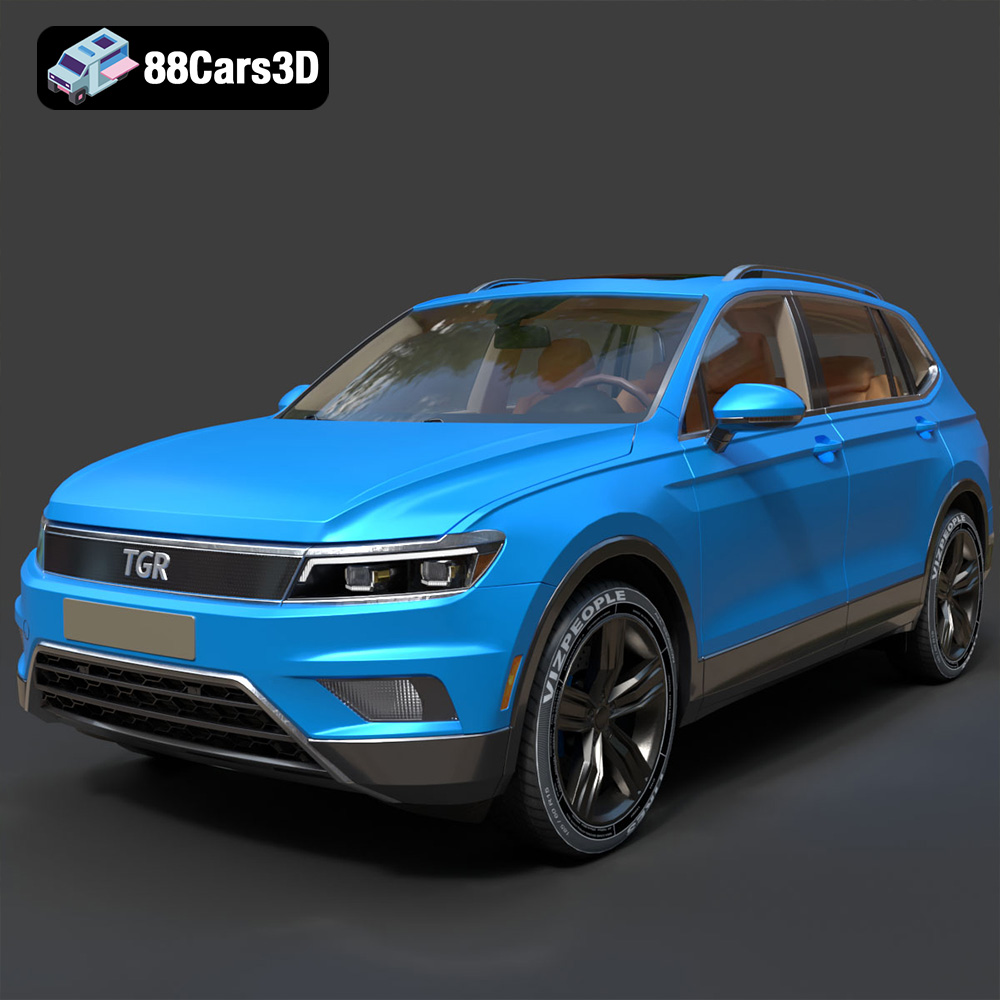
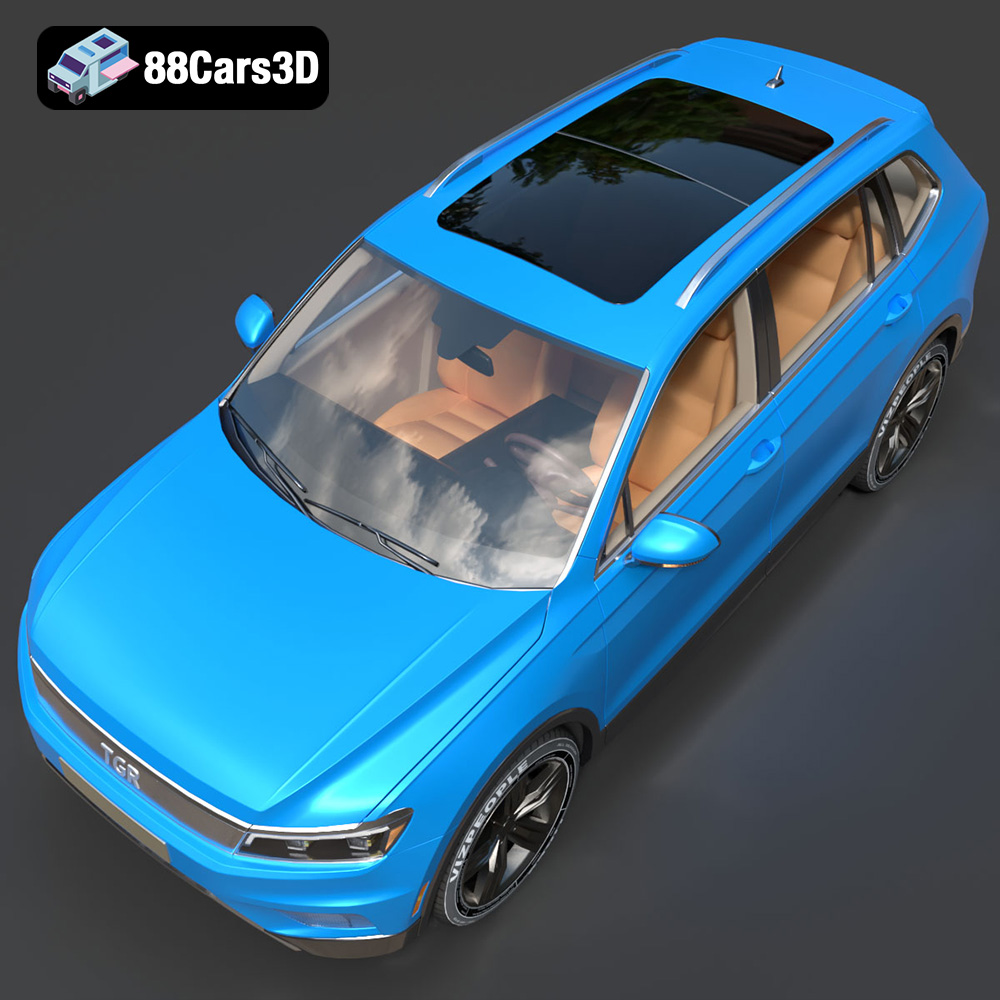
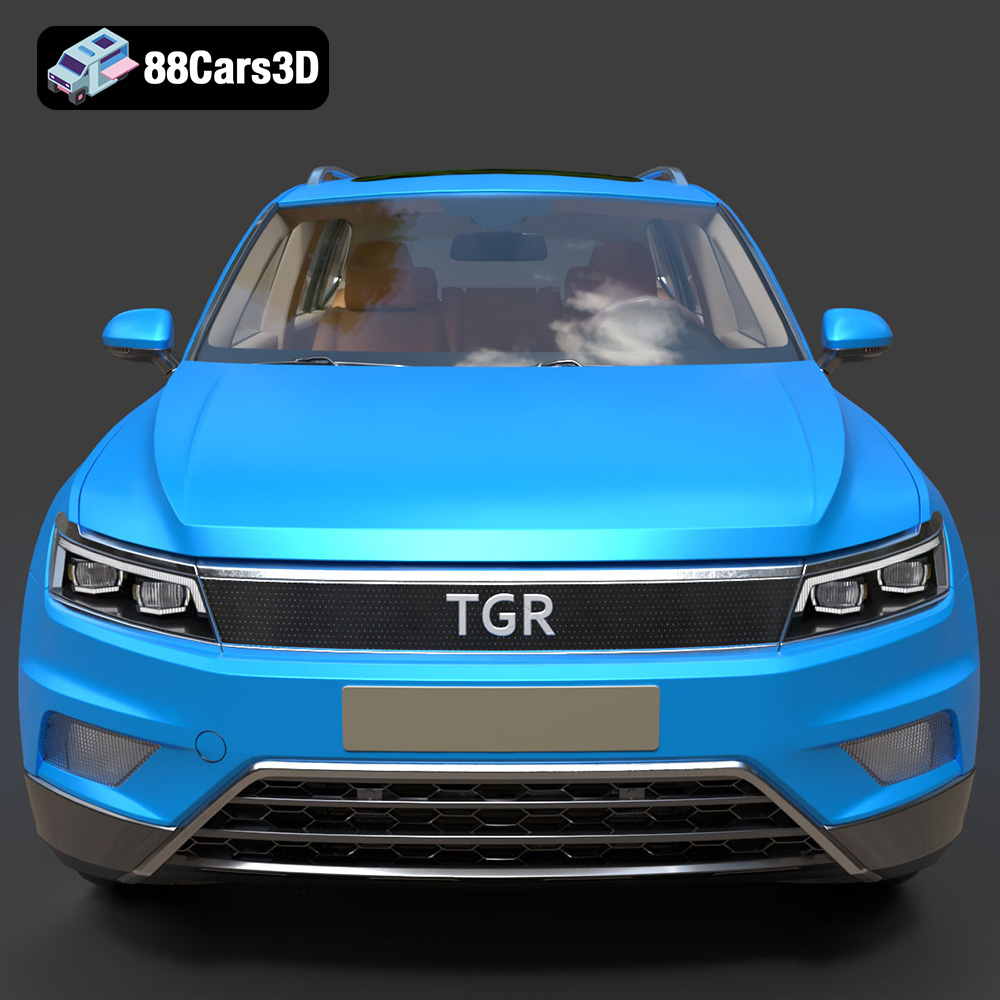
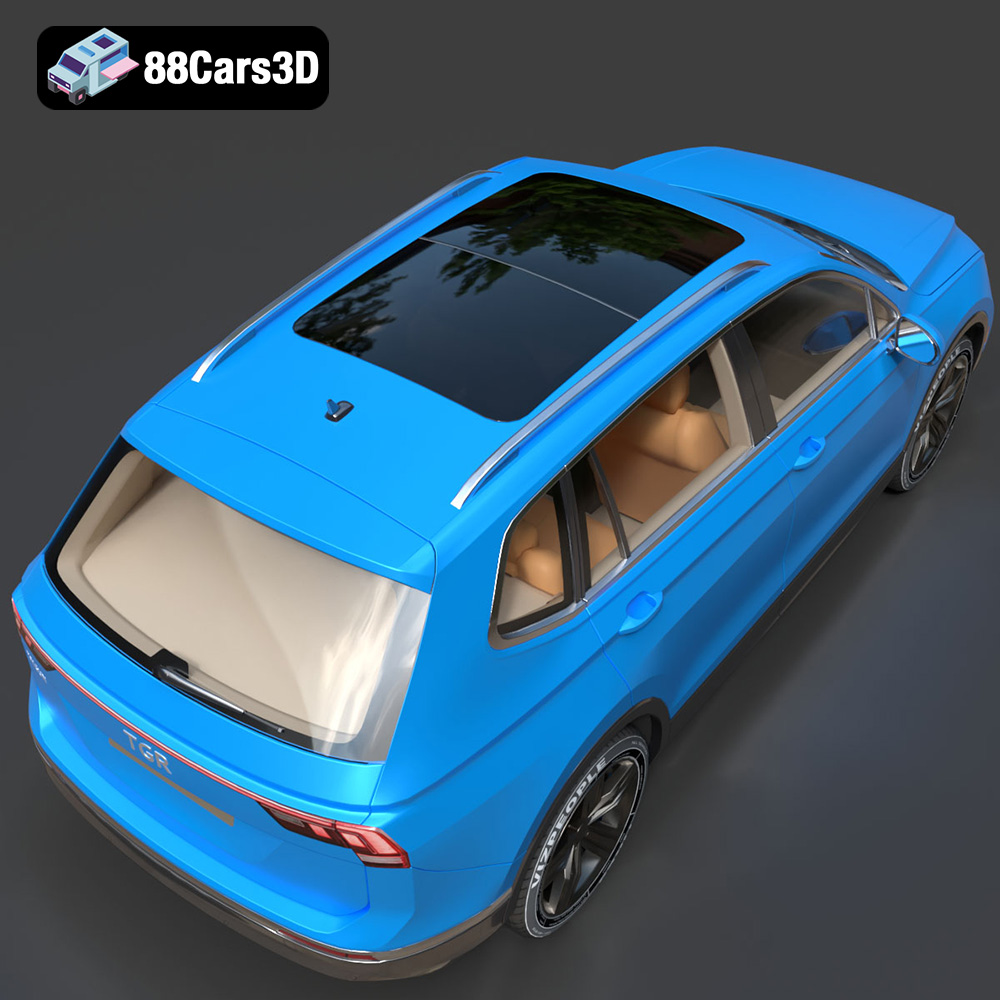
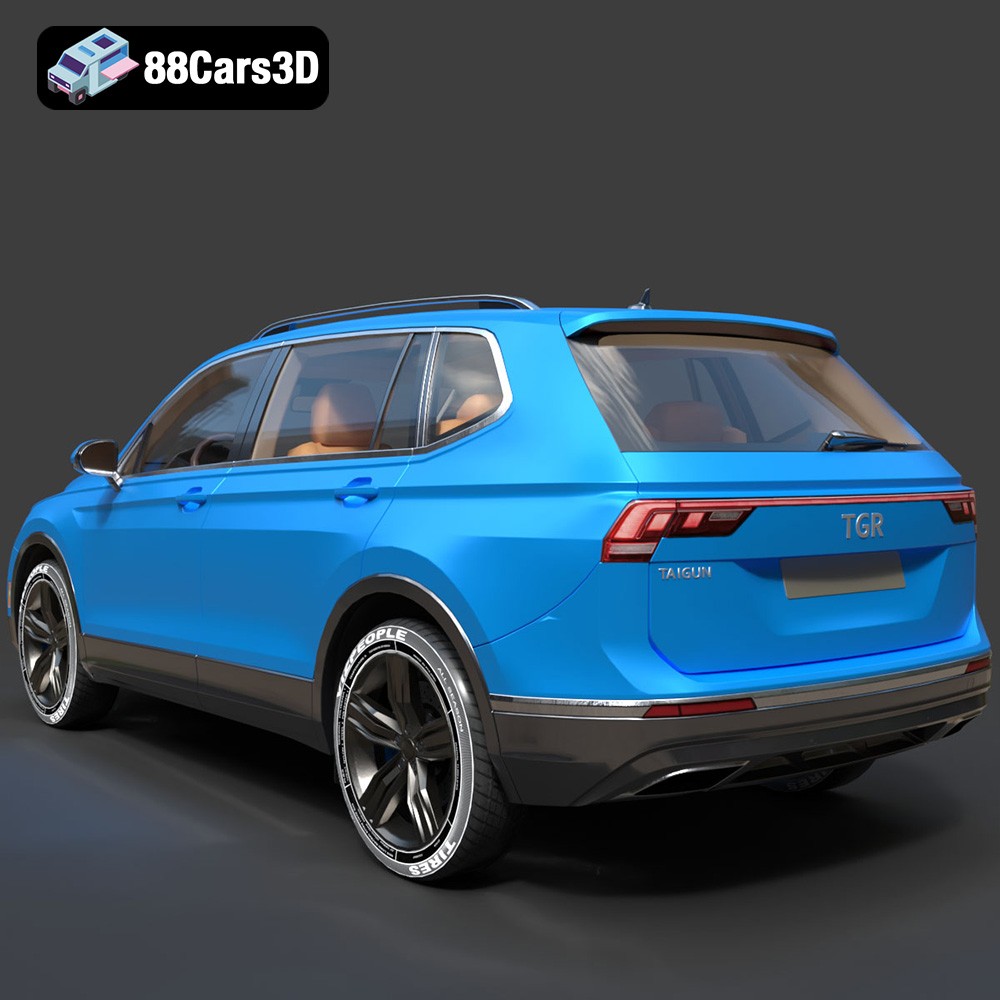
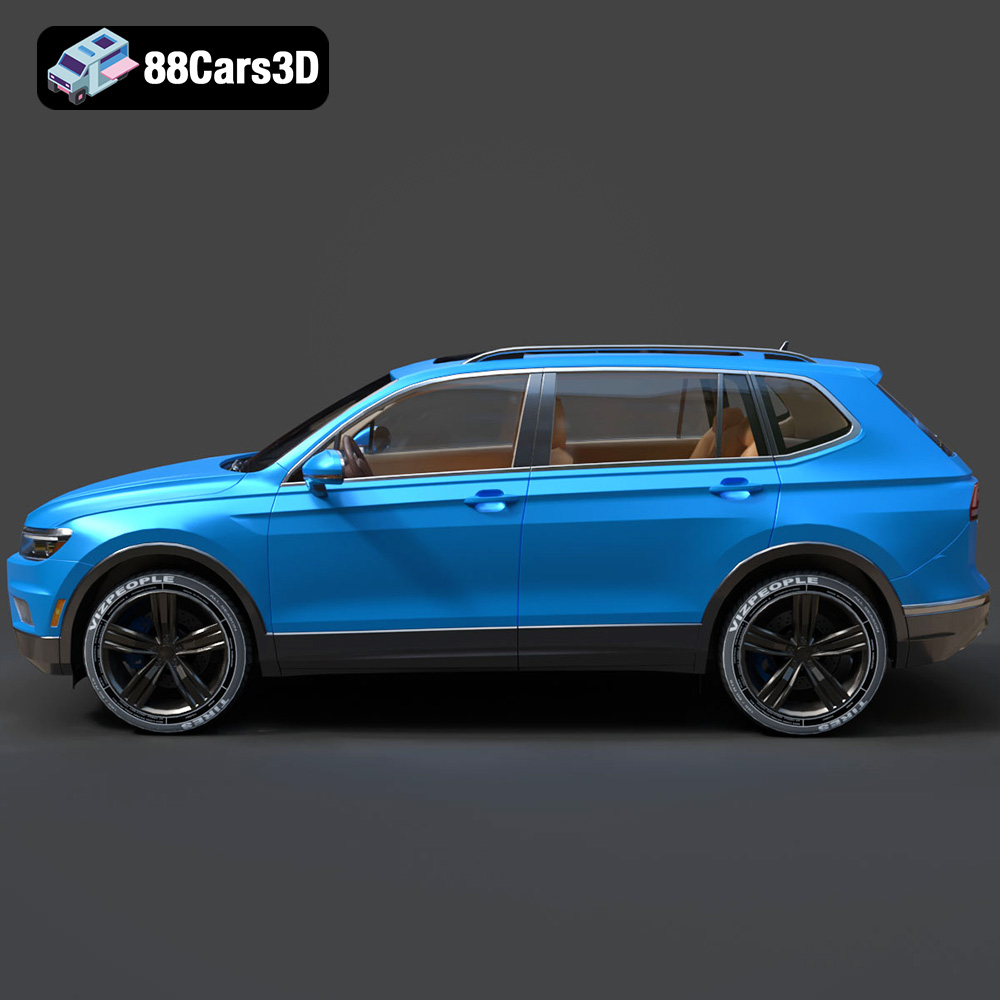
Consider the Taigun TGR-08, a prime example of modern automotive styling. Its aggressive front fascia, sculpted bodylines, and aerodynamic contours demand a 3D representation that captures every nuance. A meticulously crafted 3D model, such as the Taigun TGR-08 3D Model available at 88cars3d.com, is not just a digital sculpture; it’s a versatile tool engineered for performance, realism, and broad compatibility. This particular model, characterized by its game-ready optimization and extensive detail, including intricate grilles, LED lighting, and a fully modeled interior, stands as a testament to the power of well-executed 3D artistry in automotive rendering and game asset development.
This comprehensive guide delves into the intricate world of 3D car models, exploring their critical role, the technical considerations behind their creation and use, and how professional assets like the Taigun TGR-08 empower creators across various industries. We’ll navigate the complexities of file formats, optimization techniques, and advanced rendering workflows, equipping you with the knowledge to leverage these digital marvels to their fullest potential.
The journey of an automobile from a designer’s vision to a tangible vehicle is long and complex. In today’s accelerated design cycles, 3D modeling has become indispensable, transforming how cars are conceived, refined, and presented. What began as basic wireframe representations has evolved into sophisticated digital twins that mirror real-world physics, aesthetics, and functionality with astonishing accuracy.
Automotive design often starts with hand sketches, capturing initial ideas and emotional lines. These two-dimensional concepts quickly transition into 3D using specialized CAD and modeling software. Industrial designers and modelers work collaboratively to translate abstract drawings into precise 3D forms, experimenting with proportions, surfaces, and features. Early 3D models are crucial for evaluating design aesthetics, aerodynamics, and packaging without the need for expensive physical prototypes. This iterative process allows for rapid experimentation and refinement, ensuring the final design is both visually appealing and functionally sound.
Modern 3D car models extend beyond mere visual representation; they are increasingly functioning as “digital twins.” These are virtual replicas that capture not only the geometry but also the material properties, performance characteristics, and even sensor data of a physical vehicle. Digital twins are instrumental in simulating crash tests, optimizing aerodynamics, and testing manufacturing processes in a virtual environment. This significantly reduces development costs and time, allowing engineers to identify and resolve potential issues long before physical components are produced. For high-fidelity models like the Taigun TGR-08, even details like accurately modeled suspension components and brake calipers are included, enabling more realistic simulations and potential engineering analysis.
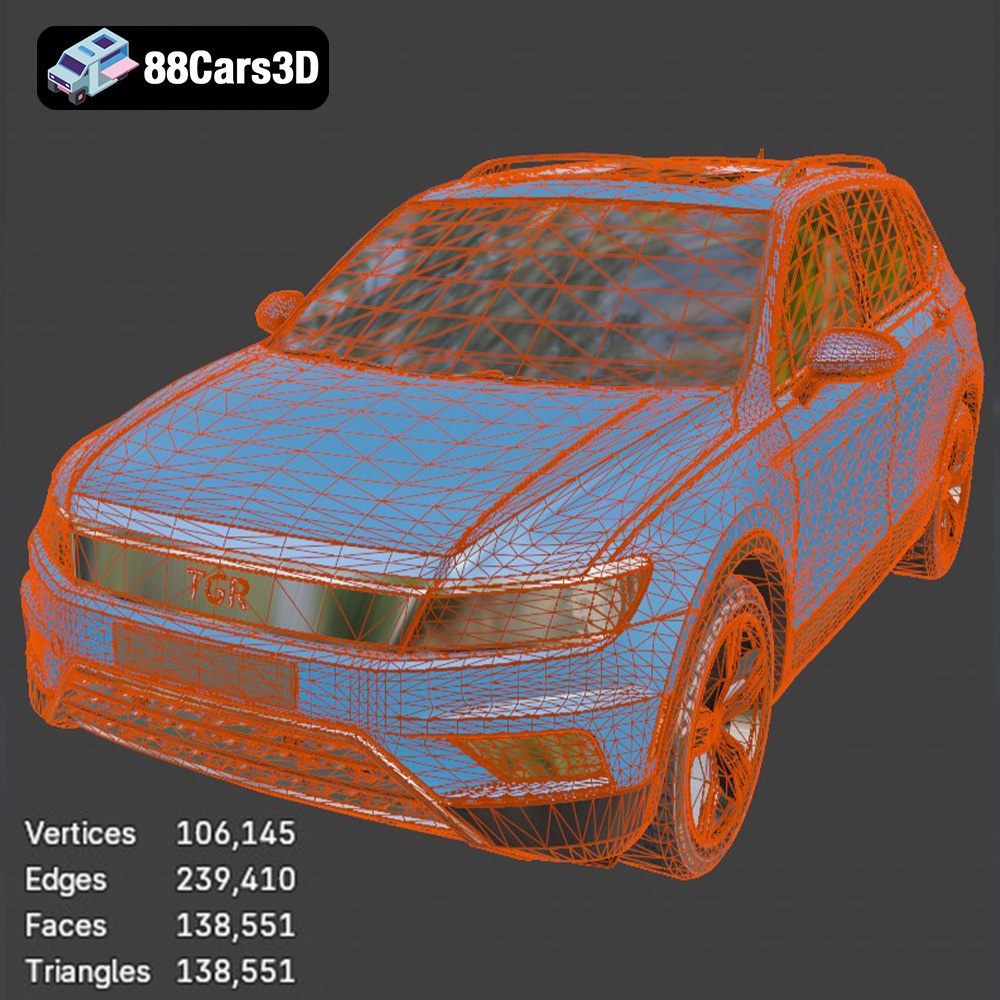
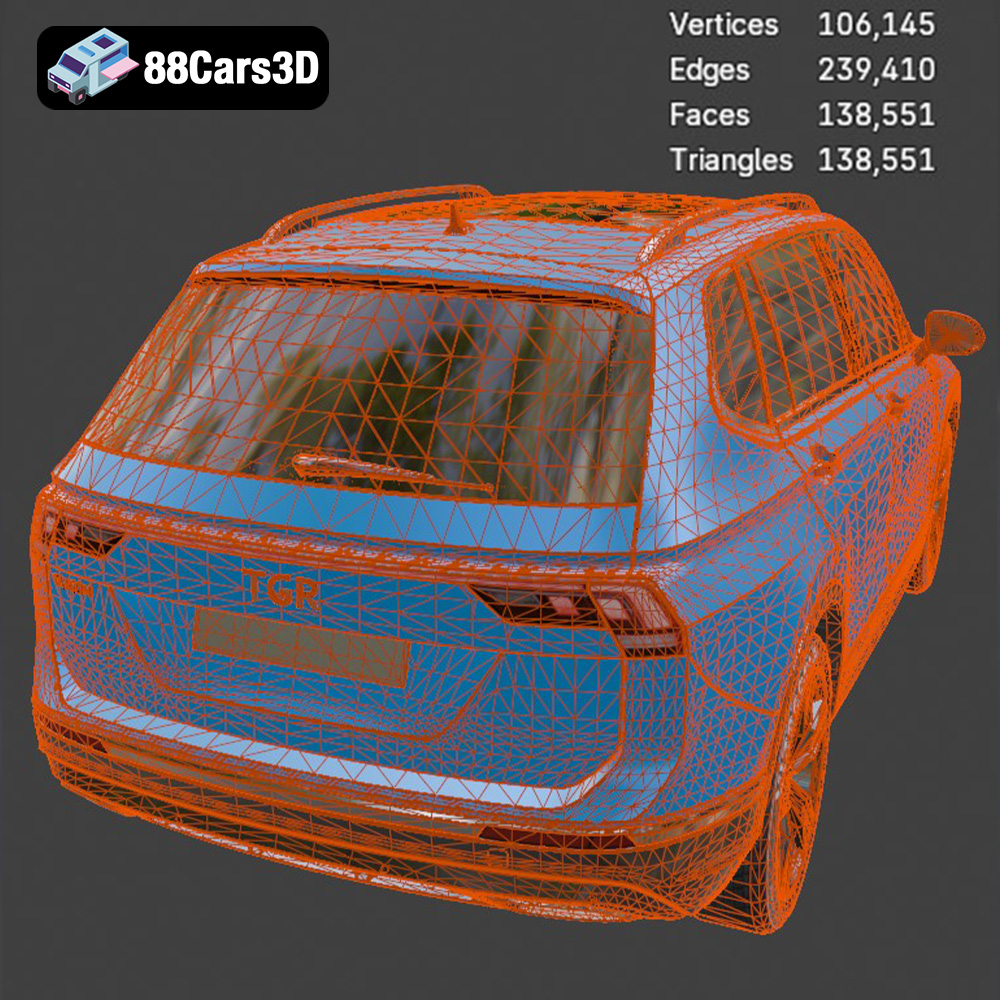
A constant challenge in 3D automotive modeling is balancing photorealistic detail with real-time performance. High-polygon models are perfect for cinematic rendering and marketing imagery, where every curve and reflection counts. However, for applications like game development or AR/VR, excessive polygon counts can cripple performance, leading to low frame rates and a poor user experience. The key lies in strategic optimization. Professional 3D car models, such as those found on 88cars3d.com, are often built with an “optimized triangle count” to strike this balance. This means the model maintains visual fidelity without overburdening the rendering engine, making it truly “game-ready” for a wide range of real-time applications while still being suitable for high-end rendering.
The versatility of 3D car models hinges significantly on their compatibility with various software and platforms, which is dictated by their file format. Choosing the correct format is crucial for workflow efficiency and achieving desired outcomes, whether it’s for automotive rendering, game development, or 3D printing. The Taigun TGR-08 model exemplifies this versatility by being offered in a comprehensive suite of formats, each serving distinct purposes.
The .blend format is native to Blender, a powerful open-source 3D creation suite. When you download a .blend file, you’re getting more than just geometry; you’re receiving a complete Blender scene. This includes the model’s mesh data, materials (often set up with PBR textures), lighting, cameras, animations, and even modifiers. It’s ideal for artists who primarily work in Blender, offering maximum flexibility for further editing, rigging, or custom rendering setups. For the Taigun TGR-08, a .blend file provides an excellent starting point for any Blender user to dive deep into its structure and adapt it to their specific project needs.
Autodesk’s .fbx (Filmbox) is one of the most widely adopted 3D file formats, especially within the game development and animation industries. Its strength lies in its ability to store not only mesh data but also animations, rigs, cameras, lights, and materials in a single, well-structured package. This makes it the go-to format for exporting assets between different 3D applications and into game engines like Unreal Engine and Unity. The .fbx format ensures a smooth transition of your 3D car models into real-time environments, preserving hierarchies, pivot points, and basic material assignments, which is critical for a “game-ready” asset like the Taigun TGR-08.
The .obj (Wavefront Object) format is a universal standard, prized for its simplicity and broad compatibility. It primarily stores geometric data – vertices, normals, UV coordinates, and faces – and can reference external .mtl (material) files for basic material properties. While it doesn’t support advanced features like animation or rigging, its widespread acceptance across virtually all 3D software makes it an excellent choice for straightforward mesh exchange. For artists needing to import a raw, clean mesh into a different modeling package for re-texturing or custom rigging, .obj remains a reliable option, ensuring the core “accurate Taigun TGR-08 frame geometry” is preserved.
.glb (GL Transmission Format Binary) is gaining significant traction, particularly for web-based 3D, augmented reality (AR), and virtual reality (VR) applications. It’s a binary form of the .gltf format, which is designed to be compact and efficient for transmission and loading on the web. A .glb file embeds all necessary assets – geometry, materials, textures, and even animations – into a single file, simplifying deployment. For mobile AR showrooms or interactive browser-based automotive configurators, a .glb version of the Taigun TGR-08 ensures rapid loading and optimal performance, catering to the growing demand for “mobile AR experiences.”
The .stl (Stereolithography) format is the standard file type for 3D printing. It represents a 3D model as a series of connected triangles, defining only the surface geometry without color or texture information. While simple, it’s universally understood by 3D printers and slicing software. When preparing a 3D car model for physical production, converting it to .stl is a necessary step. The Taigun TGR-08’s availability in .stl format directly addresses hobbyists and professionals looking to create physical scale models, complete with detailed recommendations for print settings like layer height and support requirements.
The .ply (Polygon File Format) is another widely supported format often used for storing 3D scanner data and meshes. It can store various properties beyond just geometry, including color, transparency, normals, texture coordinates, and even specific data for each vertex or face. While less common for general asset exchange than .fbx or .obj, its ability to store detailed mesh attributes makes it valuable for scientific visualization, CAD applications, or when precise mesh analysis is required. It offers a robust alternative for preserving additional data from the Taigun TGR-08’s “optimized geometry.”
The .unreal designation typically refers to assets packaged specifically for Unreal Engine, often implying a ready-to-import asset with pre-configured materials, textures, and potentially Blueprints or animation setups. While not a native file extension in the same way .fbx is, an “.unreal” file implies a higher level of integration and optimization for the Unreal ecosystem. For developers using the Taigun TGR-08, this means a significantly streamlined workflow, minimizing the time spent on import settings and material setup, making it immediately usable for “open-world racing games, automotive configurators,” or any Unreal Engine project.
Similar to .blend for Blender, the .max format is native to Autodesk 3ds Max, a leading software for 3D modeling, animation, and rendering. A .max file contains the complete scene data, including geometry, modifiers, materials, lights, cameras, and animation curves. It provides unparalleled editing capabilities for users of 3ds Max, allowing full control over every aspect of the model. For professional visualization studios, having the Taigun TGR-08 in .max format ensures maximum flexibility for high-end automotive rendering, cinematic sequences, or integration into complex architectural visualization projects.
Achieving photorealistic automotive rendering is an art form that combines technical prowess with an eye for detail. The goal is to make a digital car indistinguishable from its physical counterpart, a process heavily reliant on sophisticated software and meticulous attention to materials, lighting, and composition.
Software like 3ds Max and Blender are industry standards for creating stunning automotive visualizations. The workflow typically begins with the 3D car model itself, like the highly detailed Taigun TGR-08, which features “accurate frame geometry,” “detailed front grille,” and “high-resolution LED headlight housings.” Modelers use advanced polygon modeling and subdivision surfacing techniques to ensure smooth, flowing bodylines and sharp creases. Once the base geometry is perfected, the focus shifts to texturing and shading. Physically Based Rendering (PBR) workflows are standard, utilizing maps for albedo (color), roughness, metallic, normal, and displacement to simulate how light interacts with different surfaces, from the glossy paintwork to the matte plastics of the interior.
Just as in real-world photography, lighting is paramount in 3D rendering. A typical studio setup might involve an array of softbox lights to evenly illuminate the vehicle, accentuating its form and reflections. High Dynamic Range Image (HDRI) maps are widely used to provide realistic environmental lighting and reflections, simulating everything from a sunny outdoor scene to a professional car showroom. Understanding light bounces, shadows, and reflections is critical to achieving a believable image. For the Taigun TGR-08, proper lighting will highlight its “sculpted bodylines” and “dynamic exhaust system,” enhancing its visual impact in any render. Experimentation with different light temperatures and intensities can dramatically alter the mood and focus of the render.
The realism of an automotive render heavily depends on the quality of its materials. Car paint, for instance, is complex, often requiring multi-layered shaders that simulate clear coats, metallic flakes, and subsurface scattering for depth. Interior materials, such as leather, fabric, and polished metals, each require specific texture maps and shader parameters to look authentic. The Taigun TGR-08 includes “detailed sport seats with accurate contouring and material separation” and an “ergonomic steering wheel with functional button layout geometry,” allowing artists to apply distinct, high-quality materials to each component. Attention to microscopic details, like subtle imperfections or dust, can further elevate the realism, pushing the boundaries of what’s digitally achievable.
Game development and real-time visualization pose unique challenges for 3D car models. While visual fidelity is still important, performance is king. Assets must be highly optimized to run smoothly on various hardware, maintaining high frame rates without sacrificing too much detail. The Taigun TGR-08 is specifically designed with these requirements in mind, boasting a “game-ready” status.
One of the primary optimization techniques is polycount management. High-polygon models are decimated or retopologized to create lower-polygon versions while retaining as much visual detail as possible through normal maps. These normal maps bake the fine details from a high-poly model onto a low-poly mesh, simulating complex geometry without the performance cost. Furthermore, Level of Detail (LOD) systems are essential. An asset like the Taigun TGR-08 would typically have multiple LODs: a high-detail version for close-ups, a medium-detail for middle distances, and a very low-detail version for far-away views. Game engines automatically switch between these LODs based on the camera’s distance, ensuring optimal performance.
Importing and setting up 3D car models in game engines like Unreal Engine and Unity requires specific workflows. Assets are typically exported as .fbx, which correctly preserves mesh data, pivot points, and material slots. In the engine, PBR materials are recreated, connecting texture maps (albedo, normal, roughness, metallic, AO) to the appropriate shader inputs. Collision meshes are generated to define the physical boundaries of the car, and blueprints (Unreal) or scripts (Unity) are created for interactive elements like doors, lights, and suspension. The Taigun TGR-08’s “.unreal” format inclusion signifies that it’s already pre-configured for direct use, streamlining integration for developers working on “open-world games, racing titles, and simulators.”
For a dynamic asset like a car, animation readiness is crucial. This involves ensuring that components like wheels, doors, and steering wheels have correctly set pivot points. The Taigun TGR-08 explicitly states “proper pivot setup for steering, wheel rotation, and suspension travel,” which is a massive advantage. This allows developers to easily animate these parts or integrate them with physics systems. Rigging, while less complex than for characters, can be used for more intricate animations like deformable suspension or steering mechanisms. Integrating the model with the engine’s physics system allows for realistic driving dynamics, tire friction, and collision responses, making the car feel authentic in a virtual environment.
The utility of 3D car models extends far beyond traditional screen-based rendering and gaming. With advancements in additive manufacturing and immersive technologies, these digital assets are finding new life in physical replicas and interactive virtual experiences.
3D printing offers a fascinating way to bring digital automotive designs into the physical world. However, not all 3D models are immediately print-ready. Models intended for rendering often have open meshes or ultra-thin walls that are unsuitable for 3D printing. The Taigun TGR-08, by including an .stl format, is already tailored for this application. Key considerations for 3D printing include ensuring manifold geometry (watertight models), appropriate wall thickness, and strategic slicing for optimal print orientation. The provided “3D Print Settings” for the Taigun TGR-08, suggesting resin printing for fine details and specific infill/support requirements, highlight the necessary attention to detail to achieve a successful physical model.
Augmented Reality (AR) and Virtual Reality (VR) are revolutionizing how consumers interact with automotive brands. High-quality 3D car models are the backbone of these immersive experiences. Imagine a virtual showroom where potential buyers can explore the Taigun TGR-08 in full 3D, customize its colors and features, and even “sit inside” the detailed cockpit, all without leaving their home. Mobile AR applications can project the car into a real-world environment via a smartphone camera, allowing users to visualize it in their driveway. The “optimized geometry for first-person POV in gaming and VR” and the inclusion of the .glb format for the Taigun TGR-08 specifically cater to these cutting-edge “immersive virtual showrooms” and “mobile AR experiences,” offering unparalleled engagement.
A significant advantage of digital 3D models in AR/VR and configurators is the ability to offer extensive customization. Users can instantly change body colors, wheel designs, interior trim, and even material finishes. The Taigun TGR-08’s “Customization Options,” such as changing body/tank colors, modifying tire textures, and adjusting material finishes, are directly applicable here. Developers can build interactive UIs that allow users to toggle features, open doors, or even cycle through different lighting environments. This level of interaction enhances user engagement and provides a powerful tool for marketing and sales, offering a personalized experience that a static image simply cannot match.
Investing in or creating high-quality 3D car models is not merely an aesthetic choice; it’s a strategic business decision that yields significant returns across multiple facets of the automotive and entertainment industries. These assets are accelerators for development, powerful marketing tools, and fundamental building blocks for future innovations.
In the fiercely competitive automotive market, speed to market is crucial. High-fidelity 3D car models streamline the design and development pipeline by allowing for rapid prototyping, iteration, and validation in a virtual space. Designers can quickly test different aesthetic choices, engineers can simulate performance under various conditions, and marketing teams can begin creating promotional materials long before a physical prototype exists. The availability of diverse formats, as seen with the Taigun TGR-08, further accelerates this process by enabling seamless integration across different departments and software ecosystems, reducing bottlenecks and saving invaluable time and resources.
For marketing, 3D car models are game-changers. They enable the creation of stunning photorealistic imagery, compelling animations, and interactive experiences that captivate audiences. Instead of relying solely on professional photography of physical cars, companies can generate an endless array of marketing assets, showcasing vehicles in ideal lighting, impossible scenarios, or with custom finishes. Virtual configurators and AR experiences, powered by optimized 3D car models, offer unprecedented levels of customer engagement, allowing potential buyers to personalize their dream vehicle and visualize it in their own environment. This dynamic interaction fosters a deeper connection with the brand and product.
For independent developers, small studios, or even large enterprises looking to augment their internal capabilities, sourcing premium, pre-made 3D car models is a highly efficient solution. Marketplaces like 88cars3d.com specialize in providing high-quality, technically sound 3D car models that are ready for immediate integration into diverse projects. These assets are often optimized for various applications, come with multiple file formats, and boast the level of detail required for professional output. Acquiring a model like the Taigun TGR-08 from a reputable source means gaining access to a professionally crafted asset without the time and expense of developing it from scratch, allowing creators to focus their energy on core project development and innovation rather than foundational asset creation.
The world of 3D car models is a vibrant intersection of art and engineering, offering unparalleled opportunities for creation, visualization, and interaction. From meticulously crafted meshes that capture every design detail to optimized assets that perform seamlessly in real-time environments, these digital vehicles are driving the future of automotive design, game development, AR/VR experiences, and much more. Understanding the nuances of file formats, the strategies for optimization, and the advanced techniques for rendering and animation are essential for any professional navigating this exciting landscape.
The Taigun TGR-08 3D Model stands as a testament to what a high-quality, versatile asset can achieve. Its detailed exterior and interior, game-ready optimization, and comprehensive suite of file formats (.blend, .fbx, .obj, .glb, .stl, .ply, .unreal, .max) make it an invaluable resource for a broad spectrum of projects, from cinematic renders to interactive simulations and even physical 3D prints. By leveraging such expertly crafted 3D car models, creators can elevate their projects, accelerate their workflows, and deliver truly immersive and visually stunning experiences. For professionals seeking top-tier assets that meet the demands of modern digital production, resources like 88cars3d.com offer a curated selection of models designed to inspire and empower.
Experience the modern design and dynamic presence of the Taigun TGR-08 with this high-fidelity 3D model. Characterized by its aggressive front fascia, sculpted bodylines, and aerodynamic contours, the TGR-08 embodies contemporary automotive styling. This model captures every distinctive feature, from the intricate front grille and striking LED lighting assemblies to the dynamic exhaust system and sporty alloy wheels, making it a standout digital asset for any high-end project. Built with a meticulously optimized topology, this game-ready model maintains an exceptional balance between visual fidelity and rendering performance. Sitting at an efficient triangle count, it seamlessly integrates into real-time environments without sacrificing the high-resolution details demanded by modern engines. Whether for interactive applications, virtual reality, or cinematic sequences, this model delivers unparalleled quality. Perfect for open-world racing games, automotive configurators, mobile AR showrooms, and modern architectural visualizations.
$19.99
.blend
.fbx
.glb
.max
.obj
.ply
.rendering
.stl
.unreal
car-3d-model
concept-car
game asset
game-ready
low-poly
optimized
performance-vehicle
SUV
taigun
tgr-08
VR/AR