Get 20% OFF All Premium 3D & STL Models!

In the dynamic realm of digital content creation, the quest for highly detailed, accurately represented 3D models of iconic vehicles is paramount. From blockbuster video games to cutting-edge architectural visualizations and immersive AR/VR experiences, a photorealistic and technically sound vehicle model forms the backbone of engaging digital narratives. The challenge often lies in finding assets that strike the perfect balance between visual fidelity and performance optimization, ensuring seamless integration into diverse professional workflows.
Enter the Mercedes-Benz G500 2019, a vehicle that transcends its functional purpose to become a symbol of rugged luxury and timeless design. Its unmistakable boxy silhouette, commanding presence, and legendary off-road prowess have cemented its status as a cultural icon. Now, imagine this legendary machine meticulously recreated in three dimensions, available as a versatile 3D model designed to meet the rigorous demands of modern digital production. This isn’t just any model; it’s a precisely engineered digital asset, found on platforms like 88cars3d.com, crafted to empower artists and developers across industries.
This comprehensive technical deep-dive will explore the intricacies of acquiring and utilizing high-quality 3D car models, using the Mercedes-Benz G500 2019 3D model as our premier example. We’ll delve into the critical role of various file formats, dissect the model’s exquisite technical specifications, illustrate its application in professional workflows spanning game development, rendering, and AR/VR, and even touch upon its potential for physical manifestation through 3D printing. Our journey aims to illuminate how such a sophisticated digital asset can elevate your projects from concept to breathtaking reality.
The choice of a 3D model file format is far more than a simple preference; it dictates compatibility, functionality, and the efficiency of your workflow. When working with complex assets like the Mercedes-Benz G500 2019 3D model, understanding each format’s strengths and weaknesses is crucial for seamless integration into your pipeline. A high-quality model like this one offers a diverse range of formats to cater to virtually any professional need, from real-time engines to intricate rendering setups and even physical prototyping.
The .blend format is native to Blender, one of the most powerful and widely used open-source 3D creation suites. When you acquire a model in .blend format, you’re not just getting the mesh; you’re receiving a fully editable Blender scene. This typically includes the model’s geometry, materials, textures, lighting setups, cameras, and sometimes even basic animation rigs. For Blender users, this means instant access to the creator’s setup, allowing for extensive customization, material tweaks, scene composition, and animation without needing to re-import or re-configure core assets. It’s ideal for artists who want full creative control and plan to perform significant modifications within Blender.
.fbx (Filmbox) is a proprietary file format developed by Autodesk, serving as a ubiquitous exchange format across the 3D industry. Its strength lies in its ability to store not just geometry, but also animation data, materials, textures, lights, and camera information in a single package. This makes .fbx the go-to format for transferring assets between different 3D software applications (like 3ds Max, Maya, Blender) and, critically, into game engines such as Unreal Engine and Unity. For the Mercedes-Benz G500 model, an .fbx file ensures that the optimized mesh, UV maps, and PBR-ready material assignments translate accurately, making it ideal for game-ready pipelines and real-time visualization projects where performance and consistency are paramount.
The .obj (Wavefront Object) format is one of the oldest and most universally supported 3D file formats. It’s renowned for its simplicity and robustness in storing geometric data – vertices, normals, UV coordinates, and faces. While it supports basic material information, textures and more complex shader networks are often referenced in a separate .mtl (material template library) file or need to be re-established in the target software. Its widespread compatibility makes .obj an excellent choice for cross-software data exchange when pure geometry is the primary concern, and where you intend to build your own material setups from scratch or within a specific renderer.
.glb (GL Transmission Format Binary) is the binary version of glTF, an open-standard, royalty-free specification for the efficient transmission and loading of 3D scenes and models by applications. It’s specifically optimized for delivery over the web and is rapidly becoming the standard for AR, VR, and browser-based 3D applications. A .glb file packages all necessary data—geometry, materials, textures, animations—into a single, self-contained binary file, making it highly efficient for streaming and display in real-time web viewers and mobile augmented reality experiences. For showcasing the Mercedes-Benz G500 in a virtual showroom or AR app, .glb provides the necessary optimization and ease of integration.
.stl (Stereolithography) is the de facto standard for 3D printing. It represents a 3D model as a collection of unconnected triangular facets, defining only the surface geometry of an object without color, texture, or material information. While less versatile for visual rendering, it is precisely what 3D printers and slicer software need to understand the physical form to be printed. For hobbyists or professionals looking to create a physical replica of the G500, converting the model to .stl is the essential first step, ensuring the geometric integrity for manufacturing.
The .ply (Polygon File Format, or Stanford Triangle Format) is another format for storing 3D data, often used in scientific and academic fields for 3D scanning, CAD applications, and geometric analysis. It can store a wide range of properties, including color, transparency, surface normals, texture coordinates, and data confidence values for each vertex or face. While not as common for general artistic exchange as .fbx or .obj, its ability to store detailed mesh data with additional properties makes it valuable for applications requiring precise geometric information or direct scan data processing.
While often used in conjunction with .fbx imports, a dedicated .unreal asset or packaged format implies a model specifically optimized and configured for direct use within Unreal Engine. This might involve pre-configured blueprints, optimized material instances, collision meshes, LODs (Levels of Detail), and other engine-specific settings that streamline the integration process. For developers leveraging Unreal Engine, an “engine-ready” G500 model significantly reduces setup time and ensures optimal performance right out of the box, reflecting careful preparation by the asset creator.
The .max format is the native file type for Autodesk 3ds Max. Similar to .blend for Blender, it contains the entire scene data, including all geometry, modifiers, materials, textures, lights, cameras, animation keyframes, and render settings. For artists and studios primarily working within 3ds Max, acquiring the model in this format provides maximum flexibility for manipulation, animation, and high-fidelity rendering, preserving the full details of the original authoring environment.
The provision of this comprehensive suite of formats for the Mercedes-Benz G500 2019 3D model highlights its professional-grade nature. It ensures that regardless of your software ecosystem or project requirements, you have a compatible and optimized starting point for your creative endeavors.
Recreating an automotive icon in the digital realm demands an obsessive attention to detail. The Mercedes-Benz G500 2019 3D model available on 88cars3d.com is a testament to this philosophy, capturing the very essence of the legendary G-Class with unparalleled accuracy and technical prowess. This model doesn’t just look like the G-Wagon; it embodies its spirit, ready to be driven, rendered, or explored in any virtual environment.
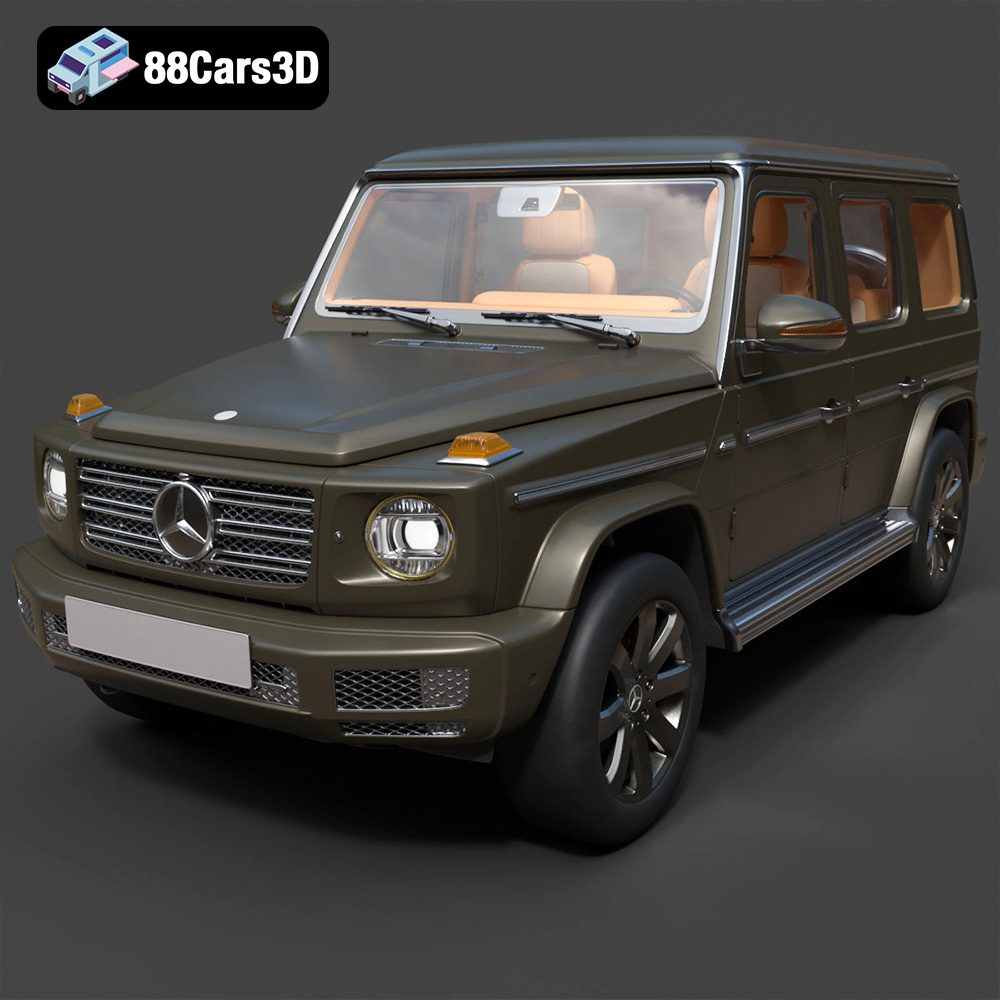
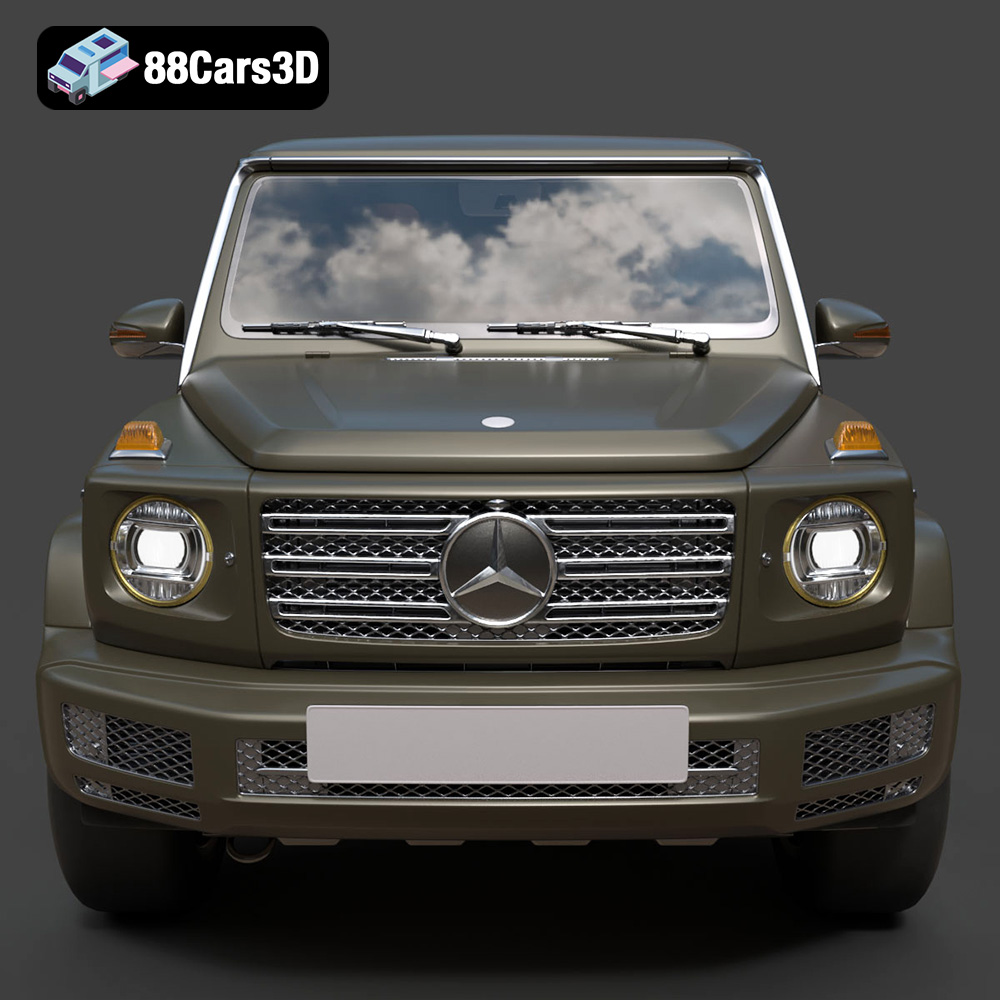
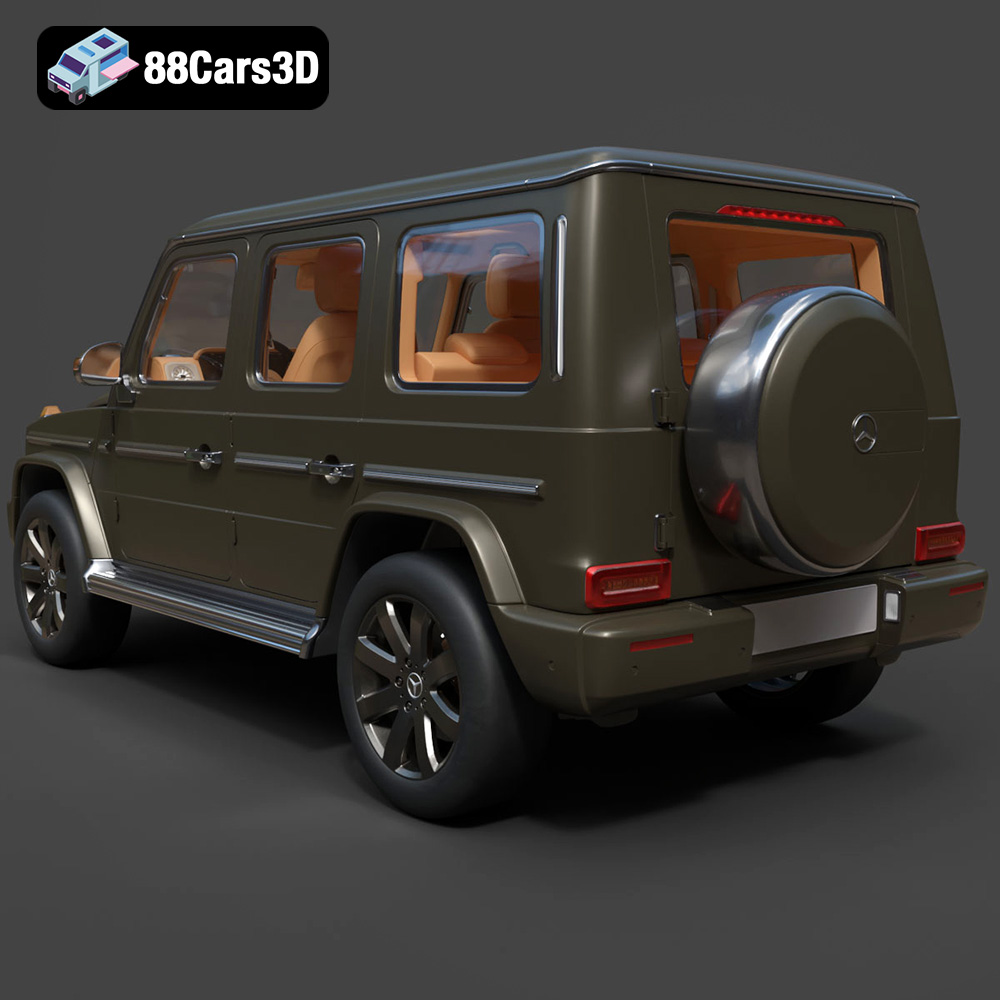
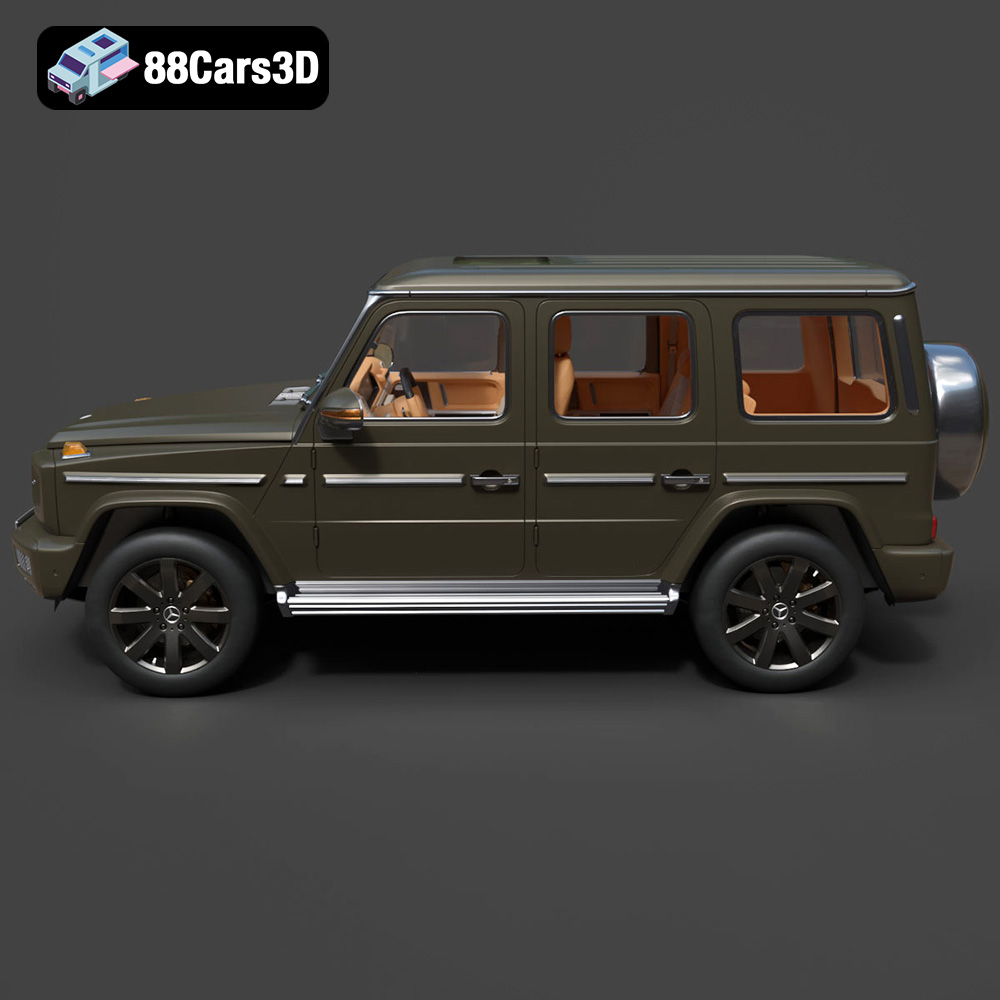
The exterior of the Mercedes-Benz G500 2019 is where its legendary heritage truly shines, and the 3D model faithfully translates every iconic element. From its imposing stance to the signature round LED headlights and the distinctive front grille, every curve and angle has been meticulously modeled. The robust frame geometry and precise proportions are based on real-world scale, ensuring authenticity in any visualization. Designers will appreciate the intricate detailing of the modern independent front suspension, the authentic dual-exhaust system cues, and the high-fidelity alloy wheels paired with realistic all-terrain tires. These components are not merely static elements; they are separate, allowing for dynamic animation and customization, crucial for realistic vehicle dynamics in simulations or cinematic sequences. The model’s rugged exterior styling cues, including the rear-mounted spare tire, complete the picture of an SUV built for both urban elegance and untamed wilderness, offering an excellent foundation for any rendering or game environment.
Beyond the commanding exterior, the G500 3D model invites users into a meticulously crafted digital cockpit. The interior is a symphony of modern luxury, reproduced with stunning fidelity. Imagine the detailed leather-stitched seat and upholstery, rendered with materials that evoke the tactile richness of the real vehicle. The modern multifunction steering wheel, a central point of interaction, is modeled with precision, as is the widescreen dual-display digital instrument cluster, ready for dynamic UI integration in a game or interactive experience. The intricate center console, complete with accurate pedals, levers, and a contemporary shifter, ensures that a first-person perspective in a driving simulator or virtual reality experience is genuinely immersive. The geometry of the interior is specifically optimized for this very purpose, providing a seamless and believable view from the driver’s seat, making it ideal for open-world driving games and virtual showrooms alike.
In the world of 3D, a beautiful model is only truly valuable if it’s also technically sound and optimized for its intended use. The Mercedes-Benz G500 2019 3D model excels in this area, offering a strategic balance of visual richness and computational efficiency that makes it suitable for both demanding real-time applications and photorealistic offline rendering.
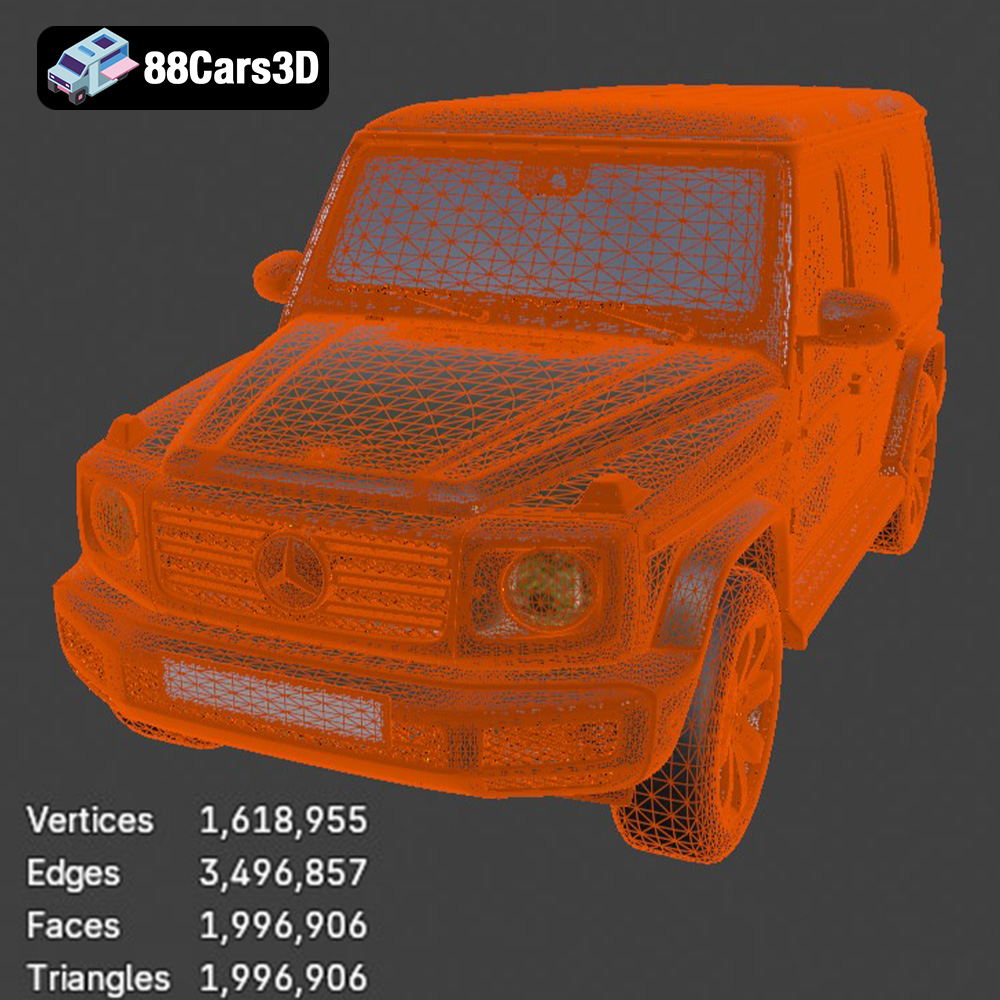
One of the most critical technical specifications for any 3D vehicle model is its polygon count, typically measured in triangles. The Mercedes-Benz G500 2019 3D model boasts an approximate triangle count of ~250,000. This figure represents a sweet spot in optimization. For real-time engines like Unreal and Unity, this polycount is remarkably efficient, allowing multiple instances of the vehicle to be rendered simultaneously without crippling frame rates. It avoids the pitfalls of overly high-poly models that can cause performance bottlenecks in games or VR environments, while still retaining enough geometric detail to avoid looking blocky or low-resolution. Simultaneously, for high-end offline rendering in applications like V-Ray or Arnold, this polycount provides a robust base that can be further enhanced with advanced subdivision techniques or displacement maps, delivering stunning, photorealistic results for advertising or cinematic visualizations. This careful optimization means artists aren’t forced to compromise between visual quality and performance.
A static model, no matter how detailed, has limited utility in dynamic projects. The Mercedes-Benz G500 3D model is designed with animation in mind, featuring a proper pivot setup that is essential for realistic movement. This includes correctly positioned pivots for steering mechanisms, individual wheel rotation, and suspension travel. Crucially, components like the wheels, suspension system, and steering elements are provided as separate, distinct objects. This modularity is a game-changer for animators and riggers. It allows for independent manipulation and complex rigging, enabling lifelike vehicle dynamics, realistic turning circles, nuanced suspension compression, and detailed steering animations. Whether you’re crafting a cinematic chase scene, developing a racing simulator, or creating an interactive vehicle configurator, this pre-engineered readiness for animation significantly streamlines the production pipeline and enhances the overall realism of your projects.
The true value of a versatile 3D asset lies in its seamless integration into various professional workflows. The Mercedes-Benz G500 2019 3D model is engineered to be a powerful tool for a diverse range of industries, from the demanding environment of game development to the intricate art of high-end rendering and the immersive potential of AR/VR.
For game developers, efficiency and realism are paramount. The Mercedes-Benz G500 2019 3D model is explicitly designed to be game-ready. Developers typically import the .fbx or, if provided, the .unreal format directly into Unreal Engine or Unity. The optimized ~250,000 triangle count ensures it performs admirably in open-world environments, racing titles, and vehicle simulators without causing performance dips. Its separate wheel, suspension, and steering components are invaluable for rigging complex vehicle physics systems, allowing for authentic handling, dynamic suspension, and realistic steering responses. Artists can then apply PBR (Physically Based Rendering) materials, set up proper collision meshes, and implement LODs (Levels of Detail) if further optimization is required, although the initial polycount is often sufficient for many current-gen applications. This model drastically cuts down on the development time typically spent on asset creation and optimization, letting teams focus on gameplay and immersive experiences.
In architectural visualization, advertising, and cinematic production, photorealism is the ultimate goal. The Mercedes-Benz G500 3D model shines in these applications. Artists can import the .max or .blend file for native work, or utilize the robust .fbx or .obj formats in their preferred 3D software like 3ds Max, Maya, or Blender. The model’s real-world scale accuracy and detailed geometry provide an excellent foundation for creating stunning renders. Using advanced rendering engines like V-Ray, Corona, or Cycles, artists can leverage the model’s clean topology and well-defined UVs to apply sophisticated PBR materials – think glossy metallic paints, intricate headlight textures, and luxurious interior leathers. Paired with realistic studio lighting setups or integrated into naturalistic exterior scenes, the G500 model becomes a centerpiece for compelling brand campaigns, lifestyle visualizations, or even animated product showcases. The ability to customize body colors, material finishes (matte, gloss, metallic), and adapt lighting allows for endless creative possibilities to match specific project requirements.
The burgeoning fields of Augmented Reality (AR) and Virtual Reality (VR) demand highly optimized yet visually rich 3D assets. The Mercedes-Benz G500 3D model, especially in its .glb format, is an ideal candidate for creating immersive digital experiences. Its optimized geometry and efficient material setup make it perfect for real-time display in mobile AR apps or interactive VR showrooms. Imagine a potential customer exploring the G500 in a virtual environment, changing body colors, opening doors, and examining the luxurious interior in full 3D, all rendered smoothly on a smartphone or VR headset. This model can be integrated into web-based configurators, allowing users to customize their dream G-Wagon in their browser. For immersive training simulations or virtual tourism applications, having a high-fidelity yet performant vehicle like the G500 greatly enhances the sense of presence and realism. The careful balance between detail and performance ensures a fluid and engaging user experience across diverse AR/VR platforms.
The utility of a premium 3D model extends far beyond digital screens. For enthusiasts and professionals alike, the Mercedes-Benz G500 2019 3D model offers pathways to tangible creations through 3D printing and provides extensive customization options to truly make it your own.
The availability of the Mercedes-Benz G500 2019 3D model in .stl format opens up exciting possibilities for physical fabrication. Hobbyists and collectors can transform this digital asset into a tangible replica on their desk or in their display cabinet. For optimal results, certain 3D print settings are recommended. A scale of 1:12, 1:18, or 1:24 strikes a good balance between detail and print size. When it comes to resolution, a layer height between 0.04 and 0.12 mm is advised, with resin printing often recommended for its ability to capture the finer details like grilles, badges, and interior intricacies that FDM printers might struggle with. Structural integrity is ensured with a wall thickness of 1.2–2.0 mm and an infill of 20–30%. Due to the model’s complexity, supports will be required for overhangs and delicate parts like the exhaust system, mirrors, and various exterior trims. Printing the main frame angled and wheels separately is a common practice to optimize structural strength and detail. After printing, post-processing steps such as sanding, priming, and applying authentic factory colors with metallic finishes can elevate the printed model to a showroom-quality miniature. This fusion of digital design and physical manufacturing adds another layer of versatility to this exceptional 3D car model.
A truly professional 3D asset should serve as a foundation for boundless creativity. The Mercedes-Benz G500 2019 3D model provides extensive customization options, allowing artists to tailor the vehicle to specific project needs or personal artistic vision. The materials are designed for easy modification, enabling users to effortlessly change body and tank colors to any factory shade, custom finish, or even experimental paint schemes. This includes adjusting material finishes from a high-gloss metallic to a subtle matte or a rugged satin look, transforming the vehicle’s personality. Beyond paint, tire textures can be swapped or modified to represent different variants, such as aggressive off-road treads for an adventure scene or sleek street tires for an urban render. Furthermore, adapting the lighting of the scene and applying post-processing effects can drastically alter the mood and context of the G500, from a sun-drenched desert drive to a dramatic, neon-lit city street. This level of granular control ensures that the model can be seamlessly integrated into virtually any narrative or aesthetic, providing artists with the tools to realize their creative concepts without limitation.
The Mercedes-Benz G500 2019 3D model stands as a prime example of a premium digital asset, meticulously crafted to meet the stringent demands of modern 3D production. Its faithful recreation of an automotive icon, coupled with robust technical specifications and comprehensive file format support, makes it an indispensable tool for a wide array of creative professionals. Whether you are a game developer pushing the boundaries of realism, an architectural visualizer crafting compelling lifestyle scenes, an AR/VR enthusiast building immersive experiences, or even a hobbyist looking to 3D print a stunning replica, this model provides the quality, flexibility, and optimization needed to elevate your work.
From its optimized polygon count and animation-ready components to its extensive customization options and compatibility across major software and engines, the Mercedes-Benz G500 2019 3D model exemplifies excellence in digital automotive asset creation. It not only streamlines workflows but also empowers artists to focus on their creative vision, bringing the legend of the G-Wagon to life in captivating new ways. For those seeking high-quality 3D car models that deliver on both aesthetic appeal and technical performance, a visit to 88cars3d.com offers a curated selection of assets that truly stand out in the digital marketplace.
The Mercedes-Benz G500 2019 continues the legendary heritage of the iconic G-Class, seamlessly blending its unmistakable boxy silhouette with modern luxury and cutting-edge performance. Featuring an imposing stance, signature round LED headlights, a distinctive front grille, and rugged exterior styling cues, this luxury SUV is a true symbol of off-road capability and urban elegance. The model faithfully captures the essence of the G-Wagon, including its robust frame, side-exit exhaust cues, and rear-mounted spare tire. This 3D model boasts exceptional topology with a highly optimized triangle count, ensuring it is fully game-ready without sacrificing high-end visual fidelity. Built to precise real-world scale, the geometry strikes the perfect balance for seamless integration into real-time engines and offline renderers, making it the premier choice for game development, AR/VR, animation, and digital visualization.
$19.99
.2019
.blend
.fbx
.glb
.luxury suv
.max
.obj
.ply
.rendering
.stl
.unreal
car-3d-model
g-class
g500
game asset
game-ready
low-poly
mercedes-benz
off-road
optimized
SUV
VR/AR