Get 20% OFF All Premium 3D & STL Models!

In the dynamic world of 3D modeling, where precision meets creative freedom, the demand for high-fidelity automotive assets is perpetually on the rise. From blockbuster video games to cutting-edge architectural visualizations and immersive virtual reality experiences, a meticulously crafted vehicle model can elevate a project from ordinary to extraordinary. Among the pantheon of iconic automobiles, the Mercedes-Benz G-Class holds a special place, revered for its blend of rugged capability and unapologetic luxury. The 2019 G500 iteration, in particular, perfectly encapsulates this duality, presenting a fascinating challenge and opportunity for digital artists and developers.
This article explores the intricate details and vast potential of a premium 3D representation of the Mercedes-Benz G500 2019, showcasing how such a sophisticated asset seamlessly integrates into various professional pipelines. We’ll delve into the technical specifications, file format considerations, and practical applications that make a high-quality 3D car model indispensable. Whether you’re an automotive rendering specialist, a game developer seeking authentic vehicles, or an AR/VR innovator building virtual showrooms, understanding the nuances of such an asset is key to unlocking its full creative power. The Mercedes-Benz G500 2019 3D model, available for download at 88cars3d.com, is an exemplary case study in this pursuit of digital automotive excellence.
The Mercedes-Benz G500, affectionately known as the G-Wagon, possesses an undeniable magnetic quality. Its distinctive boxy silhouette, a design ethos largely unchanged for decades, resonates with a sense of timeless adventure and robust engineering. In digital media, this iconic status translates into significant demand for authentic 3D car models that can convey both its rugged charm and its luxurious refinement.
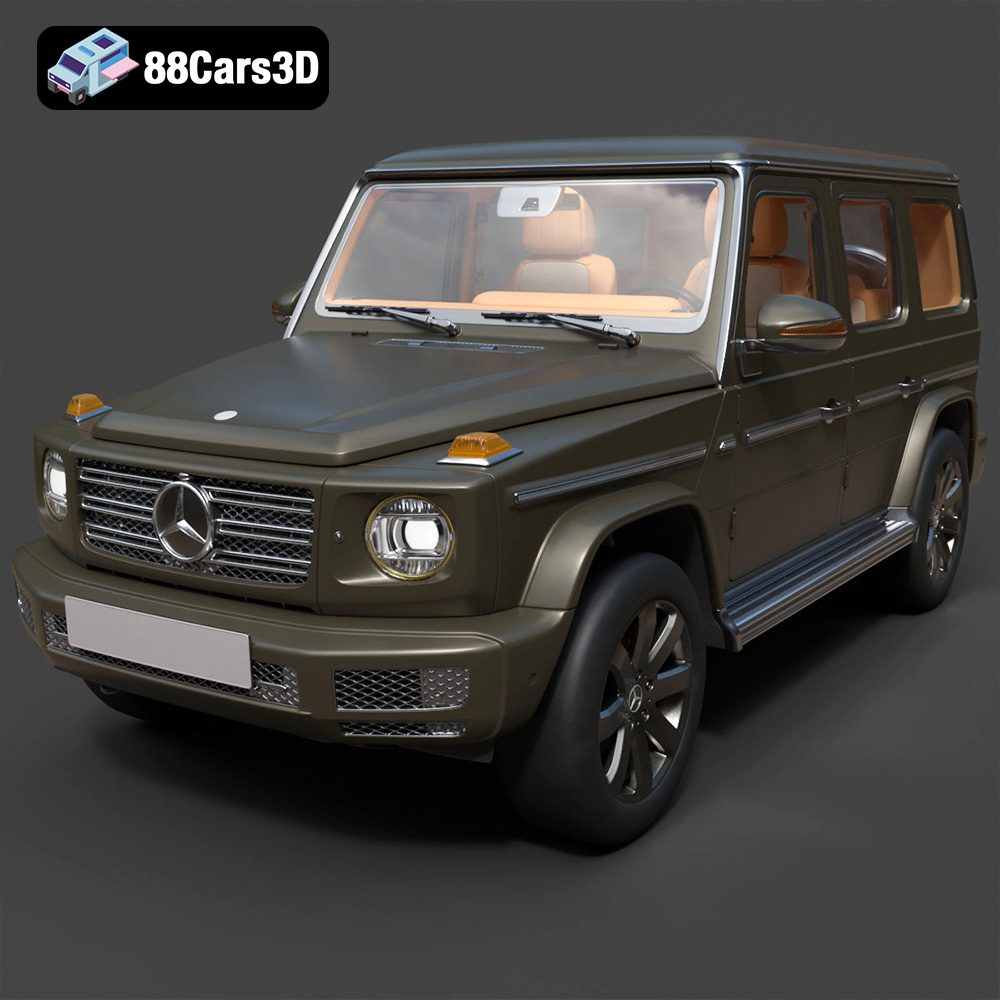
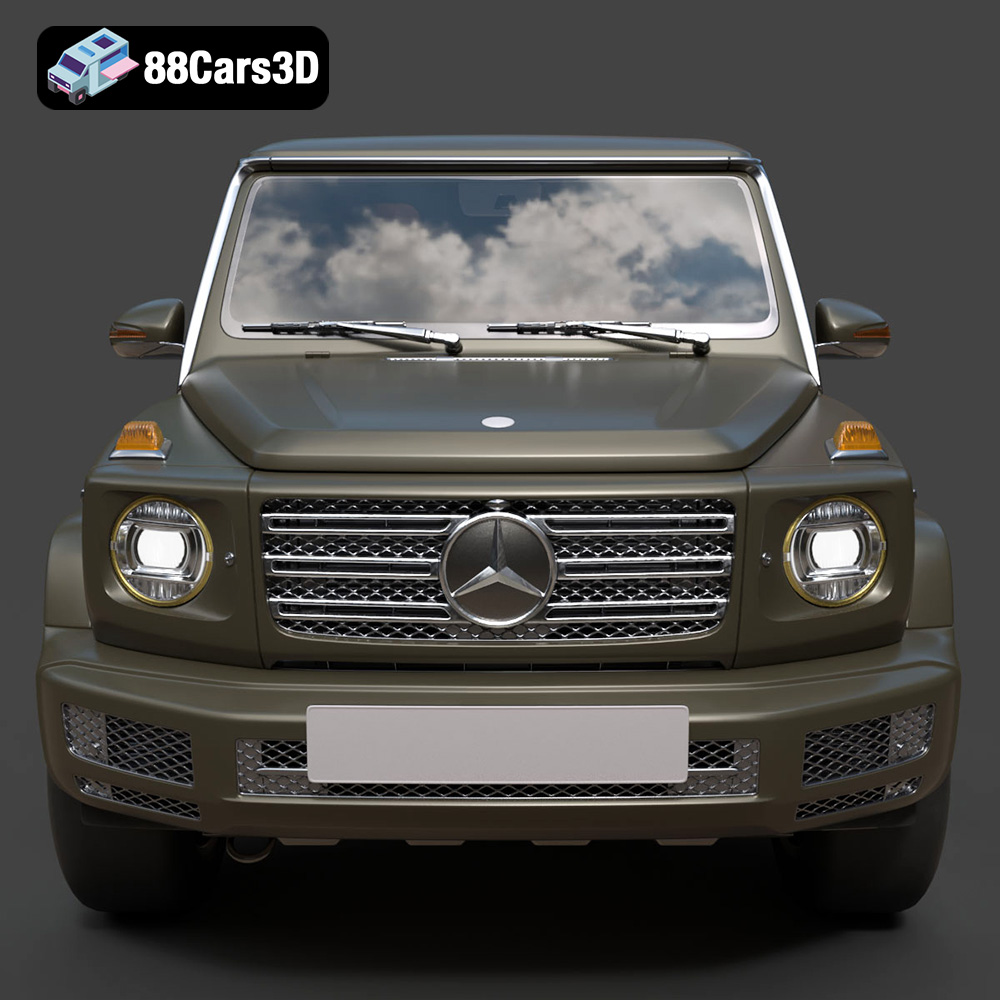
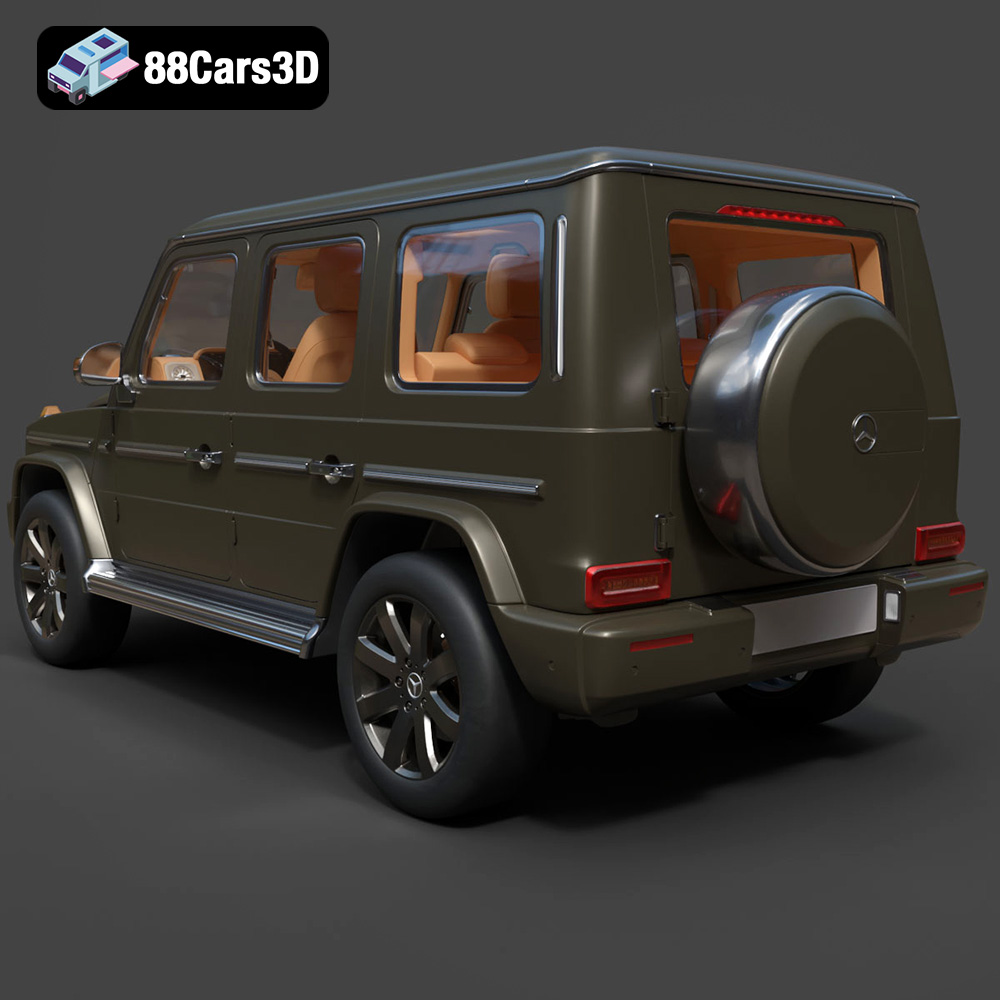
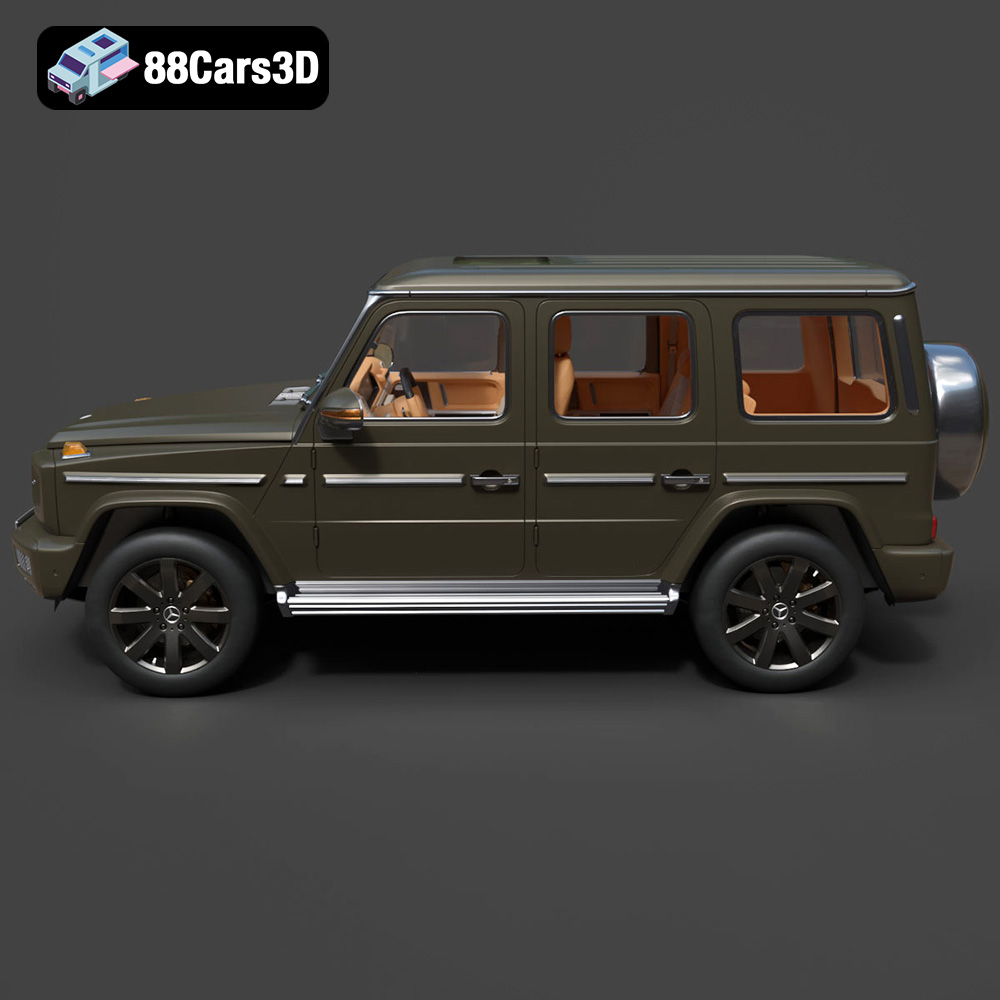
A truly exceptional 3D model of the Mercedes-Benz G500 2019 goes beyond mere shape; it encapsulates the vehicle’s very spirit. This involves meticulous attention to its signature design elements. Consider the imposing stance, the unmistakable round LED headlights that harken back to its origins while integrating modern lighting technology, and the distinctive front grille that commands presence. Every curve and angle, from the robust frame to the side-exit exhaust cues and the rear-mounted spare tire, must be faithfully reproduced. The model’s ability to capture these intricate details ensures that whether it’s viewed up close in a studio render or in motion within a vast open-world game, it retains its authentic character. This commitment to accuracy makes it a premier choice for game development, AR/VR experiences, animation, and high-fidelity digital visualization, ensuring that the legendary heritage is preserved in every digital polygon.
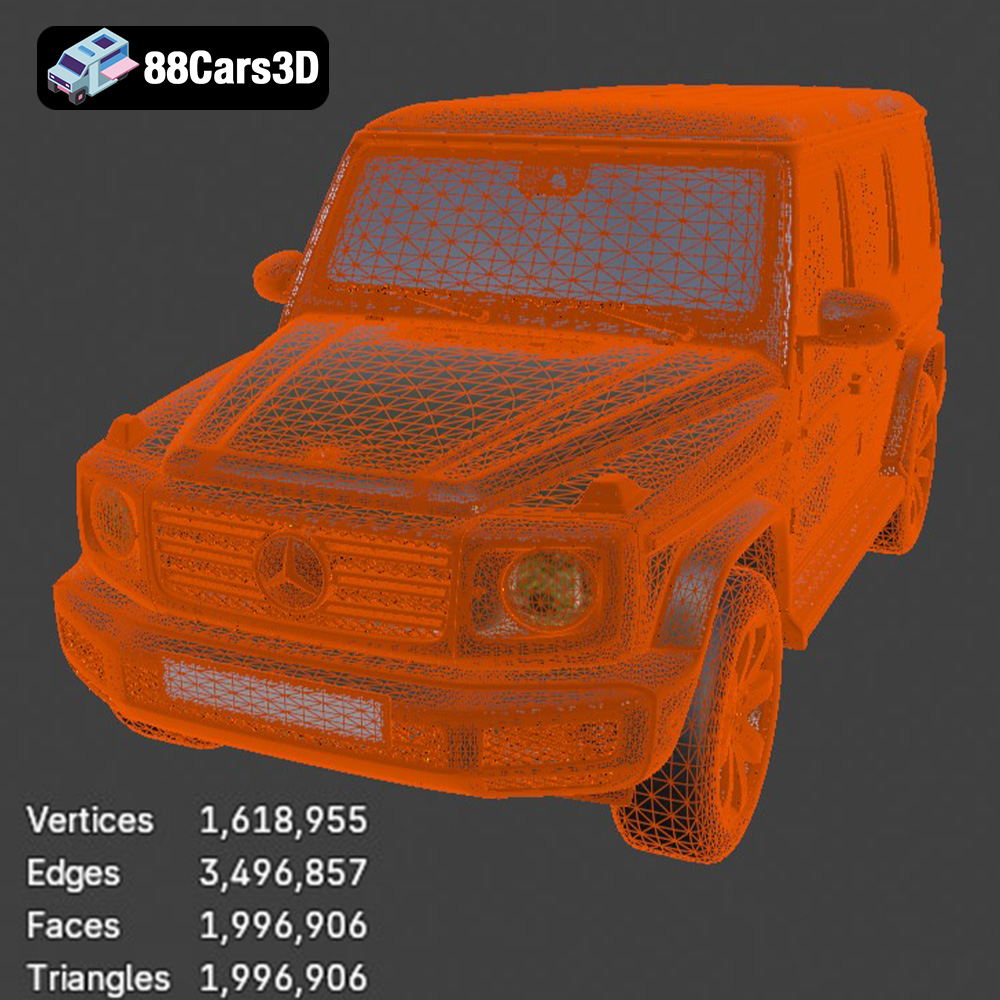
The challenge with any high-detail automotive asset is to strike a perfect balance between visual realism and technical performance. A model that is too complex will bog down real-time engines, while one that is overly simplified will lack the necessary fidelity for high-end rendering. The Mercedes-Benz G500 2019 3D model exemplifies this crucial equilibrium. With an optimized triangle count, it is engineered to be fully game-ready, capable of seamless integration into popular engines like Unreal and Unity, without compromising the visual richness required for cinematic renders. This deliberate design choice makes it incredibly versatile, suitable for everything from fast-paced racing games and immersive virtual showrooms to detailed product showcases and architectural visualizations. Its real-world scale and balanced geometry provide a solid foundation for any project demanding both aesthetic excellence and efficient performance.
Navigating the landscape of 3D modeling often involves working with a myriad of file formats, each with its own strengths, limitations, and specific use cases. Choosing the correct format is paramount for seamless integration into various software pipelines, ensuring compatibility, preserving data integrity, and optimizing performance. The Mercedes-Benz G500 2019 3D model from 88cars3d.com is provided in a comprehensive suite of formats, catering to virtually every professional need.
The true value of a premium 3D car model lies in its technical foundation. It’s not just about aesthetic appeal, but about how effectively and efficiently the model can be utilized across a spectrum of professional applications. The Mercedes-Benz G500 2019 3D model exemplifies this engineering prowess, designed from the ground up to meet rigorous industry standards.
Central to its technical excellence is the highly optimized triangle count of approximately 250,000. This figure is critical because it strikes a delicate balance: it’s sufficiently detailed to maintain high-end visual realism for close-up renders, yet lean enough to be “game-ready” for real-time engines. This ensures that developers can integrate the model into open-world games or racing titles without compromising frame rates or incurring excessive load times. Furthermore, the model’s geometry is built to precise real-world scale, based on the actual vehicle chassis and dimensions. This accuracy is invaluable for architectural visualizations, simulations, and any project where environmental context and true-to-life proportions are paramount. Every exterior feature, from the detailed engine block representing the powerful V8 biturbo engine to the authentic dual-exhaust system, signature LED headlights, contemporary taillight clusters, high-fidelity alloy wheels, and intricate modern independent front suspension detailing, is crafted with meticulous care to mirror its real-world counterpart.
Beyond its striking exterior, the Mercedes-Benz G500 2019 3D model boasts a fully realized and highly detailed interior, essential for creating truly immersive experiences. The cockpit features luxurious leather-stitched seats and upholstery, a modern multifunction steering wheel, and a widescreen dual-display digital instrument cluster. The intricate center console, complete with precise pedals, levers, and a modern shifter, is rendered with exceptional fidelity. This level of interior detail is crucial for game developers creating titles that feature first-person camera perspectives or allow players to enter and exit vehicles. It’s also vital for virtual showrooms and configurators, where clients expect to explore every facet of the vehicle as if they were physically present. The optimized geometry ensures that even with this richness, the interior remains performant enough for real-time interaction.
For any dynamic application, a static model is insufficient. The Mercedes-Benz G500 2019 3D model is engineered for animation, with separate components for wheels, suspension, and steering. Crucially, proper pivot points are set up for realistic steering articulation, wheel rotation, and suspension travel. This means animators and game developers don’t have to spend valuable time manually configuring these elements. Whether simulating off-road driving, showcasing the vehicle’s maneuverability, or creating dynamic cinematics, the model’s pre-configured animation readiness significantly accelerates the production workflow. This attention to detail ensures that the G500 isn’t just a visually stunning asset, but a fully functional and adaptable tool for any project requiring dynamic vehicle movement.
The true measure of a high-quality 3D asset lies in its seamless integration into diverse professional workflows. The Mercedes-Benz G500 2019 3D model, with its robust technical foundation and multi-format availability, is designed to be a versatile workhorse for various creative and technical endeavors.
For game developers, performance and visual fidelity are equally critical. The optimized ~250,000 triangle count of the Mercedes-Benz G500 2019 3D model makes it an ideal game asset. Using the .fbx or .unreal format, developers can easily import the model into engines like Unreal Engine or Unity. The process typically involves importing the mesh, setting up physically based rendering (PBR) materials to ensure realistic surface interactions with light, and configuring collision meshes for accurate in-game physics. For large open-world games or racing titles, developers can implement Levels of Detail (LODs) to further optimize performance at varying distances, although the base model’s optimization already provides an excellent starting point. The separate components for wheels, suspension, and steering, along with correctly set pivots, mean that the vehicle can be quickly rigged for player control or AI pathfinding, making it perfect for driving simulators and open-world experiences that demand authentic automotive behavior.
When the goal is photorealistic imagery for advertising, product showcases, or film, the G500 model truly shines. Leveraging the .max or .blend native files, artists can access the full scene data, allowing for advanced lighting setups, complex material shaders, and sophisticated animation. In 3ds Max or Blender, the model can be placed in studio lighting environments to highlight its luxurious finishes, or integrated into a lifestyle scene with environmental lighting to evoke a specific mood. Customization options are extensive: artists can easily change body colors to match factory palettes or apply unique custom finishes, modify tire textures for off-road or street variants, and adjust material properties like matte, gloss, or metallic sheens. The accurate geometry and detailed interior also support high-resolution renders for print media or large format displays, making it an invaluable asset for automotive marketing and visualization specialists.
The versatility of the Mercedes-Benz G500 2019 extends to emerging technologies and physical creation. For augmented reality (AR) and virtual reality (VR) experiences, the .glb format is particularly beneficial. This compact, web-optimized file bundles all necessary data, enabling the creation of immersive virtual showrooms, interactive configurators, or mobile AR applications where users can place the G500 in their real-world environment. The balance of detail and optimization ensures smooth performance on various devices. For enthusiasts and industrial designers, the .stl format facilitates 3D printing. While 3D printing requires specific considerations, the model’s robust geometry makes it suitable for physical reproduction. Recommended scales (1:12, 1:18, 1:24) allow for detailed display models, with resin printing often advised for capturing fine details like the exhaust and exterior trim. Post-processing involving sanding, primer, and authentic factory colors with metallic finishes can transform the digital model into a stunning tangible object, bridging the gap between virtual and physical realms.
In the fast-paced world of digital content creation, efficiency and quality are paramount. Sourcing reliable, high-fidelity 3D assets can be a significant challenge, often requiring extensive modeling time or compromise on detail. This is where specialized marketplaces like 88cars3d.com prove invaluable, offering a curated selection of premium 3D car models designed to integrate seamlessly into professional workflows.
The Mercedes-Benz G500 2019 3D model is a prime example of the caliber of assets available on 88cars3d.com. It represents a commitment to technical excellence and artistic fidelity, providing artists and developers with production-ready assets right out of the box. By utilizing such a meticulously crafted model, professionals can bypass the time-consuming and labor-intensive process of building complex vehicles from scratch. This allows teams to focus their resources on other critical aspects of their projects, from environmental design and character animation to complex shader development and interactive scripting. The assurance of real-world scale, optimized geometry, and comprehensive file format support means less troubleshooting and more creative output. 88cars3d.com thus serves as a critical resource, streamlining content creation pipelines and empowering users to deliver exceptional visual experiences.
While the Mercedes-Benz G500 2019 3D model offers unparalleled versatility and detail, it is just one of many exceptional 3D car models available. The marketplace at 88cars3d.com is dedicated to providing a diverse range of vehicles, each meeting the same rigorous standards of quality and optimization. Whether your project demands classic muscle cars, futuristic concept vehicles, utility trucks, or sleek sports cars, you can find assets that are game-ready, render-ready, and compatible with leading software and engines. This consistency in quality across the entire library ensures that professionals can reliably expand their digital garage, knowing that each acquisition will contribute meaningfully to the visual richness and technical robustness of their creative endeavors. Exploring the extensive collection at 88cars3d.com is an investment in efficiency, quality, and boundless creative potential.
The Mercedes-Benz G500 2019 3D model stands as a testament to the power of meticulously crafted digital assets in contemporary content creation. From its iconic, faithfully reproduced exterior to its intricately detailed interior and robust technical specifications, this model is designed to excel across a spectrum of professional applications. Its optimized geometry ensures game-readiness for real-time engines like Unreal and Unity, while its high fidelity makes it perfect for stunning automotive rendering in 3ds Max or Blender. Furthermore, its versatile file format support extends its utility to cutting-edge AR/VR experiences and even precise 3D printing projects.
By providing a production-ready solution, complete with proper pivots for animation and real-world scale accuracy, this 3D car model significantly streamlines workflows, allowing artists and developers to focus on innovation and creativity rather than foundational asset creation. Whether you’re building immersive games, crafting compelling visualizations, or venturing into virtual reality, the Mercedes-Benz G500 2019 3D model offers the quality and versatility demanded by today’s leading professionals. Explore this exceptional asset and many other premium 3D car models at 88cars3d.com to elevate your next project.
The Mercedes-Benz G500 2019 continues the legendary heritage of the iconic G-Class, seamlessly blending its unmistakable boxy silhouette with modern luxury and cutting-edge performance. Featuring an imposing stance, signature round LED headlights, a distinctive front grille, and rugged exterior styling cues, this luxury SUV is a true symbol of off-road capability and urban elegance. The model faithfully captures the essence of the G-Wagon, including its robust frame, side-exit exhaust cues, and rear-mounted spare tire. This 3D model boasts exceptional topology with a highly optimized triangle count, ensuring it is fully game-ready without sacrificing high-end visual fidelity. Built to precise real-world scale, the geometry strikes the perfect balance for seamless integration into real-time engines and offline renderers, making it the premier choice for game development, AR/VR, animation, and digital visualization.
$19.99
.2019
.blend
.fbx
.glb
.luxury suv
.max
.obj
.ply
.rendering
.stl
.unreal
car-3d-model
g-class
g500
game asset
game-ready
low-poly
mercedes-benz
off-road
optimized
SUV
VR/AR