Get 20% OFF All Premium 3D & STL Models!

In the dynamic world of digital content creation, high-quality 3D car models are the unsung heroes powering everything from blockbuster video games and cinematic automotive advertisements to interactive AR/VR experiences and detailed product visualizations. The demand for assets that are not only visually stunning but also technically robust and optimized for diverse platforms has never been higher. Professionals across industries require models that seamlessly integrate into complex pipelines, offering both aesthetic excellence and practical functionality.
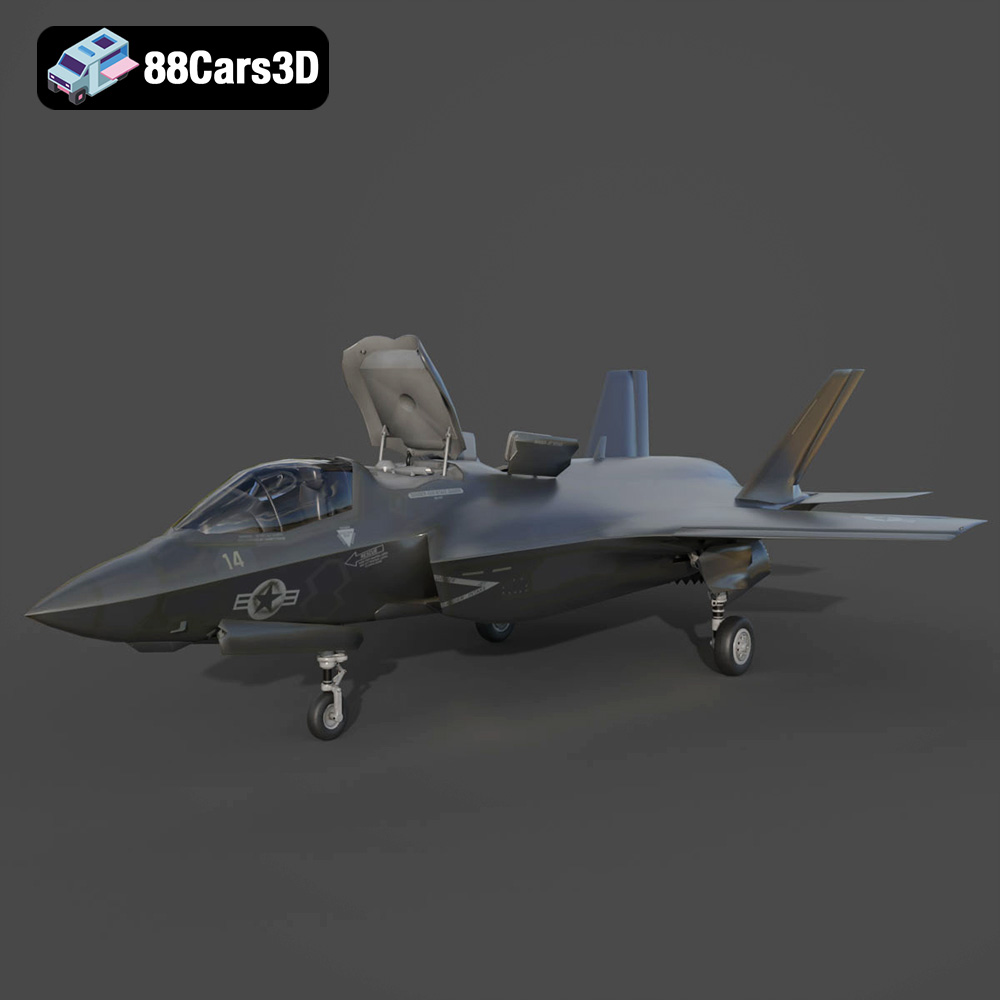
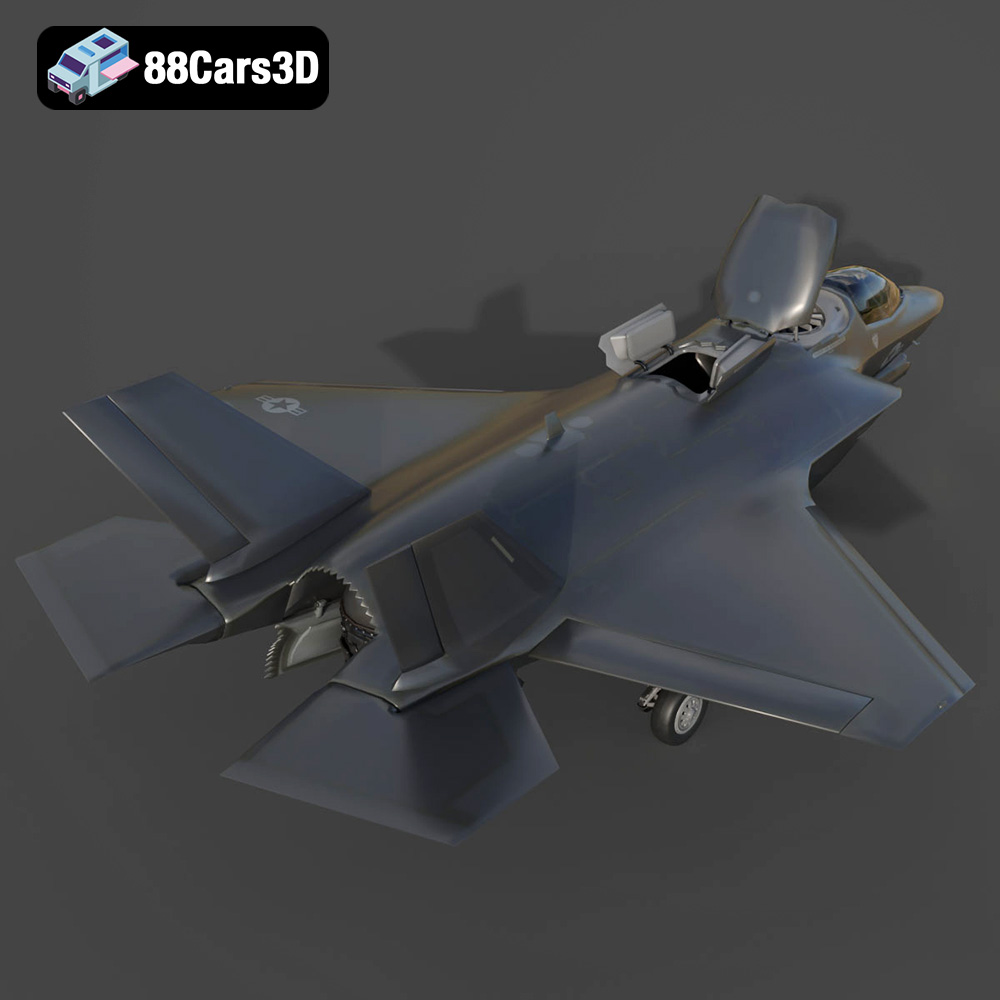
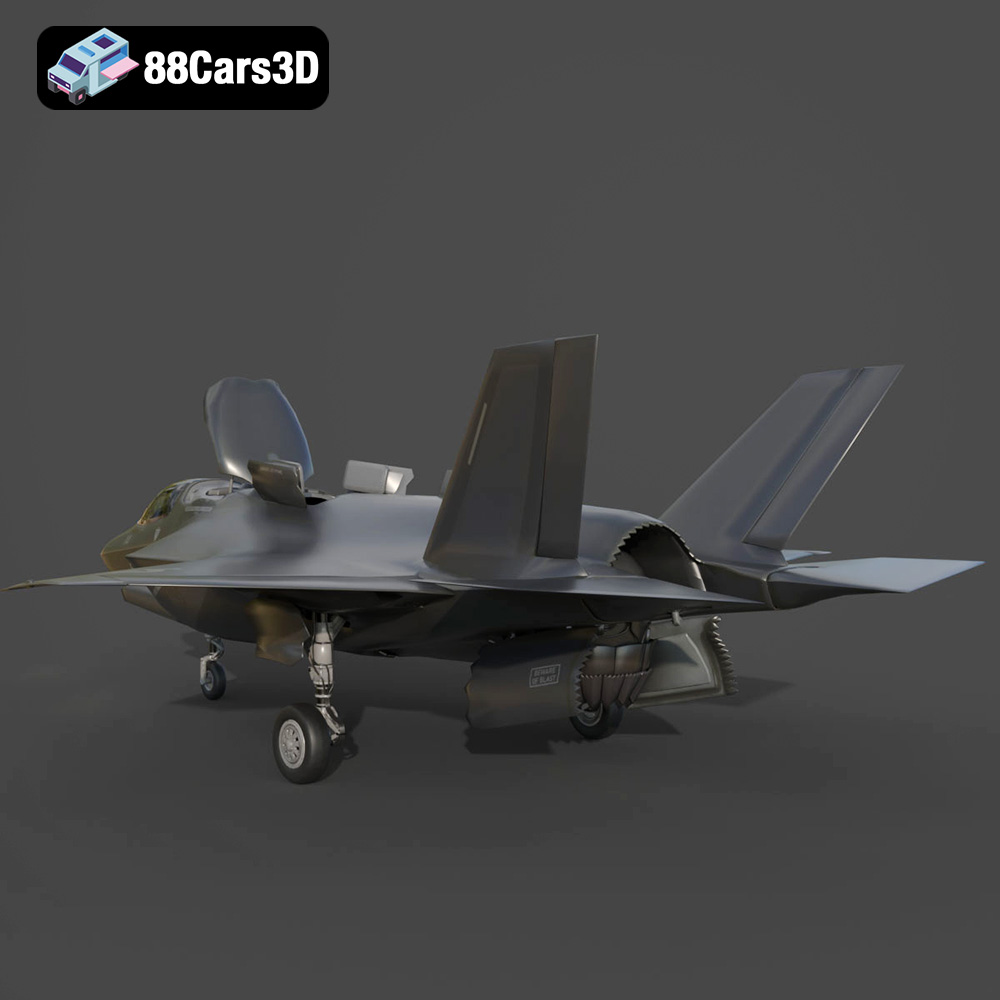
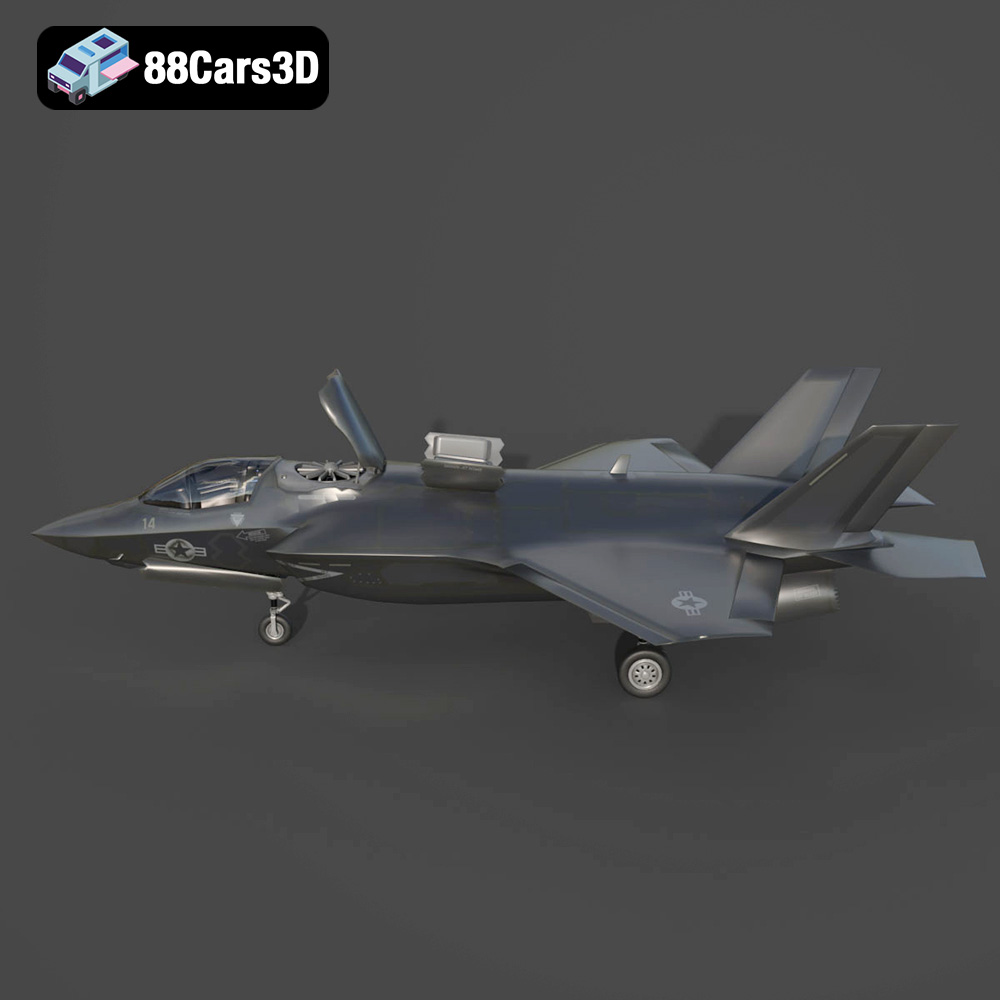
Enter the F35-08, a prime example of a meticulously crafted 3D car model that embodies this dual pursuit of beauty and engineering. This asset, available for download on 88cars3d.com, is designed to meet the rigorous demands of modern digital production. With its aggressive aesthetics, prominent front grille, and striking exhaust system, the F35-08 is a testament to contemporary automotive design. But beyond its captivating looks, it’s the underlying technical prowess – its optimized topology, game-ready features, and comprehensive file format support – that truly sets it apart, making it an indispensable tool for any serious digital artist or developer. This article delves into the intricacies of creating and utilizing such premium 3D car models, exploring the technical considerations, workflow implications, and the profound impact they have on various creative and industrial applications.
Choosing the right file format is a critical decision in any 3D workflow, directly impacting compatibility, performance, and the scope of manipulation. A high-quality 3D car model like the F35-08 typically comes in a suite of formats, each serving specific purposes. Understanding these distinctions is paramount for professionals seeking optimal integration and utilization.
.blend – Fully Editable Blender Scene with Materials
The .blend format is Blender’s native file type, offering a complete snapshot of a Blender project. This includes not just the mesh data but also materials, textures, lighting, cameras, animations, and even physics simulations. For artists working in Blender, receiving a .blend file like that of the F35-08 means immediate access to a fully editable scene. This allows for extensive customization—changing body colors, modifying tire textures, adjusting material finishes (matte, gloss, metallic)—without the need for complex import/export procedures. It’s ideal for deep dives into asset modification, rendering in Blender’s Cycles or Eevee, and extending the model with new animations or scene elements.
.fbx – Ideal for Unreal, Unity, and Real-time Pipelines
As a proprietary format developed by Autodesk, .fbx has become an industry standard for interoperability, especially in game development. It excels at transferring 3D model data, including meshes, textures, materials, animations, and even skeletal rigs, between different software applications. When you’re integrating the F35-08 into game engines like Unreal Engine or Unity, .fbx is almost always the preferred choice. Its robust support for animation data, proper pivot setups, and optimized mesh structures ensures that elements like steering, wheel rotation, and suspension travel are correctly imported and ready for real-time interaction, maintaining the F35-08’s game-ready status.
.obj – Universal Format for Cross-Software Compatibility
The .obj (Wavefront OBJ) format is one of the most widely supported and simplest 3D file formats. It primarily stores geometric data (vertices, normals, texture coordinates) and references external material files (.mtl). While it doesn’t store animation or rigging data, its universal compatibility makes it an excellent choice for basic mesh transfer between virtually any 3D software. For the F35-08, the .obj version is perfect when you need a clean mesh to import into a less common application, or when you intend to apply your own materials and textures from scratch, ensuring broad accessibility across different pipelines.
.glb – Optimized for AR, VR, and Browser-Based Display
GLB (GL Transmission Format Binary) is a relatively newer format gaining significant traction, particularly for web-based 3D, AR, and VR applications. It’s a binary container format that bundles 3D models, textures, and animations into a single, compact file, making it incredibly efficient for streaming and rapid loading. The F35-08 in .glb format is perfectly suited for immersive virtual showrooms, configurators, and mobile AR experiences, leveraging its optimized geometry and integrated materials for fast, high-quality display in browsers or dedicated AR/VR platforms.
.stl – Suitable for 3D Printing Output
The .stl (Stereolithography) format is the de facto standard for 3D printing. It represents a 3D model as a collection of unconnected triangular facets. While it lacks color, texture, or material information, its simplicity makes it ideal for defining the surface geometry of physical objects. Converting the F35-08 to .stl makes it accessible for display-scale hobbyists and prototyping. The provided 3D print settings, like recommended scale, layer height, and support requirements, are crucial for successfully translating the digital F35-08 into a tangible model.
.ply – Precision Mesh Format for CAD or Analysis
PLY (Polygon File Format, also Stanford Triangle Format) is a versatile format often used for storing 3D data from 3D scanners, CAD applications, or for scientific analysis. It can store various properties beyond just geometry, such as color, transparency, and even specific data for each vertex or face. While less common for general asset exchange than FBX or OBJ, the .ply version of the F35-08 offers a precise mesh representation, which can be valuable for specialized engineering, reverse engineering, or detailed structural analysis workflows.
.unreal – Engine-Ready Asset for Real-time Environments
While not a universal file extension in the same vein as FBX or OBJ, a “.unreal” file often implies a package specifically prepared and optimized for direct import into Unreal Engine. This could mean an FBX with specific export settings, or a pre-packaged asset with Unreal-specific materials and LODs. For the F35-08, an “.unreal” variant suggests it’s already configured for Unreal’s material system, collision, and possibly even Blueprint functionality, ensuring a streamlined import process and immediate game-readiness, leveraging its optimized polycount of 150,000 triangles for top-tier visual fidelity without compromising real-time performance.
.max – Editable 3ds Max Project for Animation and Rendering
The .max format is the native file type for Autodesk 3ds Max. Similar to .blend, it contains all the scene data, including geometry, materials, lighting, animations, and modifiers. For professionals who use 3ds Max extensively for architectural visualization, product design, or cinematic rendering, having the F35-08 in .max format provides the ultimate flexibility. It allows artists to modify the model’s structure, refine its textures using V-Ray or Corona renders, or integrate it into complex animated sequences with the full power of 3ds Max’s toolset. This makes it ideal for high-end automotive visualizations and brand campaigns.
Creating a truly effective 3D car model, especially one designated as “game-ready” like the F35-08, involves a delicate balance between visual fidelity and technical efficiency. This balance is achieved through meticulous attention to topology, UV mapping, and material setup.
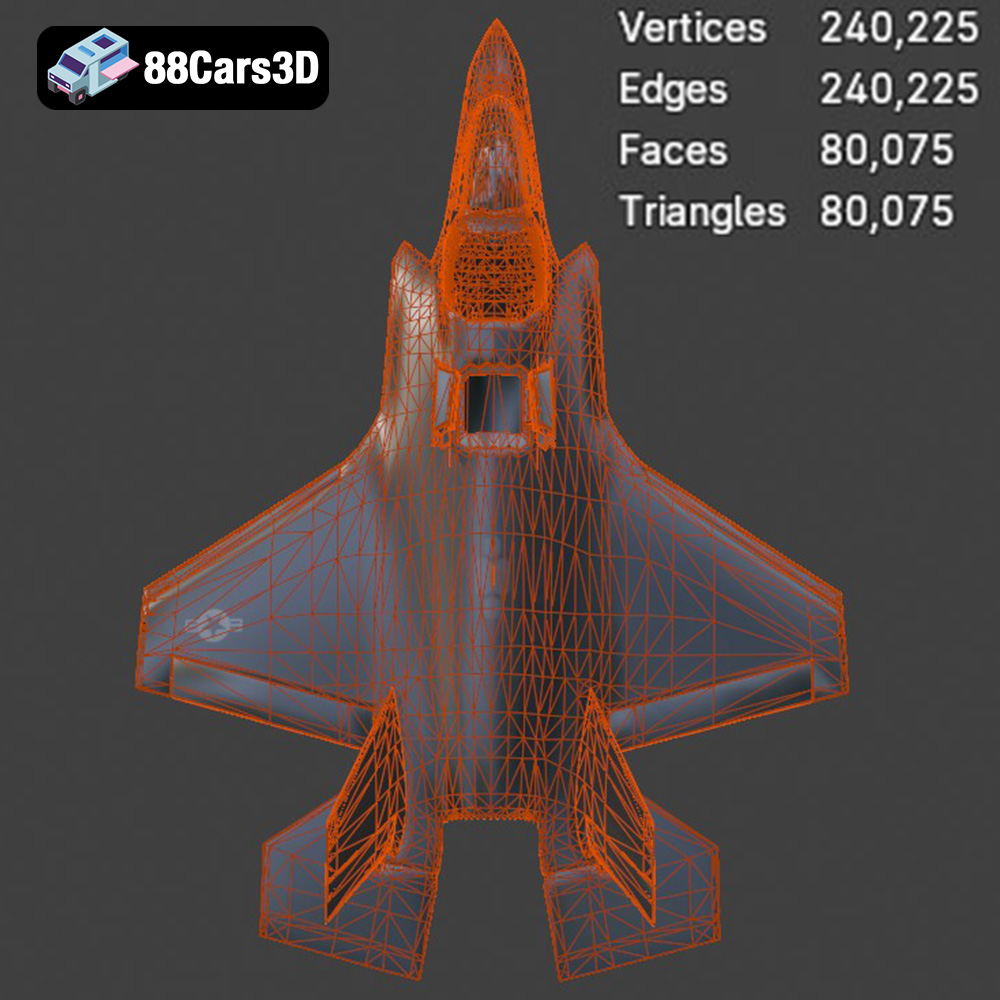
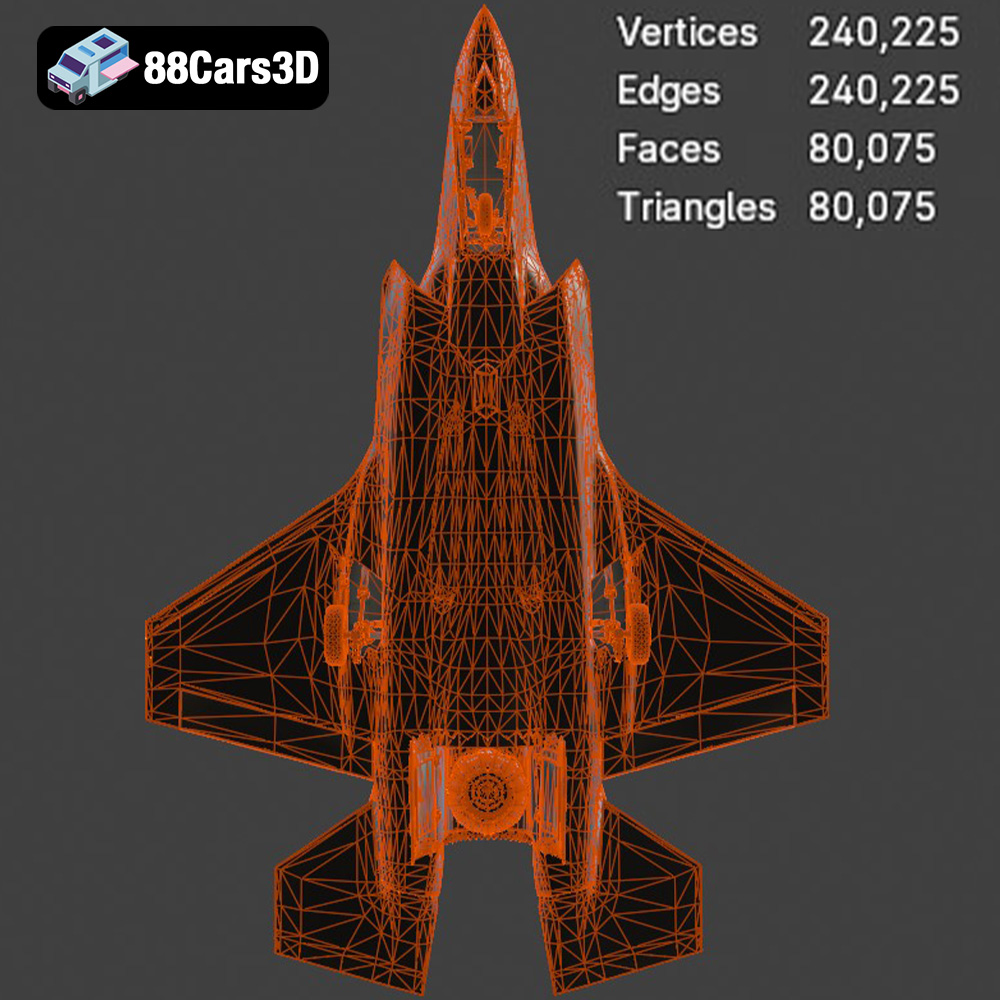
The foundation of any good 3D model is its topology – the arrangement of vertices, edges, and faces that define its shape. For a game-ready asset like the F35-08, optimal topology means creating a clean, quad-based mesh where possible, ensuring smooth deformations and efficient rendering. The F35-08 boasts an approximate triangle count of 150,000. This figure is not arbitrary; it’s a strategically chosen polycount that strikes a perfect balance. It’s high enough to maintain the intricate details of the vehicle’s aerodynamic silhouette, prominent grille, and refined lighting without appearing blocky or simplistic. Yet, it’s optimized enough to allow multiple instances of the car to run smoothly in real-time environments such as open-world racing games or bustling virtual cities without bogging down the frame rate.
This optimization extends to the model’s structural integrity, with separate components for wheels, suspension, and steering. Each of these elements also has proper pivot setups, meaning they are correctly centered for rotation and movement, which is crucial for animating realistic steering, wheel spin, and suspension travel within game engines. This level of preparation saves countless hours for game developers who can drop the F35-08 into their project and immediately begin rigging and animating without extensive cleanup.
Beyond the raw geometry, the visual realism of a 3D model heavily relies on its textures and materials. UV mapping is the process of flattening the 3D surface of a model onto a 2D plane, creating coordinates that tell the renderer where to apply textures. For a detailed asset like the F35-08, meticulous UV mapping is essential. This ensures that textures for body panels, intricate wheel details with realistic tread, and high-resolution instrument clusters are applied accurately, without stretching or distortion.
The materials themselves are crafted to reflect real-world properties, whether it’s the metallic sheen of the paint, the subtle reflections on the glass, or the tactile feel of the interior fabrics. These materials are often PBR (Physically Based Rendering) ready, meaning they simulate how light interacts with surfaces in a physically accurate way. This ensures that the F35-08 looks consistent and realistic under various lighting conditions, whether in a high-end cinematic render setup or a dynamic real-time game environment. The ability to customize body colors, tire textures, and material finishes further enhances the model’s versatility, allowing artists to adapt it to specific brand campaigns or unique in-game aesthetics.
The true allure of a premium 3D car model lies in its ability to replicate the nuances of its real-world counterpart. The F35-08 excels in this regard, offering an exceptional level of detail that covers both its exterior and interior.
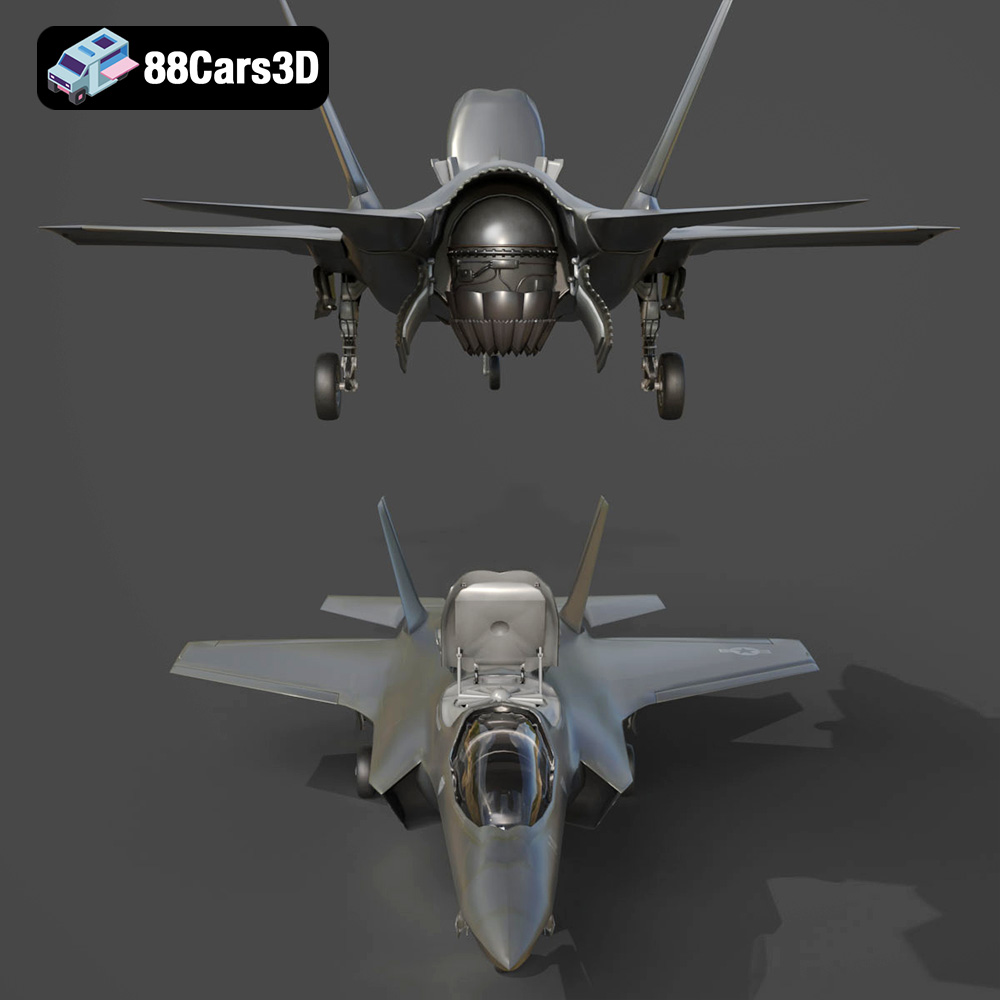
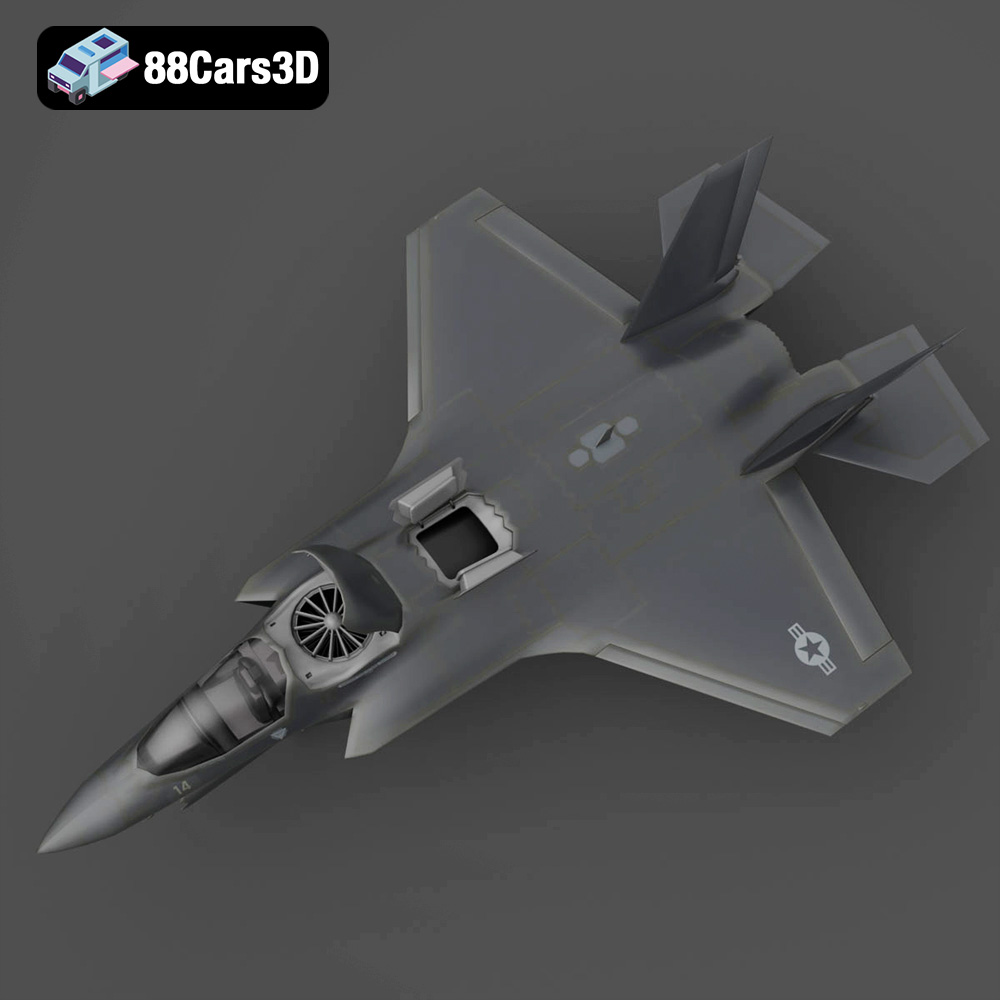
The F35-08 model captures the vehicle’s aggressive aesthetics and engineering excellence through a myriad of precise exterior features. The accurate frame geometry and proportions are faithfully recreated, ensuring the vehicle’s signature aerodynamic silhouette is instantly recognizable. Moving beyond the bodywork, the model delves into the mechanical heart of the car, with a detailed engine block and associated mechanical components. This isn’t just a superficial representation; it includes high-performance exhaust system details, adding to the visual authenticity and making it suitable for close-up shots or even under-the-hood inspections in virtual environments.
Further enhancing the realism are the refined lighting details, encompassing modern headlights and taillights designed to cast accurate light and reflections. The intricately modeled wheel and tire details feature realistic tread patterns, contributing significantly to the visual grounding of the vehicle. Even the suspension details are accurately rendered, providing a strong foundation for realistic animations and physics simulations. The foresight to include separate wheels, suspension, and steering components is a significant advantage, empowering animators to create dynamic, believable movement for racing titles or virtual test drives.
While the exterior captures attention, the interior is where immersion truly takes hold, especially for applications like racing games or AR/VR experiences that often utilize a first-person perspective. The F35-08’s cockpit is crafted with equal attention to detail. Ergonomic sport seat details are designed with realistic styling, suggesting comfort and performance. The detailed steering wheel and dashboard layout mirror the precision of a modern vehicle, complete with high-resolution instrument cluster details that remain legible even in extreme close-ups.
Precise control details, including pedals, levers, and shifters, are all modeled, offering a comprehensive and believable in-cabin experience. The optimized geometry for first-person POV in gaming is a critical advantage, ensuring that the interior maintains visual fidelity and does not introduce performance bottlenecks when viewed from within the cabin. This holistic approach to detailing, both inside and out, makes the F35-08 an incredibly versatile asset for creating truly immersive and visually rich automotive experiences.
The true value of a premium 3D car model like the F35-08 comes from its seamless integration into various professional workflows. Whether it’s for game development, cinematic rendering, or immersive AR/VR, the model’s technical specifications and versatility shine.
Game development demands a unique blend of visual quality and performance optimization. The F35-08’s “game-ready” designation is a direct response to these needs. With its 150,000 triangle count, it strikes an ideal balance for real-time engines like Unreal Engine and Unity. This polycount allows for impressive visual realism without causing significant performance dips, even when multiple instances of the vehicle are present on screen. The included .fbx and .unreal formats ensure straightforward importing into these engines.
Once imported, the F35-08’s proper pivot setup for steering, wheel rotation, and suspension travel significantly streamlines the rigging and animation process. Developers can quickly integrate the model into a vehicle physics system, enabling realistic driving mechanics. Its accurate real-world scale further simplifies integration into existing game environments. For racing titles, open-world games, or even simulation experiences, the F35-08 provides a robust and visually compelling foundation, drastically reducing development time and allowing teams to focus on gameplay and interaction.
For high-end automotive rendering and visualization, precision and artistic control are paramount. The F35-08’s detailed geometry and material flexibility make it an excellent choice for cinematic projects. Artists working in 3ds Max can utilize the .max file, allowing full access to every element of the model. This enables them to set up complex lighting scenarios, apply advanced V-Ray or Corona materials, and create stunning visual effects for brand campaigns or lifestyle scenes.
Similarly, Blender users benefit from the native .blend file, providing complete control over rendering in Cycles or Eevee. The ability to easily change body/tank colors, modify tire textures, and adjust material finishes (matte, gloss, metallic) means the F35-08 can be tailored to match any creative brief. From showcasing a vehicle in a virtual studio setting to integrating it into a dynamic street scene, the F35-08 offers the fidelity and flexibility required for professional-grade automotive rendering.
The burgeoning fields of Augmented Reality (AR) and Virtual Reality (VR) require 3D models that are not only optimized for real-time but also efficient for deployment across various devices. The F35-08, with its game-ready optimization and support for the .glb format, is ideally suited for these immersive applications. Its balanced polycount ensures smooth performance on mobile AR platforms or VR headsets, preventing motion sickness caused by frame rate drops.
For virtual showrooms, customers can explore the F35-08 in 3D, interacting with its features, customizing colors, and viewing its detailed interior from a first-person perspective. In AR configurators, users can place the F35-08 in their own environment, visualizing how different customization options would look. The model’s real-world scale accuracy is particularly valuable here, ensuring a believable and engaging experience. This versatility opens up new avenues for automotive marketing, sales, and interactive product presentations.
While 3D car models primarily thrive in digital environments, their utility extends into the physical realm through 3D printing. The F35-08 model’s comprehensive design and included file formats make it an excellent candidate for additive manufacturing.
Transforming a digital 3D model into a physical object requires careful preparation, and the F35-08 is designed with this in mind. The inclusion of the .stl format is crucial, as it is the universal standard for 3D printing. However, merely having an .stl file is often not enough; understanding the recommended print settings is key to success. For the F35-08, recommended scales like 1:12, 1:18, or 1:24 allow hobbyists to print detailed display-scale models. The advice to use a layer height of 0.04–0.12 mm, with resin printing specifically recommended for fine details, underscores the model’s intricate nature and the desire to preserve those details in the physical print.
Specific instructions for wall thickness (1.2–2.0 mm), infill (20–30%), and the necessity of supports for detailed parts like the exhaust and mirrors, provide a clear roadmap for successful printing. The guidance on print orientation, such as printing the frame angled for structural integrity and wheels separately, further demonstrates the thought put into making this digital asset truly print-ready. This attention to detail means even beginners in 3D printing can achieve impressive results with the F35-08.
The journey from a digital 3D car model to a polished physical display piece doesn’t end with printing. Post-processing plays a significant role in achieving a professional finish. For the F35-08, this can involve sanding to smooth out layer lines, applying primer to create an even surface, and then painting with authentic factory colors, often with metallic finishes, to bring the model to life. This physical customization mirrors the digital customization options available within the 3D files themselves.
The detailed geometry of the F35-08 ensures that even after sanding and painting, the intricate features – from the engine block to the suspension – remain visible and contribute to the model’s realism. This allows enthusiasts to create highly detailed, collectible replicas of the F35-08, extending the model’s value beyond purely digital applications and into the realm of tangible art and craftsmanship.
In the rapidly evolving landscape of digital content, the demand for exceptionally crafted 3D car models remains constant, driving innovation across various industries. From exhilarating game environments to photorealistic cinematic renders and interactive AR/VR experiences, these assets are fundamental to achieving visual excellence and technical efficiency. The F35-08 3D model exemplifies the pinnacle of this craft, blending aggressive aesthetics with an engineering-focused approach to optimization and detail.
Its comprehensive technical specifications, including an optimized 150,000 triangle count, real-world scale accuracy, and meticulously prepared components for animation, position it as a superior asset for game developers. The intricate exterior features, from the detailed engine block to the high-performance exhaust, and the immersive cockpit design cater to the highest standards of visual fidelity, making it ideal for automotive rendering and visualization. Furthermore, its broad file format compatibility – from .blend for deep customization to .glb for web-based AR/VR and .stl for physical 3D printing – ensures its versatility across virtually any professional workflow.
The F35-08 is more than just a 3D model; it’s a testament to the power of precision and optimization in digital design. Whether you’re a game developer seeking performance without compromise, a visualization artist striving for cinematic realism, or an AR/VR innovator building immersive experiences, this model provides the robust foundation you need. Explore the possibilities and elevate your projects by discovering premium 3D car models like the F35-08 available at 88cars3d.com, your destination for high-quality digital automotive assets.
Experience the precision and dynamic styling of the F35-08, a remarkable vehicle that blends aggressive aesthetics with engineering excellence. Characterized by its aerodynamic silhouette, prominent front grille, and striking exhaust system, this vehicle stands as a testament to modern automotive design and performance. This 3D model is crafted with exceptional attention to detail, featuring a highly optimized topology with an approximate triangle count of 150,000. It is fully game-ready, ensuring top-tier visual fidelity without compromising real-time performance, making it the ultimate asset for game development, immersive AR/VR experiences, and high-end cinematic animations. Perfect for urban racing games, virtual showroom configurators, and high-end automotive visualizations.
$19.99
.blend
.fbx
.glb
.max
.obj
.ply
.rendering
.sports car
.stl
.unreal
3d model
car-3d-model
custom-vehicle
f35-08
game asset
game-ready
low-poly
optimized
VR/AR