Get 20% OFF All Premium 3D & STL Models!

In the vast landscape of 3D content creation, the need for accurate, versatile, and high-quality assets is paramount. Whether you’re building immersive game environments, crafting hyper-realistic architectural visualizations, or developing cutting-edge AR/VR experiences, the foundational elements often lie in the everyday objects that define our world. Among these, commercial vehicles hold a particularly crucial place, lending authenticity and functionality to any digital scene. The Ford Transit Camion 2008, a ubiquitous sight on roads worldwide, embodies this utilitarian spirit, and its digital counterpart is equally essential for a myriad of professional applications.
This blog post delves into the technical intricacies and creative potential of a meticulously crafted 3D model of the Ford Transit Camion 2008. From its optimized geometry for real-time performance to its detailed interior and diverse file format compatibility, we will explore how such a specialized 3D car model can significantly enhance your projects. We’ll uncover its value for game developers, visual effects artists, architectural renderers, and even 3D printing enthusiasts, demonstrating why a high-quality asset like this, available on 88cars3d.com, is an invaluable addition to any digital asset library.
The Ford Transit has long been synonymous with reliability, practicality, and the relentless pulse of commercial logistics. From delivering packages in bustling cityscapes to serving as mobile workshops for skilled tradespeople, its presence is a cornerstone of global commerce. Translating this real-world significance into the digital realm requires a 3D model that doesn’t just look the part but is also engineered for performance and versatility.
The real-world Ford Transit Camion 2008 is a workhorse, a vehicle designed for heavy-duty tasks and demanding schedules. This legacy of rugged dependability makes it an ideal candidate for digital environments where realism and narrative depth are key. Imagine an open-world game where traffic flows realistically, or a VR training simulation for a logistics company – the absence of such common commercial vehicles would instantly break immersion. A high-fidelity 3D model, therefore, isn’t just an aesthetic choice; it’s a narrative and functional necessity, reflecting the everyday reality we inhabit. Its distinct silhouette and utilitarian design immediately communicate purpose and authenticity in any digital setting.
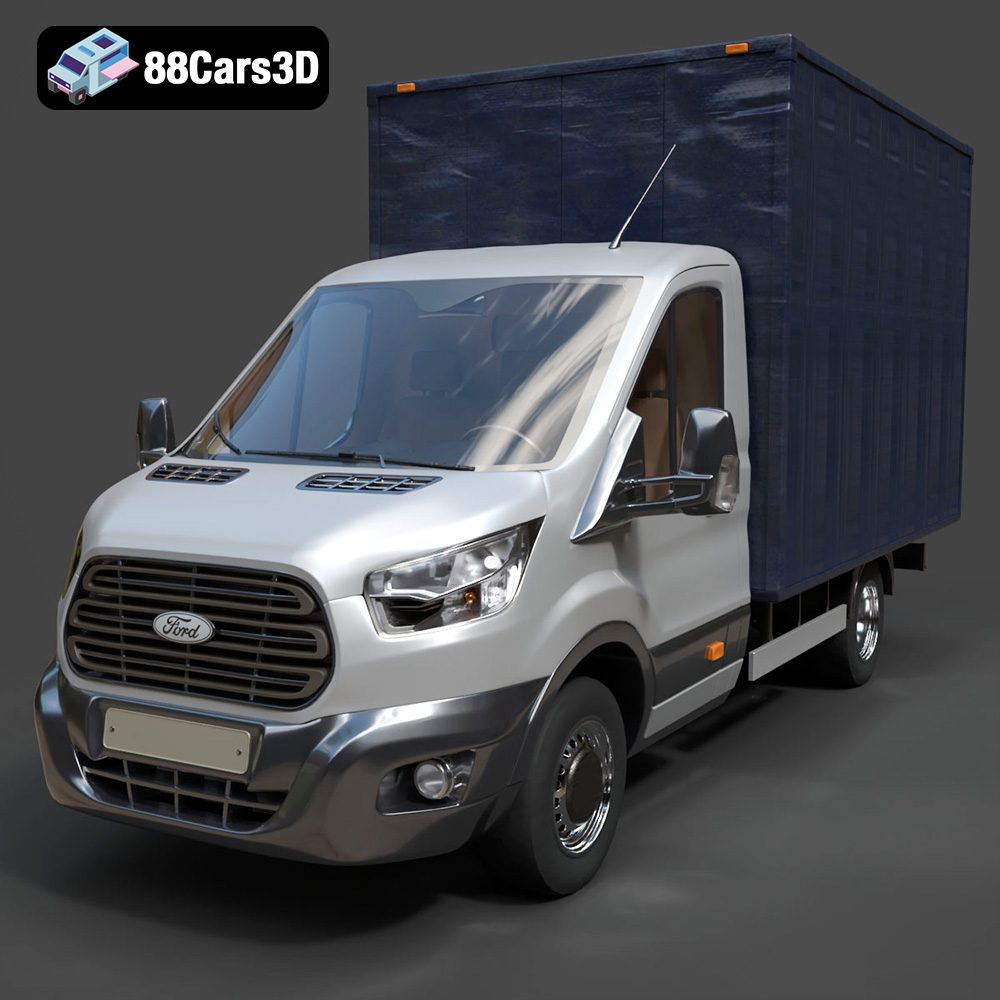
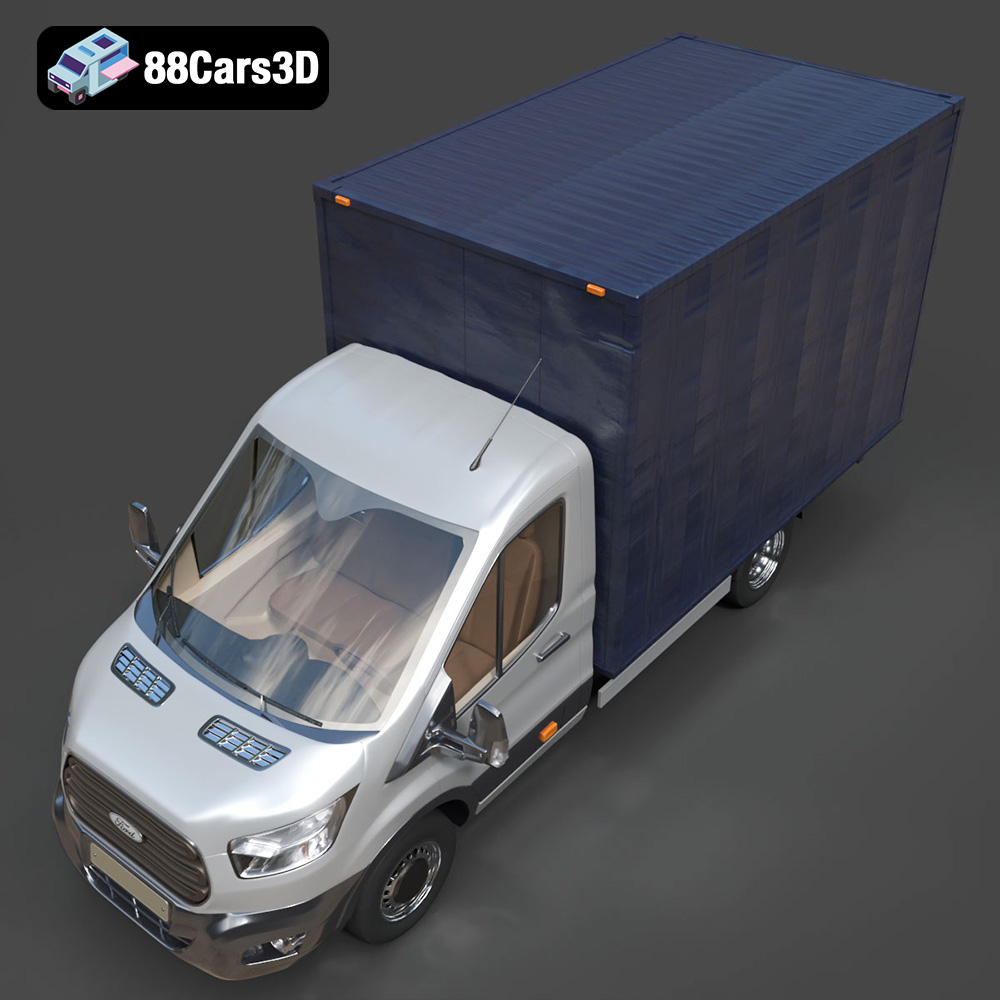
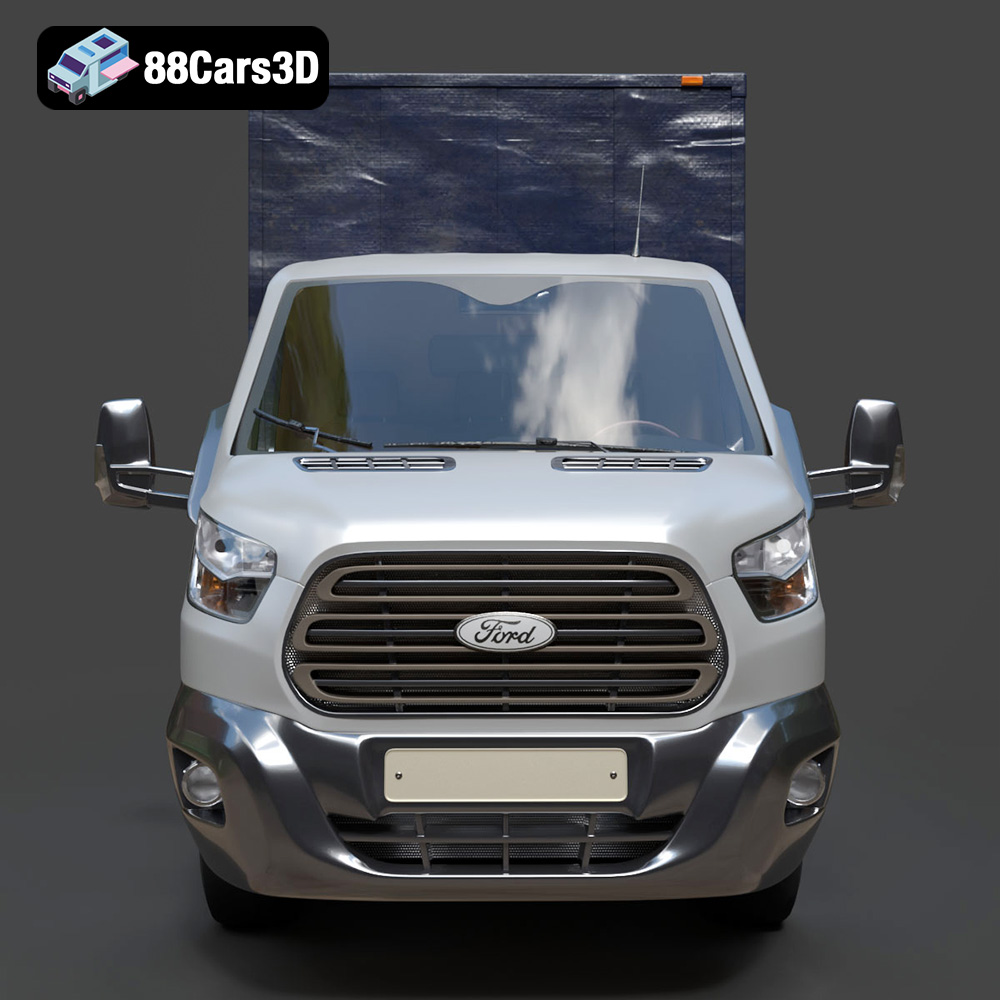
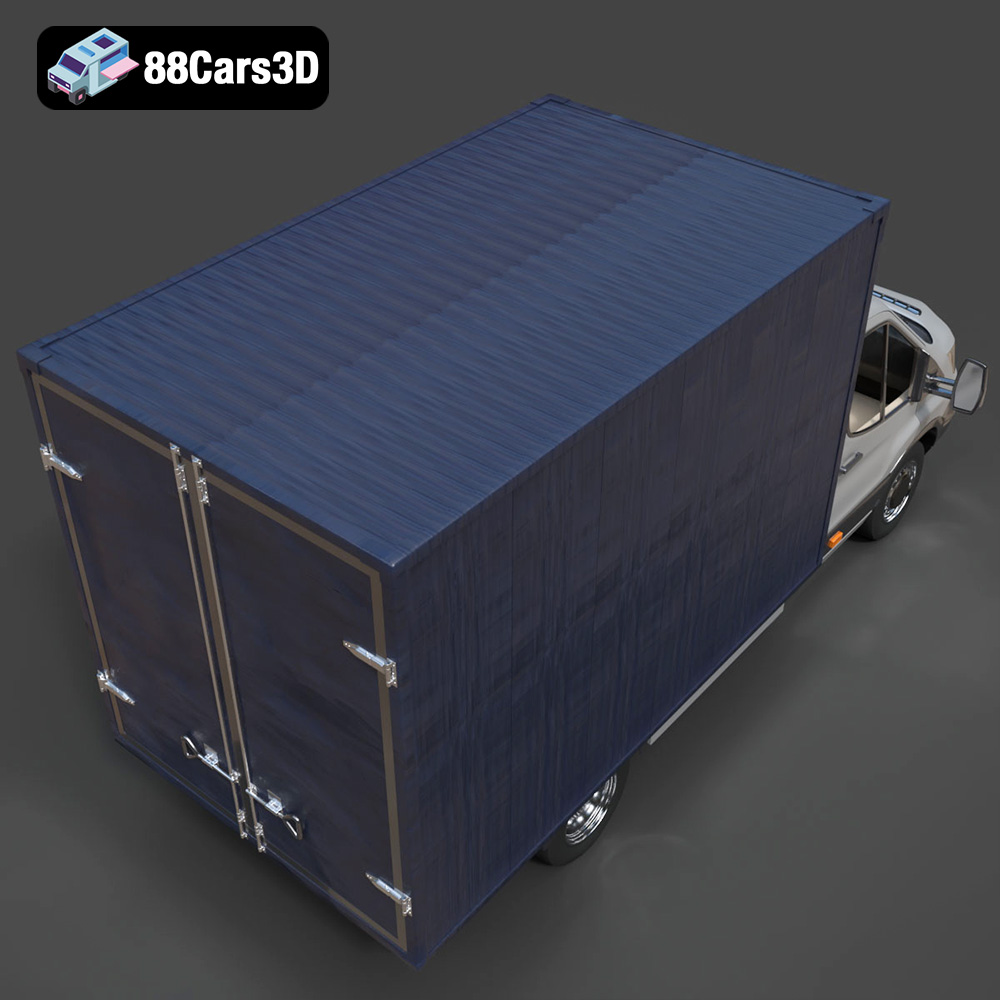
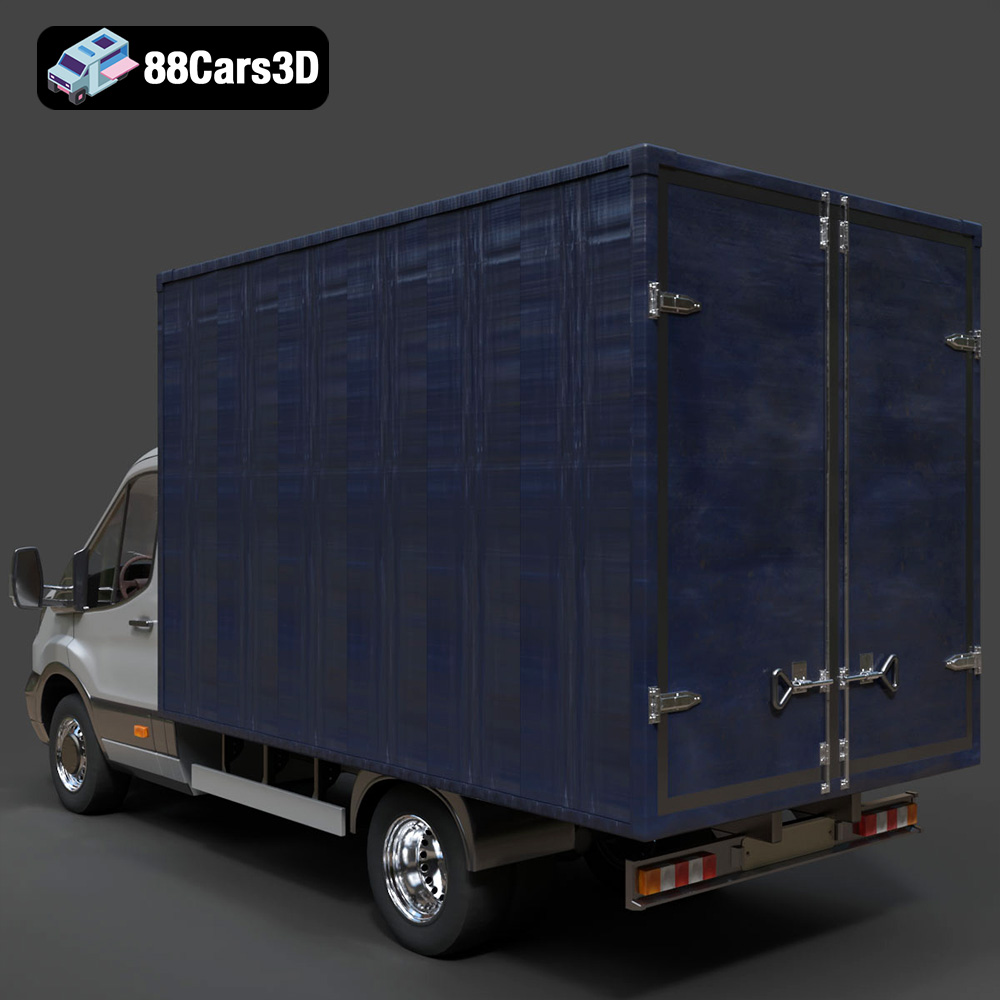
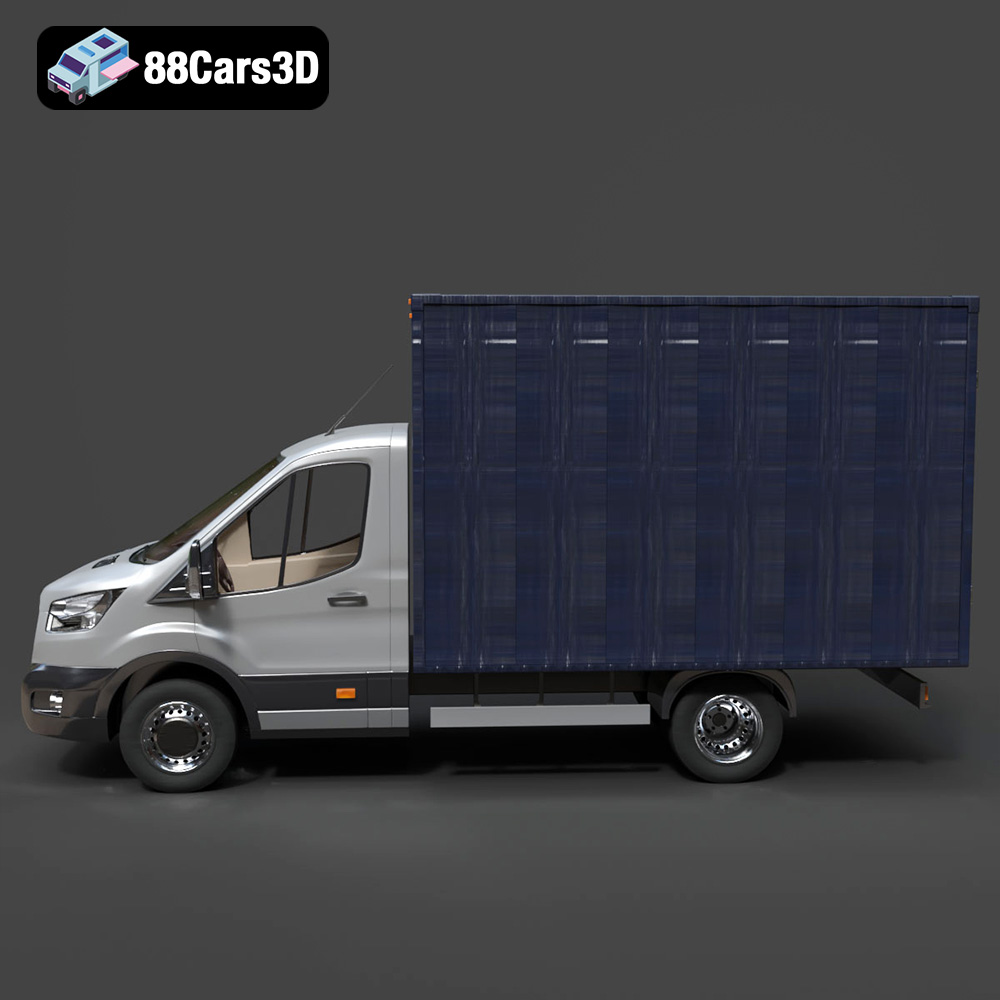
Achieving this level of digital realism demands meticulous attention to detail during the 3D modeling process. The Ford Transit Camion 2008 model is a testament to this, meticulously capturing the rugged utilitarian aesthetic that defines the vehicle. From the precise replication of its front fascia, including the iconic grille design, to the heavy-duty chassis and the spacious rear cargo box, every element reflects the real-world functionality. The practical and robust exterior housing, authentic commercial-grade headlights, indicator markers, and taillights are all accurately represented. Even the detailed undercarriage, with its exhaust routing and suspension elements, contributes to a comprehensive and believable automotive rendering.
One of the most crucial aspects of working with 3D assets, especially professional-grade 3D car models like the Ford Transit Camion 2008, is understanding the various file formats available. Each format serves specific purposes, offers unique advantages, and is optimized for different workflows. The Ford Transit Camion 2008 model from 88cars3d.com is commendably offered in a wide array of formats, ensuring maximum compatibility and utility across diverse professional pipelines.
The .blend format is native to Blender, the popular open-source 3D creation suite. When you download a .blend file, you’re getting a fully editable Blender scene. This means all the original mesh data, materials (often set up with Blender’s powerful node-based shader editor), textures, lighting, cameras, and even animations are typically preserved within a single file. For Blender artists, this offers unparalleled flexibility for customization, rigging, animation, or integration into existing Blender projects. It’s the ideal choice for those who want to leverage Blender’s extensive toolset for further modifications and high-end automotive rendering.
.fbx (Filmbox) is an industry-standard proprietary file format developed by Autodesk, widely recognized for its robust support of 3D model data, including geometry, materials, textures, animations, and skeletal deformation. It is the go-to format for transferring assets between various 3D applications and, crucially, for importing into real-time game engines like Unreal Engine and Unity. Its strength lies in its ability to carry complex scene information efficiently, making it perfect for animated 3D car models, characters, and other dynamic game assets. For game development, .fbx ensures that pivots, hierarchies, and animation data are correctly transferred, streamlining the pipeline.
The .obj (Wavefront Object) format is one of the most widely supported and universal 3D file formats. It’s a simpler, text-based format primarily used to exchange geometric data – vertices, normals, UVs, and polygonal faces – between different 3D software. While it doesn’t store animation or advanced material properties directly within the file, it often references an accompanying .mtl (Material Template Library) file for basic material definitions and texture paths. Its high compatibility makes it an excellent choice for general 3D model exchange, ensuring that almost any 3D software can open and work with the model’s core geometry, though some setup might be required for materials.
.glb (GL Transmission Format Binary) is the binary version of glTF, a royalty-free specification for the efficient transmission and loading of 3D scenes and models by applications. Often called the “JPEG of 3D,” .glb files are highly optimized for web-based 3D, AR (Augmented Reality), and VR (Virtual Reality) applications. They contain all the necessary data – geometry, materials, textures, and animation – in a single, self-contained binary file, making them incredibly efficient for streaming and display in browsers or XR environments. For interactive experiences or showcasing 3D car models online, .glb is the superior choice.
.stl (STereoLithography) is the de facto standard file format for 3D printing. It represents a 3D model as a series of connected triangles, describing only the surface geometry of an object without color, texture, or other CAD attributes. While simple, its universal acceptance by 3D printers and slicing software makes it indispensable for converting digital 3D car models into physical objects. For hobbyists or professionals looking to create physical replicas, prototypes, or dioramas of the Ford Transit Camion 2008, the .stl format is essential for preparing the model for manufacturing.
The .ply (Polygon File Format) is another format for storing 3D data, particularly useful for scanned data, point clouds, and mesh data from 3D digitizers. It can store not only the geometry but also color, transparency, normals, texture coordinates, and other data for each vertex or face. While not as universally used for general asset exchange as .fbx or .obj, it’s highly valued in specific technical applications, CAD (Computer-Aided Design), and scientific visualization where precise mesh information and additional per-vertex data are critical for analysis or reconstruction.
The inclusion of an .unreal file (or an asset specifically tailored for Unreal Engine, typically distributed as a .uasset file or through an Unreal project folder) signifies a model that is prepared for direct integration into Epic Games’ Unreal Engine. This means materials are often pre-configured with Unreal’s Physically Based Rendering (PBR) pipeline, collision meshes might be set up, and sometimes even Level of Detail (LOD) groups are ready. This dramatically accelerates the workflow for game developers and real-time visualization artists, minimizing setup time and ensuring optimal performance within the engine.
The .max format is the native file format for Autodesk 3ds Max, a powerful 3D modeling, animation, rendering, and compositing software. Similar to .blend for Blender, a .max file contains the complete 3ds Max scene, including all geometry, modifiers, materials, textures, lighting, cameras, and animation data. For users of 3ds Max, this provides the highest level of editability and control, allowing for complex modifications, integration into larger scenes, and the creation of sophisticated animations and high-resolution automotive rendering projects. It’s the preferred format for those who want to leverage 3ds Max’s extensive feature set.
In the demanding world of game development and extended reality (XR), raw visual fidelity must be balanced with performance. A truly professional 3D car model doesn’t just look good; it runs efficiently. The Ford Transit Camion 2008 model is specifically engineered with this critical balance in mind, making it an excellent game asset.
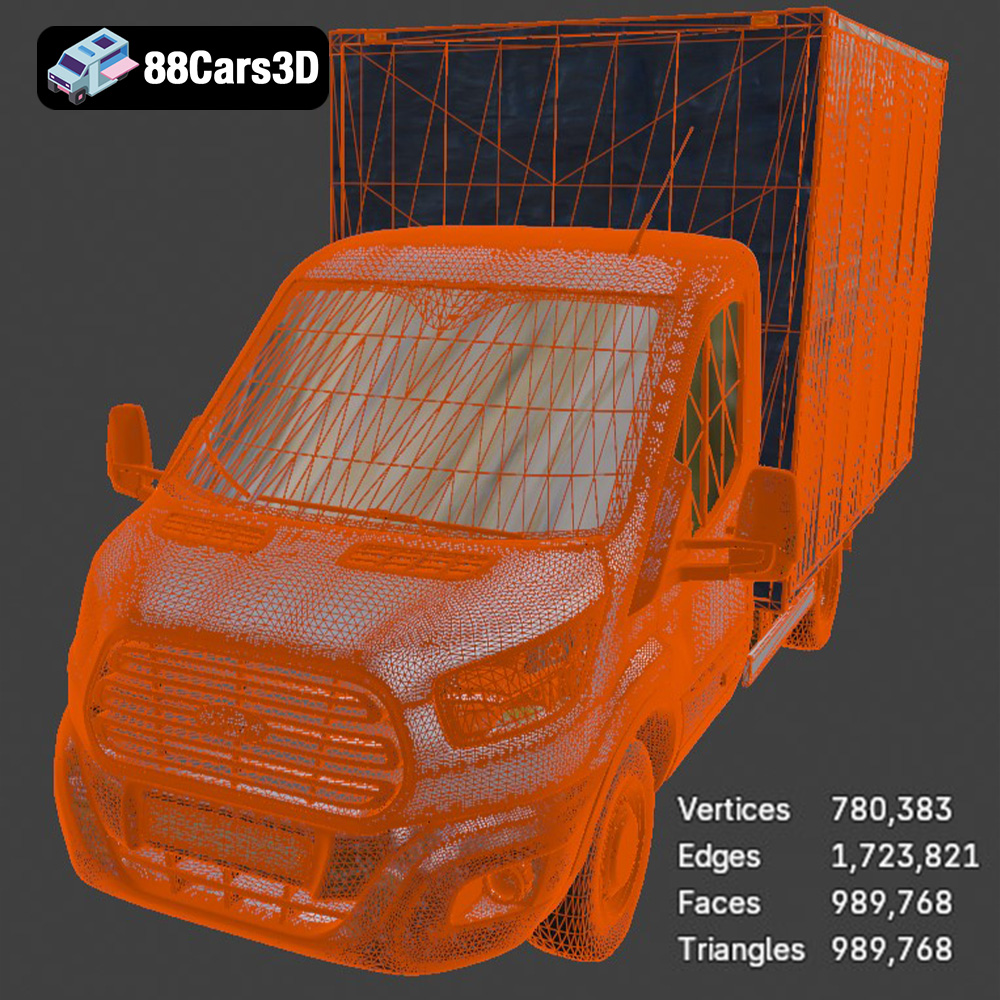
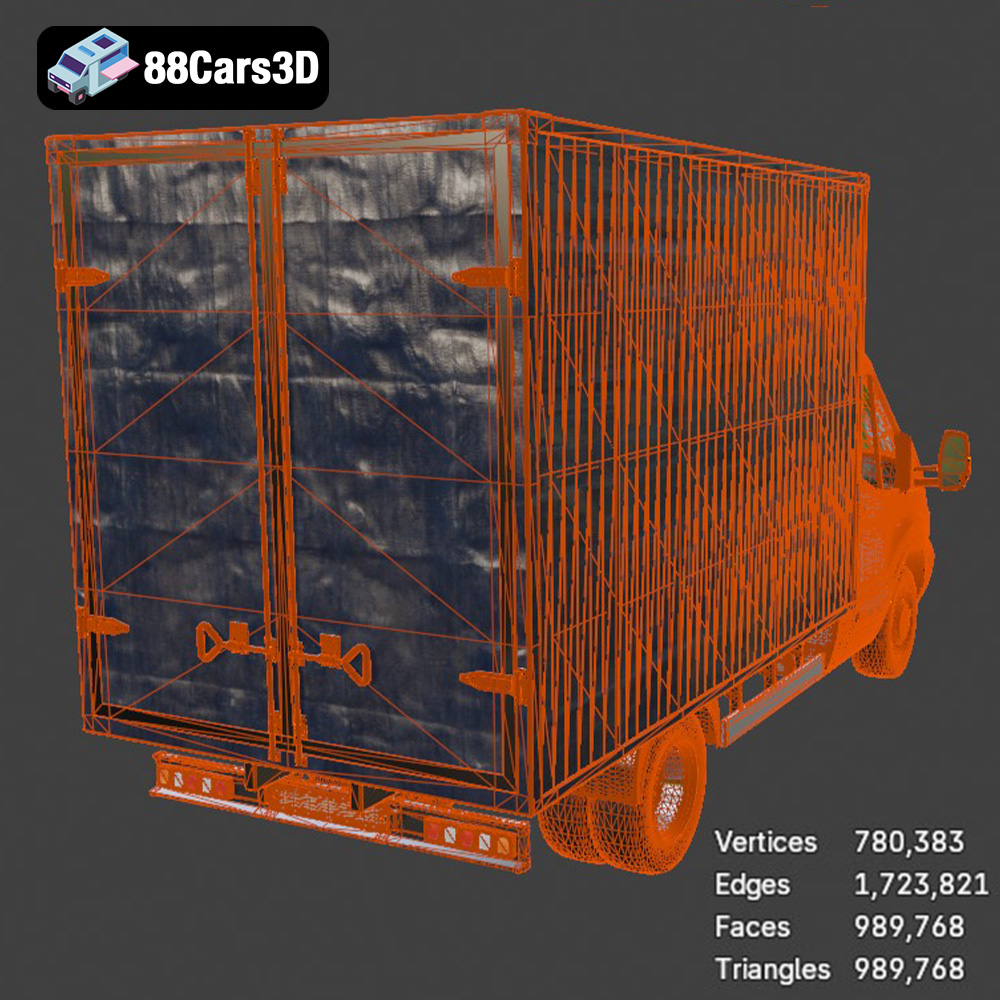
The Ford Transit Camion 2008 model boasts an optimized topology of approximately 120,000 triangles. This polycount strikes a perfect balance: it’s high enough to maintain excellent visual fidelity, allowing for intricate details and smooth curves that are crucial for realistic automotive rendering. Yet, it’s low enough to ensure exceptional performance in real-time environments. In game engines like Unreal Engine and Unity, a model with this kind of optimized geometry can be rendered efficiently, contributing to smooth frame rates even when multiple vehicles or complex scenes are present. This careful optimization means developers don’t have to sacrifice visual quality for gameplay performance, offering both the detailed realism for close-ups and the efficiency needed for open-world traffic or large-scale simulations.
Functionality is key for any dynamic 3D asset. The Ford Transit Camion 2008 model comes with essential components separated and properly pivoted for animation. This includes separate wheels, doors, and steering components, enabling seamless animation for driving simulations, interactive sequences, or even simple scene population. Furthermore, the model extends its realism to the interior. The cockpit features authentic commercial cabin seating with textured fabric details, an accurate steering wheel, a robust dashboard layout, and detailed instrument cluster and center console controls. Operational details like the gear shifter and pedal assembly are also present. This optimized cabin geometry is particularly valuable for first-person POV in truck driving simulators or VR training applications, where interior immersion is paramount.
Creative freedom and adaptability are crucial for any 3D project. The Ford Transit Camion 2008 model features distinct material separation. This technical advantage allows artists and developers to easily apply custom liveries, branding decals, and weathering effects to different parts of the vehicle. Imagine a fleet of Transit vans, each with unique company branding, or a heavily used delivery truck with specific wear and tear. This level of customization, facilitated by clean material IDs, streamlines the process of creating diverse variations from a single base model. It ensures the model can be tailored to specific project requirements, from pristine showroom vehicles to rugged, weathered workhorses, enhancing its value as a versatile game asset.
While game development and real-time rendering are primary applications, the versatility of a high-quality 3D car model extends far beyond these traditional uses. The Ford Transit Camion 2008 also proves invaluable in architectural visualization and even in the tangible world of 3D printing.
Architectural visualization thrives on realism and context. A modern building doesn’t exist in a vacuum; it’s part of a vibrant urban fabric. Populating an architectural scene with accurate 3D car models like the Ford Transit Camion 2008 instantly elevates its credibility and realism. Whether it’s parked outside a commercial building, driving through a street scene, or integrated into a logistics hub rendering, its presence adds a sense of scale, activity, and authenticity. The model’s real-world scale accuracy, based on actual vehicle chassis dimensions, ensures it integrates seamlessly into measured architectural environments. It’s excellent for creating commercial branding mockups, demonstrating how a company’s fleet might appear in a new facility, or simply enhancing the visual appeal of urban scene renders with a touch of everyday life. Automotive rendering for these scenes is greatly simplified when starting with a high-quality, pre-built asset.
The journey of a 3D model doesn’t always end on a screen. With the rise of 3D printing, digital assets can transform into physical objects. The Ford Transit Camion 2008, being a well-structured 3D car model, is perfectly convertible to the .stl format, making it ideal for 3D printing output. This opens up exciting possibilities for display-scale hobbyists, diorama creators, and even professionals needing physical prototypes or presentation models.
The true value of a premium 3D asset lies not just in its individual quality but in how seamlessly it integrates into existing professional workflows and how much creative freedom it empowers. The Ford Transit Camion 2008 3D model excels on both fronts.
With its comprehensive range of included file formats (.blend, .fbx, .obj, .glb, .stl, .ply, .unreal, .max), the Ford Transit Camion 2008 model is designed for maximum compatibility across virtually all major 3D software platforms and real-time rendering engines. This means whether you’re working in 3ds Max for high-end rendering, Blender for extensive customization, or directly within Unreal Engine for game development, the import process is straightforward and efficient. 88cars3d.com understands that professionals operate within diverse ecosystems, and providing engine-ready assets or files perfectly suited for specific DCC applications significantly reduces setup time. This allows artists and developers to focus on creative tasks rather than wrestling with compatibility issues, ensuring that this 3D car model becomes an immediate asset to any project.
Beyond its base quality, the model’s inherent customization options empower artists to create truly dynamic and bespoke scenes. The ability to easily change cabin colors, apply custom branding decals to the cargo box, and modify tire textures (e.g., from clean street variants to weathered/dirty looks) allows for limitless thematic variations. Adjusting material finishes—from matte commercial plastics to gloss paints or even rusted metals—can dramatically alter the vehicle’s narrative and visual impact. Furthermore, adapting lighting for different environments and time-of-day setups can transform the same model from a brightly lit daytime delivery vehicle to a moody, shadowed presence in a nocturnal cityscape. These features make the Ford Transit Camion 2008 more than just a static prop; it’s a versatile tool for storytelling and visual articulation across all forms of automotive rendering and visualization.
The Ford Transit Camion 2008 is more than just a commercial vehicle; it’s an icon of utility and reliability. In the digital realm, a high-quality 3D model of this vehicle translates that real-world significance into a powerful asset for professionals across various industries. We’ve explored how its meticulous detailing, optimized topology, and extensive file format compatibility make it indispensable for game development, where it serves as a robust game asset, and for captivating architectural visualizations requiring authentic automotive rendering.
Its readiness for AR/VR applications offers immersive experiences, while its convertibility to .stl opens doors to the exciting world of 3D printing. The comprehensive technical specifications, from its game-ready ~120k triangle count to its animatable components and rich interior details, underscore its value as a truly professional-grade 3D car model. With distinct material separation and a wealth of customization options, artists and developers are empowered with unparalleled creative freedom.
For those seeking to infuse their digital worlds with realism, functionality, and a touch of the everyday, the Ford Transit Camion 2008 3D model is an exceptional choice. Find this and many other premium 3D car models for all your creative needs at 88cars3d.com, where quality and versatility drive innovation.
The Ford Transit Camion 2008 stands as a global icon of commercial reliability, serving as the backbone for countless logistics and delivery fleets worldwide. This 3D model meticulously captures the rugged utilitarian aesthetic of the beloved light commercial vehicle, featuring its distinct front fascia, heavy-duty chassis, and spacious rear cargo box. From the accurate grill design to the practical and robust exterior housing, every detail reflects the real-world functionality that has made the Transit a staple in the commercial transport sector.
Crafted with an optimized topology of approximately 120,000 triangles, this game-ready model strikes the perfect balance between high visual fidelity and rendering efficiency. The geometry has been specifically tailored for real-time applications, ensuring smooth performance in game engines like Unreal Engine and Unity without sacrificing the intricate details necessary for close-up rendering. It features distinct material separation, enabling easy application of custom liveries and weathering effects.
Perfect for urban logistics simulators, open-world city environments, commercial fleet visualizers, and VR training applications.
.blend, .fbx, .obj, .glb, .stl, .ply, .unreal, .max
Tags:
ford, transit-camion, transit-2008, commercial-vehicle, box-truck, truck-3d-model, game-ready, low-poly, optimized, game-asset, rendering, vr-ar, blend, fbx, obj, glb, stl, ply, unreal, max
$19.99
.blend
.fbx
.ford
.glb
.max
.obj
.ply
.rendering
.stl
.unreal
box-truck
commercial-vehicle
game asset
game-ready
low-poly
optimized
transit-2008
transit-camion
truck-3d-model
VR/AR