Get 20% OFF All Premium 3D & STL Models!

In the expansive realm of 3D visualization, game development, and immersive experiences, the fidelity of digital assets is paramount. For automotive enthusiasts and professionals alike, the iconic Mercedes-Benz G-Class holds a special place, a symbol of rugged luxury and timeless design. The 2019 G500, in particular, embodies this spirit, seamlessly blending its legendary off-road prowess with contemporary sophistication.
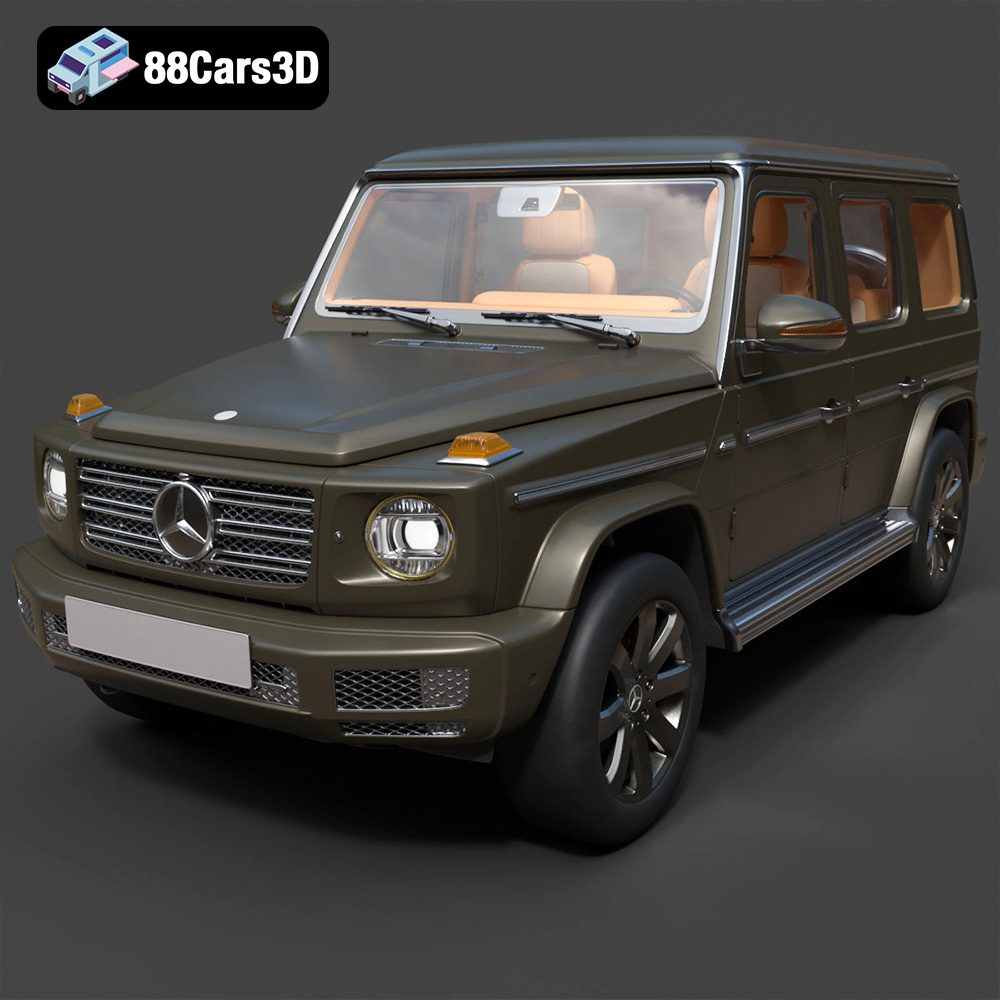
When it comes to bringing such a celebrated vehicle into the digital sphere, creators demand models that are not only visually stunning but also technically robust and versatile. This is precisely where a high-quality asset like the Mercedes-Benz G500 2019 3D model shines. Crafted with meticulous attention to detail, this asset transcends mere representation, offering a fully optimized and game-ready solution for a myriad of applications. Whether you’re a game developer looking for an authentic vehicle for an open-world environment, an architect integrating a luxury SUV into a visualization, or an AR/VR designer building an immersive showroom, this G500 model, available at 88cars3d.com, provides an unparalleled foundation. Its balance of aesthetic accuracy and technical efficiency makes it a cornerstone for projects aiming for realism and performance.
Developing a top-tier 3D car model, especially one as recognizable as the Mercedes-Benz G500, involves a delicate blend of artistic skill and technical precision. It’s not just about replicating shapes; it’s about capturing the essence of the vehicle, ensuring it functions flawlessly across diverse digital platforms.
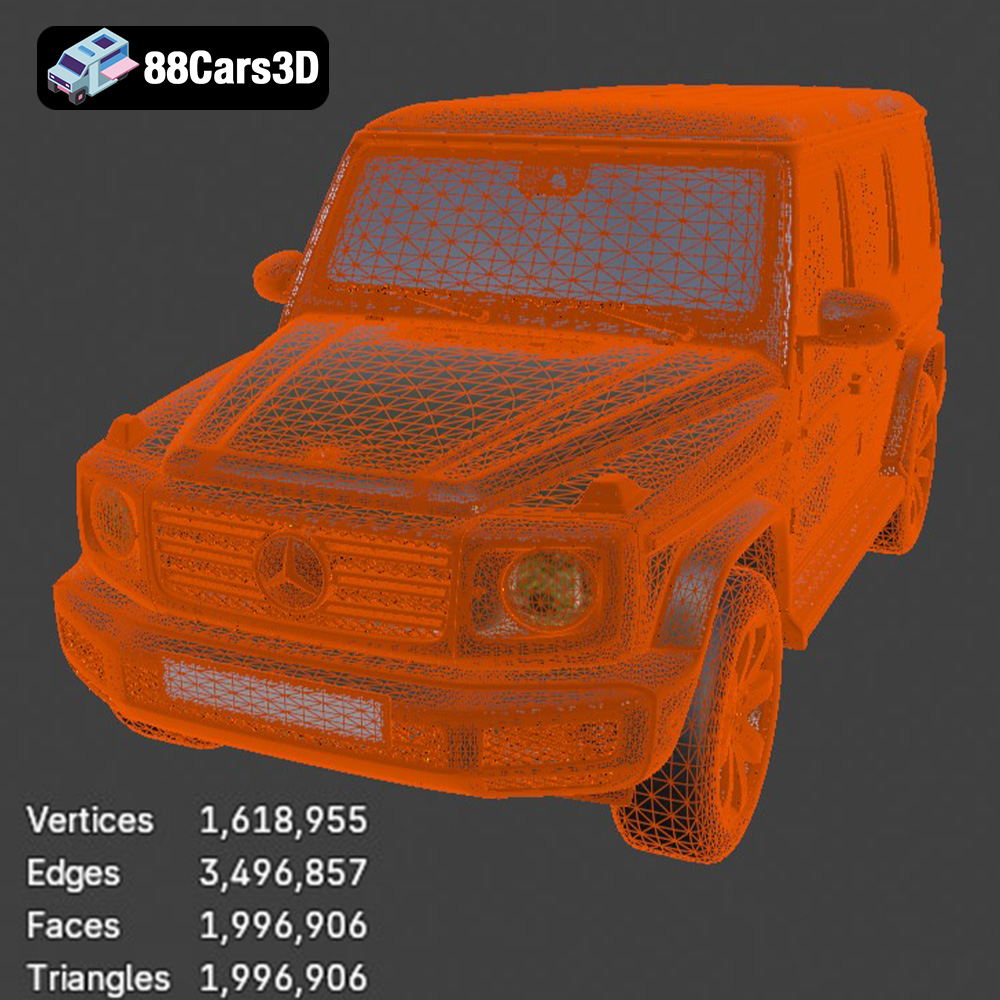
The foundation of any exceptional 3D car model is its geometry. For the Mercedes-Benz G500 2019, this means accurately translating every curve, panel line, and structural element into a digital mesh. The model boasts a highly optimized triangle count of approximately 250,000. This figure is crucial because it strikes a perfect balance: it’s detailed enough to convey the intricate design and luxurious feel of the G-Wagon in high-fidelity renders, yet streamlined enough to ensure smooth performance in real-time engines like Unreal Engine and Unity. This careful optimization avoids unnecessary complexity, which can bog down game performance, while still providing the visual richness expected from a premium asset. Furthermore, the model is built to precise real-world scale, ensuring that when integrated into scenes, it maintains correct proportions relative to other objects, enhancing realism and simplifying scene setup for artists and designers.
Beyond raw geometry, the realism of a 3D model largely depends on its texturing and material work. The Mercedes-Benz G500 2019 model features detailed exterior and interior materials that faithfully replicate the luxurious finishes of the actual vehicle. This includes realistic metallic paint shaders, intricate leather stitching on the seats and dashboard, and accurate reflections on glass and chrome elements. Proper UV unwrapping is critical here; it ensures that textures are applied without distortion, allowing for high-resolution detail across the entire model. Physically Based Rendering (PBR) workflows are typically employed, where materials are set up to react realistically to light, mimicking how surfaces behave in the real world. This results in breathtaking renders and consistent visual quality across various lighting conditions within games and visualizations.
A static model, while useful for some applications, often falls short in dynamic environments. The Mercedes-Benz G500 2019 3D model is designed with animation and interactivity in mind. Its separate wheels, suspension, and steering components are individually articulated, allowing for realistic rotation, compression, and turning movements. Crucially, proper pivot points are set up for each of these elements, making it straightforward for animators to create compelling driving sequences or for game engines to simulate vehicle physics accurately. This modularity extends to features like doors and bonnets, which can be animated to open and close, providing further depth for interactive experiences like virtual showrooms or detailed game environments.
The world of 3D modeling is rich with various file formats, each serving specific purposes and offering unique advantages depending on the project and software pipeline. Understanding these formats is crucial for professionals seeking the right tools for their digital automotive projects. The Mercedes-Benz G500 2019 3D model, for instance, comes in a comprehensive array of formats, ensuring maximum compatibility and utility.
The .blend format is the native file type for Blender, one of the most popular open-source 3D content creation suites. A .blend file typically contains a complete Blender scene, including the 3D model’s geometry, materials, textures, lighting, camera setups, and even animation data. This makes it a powerful format for artists working directly within Blender, offering full editability and access to all parameters. For the G500 model, the .blend file would provide the most flexibility for those wishing to dive deep into its construction, modify materials, or extend its rigging for complex animations within Blender’s versatile environment.
.fbx (Filmbox) is arguably the most widely adopted interchange format in the 3D industry, particularly popular for game development and animation pipelines. Developed by Autodesk, FBX is excellent at preserving not only mesh data but also materials, textures, bones, skinning, and animation. Its robust support across major 3D software (3ds Max, Maya, Blender, Cinema 4D) and game engines (Unreal Engine, Unity) makes it indispensable. For game assets like the Mercedes-Benz G500 2019, .fbx is often the go-to for exporting models into real-time environments, ensuring that all necessary data for animation and rendering is transferred accurately.
The .obj (Wavefront Object) format is a universal standard, widely supported by almost every 3D application. It primarily stores geometry data (vertices, normals, UV coordinates, and faces) and can reference external material files (.mtl). While it doesn’t typically store advanced features like animation or rigging, its simplicity and widespread compatibility make it an excellent choice for basic mesh exchange between different software. The G500 model in .obj format would be perfect for scenarios where you need the core geometry for sculpting, retopology, or import into less common 3D applications.
.glb (GLB format, often referred to as ‘binary glTF’) is a relatively newer format gaining significant traction, especially for web-based 3D, augmented reality (AR), and virtual reality (VR) applications. It’s the binary version of the glTF (GL Transmission Format), designed to be a compact, efficient, and easily loadable format for real-time applications. A .glb file encapsulates all necessary data—geometry, materials, textures, animations—into a single file, making it incredibly convenient for sharing and deployment. The G500 model in .glb is ideal for showcasing the vehicle in interactive web viewers, AR experiences on mobile devices, or lightweight VR environments.
.stl (STereoLithography) is the de facto standard for 3D printing. It represents a 3D model as a series of connected triangles, describing only the surface geometry of an object without color, texture, or other properties. For the Mercedes-Benz G500 2019 3D model, the .stl format is crucial for hobbyists and professionals looking to bring the digital model into the physical world. It ensures a watertight, manifold mesh, which is essential for successful 3D printing, allowing for the creation of scale replicas or custom parts.
.ply (Polygon File Format, or Stanford Triangle Format) is another format primarily used for storing 3D data, particularly from 3D scanners, CAD systems, and scientific applications. It can store a variety of properties including color, transparency, texture coordinates, and even reliability information. While less common for general 3D model exchange compared to FBX or OBJ, its ability to store detailed mesh and vertex properties makes it valuable for specific analytical or high-fidelity geometric tasks. For the G500, a .ply file might be useful in workflows requiring precise geometric analysis or integration with specialized engineering software.
The inclusion of a .unreal file (or a similar engine-ready package specifically prepped for Unreal Engine) signifies a significant advantage. While .fbx is the common import method, a dedicated .unreal asset implies that the model has likely undergone further optimization and setup directly within Unreal Engine. This could include pre-configured materials, collision meshes, LODs (Levels of Detail), and blueprint setups for immediate use. For developers working with the Mercedes-Benz G500 2019, this means a drastically reduced setup time, allowing for instant integration into projects without extensive tweaking.
The .max format is the native file type for Autodesk 3ds Max, a leading software for 3D modeling, animation, and rendering, widely used in architectural visualization, film, and game development. A .max file contains a complete 3ds Max scene, offering full editability of the G500 model’s geometry, modifiers, materials (including V-Ray or Corona setups), lights, and cameras. Professionals who primarily use 3ds Max will find this format invaluable, as it provides the most comprehensive and flexible starting point for high-end automotive rendering and detailed scene creation within their preferred environment.
The true power of a versatile 3D asset lies in its seamless integration into various professional pipelines. The Mercedes-Benz G500 2019 3D model is engineered to be a cornerstone asset across game development, architectural visualization, and immersive experiences.
For game developers, the Mercedes-Benz G500 2019 model is a game-ready asset from the ground up. Its optimized ~250,000 triangle count is ideal for maintaining high frame rates in real-time environments, a critical factor for open-world games where numerous vehicles and detailed environments are rendered simultaneously. When imported into engines like Unreal Engine or Unity, utilizing the provided .fbx or even a pre-configured .unreal file, the model benefits from proper UV mapping for efficient texture streaming and often includes LODs (Levels of Detail) to further optimize performance at varying distances. The detailed interior makes it perfect for first-person POV driving experiences, enhancing player immersion in racing titles or realistic simulators. Imagine an expansive desert environment where players can traverse challenging terrain in a meticulously detailed G500, its suspension reacting realistically to every bump – this model makes such scenarios feasible and visually stunning.
In the realm of automotive rendering, fidelity is everything. The Mercedes-Benz G500 2019 3D model truly shines here. Using the .max or .blend files, artists can leverage the full power of renderers like V-Ray, Corona (in 3ds Max), or Cycles and Eevee (in Blender). The accurate geometry, paired with PBR materials, allows for breathtaking photorealistic renders. Artists can set up sophisticated studio lighting, integrate the vehicle into an architectural scene, or create dynamic lifestyle imagery for marketing campaigns. Customization options, such as changing body colors, adjusting metallic flakes in the paint, or simulating different tire types, provide endless creative freedom to match specific brand aesthetics or client requirements. This model is an invaluable asset for creating compelling visuals for luxury automotive brands, advertising, and high-quality product visualization.
The advent of augmented reality (AR) and virtual reality (VR) has opened new avenues for showcasing products. The Mercedes-Benz G500 2019 3D model is perfectly suited for these immersive applications, especially with its .glb format. Developers can create interactive virtual showrooms where customers can walk around the G-Wagon, open its doors, explore the lavish interior, and even customize its features in real-time. For mobile AR experiences, the optimized geometry ensures smooth performance on smartphones and tablets, allowing users to place the digital G500 in their real-world environment. These applications provide an engaging and memorable way for potential buyers to experience the vehicle before it even hits the showroom floor, offering a glimpse into future automotive sales and marketing.
A truly exceptional 3D asset provides not just a faithful representation but also a canvas for creativity. The Mercedes-Benz G500 2019 3D model offers extensive customization options, allowing artists to tailor it to specific artistic visions or project requirements.
The included files for the Mercedes-Benz G500 2019 model empower artists to fully customize its appearance. Body and interior colors can be easily changed, allowing for exploration of various factory finishes, custom paint jobs, or even conceptual designs. Imagine showcasing the G500 in a sleek matte black for an aggressive aesthetic, or a vibrant metallic red for a luxurious urban vibe. Tire textures can be swapped between off-road variants for rugged outdoor scenes or street-optimized treads for urban environments. Material finishes—gloss, matte, metallic, or even an intricate carbon fiber weave—can be adjusted to achieve specific looks and reactions to light. This level of flexibility ensures that the G500 can seamlessly integrate into any scene or brand identity, providing a truly bespoke visual experience.
Beyond material customization, the model’s high fidelity truly shines when paired with dynamic lighting and diverse environments. Artists can experiment with High Dynamic Range Imagery (HDRI) to capture realistic global illumination from real-world locations, instantly placing the G500 in a bustling city street, a serene desert landscape, or a pristine mountain range. For studio renders, custom light setups can be crafted to highlight specific features of the vehicle, emphasizing its imposing stance or the intricate details of its interior. The robust geometry and PBR materials react authentically to these lighting conditions, providing stunning visual realism whether it’s bathed in golden hour sunlight or dramatically lit under a night sky. This adaptability makes the model an essential tool for any visualization project aiming for photorealism.
The utility of the Mercedes-Benz G500 2019 extends beyond digital screens. With the inclusion of the .stl format, the model is perfectly suited for 3D printing, enabling enthusiasts and designers to create tangible replicas. The provided print settings are invaluable: recommended scales (1:12, 1:18, 1:24) ensure manageable print sizes, while suggested layer heights (0.04–0.12 mm) and the recommendation for resin printing underscore the commitment to capturing fine details. Guidance on wall thickness, infill, and crucially, support requirements for intricate parts like exhausts, mirrors, and trim, ensures a successful print. Post-processing suggestions, including sanding, priming, and applying authentic factory colors with metallic finishes, guide users towards creating a high-quality physical model that truly reflects the digital source. This bridge from digital to physical showcases the comprehensive value of such a detailed 3D asset.
In a competitive digital landscape, the distinction between good and excellent 3D assets can significantly impact project outcomes. Investing in premium 3D car models, such as the Mercedes-Benz G500 2019 from 88cars3d.com, is a strategic decision for professionals and hobbyists alike.
Creating a highly detailed, optimized, and game-ready 3D car model from scratch is an incredibly time-consuming and labor-intensive process. It requires expert modeling, texturing, unwrapping, and optimization skills. By acquiring a meticulously crafted asset like the Mercedes-Benz G500 2019, designers, developers, and artists can bypass hundreds, if not thousands, of hours of development time. This allows them to focus on the core aspects of their projects—level design, animation, storytelling, or client revisions—rather than getting bogged down in asset creation. The immediate availability of multiple file formats further streamlines the workflow, ensuring compatibility with virtually any software pipeline.
The visual quality of a 3D model directly translates to the perceived quality of the final product, be it a game, a marketing render, or an AR experience. The Mercedes-Benz G500 2019 3D model represents a high standard of visual fidelity. Every element, from the accurate frame geometry and powerful V8 biturbo engine representation to the luxurious interior details and realistic alloy wheels, is designed to meet professional expectations. This commitment to detail ensures that projects utilizing these assets will stand out, delivering a premium look and feel that captivates audiences and enhances immersion. Assets from 88cars3d.com are built to provide this level of excellence consistently.
The versatility of a well-made 3D model is paramount. The Mercedes-Benz G500 2019 is not confined to a single application; its design and optimization cater to a broad spectrum of uses. Whether it’s for game development requiring optimized polycounts, high-end automotive rendering demanding PBR materials, AR/VR experiences needing lightweight .glb formats, or 3D printing projects requiring watertight .stl files, this model adapts seamlessly. This multi-purpose capability makes it an incredibly valuable addition to any digital asset library, providing a reliable and high-quality solution for current and future projects across various industries.
The Mercedes-Benz G500 2019 is more than just a luxury SUV; it’s a statement of design and capability, and its digital counterpart, the Mercedes-Benz G500 2019 3D model, perfectly encapsulates this essence. From its meticulous exterior and interior details to its optimized geometry and broad file format compatibility, this asset is a testament to what a premium 3D car model should be. Whether your ambition is to populate an expansive game world, create breathtaking automotive visualizations, develop an immersive AR/VR experience, or even produce a tangible replica through 3D printing, this model provides the foundational quality and versatility required for professional-grade results.
By choosing a high-quality, pre-optimized asset, creators save invaluable time and resources, allowing them to focus on innovation and delivering exceptional projects. Explore the potential of this remarkable 3D asset and elevate your digital creations. Discover the Mercedes-Benz G500 2019 and other premium 3D car models by visiting 88cars3d.com today.
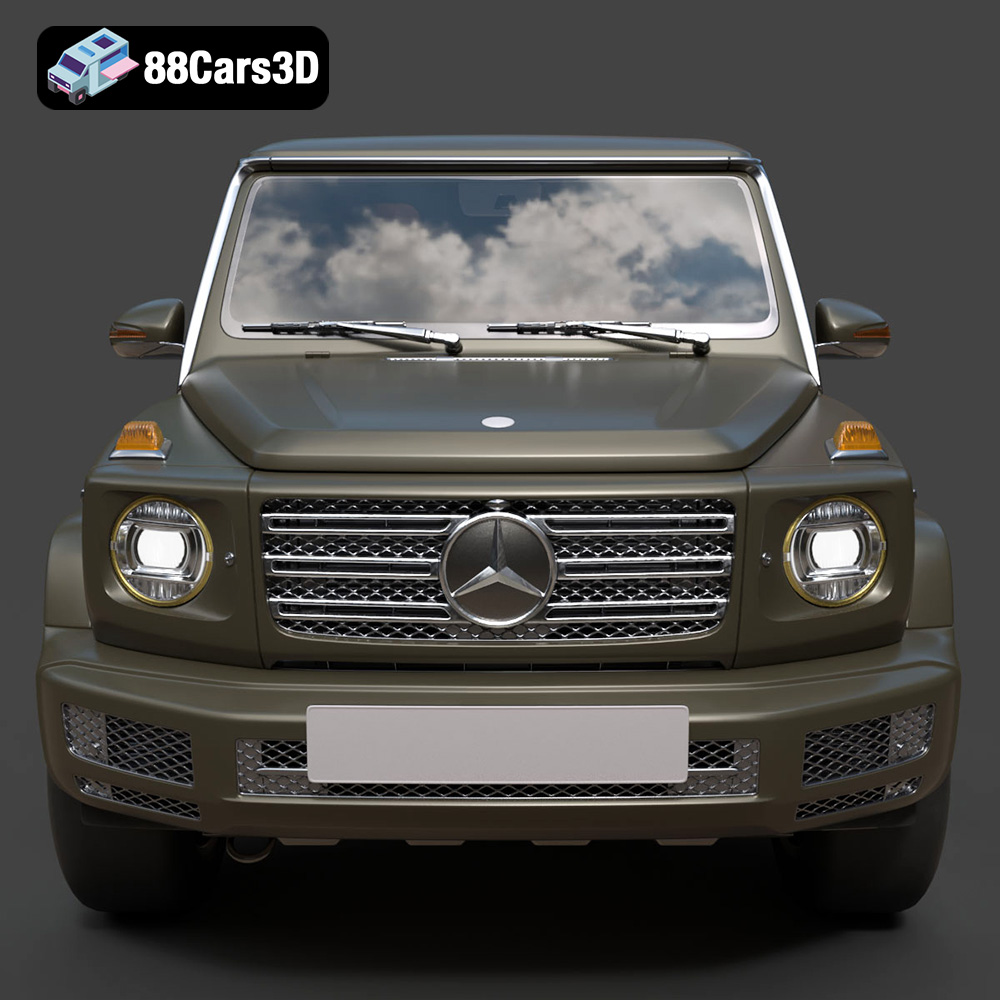
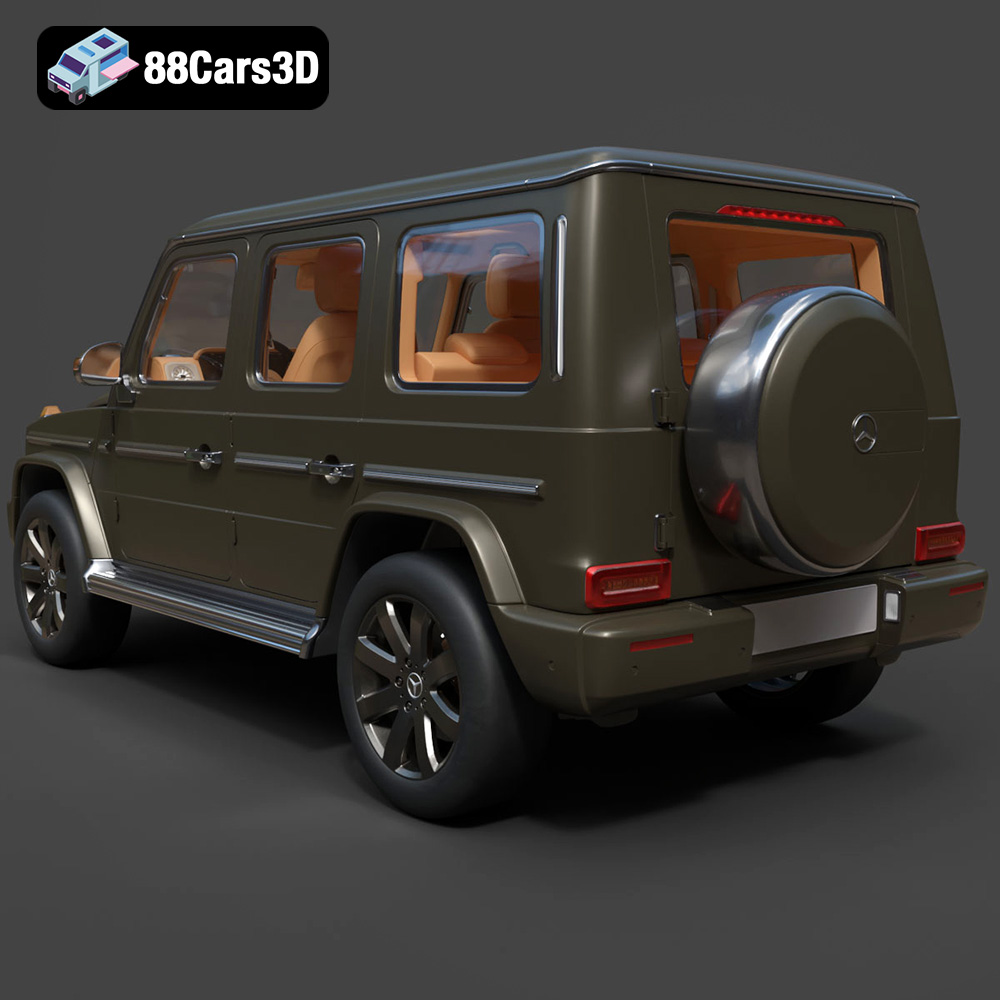
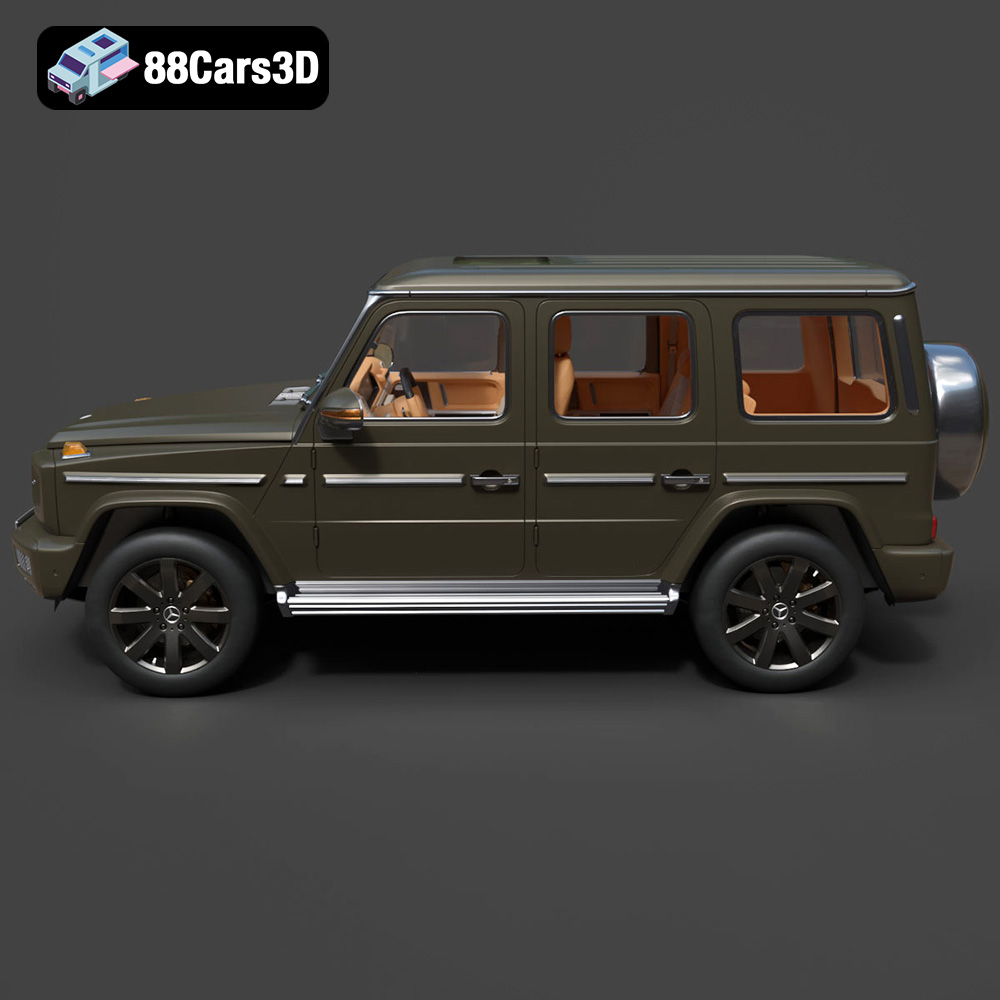
The Mercedes-Benz G500 2019 continues the legendary heritage of the iconic G-Class, seamlessly blending its unmistakable boxy silhouette with modern luxury and cutting-edge performance. Featuring an imposing stance, signature round LED headlights, a distinctive front grille, and rugged exterior styling cues, this luxury SUV is a true symbol of off-road capability and urban elegance. The model faithfully captures the essence of the G-Wagon, including its robust frame, side-exit exhaust cues, and rear-mounted spare tire. This 3D model boasts exceptional topology with a highly optimized triangle count, ensuring it is fully game-ready without sacrificing high-end visual fidelity. Built to precise real-world scale, the geometry strikes the perfect balance for seamless integration into real-time engines and offline renderers, making it the premier choice for game development, AR/VR, animation, and digital visualization. Perfect for open-world driving games, architectural visualizations, immersive virtual showrooms, and high-end automotive rendering.
$19.99
.2019
.blend
.fbx
.glb
.luxury suv
.max
.obj
.ply
.rendering
.stl
.unreal
car-3d-model
g-class
g500
game asset
game-ready
low-poly
mercedes-benz
off-road
optimized
SUV
VR/AR