Get 20% OFF All Premium 3D & STL Models!

In the rapidly evolving landscape of digital content creation, the demand for high-quality, meticulously crafted 3D car models has never been greater. From blockbuster video games to cutting-edge architectural visualizations, and from immersive AR/VR experiences to precise 3D prints, these digital assets form the backbone of countless projects. The ability to render an iconic vehicle with photorealistic accuracy, or to integrate it seamlessly into a real-time game engine, represents a pinnacle of digital artistry and technical engineering.
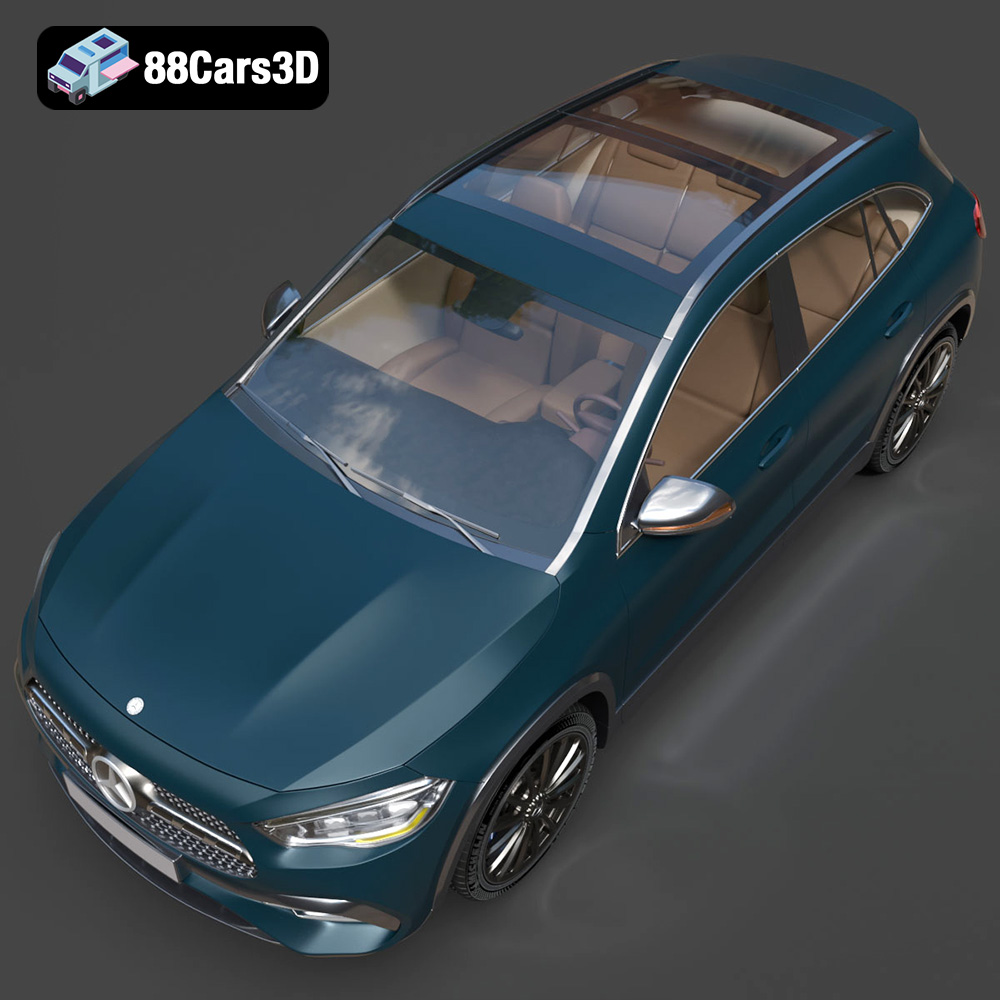
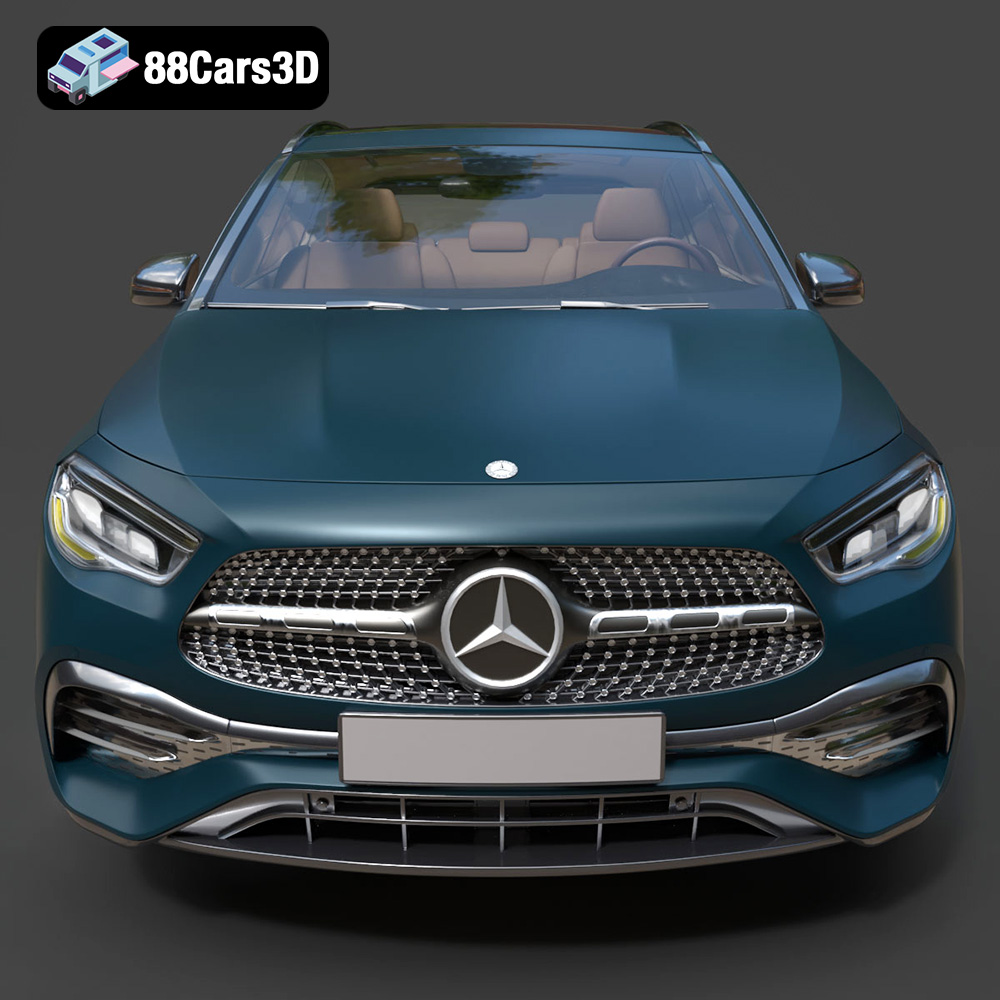
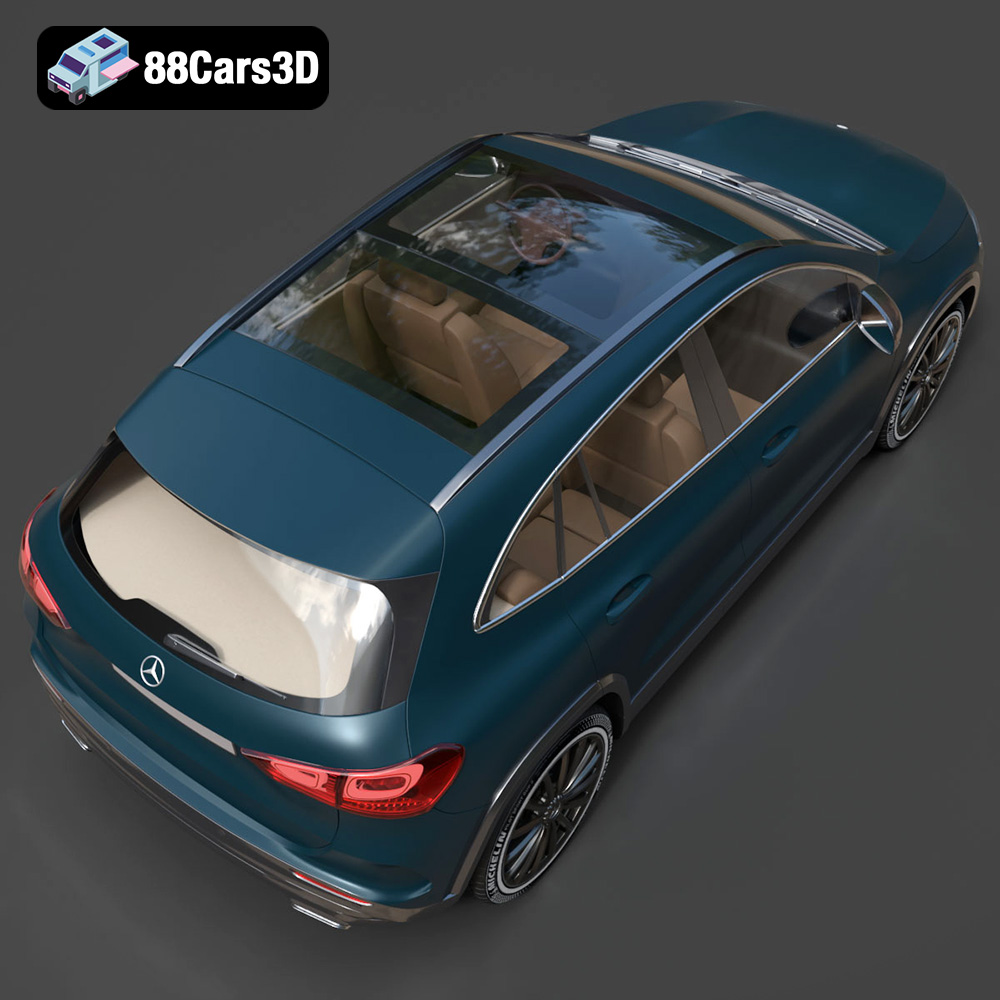
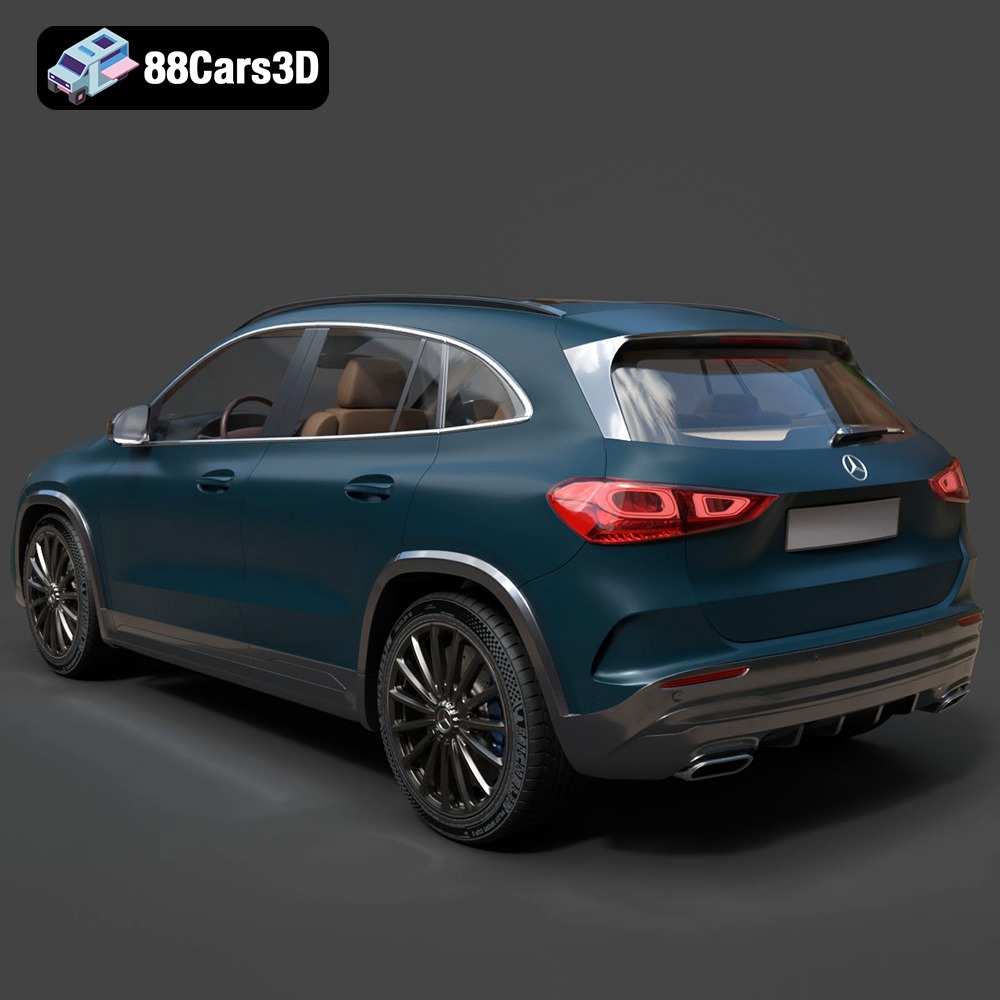
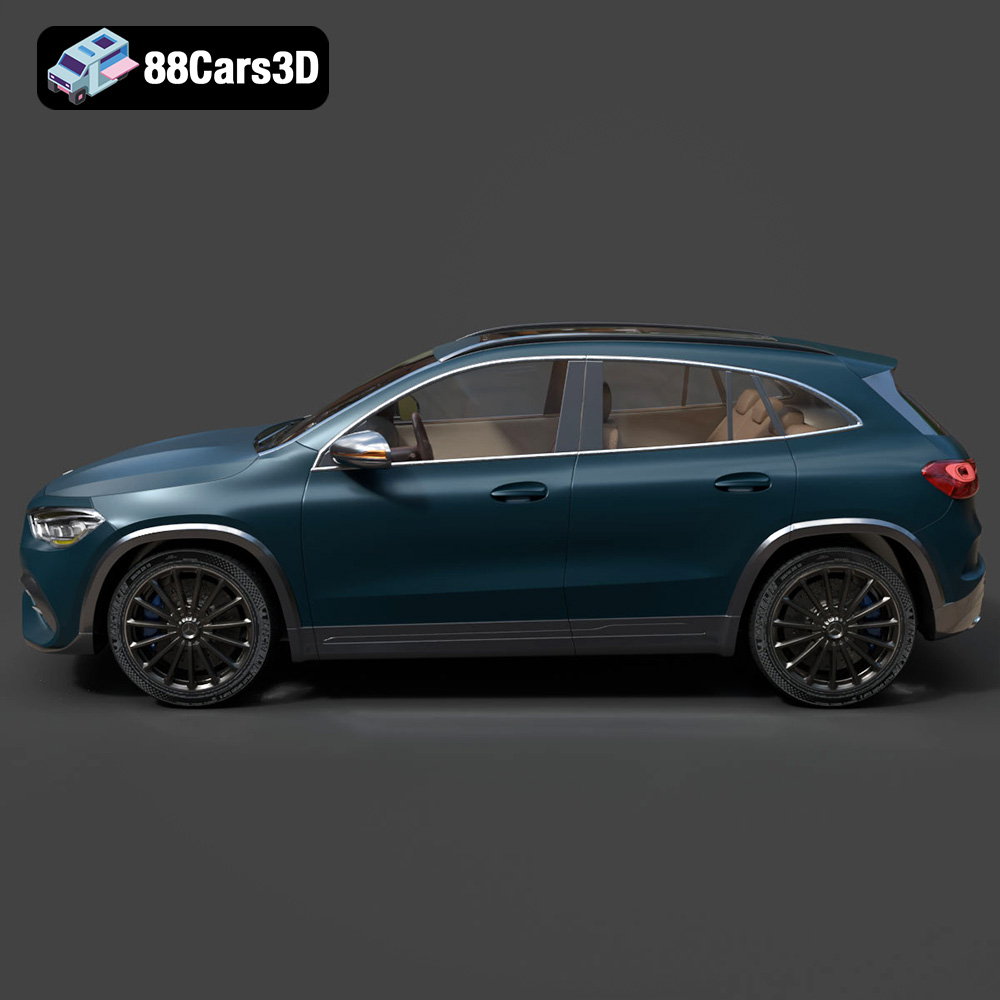
Creating such assets from scratch is a formidable task, requiring countless hours of meticulous modeling, texturing, rigging, and optimization. This is where pre-made, professional-grade 3D models become invaluable. They offer a significant advantage, empowering artists and developers to bypass the foundational modeling phase and dive directly into creative implementation. A prime example of such an asset is the Mercedes-Benz GLA-07 3D Model, a premium compact SUV expertly captured in digital form, available for download at 88cars3d.com. This model not only embodies the sleek design and luxurious appeal of its real-world counterpart but also delivers the technical precision necessary for diverse professional applications.
Whether it’s for a high-stakes automotive advertisement requiring stunning automotive rendering, or for an open-world racing title demanding optimized game assets, the fidelity of a 3D car model directly impacts the final product’s quality. Details like accurate body lines, realistic material finishes, and functional interior components differentiate a good model from a truly exceptional one. Professionals seek models that are not only visually appealing but also technically sound, featuring clean topology, proper UV mapping, and a suitable polygon count for their specific use case.
The Mercedes-Benz GLA-07 3D model stands out as a versatile asset, meticulously designed to meet the rigorous demands of various digital pipelines. Its detailed exterior, complete with the iconic diamond-block grille, LED high-performance headlamps, and integrated dual exhaust, faithfully reproduces the vehicle’s luxurious aesthetic. Inside, the model boasts a sophisticated cockpit featuring leather-stitched seating, a multifunction sports steering wheel, and a widescreen digital instrument cluster. This blend of visual fidelity and technical optimization makes it an ideal candidate for projects ranging from immersive virtual showrooms to dynamic in-game experiences, streamlining the workflow for professionals across industries.
Choosing the correct file format for a 3D model is crucial for successful integration into any project, dictating compatibility, feature retention, and overall workflow efficiency. Each format is engineered with specific use cases and technical considerations in mind, making an understanding of their strengths and weaknesses indispensable for any professional working with 3D car models.
The
.blend format is Blender’s native file type, offering a comprehensive and fully editable scene. It stores everything associated with a Blender project: mesh data, materials, textures, lighting, cameras, animations, physics simulations, and even custom scripts. This makes it ideal for artists who primarily work within Blender or for those who need access to all original project elements for extensive modifications. The Mercedes-Benz GLA-07 model, when provided in .blend, gives users maximum flexibility for customization, allowing for deep edits to geometry, materials, and rigging before export to other platforms.
.fbx (Filmbox) is arguably the most widely adopted proprietary 3D exchange format, especially prominent in game development and animation pipelines. Developed by Autodesk, it excels at preserving complex data such as animations, rigs, skinning, lights, and cameras across different software packages like Maya, 3ds Max, Unity, and Unreal Engine. For the GLA-07 model, .fbx ensures that all animation-ready components, proper pivot setups for steering and wheels, and material assignments are retained, making it an excellent choice for real-time applications and cinematic sequences.
The
.obj (Wavefront OBJ) format is a widely supported, universal standard for exchanging 3D geometry data. It is known for its simplicity and broad compatibility across almost all 3D software. An .obj file primarily stores vertex positions, UV coordinates, normals, and polygonal faces. While it doesn’t typically store advanced features like animation or rigging, it’s an excellent choice for static mesh transfer and is often accompanied by an .mtl (material library) file for basic material properties. For the Mercedes-Benz GLA-07, .obj offers a reliable way to import the vehicle’s core mesh into virtually any 3D application for rendering or further processing.
.glb (GL Transmission Format Binary) is an increasingly important format, particularly for web-based 3D, AR, and VR applications. It’s a binary version of the glTF format, designed to be compact, efficient, and easily loadable by modern web browsers and mobile devices. A .glb file encapsulates all necessary data—geometry, materials, textures, and even animations—into a single file, minimizing HTTP requests and maximizing loading speed. The GLA-07 in .glb format is perfectly suited for interactive product configurators on websites or for deploying an immersive AR experience of the car on a smartphone.
.stl (Stereolithography) is the de facto standard for 3D printing. It represents a 3D model as a series of connected triangles (a tessellated surface). While it does not contain color or texture information, its simplicity makes it universally compatible with 3D printing slicing software. The Mercedes-Benz GLA-07, convertible to .stl, allows hobbyists and designers to bring a physical representation of the digital model to life, enabling desktop manufacturing of display-scale replicas or prototypes.
.ply (Polygon File Format) is another format for storing 3D data, particularly useful for scanned data, engineering, and CAD applications due to its ability to store more complex properties like color per vertex, transparency, and range data. It can also store data from point clouds. While not as common for general asset exchange, .ply provides a precision mesh format that can be valuable for detailed analysis or specific manufacturing workflows for the GLA-07.
While not a standalone file format in the traditional sense, an asset package optimized for .unreal (Unreal Engine) refers to a model that is pre-configured and set up to integrate directly into an Unreal Engine project. This typically means the asset is already scaled correctly, has appropriate material setups, and potentially collision meshes and LODs (Levels of Detail) tailored for the engine. This “engine-ready” designation, as seen with the Mercedes-Benz GLA-07 model, significantly reduces the setup time for game developers, allowing immediate use within real-time environments.
Similar to .blend for Blender,
.max is the native file format for Autodesk 3ds Max. It stores a complete 3ds Max scene, including all geometry, materials, textures, lights, cameras, animations, and modifiers. For professionals deeply embedded in the 3ds Max ecosystem, the .max format for the Mercedes-Benz GLA-07 offers full editability, enabling advanced rigging, complex animations, and high-fidelity automotive rendering using renderers like V-Ray or Corona. This allows for unparalleled creative control and precision in high-end visualization projects.
The creation of a truly game-ready 3D car model involves a delicate balance between visual fidelity and performance optimization. For interactive experiences like video games, AR/VR, and real-time simulators, every polygon, texture, and material decision impacts the frame rate and overall user experience. The Mercedes-Benz GLA-07 3D Model exemplifies this careful engineering, delivering stunning realism without overburdening engine resources.
A key indicator of a game-ready asset is its polygon count. The GLA-07 model boasts an optimized triangle count of approximately 250,000. This figure is a sweet spot: it’s high enough to capture the sleek, aerodynamic profile and intricate details of a modern Mercedes-Benz, such as the distinct LED DRLs, sculpted hood, and nuanced panel gaps. Yet, it remains low enough to ensure smooth performance in real-time engines like Unreal and Unity. This careful optimization means developers can populate their virtual worlds with high-quality vehicles without sacrificing performance, a critical factor for immersive gameplay and fluid VR experiences.
Beyond raw polygon count, the topology itself is crucial. Clean, quad-based geometry (which is then triangulated by the engine) simplifies UV mapping, deformation during animation, and reduces potential rendering artifacts. The GLA-07’s optimized topology ensures consistent shading and a polished look from all angles.
The GLA-07 model’s attention to detail extends beyond its pristine exterior. The product description highlights a comprehensive interior, featuring luxurious leather-stitched ergonomic seating, a multifunction sports steering wheel with paddle shifters, and a widescreen dual-display digital instrument cluster. This level of interior detail is essential for first-person POV in gaming, allowing players to fully immerse themselves in the driving experience.
Exterior features are equally robust, including accurate frame geometry, detailed engine block components, an integrated dual exhaust system with a chrome finish, and authentic alloy wheels with high-resolution tire tread patterns. Even the suspension wishbones and struts are modeled, adding to the realism and potential for detailed physics simulations.
A truly functional game asset requires more than just static geometry. The Mercedes-Benz GLA-07 model comes with separated components – wheels, suspension, and steering – and a proper pivot setup. This preparation is vital for animation, enabling:
This pre-rigged structure significantly accelerates the development process, allowing game developers and animators to drop the model into their engine and begin scripting vehicle behavior almost immediately, rather than spending valuable time on foundational rigging.
The versatility of the Mercedes-Benz GLA-07 3D model, especially its availability in multiple formats, makes it an excellent candidate for integration into a wide array of professional production pipelines. From high-end cinematic rendering to interactive real-time experiences, the model streamlines workflows across popular industry software.
For architectural visualization studios, advertising agencies, or automotive design firms, achieving photorealistic automotive rendering is paramount. When utilizing the .max file format, artists can leverage the full power of 3ds Max alongside industry-leading renderers like V-Ray or Corona Renderer. The GLA-07 model’s clean topology and detailed features make it an ideal canvas for:
The model’s accurate real-world scale also ensures that it integrates seamlessly into existing scenes, maintaining correct proportions relative to buildings, landscapes, and other objects.
For game developers and creators of interactive experiences, the .fbx and .unreal file formats are particularly valuable for Unreal Engine workflows. The Mercedes-Benz GLA-07 is designed to be “game-ready,” meaning it’s optimized for performance:
This allows for rapid prototyping and deployment in various applications, from racing simulators to architectural walkthroughs with drivable vehicles.
Blender users benefit immensely from the native .blend format, offering complete control over the Mercedes-Benz GLA-07 model. This is ideal for independent artists, small studios, or those who prefer Blender’s powerful open-source ecosystem.
The availability of the .blend file from 88cars3d.com significantly reduces the barrier to entry for many 3D artists, offering a professional-grade asset ready for immediate creative manipulation.
High-quality 3D car models, like the Mercedes-Benz GLA-07, extend far beyond simple static renders. Their versatility unlocks a myriad of advanced applications, transforming how we interact with, present, and even physically produce automotive designs.
The era of virtual and augmented reality has created a powerful new medium for automotive marketing and sales. The GLA-07, optimized with a ~250k triangle count and available in formats like .glb (for web and mobile AR) and .fbx (for high-fidelity VR experiences), is perfectly suited for these immersive applications:
The meticulous detailing of the GLA-07’s interior and exterior ensures that these immersive experiences are not just novelties but genuinely informative and compelling.
While digital models are crucial for virtual environments, the ability to translate them into physical objects opens up a new dimension of utility. The Mercedes-Benz GLA-07 3D model, convertible to the .stl format, empowers designers, hobbyists, and engineers to utilize 3D printing:
The specified 3D print settings, such as layer height recommendations for resin printing and guidance on infill and support structures, underscore the model’s readiness for physical output, ensuring optimal print quality and structural integrity.
For marketing professionals, the GLA-07 model provides an unparalleled asset for creating compelling brand campaigns. High-quality automotive rendering can be used for:
The model’s inherent detail and optimization make it a powerful tool for visual storytelling, crucial for capturing attention in today’s visually-driven market.
One of the significant advantages of investing in a high-quality 3D car model like the Mercedes-Benz GLA-07 from 88cars3d.com is its inherent flexibility and adaptability. Professional-grade assets are designed to be customizable, allowing artists and developers to tailor them to specific project requirements, ensuring longevity and versatility across diverse applications.
The ability to easily modify the visual characteristics of a 3D model is crucial for creative freedom and project specific branding. The GLA-07 model is built with this in mind, offering extensive customization options for its materials and textures:
This level of material control ensures that the GLA-07 can be integrated into almost any visual context without appearing out of place.
Beyond the car itself, how it interacts with its environment is paramount for compelling automotive rendering. The GLA-07 model’s robust construction makes it highly adaptable to various lighting and environmental conditions:
By offering such extensive customization, the Mercedes-Benz GLA-07 3D model becomes not just a pre-made asset, but a highly adaptable foundation upon which artists and developers can build their unique visions, ensuring its relevance and value across future projects.
The realm of 3D content creation is constantly pushing the boundaries of realism and immersion. At the core of this evolution are high-quality 3D car models, meticulously crafted to serve a diverse range of applications from cutting-edge video games to photorealistic architectural visualizations. We’ve explored the critical role of understanding various file formats, the technical nuances of creating game-ready assets, and how a professional model like the Mercedes-Benz GLA-07 seamlessly integrates into complex production pipelines across software like 3ds Max, Blender, and Unreal Engine.
The Mercedes-Benz GLA-07 3D Model stands as a testament to the blend of artistic detail and technical optimization. Its balanced polygon count, detailed interior and exterior features, and animation-ready components make it an exceptional choice for anyone seeking a versatile and performant vehicle asset. Whether you are developing an immersive AR/VR experience, producing stunning automotive rendering for a marketing campaign, or fabricating a physical replica through 3D printing, this model provides a robust foundation.
Investing in such a professional-grade asset dramatically accelerates workflows, allowing creators to focus on innovation and storytelling rather than reinventing the wheel. For professionals and enthusiasts alike, premium game assets like the Mercedes-Benz GLA-07 are indispensable tools. Discover this exceptional model and many others at 88cars3d.com, your premier destination for high-quality 3D car models that drive creativity forward.
The Mercedes-Benz GLA-07 is a premium compact SUV that perfectly balances luxury, versatility, and dynamic performance. Featuring the iconic diamond-block grille, sleek aerodynamic profile, and refined muscular stance, this 3D model captures the essence of modern Mercedes-Benz design. Attention to detail is evident in its distinctive LED high-performance headlamps, sculpted hood, and integrated dual exhaust system. This highly accurate 3D model features exceptional topology with an optimized triangle count of approximately 250,000, making it fully game-ready without sacrificing visual fidelity. The model is structured for seamless integration into real-time environments, AR/VR applications, and high-end visualization projects. Perfect for open-world driving games, architectural visualization, virtual showrooms, and automotive animation.
$19.99
.blend
.fbx
.glb
.max
.obj
.ply
.rendering
.stl
.unreal
car-3d-model
compact-suv
game asset
game-ready
gla-07
low-poly
luxury car
mercedes-benz
optimized
SUV
VR/AR