Get 20% OFF All Premium 3D & STL Models!

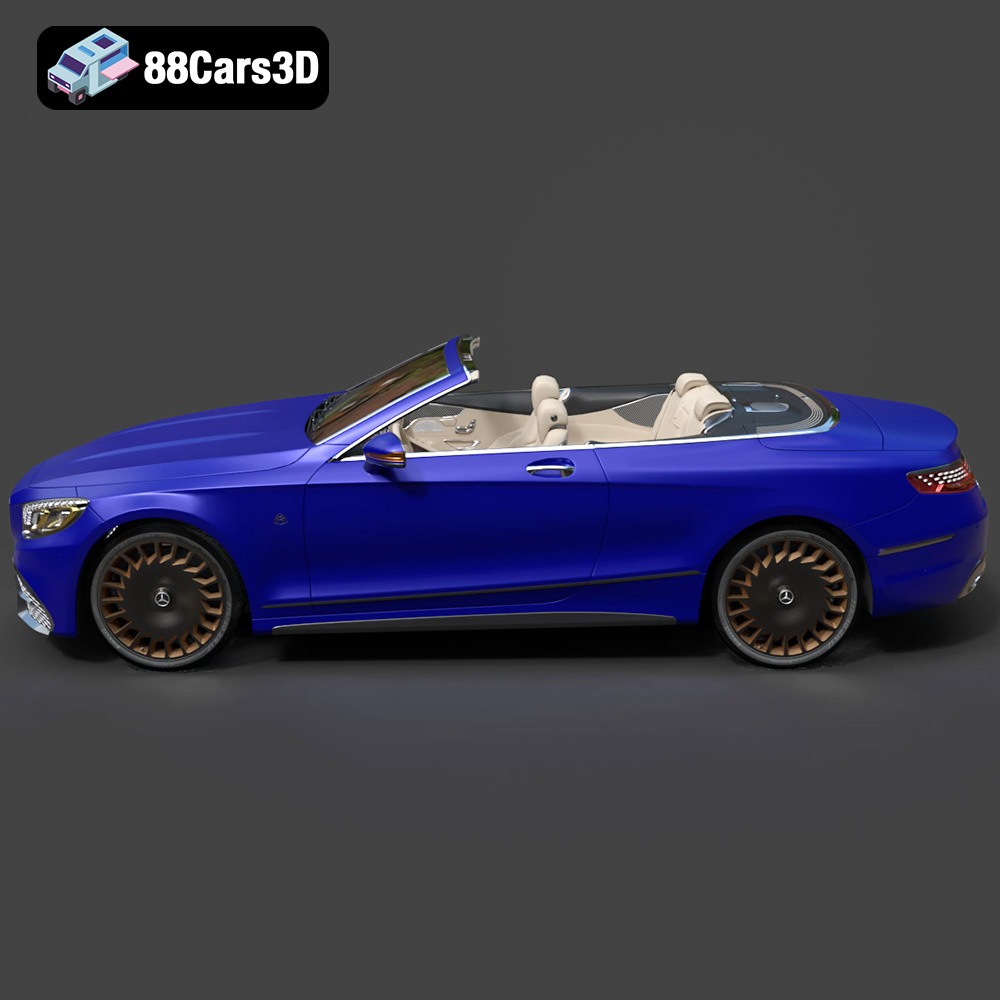
In the dynamic world of 3D visualization, automotive design, and interactive experiences, the demand for high-fidelity, meticulously crafted 3D car models is ever-present. From the glistening showroom floors of virtual reality to the high-octane tracks of a next-generation racing game, a premium 3D vehicle asset forms the cornerstone of an immersive and visually stunning project. Today, we delve into the intricate details and broad applications of such an asset, spotlighting a truly magnificent representation: the Mercedes Maybach Coupe Cabriolet 2020 3D Model. This particular model, available for download at 88cars3d.com, encapsulates the essence of ultra-luxury, bringing a level of detail and optimization crucial for any serious professional workflow.
The Mercedes Maybach Coupe Cabriolet 2020 stands as a beacon of modern automotive opulence. Its digital counterpart must reflect this grandeur, not just in aesthetics but also in its technical integrity. A truly exceptional 3D model of such a prestigious vehicle doesn’t merely look good; it’s meticulously engineered for performance across diverse platforms, from demanding real-time engines to intricate rendering pipelines. This article will explore the technical nuances that define a superior 3D car model, illuminate the importance of versatile file formats, and illustrate how a top-tier asset like the Maybach Coupe Cabriolet can elevate projects across game development, architectural visualization, AR/VR, and even 3D printing.
The selection of the correct 3D model file format is a critical decision that impacts compatibility, workflow efficiency, and ultimately, the success of your project. Each format serves a specific purpose, optimized for different stages of production and different end uses. Understanding these distinctions is paramount for any professional dealing with 3D car models or other complex assets. The Mercedes Maybach Coupe Cabriolet 2020 3D Model, notably, comes with an extensive array of formats, offering unparalleled flexibility.
The .blend format is native to Blender, a powerful open-source 3D creation suite. When you acquire a .blend file, you’re not just getting a model; you’re gaining access to a fully editable Blender scene. This includes the complete mesh geometry, intricate material setups, lighting configurations, camera positions, and even animation data. For artists primarily working within Blender, this format offers the most flexibility for customization, modifications, and direct integration into their projects without any loss of data or conversion artifacts. It’s ideal for rendering photorealistic scenes, integrating into Blender-based game pipelines, or simply using the scene as a base for further development of custom automotive assets.
.fbx (Filmbox) is arguably the most widely adopted interchange format in the 3D industry, particularly favored for game development and real-time pipelines like Unreal Engine and Unity. Developed by Autodesk, FBX files can store a vast amount of data, including geometry, materials, textures, animations, skinning, and camera information. Its strength lies in its ability to maintain scene hierarchy and animation data across different software applications. For importing complex 3D car models into game engines, .fbx is often the go-to choice due to its robust support for animation and instances, ensuring that separate wheels, suspension, and steering components of the Maybach model can be animated correctly.
The .obj (Wavefront OBJ) format is a universal standard for storing 3D geometry. While it doesn’t support advanced features like animation or scene hierarchies directly within the file (though it can link to material files like .mtl), its simplicity and widespread compatibility make it an excellent choice for cross-software data exchange. Almost every 3D application can import and export OBJ files, making it a reliable format for basic mesh transfer. When you need to ensure your 3D car models can be opened and manipulated in virtually any 3D program, .obj is a dependable option, particularly for static rendering or base mesh manipulation before applying complex materials in your target software.
.glb (GL Transmission Format Binary) is a relatively newer format gaining significant traction, especially for web-based 3D, augmented reality (AR), virtual reality (VR), and browser-based display. It’s a binary version of glTF, designed for efficient transmission and loading of 3D scenes and models. GLB files bundle textures and other assets directly into a single file, reducing HTTP requests and improving load times. This optimization makes it perfect for interactive web applications, mobile AR experiences, and virtual showrooms where speed and efficiency are key. For showcasing the Mercedes Maybach Coupe Cabriolet 2020 in a client-facing web configurator or an immersive AR app, .glb is an outstanding choice.
The .stl (Stereolithography) format is the industry standard for 3D printing. It represents a 3D model as a collection of unconnected triangles, describing only the surface geometry of an object without color, texture, or other attributes. While seemingly simplistic, this format is precisely what 3D printers need to interpret an object’s shape for fabrication. For hobbyists or professionals looking to create a physical replica of the Mercedes Maybach Coupe Cabriolet, converting the digital model to .stl is the first step. The provided Maybach model, designed with accurate real-world scale and topology, makes it suitable for conversion and subsequent 3D printing at recommended scales like 1:12 or 1:18, allowing enthusiasts to bring this luxury vehicle into the tangible world.
The .ply (Polygon File Format, also known as Stanford Triangle Format) is another format for storing 3D data, particularly useful for scanned data, CAD applications, and scientific analysis. Like .obj, it primarily describes the geometry of objects as a list of polygons, but it can also store additional attributes like color, transparency, surface normals, and even data from 3D scanners. For applications requiring a high degree of precision in mesh data, perhaps for engineering analysis or reverse-engineering processes related to automotive design, .ply offers a robust solution for preserving geometric integrity beyond what simpler formats might provide. This makes it valuable for specialized visualization or digital fabrication workflows that demand meticulous mesh information.
The .unreal format signifies an asset specifically optimized and prepared for direct integration into Unreal Engine projects. While typically not a standalone file format in the same way .fbx or .obj are (Unreal often imports FBX and converts it), its inclusion suggests that the Mercedes Maybach Coupe Cabriolet 2020 model has undergone specific preparation for Unreal Engine’s unique material system, LOD (Level of Detail) setups, collision geometry, and possibly even Blueprints for interactive elements. This means less work for developers, as the asset is likely already configured to Unreal Engine’s best practices, offering a significant time-saving advantage for real-time environments.
The .max format is the native file type for Autodesk 3ds Max, one of the leading 3D modeling, animation, and rendering software packages. Similar to .blend, a .max file contains the complete scene data—geometry, materials, textures, lighting, cameras, animation, and modifier stacks. For professionals entrenched in the 3ds Max ecosystem, having the model in its native format provides the highest level of control and editability. It allows for seamless integration into existing 3ds Max projects, leveraging its powerful rendering capabilities (like V-Ray or Corona Renderer) for high-end automotive rendering, architectural visualization, or cinematic sequences, offering endless possibilities for customizing the Maybach model’s appearance and environment.
The creation of a high-quality 3D car model is an intricate process, demanding a blend of artistic skill and technical precision. It begins long before the first polygon is laid, with extensive research into the vehicle’s design, dimensions, and unique characteristics. The Mercedes Maybach Coupe Cabriolet 2020 3D Model exemplifies this dedication, showcasing an exceptional level of fidelity that translates directly into stunning visuals and versatile functionality.
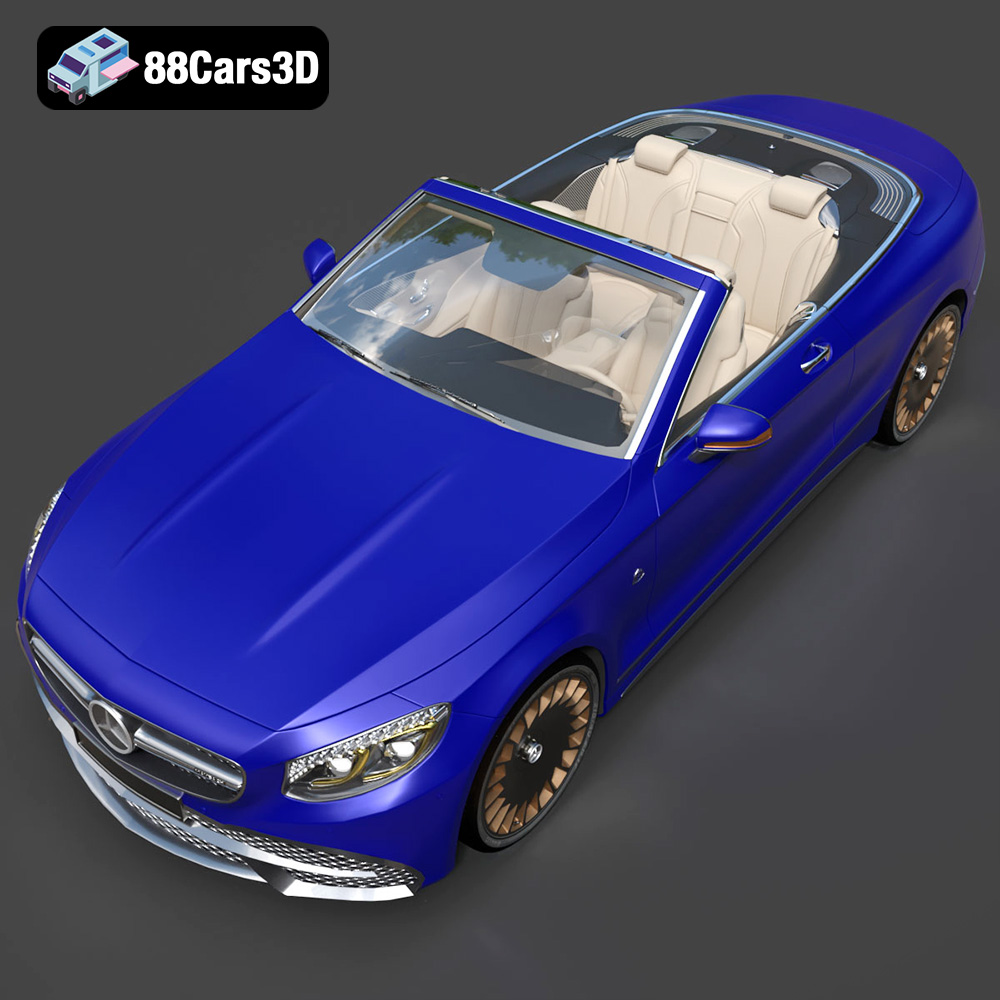
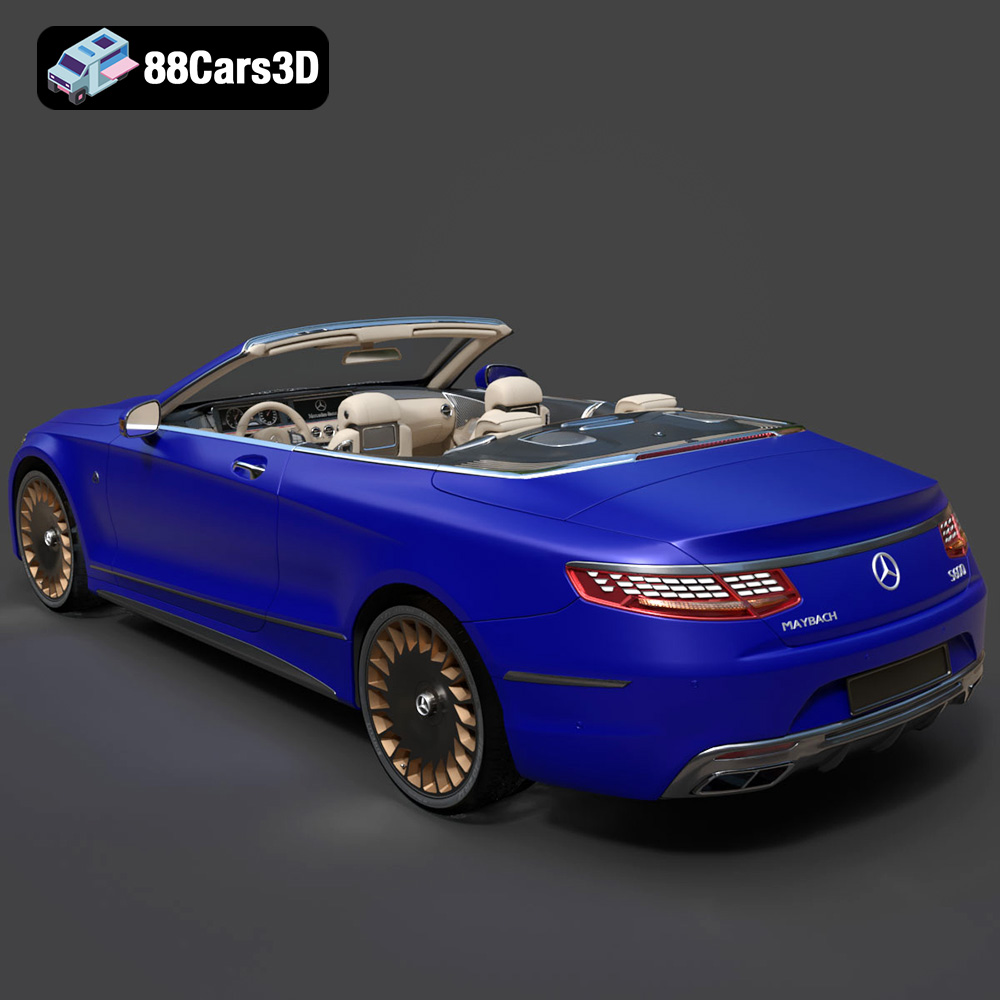
Achieving photorealism starts with precise geometry. The featured Maybach model boasts accurate frame geometry and majestic proportions, meticulously modeled to represent the real-world dimensions. This isn’t just about looking correct; it’s vital for accurate reflections, shadow casting, and believable interactions within any 3D environment. Details extend to the engine bay, reflecting the high-performance biturbo setup, and the dual premium exhaust system with elegant chrome-finished tailpipes. Such specificity requires careful study of reference images, blueprints, and often, CAD data, to ensure every curve and angle is faithfully reproduced. The result is a model that feels substantial and true-to-life, whether static in a rendered scene or speeding through a virtual world.
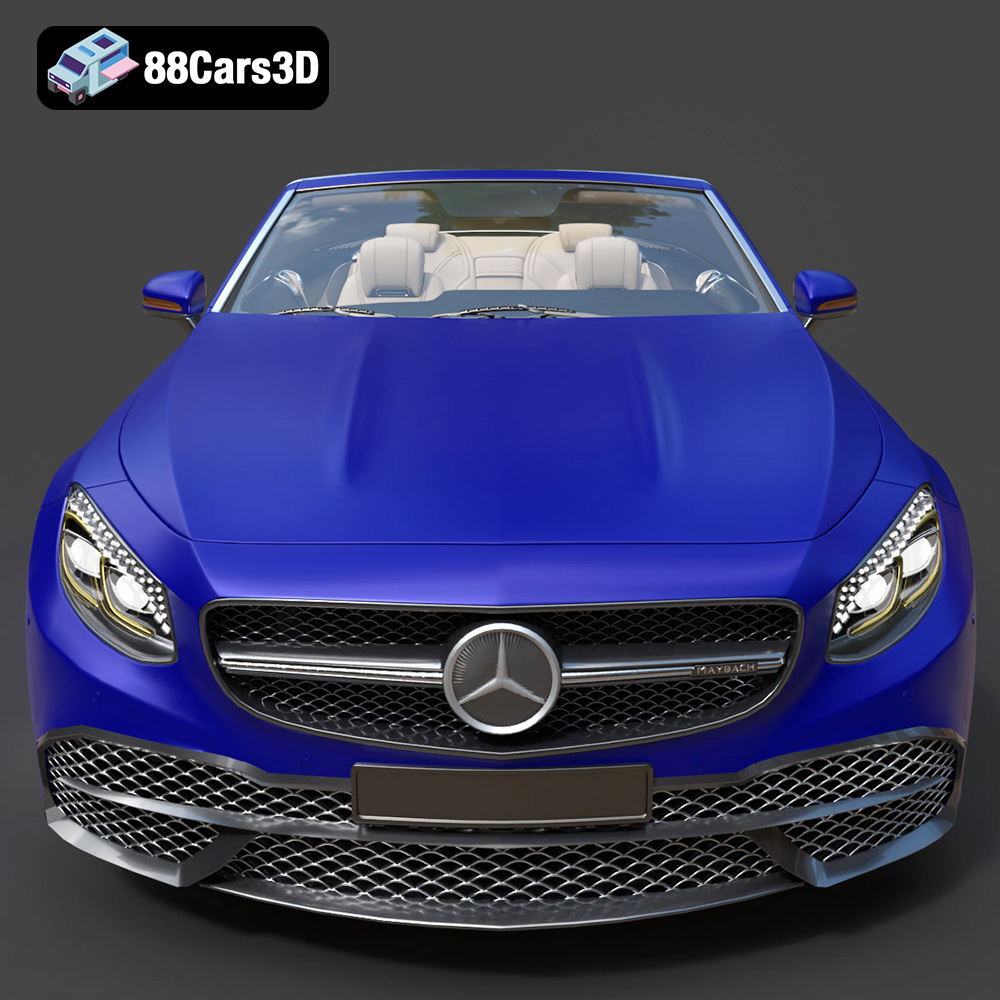
A luxury vehicle’s appeal often lies in its details, both inside and out. The Maybach 3D model doesn’t disappoint, featuring high-fidelity LED multibeam headlights and signature OLED taillights that capture the vehicle’s distinct lighting signatures. The iconic Maybach multi-spoke alloy wheels, complete with high-resolution tire tread textures, further enhance its realism. Beneath the surface, detailed suspension and undercarriage elements are modeled, a critical feature for realistic physics simulations in games or detailed close-up renders. Inside, the opulence continues with diamond-quilted leather seats, a luxurious multi-function steering wheel, and a high-tech dual-screen digital instrument cluster. These interior elements are also optimized for first-person perspectives, crucial for immersive VR and gaming experiences where the user can truly “sit” inside the car. Every button, every stitch, contributes to an unparalleled sense of realism.
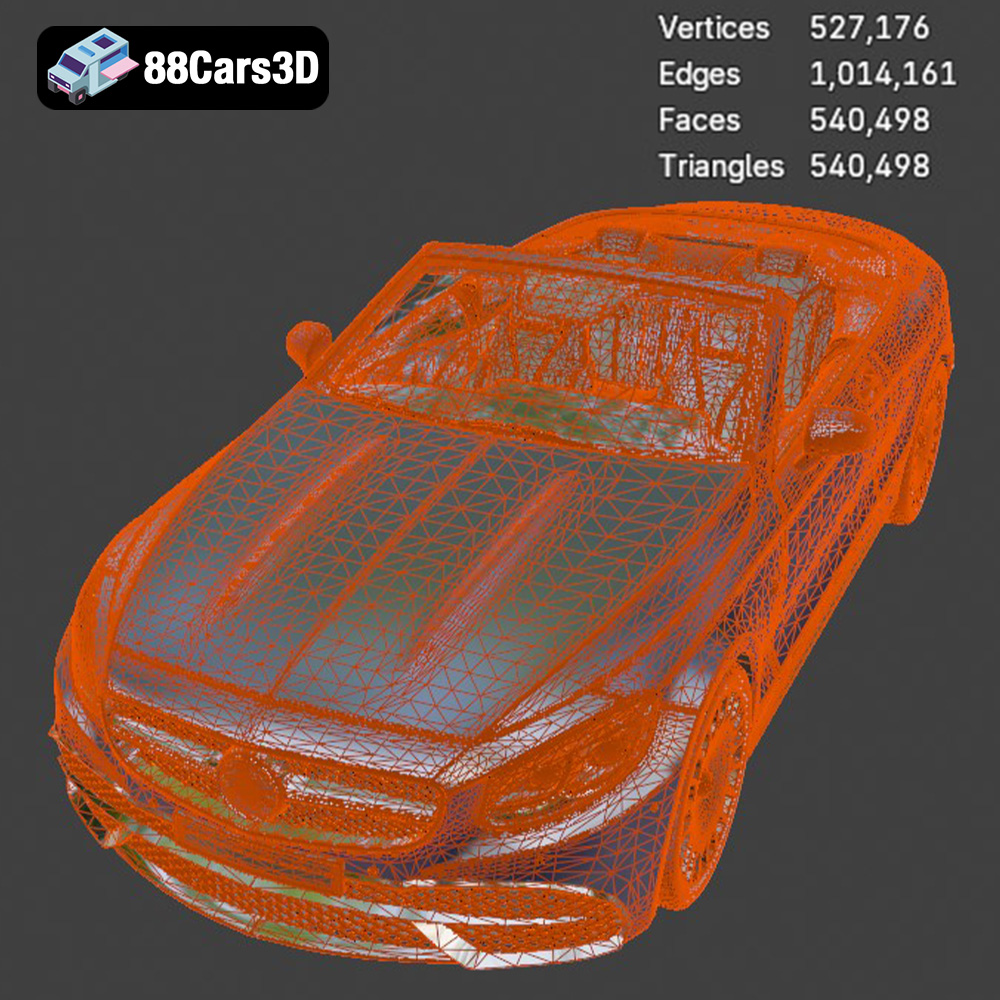
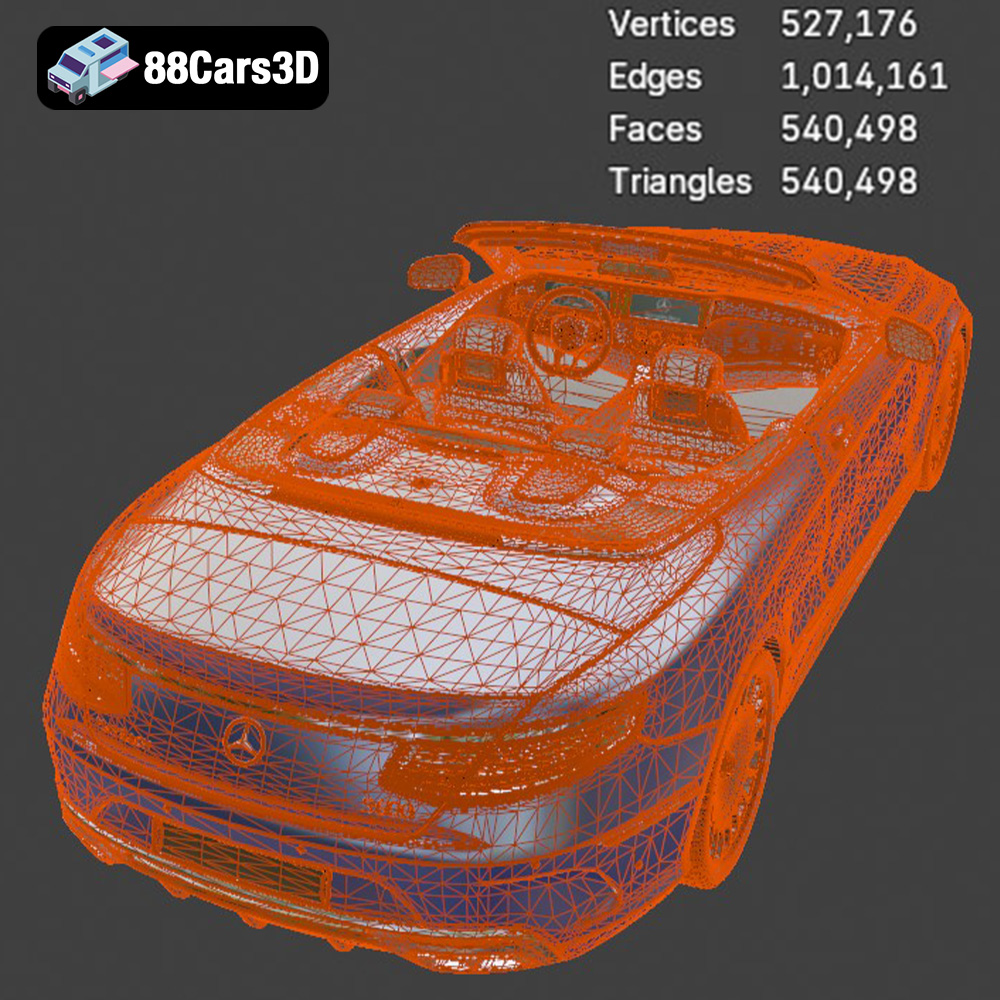
Beyond raw detail, intelligent topology and real-world scale are non-negotiable for professional 3D car models. The Maybach model’s approximately 180,000 triangles strike a perfect balance, offering high-end visual realism without overwhelming real-time engines. This “game-ready” optimization is achieved through careful polygon reduction, efficient UV mapping, and a clean mesh flow that supports subdivision if higher detail is needed for cinematic renders. Furthermore, adherence to real-world scale ensures that the model integrates seamlessly with architectural scenes, virtual environments, or other assets, avoiding scaling issues and maintaining a coherent sense of proportion. Proper pivot setups for steering, wheel rotation, and suspension travel are also integrated, paving the way for straightforward animation and dynamic simulations.
In the realm of interactive 3D, performance is paramount. A visually stunning model that brings a system to its knees is ultimately unusable. This is where optimization becomes a critical aspect of creating professional 3D car models. The Mercedes Maybach Coupe Cabriolet 2020 3D Model is explicitly designed to excel in real-time environments, offering an ideal blend of visual fidelity and computational efficiency.
The stated 180,000 triangles for the Maybach model represents a sweet spot for modern game development. This polycount is sufficiently high to capture the complex curves and intricate details of a luxury vehicle, ensuring it looks impressive up close, while remaining optimized enough to be rendered efficiently in real-time engines like Unreal Engine and Unity. This is achieved through techniques such as judicious polygon reduction in less visible areas, the use of normal maps to simulate high-detail geometry, and clean, quad-based topology that allows for efficient culling and level-of-detail (LOD) generation. For a game developer, acquiring a model with pre-optimized topology like this saves countless hours of cleanup and re-meshing, allowing them to focus on game logic and design.
A truly game-ready asset goes beyond just polycount. It includes proper UV mapping for texture application, ensuring efficient use of texture memory and avoiding visual artifacts. The model’s compatibility with major 3D software and real-time rendering engines, combined with included formats like .fbx and .unreal, signifies ease of integration. For Unreal Engine, this could mean pre-setup materials using physically-based rendering (PBR) workflows, accurate collision meshes, and perhaps even basic skeletal meshes for animation. For racing games or open-world titles, the separate wheels, suspension, and steering components are invaluable for implementing realistic vehicle physics and intricate animations, allowing for dynamic handling and visual feedback.
Beyond games, real-time visualization is increasingly used in automotive configurators, virtual showrooms, and architectural presentations. Here, the immediate feedback and interactive nature of real-time rendering shine. The optimized geometry of the Maybach model, coupled with its accurate real-world scale, makes it perfect for these applications. Imagine a customer exploring every angle of the Maybach in a virtual showroom, customizing its colors and materials in real-time, or a designer dropping the vehicle into an architectural rendering to visualize scale and aesthetics. The efficient nature of the model ensures smooth frame rates, providing a fluid and engaging user experience that truly showcases the vehicle’s luxury and design.
The utility of a high-quality 3D car model extends far beyond traditional rendering and game development. The versatility built into assets like the Mercedes Maybach Coupe Cabriolet 2020 3D Model unlocks a wealth of possibilities across emerging technologies and established visualization pipelines.
Augmented Reality (AR) and Virtual Reality (VR) are revolutionizing how we interact with digital content, particularly in the automotive industry. For AR/VR experiences, optimized, real-world scale models are crucial. The Maybach model is perfectly suited for immersive virtual showrooms, where potential buyers can “walk around” the car, open doors, and even sit inside, experiencing its opulent interior in a way that static images cannot convey. In VR automotive configurators, users can change body colors, modify tire textures, and adjust material finishes in real-time, providing a highly personalized pre-purchase experience. For mobile AR applications, where performance is even more critical due to device limitations, the .glb format offers the ideal solution for efficiently streaming and displaying the model in the real world through a smartphone or tablet, literally placing a virtual Maybach in your driveway.
The included .stl format option for the Maybach model opens up exciting avenues for 3D printing enthusiasts and model makers. While complex 3D car models often require careful preparation for printing, the foundational quality of this asset simplifies the process. Hobbyists can convert and scale the model to create intricate physical replicas at recommended scales like 1:12, 1:18, or 1:24. The product description provides detailed 3D print settings, recommending resin printing for fine details and specific wall thickness, infill, and support requirements. This transforms a digital luxury car into a tangible collectible, allowing for post-processing with sanding, primer, and authentic factory colors to achieve a stunning display piece. It’s a testament to the model’s geometric integrity that it can be accurately translated from screen to physical object.
For advertising, marketing, and architectural visualization (ArchViz), premium 3D car models are indispensable. The Mercedes Maybach Coupe Cabriolet 2020 3D Model excels here, providing a pristine asset for brand campaigns, lifestyle scenes, and studio lighting setups. Imagine it gracing a sprawling modern mansion in an ArchViz project, or elegantly posed against a dramatic sunset in a luxury advertisement. The ability to customize body colors, material finishes (matte, gloss, high-gloss metallic, chrome), and adapt lighting for different environments gives artists complete creative control. Using rendering engines like V-Ray or Corona Renderer within 3ds Max, or Cycles/Eevee in Blender, artists can achieve photorealistic results that blur the line between digital and reality, truly showcasing the vehicle’s majestic presence.
A 3D model’s true value is realized through its seamless integration into established professional workflows. The multi-format availability of the Mercedes Maybach Coupe Cabriolet 2020 3D Model ensures that artists and developers, regardless of their preferred software, can leverage its quality. Let’s explore how this model fits into typical industry pipelines.
For game developers using Unreal Engine, the workflow typically begins with importing the .fbx or the dedicated .unreal asset. The .fbx file provides geometry, UVs, and potentially a skeletal mesh if the wheels and suspension are pre-rigged. Upon import, Unreal’s material editor is used to set up the PBR textures (Albedo, Normal, Roughness, Metallic, Ambient Occlusion) to achieve photorealistic surface qualities. The separate components for wheels, steering, and suspension are then integrated into a vehicle Blueprint, allowing for realistic physics simulation and animation. Collision meshes are generated or imported to ensure proper interaction with the game environment. The optimized polycount of 180,000 triangles is perfect for maintaining high frame rates, even when multiple Maybach models are present on screen. This streamlined approach allows developers to quickly get a high-quality, drivable luxury car into their game world.
Blender artists will find the native .blend file invaluable. This provides not just the model, but often a pre-configured scene with materials already applied. From here, artists can fine-tune the materials using Blender’s Cycles or Eevee render engines, adding custom shaders for paint, chrome, and glass to achieve hyper-realistic reflections and refractions. The model’s clean topology allows for easy subdivision if even higher detail is desired for extreme close-ups in cinematic sequences. Animators can readily access the separate components to set up dynamic wheel rotation, suspension compression, and steering movements. Environmental lighting (HDRI backdrops, area lights) can be integrated to create captivating studio shots or dramatic outdoor scenes, showcasing the Maybach’s elegant lines and opulent details with full artistic control.
Architectural visualization studios frequently rely on 3ds Max for its robust scene management and rendering capabilities. Importing the .max file of the Maybach Coupe Cabriolet directly into a 3ds Max scene eliminates conversion issues and provides immediate access to all model data. Using rendering engines like V-Ray or Corona Renderer, artists can then integrate the vehicle into an architectural scene, ensuring it aligns perfectly with the real-world scale of the buildings. Advanced material setups can be created, mimicking specific paint finishes (e.g., Maybach’s signature two-tone options), realistic tire rubber, and highly reflective chrome accents. The detailed interior makes it suitable for renders with open doors or visible through windows, adding a touch of ultra-luxury to any high-end property visualization. The separate animatable parts also mean the car can be posed dynamically, such as turning into a driveway or having its top down, enhancing the realism of the scene.
In a competitive digital landscape, the quality of your assets can be a significant differentiator. Investing in premium 3D car models, such as the Mercedes Maybach Coupe Cabriolet 2020 3D Model from 88cars3d.com, offers a strategic advantage that transcends mere aesthetics. It’s about efficiency, versatility, and delivering exceptional results.
Creating a detailed, optimized 3D car model from scratch is an incredibly time-consuming and expensive endeavor, requiring specialized skills in modeling, texturing, rigging, and optimization. By leveraging a ready-to-use, professional-grade asset, studios and individual artists can drastically cut down development time and costs. The Maybach model, meticulously prepared with proper pivot points, optimized geometry, and diverse file formats, means less time spent on asset creation and more time dedicated to creative direction, animation, and project refinement. This efficiency is critical for meeting tight deadlines and staying within budget, particularly for large-scale projects like open-world games or extensive advertising campaigns.
Premium 3D car models are built to exacting standards, ensuring high visual fidelity, accurate dimensions, and clean topology. This consistency in quality is vital for maintaining a professional image across all project outputs, whether it’s a game, a VR experience, or a rendered animation. The Mercedes Maybach Coupe Cabriolet 2020 model provides this assurance, reflecting the real-world luxury of the vehicle in every digital detail. For companies aiming to project an image of excellence, using top-tier assets ensures that every aspect of their digital presence aligns with their brand values. 88cars3d.com prides itself on offering such high-quality 3D car models that truly elevate any project.
The true power of a versatile 3D asset lies in its ability to be repurposed across various platforms and applications without significant re-work. The Maybach model, with its game-ready optimization, AR/VR suitability, and 3D printing potential, exemplifies this versatility. A single purchase can serve multiple project requirements: a hero vehicle in a game, a centerpiece in a virtual showroom, an object for a physical scale model, or a luxury element in an architectural visualization. This multi-purpose utility maximizes the return on investment and provides creative freedom, enabling exploration of diverse concepts without starting from square one each time. From luxury virtual showrooms to open-world racing games, this model is designed to perform.
The world of 3D modeling for automotive design is a fascinating intersection of art and engineering, where every polygon and texture contributes to the immersive experience. As we’ve explored, a truly exceptional 3D car model like the Mercedes Maybach Coupe Cabriolet 2020 3D Model offers far more than just visual appeal. It represents a culmination of detailed craftsmanship, technical optimization, and strategic versatility. From its meticulously recreated exterior and opulent interior to its game-ready polycount and comprehensive file format support, this model is built to meet the rigorous demands of professional workflows across game development, AR/VR, high-end rendering, and even 3D printing.
Understanding the nuances of file formats, the importance of accurate modeling, and the benefits of optimization are crucial for any serious creative. By choosing high-quality, pre-optimized assets, artists and developers can significantly accelerate their projects, maintain uncompromised quality, and explore new creative avenues with confidence. Whether you’re a game developer seeking realistic vehicle assets, an ArchViz artist needing a touch of luxury, or an AR/VR innovator crafting immersive experiences, the Mercedes Maybach Coupe Cabriolet 2020 3D Model stands as a prime example of a digital asset that delivers on all fronts. Discover this and other premium 3D car models that can transform your projects at 88cars3d.com, where excellence meets efficiency in the digital automotive world.
Experience the epitome of ultra-luxury driving with the Mercedes Maybach Coupe Cabriolet 2020. This magnificent vehicle represents the pinnacle of modern automotive opulence, combining a commanding presence with elegant, sweeping lines and the iconic Maybach pinstripe grille. Showcasing breathtaking exterior aerodynamics and a powerful biturbo engine profile, this cabriolet effortlessly blends high-end performance with majestic cruising capabilities.
Our 3D model features exceptional topology with an optimized triangle count, ensuring it is fully game-ready without sacrificing visual fidelity. Meticulously modeled to accurately represent the real-world dimensions and intricate details of the original car, it is the perfect digital asset for demanding real-time engines, AR/VR environments, and high-end visualization pipelines.
Perfect for luxury virtual showrooms, open-world racing games, high-end lifestyle rendering, and immersive VR automotive configurators.
.blend, .fbx, .obj, .glb, .stl, .ply, .unreal, .max
Tags:
mercedes, maybach, coupe-cabriolet, 2020, luxury-car, convertible, cabriolet, game-ready, low-poly, optimized, car-3d-model, game-asset, rendering, vr-ar, blend, fbx, obj, glb, stl, ply, unreal, max
$19.99
.2020
.blend
.cabriolet
.convertible
.fbx
.glb
.max
.maybach
.mercedes
.obj
.ply
.rendering
.stl
.unreal
car-3d-model
coupe-cabriolet
game asset
game-ready
low-poly
luxury car
optimized
VR/AR