Get 20% OFF All Premium 3D & STL Models!

In the rapidly evolving landscape of digital content creation, high-quality 3D automotive models are no longer a luxury but a fundamental necessity. Whether you’re crafting a sprawling open-world game, developing an immersive architectural visualization, or designing the next generation of augmented reality experiences, a meticulously detailed and optimized vehicle model can elevate your project from good to exceptional.
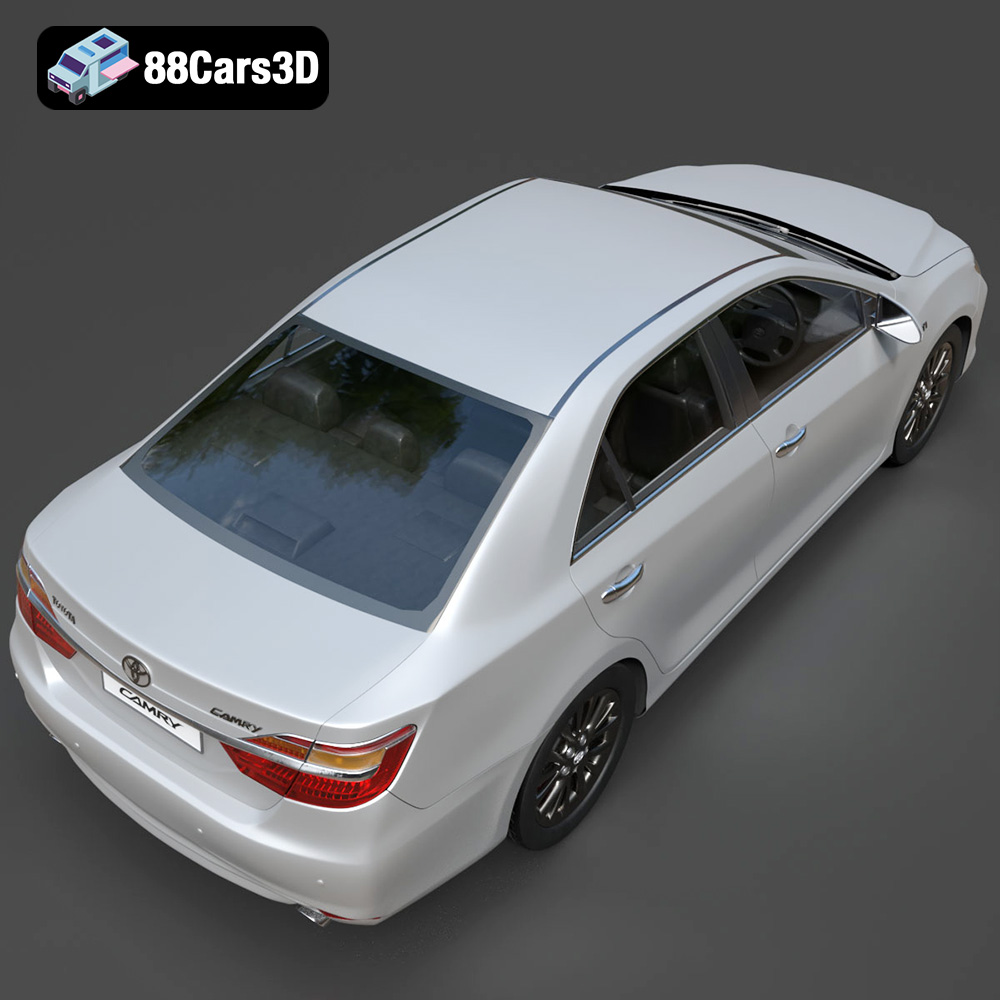
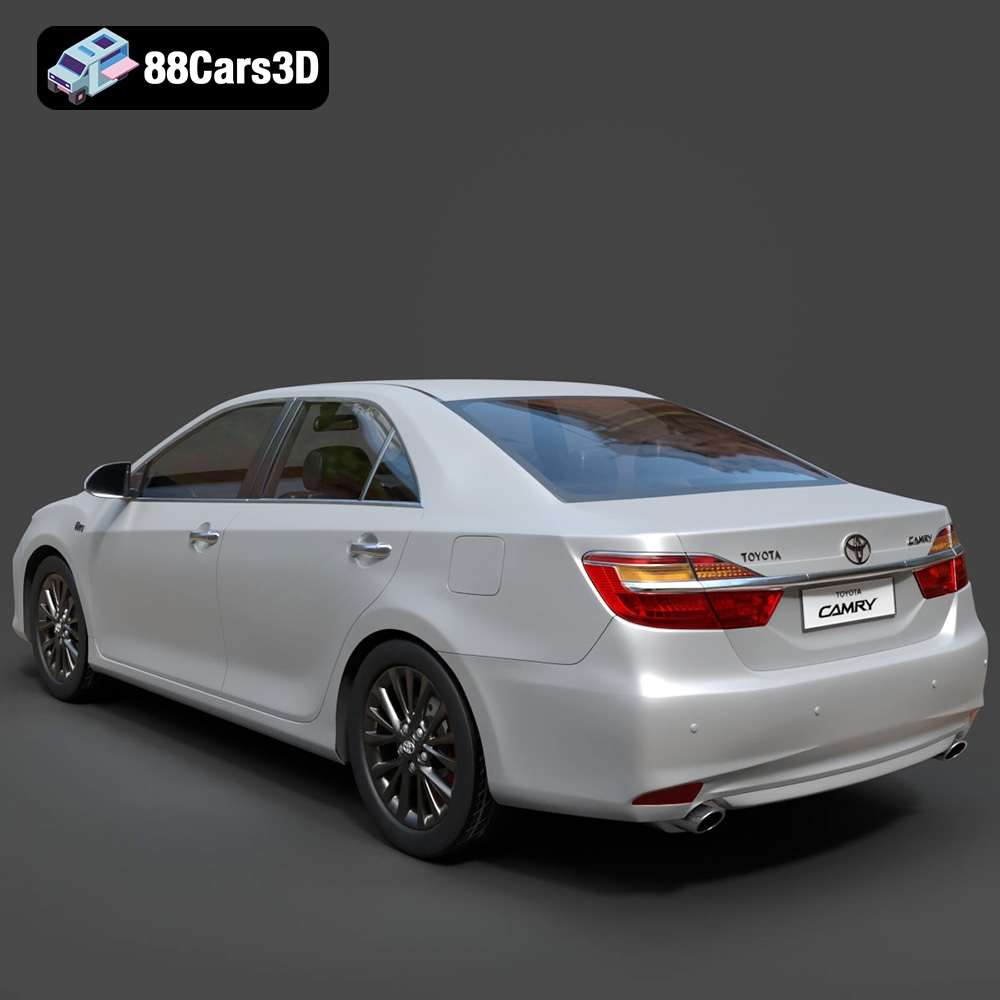
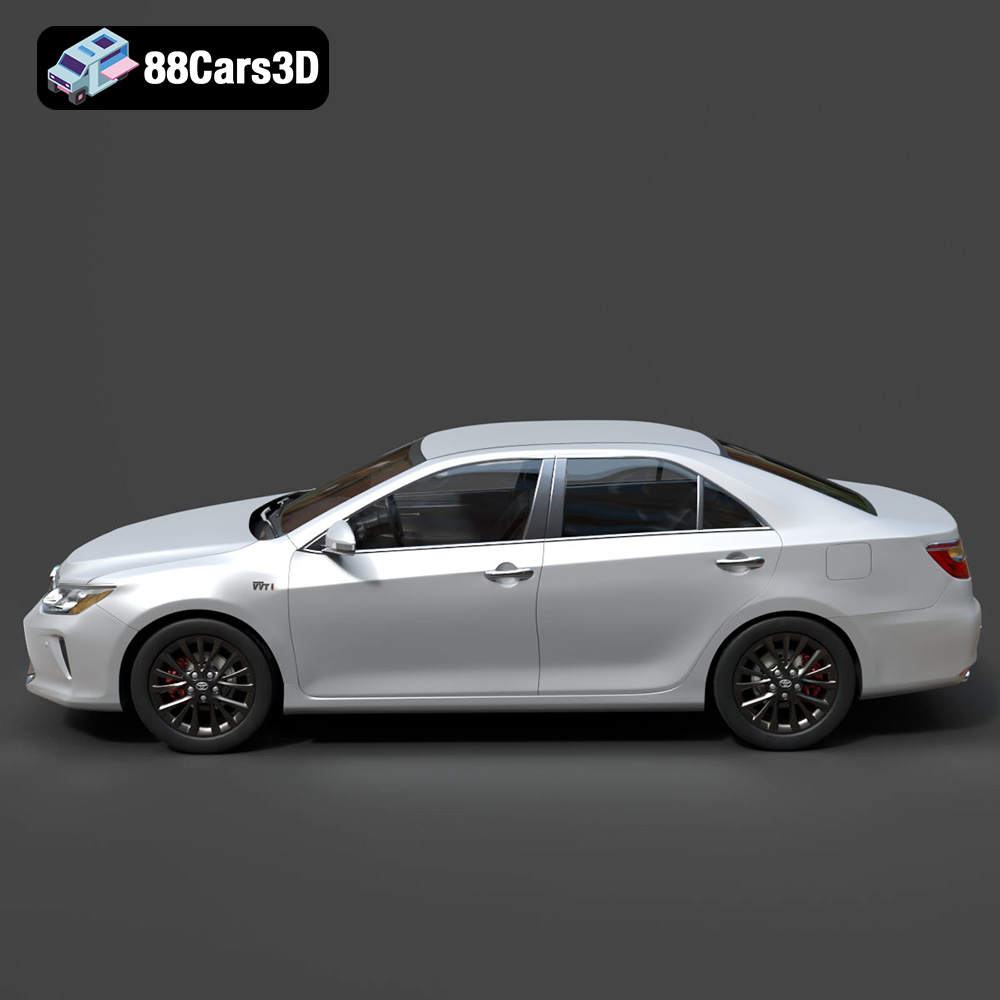
The demand for realistic, production-ready 3D car models spans industries, requiring not just aesthetic fidelity but also rigorous technical optimization. This is where specialized assets truly shine, providing a robust foundation that saves countless hours of development time. Imagine needing a reliable, instantly recognizable vehicle to populate a virtual city scene or to stand as a testament to everyday design. The Toyota Camry 2008 3D model is an excellent example of such an asset, perfectly embodying the blend of iconic design and technical readiness that modern creators seek. Its reputation for durability and widespread presence makes it an ideal candidate for various digital environments, from bustling urban traffic simulations to realistic product showcases.
The choice of file format for your 3D car model is paramount, dictating compatibility, feature retention, and overall workflow efficiency across different software and platforms. Each format serves distinct purposes, optimized for specific applications ranging from real-time game engines to high-fidelity rendering and even 3D printing. Understanding these nuances is crucial for any serious 3D artist or developer, ensuring your asset, like the versatile Toyota Camry 2008 3D model, seamlessly integrates into your project.
The .blend format is the native file type for Blender, an incredibly powerful and popular open-source 3D creation suite. When you download a .blend file, you’re getting a complete Blender scene, often including not just the geometry but also materials, textures, lighting, cameras, and even animation data. This makes it ideal for users who primarily work in Blender, offering full editability and access to all the original scene setups. For a model like the Toyota Camry 2008, a .blend file provides the ultimate flexibility for customization, allowing artists to delve into every aspect of its construction, from modifying the chassis to tweaking material shaders or adding custom animations.
.fbx (Filmbox) is a proprietary file format developed by Autodesk, serving as one of the most widely adopted interchange formats in the 3D industry. Its strength lies in its ability to store not just geometry and UV data, but also complex animation, rigging, camera, and lighting information. This makes it the go-to format for transferring assets between different 3D software packages (e.g., 3ds Max, Maya, Blender) and, crucially, for importing into real-time game engines like Unreal Engine and Unity. The .fbx version of the Toyota Camry 2008 3D model would typically come with optimized meshes, properly configured pivots for wheels and suspension, and often embedded materials, making it truly “game-ready” for immediate deployment.
The .obj (Wavefront OBJ) format is a universal, open-standard format primarily used for exchanging pure geometry data. It stores vertex positions, UV coordinates, normals, and material group information, often accompanied by a separate .mtl (Material Template Library) file for basic material properties. While it doesn’t support animation or rigging, its simplicity and widespread compatibility make it an excellent choice for static mesh exchange across virtually any 3D software. For the Toyota Camry 2008, an .obj file guarantees that the core mesh data is accessible to any 3D application, serving as a reliable fallback or a starting point for complex setups where animation isn’t a primary concern.
.glb (GL Transmission Format Binary) is a relatively newer format gaining significant traction, especially in web-based 3D, augmented reality (AR), and virtual reality (VR) applications. It’s a binary version of the glTF format, known for its efficiency and being self-contained – meaning all geometry, materials, textures, and animations are bundled into a single file. This optimization makes .glb ideal for fast loading and rendering in browsers and mobile AR/VR viewers. The .glb version of the Camry 2008 is perfect for virtual showrooms, online configurators, or integrating into mobile AR apps where performance and quick delivery are critical.
.stl (Stereolithography) is the de facto standard file format for 3D printing. It represents a 3D model as a series of connected triangles, defining only the surface geometry without color, texture, or material information. While it may not be visually appealing in a rendering context, it’s precisely what 3D printers need to interpret and build a physical object layer by layer. The inclusion of an .stl format for the Toyota Camry 2008 caters to hobbyists and professionals looking to create physical scale models or prototypes, allowing them to bring the classic sedan into the real world.
The .ply (Polygon File Format) is another mesh format, often used for storing 3D data from scanners and CAD applications. It can store a wider range of properties than .obj, including color per vertex, surface normals, and even transparency. While not as universally adopted as .fbx or .obj for general 3D art, it’s valuable for precision engineering, scientific visualization, or when dealing with highly detailed scanned data. Its inclusion for the Toyota Camry 2008 offers an additional layer of data integrity, particularly useful for technical analysis or reverse engineering tasks.
While not a traditional file extension in the same vein as .fbx or .obj, “.unreal” often signifies a 3D asset that has been specifically prepared and optimized for seamless integration into Unreal Engine. This might involve an .fbx file with specific naming conventions, scale adjustments (Unreal typically works best with 1 unit = 1cm), collision meshes, and material setups pre-configured for Unreal’s Physically Based Rendering (PBR) pipeline. An Unreal-ready Toyota Camry 2008 3D model ensures that developers can drag-and-drop the asset directly into their Unreal project with minimal setup, instantly benefiting from proper materials, lighting, and performance optimization for real-time environments.
Similar to .blend for Blender, .max is the native project file format for Autodesk 3ds Max. It encompasses the entire scene, including geometry, modifiers, materials, textures, lighting, cameras, animation, and even specific plugin data. This format provides the most comprehensive access for users of 3ds Max, allowing full artistic control and the ability to leverage all the advanced features of the software for rendering, animation, or further modification. For professional visualization studios relying on 3ds Max, the .max version of the Toyota Camry 2008 offers the highest degree of flexibility for intricate scene construction and photorealistic rendering.
Creating compelling 3D car models for real-time applications, such as video games or interactive simulations, is a delicate balance between visual fidelity and performance optimization. A model that looks stunning in a static render might bring a game engine to its knees if not properly constructed. The Toyota Camry 2008 3D model exemplifies this crucial balance, designed from the ground up to be game-ready without sacrificing detail.
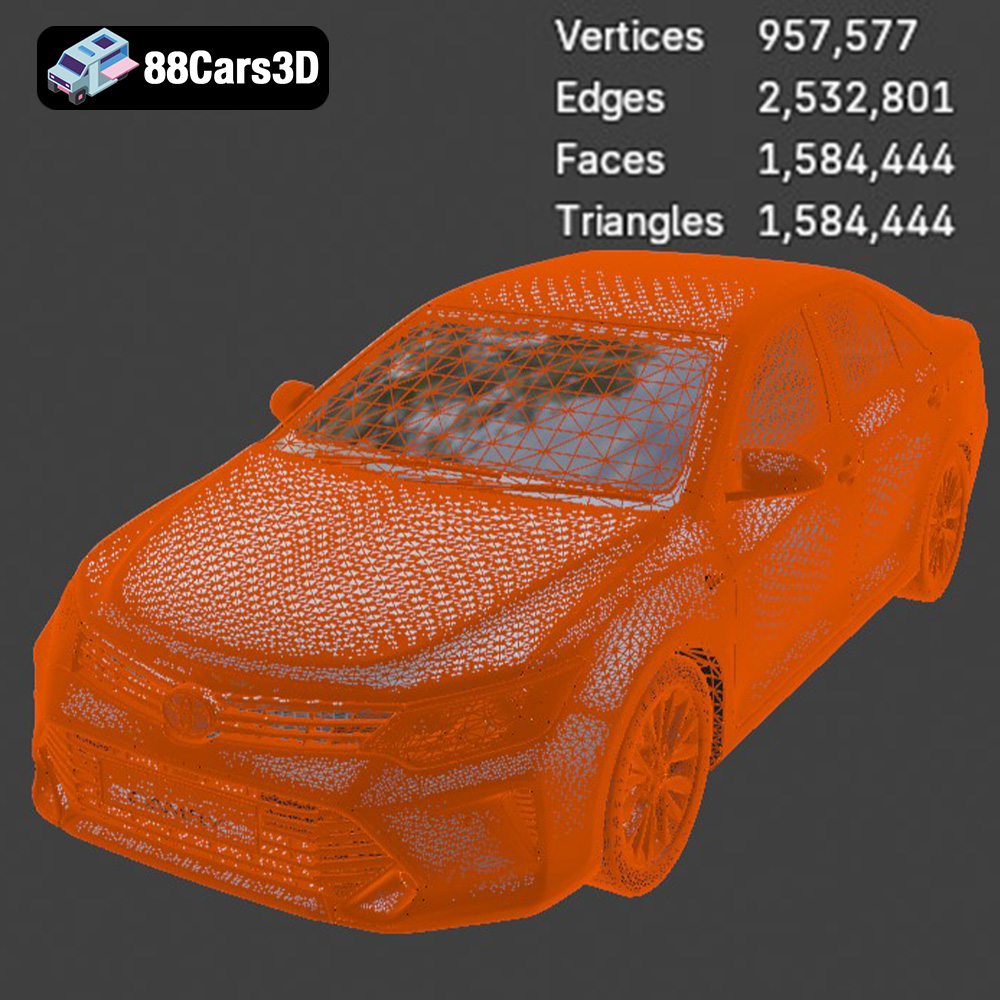
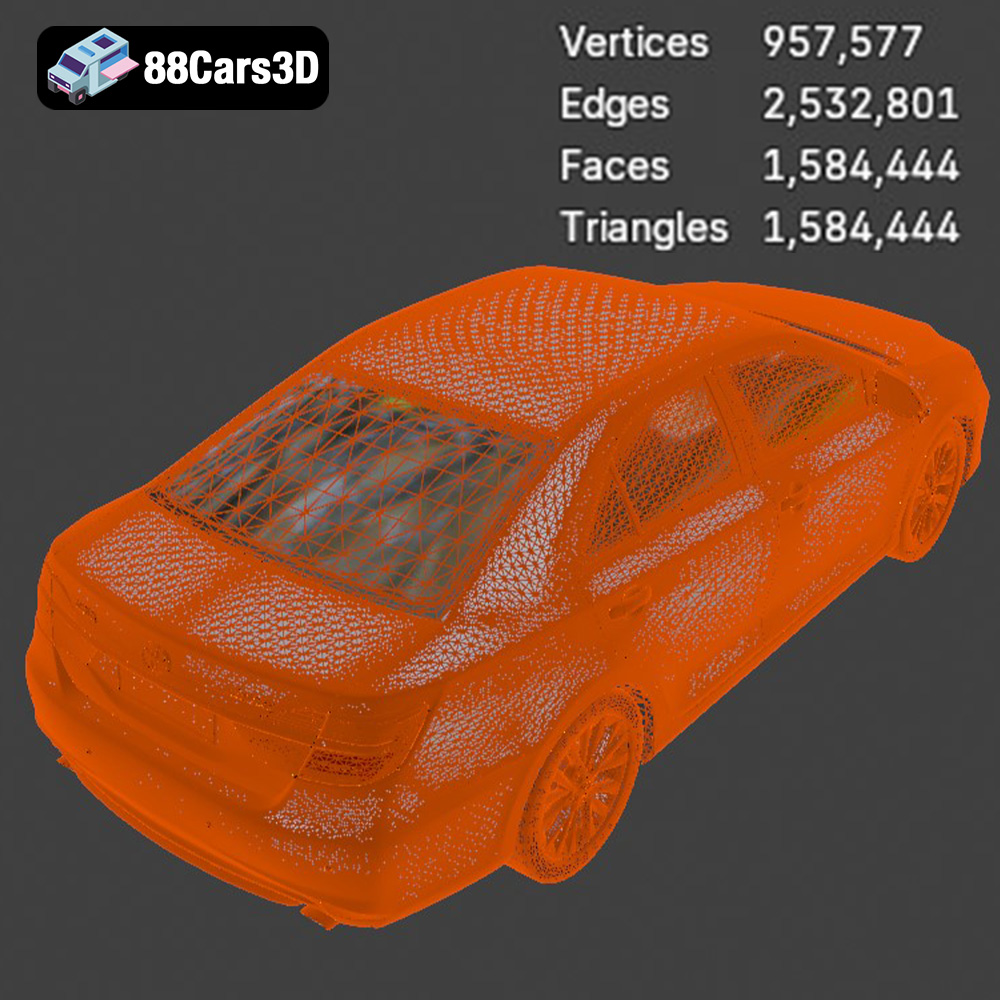
At the heart of a game-ready asset is its topology – the arrangement of vertices, edges, and faces that form the mesh. Clean, quad-based topology is preferred for deformation and subdivision, though game engines often convert everything to triangles for rendering efficiency. The target polygon count is also vital. The Toyota Camry 2008 3D model, with its approximately 120,000 triangles, hits a sweet spot. This count is substantial enough to capture the sleek aerodynamics and distinctive features of the sedan, including its detailed grille, lighting assemblies, and accurate proportions, yet remains optimized for real-time engines like Unreal and Unity. This careful optimization ensures smooth frame rates even when multiple vehicles populate a scene, making it ideal for large-scale traffic simulations or open-world game environments.
Effective UV mapping is just as critical as poly count. UVs (short for texture coordinates) dictate how 2D textures are wrapped around the 3D model. Well-laid-out UVs minimize stretching and allow for efficient texture packing, where multiple parts of a model share a single texture atlas. This reduces draw calls in a game engine, further boosting performance. A high-quality 3D car model will feature clean UVs, enabling artists to easily apply high-resolution PBR (Physically Based Rendering) textures for realistic paint, glass, rubber, and metallic finishes. The Camry model’s design caters to this, allowing for easy material adjustments, from changing body colors to match authentic factory paint codes (like Magnetic Gray or Super White) to modifying tire textures for different wear levels.
For any vehicle in a dynamic environment, proper rigging and pivot setup are indispensable. The Toyota Camry 2008 model includes separate wheels, suspension components, and steering assemblies. This modularity, combined with accurate pivot points, facilitates realistic animation of steering, wheel rotation, and suspension travel. Game developers can integrate this model into their vehicle physics systems with minimal effort, ensuring that every bump and turn feels authentic. From detailed engine bay simulations to authentic exhaust system details, the underlying structure supports complex interactive elements.
While game-ready optimization is crucial, 3D car models also play a pivotal role in high-fidelity rendering for non-real-time applications, such as architectural visualizations, cinematic animations, and product marketing. Here, the emphasis shifts slightly from absolute performance to unparalleled visual realism, though a well-optimized mesh always aids in faster render times.
In rendering, the goal is often to create images indistinguishable from photographs. This requires not only a detailed 3D model but also sophisticated material setups, realistic lighting, and advanced rendering techniques. The Toyota Camry 2008 3D model’s meticulous exterior features, including high-fidelity lighting details (projector-style headlights, distinct taillights) and accurate OEM-style alloy wheels with realistic tread patterns, provide an excellent foundation. Artists can leverage its precise geometry within renderers like V-Ray, Corona, or Cycles (in Blender) to create stunning marketing imagery, showcasing the vehicle in various environments, from a showroom floor to an urban streetscape bathed in golden hour light. The ability to adjust material finishes – matte, gloss, or metallic clear coats – further enhances customization for specific aesthetic requirements.
Architectural visualization (ArchViz) frequently uses 3D car models to breathe life and scale into proposed building designs. A scene depicting a modern office building or a suburban home feels much more grounded and realistic with vehicles populating the driveways and streets. The Camry 2008, being a ubiquitous mid-size sedan, is perfect for adding a sense of everyday realism to these scenes. Its balanced poly count means it can be instanced multiple times without overburdening rendering resources, while its detailed design ensures it holds up even in close-up shots. Imagine using it to visualize parking lot layouts, traffic flow around a new development, or simply to give a sense of scale to a grand architectural project.
For advertising and film, 3D car models are essential for creating dynamic animations or presenting a product in a compelling virtual environment. The separate, animatable components of the Camry 2008 (wheels, suspension, steering) make it incredibly versatile for cinematic sequences. From tracking shots that highlight its sleek profile to dramatic close-ups of its detailed interior, the model provides the flexibility needed for professional-grade productions. Its optimized geometry is equally beneficial for pre-rendered animations, where the focus on visual storytelling can truly shine with a well-crafted asset.
Beyond traditional rendering and game development, high-quality 3D car models are opening doors to exciting new frontiers in augmented reality, virtual reality, and even physical production through 3D printing. The Toyota Camry 2008 3D model, with its versatile file formats and optimized structure, is well-equipped for these cutting-edge applications.
Augmented Reality (AR) and Virtual Reality (VR) thrive on real-time, optimized 3D content. In VR, users can step inside a virtual showroom and explore a car from every angle, or even “drive” it in a simulation. In AR, the car can be projected onto a real-world environment, allowing potential buyers to see how a vehicle would look in their driveway. The Camry 2008, with its optimized ~120,000 triangle count, is perfectly suited for these immersive applications. Its detailed cockpit and interior features, including replicated instrument clusters and accurate steering wheel details, are specifically tailored for first-person POV in gaming and VR, providing a highly engaging experience. The inclusion of the .glb format is particularly advantageous here, as it’s designed for efficient deployment on web and mobile AR/VR platforms.
The rise of 3D printing has created an exciting bridge between digital models and physical objects. A high-quality 3D car model can be transformed into a tangible replica, ideal for hobbyists, collectors, or even prototype designers. The Toyota Camry 2008 3D model is provided in an .stl format, specifically for this purpose. The product description provides excellent guidance on print settings – recommended scales (1:18 / 1:24), layer height, infill, and crucially, support requirements for fine details like side mirrors and undercarriage. Resin printing is highly recommended for achieving the intricate details of the model, allowing for post-processing like sanding and painting with authentic factory colors, truly bringing the classic sedan to life in miniature form. This capability adds another layer of value, extending the utility of the digital asset into the physical realm.
Professional 3D workflows are diverse, encompassing a variety of software and methodologies. A versatile 3D car model, like those available on 88cars3d.com, is designed to fit seamlessly into these different pipelines, maximizing efficiency and creative potential.
For many veteran 3D artists and studios, 3ds Max remains a cornerstone for modeling, animation, and rendering. When working with the Toyota Camry 2008 3D model in 3ds Max, the native .max file format is the ideal starting point. It provides full access to the original scene setup, including materials, modifiers, and potentially pre-rigged elements. Artists can easily customize the model – perhaps adding specific aftermarket parts, modifying the interior for a unique scene, or setting up complex rendering passes with V-Ray or Corona. The clean topology of the model ensures that any further modeling or modification within 3ds Max is straightforward and produces predictable results.
Blender’s open-source nature and powerful feature set have made it a favorite among independent artists and large studios alike. The .blend file for the Toyota Camry 2008 offers a complete, editable scene directly within Blender. This allows artists to take full advantage of Blender’s robust modeling tools, Eevee for real-time rendering, or Cycles for photorealistic output. Customization options are endless: changing materials, creating unique lighting scenarios, integrating the car into larger environments, or even developing custom animations using Blender’s rigging tools. The model’s optimized geometry and proper pivot setup make it a fantastic foundation for any Blender-based project, whether it’s a personal art piece or a client visualization.
Unreal Engine is at the forefront of real-time rendering and game development, demanding assets that are not just visually appealing but also highly optimized for performance. The “.unreal” ready asset (typically an FBX prepped for Unreal) of the Toyota Camry 2008 is specifically tailored for this environment. Importing the asset into Unreal Engine should be a smooth process, with materials and textures often set up for Unreal’s PBR workflow. Developers can leverage the separate, animatable components to integrate the Camry into vehicle physics systems, allowing for realistic driving mechanics. Its ~120,000 triangle count is ideal for populating urban environments or creating interactive experiences, ensuring optimal frame rates and a high level of detail for a mid-tier game asset. The emphasis on game-ready optimization means less time spent on tweaking and more time on creating immersive worlds.
Selecting the appropriate 3D car model is a critical decision that impacts the quality, performance, and ultimate success of your digital project. Considerations go beyond just aesthetic appeal to include technical specifications, file format availability, and overall versatility. When you’re looking for a reliable source, platforms like 88cars3d.com offer curated selections designed to meet professional standards.
Always scrutinize a model’s technical specifications. A model like the Toyota Camry 2008, which clearly states its triangle count (~120,000 triangles), offers transparency about its optimization level. This is crucial for game developers who need to manage polygon budgets. Similarly, knowing about proper pivot setups for animation and real-world scale accuracy ensures that the model integrates correctly into your scene without needing tedious adjustments. Detailed descriptions of exterior and interior features, along with customization options, provide insight into the model’s fidelity and flexibility.
Think about your primary use case. Is it for game development, AR/VR, architectural visualization, or 3D printing? A truly versatile model, such as the Toyota Camry 2008, provides multiple file formats (.blend, .fbx, .obj, .glb, .stl, .ply, .unreal, .max) to cater to these diverse needs. This eliminates the need for complex conversions or compromise, ensuring you have the right version for the right job. For example, the .glb format is a clear indicator of AR/VR readiness, while .stl signifies suitability for 3D printing.
Ultimately, investing in a comprehensively designed 3D car model saves valuable time and resources. Rather than building a vehicle from scratch or struggling with poorly optimized assets, a professionally crafted model provides a solid foundation. The Toyota Camry 2008 3D model from 88cars3d.com stands as a prime example of such a comprehensive asset, offering a balance of historical significance, visual accuracy, and technical optimization across a broad spectrum of professional applications. It’s a testament to how a well-executed 3D model can become an indispensable tool in any digital creator’s arsenal, ready for immediate deployment in rendering, games, or interactive experiences.
The landscape of 3D content creation is dynamic and demanding, requiring assets that are not only visually striking but also technically robust and versatile. From populating vast open-world games and enriching architectural visualizations to creating immersive AR/VR experiences and even producing physical replicas through 3D printing, the right 3D car model is a cornerstone of success. Understanding the nuances of file formats, optimization techniques, and integration workflows is crucial for any creative professional.
The Toyota Camry 2008 3D model serves as an exceptional case study in this regard. Its optimized ~120,000 triangle count, meticulous detailing of both exterior and interior, and comprehensive array of included file formats (.blend, .fbx, .obj, .glb, .stl, .ply, .unreal, .max) make it an incredibly adaptable asset. Whether you’re working in 3ds Max, Blender, or Unreal Engine, this model is engineered to integrate seamlessly, offering maximum flexibility for customization and application. It exemplifies the type of production-ready asset that empowers artists and developers to bring their visions to life with efficiency and fidelity.
For those seeking high-quality 3D car models that truly deliver on their technical promises and creative potential, resources like 88cars3d.com are invaluable. They provide a curated selection of assets, ensuring that your next project benefits from precision, performance, and unparalleled detail. Investing in such models is investing in the future of your digital creations, allowing you to focus on innovation rather than asset creation from the ground up.
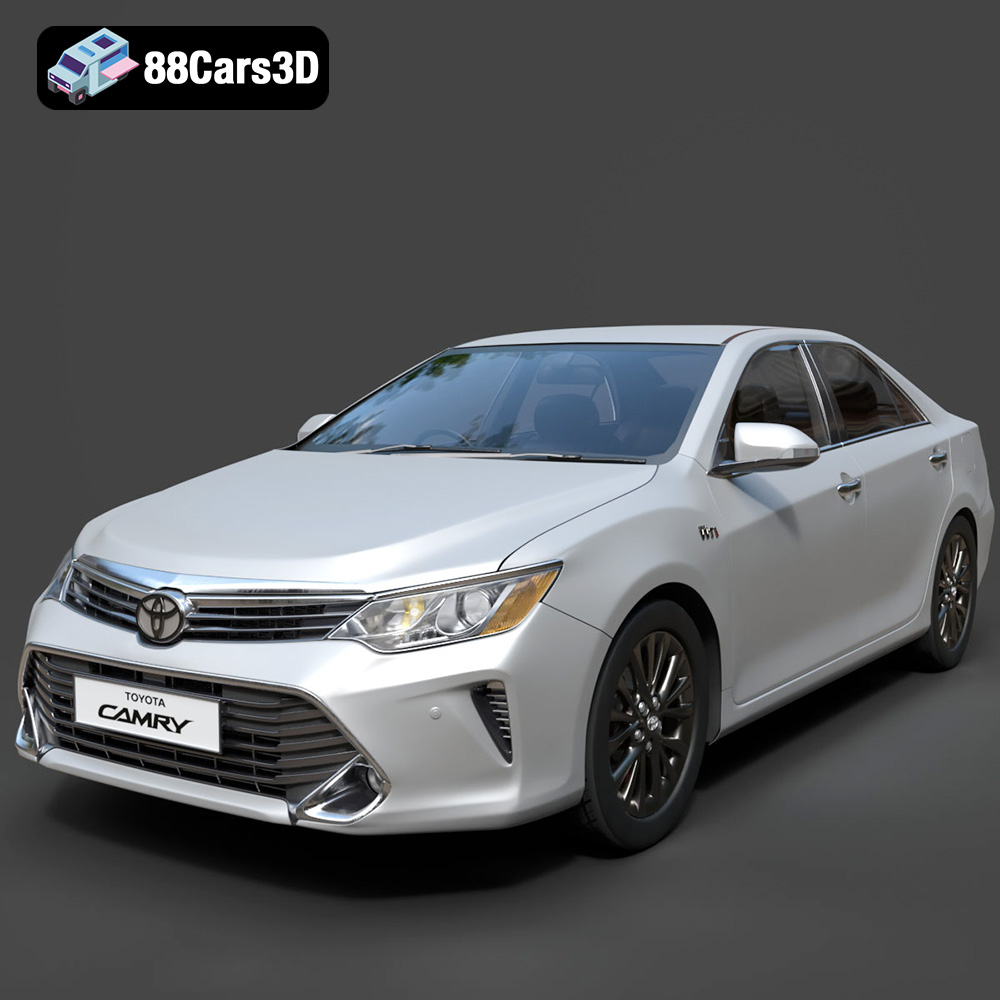
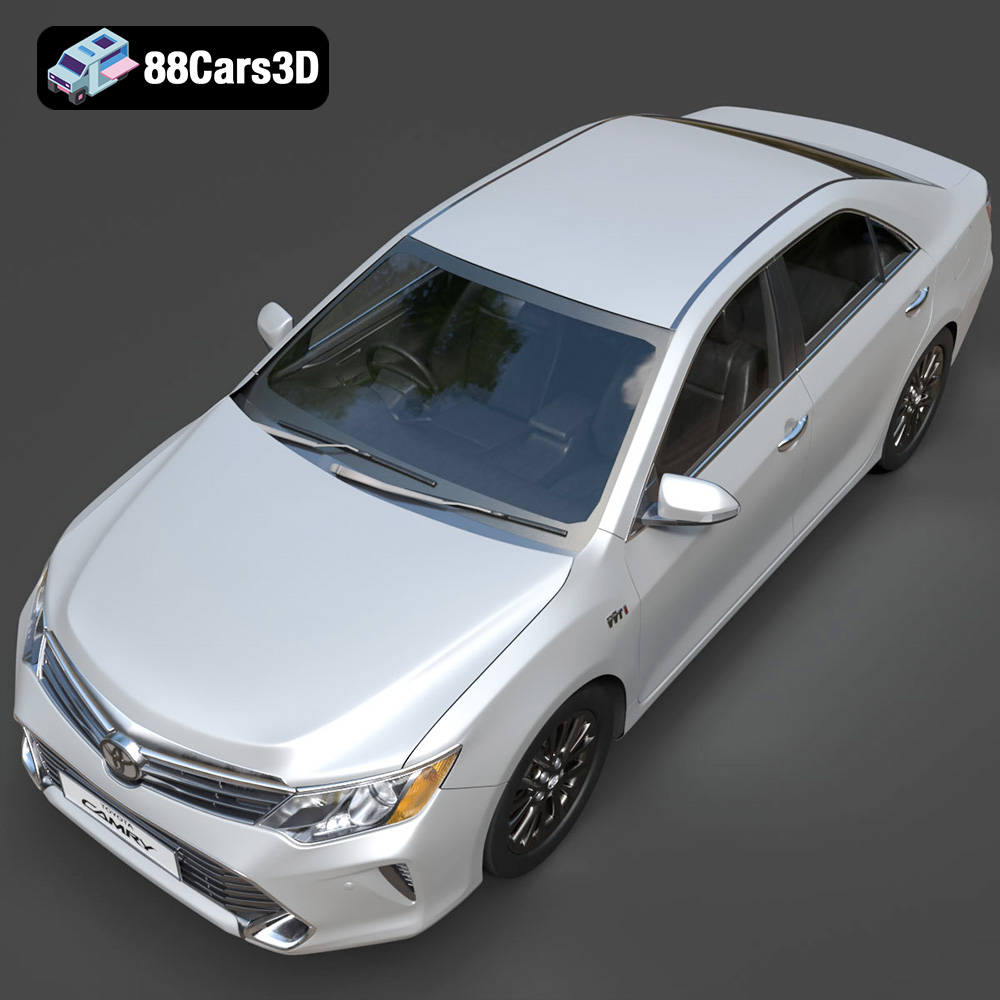
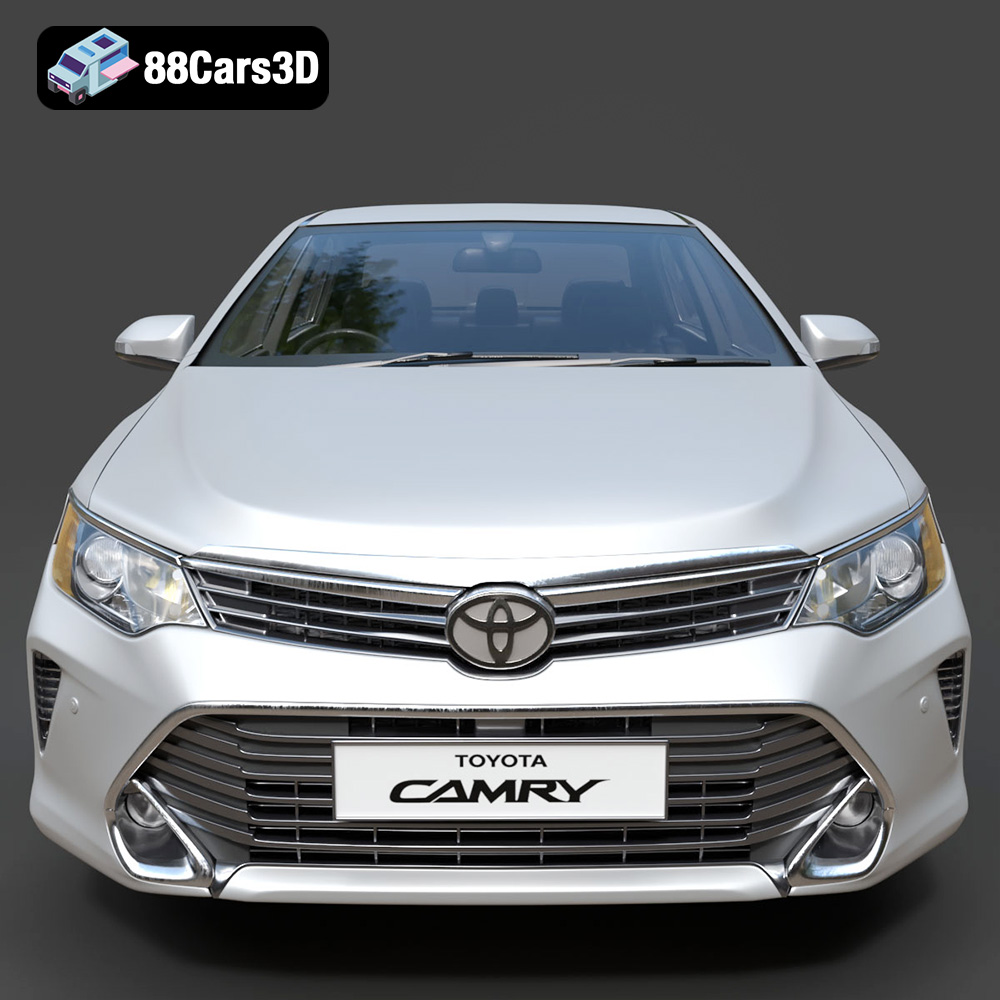
Experience the reliability and classic design of the Toyota Camry 2008 with this premium 3D model. Known globally for its legendary durability, comfortable ride, and status as a defining mid-size sedan, this generation of the Camry features a sleek aerodynamic profile, a distinctive front grille, and well-proportioned lines. The model perfectly captures its iconic contemporary styling, showcasing true-to-life details including its standard alloy wheels, lighting assemblies, and signature exhaust configuration.
$19.99
.blend
.fbx
.glb
.max
.obj
.ply
.rendering
.sedan
.stl
.toyota
.unreal
camry-2008
car-3d-model
family-car
game asset
game-ready
low-poly
mid-size-car
optimized
VR/AR