Get 20% OFF All Premium 3D & STL Models!

The automotive industry has always been at the forefront of design and engineering innovation. Today, much of that innovation begins not on the drafting board, but within the intricate digital canvas of 3D modeling software. From concept visualization to cinematic advertisements, and from immersive virtual showrooms to high-octane racing games, high-fidelity 3D car models are the bedrock of modern digital content creation. These assets empower artists, developers, and engineers to explore, refine, and present automotive concepts with unparalleled realism and efficiency.
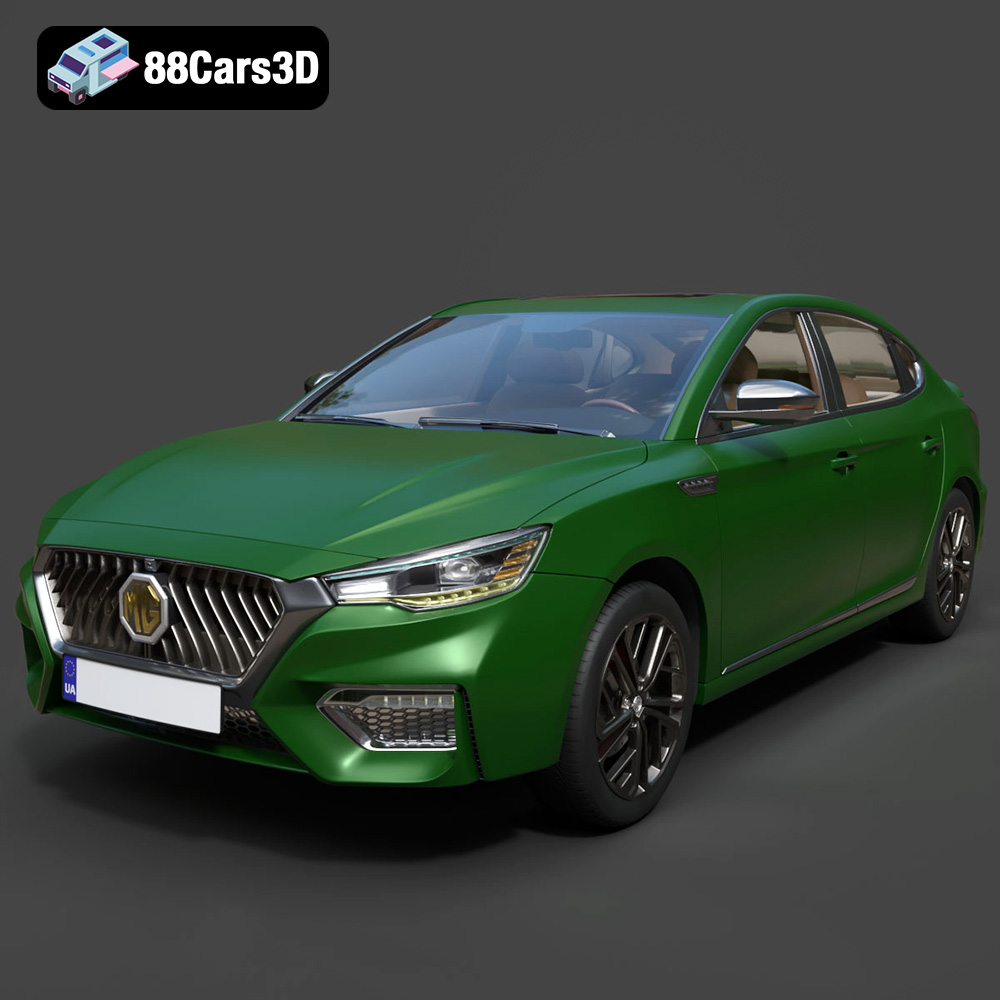
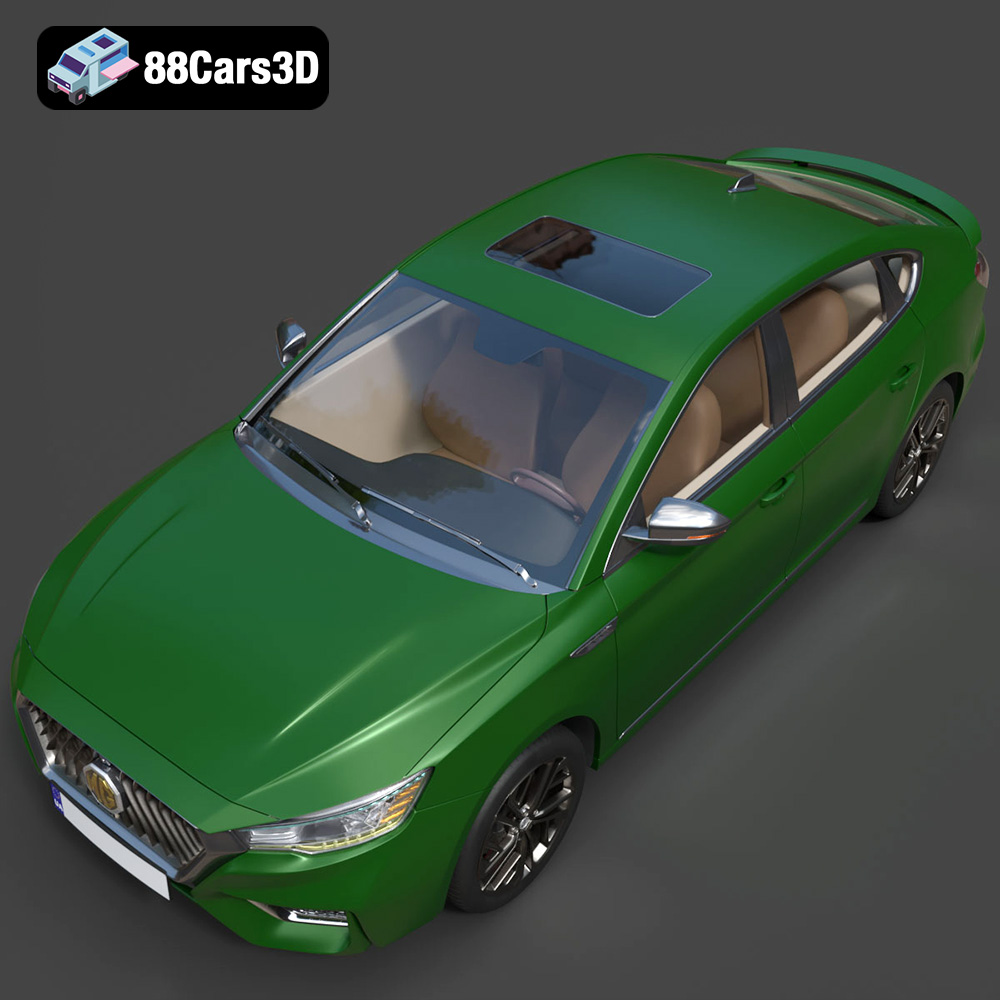
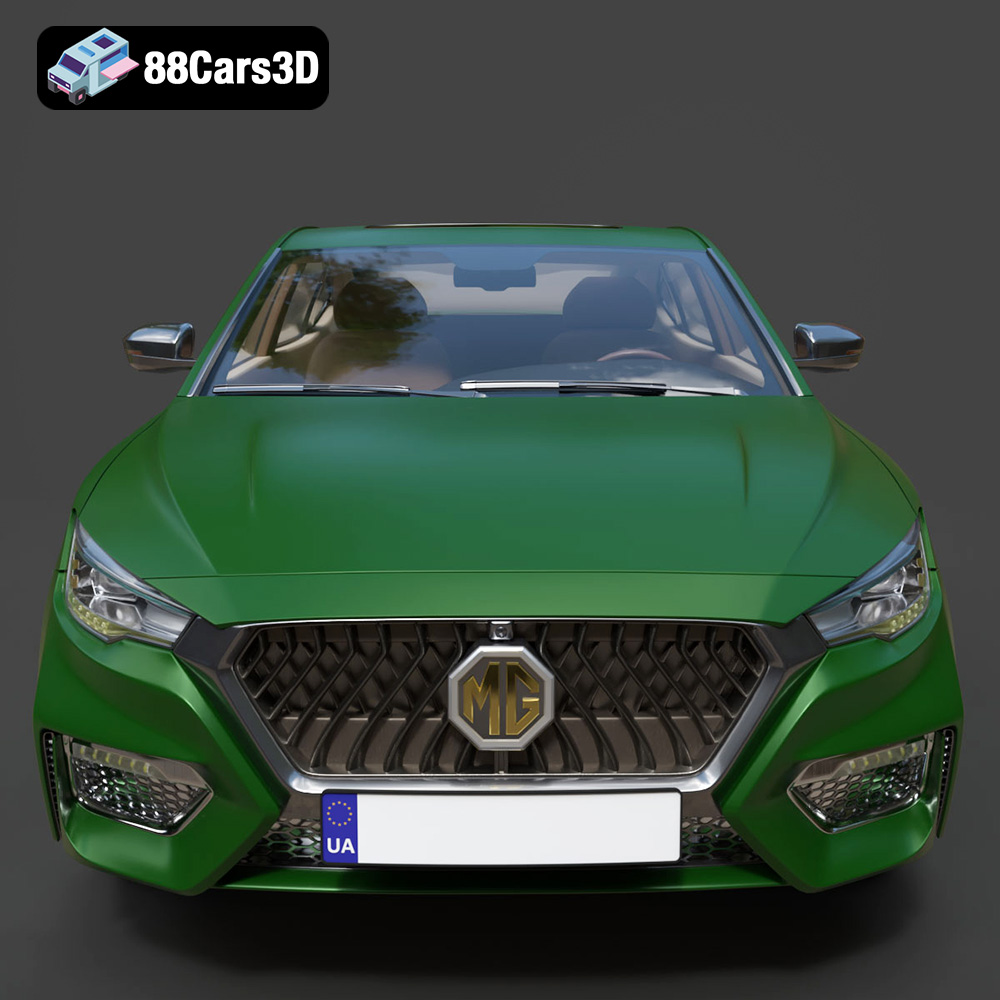
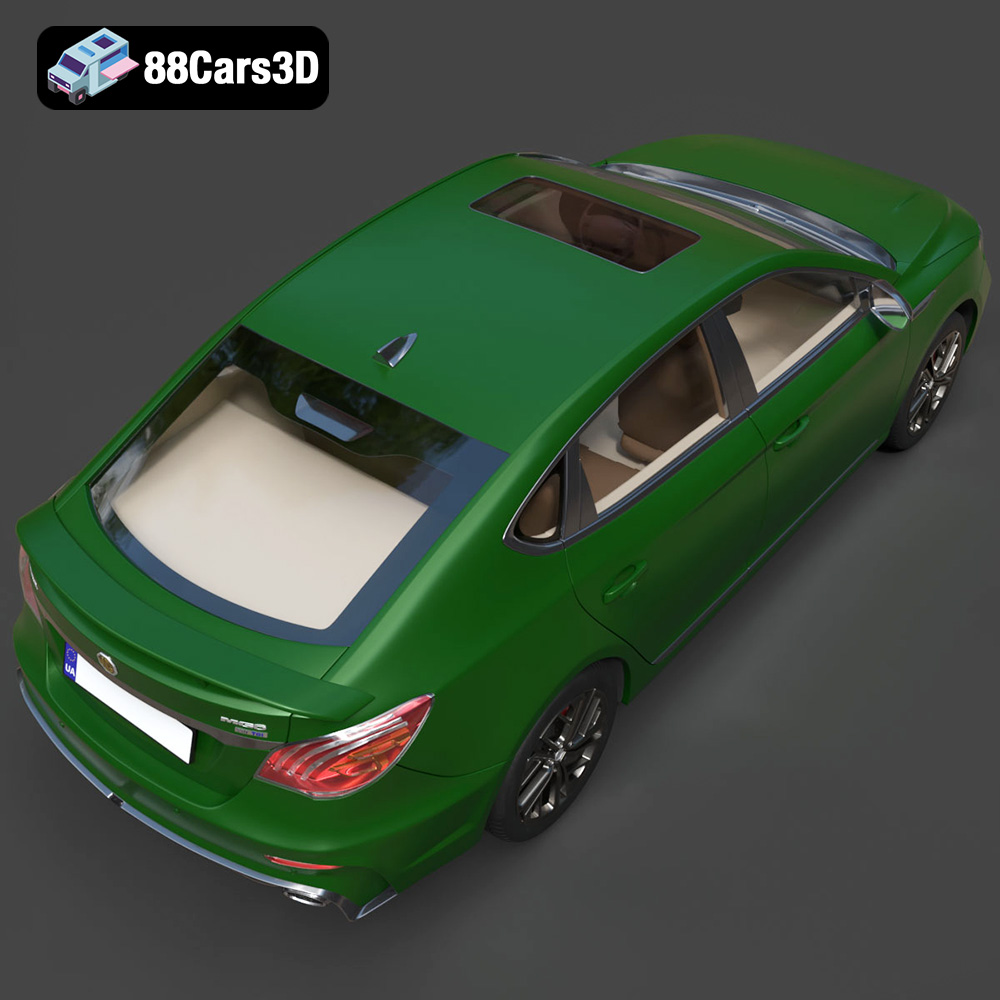
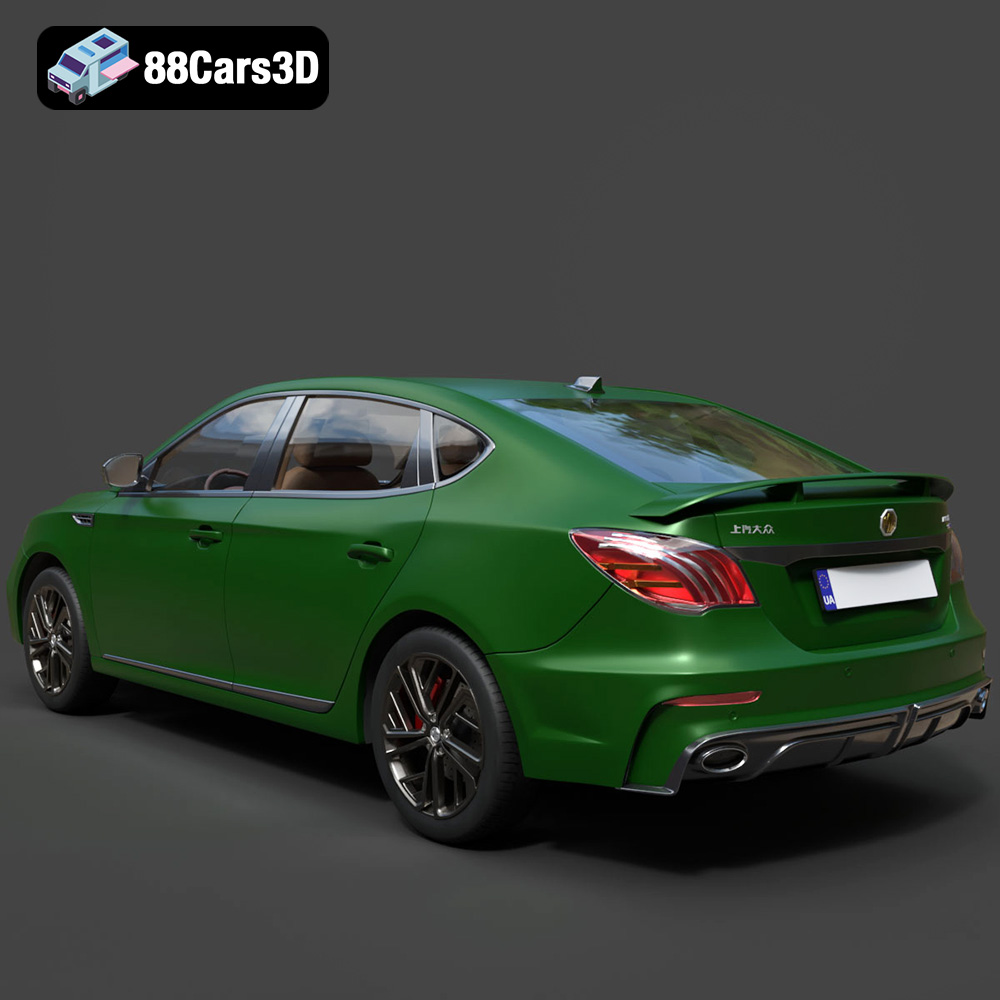
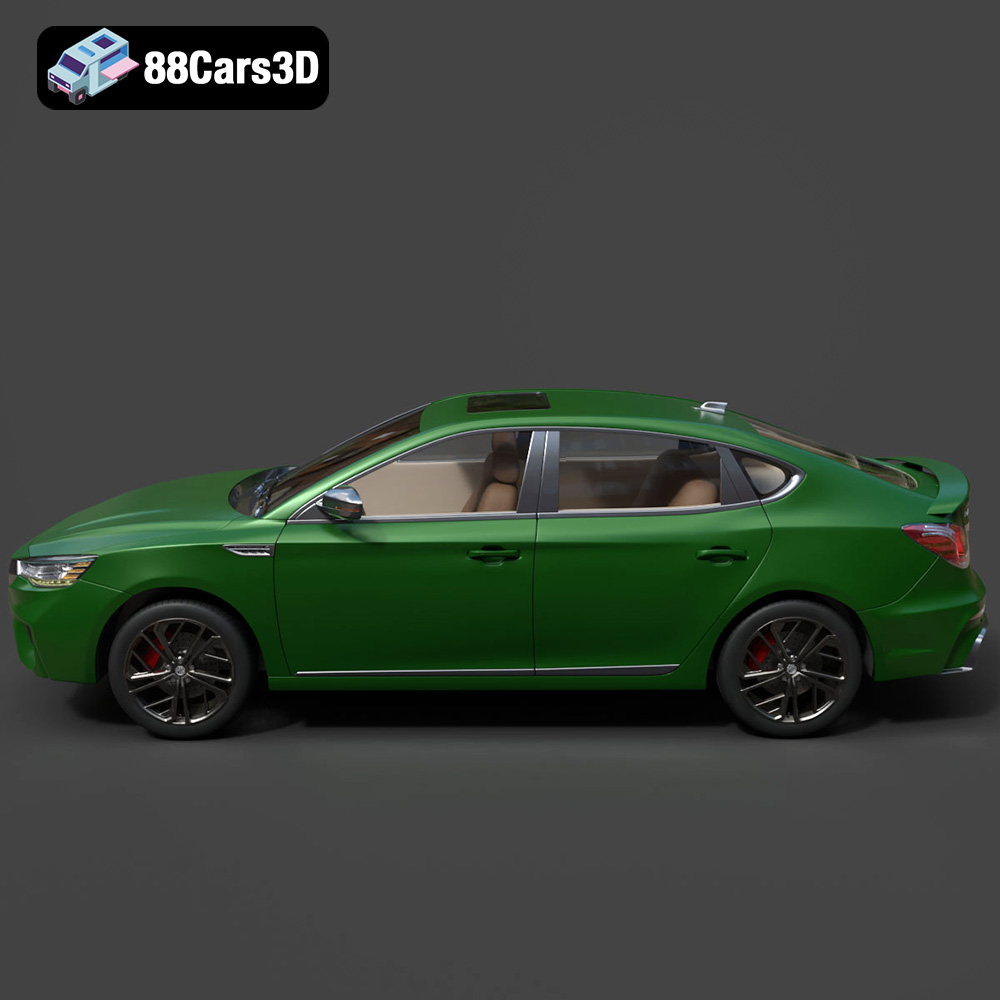
Imagine bringing a vision to life, capturing every subtle curve and aggressive stance of a modern vehicle before a single physical prototype is built. This is where premium 3D assets truly shine. Consider the sleek and sporty MG 6 2021 fastback sedan, a vehicle that masterfully blends British heritage with contemporary aesthetics. Its striking signature front grille, sharp LED headlamps, and aerodynamic silhouette make it a standout. For professionals seeking to integrate such a distinctive vehicle into their projects, a meticulously crafted 3D model is indispensable. The MG 6 2021 3D model, available on 88cars3d.com, is an exemplary asset, offering detailed geometry, optimized performance, and a comprehensive suite of file formats to meet the diverse demands of today’s creative workflows. It’s more than just a model; it’s a versatile tool ready for rendering, game development, AR/VR experiences, and even 3D printing.
In the complex world of 3D content creation, selecting the correct file format is crucial for workflow efficiency, software compatibility, and achieving desired project outcomes. A high-quality 3D asset, such as the MG 6 2021 3D model, comes equipped with a variety of formats to ensure maximum versatility across different applications and pipelines. Understanding the nuances of each is essential for professionals.
The `.blend` format is native to Blender, one of the most powerful and widely adopted open-source 3D creation suites. When you download a `.blend` file, you’re not just getting the mesh; you’re often getting a complete Blender scene. This includes the model’s geometry, all materials and textures, lighting setups, camera positions, animation data, and even modifiers or rigging information. For the MG 6 2021 3D model, the `.blend` file offers a fully editable project, making it ideal for artists who primarily work in Blender and require deep customization, animation rigging, or extensive material tweaking. It allows direct access to the model’s construction, enabling users to easily change body paint colors, modify tire textures, or adapt material finishes as needed within Blender’s ecosystem.
The Filmbox (.fbx) format is an industry-standard proprietary file format owned by Autodesk, renowned for its excellent interoperability between various 3D applications. Its strength lies in its ability to store not only model geometry but also animation, cameras, lights, and material assignments in a robust, hierarchical structure. For game developers working with engines like Unreal Engine and Unity, `.fbx` is the go-to format for importing complex assets such as the MG 6 2021. It efficiently transfers detailed models, ensuring that pivot points for steering, wheel rotation, and suspension travel are accurately maintained, which is critical for realistic vehicle physics and animation in game development.
The Wavefront OBJ (.obj) format is one of the oldest and most universally supported 3D file formats. It’s a simple, text-based format primarily used to store 3D geometry – vertices, UVs, normals, and faces. While it doesn’t natively support advanced features like animation or scene data, it’s incredibly reliable for mesh exchange between different 3D software applications that might not share common proprietary formats. Materials are typically defined in a separate `.mtl` (Material Template Library) file, which references texture maps. For the MG 6 2021 model, the `.obj` variant serves as a robust fallback for artists using less common software or simply needing a clean mesh to start from.
The GL Transmission Format (.glb) is a binary file format representation of glTF (GL Transmission Format), designed for efficient transmission and loading of 3D scenes and models by engines and applications. It packages all assets (geometry, textures, materials, animations) into a single, compact file, making it incredibly popular for web-based 3D, augmented reality (AR), virtual reality (VR), and mobile applications. Its optimization for real-time rendering means the MG 6 2021 in `.glb` format is perfect for immersive virtual showrooms, configurators, or integrating into browser-based 3D viewers with minimal overhead.
Stereolithography (.stl) is a de facto standard file format for 3D printing and computer-aided manufacturing (CAM). It represents a 3D model as a series of connected triangles, defining only the surface geometry without any color, texture, or material information. While simplistic, its ubiquity in 3D printing makes it indispensable. The MG 6 2021 3D model includes an `.stl` version, allowing enthusiasts and professionals to bring the digital car into the physical world. With recommended print settings for scale, layer height, infill, and support structures, users can produce high-quality physical models.
The Polygon File Format (.ply) is another format used to store 3D data, particularly from 3D scanners. It can store a variety of properties including color, transparency, surface normals, and texture coordinates. While less common than OBJ for general exchange, it’s often preferred in scientific and engineering applications, CAD software, or for detailed mesh analysis due to its flexibility in storing data points and polygon information. For high-precision requirements, the MG 6 2021 in `.ply` offers an alternative to `.obj` for certain workflows.
While not a standard generic file extension, an “.unreal” file typically refers to an asset package specifically prepared for Unreal Engine. This could be a `.uasset` file or a pre-packaged project segment. It implies that the model has already undergone crucial steps like material setup, collision mesh generation, LOD (Level of Detail) implementation, and potentially even blueprinting for immediate use within an Unreal Engine project. For game developers leveraging the MG 6 2021, an “unreal” package signifies a ready-to-deploy asset, saving significant import and configuration time within the engine.
Similar to `.blend` for Blender, the `.max` format is the native file type for Autodesk 3ds Max, a leading software for 3D modeling, animation, rendering, and visualization. A `.max` file contains a complete 3ds Max scene, including geometry, materials, textures, lighting, cameras, animation, and any scene-specific settings. For users deeply integrated into the Autodesk ecosystem, the MG 6 2021 in `.max` format provides an entirely editable and robust project file, ready for complex architectural visualizations, cinematic animations, or advanced rendering setups, granting full control over every aspect of the model within 3ds Max.
Having the MG 6 2021 3D model available in this comprehensive array of formats ensures that regardless of your preferred software, project type, or final output, you have the right tool for the job. This foresight in asset provision is a hallmark of quality found on marketplaces like 88cars3d.com.
Automotive rendering is an art form, demanding meticulous attention to detail to achieve photorealism. High-fidelity 3D car models are the canvas upon which this art is created, providing the intricate geometry and material definition necessary for stunning visual output. The MG 6 2021 3D model exemplifies this, offering a robust foundation for various rendering applications.
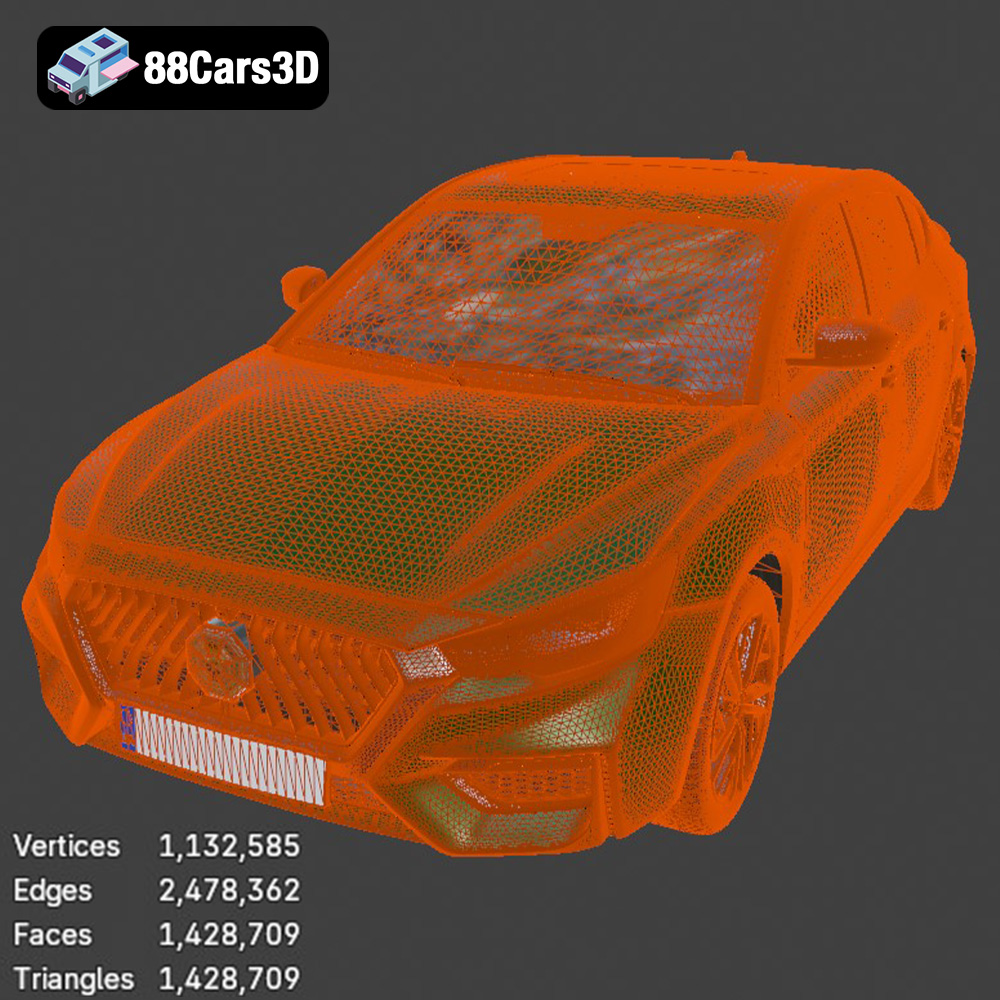
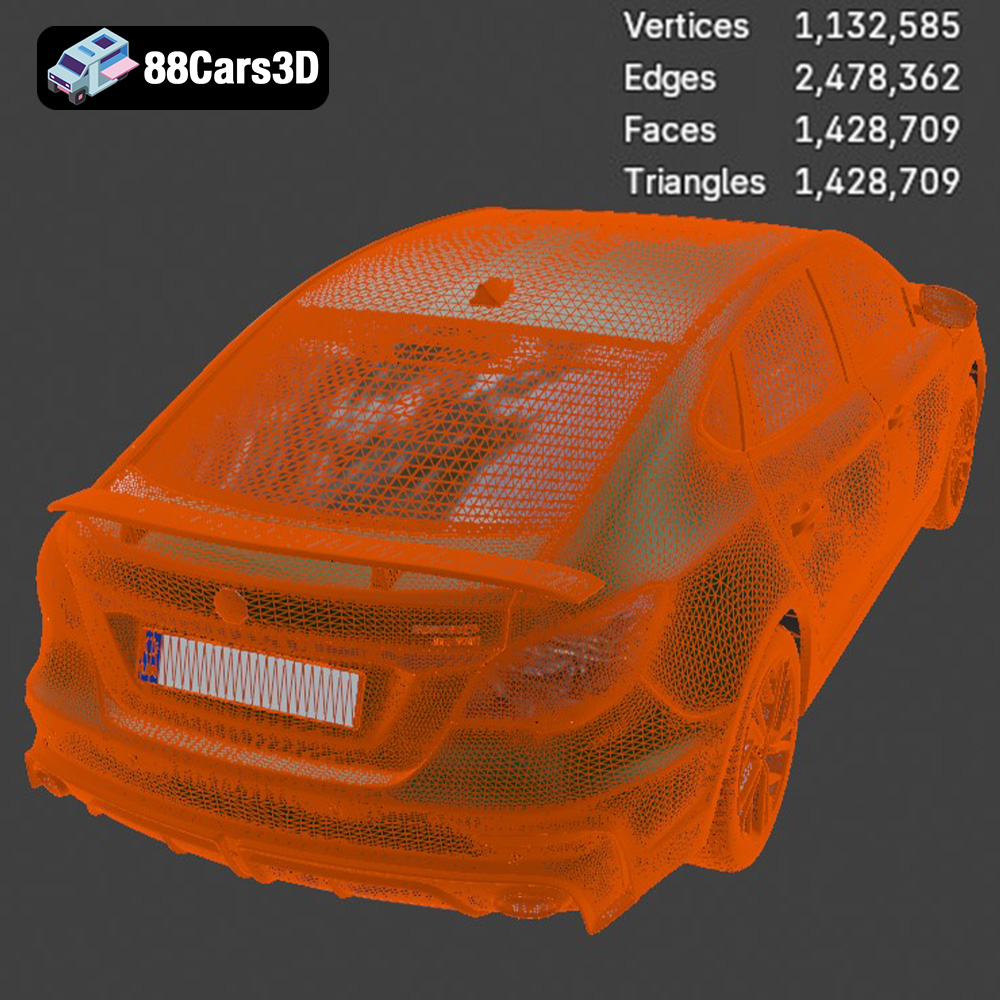
The pursuit of realism in automotive rendering hinges on two critical factors: geometry and materials. The MG 6 2021 3D model boasts a detailed geometry with a triangle count of 1,428,709. This figure strikes an excellent balance, providing enough detail for crisp reflections and smooth surface transitions crucial for close-up renders, without being overly burdensome for modern rendering engines. Every subtle curve, sharp crease, and aerodynamic proportion of the real vehicle is captured, from the signature sport grille to the aggressive dual exhaust outlets and intricate multi-spoke alloy wheels.
For materials, physically based rendering (PBR) workflows are standard. This involves meticulously crafted textures for diffuse, roughness, metallic, normal, and displacement maps. The MG 6 model is built to support these, allowing artists to accurately simulate the interplay of light with painted surfaces, chrome accents, glass, and rubber. For instance, creating a deep, wet look for the body paint or a subtle brushed metallic finish for interior trims requires precise material definitions and high-resolution UV mapping, which this model supports, enabling customization of paint colors, material finishes (matte, gloss, metallic), and even tire textures.
Successful automotive renders often rely on sophisticated lighting setups. In 3ds Max or Blender, artists utilize a combination of HDRI (High Dynamic Range Image) environment maps for realistic global illumination and strategically placed area lights to highlight specific contours. For example, a common workflow involves using a high-quality studio HDRI to provide a realistic base lighting and reflection environment, then adding focused area lights to emphasize the car’s shoulder lines or the sharp edges of the LED headlamps.
Case studies in automotive advertising frequently showcase vehicles in idealized environments. An architectural visualization project might place the MG 6 2021 in front of a modern building, requiring the car’s materials to reflect the surroundings accurately. The model’s clean topology and accurate proportions ensure seamless integration into such scenes, allowing the vehicle to feel genuinely present rather than simply composited. Its detailed brake calipers and suspension components also add a layer of realism visible even in subtle reflections, enhancing the overall believability of the render.
Once the raw render passes are complete, post-production is where the magic truly happens, elevating a good render to a cinematic masterpiece. Using software like Photoshop or After Effects, artists perform color grading, adjust contrast, add subtle lens flares, and introduce depth of field or motion blur. For the MG 6 2021, showcasing its fastback profile, a touch of subtle motion blur on the wheels and background can imply speed and dynamism. Compositing various render layers—such as reflections, shadows, and ambient occlusion—provides granular control over the final image, ensuring that the MG 6 appears vibrant, dramatic, and captivating for any brand campaign or lifestyle scene.
The demand for realistic vehicles in game development, AR/VR, and other real-time interactive experiences has never been higher. High-quality 3D car models like the MG 6 2021 are essential game assets, providing the visual fidelity users expect while adhering to the strict performance requirements of real-time engines.
The challenge in real-time applications is to balance visual fidelity with performance. The MG 6 2021 3D model achieves this balance with its 1,428,709 triangles. This polycount is optimal for real-time engines like Unreal and Unity, offering high-end visual realism suitable for close-up shots and detailed environments, yet remaining manageable enough to be part of an open-world game or a high-performance racing title.
Beyond raw polycount, “game-ready” optimization includes several critical aspects. Proper UV unwrapping ensures efficient texture mapping, while the creation of Level of Detail (LOD) models (lower poly versions of the asset for when it’s further from the camera) is crucial for maintaining framerates in complex scenes. Although not explicitly detailed in the product description, a truly game-ready asset often comes with pre-generated LODs or is structured in a way that makes LOD generation straightforward. The MG 6 model’s specified triangle count implies it’s suitable as a primary, high-detail vehicle model.
Integrating the MG 6 2021 3D model into a game engine like Unreal Engine typically begins with importing the .fbx or the provided .unreal asset package. The .fbx format is excellent for preserving the model’s hierarchy, which is vital for animating separate components like wheels, suspension, and steering. The model’s technical specifications confirm proper pivot setup for these elements, simplifying the rigging and animation process within the engine.
Once imported, artists define PBR materials within Unreal Engine’s material editor, assigning the appropriate base color, metallic, roughness, and normal maps. Collision meshes are then generated or imported to ensure realistic physical interactions within the game world. For a car, this involves both simple box colliders for general interaction and more complex shape colliders for accurate wheel-ground contact. The MG 6’s optimized geometry for first-person POV in gaming also suggests consideration for interior detail, allowing for an immersive in-car experience within racing simulators or open-world adventures.
The rise of augmented reality (AR) and virtual reality (VR) has opened new avenues for showcasing automotive designs. Virtual dealerships, car configurators, and mobile AR experiences benefit immensely from high-quality 3D car models. The MG 6 2021, with its detailed geometry and included .glb format, is perfectly suited for these applications.
In a virtual showroom, users can walk around the MG 6, open doors, or even customize its paint color and interior trim in real-time. The optimized `.glb` format ensures fast loading times and smooth performance on various devices, from high-end VR headsets to mobile phones. This allows potential customers to engage with the vehicle in a dynamic, immersive way, bridging the gap between digital representation and real-world perception, providing a powerful tool for marketing and sales.
While the primary use of 3D car models is often digital visualization, their utility extends far beyond the screen. With advancements in additive manufacturing, these digital assets can be transformed into tangible objects, offering new possibilities for prototyping, display, and hobbyist creation. The MG 6 2021 3D model embraces this versatility with its dedicated .stl format and detailed 3D printing guidelines.
The inclusion of an .stl file for the MG 6 2021 3D model means it’s ready for 3D printing. This format simplifies the complex digital geometry into a series of triangles, a language universally understood by 3D printers. For enthusiasts and model makers, this offers an exciting opportunity to produce physical replicas of the MG 6 at various scales.
The provided 3D print settings are crucial for a successful print. Recommending scales like 1:12, 1:18, or 1:24 helps users choose an appropriate size for their printer and desired detail level. A layer height of 0.04–0.12 mm is suggested, with a strong recommendation for resin printing for fine details. This is vital because resin (SLA/DLP) printers can achieve significantly higher resolution and smoother surfaces compared to filament (FDM) printers, which is critical for capturing the subtle curves, sharp edges of the bodywork, and intricate details of the wheels and grille of the MG 6.
Other critical settings include wall thickness (1.2–2.0 mm) for structural integrity, infill (20–30%) for balancing strength and material usage, and explicit guidance on supports. Detailed parts like exhaust outlets, side mirrors, and aero elements will undoubtedly require supports. Moreover, the advice on print orientation – chassis angled for structural integrity and wheels printed separately – demonstrates a practical understanding of 3D printing best practices, minimizing warping and maximizing detail preservation.
Beyond hobbyist display, 3D printing from models like the MG 6 can serve professional prototyping needs. Automotive designers and engineers can quickly iterate on exterior styling elements or even create scale models for wind tunnel testing (though typically with specific engineering meshes). For industrial design, a 3D print provides a tactile reference, allowing for physical evaluation of proportions and aesthetics in a way that a screen image cannot fully replicate.
The ability to print distinct components, such as separating the wheels from the chassis, further enhances prototyping capabilities, allowing for functional testing or separate painting and assembly processes typical of high-end scale models.
While 3D printing offers immense possibilities, it comes with its own set of challenges. Mesh integrity is paramount; watertight meshes without intersecting geometry are essential for a clean print. The quality of the MG 6 2021 model, optimized for various digital applications, suggests a clean topology that should translate well to printing. Post-processing is also a significant step: sanding, priming, and applying authentic factory colors with metallic finishes will transform a raw 3D print into a polished, display-ready model. This fusion of digital accuracy and physical craftsmanship highlights the comprehensive utility of high-quality 3D car models from resources like 88cars3d.com.
In the fast-paced world of 3D production, efficiency and flexibility are key. A premium 3D asset should not only be high-fidelity but also seamlessly integrate into diverse workflows and offer extensive customization options. The MG 6 2021 3D model excels in these areas, making it an invaluable asset for any professional.
The strength of a truly versatile 3D model lies in its broad software compatibility. The MG 6 2021 3D model’s availability in multiple industry-standard formats—including .blend, .fbx, .obj, .glb, .stl, .ply, .unreal, and .max—is a testament to this principle. This comprehensive selection ensures that whether your pipeline is centered around Blender, 3ds Max, Unreal Engine, Unity, or even specialized CAD software, the model can be imported and utilized with minimal friction.
For instance, an architectural visualization studio primarily using 3ds Max will find the native .max file immediately usable, preserving scene hierarchy and material assignments. A game development studio focused on Unreal Engine can leverage the .fbx or the provided .unreal asset, streamlining the integration process for a game-ready vehicle. This broad compatibility eliminates the need for complex conversions or re-topology efforts, saving valuable production time and ensuring project timelines are met efficiently.
Beyond mere compatibility, the ability to customize a 3D asset is crucial for project uniqueness and creative expression. The MG 6 2021 3D model provides ample scope for tailoring it to specific project needs.
* Change Body Paint Colors: From replicating authentic factory colors to experimenting with custom finishes, the model’s material setup allows for easy alteration of the vehicle’s primary color. This is typically achieved by adjusting the base color texture or material parameters within your 3D software.
* Modify Tire Textures: Whether your scene demands track-ready slicks or realistic street tires, the separated wheel components and material definitions enable easy swapping or modification of tire textures. This level of detail extends to realistic tire treads and detailed alloy wheels, providing a strong base for further customization.
* Adjust Material Finishes: The interplay of light on surfaces—be it matte, gloss, or metallic—significantly impacts visual realism. The model’s robust material definitions allow artists to fine-tune roughness, metallic, and clear coat properties to achieve the desired aesthetic, perfectly suiting different lighting environments or artistic styles.
* Adapt Lighting for Different Environments: While an inherent part of rendering, the model’s clean materials and reflective surfaces ensure it reacts beautifully to various lighting setups, from bright outdoor scenes to dramatic studio spotlights.
These customization options empower artists and developers to integrate the MG 6 into a vast array of scenarios, from a pristine showroom display to a gritty urban race track, ensuring it always fits the narrative and visual style of the project.
For professionals and enthusiasts alike, accessing high-quality, pre-made 3D car models is a significant advantage. Platforms like 88cars3d.com specialize in providing such assets, ensuring they meet rigorous technical standards and offer the versatility required for professional use. By choosing a model like the MG 6 2021 from a reputable source, you’re investing in an asset that is accurately scaled, optimized for performance, and provided with comprehensive file format support. This eliminates the time-consuming and often complex process of modeling a vehicle from scratch, allowing teams to focus on creative direction, animation, and final rendering, thereby maximizing project efficiency and output quality. It’s a strategic decision that saves both time and resources, ensuring your projects stand out with photorealistic and game-ready vehicles.
The digital automotive landscape is evolving rapidly, driven by the relentless pursuit of realism and immersive experiences. High-fidelity 3D car models are no longer a luxury but a fundamental necessity for professionals across industries, from cinematic rendering and advertising to game development, AR/VR experiences, and even physical 3D printing. The MG 6 2021 3D model stands out as a prime example of a technically superior asset, meticulously crafted to meet these diverse demands.
With its striking design, detailed geometry of 1,428,709 triangles, and optimized structure, the MG 6 2021 model offers unparalleled visual fidelity for captivating automotive rendering. Its game-ready attributes, including proper pivot setups and detailed interior, make it ideal for populating immersive virtual worlds and high-performance racing titles. Furthermore, its comprehensive suite of file formats – .blend, .fbx, .obj, .glb, .stl, .ply, .unreal, and .max – ensures seamless integration into virtually any professional workflow, empowering artists and developers with maximum flexibility. Whether you’re crafting a brand campaign, developing a new game, or exploring the frontiers of AR/VR, this model provides the robust foundation you need.
Ultimately, investing in high-quality 3D assets like the MG 6 2021 from trusted sources such as 88cars3d.com is a strategic decision that enhances efficiency, boosts realism, and expands creative possibilities. It’s an indispensable tool that empowers you to bring your digital automotive visions to life with precision and impact. Explore the MG 6 2021 model and other premium 3D car models today, and elevate your projects to the next level of visual excellence.
The MG 6 2021 is a sleek and sporty fastback sedan that perfectly blends modern British heritage with aggressive contemporary styling. Known for its striking signature front grille, sharp LED headlamps, and aerodynamic silhouette, this vehicle represents the pinnacle of accessible performance and design. The sweeping roofline and muscular haunches give it an athletic stance, making it a standout model in the compact executive class. This high-fidelity 3D model boasts a detailed geometry with a triangle count of 1,428,709, capturing every subtle curve and sharp crease of the real vehicle. Carefully optimized for high-end visual fidelity, the model retains crisp reflections and smooth surface transitions suitable for close-up rendering, cinematic animation, and advanced real-time applications like AR/VR showrooms and modern game engines. Perfect for architectural visualization, high-end racing games, virtual dealership experiences, and automotive rendering scenes.
$37.50
.2021
.blend
.fastback
.fbx
.glb
.max
.obj
.ply
.rendering
.sedan
.stl
.unreal
car-3d-model
game asset
game-ready
mg
mg-6
optimized
VR/AR