Get 20% OFF All Premium 3D & STL Models!

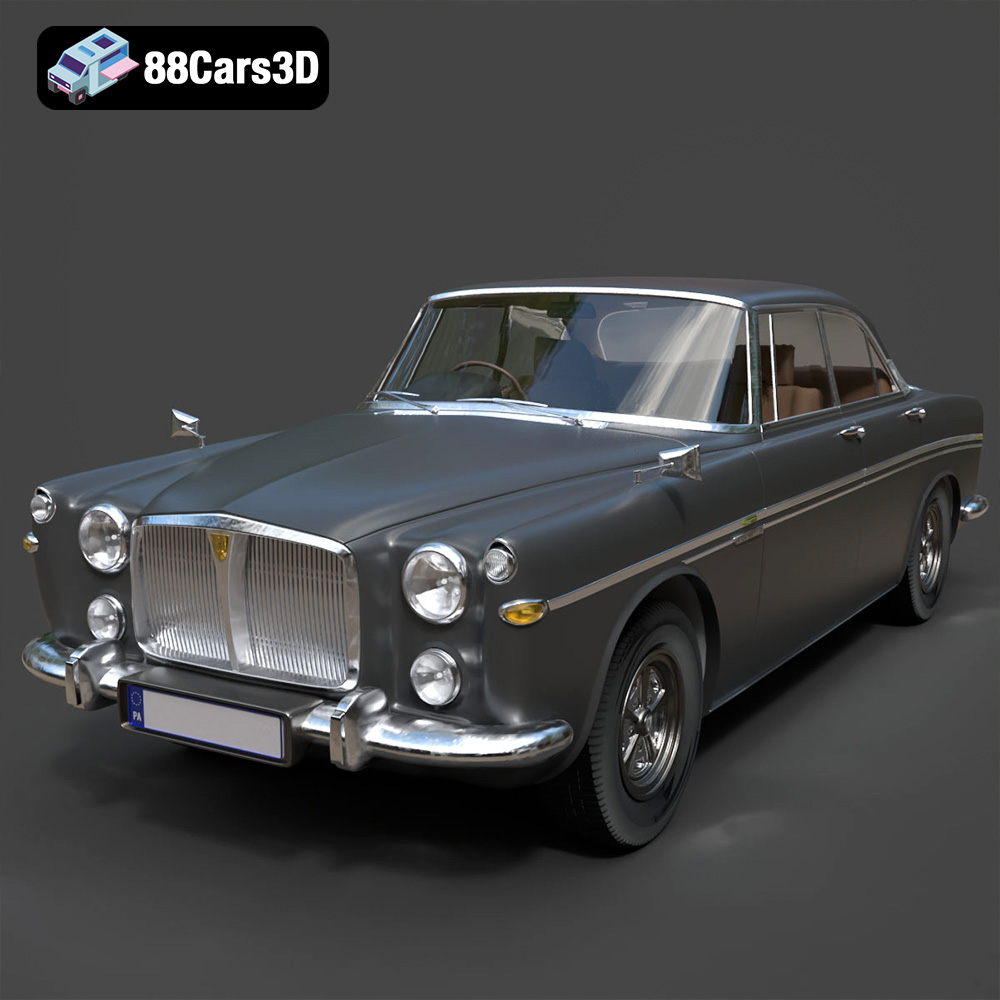
In the vast tapestry of automotive history, certain vehicles transcend mere transportation to become cultural icons. The 1973 Rover P5B Coupe is undoubtedly one such machine. Renowned for its stately elegance, powerful 3.5-litre Rover V8, and a legacy intertwined with British political and royal figures, the P5B Coupe embodies a bygone era of sophisticated motoring. Today, the allure of this classic persists, not just among collectors, but increasingly within the digital realm. The demand for highly accurate, production-ready 3D car models of such storied vehicles is booming, fueling everything from cinematic visualizations to immersive gaming experiences.
For professionals in automotive design, game development, architectural visualization, and virtual reality, possessing a meticulously crafted digital asset like the Range Rover P5B Coupe 1973 3D Model is a distinct advantage. It’s more than just a pretty model; it’s a foundation upon which entire projects can be built, offering both exceptional visual fidelity and crucial technical optimization. This article will delve into the critical role such detailed 3D car models play in various industries, exploring technical workflows, best practices, and highlighting how a premium asset like the P5B Coupe from 88cars3d.com can elevate your creative output.
When working with 3D car models, selecting the appropriate file format is paramount. Each format offers distinct advantages, catering to specific software, engines, or end-use scenarios. Understanding these differences is crucial for efficient workflow and optimal results. The Range Rover P5B Coupe 1973 3D Model package from 88cars3d.com, for instance, provides a comprehensive suite of formats, ensuring compatibility across virtually any professional pipeline.
The .blend format is Blender’s native file type. It’s an all-encompassing scene file, containing not just the mesh data but also materials, textures, lighting, cameras, animation data, and even the entire Blender scene setup. For users deep within the Blender ecosystem, this is the most flexible option. It allows for complete editability of all aspects of the model, from tweaking material nodes and UV maps to adjusting rigging and animation. If you plan extensive customization or integration into a Blender-centric project, starting with the .blend file provides maximum control and fidelity.
.fbx (Filmbox) is arguably the most widely adopted interchange format, especially for animation and real-time game engines like Unreal Engine and Unity. It’s excellent at preserving geometry, bone animations, blend shapes, and PBR (Physically Based Rendering) materials. When exporting game assets, .fbx is often the go-to choice due to its robust support for scene hierarchy and instancing. Its binary nature also makes it relatively compact and fast to load. For seamless integration into a game development pipeline, the .fbx version of the P5B Coupe is ideal.
.obj (Wavefront OBJ) is a universal, open-standard format primarily focused on geometry (vertices, normals, UV coordinates, faces). While it doesn’t typically store animation or advanced material properties within the file itself (materials are usually referenced in an accompanying .mtl file), its simplicity and widespread support make it an indispensable format for cross-software compatibility. If you need to import the Range Rover P5B Coupe model into a lesser-known 3D application or for pure mesh manipulation, .obj is a reliable fallback.
.glb (GLB Transmission Format) is the binary version of glTF (GL Transmission Format), designed for efficient transmission and loading of 3D scenes and models by engines and applications. It’s highly optimized for web-based 3D, AR (Augmented Reality), and VR (Virtual Reality) experiences due to its compact size and ability to embed textures and other data directly. For developing interactive virtual showrooms or mobile AR applications featuring the P5B Coupe, .glb offers superior performance and integration.
.stl (STereoLithography) is the de facto standard for 3D printing. This format represents a 3D model as a series of connected triangles (a tessellation), describing only the surface geometry without color or texture information. It’s the language most 3D printers understand for translating digital models into physical objects. If your project involves creating a physical replica of the Range Rover P5B Coupe, the .stl file is what you’ll feed into your slicer software for printing.
.ply (Polygon File Format) is another format used for storing 3D data, particularly from 3D scanners. It can store a wider range of properties than .obj, including color, transparency, and sometimes even normal vectors per vertex or face. While less common for everyday artistic endeavors, .ply is excellent for applications requiring high precision, such as CAD, scientific visualization, or detailed 3D analysis where data integrity is paramount.
The .unreal format, or rather assets prepared specifically for Unreal Engine, typically refers to a collection of files (meshes, materials, textures, animations) packaged and optimized for direct import into the Unreal Editor. While Unreal primarily uses .fbx for initial import, providing a pre-configured .unreal asset means the model is already set up with proper materials, UVs, collision meshes, and potentially LODs (Levels of Detail) tailored for the engine’s rendering pipeline. This significantly reduces setup time for projects focused on high-fidelity real-time environments.
Similar to .blend for Blender, .max is the native scene file for Autodesk 3ds Max. It encompasses all scene data, including geometry, materials, lighting, cameras, rigging, and animation. 3ds Max is a powerhouse for high-end automotive rendering and animation. If your workflow is based in 3ds Max and you require full control over every aspect of the Range Rover P5B Coupe model for advanced renders or complex animations, the .max file is the professional choice, offering the highest level of detail and customization.
Creating a high-quality 3D car model like the 1973 Rover P5B Coupe involves a blend of artistic skill and technical precision. It’s about capturing not just the physical form, but also the essence and character of the original vehicle. This process begins with meticulous research and reference gathering, ensuring every curve, trim, and proportion is faithfully replicated in the digital space.
The journey of digitizing a classic car starts with detailed blueprints, photographic references, and, if possible, physical inspection. This foundational data is used to build the primary geometry. For the Range Rover P5B Coupe, this means accurately translating its sweeping roofline, majestic front grille, and distinctive chrome elements into clean, quad-based topology. Achieving real-world scale accuracy is critical, ensuring the model behaves correctly in simulations, renders, and AR/VR environments. The attention to detail extends to the separate components – wheels, suspension, and steering – all properly pivoted for realistic animation potential.
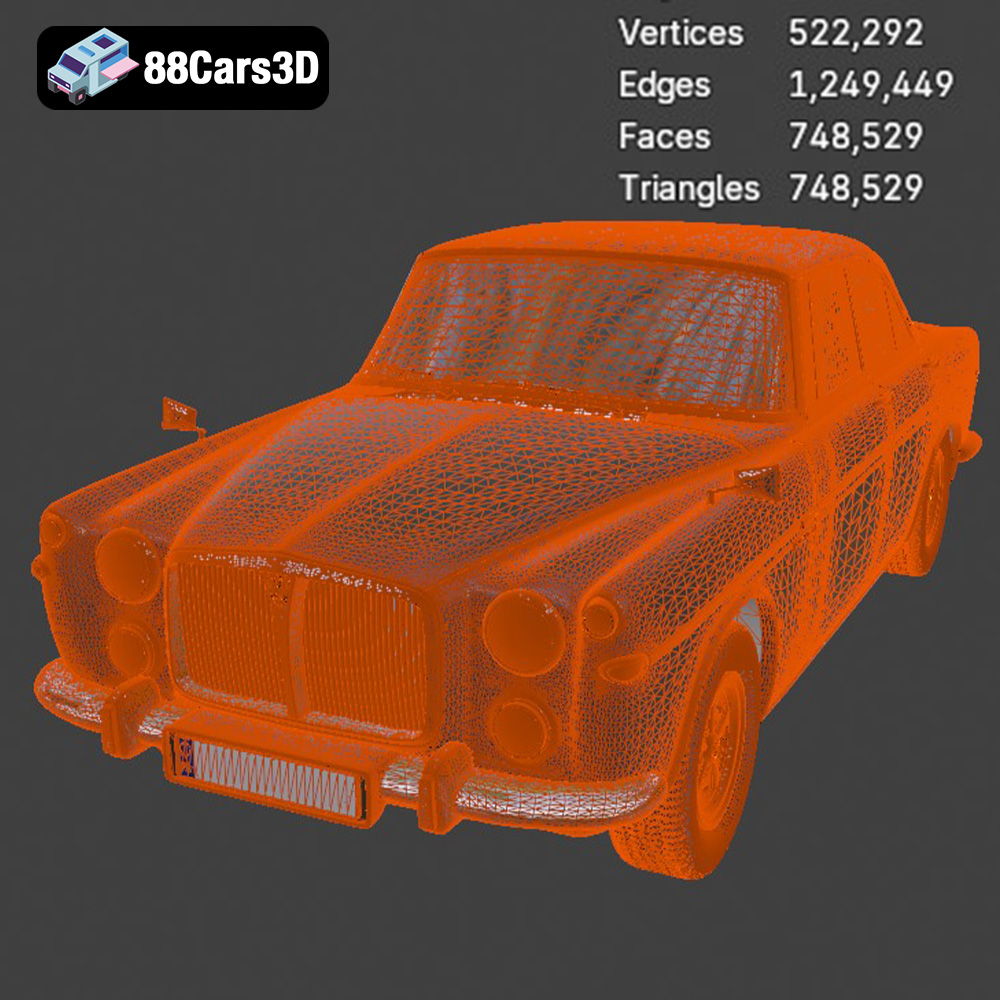
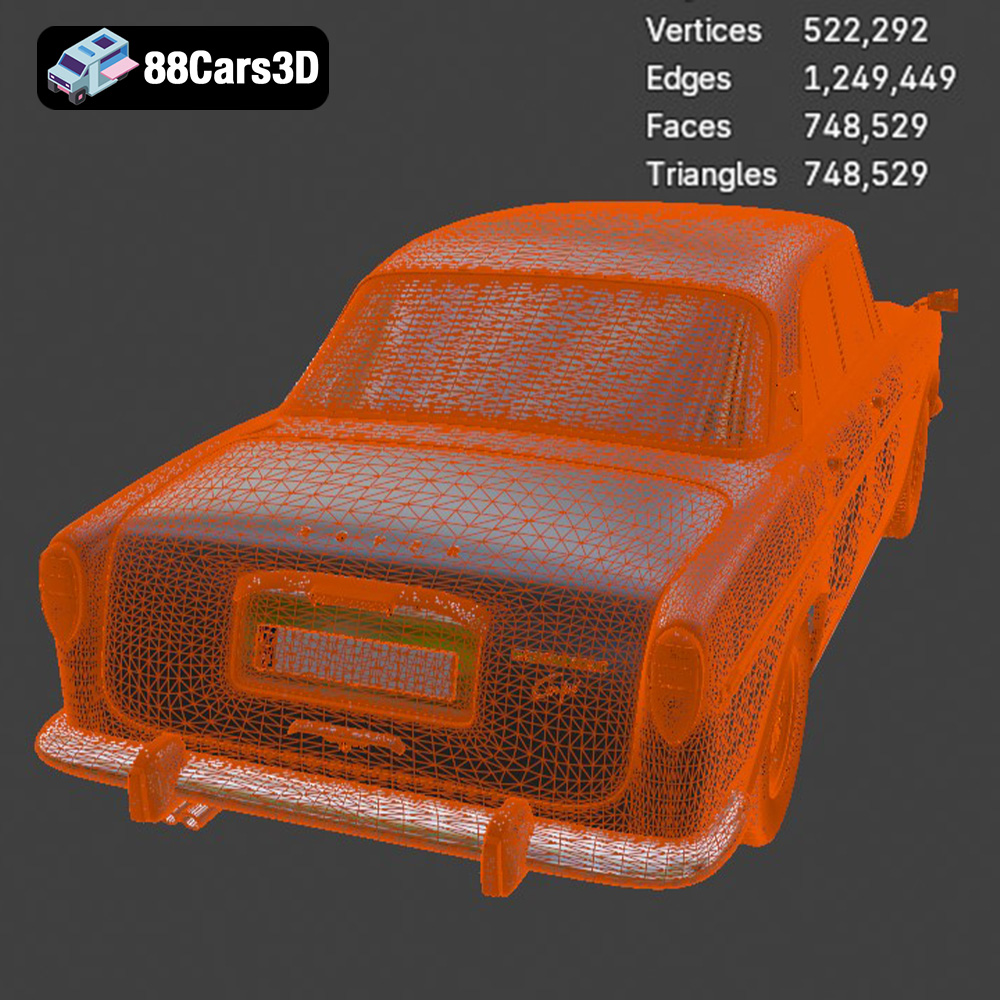
One of the most significant challenges in modern 3D asset creation is striking the perfect balance between visual fidelity and performance optimization. A model that looks incredible but has an astronomical polycount is impractical for real-time applications. The Range Rover P5B Coupe 1973 3D Model exemplifies this balance with its 748,529 triangles. This polycount is optimized for real-time engines like Unreal and Unity, offering high-end visual realism without bogging down frame rates. This “game-ready” optimization means that even intricate details like the detailed engine block and undercarriage are modeled efficiently, using techniques such as normal mapping and clever mesh flow to maintain visual richness at a manageable polygon budget.
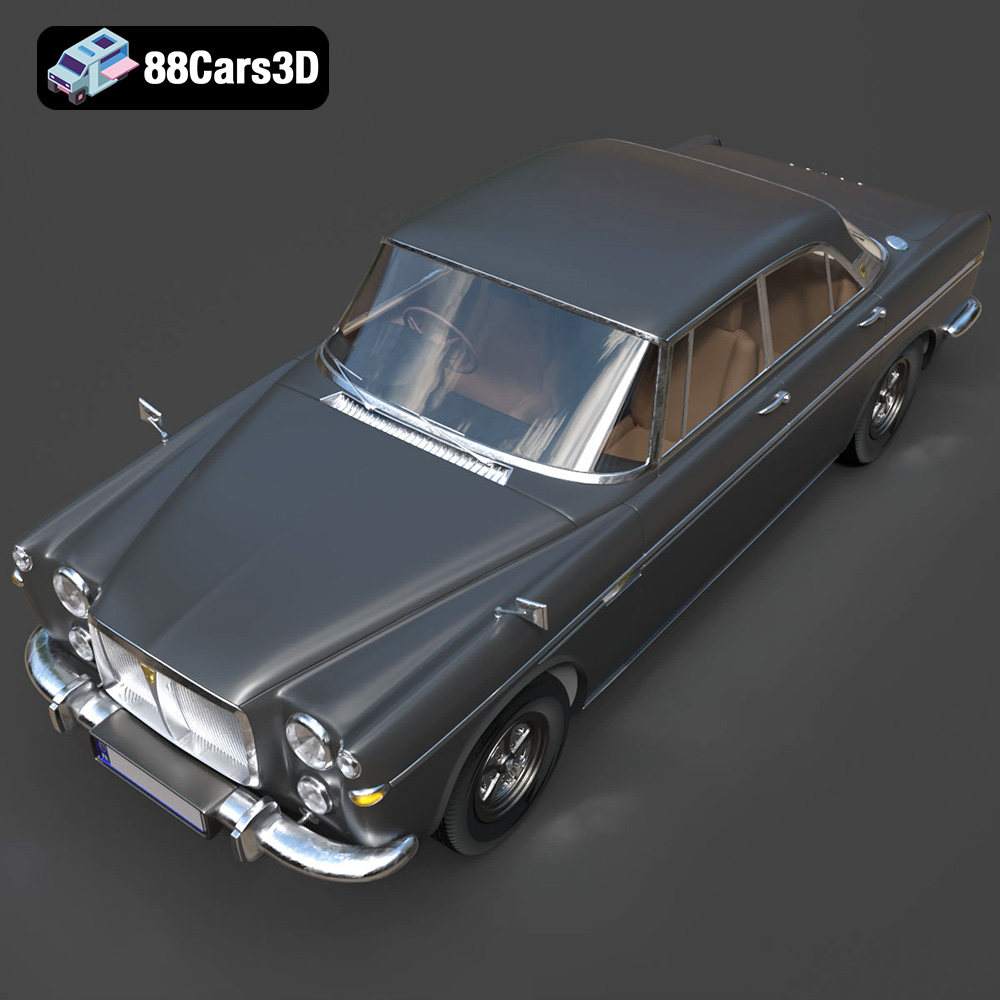
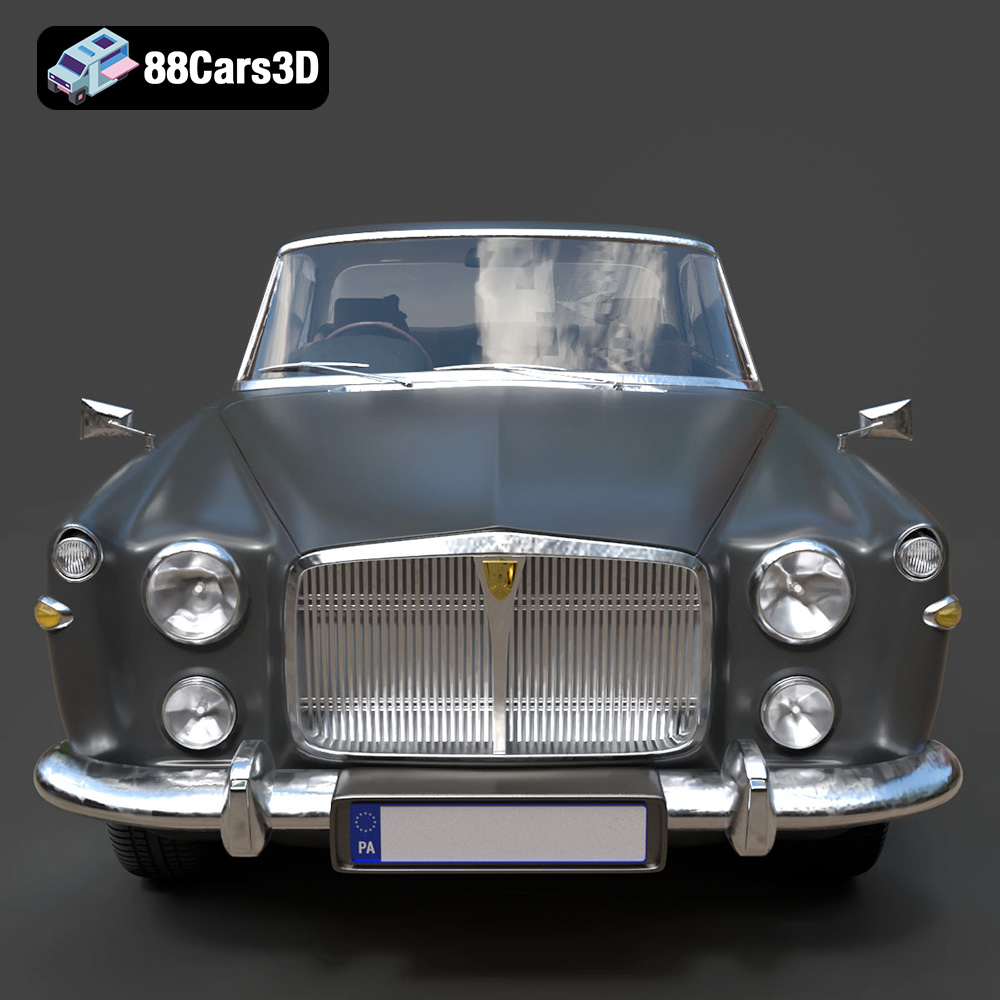
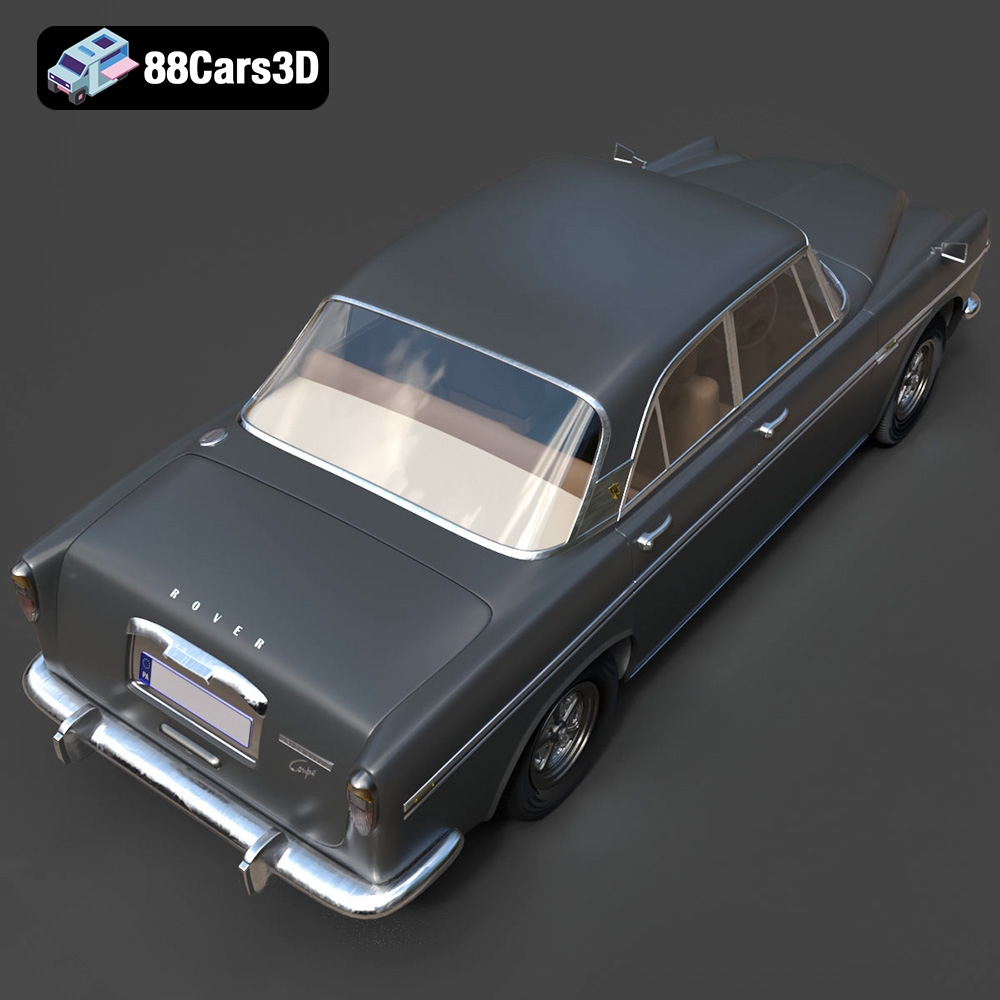
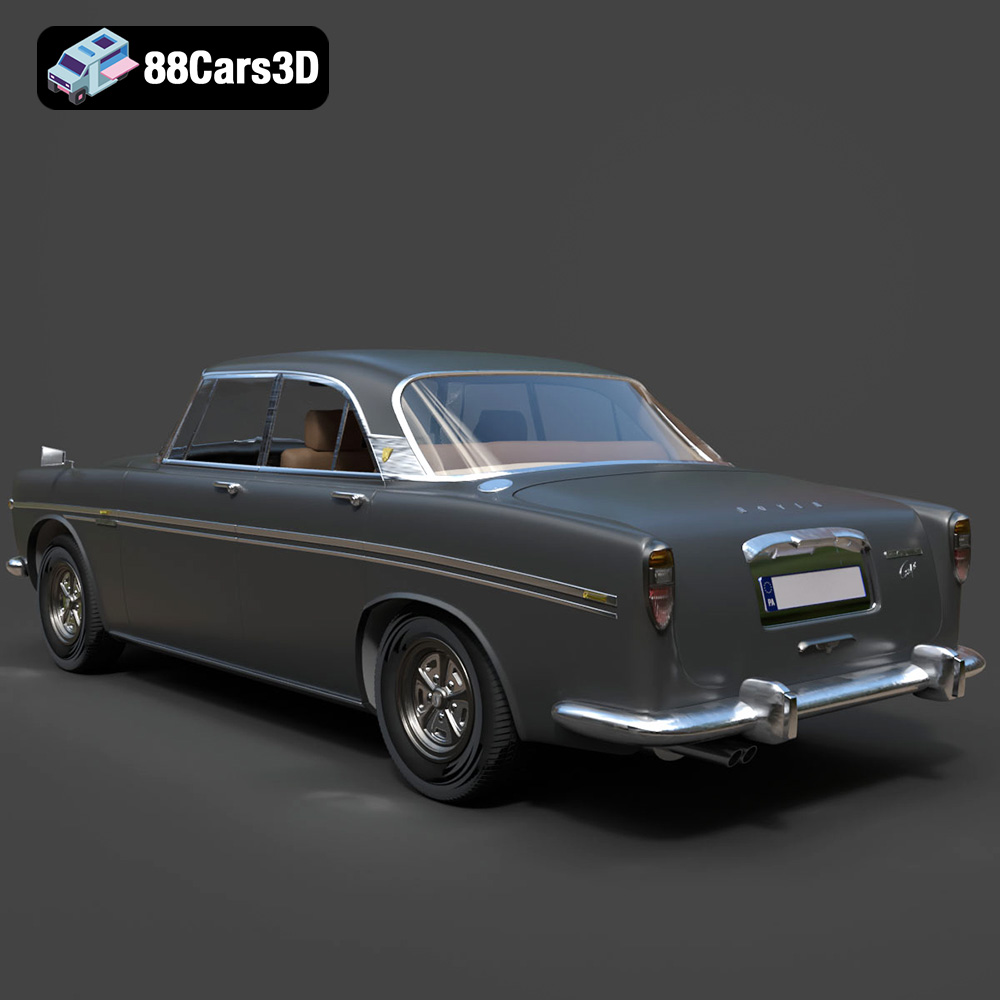
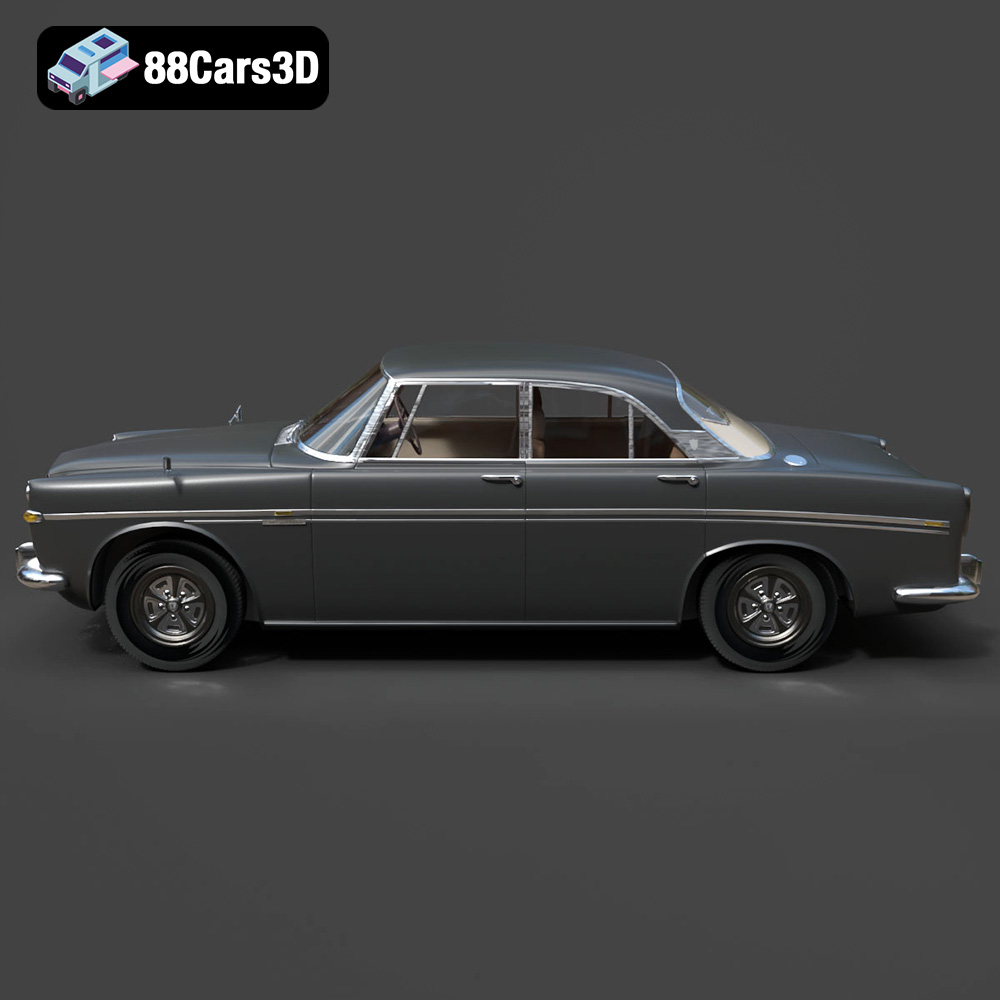
A truly professional 3D car model goes beyond just the exterior. The Range Rover P5B Coupe model includes a meticulously crafted interior, featuring luxurious leather-trimmed seats, an authentic thin-rimmed steering wheel, and a period-correct Smiths instrument cluster. This level of interior detail is crucial for projects requiring first-person perspectives, such as driving simulators or virtual showrooms. Exterior features like the classic quad-headlamp arrangement, signature Rostyle wheels, and authentic dual exhaust system are all present, contributing to a complete and immersive digital representation.
The versatility of high-quality 3D car models makes them indispensable across a spectrum of professional applications. Whether you’re a game developer crafting an open-world experience, an architect visualizing a scene, or a marketer creating a captivating brand campaign, these assets streamline your production pipeline.
In game development, optimized game assets are the bedrock of performance and visual quality. The Range Rover P5B Coupe 1973 3D Model, with its game-ready polycount and separate, animatable components (wheels, suspension, steering), is perfectly suited for racing titles, open-world adventures, and historical simulators. Developers can integrate the .fbx or .unreal formats directly into engines like Unreal Engine or Unity, immediately benefiting from clean topology, proper pivot setups, and optimized UVs for PBR materials. Imagine a player cruising through a meticulously recreated 1970s London, behind the wheel of this digital classic, feeling every bump thanks to a properly rigged suspension.
AR/VR environments demand even stricter performance optimizations due to their immersive and often mobile nature. Models used in these applications need to be lightweight yet visually compelling. The .glb format, optimized for these platforms, allows for seamless integration into virtual showrooms, interactive configurators, or even mobile AR experiences where users can place the Range Rover P5B Coupe in their physical environment. Imagine a prospective buyer exploring the interior of the P5B Coupe in a virtual showroom, rotating the model, and even “sitting” inside, all powered by a precisely detailed and optimized 3D asset.
For cinematic animation, advertising, and high-end visualization, the focus shifts slightly more towards ultimate visual fidelity. Here, the .max or .blend formats truly shine, allowing artists to leverage advanced rendering techniques. The P5B Coupe model’s detailed geometry, authentic material definitions, and real-world scale make it an excellent candidate for creating stunning still renders or fluid animations. Whether it’s showcasing the car’s elegance in a vintage lifestyle scene or highlighting its iconic details under studio lighting, the quality of the base 3D car model from 88cars3d.com ensures a professional and photorealistic output for any automotive rendering project.
Beyond simply having a model, understanding the technical specifications and optimizations is key to maximizing its utility. A professional 3D car model isn’t just about triangles; it’s about how those triangles are organized, how materials are defined, and how the model is set up for animation.
The 748,529 triangles of the Range Rover P5B Coupe model represent a carefully considered balance. The topology is clean, typically employing quads (four-sided polygons) where possible, which ensures smooth deformations for animation and efficient subdivision for high-resolution renders. Accompanying this is a meticulously unwrapped UV layout. Proper UV mapping is crucial for applying textures accurately, minimizing stretching, and ensuring that PBR materials (like metallic paints, leathers, and chrome) react realistically to light. This attention to detail in UVs allows artists to seamlessly change body colors, modify tire textures, or adjust material finishes (matte, gloss, metallic) without needing to re-unwrap the model.
A static 3D car model has limited use in interactive or animated projects. The Range Rover P5B Coupe model addresses this by featuring proper pivot setups for key components. Separate wheels allow for realistic rotation. The suspension setup, with its individual components, can be animated to simulate bumps and turns, adding a layer of realism to driving sequences. Even steering components are separated, enabling dynamic steering animations. This forethought in asset construction significantly reduces the workload for animators and technical artists, making the model truly animation-ready straight out of the box.
Maintaining real-world scale accuracy is often overlooked but incredibly important for physics simulations, architectural visualizations, and consistent scene composition. The P5B Coupe model adheres to this principle, ensuring it will look and behave correctly when placed alongside other real-world scaled assets. Furthermore, the model offers extensive customization options. Beyond basic color changes, artists can adapt lighting for different environments, swap out tire variants, and fine-tune material parameters, providing a flexible foundation for diverse creative visions.
While the digital applications are vast, the utility of a high-quality 3D car model extends into the physical realm through 3D printing. Hobbyists, collectors, and even automotive design studios can leverage these digital assets to create tangible replicas.
The inclusion of the .stl format for the Range Rover P5B Coupe model is a testament to its versatility. The .stl file provides the necessary surface geometry for 3D printers to understand and replicate the car physically. While some models might require extensive preparation for printing, the P5B Coupe is designed with this application in mind, providing recommended scales (1:12, 1:18, 1:24) and print settings.
Successful 3D printing, especially for detailed models like classic cars, requires careful consideration of print settings. For fine details, resin printing is often recommended over FDM, allowing for sharper edges and intricate elements like the chrome trim or interior dashboard details. Recommended layer heights (0.04–0.12 mm) ensure a smooth finish. Support structures are typically required for overhangs, such as exhaust pipes, mirrors, and the underside of the chassis. Post-processing, including sanding, priming, and painting with authentic factory colors, transforms the raw print into a display-worthy miniature. This aspect opens up new avenues for enthusiasts and professionals alike, providing a tangible connection to their digital creations.
The world of 3D modeling continues to evolve, constantly pushing the boundaries of visual fidelity and interactive experiences. At the heart of this evolution lies the demand for high-quality, versatile 3D car models that can seamlessly integrate into diverse professional workflows. The Range Rover P5B Coupe 1973 3D Model is a prime example of an asset that meets these exacting standards, offering a rich blend of historical accuracy, intricate detail, and crucial technical optimization across multiple file formats.
Whether you’re developing the next generation of racing games, crafting immersive AR/VR experiences, producing breathtaking automotive rendering projects, or even bringing a piece of classic motoring history to life through 3D printing, this model provides an exceptional foundation. It empowers creators to focus on their artistic vision, confident that the underlying asset is robust, flexible, and production-ready. Explore the potential of premium game assets and visualization tools at 88cars3d.com, and unlock new possibilities for your next project.
The 1973 Rover P5B Coupe is a quintessential symbol of British automotive luxury and elegance. Known famously as the preferred transport of British Prime Ministers and royalty, the P5B Coupe features a sweeping, lowered roofline, a majestic front grille, and the legendary 3.5-litre Rover V8 engine. Its timeless styling cues, distinctive chrome trim, and imposing yet graceful stance make it an absolute classic in automotive history. This highly detailed 3D model features a meticulously crafted topology of 748,529 triangles, delivering game-ready optimization without sacrificing high-end visual fidelity. Whether utilized in game development, AR/VR environments, cinematic animation, or architectural visualization, this model provides exceptional realism and performance.
$26.00
.blend
.fbx
.glb
.max
.obj
.ply
.range-rover
.rendering
.rover
.stl
.unreal
1973
british-car
car-3d-model
classic-car
game asset
game-ready
low-poly
luxury car
optimized
p5b-coupe
VR/AR