Get 20% OFF All Premium 3D & STL Models!

In the dynamic world of 3D visualization, where automotive design, game development, and architectural rendering converge, the demand for truly exceptional 3D car models is ever-present. These aren’t merely static objects; they are foundational assets that breathe life into digital environments, serving as a canvas for creativity and a cornerstone for immersion. From high-octane racing simulations to photorealistic advertising campaigns, the quality of a 3D vehicle model can make or break a project’s impact.
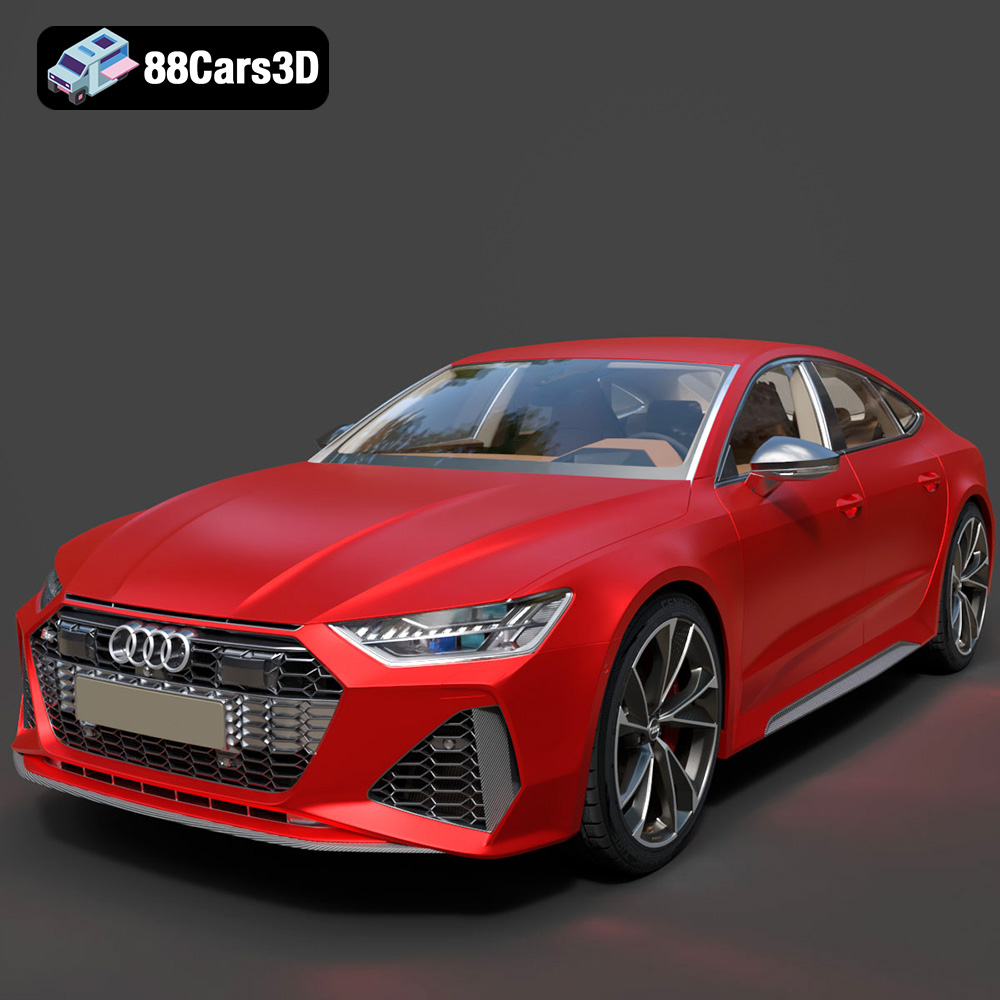
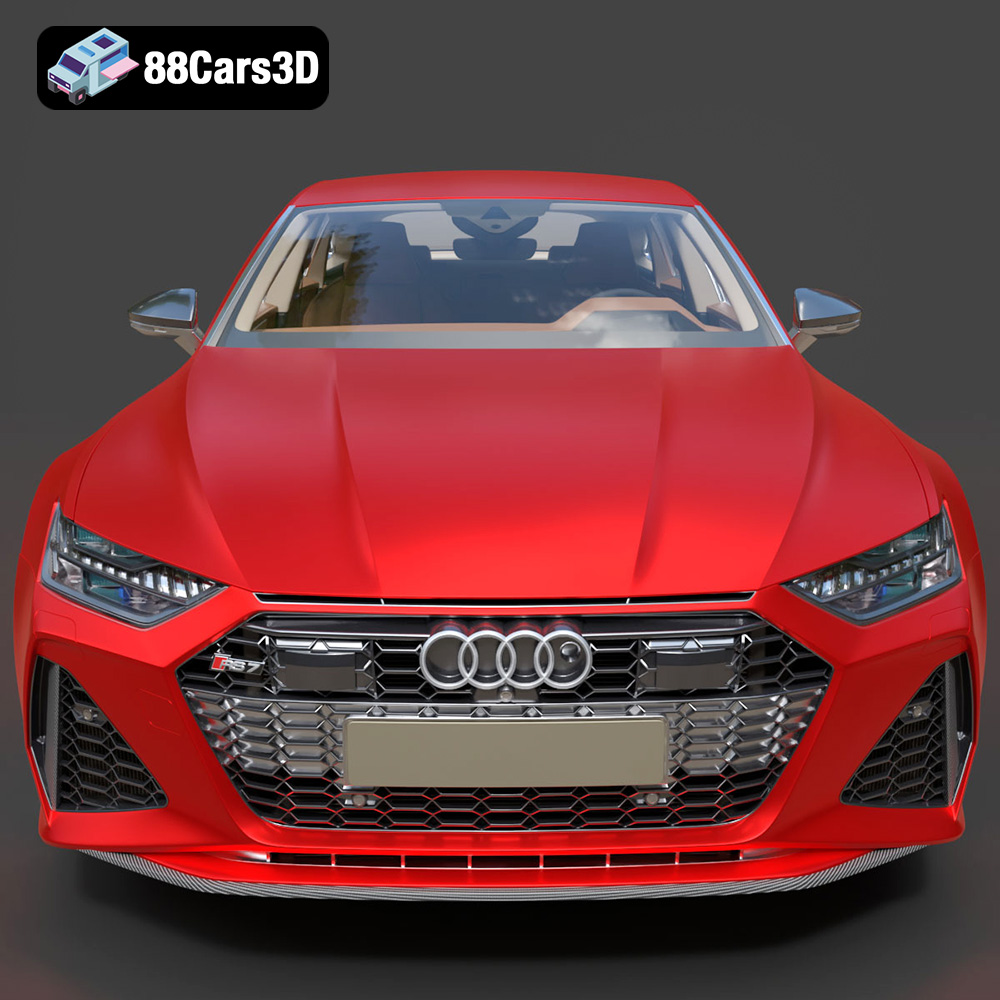
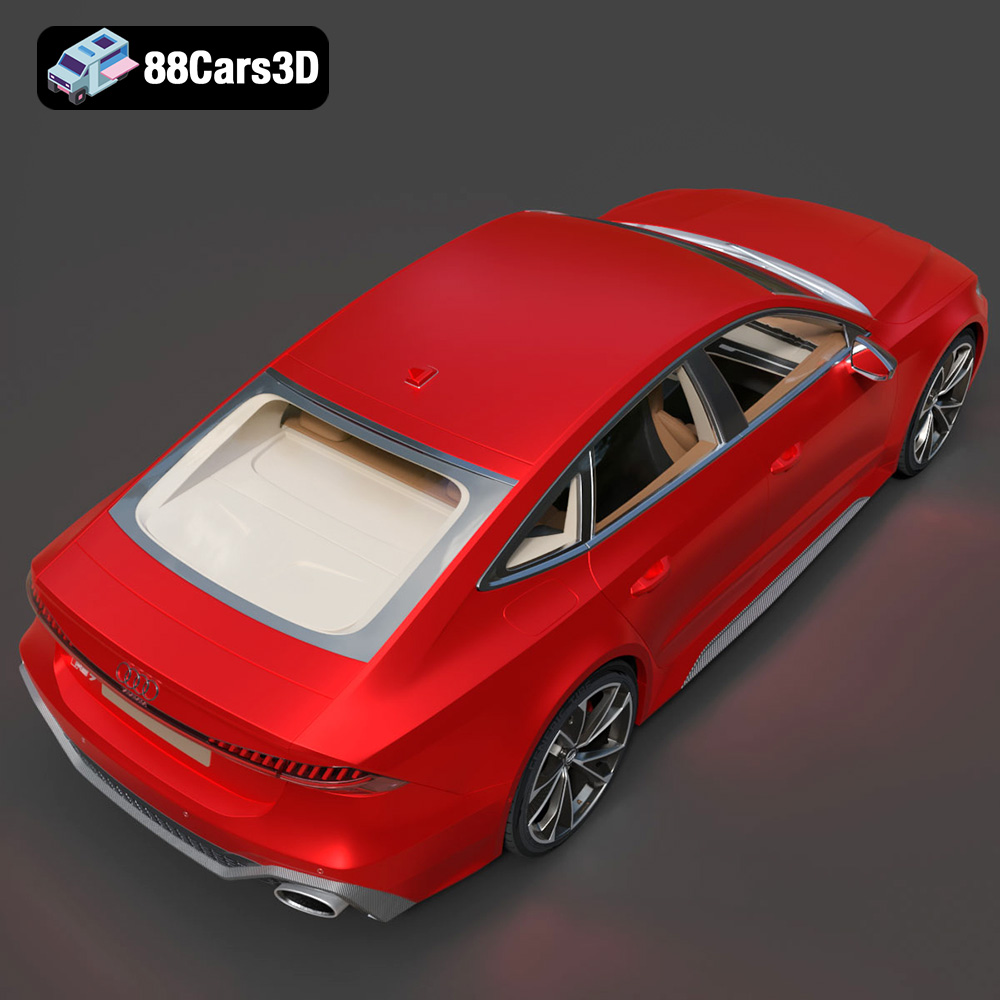
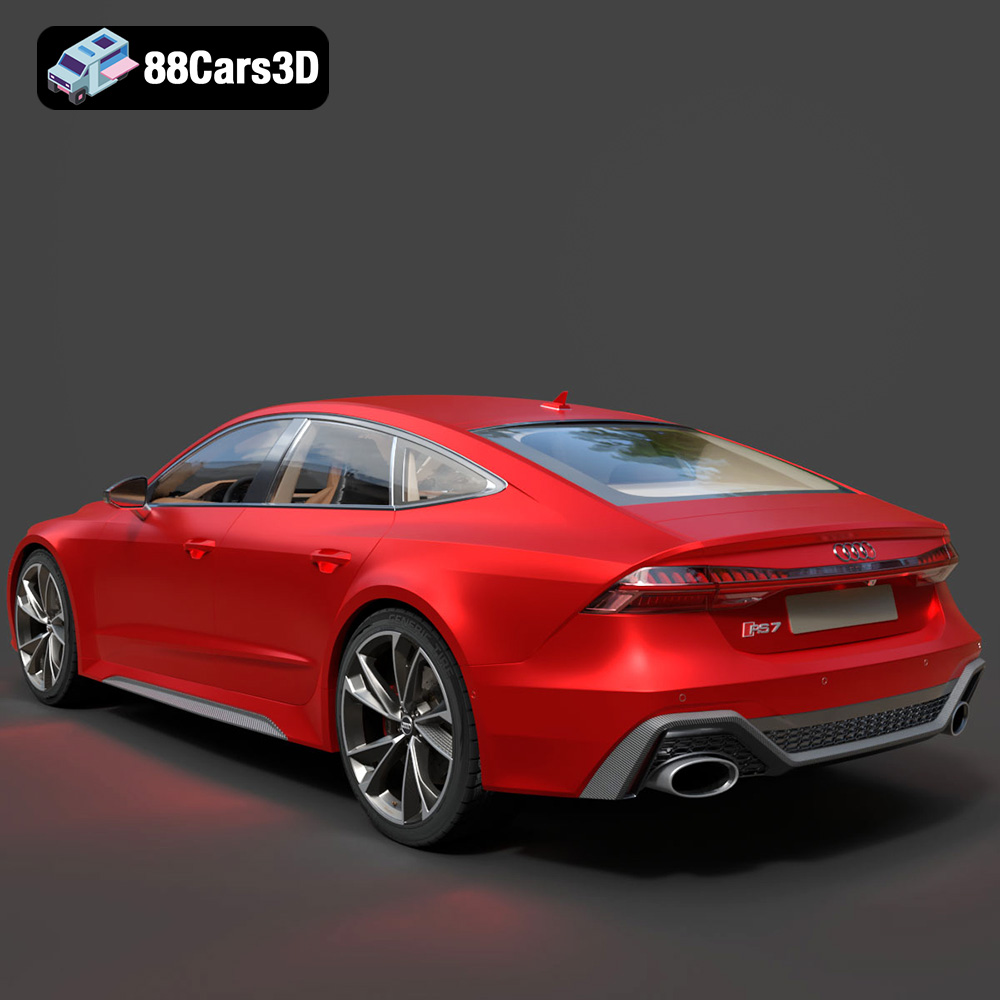
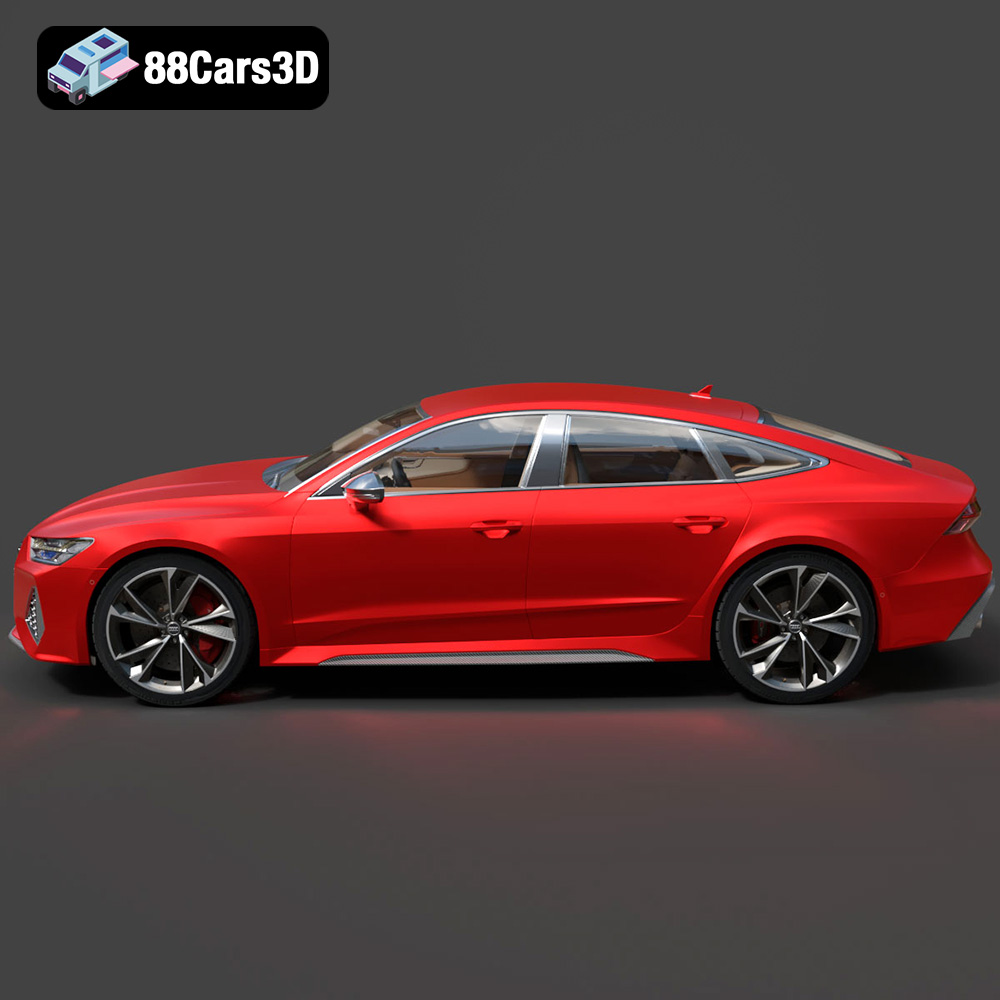
Today, we’re diving deep into an exemplar of digital automotive craftsmanship: the Audi RS7 Sportback 2020 3D model. This isn’t just a car; it’s a statement—a fusion of aggressive performance and sophisticated luxury captured with breathtaking fidelity. Its menacing front fascia, wide single-frame grille, sharply sculpted lines, and distinctive sloping roofline define its commanding presence. In the digital realm, such a vehicle demands a model that respects its real-world engineering and aesthetic prowess, providing artists and developers with an unparalleled starting point. Whether you’re aiming for a cinematic close-up, an interactive AR experience, or a next-generation gaming environment, this specific Audi RS7 Sportback 2020 model from 88cars3d.com offers the intricate detail and optimized structure required to push creative boundaries.
The journey of any 3D model, especially one as complex as a high-fidelity car, involves navigating a landscape of various file formats. Each format serves a specific purpose, catering to different software, pipelines, and end-use applications. Understanding these distinctions is crucial for professionals to select the right asset for their project and ensure seamless integration.
The .blend format is the native file type for Blender, the powerful open-source 3D creation suite. When you download a .blend file, you’re not just getting the model; you’re receiving a complete Blender scene. This includes the mesh geometry, materials, textures, lighting setups, cameras, animation data, and even modifiers or rigging. For artists primarily working in Blender, this format offers the most flexibility and full editability. It’s ideal for making significant modifications, re-texturing, setting up custom animations, or integrating the model into a larger Blender-based project with minimal effort. The Audi RS7 Sportback 2020 model in .blend format provides a robust starting point for any Blender user, granting access to every layer of its digital construction.
.fbx (Filmbox) is a proprietary file format developed by Autodesk, serving as a universal interchange format across most major 3D software applications and game engines. It’s highly versatile, capable of storing not just geometry and materials, but also animation, rigging, skinning, and lighting information. This makes it an indispensable format for pipelines involving multiple software, such as modeling in 3ds Max, animating in Maya, and then exporting to Unreal Engine or Unity. For high-fidelity models like the Audi RS7 Sportback 2020, .fbx is particularly valuable for exporting assets with complex hierarchies, such as separate wheels, doors, and suspension components, ensuring that pivot points and transformations are preserved accurately for animation in game engines or rendering software.
The .obj (Wavefront OBJ) format is one of the oldest and most widely supported 3D file formats. It’s renowned for its simplicity and universality, making it an excellent choice for basic geometry and UV data exchange between different software. While it doesn’t typically store animation, rigging, or advanced material properties within the file itself (materials are often referenced by a companion .mtl file), its broad compatibility makes it a go-to for situations where you just need the raw mesh data. For cross-software compatibility, especially when you need a clean mesh to start with, the .obj version of the Audi RS7 Sportback 2020 is a dependable choice.
.glb (GL Transmission Format Binary) is a modern, single-file format optimized for efficient transmission and loading of 3D scenes and models in web and AR/VR applications. It’s the binary version of glTF, embedding textures and other data directly into the file, which simplifies sharing and integration. Its efficiency makes it perfect for interactive web experiences, mobile AR apps, and virtual showrooms where quick loading times and broad platform support are paramount. When showcasing the Audi RS7 Sportback 2020 in a virtual configurator or an augmented reality experience, the .glb format offers a streamlined, performant solution.
The .stl (Stereolithography) format is the de facto standard for 3D printing. It represents the surface geometry of a 3D object using a collection of interconnected triangles, creating a solid mesh. Unlike other formats, .stl files do not contain color, texture, or material information; they are purely about form. When the goal is to bring the Audi RS7 Sportback 2020 into the physical world as a scale model, converting it to .stl is the essential step. The provided .stl option for this model makes it accessible for hobbyists and professionals looking to create tangible replicas.
.ply (Polygon File Format) is another format for storing 3D data, particularly popular in academic and research fields, and for scanned data. It’s capable of storing not only the polygonal mesh but also additional properties like color, transparency, normals, and even confidence values. While less common in general 3D art pipelines compared to FBX or OBJ, .ply is excellent for precision models derived from CAD or laser scanning. Its inclusion for the Audi RS7 Sportback 2020 suggests a commitment to providing a format suitable for detailed analysis or specific scientific visualization tasks.
When an asset is provided as .unreal, it typically refers to a native Unreal Engine asset file (often a .uasset or a project-ready package). This means the model has been specifically prepared, imported, and configured within Unreal Engine, often with materials, collision, LODs (Levels of Detail), and potentially even basic blueprints already set up. This format offers the most direct integration into Unreal Engine projects, saving significant time on asset preparation and optimization. For game developers leveraging the Audi RS7 Sportback 2020, an Unreal-ready asset minimizes the friction between acquiring the model and deploying it into their virtual worlds.
Similar to .blend for Blender, the .max format is the native file type for Autodesk 3ds Max. It stores the complete 3ds Max scene, including geometry, materials (with all their complex shader networks), lighting, cameras, animation, and any modifiers or plug-in specific data. For artists who use 3ds Max for high-end rendering, architectural visualization, or detailed automotive animation, the .max file provides full access to the original scene setup. It allows for the highest degree of customization and integration into existing 3ds Max workflows, leveraging the software’s robust rendering capabilities. The Audi RS7 Sportback 2020 model in .max format ensures that 3ds Max users can immediately tap into its detailed construction.
The true value of a premium 3D model lies in its meticulous attention to detail and fidelity. The Audi RS7 Sportback 2020 3D model stands as a prime example, engineered to meet the stringent demands of professional rendering and interactive applications.
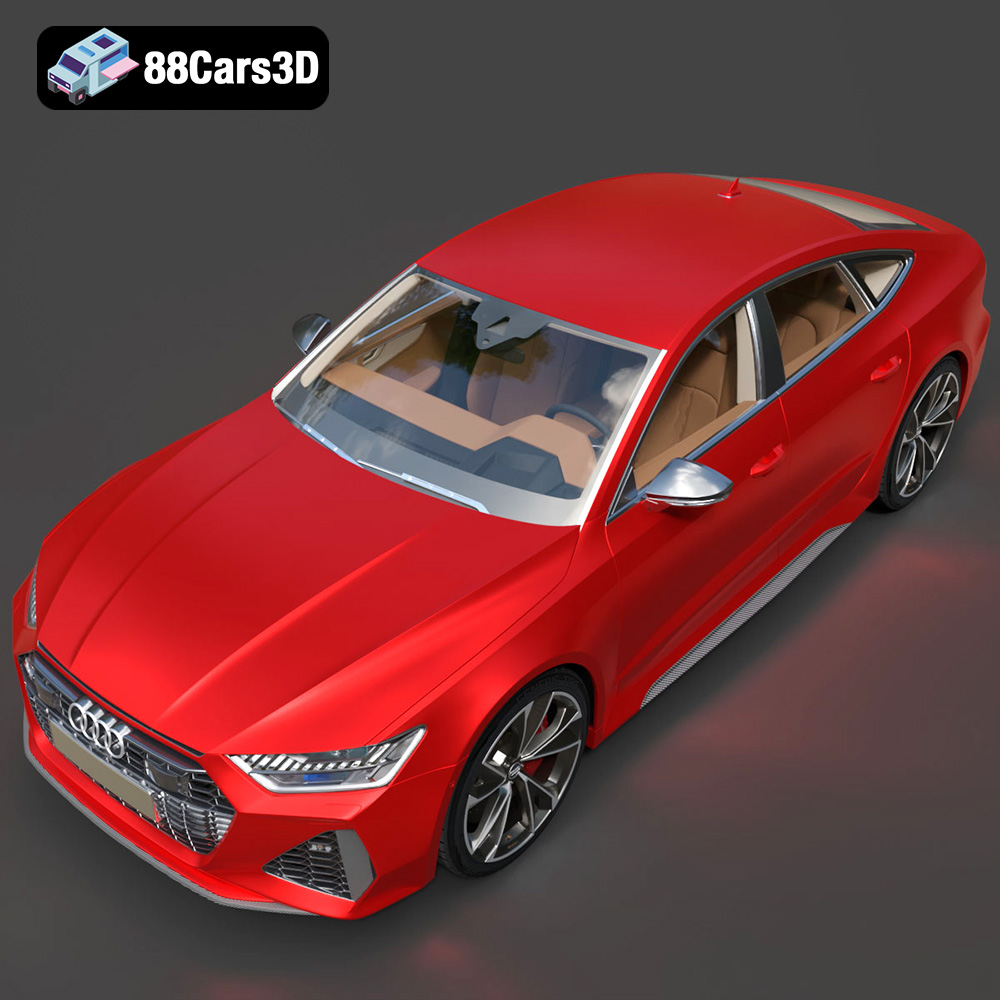
Capturing the essence of a modern automotive icon requires more than just surface-level accuracy. This model boasts accurate Audi RS7 Sportback 2020 frame geometry and widebody proportions, translating the car’s aggressive stance into the digital realm flawlessly. Every distinctive feature, from the RS-specific front bumper and air intakes to the wide single-frame grille, is meticulously recreated. The signature RS dual oval exhaust system and rear diffuser are rendered with precision, as are the HD Matrix LED headlights with laser light detailing and sleek animated taillights. The high-performance alloy wheels and detailed RS braking system, complete with massive calipers, add critical layers of realism. Even subtle elements like the realistic sport suspension stance and undercarriage elements are present, crucial for close-up shots and accurate physics simulations in games. The thoughtful separation of components—wheels, doors, suspension, and steering—ensures that the model is primed for complex animation sequences, from basic wheel rotations to intricate door openings and suspension travel.
A truly immersive 3D car model doesn’t stop at the exterior; it invites you into the cockpit. The Audi RS7 Sportback 2020 model provides a rich interior experience, featuring RS sport seats with detailed honeycomb stitching patterns, a hallmark of Audi’s performance division. The flat-bottomed Alcantara/leather steering wheel, complete with paddle shifters, is accurately modeled, as are the cutting-edge Virtual Cockpit dual-screen MMI infotainment and instrument cluster displays. Intricate center console detailing, including the electronic shifter and climate controls, further enhances realism. This optimized geometry for immersive first-person POV makes the model ideal for virtual reality experiences, game simulations, and detailed architectural visualizations where the vehicle’s interior is a key focal point.
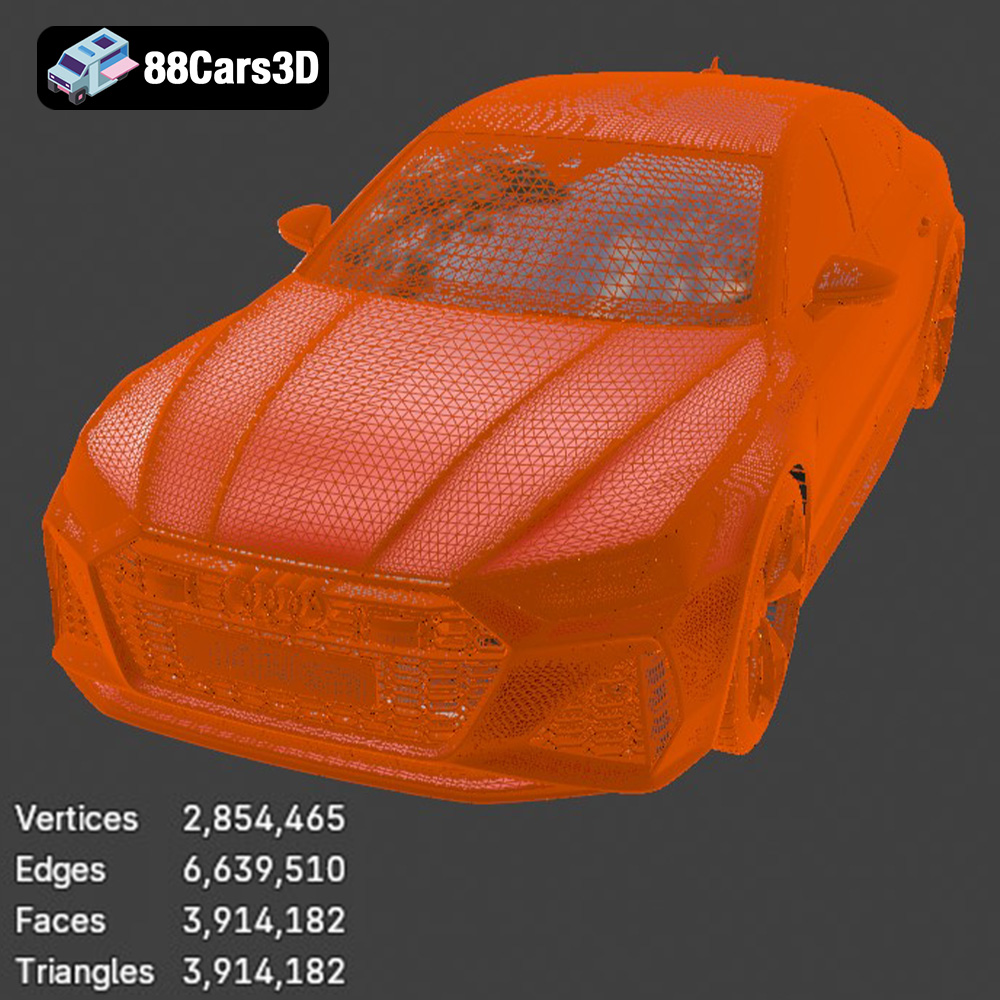
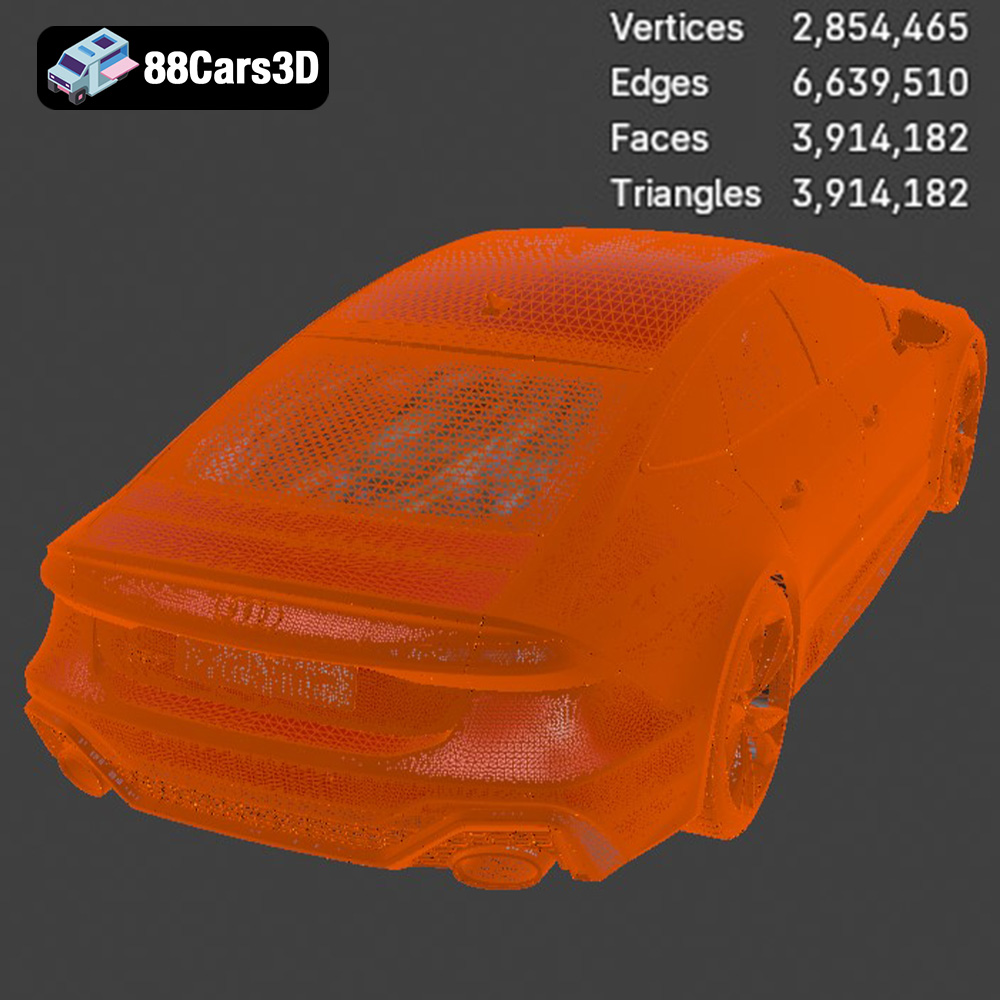
Achieving both high fidelity and usability in a 3D model is a delicate balance. This Audi RS7 Sportback 2020 model strikes an impressive equilibrium with a triangle count of 3,914,182. While this is a high poly count, indicating exceptional visual realism suitable for close-up shots and high-end cinematic sequences, its topology is carefully structured. This ensures that despite its detail, it can still be effectively integrated into game engines and real-time environments. The model adheres to real-world scale accuracy, based on actual vehicle chassis dimensions, providing a dependable foundation for any project. Furthermore, proper pivot setups for steering, wheel rotation, and suspension travel are already configured, significantly streamlining the animation pipeline. This combination of visual richness and technical robustness makes it compatible with major 3D software platforms and real-time rendering engines, embodying a “game-ready” yet “high-poly” philosophy.
In the professional landscape, a high-quality 3D car model like the Audi RS7 Sportback 2020 is not just an asset; it’s a catalyst for various creative and technical pipelines.
For advertising agencies, automotive designers, and architectural visualization studios, photorealistic renders are paramount. The Audi RS7 Sportback 2020 model excels in this domain. Using software like 3ds Max with V-Ray or Corona Renderer, or Blender with Cycles, artists can leverage the model’s high detail to create stunning marketing imagery. Imagine showcasing this model in a sleek, minimalist studio setup with dramatic lighting, or seamlessly integrating it into an urban architectural scene. The model’s separate components allow for dynamic camera movements and detailed light studies, highlighting reflections on its paintwork or the subtle glow of its LED lights. Its accurate geometry and material zones allow for customization of body colors (e.g., Nardo Gray, factory colors, custom matte finishes), tire textures (sport radials vs. track slicks), and material finishes (matte, gloss, metallic, carbon fiber), adapting the vehicle to any brand campaign or lifestyle scene.
The game development industry constantly pushes the boundaries of graphical fidelity. For open-world games, racing titles, and simulators, the Audi RS7 Sportback 2020 model offers a powerful asset. Its “game-ready & optimized” nature, despite the high triangle count, means it’s designed for efficient performance in engines like Unreal Engine and Unity. For a next-gen racing title, the model’s detailed exterior and interior provide an immersive experience, whether viewed from a third-person perspective or a first-person cockpit view. Proper pivot setup simplifies the integration of physics and animation systems, allowing for realistic steering, wheel spin, and suspension deformation. Developers can utilize the included .fbx and .unreal formats for direct import and immediate use, reducing development time and focusing on gameplay mechanics around a visually stunning vehicle.
The utility of a versatile 3D model extends far beyond traditional rendering, entering the immersive realms of AR/VR and the tangible world of 3D printing.
The rise of augmented reality (AR) and virtual reality (VR) has opened new avenues for showcasing products. The Audi RS7 Sportback 2020 model is perfect for creating immersive virtual showrooms, interactive configurators, and mobile AR experiences. Imagine a customer exploring the RS7 in a VR environment, walking around it, opening its doors, and even sitting virtually inside, customizing colors and trims in real-time. For mobile AR apps, placing the virtual car in a real-world environment allows for unprecedented engagement. The .glb format, specifically optimized for AR/VR and web-based applications, ensures that these experiences are not only visually rich but also performant and accessible on various devices, from high-end VR headsets to smartphones.
For enthusiasts and model makers, the ability to physically hold a scale model of their favorite car is a dream. The Audi RS7 Sportback 2020 model, convertible to .stl format, makes this possible. Hobbyists can download the model and, with recommended settings (e.g., 1:12 / 1:18 / 1:24 scale, 0.04–0.12 mm layer height for resin printing), produce highly detailed physical replicas. The product description even provides specific guidance on wall thickness, infill, and support requirements for optimal print quality. Post-processing with sanding, primer, and authentic factory colors with metallic finishes can elevate these prints to collector-grade models, demonstrating the incredible versatility of a well-crafted 3D asset from 88cars3d.com.
In high-stakes projects, the ability to balance visual fidelity with computational performance is crucial. The Audi RS7 Sportback 2020 model is designed with this principle in mind.
With 3,914,182 triangles, the model presents a substantial polycount, indicative of its high detail. For cinematic renders or hero shots in games, this level of detail is invaluable. However, for real-time applications, managing performance is key. The model’s “carefully structured topology” implies it’s ready for optimization techniques like LOD (Levels of Detail) generation. Developers can create lower-poly versions for distant views, significantly improving frame rates without sacrificing visual quality up close. This allows the same base asset to be utilized across a spectrum of performance requirements, from high-end PCs to mobile devices. The flexibility provided by such a detailed yet well-organized mesh is a testament to its professional-grade design.
Beyond geometry, the quality of materials and textures defines a model’s realism. A premium 3D car model like the Audi RS7 Sportback 2020 comes with robust UV mapping, essential for applying photorealistic textures. Artists can leverage PBR (Physically Based Rendering) workflows, applying metallic, roughness, normal, and ambient occlusion maps to achieve stunning surface realism. The customization options allow for adjusting material finishes (matte, gloss, metallic, carbon fiber), enabling a wide range of aesthetic outcomes, from a showroom-pristine finish to a weathered, battle-scarred look for a game. The ability to adapt lighting for different environments, including ambient interior lighting and DRLs, further enhances the visual pipeline, ensuring the model looks perfect under any conditions.
The journey through the intricate world of 3D car models reveals a landscape where precision, versatility, and technical expertise are paramount. The Audi RS7 Sportback 2020 3D model stands out as a exemplary asset, meticulously crafted to meet the diverse and demanding needs of professionals across various industries. From its exceptional exterior and interior fidelity to its comprehensive technical specifications and wide array of file format options, this model is designed to integrate seamlessly into complex workflows, whether for high-end automotive rendering, next-generation game development, immersive AR/VR experiences, or even detailed 3D printing projects.
By understanding the nuances of each file format—from the full editability of .blend and .max to the universal interchangeability of .fbx and .obj, the web-optimization of .glb, the print-readiness of .stl, and the specific engine-prep of .unreal—artists and developers can make informed decisions that streamline their pipelines. The detailed features of the Audi RS7 Sportback 2020 model, including its accurate proportions, intricate components, and optimized topology, provide an unparalleled foundation for creative exploration. Ultimately, investing in a high-quality asset like this transforms potential into tangible results, elevating the realism and impact of any digital project. For those seeking premium 3D car models that truly deliver on their promise of quality and versatility, 88cars3d.com offers a curated selection, with this Audi RS7 Sportback 2020 model being a shining example of what’s possible.
The Audi RS7 Sportback 2020 represents the pinnacle of German engineering, seamlessly blending aggressive performance with grand touring luxury. Known for its commanding presence on the road, this high-performance sportback features a menacing front fascia with a wide single-frame grille, sharply sculpted lines, and a distinctive sloping roofline. Powered by a potent twin-turbo V8 engine in the real world, its muscular widebody stance, dual oval exhaust tips, and striking LED matrix headlights make it an iconic modern classic in the luxury performance segment. This premium 3D model boasts an exceptional level of detail with a triangle count of 3,914,182, ensuring high-fidelity visual realism suitable for close-up shots and high-end cinematic sequences. Despite its meticulous detailing, the model’s topology is carefully structured for integration into game engines and real-time environments. Whether you are developing a next-gen racing title, an immersive VR showroom, or crafting photorealistic visualizations, this asset delivers unparalleled quality and accuracy.
$37.50
.2020
.audi
.blend
.fbx
.glb
.max
.obj
.ply
.rendering
.stl
.unreal
car-3d-model
game asset
game-ready
high poly
luxury car
optimized
performance-car
rs7-sportback
sports-sedan
VR/AR