Get 20% OFF All Premium 3D & STL Models!

The world of 3D modeling has revolutionized how we visualize, interact with, and create everything from architectural marvels to intricate product designs. Among its most captivating applications is automotive visualization, where the fusion of art and engineering brings vehicles to life long before they hit the assembly line or the open road. For designers, game developers, architects, and marketers, access to high-quality 3D car models is not just a convenience; it’s a fundamental requirement for delivering compelling digital experiences.
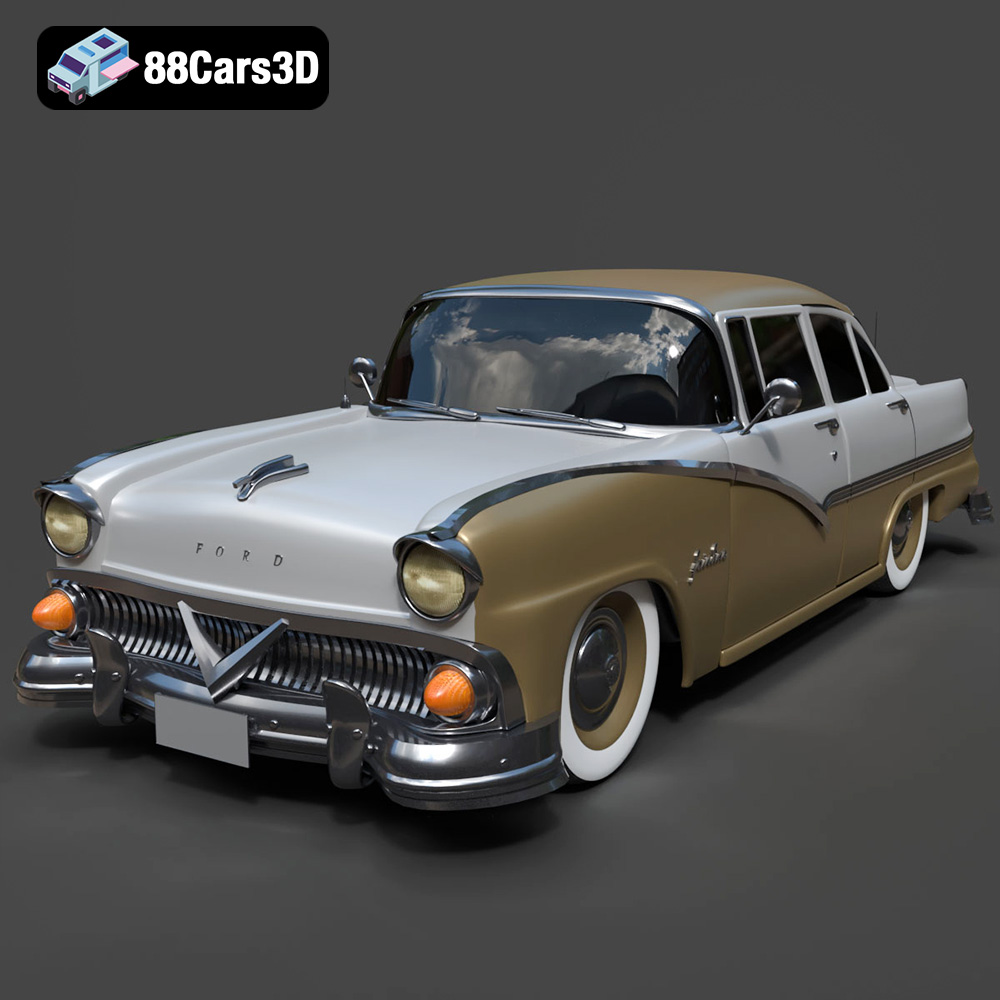
Today, we delve into the intricate processes and essential considerations behind leveraging professional-grade 3D vehicle assets. We’ll explore critical file formats, advanced rendering techniques, game-ready optimization, and even the nuances of 3D printing. Our journey will be illuminated by a standout example: the highly detailed Ford Fairline 2013 3D model, available for download on 88cars3d.com. This model serves as a perfect case study for understanding how a meticulously crafted digital asset can bridge the gap between imagination and a multitude of professional applications.
The versatility of a 3D model often hinges on the array of file formats it supports. Each format serves a specific purpose, catering to different software, workflows, and end-use applications. Understanding these distinctions is paramount for any professional working with 3D assets, ensuring smooth integration and optimal performance. The Ford Fairline 2013 3D model, for instance, offers a comprehensive suite of formats, enabling seamless adoption across various pipelines.
The .blend file is the native format for Blender, a powerful open-source 3D creation suite. When you acquire a .blend file, you’re getting a fully editable scene, complete with materials, textures, lighting, and any animation data. This format is ideal for users who primarily work in Blender, allowing for deep customization, adjustments to topology, materials, or even animation sequences. It offers the most flexibility for those looking to modify the base model extensively, making it a favorite for artists and small studios.
.fbx (Filmbox) is arguably the most widely used proprietary 3D file format for exchanging models between different software applications. Developed by Autodesk, it supports geometry, materials, textures, animations, and skeletal data. It is the go-to format for transferring assets to game engines like Unreal Engine and Unity, as well as between DCC (Digital Content Creation) tools such as 3ds Max, Maya, and Cinema 4D. Its robust nature and widespread adoption make it an essential component for any professional pipeline requiring cross-software compatibility, especially for real-time environments.
.obj (Wavefront OBJ) is one of the oldest and most universally supported 3D file formats. It’s a simple, text-based format primarily used to store 3D geometry (vertices, normals, texture coordinates, and faces). While it lacks support for animations or advanced material definitions found in .fbx, its simplicity ensures maximum compatibility across virtually all 3D software. It’s an excellent choice for basic mesh transfer, particularly when focusing solely on the geometric structure, and often accompanied by an .mtl file for material definitions.
.glb (GLB/glTF Binary) is a relatively newer format, rapidly gaining traction as the “JPEG of 3D.” It’s a binary version of the glTF (GL Transmission Format) standard, designed for efficient transmission and loading of 3D scenes and models by applications. .glb files embed all assets (geometry, textures, animations) into a single file, making them incredibly convenient for AR (Augmented Reality), VR (Virtual Reality), and browser-based 3D viewers. Its optimization for real-time applications and web environments positions it as a key format for interactive digital experiences.
.stl (STereoLithography) is the standard file format for 3D printing. It represents a 3D model as a series of connected triangles, essentially describing the surface geometry of an object without color, texture, or other advanced attributes. If your goal is to physically manifest a digital model, as with the Ford Fairline 2013 for display-scale models, .stl is the format you’ll use to prepare it for your 3D printer. Precision and manifold geometry are crucial here to avoid printing errors.
.ply (Polygon File Format or Stanford Triangle Format) is another format for storing 3D data, particularly useful for scanned data, CAD applications, and scientific visualization. It supports a wider range of properties than .obj, including color, transparency, and different types of data elements like edges and vertices with attributes. While less common for general DCC workflows, it’s valuable for applications requiring high precision and detailed mesh analysis.
The .unreal format implies an asset specifically prepared and optimized for Unreal Engine. While often derived from .fbx, an asset provided in an “.unreal” package might include pre-configured materials, Blueprints, LODs (Levels of Detail), and collision meshes, making it a true drop-in solution for developers working within the Unreal ecosystem. This significantly accelerates development time by providing an asset that’s already tailored for the engine’s unique rendering and interaction systems.
.max is the native file format for Autodesk 3ds Max, one of the leading software packages for 3D modeling, animation, and rendering. Similar to .blend, a .max file provides a complete scene, allowing for full editability of geometry, materials, lighting, and animation. Professionals using 3ds Max for high-end rendering, complex animation, or precise architectural visualization will find this format indispensable for incorporating and customizing the model within their existing projects.
The availability of these diverse formats ensures that the Ford Fairline 2013 3D model from 88cars3d.com isn’t just a static object, but a dynamic, adaptable asset ready for any project.
When selecting a 3D car model, the devil is truly in the details. A truly professional asset goes far beyond a recognizable silhouette. The Ford Fairline 2013 3D model exemplifies this meticulous attention, offering a blend of aesthetic precision and technical optimization that makes it suitable for the most demanding digital environments.
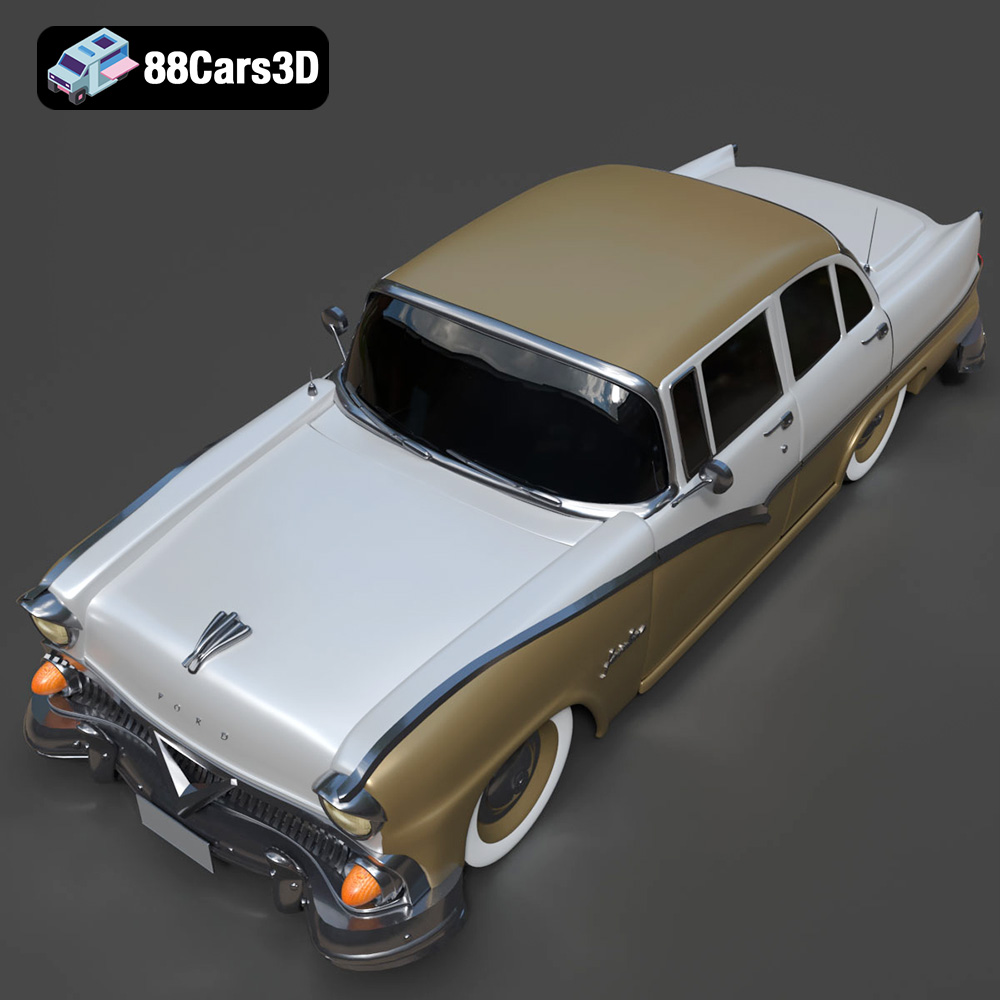
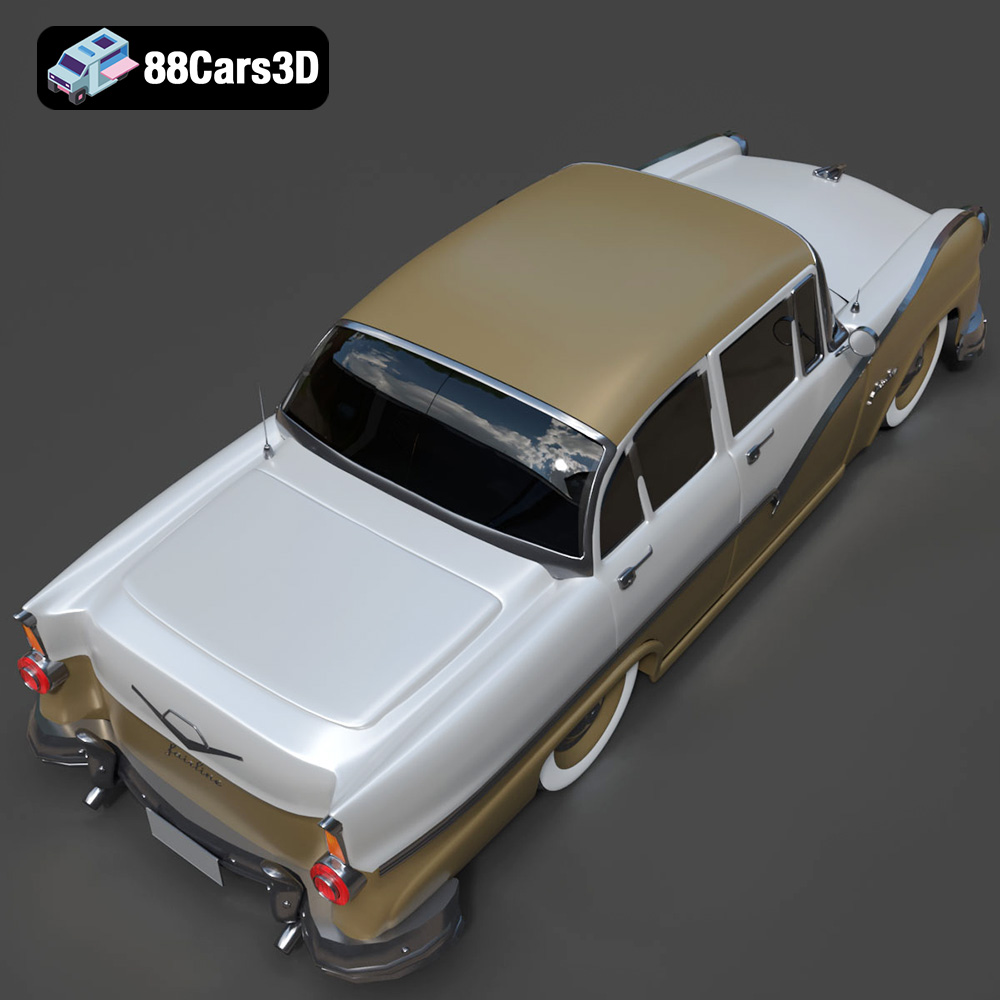
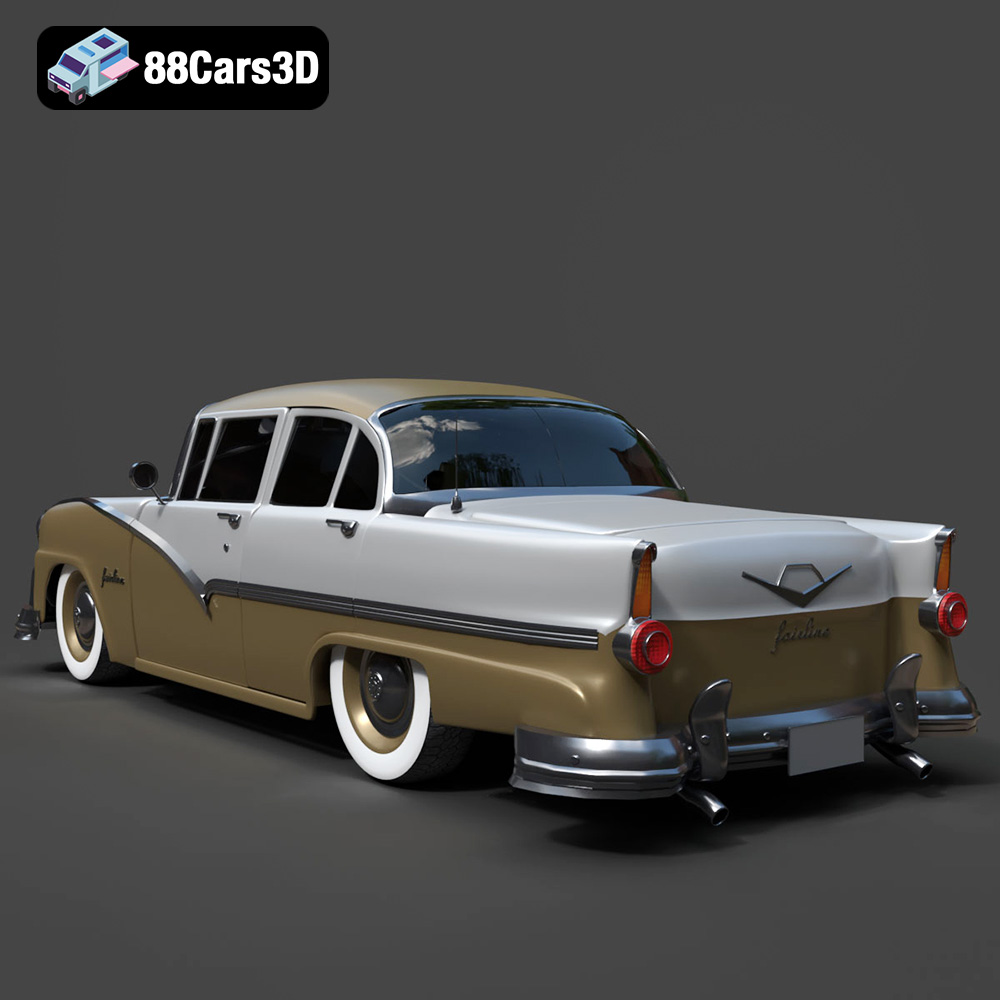
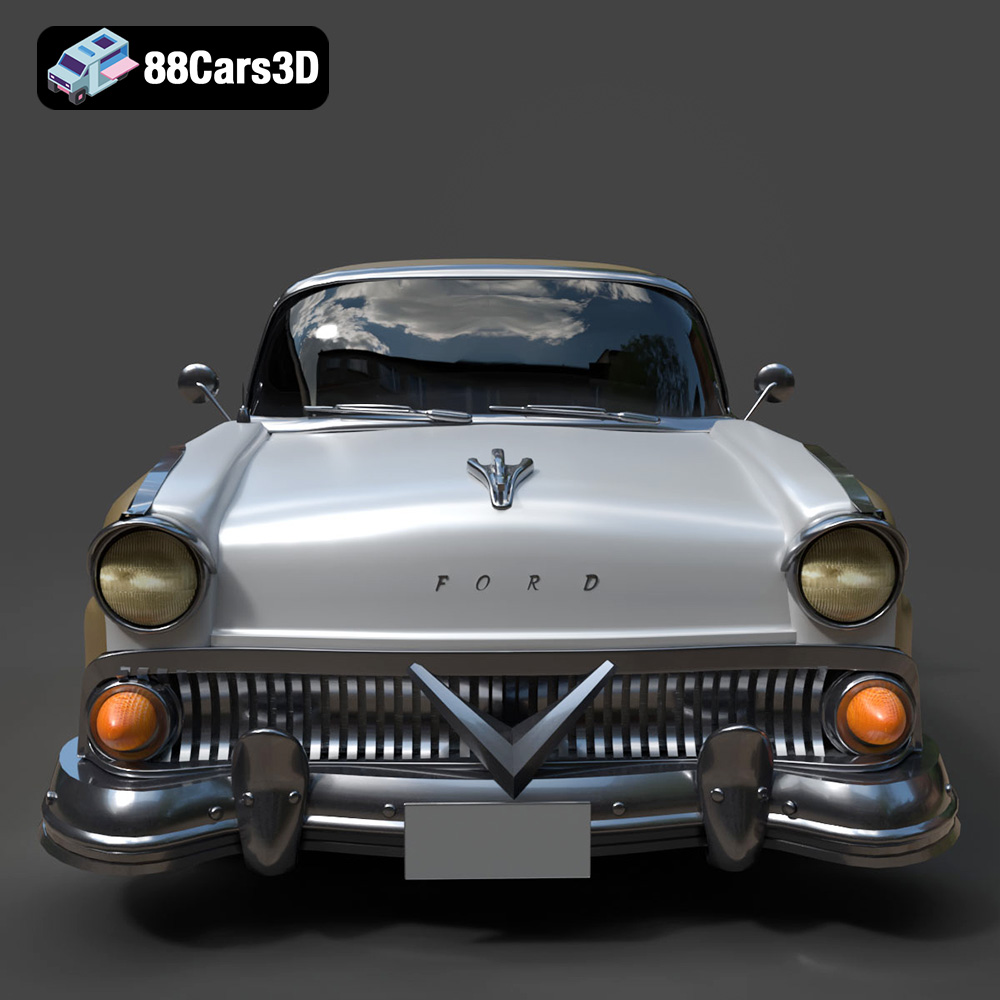
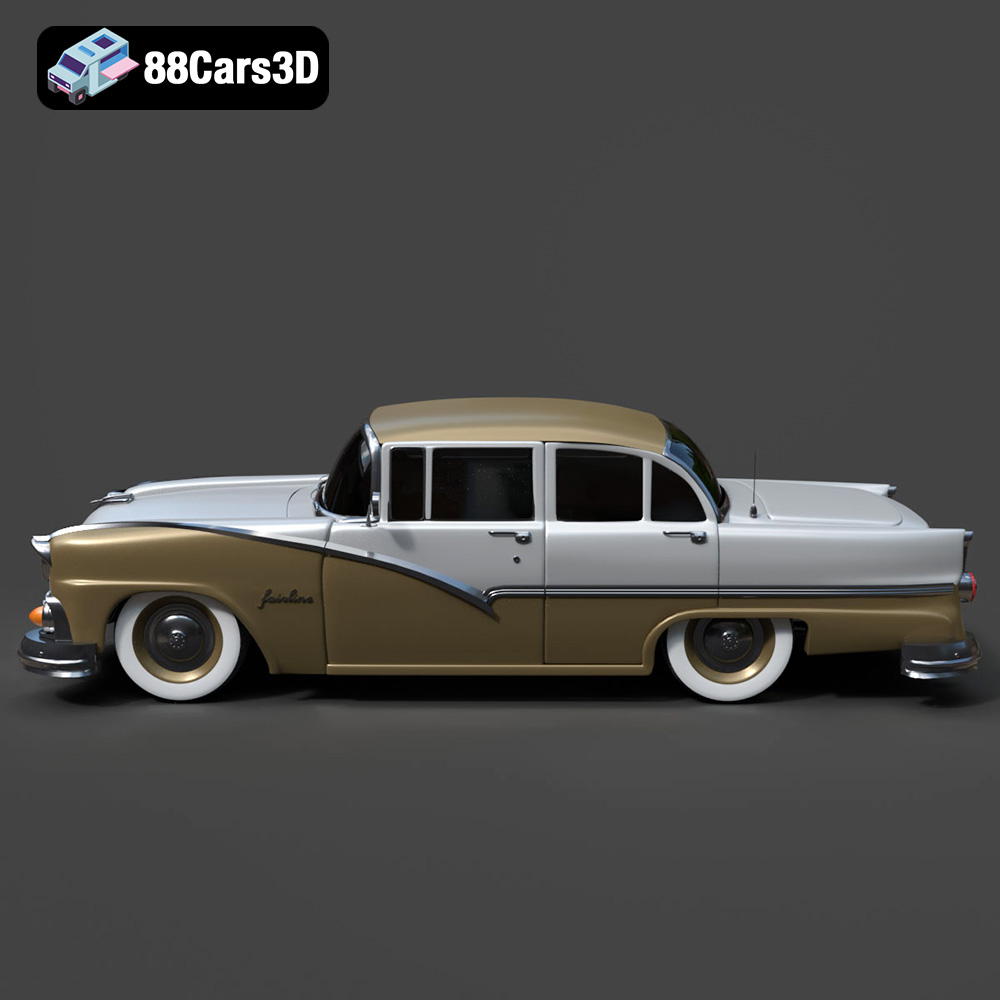
The model’s exterior geometry is a masterclass in faithful reproduction. From the sleek aerodynamic lines and distinctive front grille to the elegantly sculpted rear profile, every curve and panel reflects the original vehicle’s design language. This isn’t merely about visual similarity; it’s about capturing the engineering intent. Accurate chassis proportions, the detailed engine bay layout with its modern V-engine configuration outline, and a precision-modeled dual exhaust system all contribute to an authentic representation. Even minute elements like high-fidelity LED-style headlights and signature taillight clusters are accurately recreated, ensuring that reflections and light interactions behave realistically in any scene. The authentic multi-spoke alloy wheels, complete with realistic high-performance tire treads, further enhance its dynamic stance, while accurately modeled independent suspension components add another layer of mechanical accuracy.
The interior of a vehicle is where much of the user experience takes place, especially in simulations or virtual showrooms. The Ford Fairline 2013 model excels here with premium stitched leather-style seat details and upholstery texturing that evoke a sense of luxury. The ergonomically designed steering wheel, complete with column-mounted controls, and a high-tech modern instrument cluster alongside a center infotainment screen, immerse the viewer. Detailed center console elements, including the precision shifter, pedals, and climate controls, are all rendered with care. Critically, the geometry is optimized specifically for an immersive first-person POV in gaming, ensuring that players or virtual visitors experience a realistic and high-quality interior view without compromising performance.
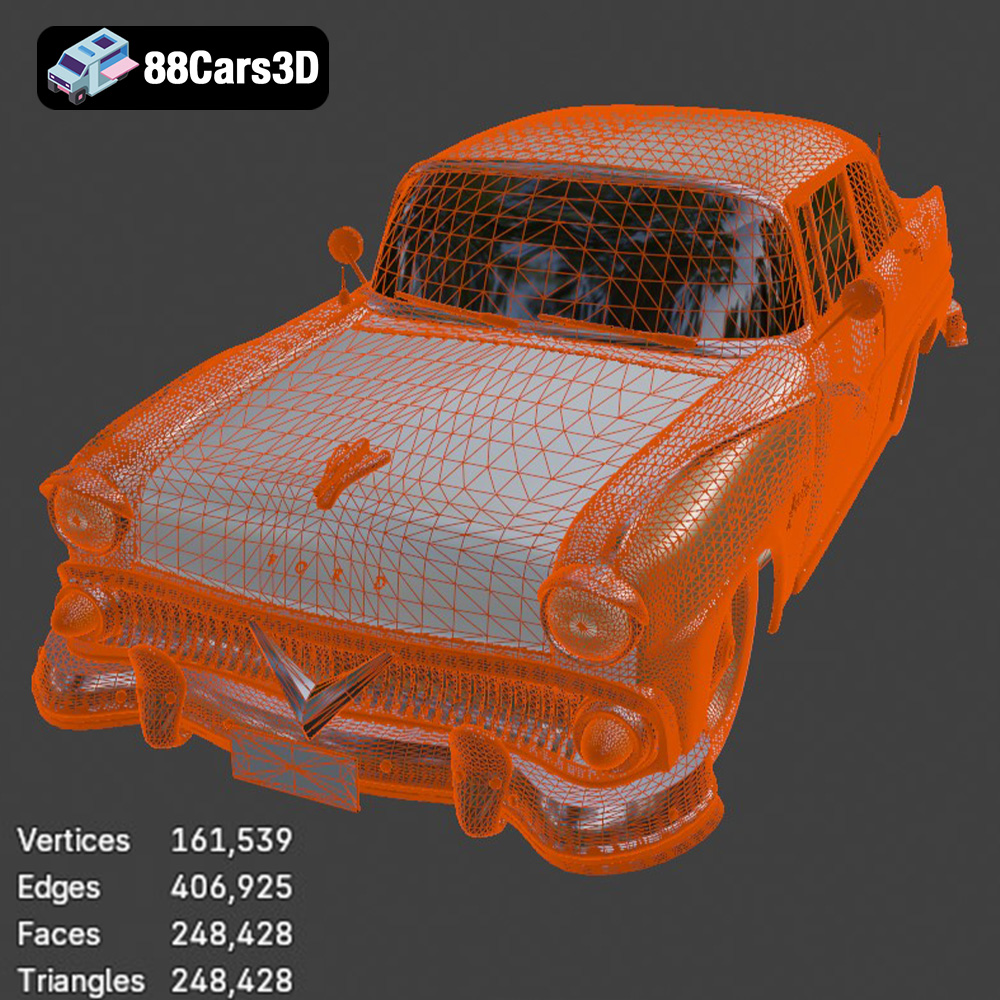
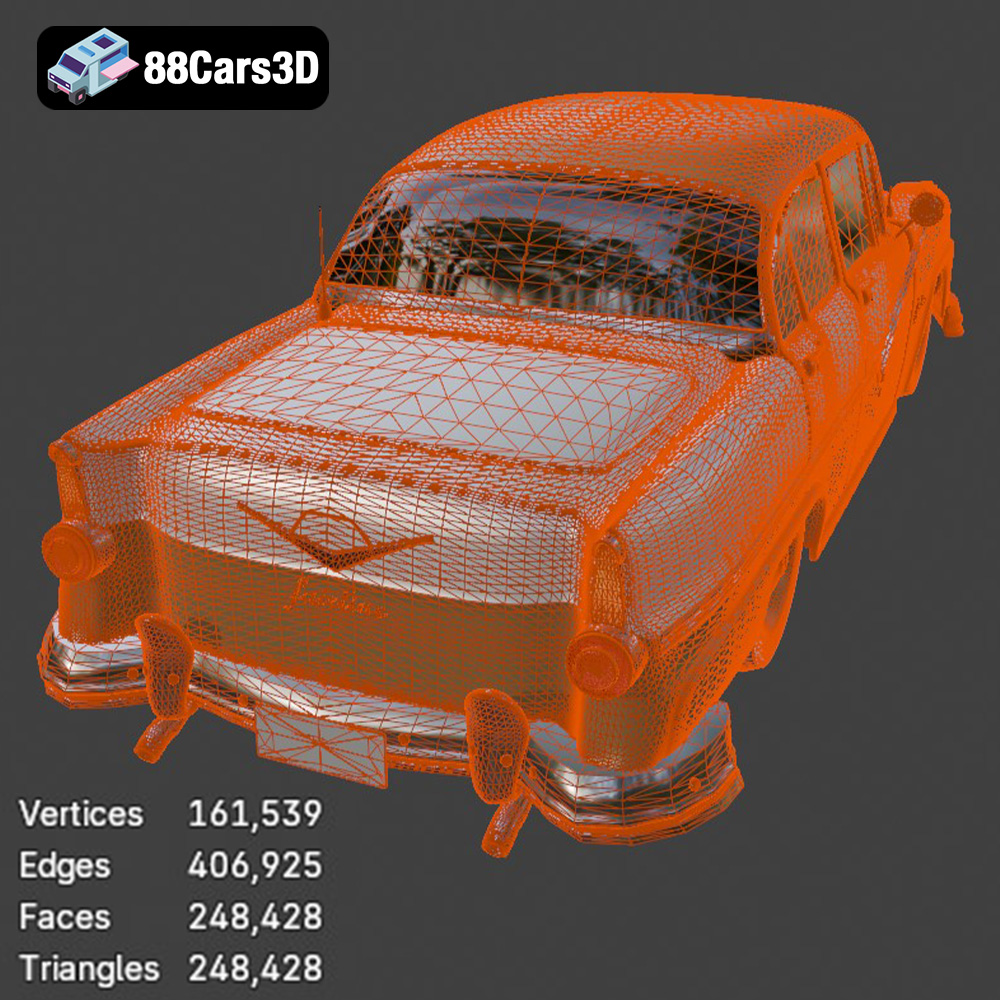
Beyond visual appeal, the technical underpinnings define a model’s utility. The Ford Fairline 2013 model boasts game-ready optimization, striking a perfect balance at around 65,000 triangles. This polycount is ideal for real-time engines like Unreal and Unity, offering high-end visual realism without bogging down performance. Real-world scale accuracy, based on actual vehicle chassis dimensions, guarantees correct proportions when integrated into larger scenes or simulations. Furthermore, proper pivot setups for steering, wheel rotation, and accurate suspension travel are implemented, which are crucial for realistic animation and interactive control. This makes the model fully compatible with major 3D software platforms and modern real-time rendering pipelines, reinforcing its value as a versatile asset.
A high-quality 3D model like the Ford Fairline 2013 from 88cars3d.com is a versatile tool, fitting seamlessly into various professional pipelines. Its robust design and multiple file formats ensure adaptability, saving countless hours for artists and developers.
In architectural visualization, cars are more than just background props; they are essential elements that convey scale, lifestyle, and realism. Integrating the Ford Fairline 2013 into an ArchViz scene, perhaps parked elegantly in front of a modern home or cruising down a virtual street, instantly adds dynamism and context. Using formats like .fbx or .max, artists can import the model into software like 3ds Max, V-Ray, or Corona Renderer. The clean topology ensures flawless reflections on its bodywork, crucial for realistic lighting setups. Adjusting body colors to match client preferences or creating custom metallic coats can be done easily within the material editor, providing aesthetic flexibility. The detailed interior also makes it suitable for shots that look into or through the vehicle, maintaining realism from all angles.
For marketing agencies and automotive brands, creating stunning visuals is paramount. The Ford Fairline 2013 3D model provides a cost-effective and highly flexible solution for producing high-end lifestyle automotive scenes and dramatic studio lighting setups without the need for physical cars or expensive photoshoots. With software like Blender or 3ds Max, coupled with advanced renderers, artists can create photorealistic images and animations. Customization options, such as changing body colors, modifying tire textures for different scenarios, and adjusting material finishes (matte, gloss, deep metallic), allow for endless creative possibilities tailored to specific campaign requirements. This flexibility speeds up content creation cycles and reduces production costs significantly.
The demands of real-time environments—be it a sprawling open-world game or an interactive AR experience—are stringent. Performance is key, and the Ford Fairline 2013 3D model is specifically engineered to meet these challenges head-on.
In game development, the balance between visual fidelity and performance is critical. The Ford Fairline 2013 model’s optimized polycount, around 65,000 triangles, is a testament to its game-readiness. This level of detail allows for stunning realism without overburdening game engines like Unreal or Unity. The separate wheels, suspension, and steering components, along with proper pivot setups, are crucial for seamless animation and realistic physics integration. This makes it ideal for open-world driving games, racing titles, and vehicle simulators where smooth animation and responsive controls are paramount. Developers can quickly integrate this asset, knowing it’s built for efficiency, allowing more time for gameplay refinement rather than asset optimization.
Augmented Reality (AR) and Virtual Reality (VR) applications require extremely optimized assets due to the high frame rate demands for comfortable immersion. The Ford Fairline 2013, with its lean geometry and efficient structure, is perfect for immersive virtual showrooms, vehicle configurators, and mobile AR experiences. The .glb format, in particular, is optimized for these platforms, ensuring quick loading times and smooth interactions. Imagine a potential buyer exploring the car’s exterior in AR on their driveway, or stepping into a VR showroom to customize its interior. The model’s detailed cockpit and interior features are specifically designed for an immersive first-person POV, making these experiences truly engaging and realistic.
While digital visualization is powerful, the ability to bring a 3D model into the physical world through 3D printing offers a unique dimension to its utility. The Ford Fairline 2013 3D model is not just for pixels; it’s also primed for tangible creation.
The inclusion of the .stl format is a direct nod to the growing world of 3D printing. This allows designers, engineers, and hobbyists to create display-scale models or prototypes of the Ford Fairline 2013. Whether for desktop displays, educational purposes, or even as part of a more complex physical prototype, 3D printing offers a tangible connection to the digital asset. Converting a model for 3D printing requires careful consideration of scale, wall thickness, and support structures, all of which are addressed in the product’s recommended print settings.
The true power of a meticulously crafted 3D model lies in its ability to be rendered into breathtaking visuals and customized to fit any creative vision.
For cinematic renders or high-impact marketing visuals, photorealism is the ultimate goal. The Ford Fairline 2013 3D model’s clean topology and detailed geometry are the foundations for this. When paired with advanced rendering engines like V-Ray, Corona Renderer, Octane, or Cycles (in Blender), and proper lighting setups, the model can generate images indistinguishable from real photographs. The careful material setup, implying PBR (Physically Based Rendering) readiness, ensures that surfaces interact with light accurately, creating realistic reflections, refractions, and diffuse properties. This is vital for achieving stunning brand campaigns or dramatic studio lighting setups.
One of the significant advantages of working with 3D models over traditional photography is the unparalleled potential for customization. The Ford Fairline 2013 offers extensive options:
This level of control empowers artists and designers to create an almost infinite array of visual narratives, all stemming from a single, high-quality base model available on 88cars3d.com.
The journey through the world of automotive 3D modeling reveals a complex interplay of technical precision, artistic vision, and workflow optimization. From understanding the nuances of various file formats to mastering rendering techniques and preparing for real-time applications or even 3D printing, each step is crucial in harnessing the full potential of digital assets. The Ford Fairline 2013 3D model stands as a prime example of a meticulously crafted asset that not only meets but exceeds the demands of professional pipelines across diverse industries.
Its game-ready optimization, accurate geometry, detailed interior, and broad file format support make it an invaluable tool for anyone involved in game development, architectural visualization, AR/VR experiences, or high-end automotive rendering. Whether you’re animating a racing sequence, populating a virtual city, or creating a physical prototype, this model offers the flexibility and quality required to achieve exceptional results. For those seeking high-quality 3D car models that seamlessly integrate into any professional workflow, explore the extensive collection, including the Ford Fairline 2013, at 88cars3d.com. It’s an investment in efficiency, quality, and creative freedom.
Experience the perfect blend of modern automotive styling and classic brand heritage with this highly detailed Ford Fairline 2013 3D model. Capturing the essence of contemporary sedan design, this model showcases sleek aerodynamic lines, a distinctive front grille, and an elegantly sculpted rear profile. Key visual elements include a beautifully proportioned chassis, detailed lighting assemblies, and a meticulously crafted wheel setup that emphasizes its dynamic stance. Engineered with exceptional attention to detail, this 3D model features game-ready optimization with an efficiently managed triangle count. The clean topology ensures flawless reflections and high visual fidelity under varying lighting conditions. Designed specifically to meet the demands of modern pipelines, it delivers a balance between stunning realism and real-time performance, making it the perfect asset for demanding digital environments. Perfect for open-world driving games, high-end architectural visualizations, virtual automotive showrooms, and immersive cinematic renders.
$19.99
.blend
.fbx
.ford
.glb
.max
.obj
.ply
.rendering
.sedan
.stl
.unreal
car-3d-model
classic-car
fairline-2013
game asset
game-ready
low-poly
optimized
VR/AR