Get 20% OFF All Premium 3D & STL Models!

In the dynamic world of digital design and interactive experiences, the demand for hyper-realistic 3D assets is ever-growing. From cinematic automotive advertisements to immersive virtual showrooms and cutting-edge game environments, the ability to perfectly replicate real-world objects in the digital realm is paramount. This pursuit of perfection is particularly evident in the automotive sector, where every curve, reflection, and material finish contributes to conveying the essence of a vehicle.
Today, we delve into the intricate process of creating, understanding, and utilizing high-quality 3D car models, focusing on how such assets elevate professional projects. We’ll explore the technical specifications that define excellence, the myriad applications across industries, and the critical role of file formats in ensuring seamless integration. As an exemplar of digital craftsmanship, we will frequently refer to the BMW X6M 2015 3D model, a prime example of a meticulously detailed asset available for download, perfect for discerning professionals looking for premium automotive rendering and game assets.
The journey of a 3D model from creation to deployment often involves navigating a diverse landscape of file formats. Each format is designed with specific use cases, software compatibility, and technical advantages in mind. Choosing the correct format is not merely a preference; it’s a critical decision that impacts workflow efficiency, model integrity, and overall project success. For comprehensive 3D car models like the BMW X6M 2015, understanding these distinctions ensures you harness the model’s full potential across various pipelines.
Different stages of a project, from initial modeling to final rendering or real-time deployment, often require switching between formats. A skilled artist or developer understands which format best serves each purpose.
Beyond basic interoperability, each format carries specific technical implications:
The availability of multiple formats, as seen with the BMW X6M 2015 3D model, ensures that professionals across different disciplines can seamlessly integrate the asset into their specific pipelines, leveraging the strengths of each format to achieve optimal results.
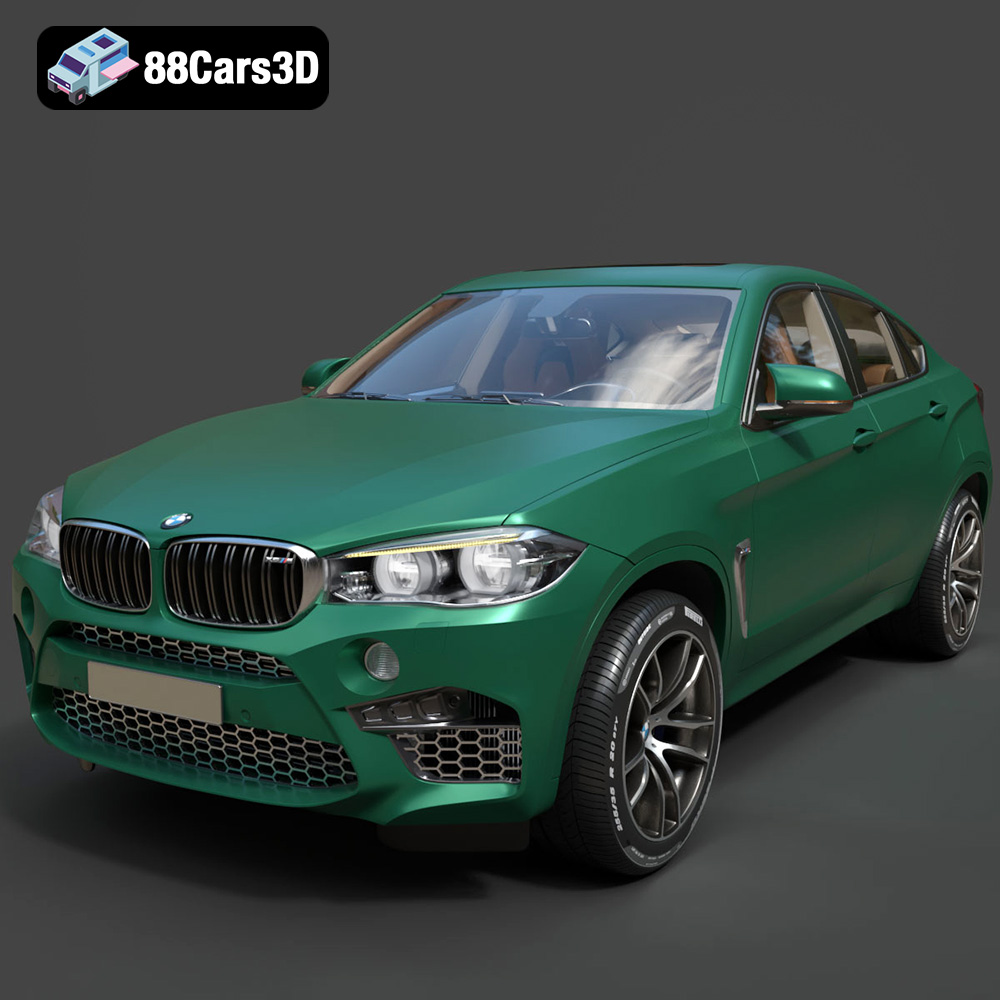
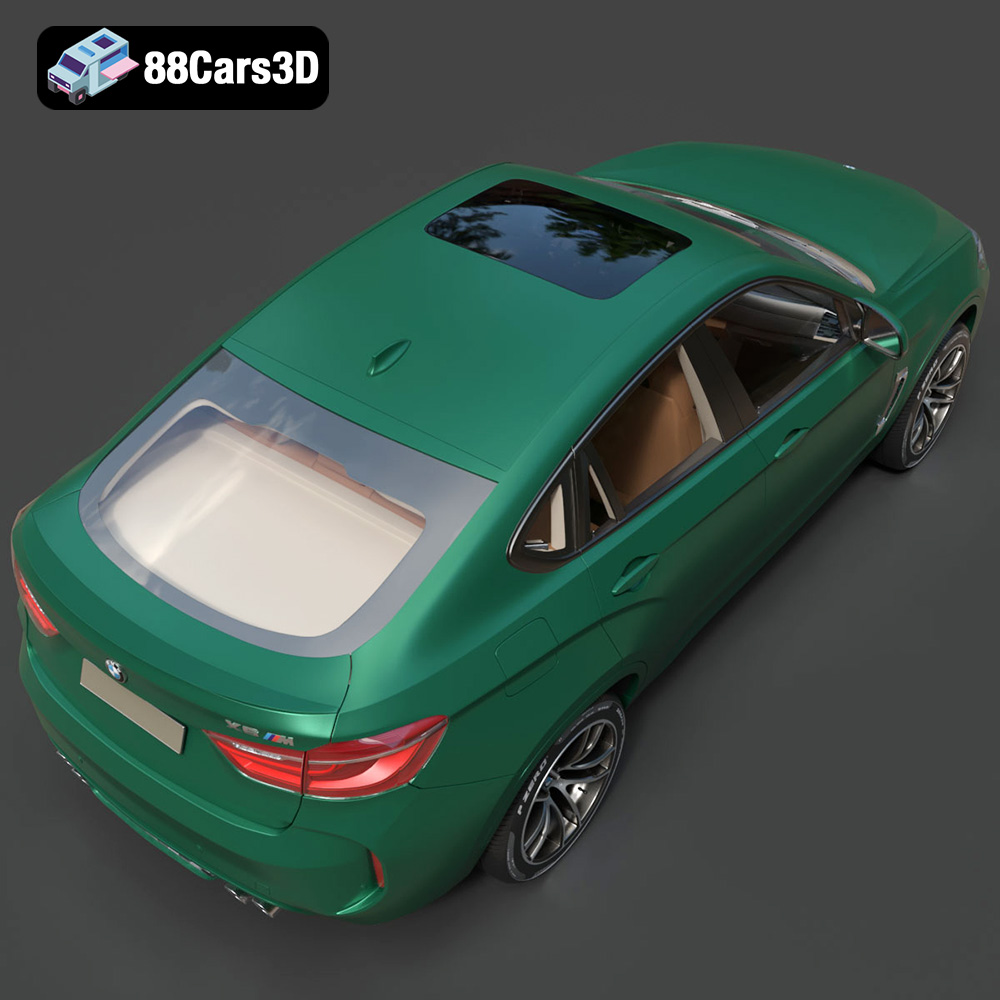
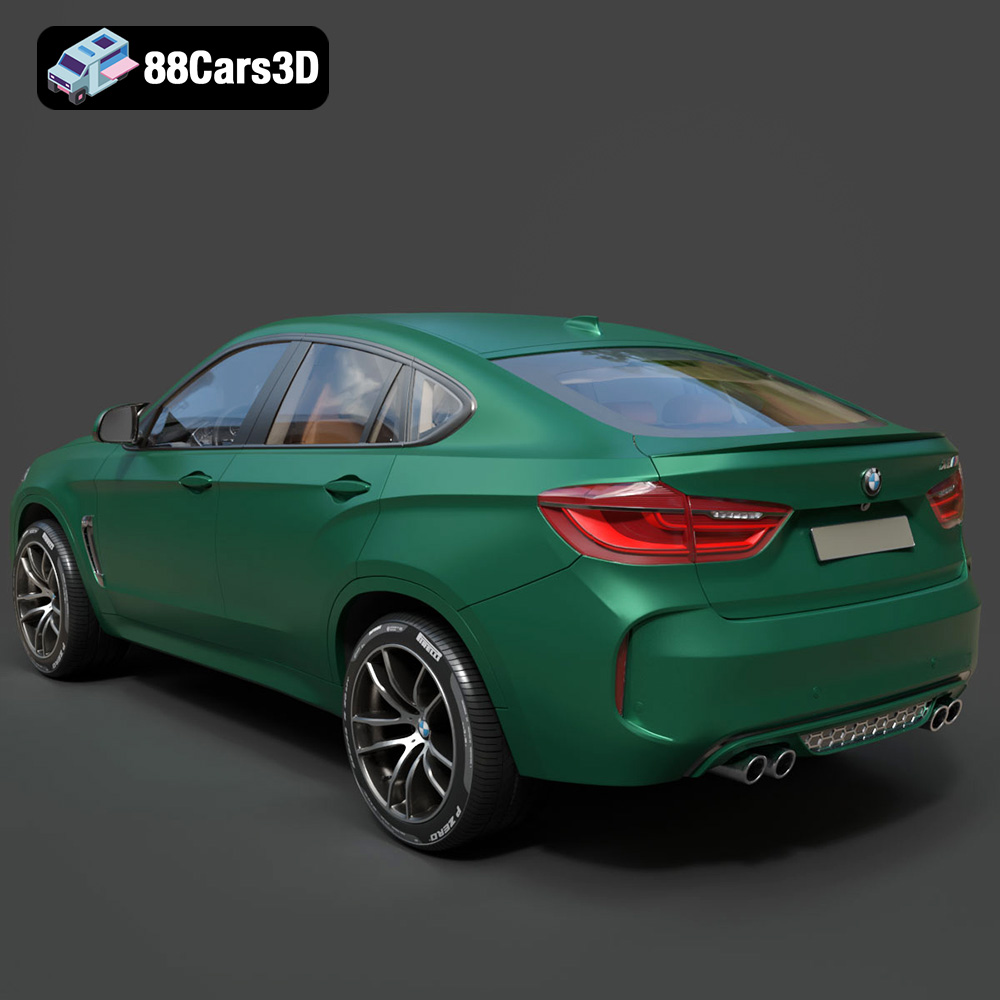
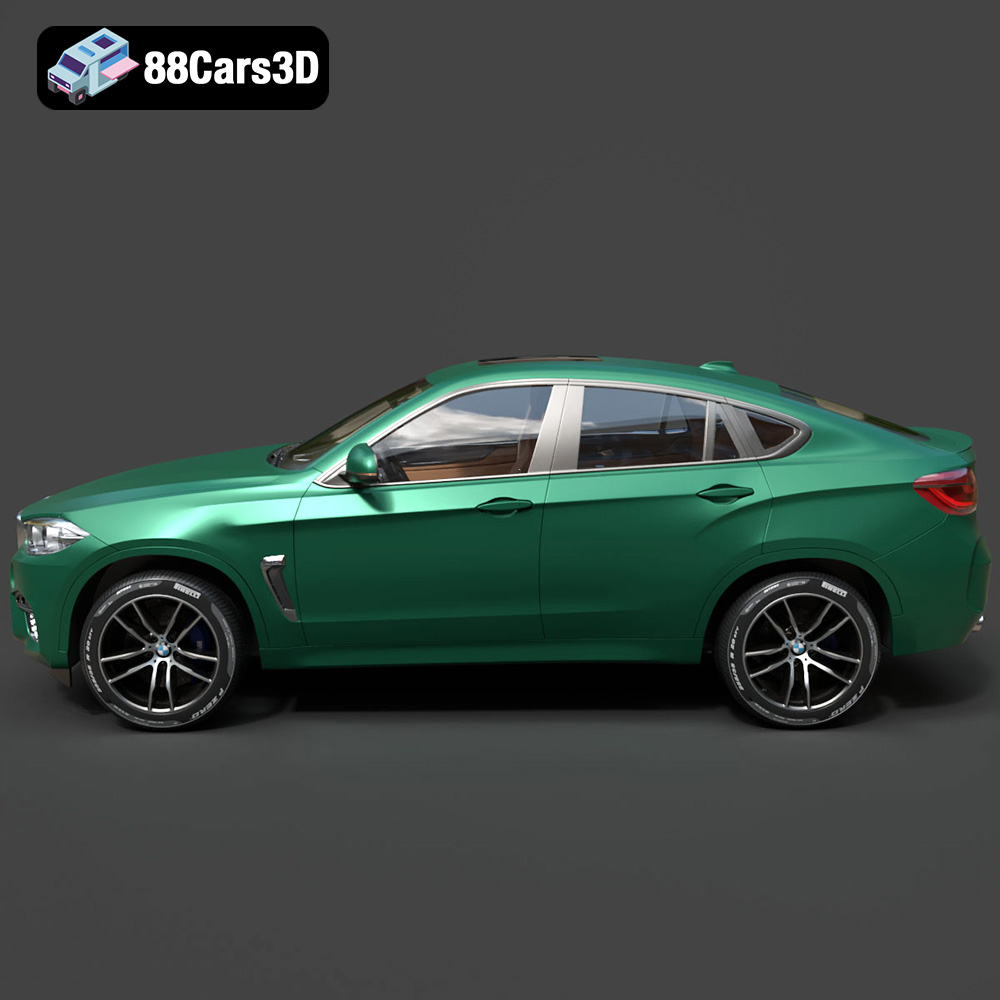
The BMW X6M 2015 stands as a testament to aggressive performance and luxurious design, a true Sports Activity Coupe (SAC) that commands attention. Recreating such an iconic vehicle in 3D requires an acute eye for detail and a commitment to technical precision. The BMW X6M 2015 3D model excels in this regard, offering an unparalleled level of visual realism and intricate detailing that captures the spirit of the real vehicle.
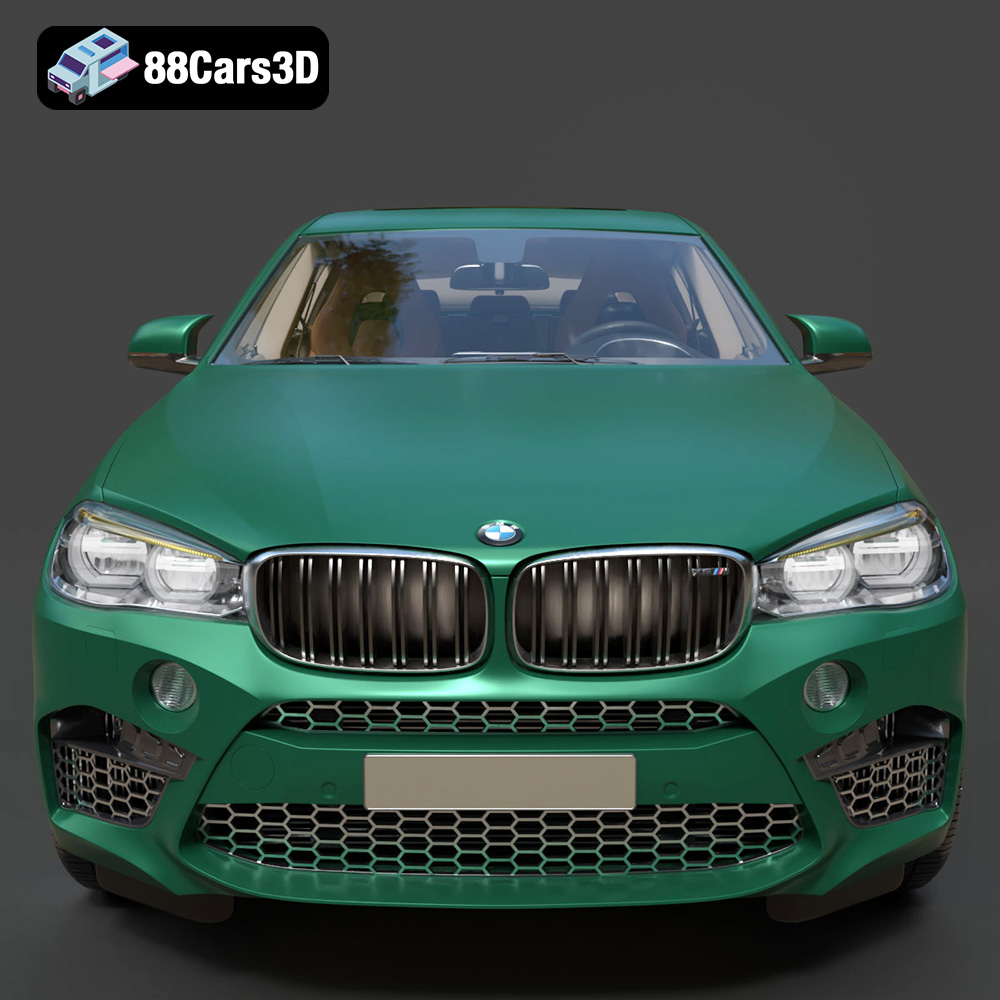
Every element of the X6M’s distinctive exterior has been meticulously crafted. The model accurately reflects the vehicle’s signature kidney grilles, a hallmark of BMW design, coupled with an aggressive M-specific front fascia that incorporates large, functional air intakes. These details are not just aesthetic; they hint at the formidable twin-turbo V8 engine beneath the hood. The rear of the model boasts the distinctive quad exhaust system and an aggressive diffuser, echoing the car’s performance pedigree. Furthermore, the adaptive LED headlights and characteristic L-shaped LED taillights are precisely replicated, adding to the model’s authenticity. The large M light-alloy double-spoke wheels, complete with high-performance tire treads and M-compound brake calipers with cross-drilled rotors, showcase an extraordinary level of detail, extending even to realistic suspension geometry.
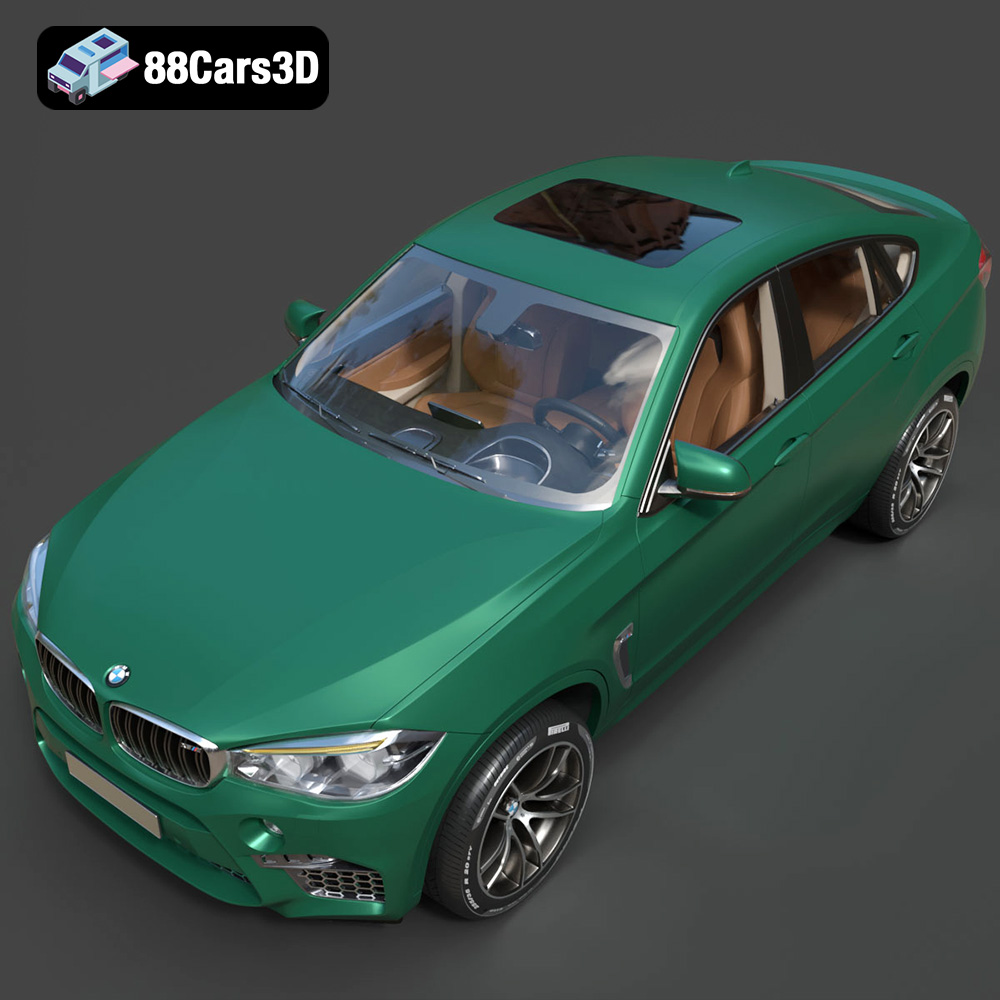
The commitment to fidelity extends into the interior, offering a premium experience even in its digital form. The model features premium M multi-function leather seats with authentic stitching details, an M leather steering wheel with aluminum paddle shifters, and a highly detailed digital instrument cluster and iDrive infotainment display. Critical control details, including pedals, the gear selector, and carbon fiber interior trim, are all accurately represented. This meticulous attention to the cockpit makes the model ideal for immersive virtual experiences, close-up interior renderings, and optimized for first-person POV in gaming applications, allowing users to truly feel present within the vehicle.
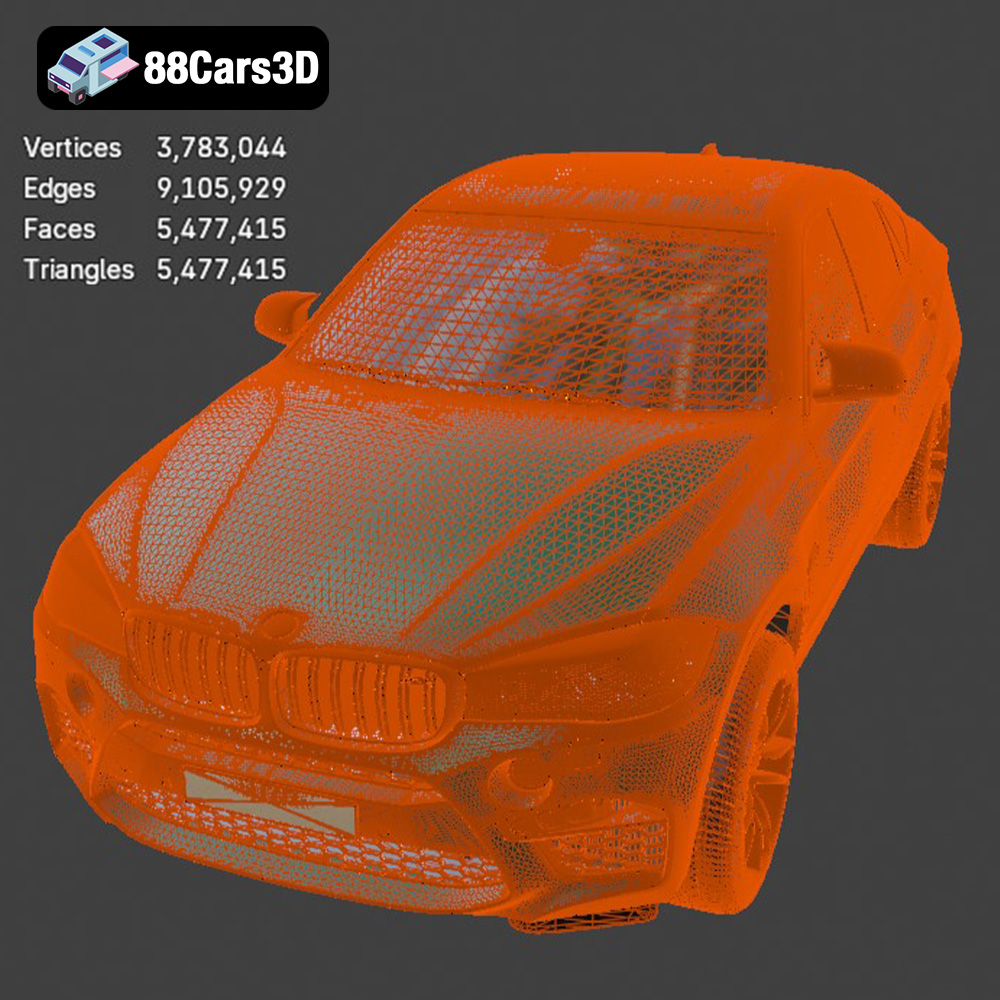
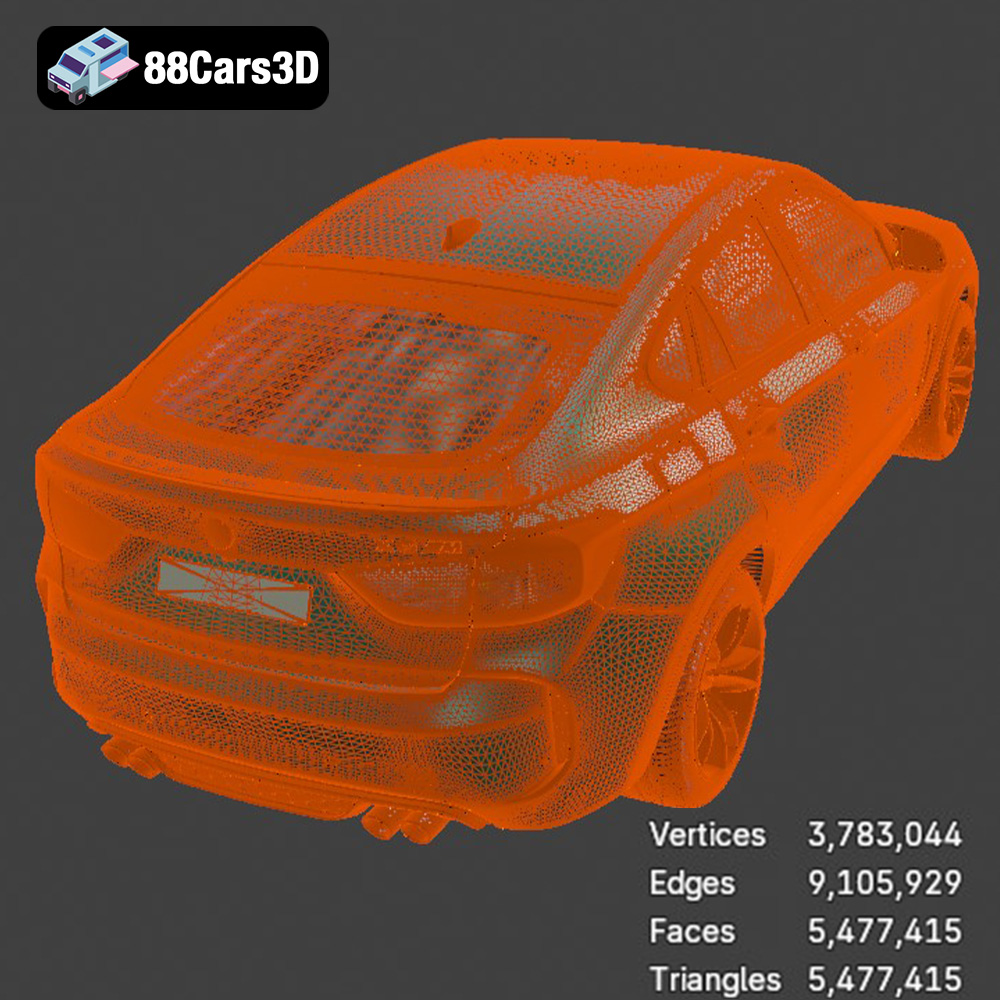
Beyond its visual appeal, the BMW X6M 2015 3D model is engineered for performance and versatility. Boasting 5,477,415 triangles, it strikes a perfect balance: high enough for breathtaking visual realism in cinematic shots, yet optimized to function efficiently as game assets in real-time engines like Unreal and Unity. Its real-world scale accuracy ensures seamless integration into scenes, while proper pivot setups for steering, wheel rotation, and suspension travel make it animation-ready straight out of the box. This model is a testament to what premium 3D car models should offer: exceptional detail combined with technical readiness for a broad spectrum of professional applications.
The true value of a high-quality 3D car model lies in its utility across diverse professional workflows. The BMW X6M 2015 3D model, with its comprehensive feature set and multiple file formats, is designed to be a versatile asset for artists, developers, and designers alike, whether for cutting-edge automotive rendering or developing interactive game assets.
For game developers, the BMW X6M 2015 3D model offers significant advantages. Its optimized polycount of 5,477,415 triangles means it can deliver stunning visual fidelity without bogging down real-time performance. This makes it ideal for integrating into open-world games, high-stakes racing titles, and realistic driving simulators. The availability of an .unreal format implies a streamlined import process, often with pre-configured materials, LODs (Levels of Detail), and potentially even basic collision meshes, drastically reducing setup time. Similarly, its .fbx format ensures smooth integration into Unity, allowing developers to quickly populate their scenes with a high-end, production-ready vehicle. The separate wheels, suspension, and steering components are invaluable for animating realistic vehicle dynamics, enhancing the player’s immersive experience.
In the realm of automotive rendering and visualization, photorealism is the ultimate goal. The BMW X6M 2015 3D model, with its intricate details from the engine bay simulation to the realistic brake calipers, provides a robust foundation for creating stunning visuals. Professionals using 3ds Max can leverage the .max file for full editability, allowing for custom studio lighting setups, advanced material adjustments, and complex animation sequences for commercials or brand campaigns. Blender users benefit from the .blend file, enabling them to explore various rendering engines like Cycles or Eevee, apply custom textures, and modify the model to fit specific creative visions. The ability to change body colors, tire textures, and material finishes further enhances its utility for luxury automotive configurators and high-end architectural visualizations, where the car often serves as a key lifestyle element.
Beyond traditional rendering and gaming, the BMW X6M 2015 3D model extends its utility to emerging technologies. For AR/VR applications, the .glb format is particularly beneficial. Its optimization for browser-based and mobile display makes it perfect for immersive virtual showrooms, where potential buyers can explore the car in a 3D environment, or for mobile AR experiences that allow users to place the digital model into their real-world surroundings. The game-ready optimization ensures smooth performance in these interactive settings. Furthermore, for hobbyists and professionals alike, the model can be converted to the .stl format for 3D printing. With recommended scales like 1:12, 1:18, or 1:24, and specific print settings for resin printing to capture fine details, enthusiasts can bring a physical representation of this digital masterpiece to life, completing the cycle from digital concept to tangible object. This versatility truly showcases the comprehensive nature of quality 3D car models from resources like 88cars3d.com.
Achieving a balance between breathtaking visual fidelity and optimal performance is a constant challenge in 3D production. For an asset as complex as the BMW X6M 2015 3D model, this balance is crucial, especially when it needs to serve roles from cinematic rendering to interactive game assets. The design choices made in its creation directly contribute to its versatility and efficiency across professional pipelines.
The stated polycount of 5,477,415 triangles for the BMW X6M 2015 3D model is a deliberate engineering choice. In high-end automotive rendering, every subtle curve and sharp edge of a vehicle needs to be perfectly smooth and geometrically accurate to prevent faceting and artifacts. This necessitates a higher polygon count. However, for real-time applications like games or AR/VR, excessive polygons can cripple frame rates. The X6M model finds a sweet spot: it’s detailed enough to withstand close-up shots and high-resolution renders, yet structured in a way that, through techniques like automated LOD generation or manual mesh optimization (which can be performed on the editable .blend or .max files), it can be adapted for real-time environments. The “game-ready & optimized” tag signifies that the underlying topology is clean and efficiently structured, making it a robust foundation for further optimization without losing critical details.
Beyond raw geometry, the realism of any 3D model, especially for automotive rendering, hinges heavily on its materials and textures. A high-quality model like the BMW X6M 2015 would typically feature a Physically Based Rendering (PBR) workflow, where materials accurately simulate how light interacts with surfaces in the real world. This involves maps for albedo (base color), roughness (micro-surface detail affecting reflections), metallic (how metallic a surface is), normal (fine surface detail without increasing polycount), and ambient occlusion (soft shadows from contact points). The ability to customize these material finishes – from matte to gloss, or various metallic hues – is essential for adapting the vehicle to different environments and brand aesthetics. For instance, creating a showroom scene might require a high-gloss paint finish with crisp reflections, while a rugged off-road scenario might call for a more subdued, slightly scuffed look on the tires and bodywork. The attention to authentic stitching details on interior leather seats and realistic tire treads further elevates the visual experience, making the model truly shine in any digital context.
The landscape of 3D modeling continues to evolve, pushing the boundaries of realism and interactive experiences. At the heart of this evolution lies the demand for exquisitely detailed and technically sound 3D car models that can serve a multitude of professional applications. From the precision required for cinematic automotive rendering to the performance optimization crucial for game assets, the quality of the underlying 3D model dictates the success of a project.
The BMW X6M 2015 3D model stands as an outstanding example of this commitment to excellence. Its high-fidelity topology, meticulous attention to both exterior and interior details, and comprehensive set of included file formats (.blend, .fbx, .obj, .glb, .stl, .ply, .unreal, .max) make it an incredibly versatile and powerful asset. Whether you are a game developer crafting the next immersive racing title, an automotive visualizer creating stunning marketing campaigns, or an AR/VR designer building interactive showrooms, this model provides the foundation for exceptional results. It truly embodies the blend of technical precision and artistic vision that defines premium 3D assets.
For professionals seeking top-tier 3D models that meet the rigorous demands of modern production pipelines, exploring curated marketplaces like 88cars3d.com is essential. Resources like these ensure access to assets that are not only visually impressive but also technically robust and ready for immediate integration into your most ambitious projects, guaranteeing that your digital automotive dreams can be brought to life with unparalleled realism.
Experience the sheer power and luxury of the BMW X6M 2015 with this highly detailed 3D model. As a pinnacle of the Sports Activity Coupe (SAC) segment, the X6M combines aggressive, muscular styling with track-inspired performance. This model accurately captures the vehicle’s iconic features, including its signature kidney grilles, aggressive M-specific front fascia, large air intakes, and the distinctive quad exhaust system that hints at the twin-turbo V8 engine beneath the hood. Boasting an exceptionally high-fidelity topology with 5,477,415 triangles, this 3D model delivers unparalleled visual realism and intricate detailing. Optimized for modern rendering engines and professional pipelines, it ensures maximum visual fidelity. It is an exceptional asset for cinematic animation, automotive visualization, and immersive virtual experiences.
$37.50
.blend
.bmw
.fbx
.glb
.luxury suv
.max
.obj
.ply
.rendering
.sports car
.stl
.unreal
.x6m
car-3d-model
game asset
game-ready
high poly
optimized
VR/AR
x6m-2015