Get 20% OFF All Premium 3D & STL Models!

In the dynamic landscape of digital content creation, the demand for high-fidelity 3D assets continues to accelerate. From breathtaking cinematic sequences to hyper-realistic game environments and interactive architectural visualizations, the quality of a 3D model can significantly impact the final output. Among these essential assets, 3D car models stand out as particularly challenging to master due to their intricate designs, reflective surfaces, and complex mechanical components. Artists and developers are constantly seeking models that not only look authentic but are also technically optimized for diverse applications.
The quest for such quality often leads to specialized marketplaces offering meticulously crafted assets. One such standout is the General Motors Oldsmobile Bravada Mk2f 1998-08 3D Model, a prime example of how detailed, game-ready assets can elevate projects across various industries. This model encapsulates the charm of late 90s American luxury SUVs, offering a blend of nostalgic aesthetics and modern technical precision. Whether you are an automotive rendering specialist, a game developer pushing visual boundaries, or an AR/VR innovator, understanding the nuances of premium 3D car models and their associated file formats is paramount to unlocking their full potential.
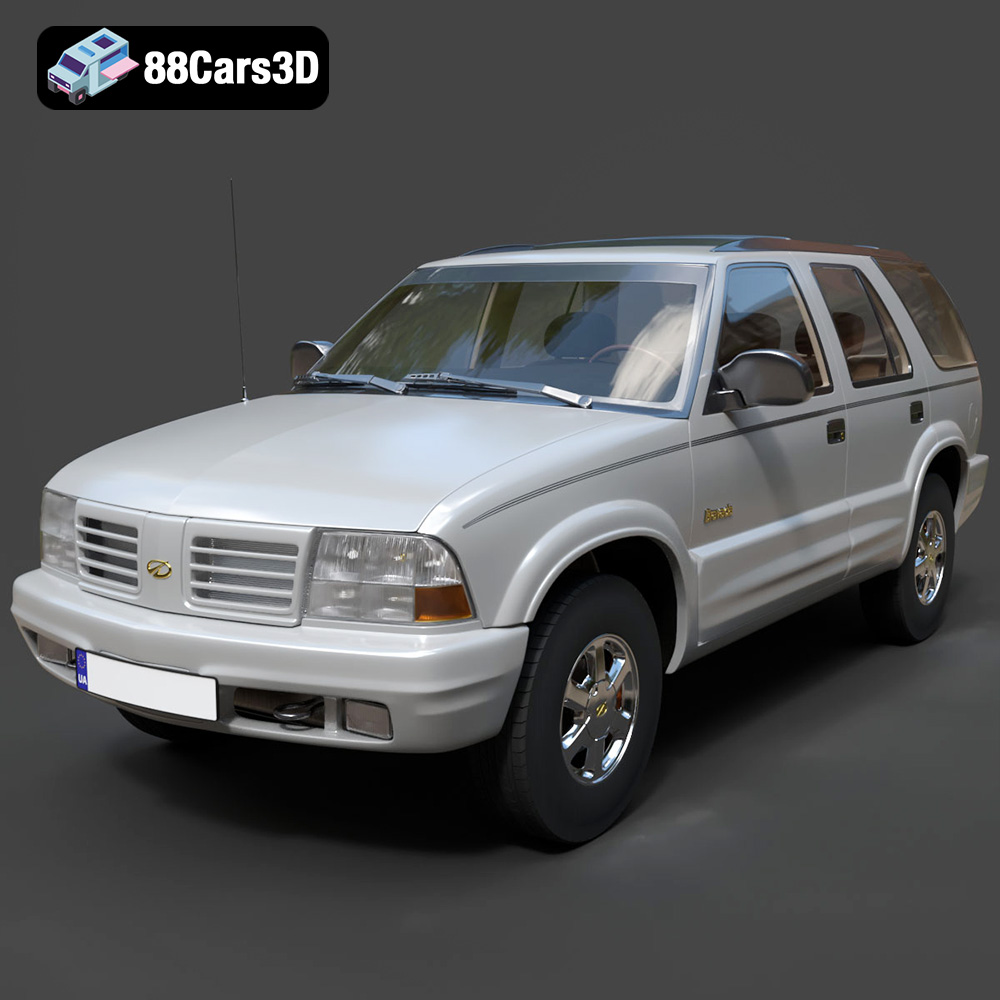
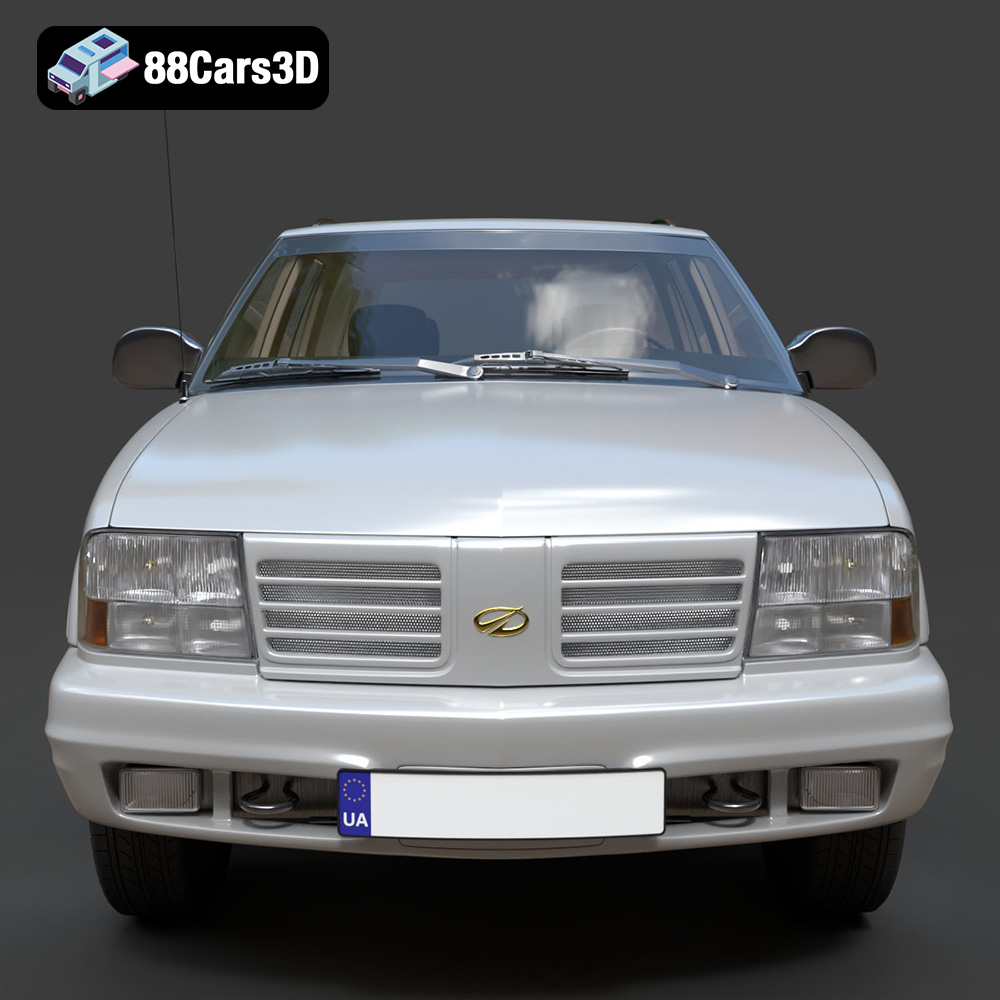
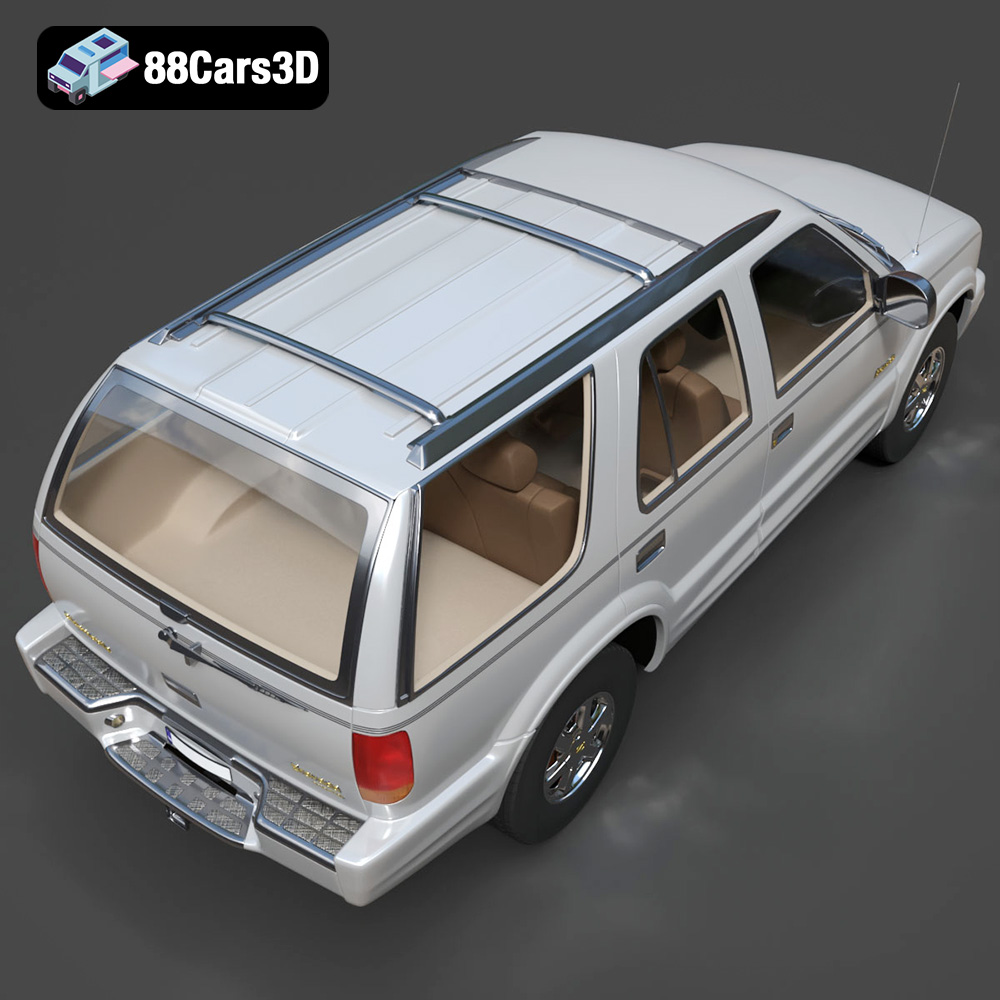
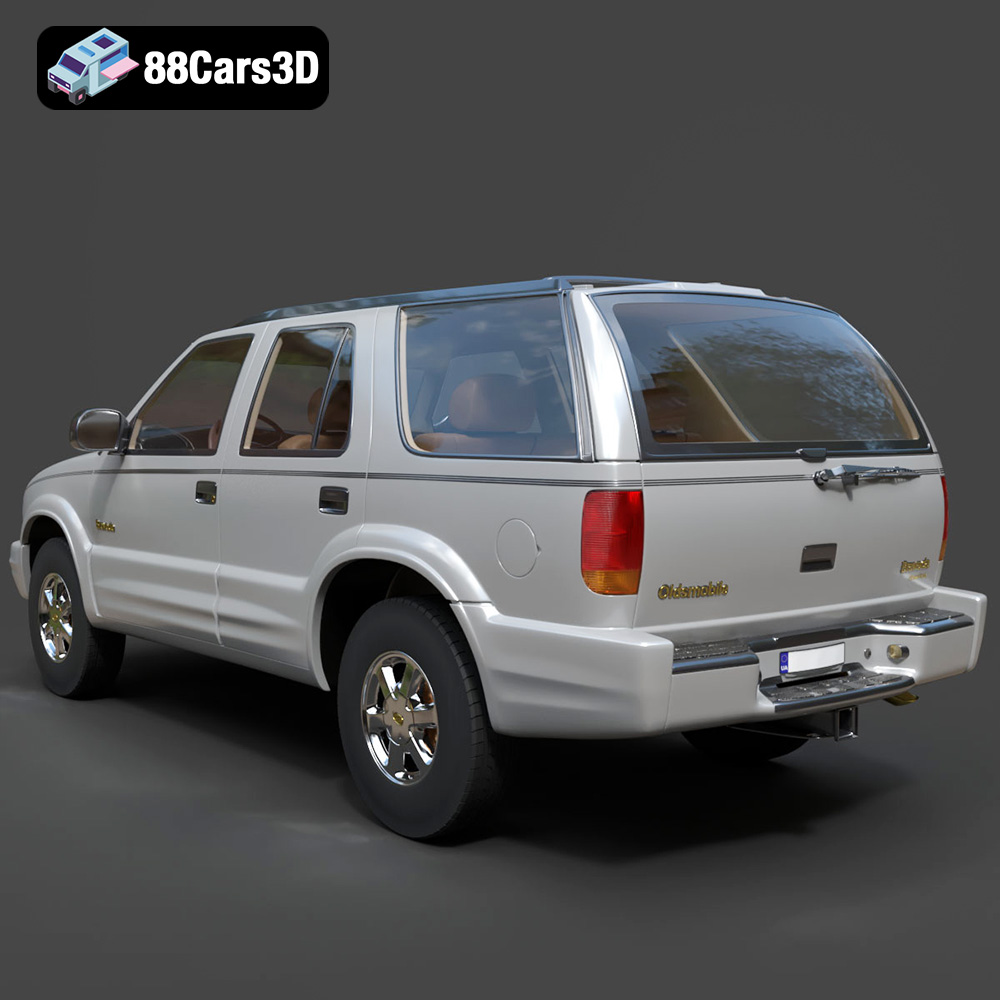
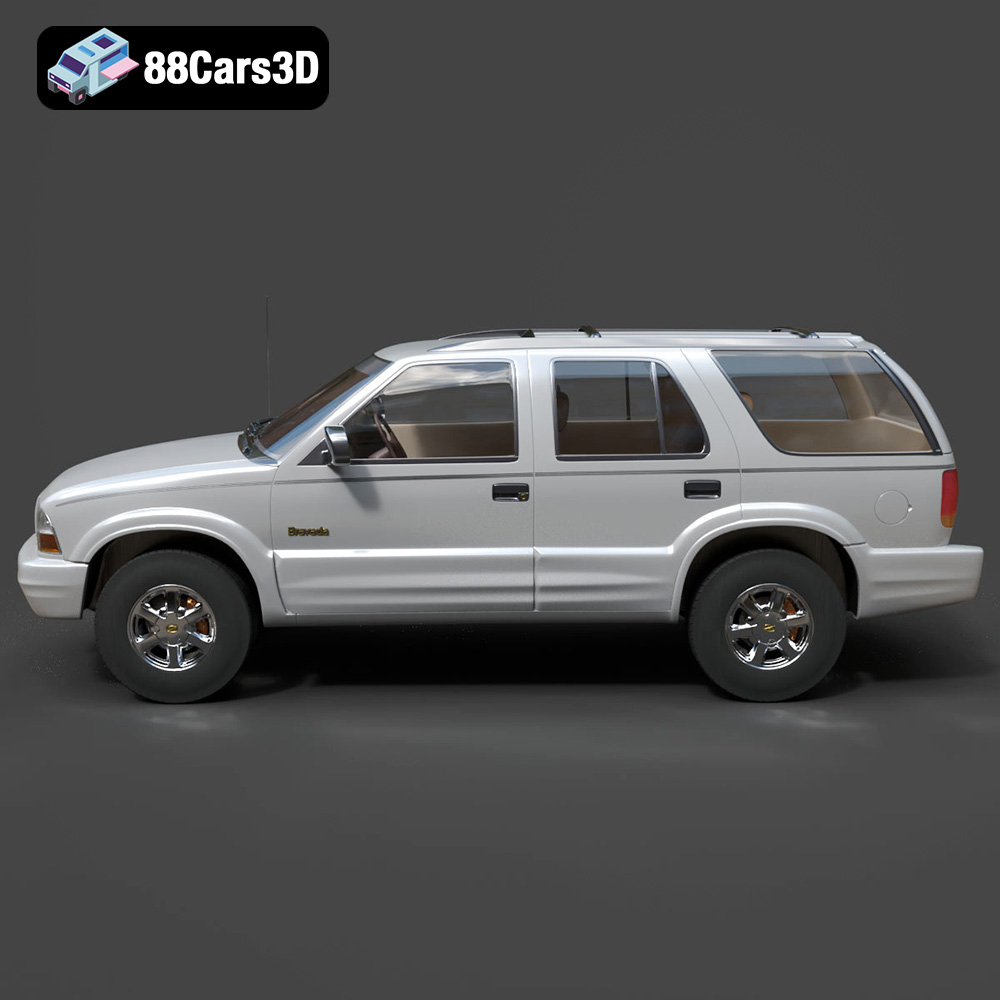
Creating a convincing 3D car model goes far beyond simply replicating its shape. It involves a deep understanding of automotive design principles, material science, and the technical requirements of different digital pipelines. The Oldsmobile Bravada Mk2f model, for instance, perfectly illustrates this blend of artistry and engineering. It captures the vehicle’s signature design elements, from its iconic Oldsmobile split front grille to its seamlessly integrated aerodynamic styling, ensuring that every curve and contour is faithfully represented.
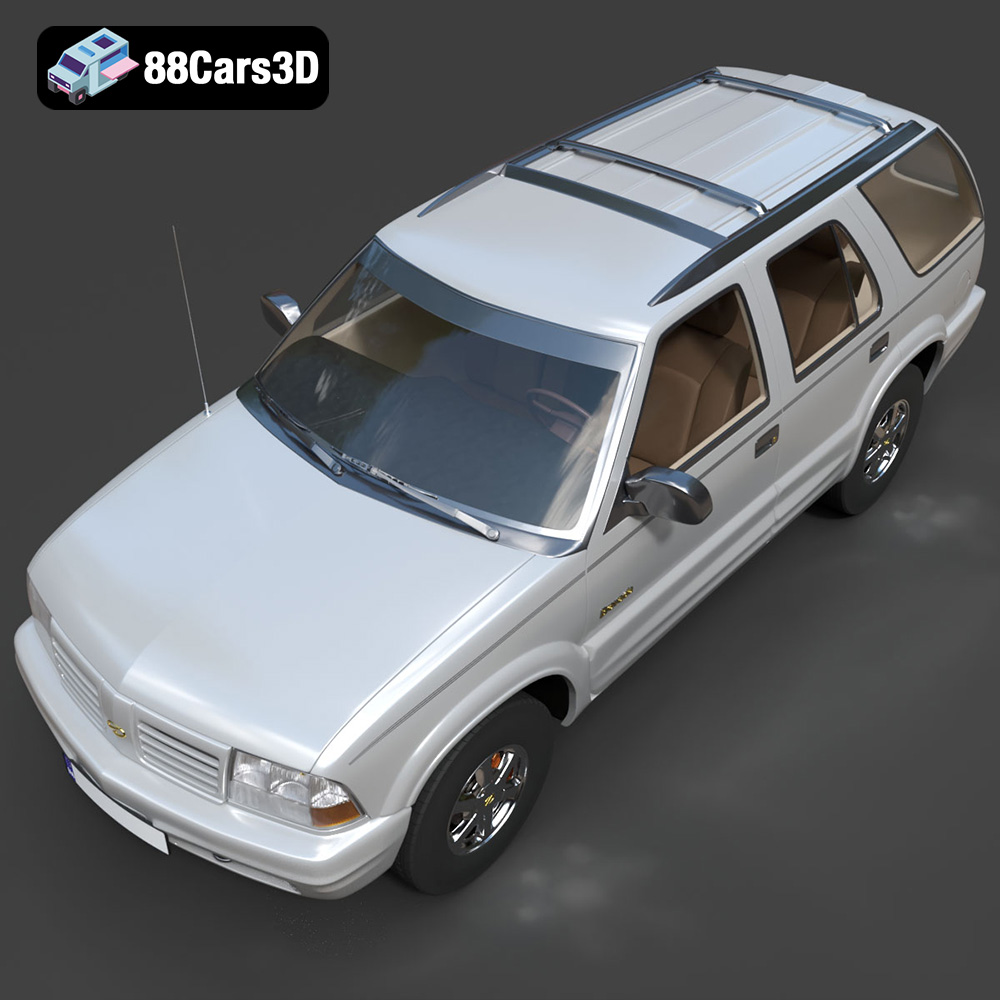
Such attention to detail extends to functional components, with accurately modeled exterior elements like high-resolution lighting fixtures and authentic multi-spoke alloy wheels. Even the interior is meticulously crafted, boasting luxurious ribbed leather-style seat detailing and a period-correct dashboard with wood-grain accents. This level of fidelity ensures that the model is not just a visual prop, but a digital twin ready for close-up shots, interactive exploration, and dynamic simulations.
The versatility of a 3D model is often defined by the file formats it supports. Choosing the correct format for your project is critical for compatibility, performance, and preserving the integrity of your asset. High-quality 3D car models, like those found on 88cars3d.com, typically come in a range of formats, each optimized for specific workflows and applications. Understanding these distinctions is crucial for seamless integration into your production pipeline.
When you acquire a comprehensive 3D model package, such as the General Motors Oldsmobile Bravada Mk2f, you’ll often receive an array of file types designed to cater to different software, engines, and end-uses. Each format brings its own set of advantages and technical considerations.
The availability of such a comprehensive suite of file formats for the Oldsmobile Bravada Mk2f underscores its utility across virtually any professional pipeline, from high-end visualization to real-time interactive experiences.
The General Motors Oldsmobile Bravada Mk2f 1998-08 3D Model is more than just a digital replica; it’s a meticulously engineered asset designed to meet the rigorous demands of modern digital production. Its appeal lies not only in its nostalgic representation of a classic American luxury SUV but also in its robust technical specifications.
The designers behind this 3D model have gone to great lengths to ensure authentic representation. The model faithfully recreates the Bravada’s distinctive features, such as its sophisticated SmartTrak all-wheel-drive system (visually represented in the chassis), the instantly recognizable Oldsmobile split front grille, and its seamless body-colored lower cladding. Every detail, from the exact mid-size SUV proportions to the detailed 4.3L Vortec V6 engine block styling and single tailpipe exhaust system, speaks to a commitment to accuracy.
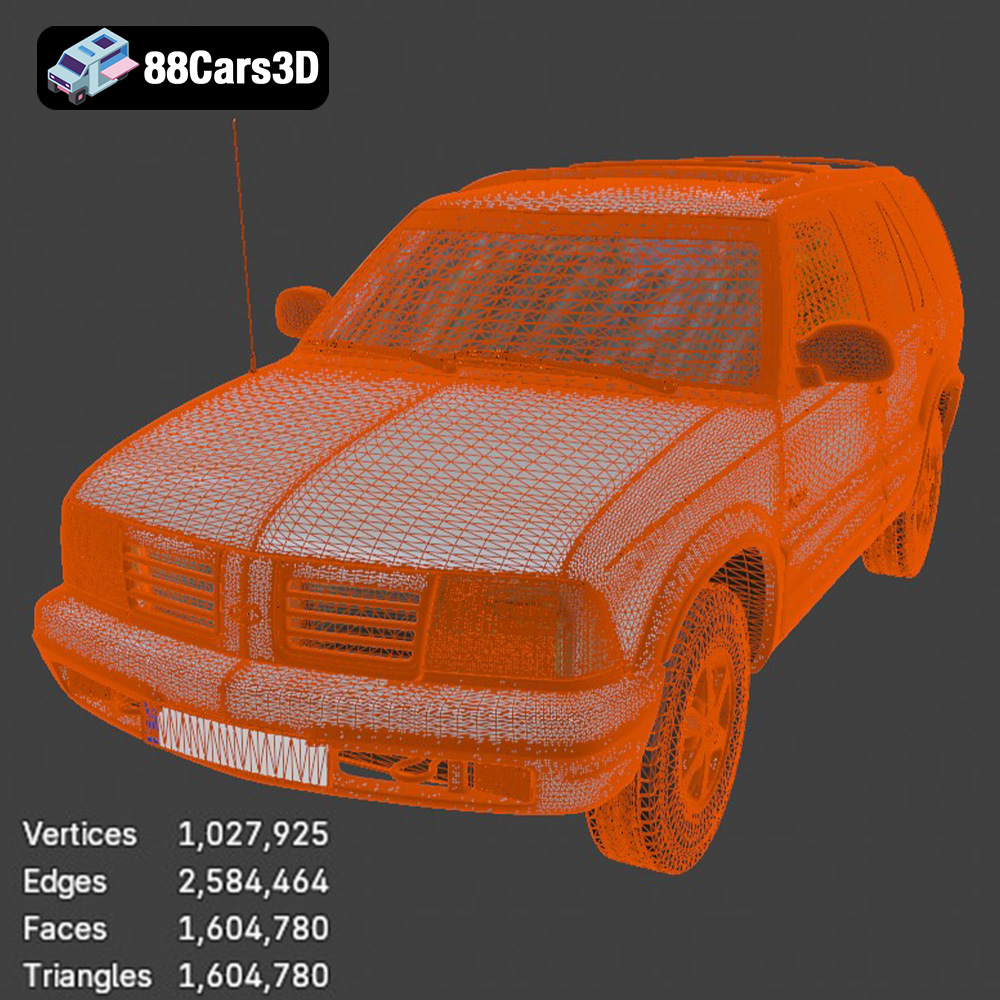
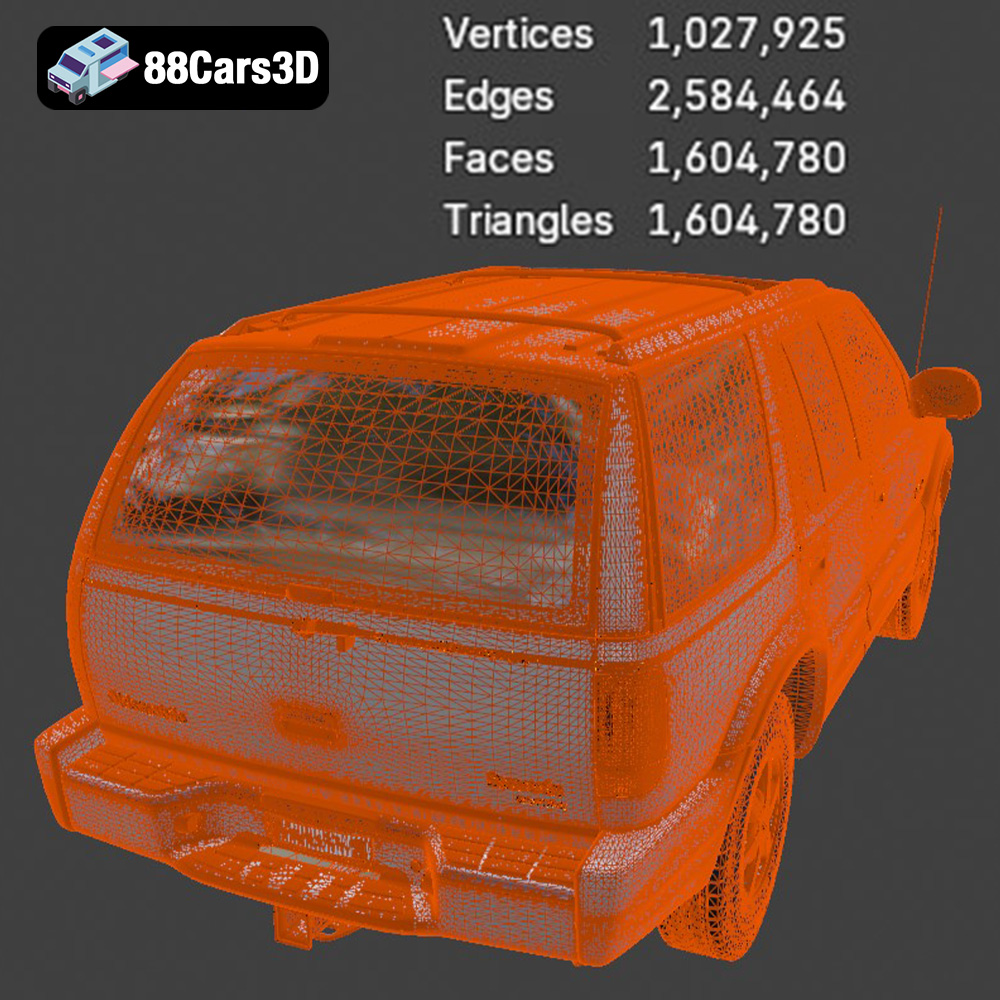
Even often-overlooked components like independent front and solid axle rear suspension are accurately modeled, and high-resolution lighting fixtures, including the distinct split headlights and integrated taillights, add to the realism. Inside, the “luxury” aspect is palpable with ribbed leather-style seat detailing, a dashboard featuring period-correct analog gauges, and wood-grain accent styling. With a meticulous topology boasting a triangle count of 1,604,780, the model strikes an impressive balance, delivering high-fidelity visual quality suitable for close-up renders without sacrificing performance in real-time environments.
The versatility of the Oldsmobile Bravada Mk2f 3D model makes it suitable for a wide array of applications. For game developers, its game-ready optimization and detailed geometry are ideal for open-world games, racing titles, or historical urban driving simulations set in the late 90s or early 2000s. Its accurate real-world scale and proper pivot setup for steering, wheel rotation, and suspension travel make it a dynamic asset for interactive experiences.
In the realm of rendering and visualization, the model excels in creating hyper-realistic scenes for brand campaigns, lifestyle imagery, or architectural visualizations that require authentic automotive presence. Imagine the Bravada integrated into a virtual dealership showroom, showcasing its classic lines under studio lighting, or anchoring a cinematic rendering project focused on a nostalgic period. The comprehensive detail, including the optimized geometry for first-person POV in gaming, extends its utility to virtual tours and immersive brand experiences, solidifying its status as a premium asset available on marketplaces like 88cars3d.com.
Integrating a high-quality 3D car model into a professional workflow requires strategic planning and an understanding of the chosen software ecosystem. The Oldsmobile Bravada Mk2f model, with its extensive file format support, offers exceptional flexibility for artists and developers using industry-standard tools like 3ds Max, Blender, and Unreal Engine.
For artists deeply entrenched in Autodesk 3ds Max, the inclusion of the .max file format is a game-changer. This native file provides full access to the original scene, allowing for deep customization. Users can modify geometry, adjust materials (e.g., swapping out standard materials for V-Ray or Corona shaders), fine-tune lighting setups, and easily incorporate the separate wheels, suspension, and steering components into complex animations. The ability to manipulate every aspect of the model within a familiar environment significantly accelerates iterative design and ensures perfect integration into existing 3ds Max projects, whether for still renders or intricate sequences.
Similarly, Blender artists benefit immensely from the native .blend file. This offers the same level of granular control, allowing them to leverage Blender’s powerful Cycles or Eevee renderers, modify material nodes for unique visual effects, or integrate the vehicle into an animated short. The clean topology and well-structured geometry mean less time spent on clean-up and more time on creative exploration, making it a highly efficient asset for any Blender-centric production pipeline. Both formats underscore the model’s ‘editable’ nature, providing a foundation for limitless creative exploration.
For game developers and real-time visualization specialists using Unreal Engine, the .fbx and .unreal file formats are critical. The .fbx file is the industry standard for importing complex animated models and PBR materials into Unreal. The Bravada’s geometry, with its optimized polycount and proper pivot setups for animation (wheel rotation, steering, suspension travel), imports seamlessly. Artists can quickly set up PBR materials within Unreal’s robust material editor, utilizing texture maps for realistic reflections, normal details, and roughness variations.
The explicit inclusion of an .unreal file, or an optimized FBX pre-configured for the engine, suggests a workflow designed for maximum efficiency. This means less time spent on tedious import settings and material conversions, and more time focusing on level design, interactivity via Blueprints (e.g., making car doors open, lights turn on), and optimizing performance for target platforms. The model’s “game-ready” designation ensures it aligns perfectly with Unreal Engine’s demands for efficient real-time rendering, making it a valuable asset for creating compelling virtual environments and interactive experiences.
In the fast-paced world of game development and real-time rendering, optimization is not merely an option; it’s a necessity. A stunning 3D model that cripples frame rates is of little use. The General Motors Oldsmobile Bravada Mk2f 3D model is designed with this critical balance in mind, offering high visual fidelity alongside game-ready performance.
The claim of “game-ready optimization” for a model with 1,604,780 triangles might seem counterintuitive at first glance to those unfamiliar with modern engine capabilities. However, this count represents a strategic balance for today’s high-fidelity real-time environments. It means the model provides sufficient geometric detail for close-up shots and high-definition rendering, crucial for modern games and AR/VR experiences, without being excessively dense. For instance, sophisticated engine features like Nanite in Unreal Engine 5 can efficiently handle high poly counts, making such detailed models viable. Furthermore, the model’s geometry is expertly structured, implying clean topology, efficient edge loops, and likely a strategic distribution of polygons to maximize visual impact where it matters most, such as the exterior paneling and light housings.
A truly game-ready asset also implies meticulously crafted UV maps for efficient texture application and optimal draw calls. While not explicitly detailed in the product description, proper UV unwrapping is fundamental to a “game-ready” asset, ensuring textures are clear, without stretching, and can be easily utilized with PBR material workflows. The focus on real-world scale accuracy and proper pivot setups further contributes to its readiness, allowing developers to integrate it into physics engines and animation systems with minimal fuss.
Consider a scenario where a game studio is developing an open-world crime drama set in the late 90s. The need for period-accurate vehicles is paramount to establish immersion. The Oldsmobile Bravada Mk2f model fits perfectly into this niche, providing a high-quality asset that looks authentic and performs efficiently within the game engine. Its optimized geometry means it can be instantiated multiple times in a scene without drastically impacting performance, creating a believable urban landscape.
Another compelling use case involves architectural visualization firms. When rendering complex street scenes or virtual walkthroughs of residential areas, adding realistic vehicles can dramatically enhance the sense of presence and scale. The Bravada model, with its accurate exterior and detailed interior, provides an excellent element for such visualizations, making static scenes feel lived-in and dynamic. The ability to customize body colors and material finishes further extends its utility, allowing artists to match the vehicle to specific branding or environmental aesthetics. These examples highlight how premium 3D car models from 88cars3d.com serve as invaluable tools across professional pipelines.
The utility of a robust 3D car model extends far beyond traditional game development and rendering. With the rise of augmented reality (AR), virtual reality (VR), and accessible 3D printing, high-quality assets like the General Motors Oldsmobile Bravada Mk2f are finding new and innovative applications, bridging the gap between digital and physical realms.
For AR/VR developers, the Oldsmobile Bravada Mk2f model is an exceptional foundation for creating immersive experiences. The inclusion of the .glb format is particularly advantageous here. GLB files are highly optimized for web and mobile delivery, encapsulating all necessary data (geometry, textures, materials) into a single, compact file. This makes the Bravada perfect for virtual showrooms where potential buyers can explore the vehicle in 3D using their web browser or a mobile AR app, interacting with its features and customizing options in real-time. Imagine a user placing a virtual Bravada in their driveway via their smartphone, inspecting its details as if it were truly there.
Beyond AR/VR, the model shines in advanced visualization projects. Marketing agencies can leverage its fidelity for dynamic brand campaigns, creating lifestyle scenes or studio lighting setups that highlight the vehicle’s classic appeal. Its detailed interior, suitable for first-person POV, even allows for virtual test drives or interactive configurators, providing a richer, more engaging experience than static images or videos. The combination of high visual realism and optimized geometry ensures that these immersive visualizations run smoothly across various platforms.
The ability to transition a digital asset into a tangible object is a fascinating application, and the Oldsmobile Bravada Mk2f model is primed for this with its .stl format. This makes it an ideal asset for hobbyists, collectors, or designers looking to create physical scale models. The product description provides highly specific 3D print settings, which is incredibly valuable for a successful print. Recommendations for resin printing ensure fine details – such as the split headlights, interior textures, and wheel spokes – are accurately reproduced, surpassing the capabilities of filament-based printers for intricate models.
Recommended scales (1:12, 1:18, 1:24) cater to popular model car sizes, allowing enthusiasts to integrate their printed Bravada into existing collections. Crucially, the advice on supports for detailed parts like exhaust and mirrors, along with specific print orientations, guides users toward optimal structural integrity and detail preservation. Post-processing steps, including sanding, priming, and applying authentic factory colors with metallic finishes, transform the raw print into a stunning display piece, bringing the digital classic to life on a physical shelf. This blend of digital precision and physical manifestation underscores the comprehensive value of such high-quality 3D car models.
The digital creative landscape is constantly evolving, demanding assets that are not only visually stunning but also technically robust and versatile. High-quality 3D car models like the General Motors Oldsmobile Bravada Mk2f 1998-08 are indispensable tools for professionals across game development, architectural visualization, cinematic rendering, AR/VR experiences, and even 3D printing. This model exemplifies the meticulous craftsmanship and technical optimization required to meet the diverse needs of modern digital production.
From its detailed exterior and authentic interior to its game-ready topology and comprehensive file format support (including .blend, .fbx, .obj, .glb, .stl, .ply, .unreal, and .max), the Bravada offers unparalleled flexibility. It empowers artists and developers to seamlessly integrate a classic American luxury SUV into virtually any project, ensuring both visual fidelity and optimal performance. By understanding the intricacies of file formats and leveraging the detailed technical specifications, creators can unlock the full potential of such premium assets.
Whether you’re crafting an immersive urban simulation, designing a nostalgic cinematic scene, or bringing a digital classic to life through 3D printing, investing in well-engineered 3D car models is a foundational step towards achieving excellence. For a curated selection of such high-quality assets, including the Oldsmobile Bravada Mk2f, consider exploring 88cars3d.com, where attention to detail meets professional-grade optimization.
The Oldsmobile Bravada Mk2f (1998-08) stands as a distinct symbol of late 90s and early 2000s American luxury SUVs. Known for its sophisticated SmartTrak all-wheel-drive system, this mid-size premium utility vehicle blends rugged capability with upscale comfort. The model captures the vehicle’s signature design elements, including the iconic Oldsmobile split front grille, seamless body-colored lower cladding, and smoothly integrated aerodynamic styling cues that set it apart from its corporate siblings. Boasting a meticulous topology with a triangle count of 1,604,780, this 3D model delivers high-fidelity visual quality without compromising performance. Designed with game-ready optimization in mind, the geometry is expertly structured for real-time engines, rendering high-definition details in the exterior paneling, complex light housings, and undercarriage components. It serves as an exceptional asset for developers and artists focusing on game development, immersive AR/VR experiences, animation, and hyper-realistic architectural visualization. Perfect for urban driving simulations, virtual dealership showrooms, historical 90s-era automotive scenes, and cinematic rendering projects.
$37.50
.blend
.fbx
.glb
.luxury suv
.max
.obj
.oldsmobile
.ply
.rendering
.stl
.unreal
bravada
bravada-mk2f
car-3d-model
classic-suv
game asset
game-ready
low-poly
optimized
SUV
VR/AR