Get 20% OFF All Premium 3D & STL Models!

In the high-stakes world of 3D visualization, automotive rendering, and game development, the difference between a good project and a groundbreaking one often lies in the quality of its foundational assets. A truly exceptional 3D car model isn’t just a mesh; it’s a meticulously crafted digital sculpture, optimized for diverse applications, and ready to elevate any scene it inhabits. Today, we delve into such an asset: the Porsche Panamera GTS 2019 3D Model. This isn’t merely a representation of a luxury sports sedan; it’s a versatile tool designed for professionals seeking unparalleled realism and performance across various pipelines, from photorealistic rendering to immersive real-time experiences.
The 2019 Porsche Panamera GTS itself is a masterpiece of automotive engineering, known for its potent twin-turbo V8, aggressive styling, and the distinctive “flyline” that blends sports car agility with executive sedan comfort. Capturing this essence in a 3D model requires an extraordinary level of detail and technical precision. The model available at 88cars3d.com delivers exactly that, providing a robust, game-ready asset that perfectly balances high visual fidelity with optimal performance. Whether you’re an architectural visualizer adding realism to an urban streetscape, a game developer crafting the next AAA racing title, or a designer creating a virtual automotive showroom, this Panamera GTS model stands ready to integrate seamlessly into your workflow.
The versatility of a high-quality 3D model is often defined by the range of file formats it supports. Each format offers distinct advantages and caters to specific use cases, software environments, and project requirements. The Porsche Panamera GTS 2019 3D model is provided in an impressive array of formats, ensuring maximum compatibility and utility. Understanding these is crucial for optimizing your workflow and achieving the desired outcome.
The .blend file format is native to Blender, a powerful open-source 3D creation suite. When you download the Panamera GTS model in .blend format, you gain access to a fully editable Blender scene. This typically includes pre-configured materials, textures, lighting setups, and even potentially animation rigs if present. For artists and developers deeply integrated into the Blender ecosystem, this offers the most flexible starting point, allowing for easy modification of geometry, shaders, and scene elements without the need for complex import/export procedures. It’s ideal for custom rendering projects, animation, or further model refinement directly within Blender.
The .max format is the proprietary file type for Autodesk 3ds Max, a leading software for 3D modeling, animation, and rendering in professional visualization and game development. A .max file of the Porsche Panamera GTS offers a complete 3ds Max project, preserving layers, material assignments, scene settings, and potentially animation data specific to 3ds Max. This is the preferred format for studios and artists who rely on 3ds Max for high-end rendering (e.g., V-Ray, Corona), architectural visualization, or integrating the model into complex existing scenes that demand native 3ds Max functionality and modifier stacks.
The .fbx (Filmbox) format is arguably the most widely adopted interchange format in the 3D industry. Developed by Autodesk, it’s designed to transfer 3D data between various applications, including models, animations, cameras, and lights, while preserving essential information. For the Panamera GTS, the .fbx file is ideal for migration into real-time game engines like Unreal Engine and Unity, as well as other DCC (Digital Content Creation) software. It maintains material assignments, UV mapping, and hierarchical structures, making it a reliable choice for game development, virtual production, and cross-software collaboration where asset integrity is paramount.
The .obj (Wavefront OBJ) format is a venerable and highly compatible 3D data format. It primarily stores geometric data – vertices, normals, UV coordinates, and faces – and references external material files (.mtl) for appearance. While it doesn’t store animation or complex scene data, its widespread support makes it a universal choice for basic mesh import into virtually any 3D software. If you need a clean, standard mesh of the Porsche Panamera GTS for a fresh start in an unfamiliar application or simply require the raw geometric data, the .obj format is an excellent, reliable option.
The .glb (GLB, or binary glTF) format is a relatively newer, but rapidly gaining traction, format optimized for web, AR (Augmented Reality), and VR (Virtual Reality) applications. It’s a binary container that bundles 3D model data (geometry, materials, textures, animations) into a single, compact file. This “all-in-one” nature makes the .glb Panamera GTS incredibly efficient for streaming over the web, embedding in interactive 3D viewers, or deploying into mobile AR experiences where file size and quick loading are critical. It’s quickly becoming the standard for modern interactive 3D content.
The .stl (stereolithography) format is the industry standard for 3D printing. It represents 3D surfaces as a collection of unconnected triangular facets, making it suitable for rapid prototyping and additive manufacturing. While the Panamera GTS 3D model is highly detailed for rendering, its availability in .stl format means hobbyists and professionals can prepare it for physical replication. Specific recommendations like recommended scale, layer height, and support structures are provided, guiding users to achieve a high-quality physical print of this iconic vehicle, perfect for display or model building.
The .ply (Polygon File Format, or Stanford Triangle Format) is a file format for storing 3D data, particularly from 3D scanners or for CAD applications. It can store various properties for each vertex, face, and edge, including color, transparency, and normals. While less common for direct asset exchange in entertainment compared to .fbx or .obj, its inclusion for the Panamera GTS model caters to specialized applications that require precise mesh data analysis, reverse engineering, or integration into scientific visualization or CAD pipelines.
The .unreal format, typically referring to Unreal Engine project assets, implies a highly optimized and pre-configured asset package specifically for the Unreal Engine. This often means the model has already been imported, scaled, had materials applied, and potentially even collision meshes generated within an Unreal project structure. For developers working directly in Unreal Engine, this provides the most streamlined integration, saving significant time on setup and ensuring the Panamera GTS is truly “engine-ready” for immediate use in game levels or virtual production environments.
The availability of the Porsche Panamera GTS 2019 3D model in such a wide array of formats underscores its professional-grade design and the commitment to empowering creators across all digital platforms. This comprehensive offering is a hallmark of the quality you can expect from 88cars3d.com.
Creating a compelling 3D car model goes far beyond basic geometry. It’s about capturing the soul of the vehicle, translating its physical presence into a digital form that resonates with viewers and users alike. The Porsche Panamera GTS 2019 model exemplifies this philosophy, showcasing meticulous attention to detail that brings this luxury sports sedan to life.
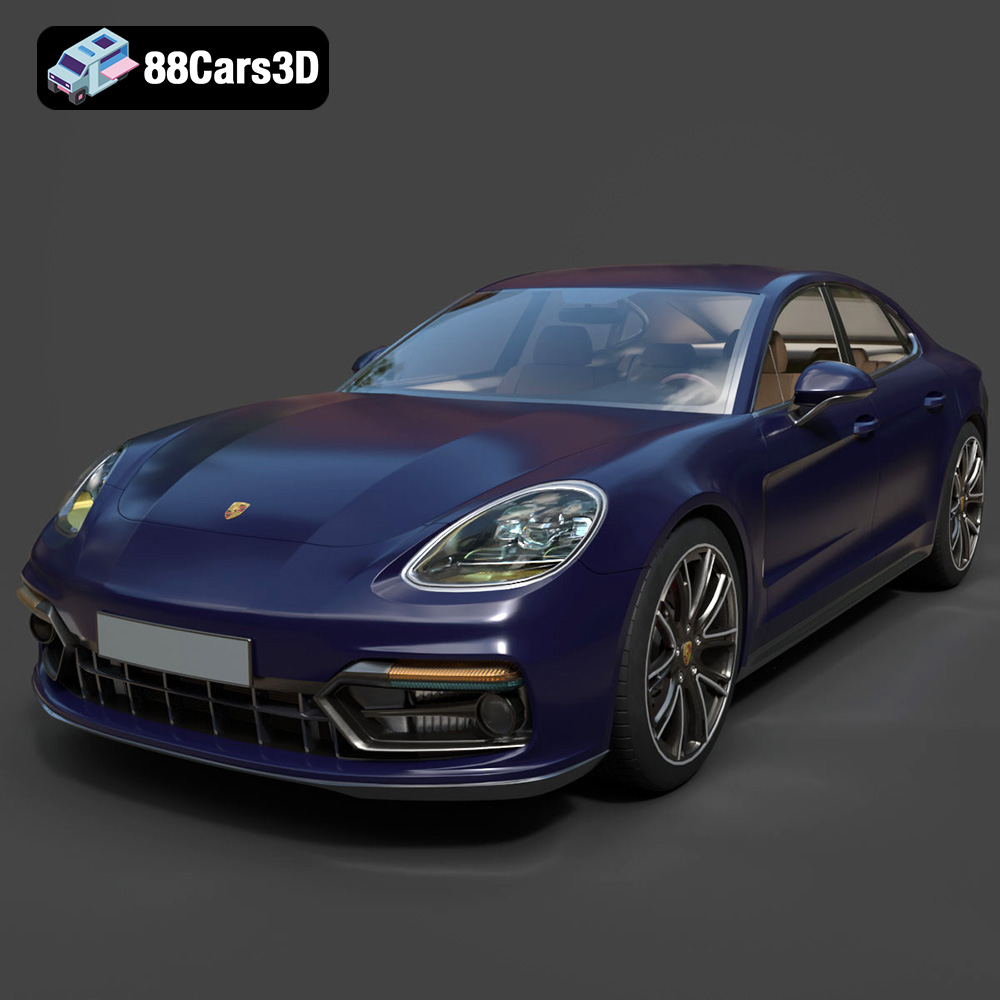
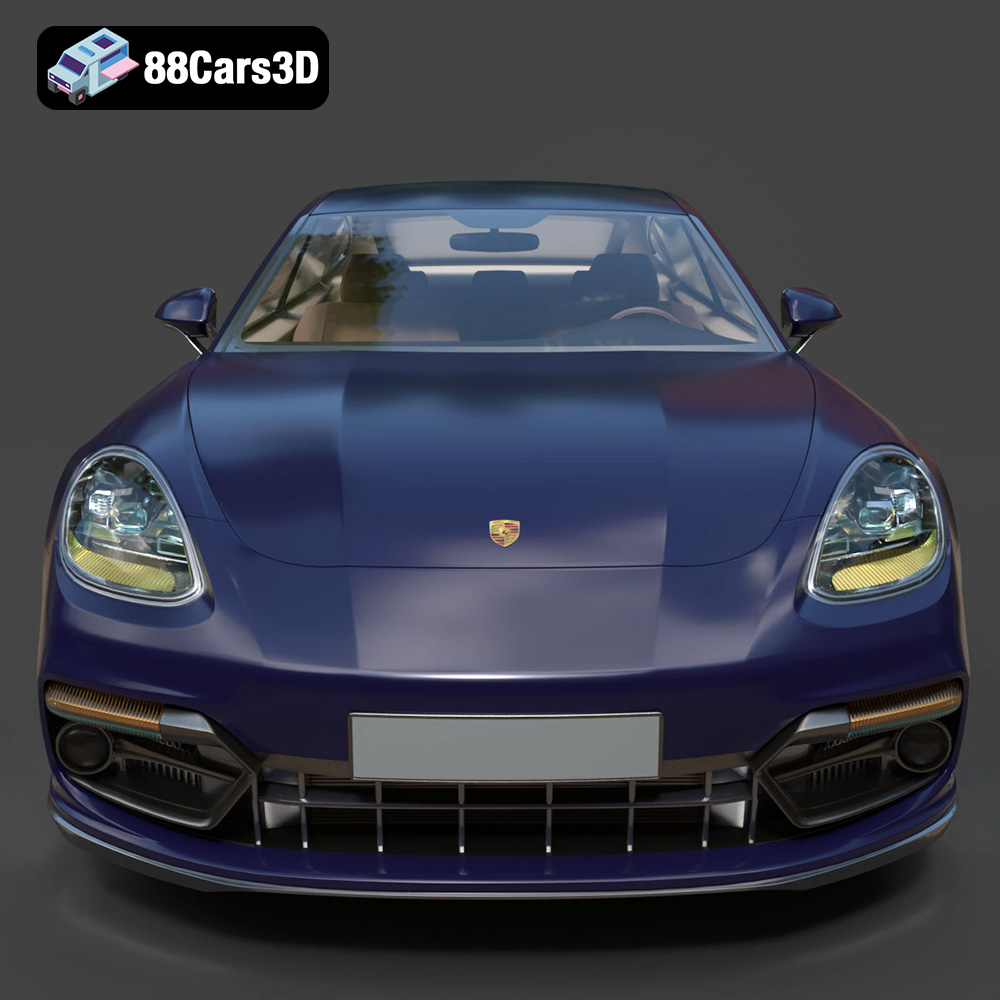
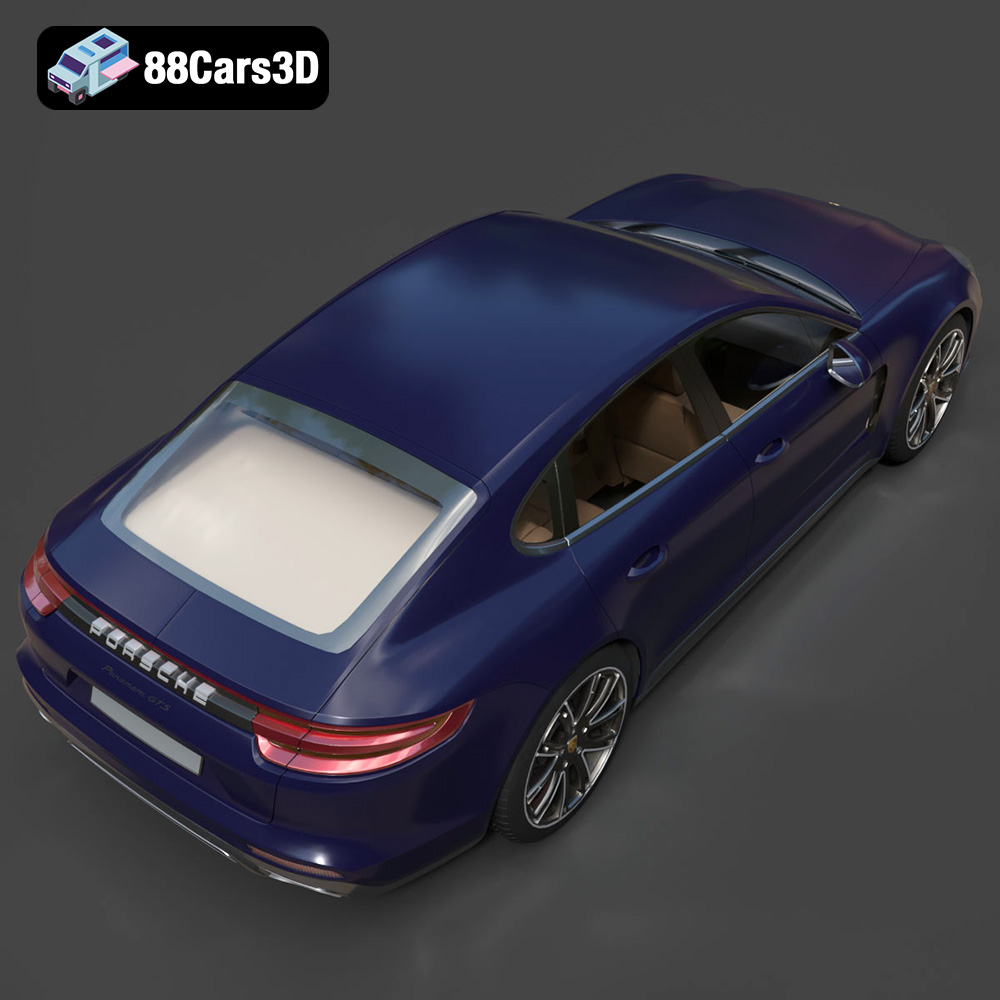
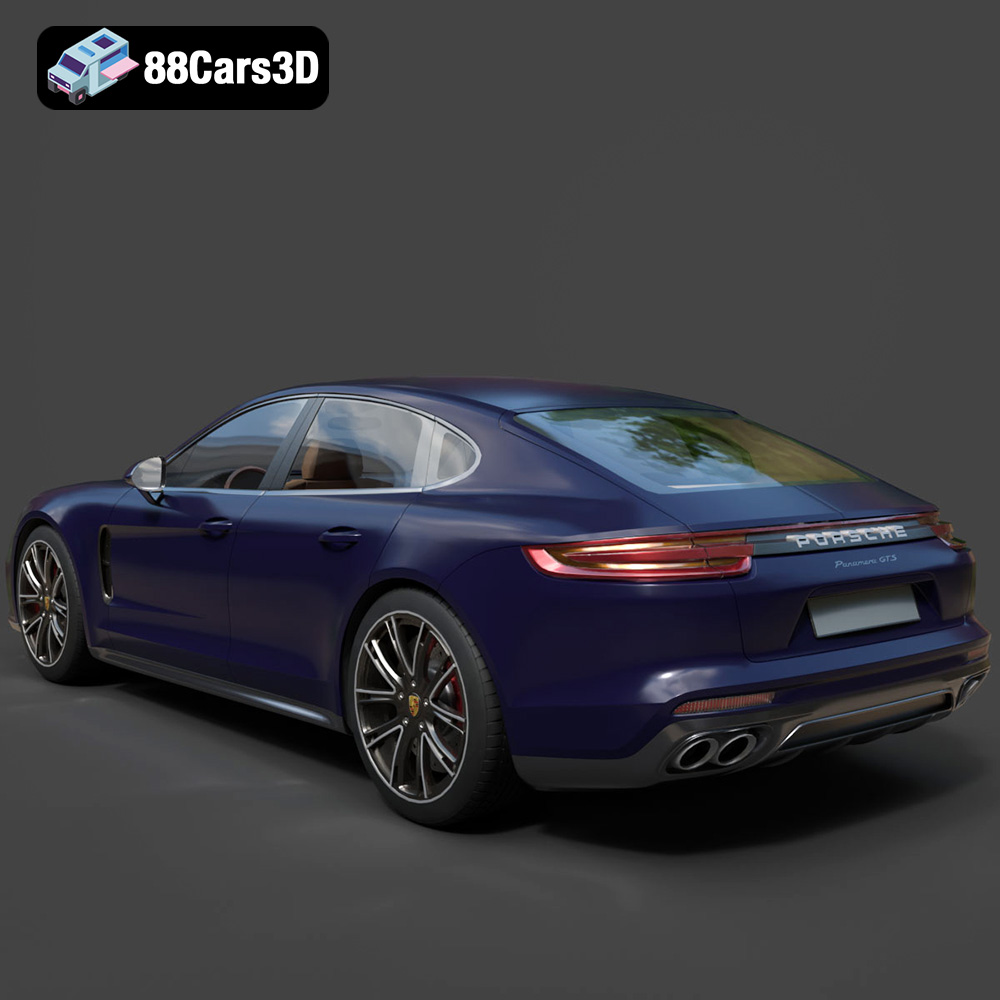
The 2019 Porsche Panamera GTS is instantly recognizable by its aggressive styling, distinctive “flyline” that gracefully arches from the roof to the rear, and commanding road presence. Replicating these iconic elements in a 3D model requires an intricate understanding of automotive design principles and expert modeling techniques. The model features accurate frame geometry, ensuring the aerodynamic proportions are faithfully represented. From the muscular haunches to the signature quad-pipe sports exhaust system with detailed diffusers, every curve and contour has been meticulously recreated. Even subtle details like the iconic four-point LED matrix headlights and the continuous LED taillight strip are rendered with stunning accuracy, making this a true digital twin of its real-world counterpart. Such precision is paramount for projects where authenticity is key, whether for high-end marketing renders or demanding simulation environments.
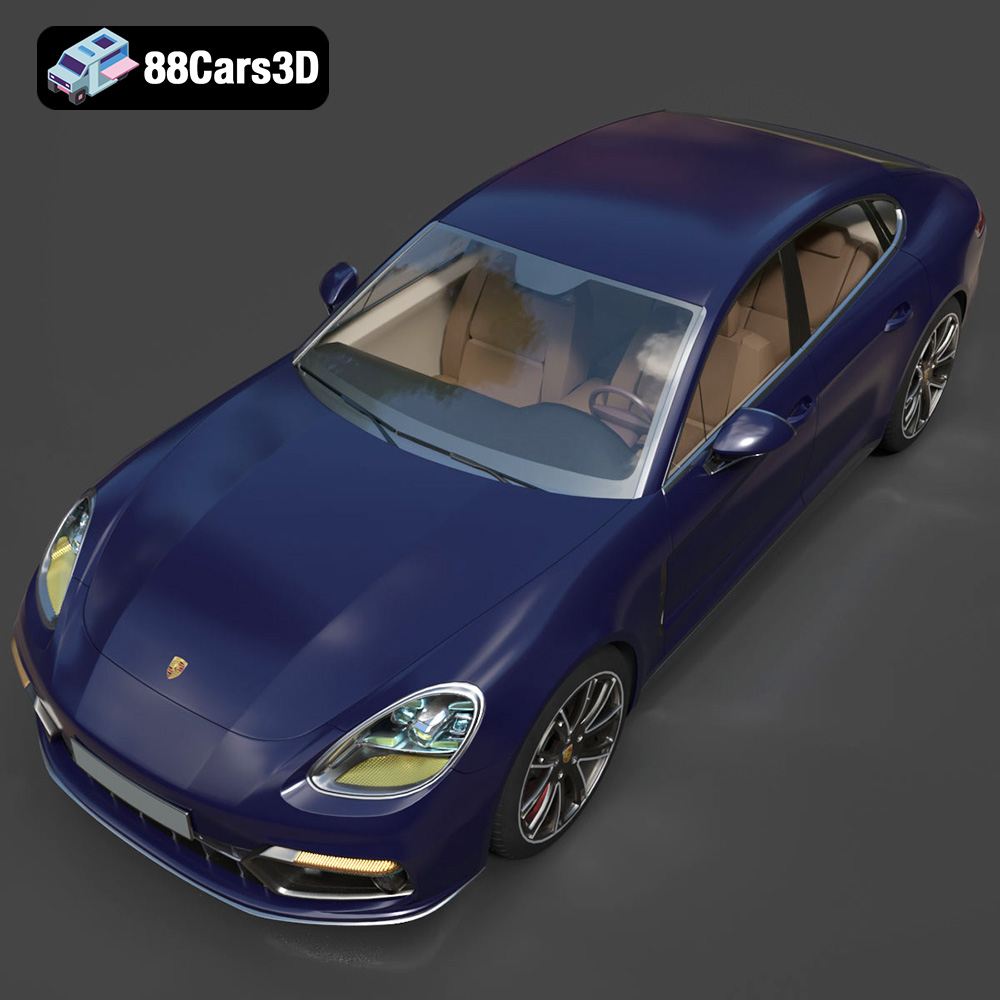
While the exterior often grabs immediate attention, the true depth of a professional 3D car model is revealed in its underlying and interior details. This Panamera GTS model doesn’t disappoint. It includes a detailed twin-turbo V8 engine block and bay components, offering a glimpse into the powerhouse beneath the hood. This level of detail is invaluable for close-up renders, virtual engine bay explorations, or even educational simulations. Inside, the cockpit is a testament to luxurious realism. Features include meticulously modeled Alcantara and leather-trimmed sports seats with authentic GTS stitching, a true-to-life Porsche sports steering wheel complete with a drive mode selector, and a highly detailed digital advanced cockpit instrument cluster and central infotainment screen. The precision extends to the center console, tactile buttons, pedals, and the PDK gear selector. This intricate interior geometry is optimized for first-person POV in gaming and VR, ensuring an immersive experience where every element feels tangible and authentic.
In modern 3D pipelines, particularly in game development and real-time visualization, raw detail must be balanced with performance efficiency. A model can be stunningly realistic, but if it bogs down the frame rate, its utility diminishes significantly. The Porsche Panamera GTS 2019 3D model is engineered with this crucial balance in mind.
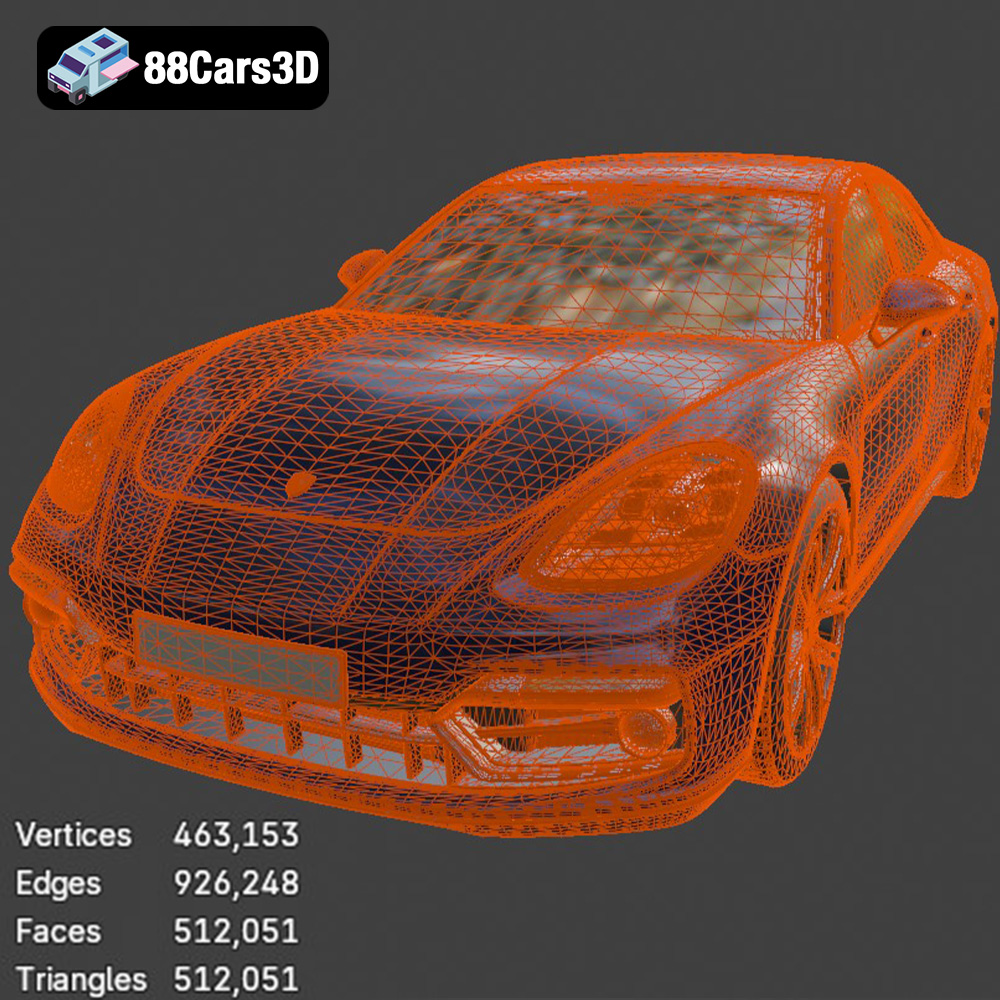
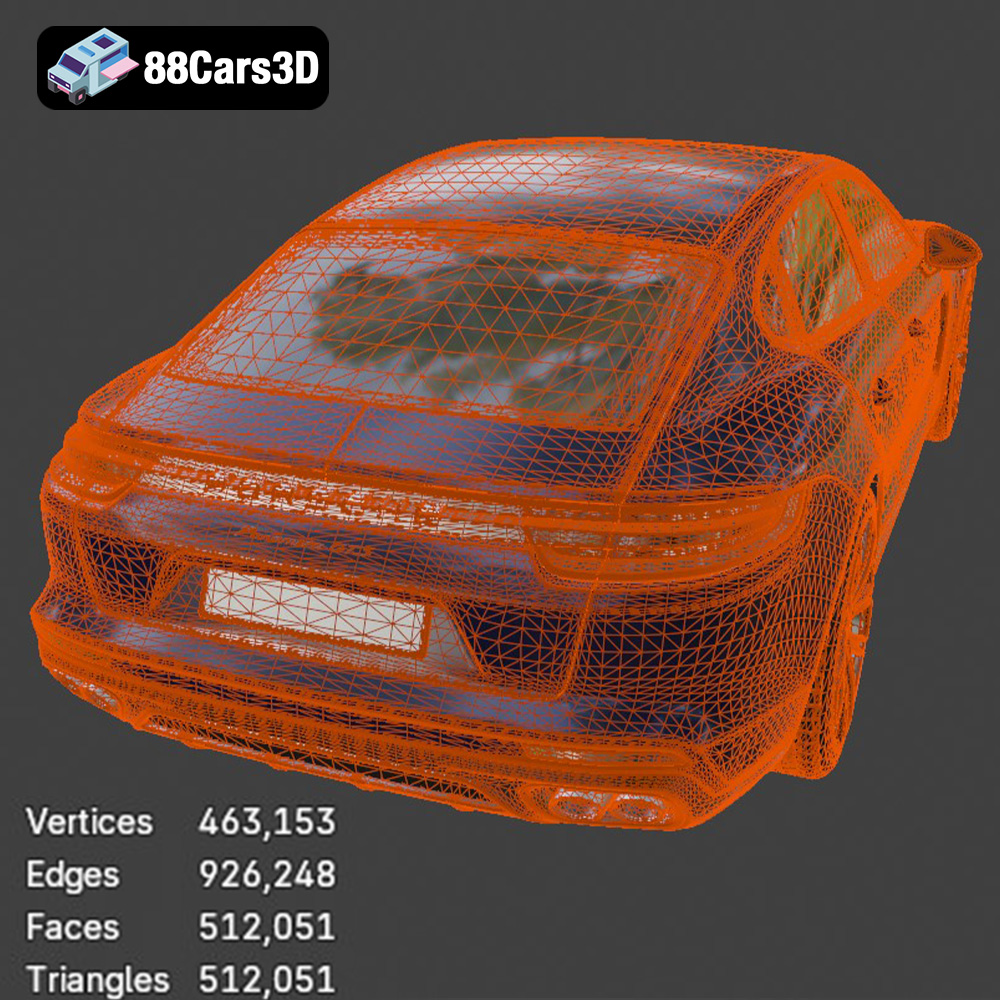
The technical specifications of this model highlight its optimal polycount: 512,051 triangles. This figure represents a carefully calculated balance. It’s high enough to maintain the photorealistic details of the Panamera GTS, ensuring sharp edges, smooth curves, and intricate components are accurately represented without visual compromises. Yet, it’s simultaneously optimized to be “game-ready,” meaning it can be efficiently rendered in real-time engines like Unreal Engine and Unity without causing significant performance bottlenecks. This optimization often involves clean topology, efficient UV mapping, and a strategic distribution of polygons where detail is most needed, ensuring that the model looks incredible up close while remaining light enough for dynamic environments. For developers, this translates to faster load times, smoother gameplay, and a more responsive interactive experience.
Beyond static beauty, a truly versatile 3D car model needs to be functional and animation-ready. The Panamera GTS model excels here with several key features. It boasts real-world scale accuracy, based on actual vehicle chassis dimensions, which is critical for realistic simulations, proper integration into architectural scenes, and accurate physics in games. Furthermore, the model includes separate wheels, suspension, and steering components. This segregation is vital for animation, allowing independent movement of each part. Coupled with a proper pivot setup for steering, wheel rotation, and suspension travel, animators can effortlessly create lifelike driving sequences, dynamic camera shots, and even integrate complex physics simulations for highly realistic vehicle behavior. This attention to mechanical detail saves countless hours of rigging and setup, providing an immediate head start for any project requiring dynamic car animation.
A superior 3D asset proves its worth through seamless integration into various professional workflows. The Porsche Panamera GTS 2019 3D model, with its robust design and multiple file formats, is built to be a cornerstone for diverse creative and technical endeavors.
For those focused on creating stunning, photorealistic images and animations, the Panamera GTS model is an ideal candidate. In 3ds Max, artists can leverage the included .max file, which often comes with pre-configured materials that are easily adaptable to renderers like V-Ray or Corona. The clean topology and high detail allow for intricate lighting setups, reflection studies, and material customization. Imagine the Panamera GTS parked elegantly in front of a modern architectural marvel, its metallic paint reflecting the environment with precision, or animated driving through a hyper-realistic cityscape. Similarly, Blender users can utilize the .blend file, tapping into Cycles or Eevee render engines. The model’s optimized geometry and detailed components allow for quick material adjustments, advanced lighting effects, and seamless integration into complex scenes, making it perfect for commercial renders, marketing visuals, or cinematic sequences where every pixel counts.
The gaming industry demands assets that are both visually compelling and highly optimized for real-time performance. The Panamera GTS 2019 3D model, especially in .fbx or .unreal formats, is engineered to meet these demands. Developers can import the model into Unreal Engine, where its optimized polycount (512,051 triangles) ensures smooth frame rates. Materials can be quickly set up using Unreal’s powerful PBR (Physically Based Rendering) system, leveraging its advanced lighting and post-processing capabilities to achieve stunning visual fidelity. The separate, pivot-ready components (wheels, suspension, steering) are crucial for implementing realistic vehicle physics and animation systems, making it a perfect candidate for AAA racing games, open-world environments, or advanced driving simulators. Its “game-ready” nature significantly reduces the time and effort typically required for asset preparation, allowing developers to focus on gameplay and experience.
Beyond traditional rendering and game development, the Panamera GTS model extends its utility into emerging technologies. For AR/VR applications, the .glb format is a game-changer. Its compact, single-file structure with embedded textures and materials makes it perfect for deployment in virtual showrooms, interactive configurators, or mobile augmented reality experiences. Users can explore the Panamera GTS in full 3D, customize its features, and even “place” it in their real-world environment through a smartphone, creating highly engaging and memorable interactions. For enthusiasts and hobbyists, the model’s availability in .stl format opens up the world of 3D printing. With recommended settings for scale, layer height, and support structures, users can bring a tangible piece of automotive excellence into their hands. This allows for creating detailed physical replicas, display models, or even custom parts, bridging the gap between the digital and physical realms.
A truly professional 3D model offers more than just fidelity; it provides a flexible foundation for boundless creativity. The Porsche Panamera GTS 2019 3D model is designed with customization in mind, empowering artists and developers to tailor it precisely to their project’s unique vision.
The provided asset allows for extensive customization, enabling artists to transform the vehicle’s appearance to suit any narrative or aesthetic. Changing body and tank colors is a fundamental customization, allowing for a palette ranging from authentic factory finishes to bespoke custom paints or metallic finishes that interact dynamically with lighting. Beyond color, the ability to modify tire textures is invaluable, shifting the vehicle’s context from high-performance street driving to more rugged or conceptual terrains. Artists can also adjust material finishes—transitioning between matte, gloss, and metallic properties—to control how light reflects off the car’s surface, essential for mood and realism. Furthermore, adapting lighting for different environments is crucial for integrating the model seamlessly. Whether placed in a sun-drenched urban setting, a moody nighttime street, or a sterile studio environment, the model’s well-structured materials and UVs facilitate easy integration with scene lighting to achieve photo-realistic results.
Consider a game development studio crafting a cutting-edge racing simulator. The Porsche Panamera GTS 2019 3D model, with its optimized polycount and separate, animatable components, provides an instant high-fidelity asset. The developers can quickly integrate it, apply their physics systems, and focus on track design and gameplay, saving weeks of modeling and optimization time. The detailed interior, optimized for first-person views, ensures an immersive experience for players behind the wheel. In another scenario, an architectural visualization firm is creating a photorealistic render of a luxury residential complex. Placing the Panamera GTS in the driveway not only adds a touch of aspirational realism but also anchors the scene in a lifestyle context. The model’s accurate scale and high visual fidelity in rendering make it a perfect prop to elevate the overall quality of the architectural presentation. Finally, a marketing agency tasked with creating an interactive virtual showroom for a client can leverage the .glb format of the Panamera GTS model. Its compact size and web-readiness allow for swift deployment on a website, enabling potential customers to explore the car’s intricate details, switch colors, and even view it in AR, all from their browser or mobile device. These diverse applications underscore the model’s inherent value and adaptability across various professional pipelines.
The pursuit of perfection in 3D modeling, automotive rendering, and game asset development is a continuous journey, but the right tools can make all the difference. The Porsche Panamera GTS 2019 3D Model stands as a testament to what is achievable when meticulous craftsmanship meets technical optimization. From its stunningly accurate exterior and detailed interior to its game-ready polycount and comprehensive range of file formats, this asset is engineered to meet the demanding standards of today’s creative professionals.
Whether you are designing the next generation of AAA game titles, crafting photorealistic visualizations for architectural projects, developing immersive AR/VR experiences, or even exploring the possibilities of 3D printing, this Panamera GTS model provides a robust and versatile foundation. Its availability across formats like .blend, .fbx, .obj, .glb, .stl, .ply, .unreal, and .max ensures seamless integration into virtually any workflow, empowering artists and developers to focus on innovation and creativity.
Investing in high-quality 3D car models like the Porsche Panamera GTS 2019 from 88cars3d.com isn’t just about acquiring a digital asset; it’s about acquiring a competitive edge. It’s about access to an asset that saves precious development time, elevates visual fidelity, and provides the flexibility to realize even the most ambitious projects. Make this exceptional model the cornerstone of your next masterpiece.
The 2019 Porsche Panamera GTS perfectly bridges the gap between a high-performance sports car and a luxury executive sedan. Known for its aggressive styling, distinctive flyline, and commanding road presence, the Panamera GTS features iconic elements such as its adaptive rear spoiler, muscular haunches, and signature quad-pipe sports exhaust system. Powered by a thunderous twin-turbo V8, this model embodies Porsche’s track-focused heritage wrapped in a practical, four-door gran turismo silhouette. This highly detailed 3D model features a meticulously optimized topology with 512,051 triangles, striking the perfect balance between high-end visual fidelity and game-ready performance. Engineered for versatility, it is an exceptional asset for developers and creators needing photorealistic vehicles without compromising rendering efficiency in real-time environments. Perfect for architectural visualization, AAA racing games, virtual automotive showrooms, and high-end commercial rendering.
$26.00
.blend
.fbx
.glb
.gran-turismo
.max
.obj
.ply
.porsche
.rendering
.sports car
.stl
.unreal
car-3d-model
game asset
game-ready
high poly
luxury-sedan
optimized
panamera-gts
panamera-gts-2019
VR/AR