Get 20% OFF All Premium 3D & STL Models!

The allure of classic automobiles transcends mere transportation; it’s a journey through design philosophy, engineering prowess, and cultural history. For enthusiasts, designers, and game developers alike, bringing these timeless machines into the digital realm presents a unique challenge and opportunity. Capturing the essence of a vintage car, with all its elegant curves, intricate details, and historical significance, requires not just artistic skill but also deep technical understanding of 3D modeling principles. This is where high-quality 3D car models become indispensable tools, bridging the gap between historical reverence and modern digital application.
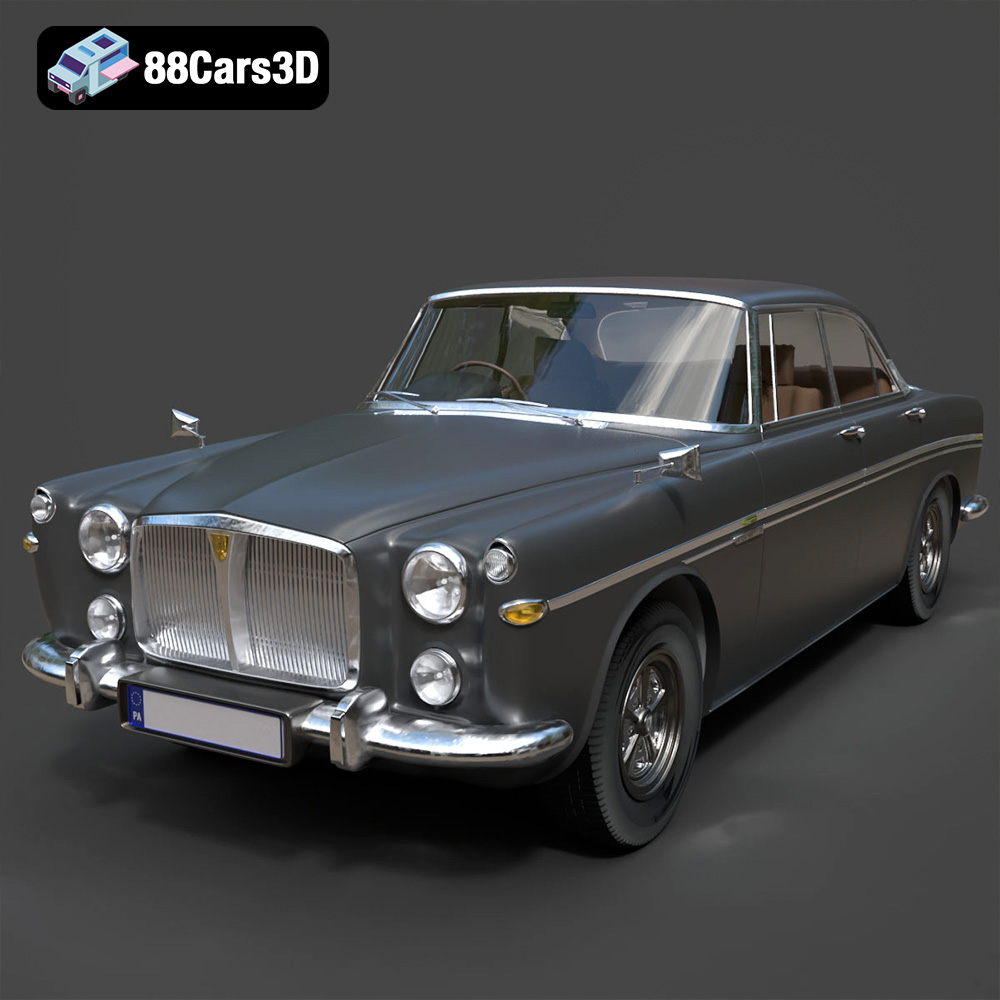
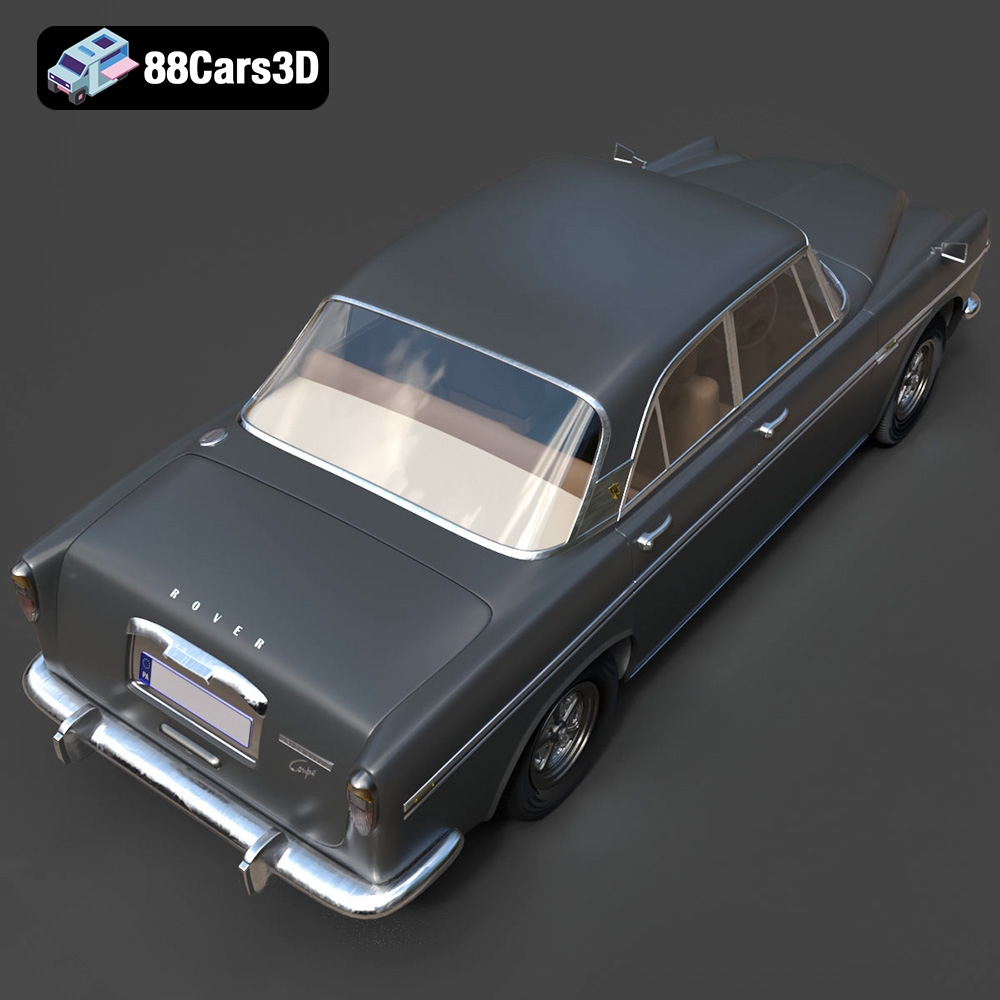
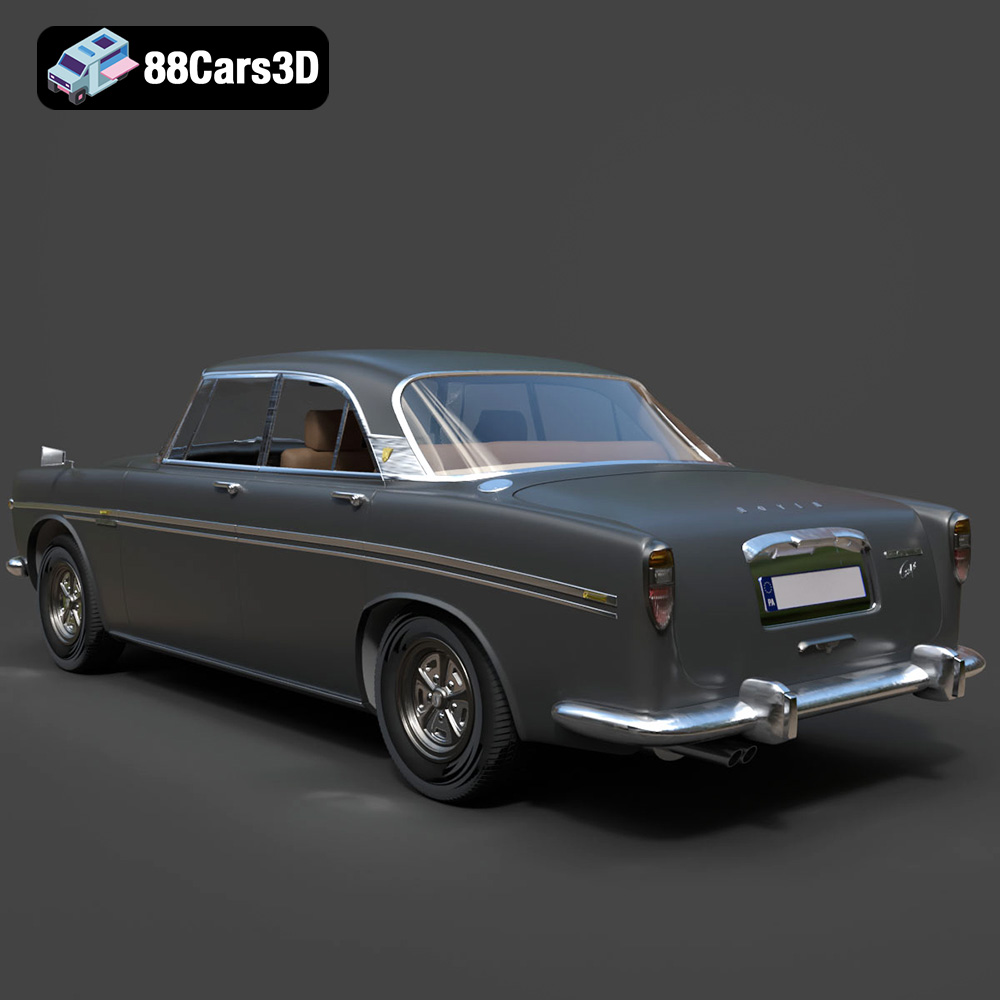
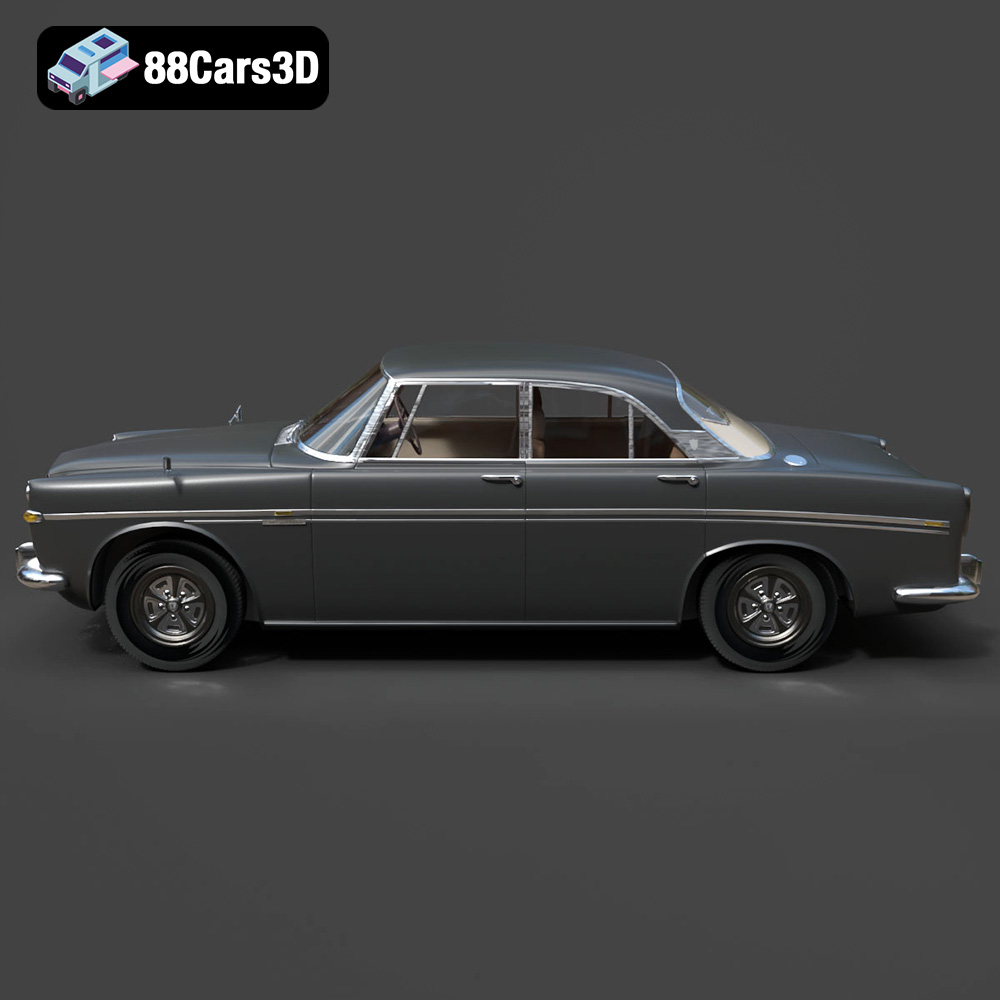
Today, we’re delving deep into the technical intricacies and creative potential offered by a truly iconic piece of British automotive history: the 1973 Rover P5B Coupe 3D Model. This particular digital asset, available for download at 88cars3d.com, is not just a static representation but a meticulously crafted, game-ready model engineered for a multitude of professional uses – from high-fidelity rendering and immersive game development to advanced AR/VR experiences and even 3D printing. Join us as we explore the technical foundations that make such a model invaluable in today’s demanding digital pipelines.
In the fiercely competitive landscapes of game development, cinematic visualization, and product design, the quality of 3D assets can make or break a project. Generic or poorly optimized models simply don’t cut it when realism and performance are paramount. This is especially true for automotive subjects, where even subtle inaccuracies can detract from the overall experience.
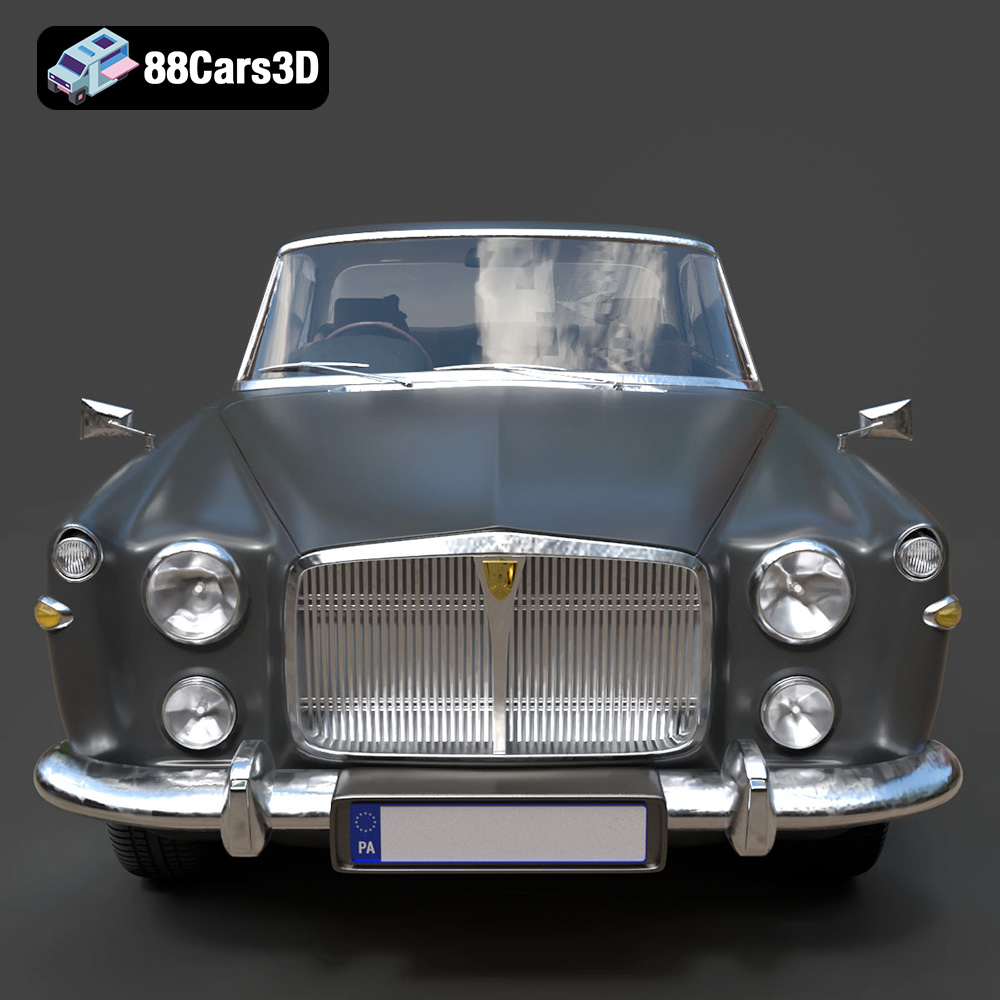
Authenticity in a 3D car model goes beyond mere visual accuracy; it encompasses engineering fidelity, period-correct detailing, and a true representation of the original vehicle’s character. For a classic like the 1973 Rover P5B Coupe, this means accurately depicting its majestic front grille, sweeping roofline, signature Rostyle wheels, and the iconic 3.5-litre Rover V8 engine. These details are crucial for projects aiming for historical accuracy, whether it’s a documentary film, a historically-driven video game, or a virtual showroom for classic car collectors. Without this level of precision, the digital model loses its soul, failing to resonate with an audience that appreciates automotive heritage.
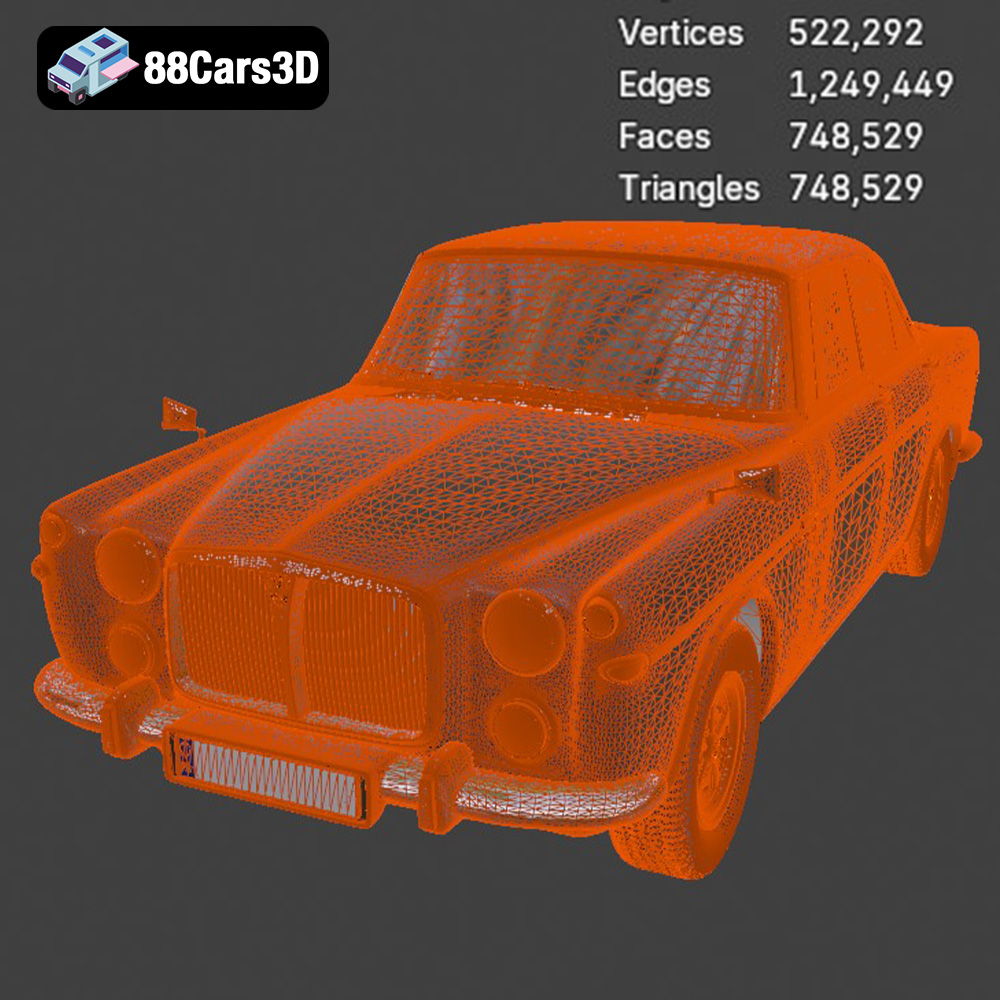
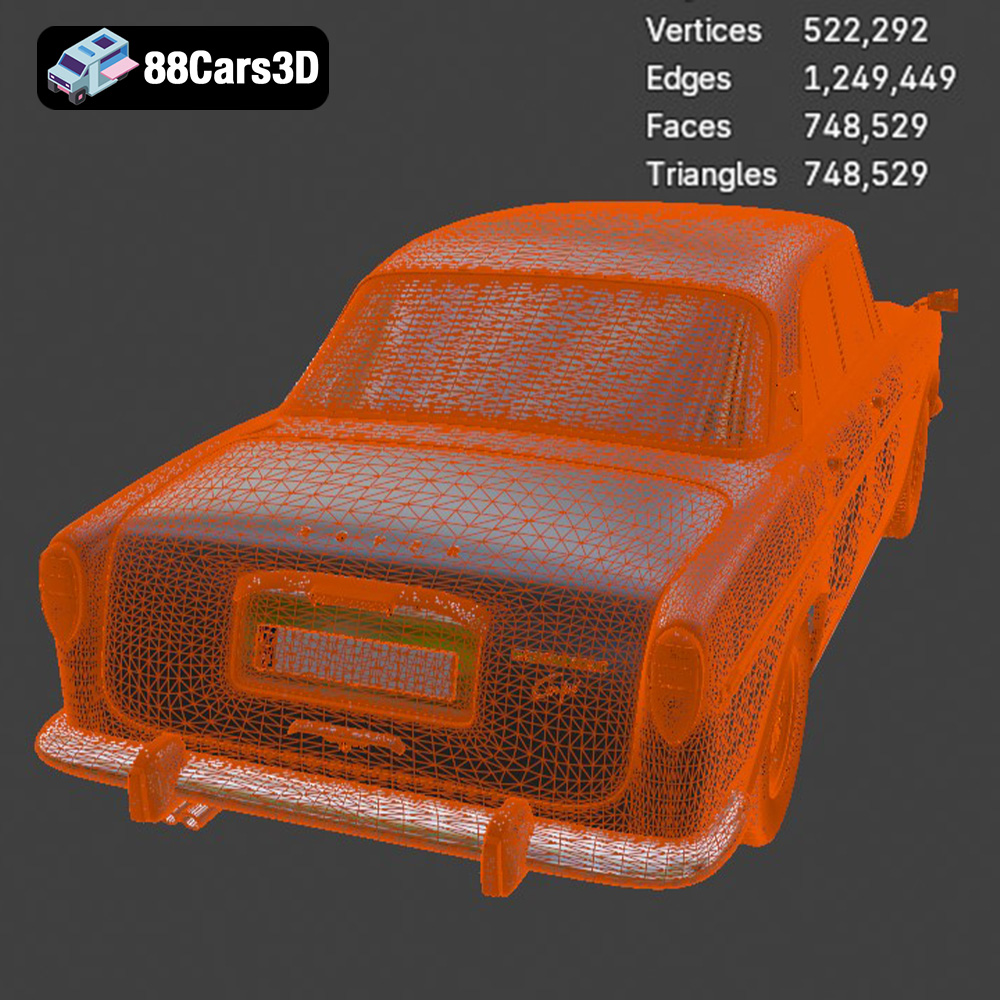
Beyond aesthetics, the technical construction of a 3D car model significantly impacts project performance. A model designed for versatility, like the Rover P5B Coupe, offers an optimal balance between visual fidelity and resource efficiency. Its meticulously crafted topology of 748,529 triangles is a testament to this, proving that “game-ready optimization” doesn’t mean sacrificing high-end visual fidelity. This balance is critical for real-time applications such as video games and AR/VR, where high frame rates and smooth interactions are essential for an immersive user experience. For offline rendering, this optimization translates into faster render times and more manageable scene complexity, allowing artists to focus on lighting and materials rather than struggling with unwieldy geometry.
Navigating the world of 3D assets often involves grappling with a variety of file formats, each with its own strengths, weaknesses, and ideal use cases. Understanding these formats is crucial for seamless integration into diverse pipelines, from high-end rendering to real-time game engines. The 1973 Rover P5B Coupe 3D model download from 88cars3d.com provides an extensive array of formats, ensuring maximum compatibility and flexibility for any professional workflow.
The .blend format is native to Blender, a powerful open-source 3D creation suite. When you download a .blend file, you’re not just getting a model; you’re getting a complete Blender scene. This typically includes the mesh data, materials (often set up for Cycles or Eevee renderers), textures, lighting, camera setups, and even animation data if present. For artists working primarily in Blender, this format offers the most flexibility for customization. You can easily modify the topology, adjust UVs, tweak materials, change the scene environment, or even re-rig and animate components. It’s the go-to for deep dives into the model’s construction and for extending its functionality within the Blender ecosystem.
The .fbx (Filmbox) format, owned by Autodesk, has become a de facto standard for exchanging 3D data between various software packages, particularly within game development. It’s highly robust, capable of storing not just geometry, but also materials, textures, animations, rigging, and even light and camera data. For game engines like Unreal Engine and Unity, FBX is the preferred import format due to its comprehensive nature and efficient handling of complex scenes. When importing the Rover P5B Coupe as an FBX, developers can expect its pivot points, separated components (wheels, suspension), and basic material assignments to translate accurately, streamlining the integration process for real-time environments.
The .obj (Wavefront OBJ) format is one of the oldest and most widely supported 3D file formats. It’s a universal standard, making it excellent for cross-software compatibility. An OBJ file primarily stores geometry data (vertices, normals, UVs, faces) and can reference external material files (.mtl) for basic shading information. While it doesn’t store animation or rigging data, its simplicity and widespread support make it a reliable choice for transferring static meshes between almost any 3D application. For the Rover P5B Coupe, the OBJ format ensures that the base mesh can be opened and worked on in virtually any 3D modeling software, serving as a fundamental backbone for further development.
The .glb (GL Transmission Format Binary) format is a relatively newer standard, designed for efficient transmission and loading of 3D scenes and models in web and AR/VR applications. It’s a binary version of glTF, which packages all necessary data (geometry, materials, textures, animation) into a single, self-contained file. This makes it incredibly efficient for web-based viewers, mobile AR experiences, and browser-embedded 3D content. The Rover P5B Coupe in GLB format would be perfectly suited for showcasing the model interactively on a website, integrating it into a mobile AR app, or deploying it in a WebGL-powered configurator, offering quick loading times and broad platform compatibility.
The .stl (Stereolithography) format is the industry standard for 3D printing. It represents a 3D model as a series of connected triangles, forming the surface geometry without any color, texture, or material information. It’s a “dumb” format in that sense, solely focused on defining the object’s shape for additive manufacturing. For hobbyists or professionals looking to physically manifest the Rover P5B Coupe, the STL file provides the exact mesh data required by slicing software. This allows for the creation of scale models, prototypes, or collectible figurines, leveraging the detailed digital craftsmanship for tangible output.
The .ply (Polygon File Format, also known as Stanford Triangle Format) is another format for storing 3D data, often used in scientific and engineering applications, especially for scanned data. It can store a variety of properties including color, transparency, normals, texture coordinates, and even reliability information. While less common than FBX or OBJ for general asset exchange, PLY is valued for its precision and ability to carry detailed attribute data, making it useful in CAD/CAM workflows, reverse engineering, or specific simulation and analysis contexts. For the Rover P5B Coupe, a PLY file might be leveraged for advanced mesh analysis or integration into specialized manufacturing pipelines.
While not a universal file extension in the same vein as FBX or OBJ, the inclusion of a specific .unreal or Unreal-ready asset package signifies a model that has been pre-processed and optimized specifically for integration into Unreal Engine. This often means textures are packed correctly, materials are set up with Unreal’s Physically Based Rendering (PBR) pipeline in mind, collision meshes might be included, and pivot points are correctly aligned. For game developers working with Unreal, this significantly reduces the setup time, allowing for a drag-and-drop workflow and immediate use of the Rover P5B Coupe in a game level or cinematic sequence without extensive re-configuration.
The .max format is the native file format for Autodesk 3ds Max, a leading software for 3D modeling, animation, and rendering, particularly strong in architectural visualization and product design. A .max file contains the entire scene data, including geometry, materials (often V-Ray, Corona, or Arnold specific), lighting, cameras, animation, and scene setup. For professionals whose primary workflow revolves around 3ds Max, this format offers the highest level of editability and allows access to all the original scene settings, modifiers, and intricate material setups. The Rover P5B Coupe .max file would enable artists to dive deep into its construction, make scene-specific adjustments, or integrate it into complex studio rendering environments with ease.
The digital fidelity of a classic car model is a testament to the skill and dedication of its creators. The 1973 Rover P5B Coupe 3D model stands out due to its meticulous attention to both exterior grandeur and interior comfort, reflecting the original vehicle’s iconic status as the preferred transport of British Prime Ministers and royalty.
The external appearance of the Rover P5B Coupe is legendary, and this 3D model captures every sweeping line and distinctive chrome trim with exceptional accuracy. The geometry precisely replicates the car’s frame and lowered roofline, providing an imposing yet graceful stance. Critical exterior features are individually modeled with care:
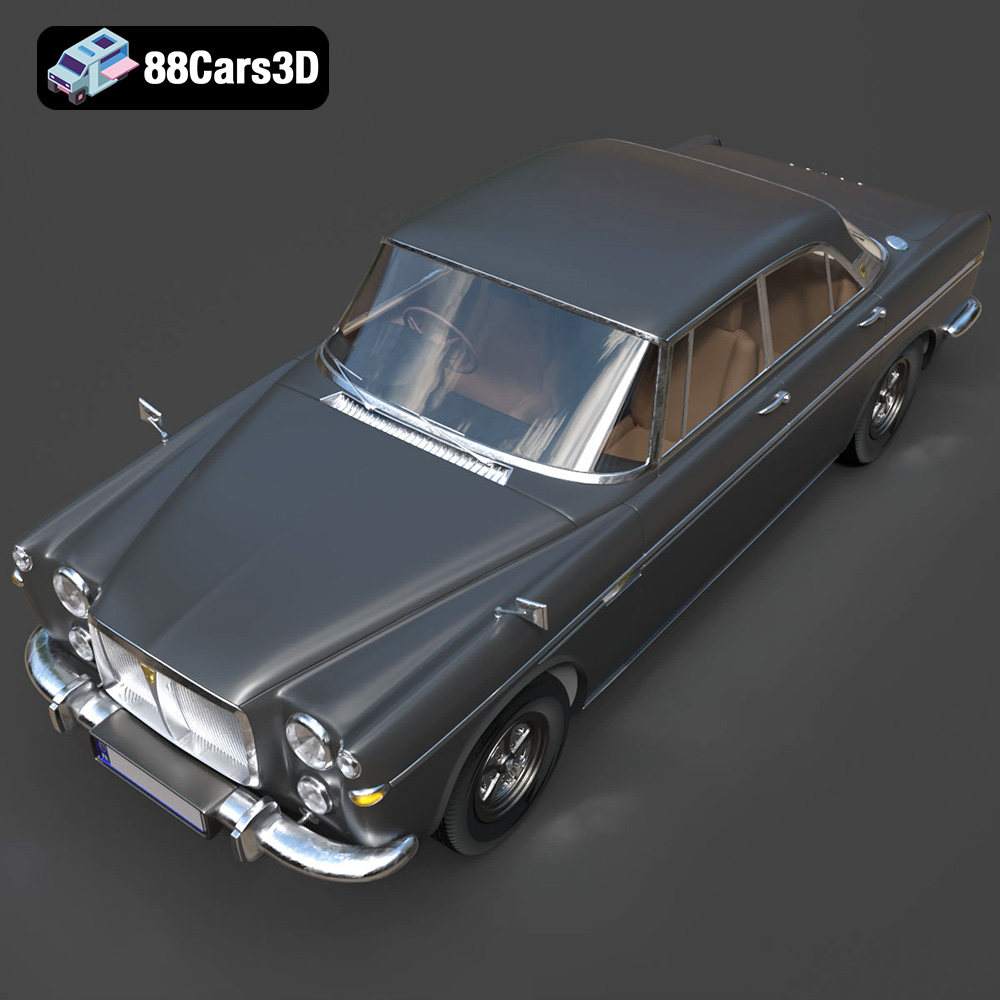
The interior of the P5B Coupe was a hallmark of British luxury, and the 3D model replicates this environment with an optimized approach that balances realism with performance. The goal here is not just visual appeal but functional fidelity for various applications, especially in gaming:
The true value of a versatile 3D asset lies in its seamless integration into diverse professional pipelines. The Rover P5B Coupe 1973 3D model is built with this versatility in mind, offering a robust foundation for various creative and technical endeavors.
For game developers, the Rover P5B Coupe is a dream asset. Its “game-ready & optimized” tag isn’t just marketing; it reflects a carefully balanced polycount (748,529 triangles) that ensures high visual fidelity without sacrificing crucial frame rates in real-time engines like Unreal and Unity. The inclusion of the .fbx and .unreal formats is a direct nod to this application.
When it comes to creating stunning, photorealistic visuals for commercials, films, or architectural visualizations, the Rover P5B Coupe excels. With .max and .blend formats available, artists have direct access to fully editable scene files, allowing for high-end rendering with engines like V-Ray, Corona, Arnold (3ds Max) or Cycles, Eevee (Blender).
The emerging fields of Augmented Reality (AR) and Virtual Reality (VR) demand highly optimized assets that can perform on diverse hardware, from high-end VR headsets to mobile phones. The inclusion of the .glb format makes the Rover P5B Coupe 3D model an excellent candidate for these immersive applications.
The versatility of a well-made 3D model extends beyond digital displays, into the tangible world of physical objects. The Rover P5B Coupe 3D model is designed with 3D printing in mind, allowing enthusiasts and professionals to bring this British classic into physical existence.
For 3D printing, the .stl format is the standard. This format represents the surface geometry as a collection of triangles, which is then interpreted by slicing software to create layers for the printer. The Rover P5B Coupe model, being a solid and watertight mesh, is ideal for this conversion. Preparing it for printing involves a few key steps:
Achieving a high-quality 3D print of a detailed car model requires specific settings and often some post-processing to bring out the finest details:
The inherent flexibility of a professionally built 3D model like the Rover P5B Coupe is one of its most significant advantages. It’s designed not just for immediate use, but also for extensive customization, allowing artists and developers to adapt it to the specific needs and aesthetic demands of their projects.
A static model, no matter how detailed, rarely meets the exact requirements of every project. The ability to modify material properties and colors is paramount. With the Rover P5B Coupe, artists can:
A 3D model doesn’t exist in a vacuum; its presentation is heavily influenced by the environment and lighting. The Rover P5B Coupe is designed to integrate seamlessly into diverse scenes:
In the dynamic world of 3D content creation, the difference between a good project and a great one often lies in the quality of its foundational assets. The 1973 Rover P5B Coupe 3D model stands as a prime example of a meticulously crafted asset, offering an unparalleled blend of historical accuracy, technical optimization, and creative flexibility. Its detailed geometry, authentic features, and comprehensive range of file formats—from .blend and .max for deep customization to .fbx and .unreal for game development, and .glb for AR/VR—ensure its utility across virtually every professional pipeline. Whether you’re an automotive rendering specialist aiming for photorealism, a game developer building an immersive world, or an artist creating a tangible 3D print, this model provides the robust foundation you need.
The ability to adapt this classic vehicle to various scales, integrate it into diverse environments, and customize its appearance means that the Rover P5B Coupe 3D model is not just a digital replica; it’s a powerful creative tool. For those seeking high-quality 3D car models that truly elevate their projects, exploring offerings like this at 88cars3d.com is an essential step. It’s an investment in efficiency, quality, and the timeless appeal of automotive excellence.
The 1973 Rover P5B Coupe is a quintessential symbol of British automotive luxury and elegance. Known famously as the preferred transport of British Prime Ministers and royalty, the P5B Coupe features a sweeping, lowered roofline, a majestic front grille, and the legendary 3.5-litre Rover V8 engine. Its timeless styling cues, distinctive chrome trim, and imposing yet graceful stance make it an absolute classic in automotive history. This highly detailed 3D model features a meticulously crafted topology of 748,529 triangles, delivering game-ready optimization without sacrificing high-end visual fidelity. Whether utilized in game development, AR/VR environments, cinematic animation, or architectural visualization, this model provides exceptional realism and performance. Perfect for classic car virtual showrooms, period-accurate video games, automotive configurators, and high-end cinematic rendering projects.
$26.00
.blend
.fbx
.glb
.max
.obj
.ply
.range-rover
.rendering
.rover
.stl
.unreal
1973
british-car
car-3d-model
classic-car
game asset
game-ready
low-poly
luxury car
optimized
p5b-coupe
VR/AR