Get 20% OFF All Premium 3D & STL Models!

In the fast-paced world of digital creation, where photorealism and immersive experiences reign supreme, the demand for exceptionally detailed and optimized 3D car models has never been higher. From blockbuster video games and cutting-edge virtual reality experiences to high-stakes automotive marketing campaigns and advanced engineering visualizations, a premium 3D vehicle asset is the cornerstone of any successful project. Artists, developers, and designers are constantly seeking models that not only capture aesthetic perfection but also offer robust technical foundations for seamless integration into diverse pipelines.
Today, we’re taking an in-depth look at what makes a 3D car model truly exceptional, using a prime example: the Mercedes-Benz AMG GT Black Series 2021 3D Model available on 88cars3d.com. This asset isn’t just a digital representation; it’s a testament to the meticulous blend of artistry and technical precision required to deliver top-tier content. We’ll explore the intricate details that define such a model, discuss essential file formats, delve into professional workflows, and demonstrate how a high-quality asset can elevate your projects from concept to compelling reality.
Creating a truly convincing 3D car model is a complex endeavor that bridges artistic vision with engineering accuracy. It’s about more than just replicating a vehicle’s shape; it involves understanding its underlying mechanics, material properties, and how light interacts with every curve and panel. Professionals demand models that are not only visually stunning but also technically sound, optimized for performance, and versatile enough to adapt to various use cases.
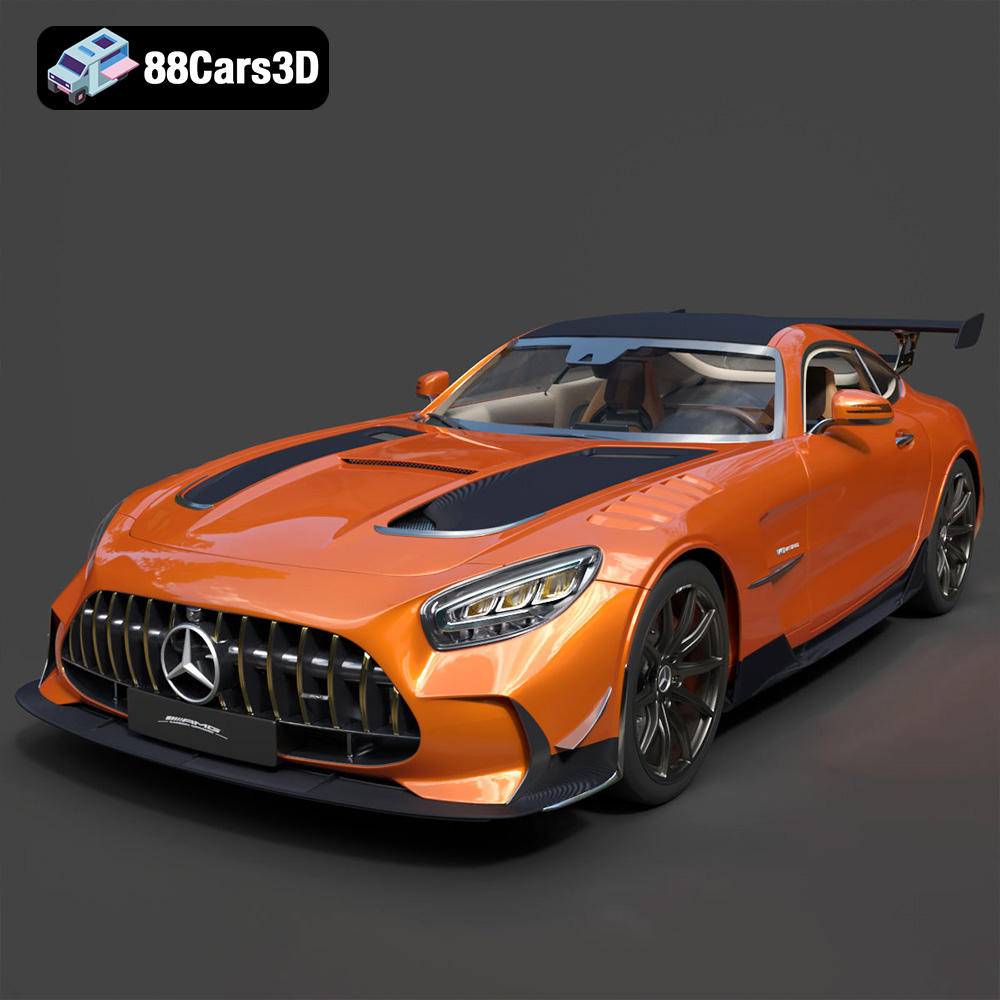
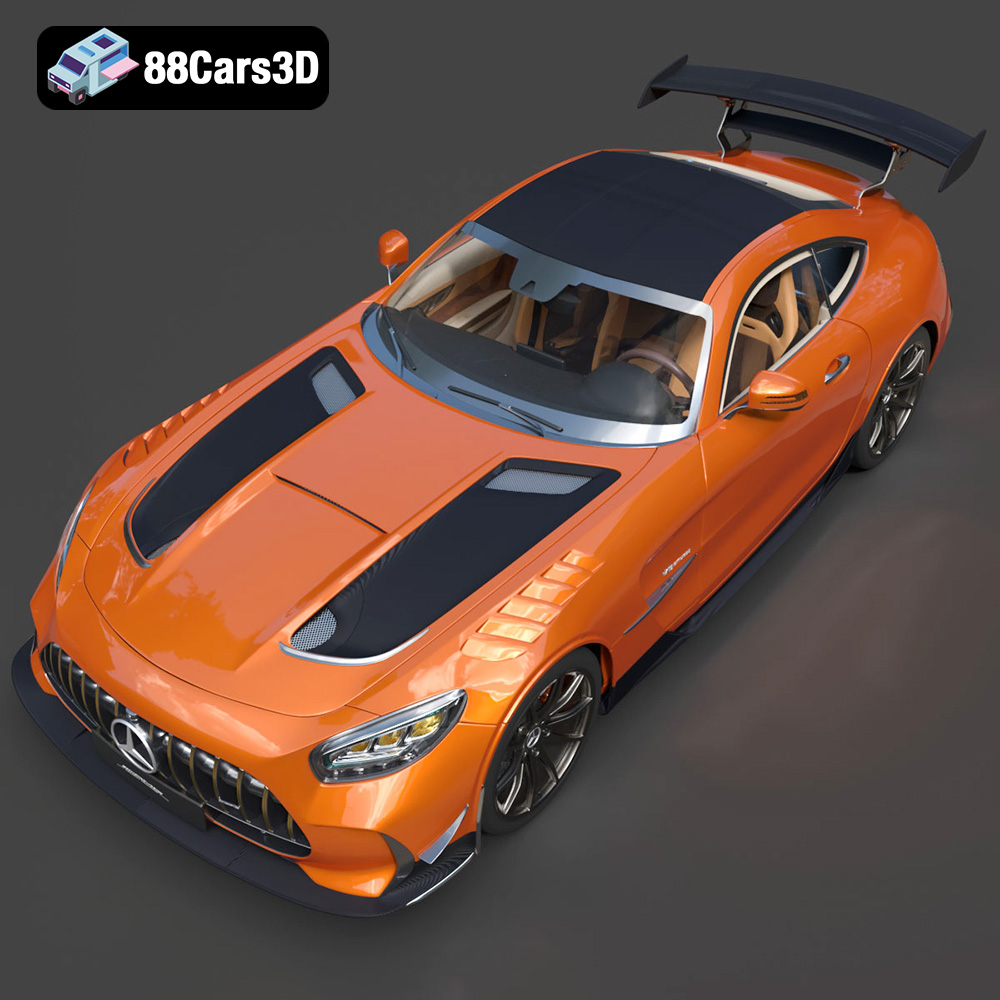
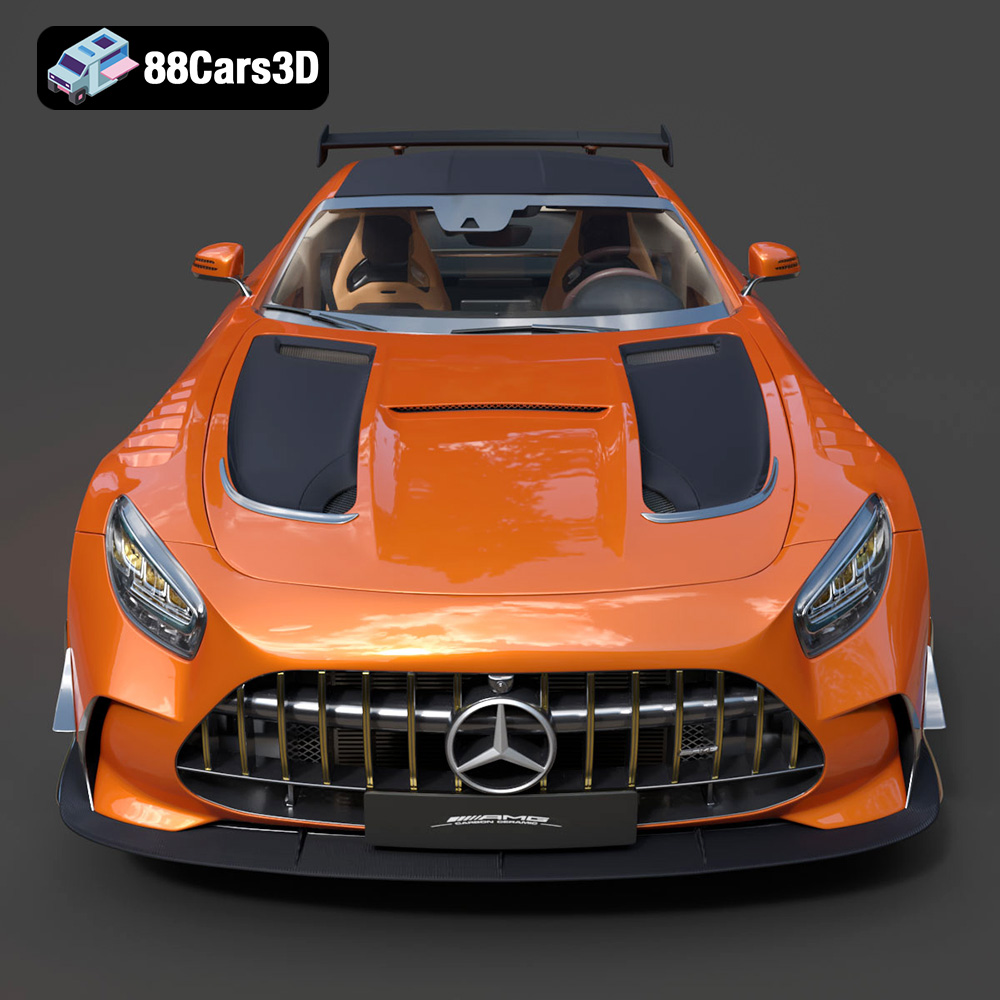
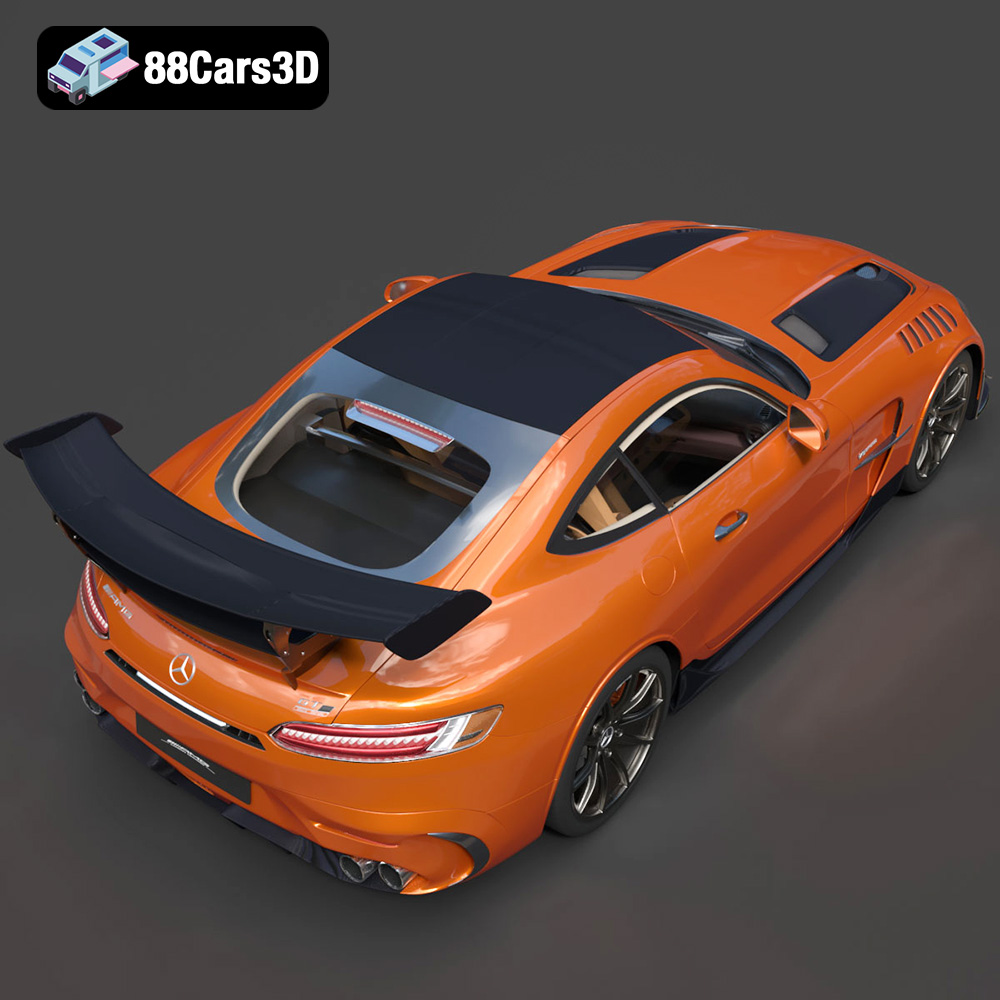
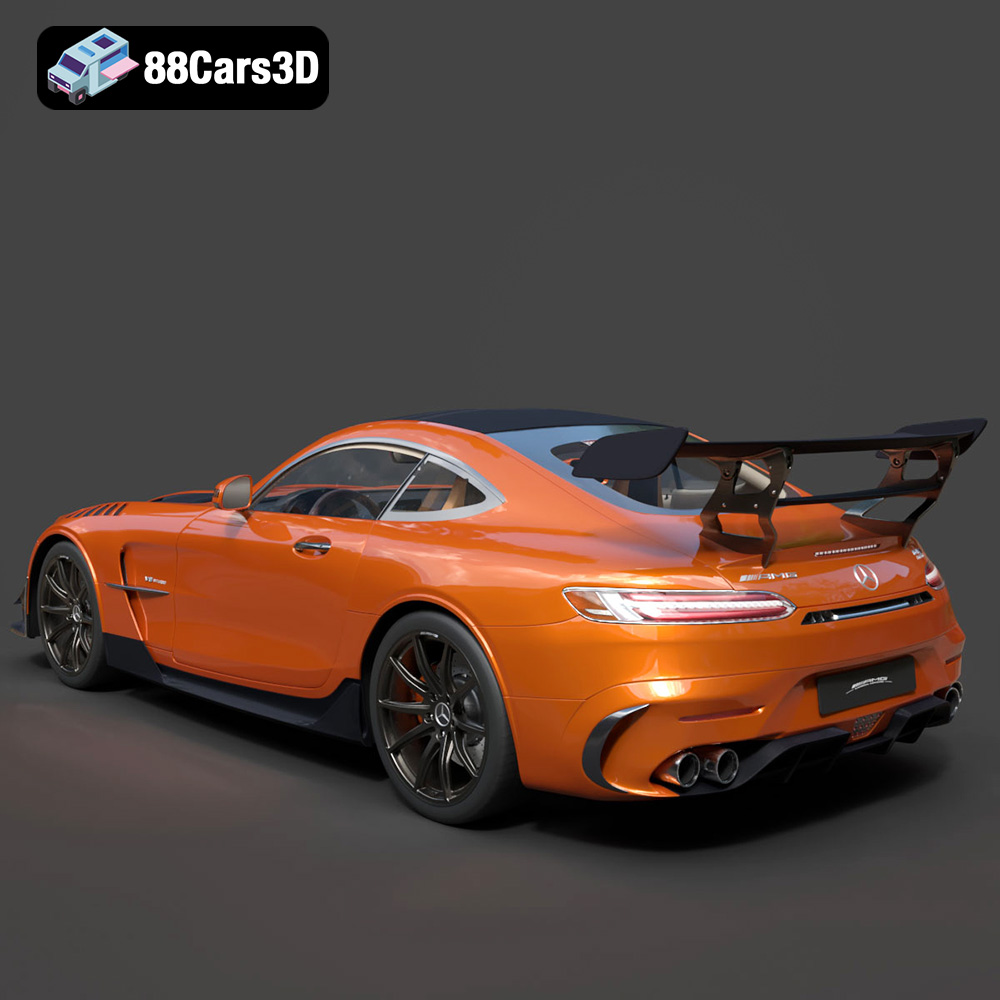
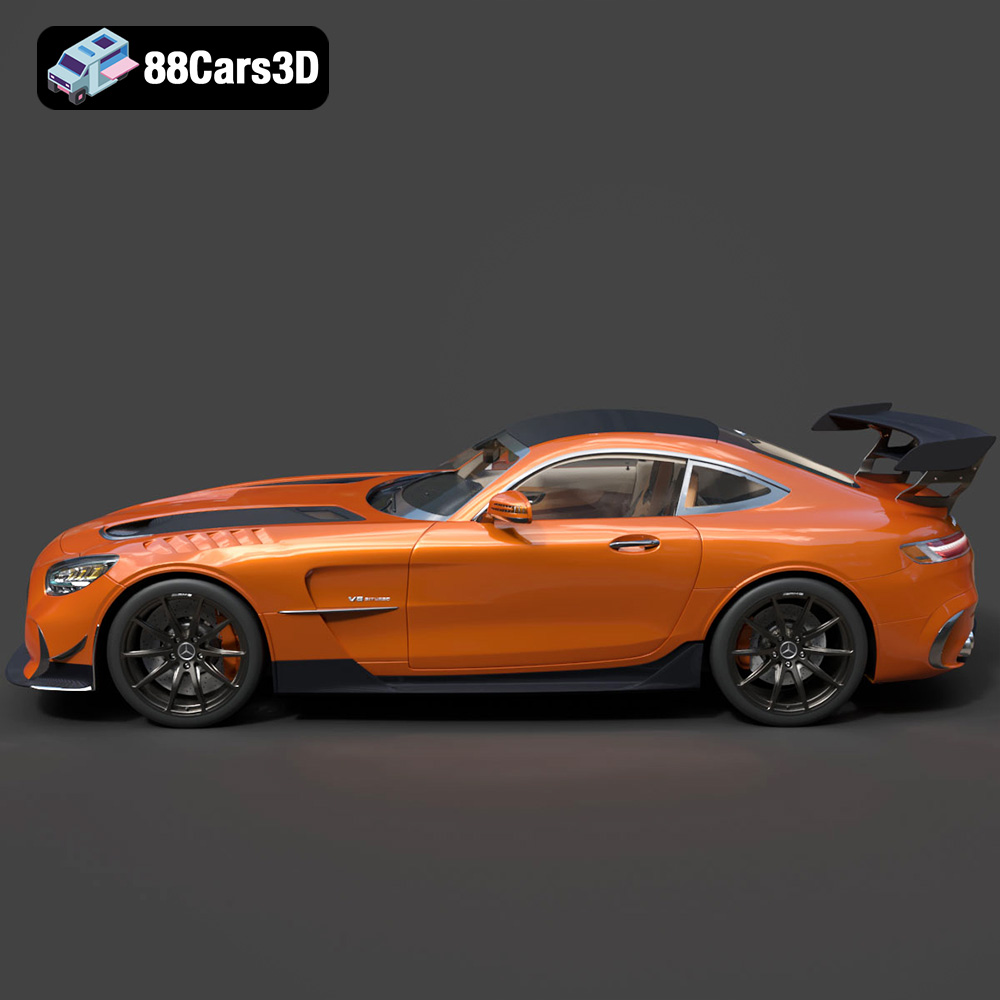
The first pillar of an outstanding 3D car model is its commitment to authenticity. This begins with accurate frame geometry and widebody proportions, ensuring the vehicle looks correct from every angle. For a model like the Mercedes-Benz AMG GT Black Series 2021, this means faithfully reproducing its aggressive styling cues: the immense carbon-fiber dual-element rear wing, the massive front splitter, and the iconic grille. But authenticity extends deeper, to the smaller, critical elements that often go overlooked in lesser models.
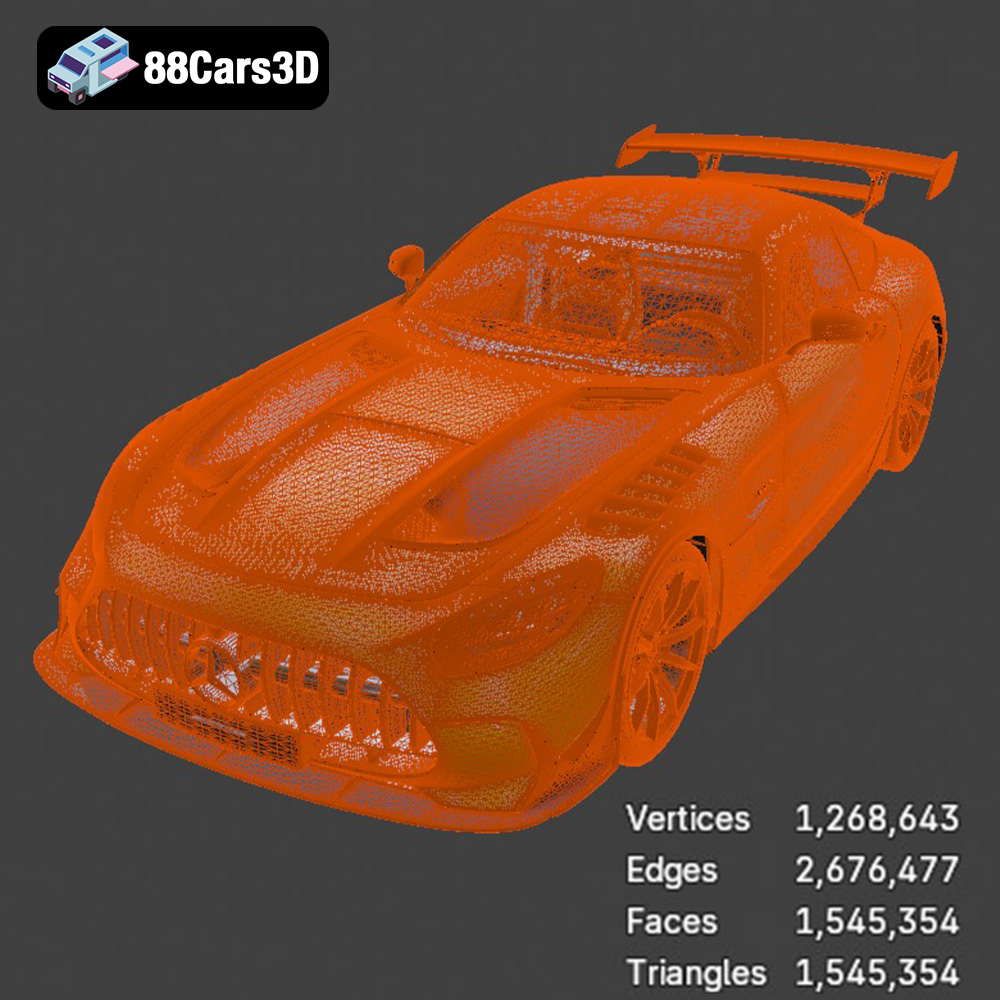
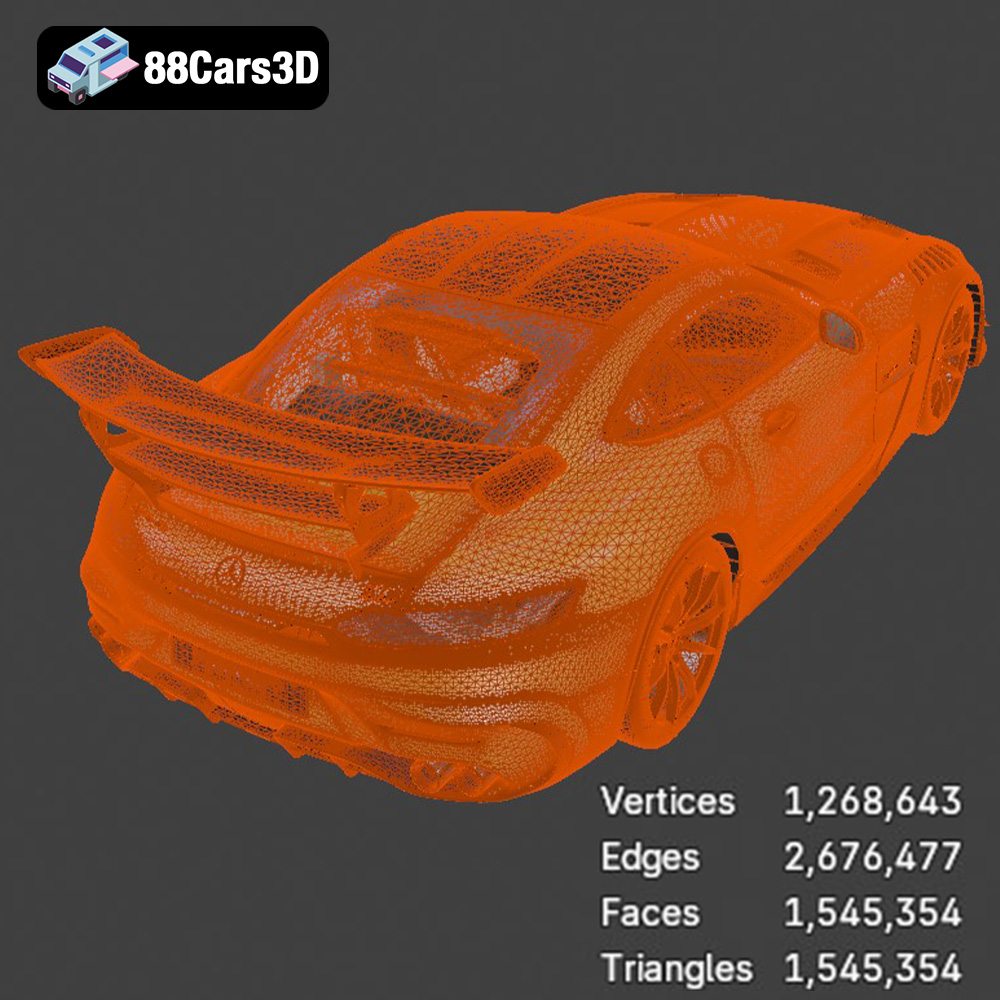
Beyond visual accuracy, the underlying mesh topology is paramount. A well-constructed mesh ensures clean deformations during animation, optimal rendering performance, and flexibility for various levels of detail (LODs). For the Mercedes-Benz AMG GT Black Series 2021 model, its `1,545,354 triangles` strikes a perfect balance. This polycount is sufficiently high to capture intricate details like panel gaps, vents, and interior components without becoming overly heavy for real-time applications like game engines or AR/VR.
Optimization is key for game development and interactive experiences. This involves careful UV mapping for texture efficiency, proper pivot setups for animation (e.g., steering, wheel rotation, suspension travel), and clean hierarchy management. A model that is “game-ready” means it has been engineered with these considerations in mind, allowing developers to integrate it directly into their projects with minimal post-import work.
Navigating the world of 3D car models often requires familiarity with various file formats, each designed with specific purposes, compatibilities, and optimizations in mind. A comprehensive asset, like the Mercedes-Benz AMG GT Black Series 2021 model, provides multiple formats to ensure maximum versatility across professional workflows. Understanding when and why to use each format is crucial for efficient project development.
The `.blend` format is native to Blender, the popular open-source 3D creation suite. When you download a `.blend` file, you’re getting a fully editable Blender scene. This includes the model’s mesh data, materials, textures, lighting, camera setups, and even animation data if present. It’s ideal for users who primarily work in Blender and want complete control over the asset. You can easily modify geometry, adjust materials, re-texture, or integrate it into an existing Blender project. For artists wanting to customize every aspect of their Mercedes-Benz AMG GT Black Series model, from paint finishes to interior fabric variations, the `.blend` file offers unparalleled flexibility.
FBX (Filmbox) is a proprietary file format developed by Autodesk, widely recognized as an industry standard for interoperability between different 3D software applications and game engines. It’s particularly ideal for Unreal Engine, Unity, and other real-time pipelines because it can store not only mesh data but also animations, rigs, skinning, materials, and even basic lighting. An `.fbx` file ensures that complex animated scenes, such as a car driving or its suspension articulating, can be transferred reliably between DCC (Digital Content Creation) tools like 3ds Max or Maya and game engines. For the AMG GT Black Series, the `.fbx` is your go-to for integrating into racing simulations or virtual showrooms within game environments.
The `.obj` (Wavefront OBJ) format is one of the most widely supported and universal formats for exchanging 3D geometry data. It stores vertex positions, UV coordinates, normals, and material group information, often accompanied by a separate `.mtl` (Material Template Library) file for basic material properties. While it doesn’t support animation or rigging, its broad compatibility makes it excellent for cross-software compatibility. If you need to import the Mercedes-Benz AMG GT Black Series into a niche renderer, a CAD package, or older 3D software, `.obj` provides a reliable foundation.
`.glb` (GL Transmission Format Binary) is the binary version of the glTF format, specifically designed for efficient transmission and loading of 3D scenes and models by applications. It’s rapidly becoming the standard for 3D on the web, AR (Augmented Reality), and VR (Virtual Reality) platforms due to its compact size and comprehensive data encapsulation (geometry, materials, textures, animations all in one file). For interactive configurators or mobile AR experiences featuring the AMG GT Black Series, `.glb` is the optimized choice, ensuring fast loading and smooth performance on web browsers and mobile devices.
The `.stl` (Stereolithography) format is the de facto standard for 3D printing. It represents a 3D model as a collection of unconnected triangles (facets) that define the surface geometry of an object. While it doesn’t carry color or material information, it’s precisely what 3D printers need to understand the shape to be manufactured. The Mercedes-Benz AMG GT Black Series 2021 model’s inclusion of an `.stl` file means hobbyists and professionals can easily convert the digital asset into a physical display model, allowing for tangible prototyping or collector’s items. Specific print settings often accompany these files for best results.
`.ply` (Polygon File Format, also Stanford Triangle Format) is another format for storing 3D data, particularly useful for scanned data, point clouds, and precision meshes. It can store various properties for each vertex (color, normal, texture coordinates) and face, offering more flexibility than `.obj` in some contexts, especially for complex scientific or engineering visualizations. While less common for general consumer-grade 3D assets, its inclusion suggests a model designed for accuracy that might be used in CAD workflows or for detailed analysis.
The `.unreal` format, or more accurately, an Unreal Engine project file or asset package specifically prepared for Unreal Engine, signifies an asset that has been meticulously optimized and set up within the engine itself. This means materials are typically PBR (Physically Based Rendering) ready, LODs are configured, collision meshes might be included, and potentially even blueprint setups for interactive functionality. This is the ultimate “plug-and-play” for Unreal Engine developers, saving significant time on asset integration and configuration, making the Mercedes-Benz AMG GT Black Series instantly usable in real-time environments.
The `.max` format is the native file type for Autodesk 3ds Max, a powerful 3D modeling, animation, rendering, and visualization software. Like `.blend` for Blender, a `.max` file contains the entire scene information, including geometry, modifiers, materials, textures, lighting, cameras, and animation curves. It’s the preferred format for those working within the 3ds Max ecosystem, offering full editability and leveraging 3ds Max’s robust toolset for high-end rendering and complex animation sequences of the Mercedes-Benz AMG GT Black Series 2021.
The Mercedes-Benz AMG GT Black Series 2021 3D Model epitomizes the blend of technical excellence and artistic dedication. Its detailed product description highlights the key elements that set it apart as a professional-grade asset, suitable for a myriad of high-demand applications.
The model’s attention to detail starts with its exterior. The accurate Mercedes-Benz AMG GT Black Series frame geometry and widebody proportions are foundational. Beyond the overall shape, the intricate LED multibeam headlights and signature taillights are not just simple textures but modeled elements, allowing for realistic lighting effects. The forged AMG 10-spoke wheels, complete with high-grip track tire textures, demonstrate a commitment to realism down to the contact patch.
Inside, the authenticity continues. Authentic AMG carbon-fiber bucket seat details, a DINAMICA microfiber-wrapped AMG Performance steering wheel, and high-resolution digital instrument cluster geometry ensure that the interior holds up to close scrutiny. This level of detail is paramount for first-person POV in gaming or immersive virtual showrooms, where users can freely explore the vehicle’s cabin. The optimized geometry for these elements means they look fantastic without unnecessarily burdening real-time performance.
The listed technical specifications are crucial for understanding the model’s professional utility:
The versatility of a high-quality 3D car model like the Mercedes-Benz AMG GT Black Series 2021 extends across numerous professional domains. Its optimized nature and comprehensive file format support make it a powerful tool for various applications.
For game developers, this model is a dream. Its optimized polycount makes it ideal for open-world games, high-speed racing titles, and realistic simulators. The separate components for wheels, suspension, and steering allow for advanced rigging and physics implementation, enabling dynamic suspension compression, accurate steering mechanics, and realistic tire deformation. Studios can leverage the `.fbx` or `.unreal` formats for direct integration, significantly cutting down development time. Imagine the thrilling experience of driving this hypercar in a virtual environment, with every detail rendered faithfully.
The rise of AR/VR presents exciting opportunities for automotive brands and visualization studios. This model is perfect for immersive virtual showrooms or car configurators. Using the `.glb` format, it can be deployed on web-based AR platforms, allowing users to place the AMG GT Black Series in their driveway via a smartphone. In a VR headset, users could step inside the car, inspect the detailed cockpit, and even customize features in real-time, offering a highly engaging pre-purchase experience.
For marketing agencies and automotive visualization specialists, the model’s fidelity is invaluable. It excels in brand campaigns, lifestyle scenes, and studio lighting setups. Using software like 3ds Max or Blender with advanced renderers (V-Ray, Corona, Cycles), artists can create stunning photorealistic images and animations. Imagine a dramatic commercial showcasing the Black Series tearing through a scenic landscape, or a meticulously crafted studio render highlighting its aerodynamic prowess – this model provides the canvas for such masterpieces. Its accurate materials and geometry ensure that reflections, refractions, and shadows behave realistically under any lighting condition.
Beyond digital screens, the model’s convertibility to `.stl` format opens avenues for physical creation. Hobbyists and product designers can 3D print display-scale replicas, from 1:12 down to 1:24. This is particularly useful for rapid prototyping or creating tangible collectibles. The product description even provides specific print settings and post-processing recommendations, emphasizing the thoughtful design for multi-modal use cases. Resin printing, for example, is suggested for capturing the fine details of the exhaust system or intricate bodywork.
Integrating a high-fidelity 3D car model into a real-time engine like Unreal Engine requires a nuanced approach to balance visual quality with performance. The Mercedes-Benz AMG GT Black Series 2021 model is designed to facilitate this process, offering an excellent starting point for developers.
Modern game engines heavily rely on PBR workflows for realistic lighting and material responses. A quality model will come with PBR-ready textures for parameters like Albedo (base color), Metallic, Roughness, Normal, and Ambient Occlusion. These textures, combined with accurate UV mapping, ensure that the car’s paint, carbon fiber, glass, and metal components react to light exactly as they would in the real world. This translates to stunning visuals, whether under direct sunlight or in a dimly lit garage scene.
For optimal performance in large open worlds or scenes with multiple vehicles, LODs are essential. A highly detailed model like this AMG GT Black Series would typically be accompanied by several lower-polygon versions. As the car moves further from the camera, the engine switches to a simpler LOD, significantly reducing the computational load without a noticeable drop in visual quality. While the base model boasts 1,545,354 triangles for close-up fidelity, a game developer might create LODs with 500k, 200k, or even 50k triangles for distant views, ensuring a smooth framerate across all scenarios.
For realistic gameplay, accurate collision meshes are paramount. These simplified, non-rendered meshes define the car’s physical boundaries, allowing for realistic interactions with the environment. Furthermore, features like proper pivot setups for steering, wheel rotation, and suspension travel are critical for implementing realistic physics and animation. Developers can use these well-defined components to create dynamic driving experiences, where the car responds authentically to terrain, impacts, and driver input.
The ability to transition a digital 3D car model into a tangible object is a testament to its technical robustness. The Mercedes-Benz AMG GT Black Series 2021 model, with its `.stl` format inclusion and specific print settings, offers a clear path to physical creation, catering to both hobbyists and professionals.
3D printing presents its own set of technical challenges. The `.stl` file provides the raw geometry, but careful preparation is needed for a successful print. The recommended scale (1:12 / 1:18 / 1:24) is crucial for balancing detail retention with print time and material cost. Smaller scales will lose very fine details, while larger scales demand more material and longer print times.
Once printed, the physical model enters the realm of post-processing. Sanding, priming, and painting are essential steps to achieve a professional finish. Replicating authentic factory colors with metallic finishes can turn a raw print into a stunning miniature replica. This blend of digital precision and hands-on craftsmanship underscores the comprehensive nature of a truly versatile 3D asset.
In conclusion, the pursuit of digital realism, whether for groundbreaking games, immersive AR/VR experiences, or high-end visualizations, hinges on the quality of your foundational assets. A meticulously crafted 3D car model like the Mercedes-Benz AMG GT Black Series 2021 provides an unparalleled advantage.
It’s not merely about the aesthetics; it’s about the technical integrity that underpins every curve and detail. From its optimized topology and real-world scale accuracy to its game-ready status and comprehensive file format support, this model exemplifies what professionals need to succeed. The availability of diverse formats – from editable `.blend` and `.max` files to engine-ready `.fbx` and `.unreal` assets, and even `.stl` for 3D printing – ensures that the asset is not just a model, but a versatile toolkit for any creative endeavor.
Investing in high-quality assets from reputable sources like 88cars3d.com significantly streamlines production pipelines, reduces development costs, and ultimately elevates the standard of your final output. By starting with excellence, you empower your team to focus on innovation and creativity, rather than wrestling with subpar models. Embrace the power of precision and drive your projects forward with assets that truly deliver on their promise of performance and visual fidelity.
Experience the apex of Affalterbach’s engineering with the Mercedes-Benz AMG GT Black Series 2021. This model flawlessly captures the extreme track-focused heritage and iconic design of the legendary Black Series lineage. Every aggressive styling cue is meticulously recreated, from the immense carbon-fiber dual-element rear wing and massive front splitter to the intricately detailed flat-plane crank V8 biturbo engine and quad exhaust system. Boasting a highly detailed topology with 1,545,354 triangles, this model delivers uncompromising visual fidelity while maintaining efficient organization for advanced real-time applications. It is engineered to perform seamlessly across major game engines, AR/VR platforms, and high-end cinematic animation pipelines, offering unparalleled realism without sacrificing performance. Perfect for high-speed racing simulations, luxury virtual showrooms, immersive AR car configurators, and high-end automotive visualizations.
$37.50
.2021
.blend
.fbx
.glb
.max
.obj
.ply
.rendering
.sports car
.stl
.supercar
.unreal
amg-gt-black-series
car-3d-model
game asset
game-ready
low-poly
mercedes-benz
optimized
track-car
VR/AR