Get 20% OFF All Premium 3D & STL Models!

In the fast-paced world of digital creation, the demand for photorealistic assets that can stand up to the scrutiny of high-fidelity rendering, immersive game environments, and interactive AR/VR experiences has never been higher. Automotive design, in particular, requires an unparalleled level of detail and accuracy. Whether you’re an architectural visualizer bringing a luxury garage to life, a game developer crafting the next AAA racing title, or an animator seeking to tell a compelling story, the foundation of your success often lies in the quality of your 3D models.
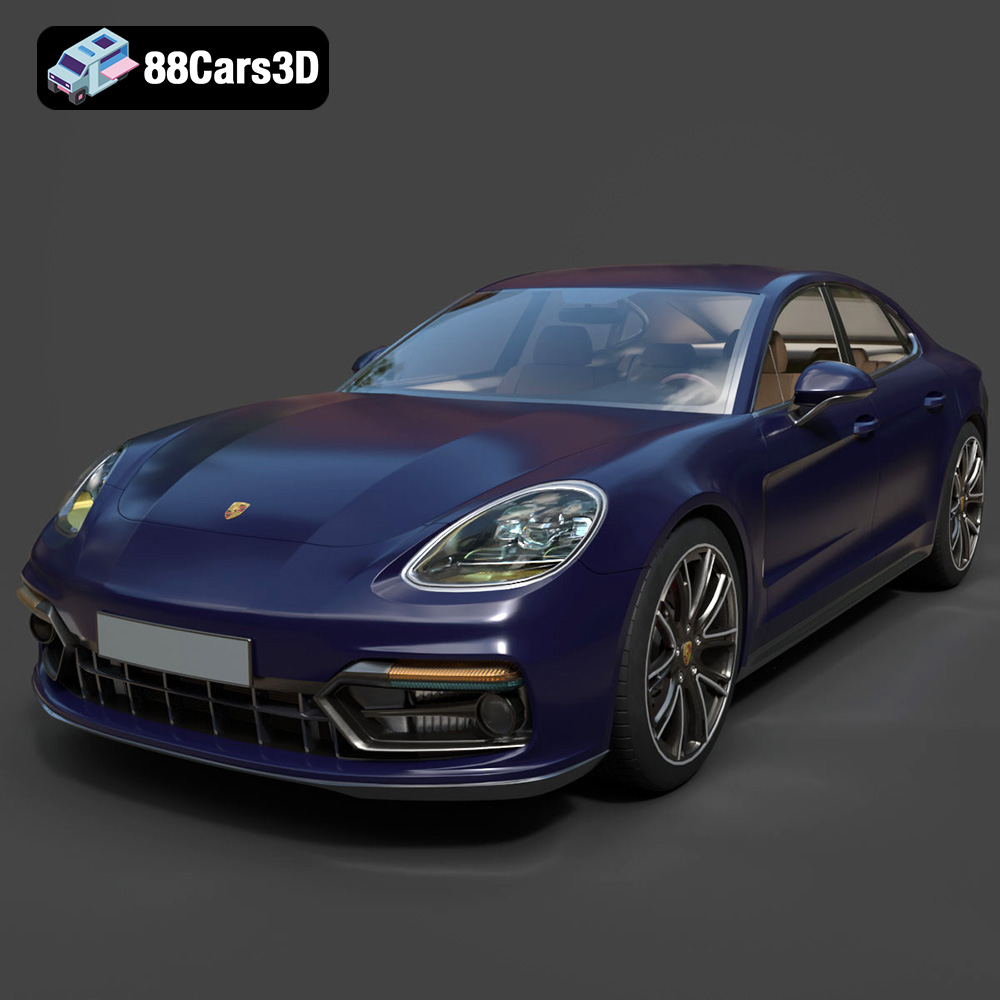
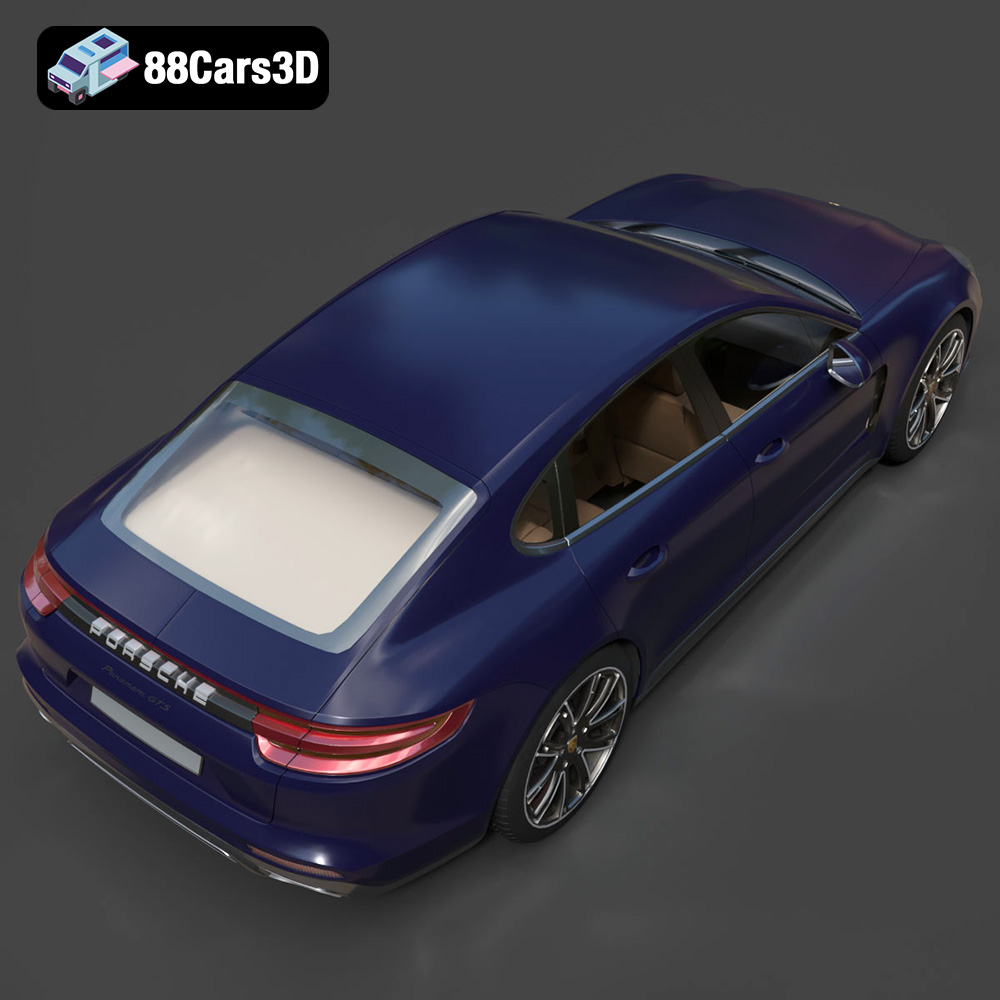
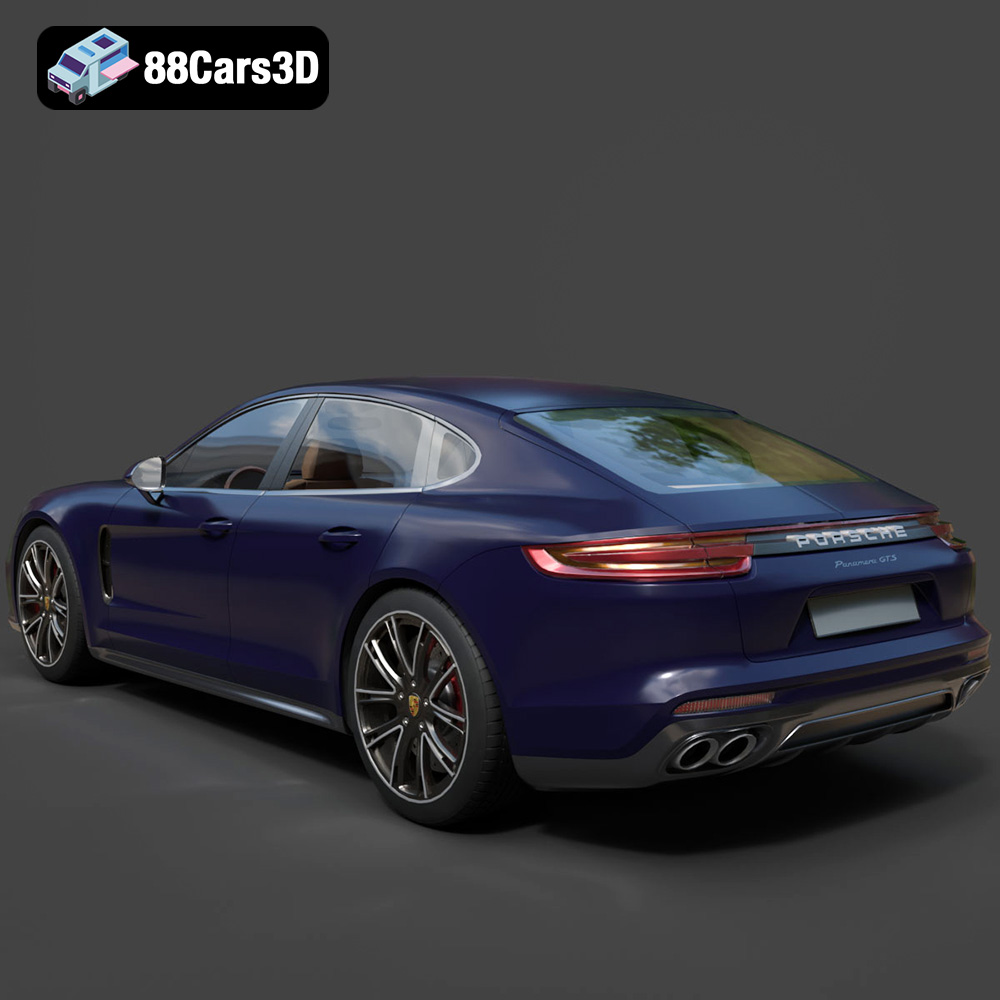
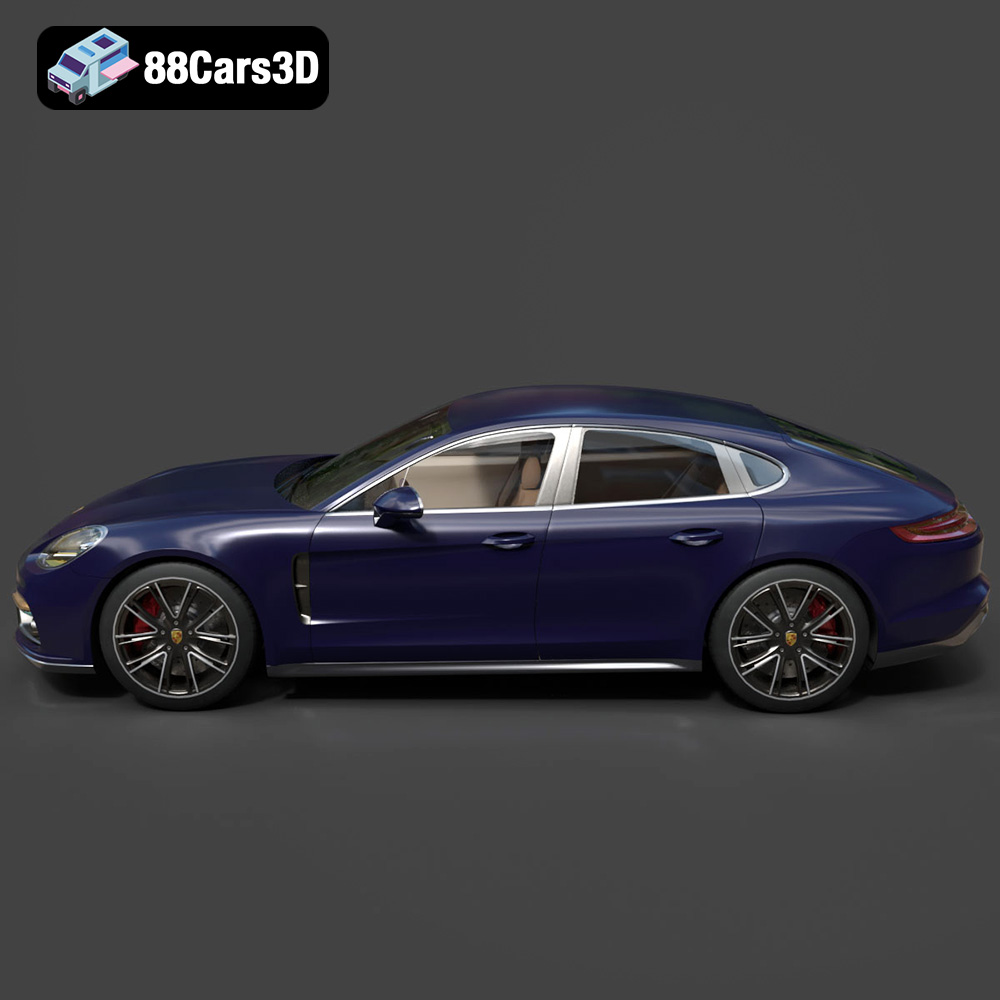
Imagine effortlessly integrating a vehicle that encapsulates both raw power and refined elegance into your project. That’s precisely the value proposition of expertly crafted 3D car models. They serve as the digital blueprint, the canvas upon which designers, artists, and engineers build their visions. Today, we’re diving deep into the technical intricacies and creative possibilities offered by such assets, with a special focus on a standout example: the Porsche Panamera GTS 2019 3D Model available at 88cars3d.com. This model perfectly bridges the gap between a high-performance sports car and a luxury executive sedan, making it an invaluable asset for diverse professional applications.
The versatility of a 3D model is often defined by the file formats it supports. Each format is designed with specific use cases, software compatibility, and technical advantages in mind. Understanding these distinctions is crucial for seamless workflow integration and achieving optimal results, whether you’re working on automotive rendering, game assets, or even 3D printing.
The .blend format is native to Blender, a powerful and free open-source 3D creation suite. When you download a .blend file, you’re getting a complete Blender scene, often including cameras, lights, materials, textures, and even animation data, all meticulously set up. This format is ideal for users who primarily work in Blender, offering full editability of the mesh, materials, and scene configurations. Artists can easily modify topology, fine-tune PBR (Physically Based Rendering) materials, adjust UV layouts, or integrate the model into existing Blender projects without any conversion losses. For the Porsche Panamera GTS 2019 3D model, a .blend file offers the most comprehensive starting point for Blender artists.
.fbx (Filmbox) is arguably the most widely adopted proprietary 3D exchange format, developed by Autodesk. It excels at transferring comprehensive scene data—including models, animation, cameras, lights, and even rigging—between different 3D software applications and game engines like Unreal Engine and Unity. Its strength lies in maintaining data integrity across platforms. For game developers, .fbx is often the go-to format for importing complex animated characters and vehicles. It supports various levels of detail (LODs) and material assignments, making it perfect for real-time pipelines where efficient asset management is paramount.
The .obj (Wavefront OBJ) format is a universal standard for 3D geometry. It’s a simple, text-based format that defines polygon meshes, including vertex positions, UV coordinates, normals, and material references (via an accompanying .mtl file). While it doesn’t support animation or rigging, its simplicity and widespread compatibility make it an excellent choice for static mesh exchange across virtually any 3D software. If you need to import a model into an obscure renderer or simply want a clean mesh without complex scene data, .obj is a reliable option. Its robustness ensures that the intricate details of the Porsche Panamera GTS 2019’s geometry are preserved.
.glb (GL Transmission Format Binary) is an increasingly popular format, especially for web-based 3D, augmented reality (AR), and virtual reality (VR) applications. It’s a binary version of the glTF (GL Transmission Format) standard, bundling geometry, textures, and animation into a single, compact file. This optimization makes .glb incredibly efficient for streaming and displaying 3D content directly in browsers or on mobile devices without requiring extensive processing power. For interactive virtual automotive showrooms or mobile AR experiences featuring the Panamera GTS, .glb offers superior performance and ease of integration.
.stl (STereoLithography) is the de facto standard file format for 3D printing. It represents a 3D model as a collection of unconnected triangular facets, defining only the surface geometry without color, texture, or other advanced attributes. While not ideal for rendering, its simplicity ensures compatibility with virtually all 3D printers and slicing software. When preparing a 3D car model like the Porsche Panamera GTS for physical production, converting to .stl is a necessary step, allowing for precise control over print settings such as scale, layer height, and support structures.
The .ply (Polygon File Format) is another widely supported format for storing 3D data, particularly useful for scanned data, CAD applications, and scientific visualization. It can store a variety of properties including color, transparency, normals, texture coordinates, and even reliability information for each vertex and face. While less common for everyday artistic exchange than .fbx or .obj, .ply offers a robust way to preserve detailed mesh attributes, often used in applications requiring high geometric precision or where mesh analysis is a primary concern.
The .unreal designation often implies an asset specifically packaged or optimized for direct import into Unreal Engine. While Unreal Engine primarily uses .fbx for importing static meshes and skeletal animations, a .unreal file might represent a complete Unreal asset package (.uasset) containing the mesh, materials, textures, and even blueprints pre-configured for the engine. This format streamlines the workflow for Unreal developers, offering an out-of-the-box solution that reduces setup time and ensures compatibility with Unreal’s rendering pipeline. The Porsche Panamera GTS 2019 3D model, being engine-ready, would seamlessly integrate into an Unreal project via this optimized packaging.
The .max format is the native file type for Autodesk 3ds Max, one of the leading 3D modeling, animation, and rendering software packages in the industry. Similar to .blend for Blender, a .max file contains the entire scene data, including geometry, materials, lighting, cameras, animation, and scene settings. It provides full editability for artists working within 3ds Max, allowing for complex rigging, advanced V-Ray or Corona rendering setups, and intricate animation sequences. For high-end architectural visualization and cinematic automotive rendering, a .max file of the Porsche Panamera GTS offers maximum flexibility for experienced 3ds Max users.
Automotive rendering is more than just creating a pretty picture; it’s about crafting an emotional connection, showcasing design intent, and conveying the essence of a vehicle. High-quality 3D car models are the backbone of this discipline, enabling artists to produce visuals that are virtually indistinguishable from real-world photography.
For architectural visualization (arch-viz) artists, integrating a stunning vehicle like the Porsche Panamera GTS 2019 can elevate a scene from good to extraordinary. A meticulously detailed 3D car model adds a sense of life, scale, and luxury to an architectural rendering. Imagine a sleek Panamera GTS parked in the driveway of a modern minimalist villa, its metallic paint reflecting the evening light, or showcased in a high-end underground garage. The model’s accurate frame geometry, detailed exterior features like the adaptive rear spoiler, and signature quad-pipe sports exhaust system contribute immensely to the overall realism. Artists leverage rendering engines like V-Ray, Corona, or Octane to simulate complex lighting, reflections, and material properties, turning raw 3D data into breathtaking photorealistic imagery. The availability of formats like .max and .blend makes seamless integration into these professional workflows possible.
Beyond arch-viz, professional 3D car models are indispensable for automotive brand campaigns and lifestyle advertisements. They allow marketing teams to create aspirational content without the logistical challenges and costs associated with real-world car shoots. With the Porsche Panamera GTS 2019 3D model, designers can experiment with various environments, lighting setups, and camera angles to find the perfect narrative. They can change body colors, adjust material finishes (matte, gloss, metallic), and even modify tire textures to suit different campaign themes. This level of creative control is unmatched by traditional photography, providing endless possibilities for showcasing the vehicle’s “aggressive styling, distinctive flyline, and commanding road presence” in diverse scenarios.
In game development, performance is as critical as visual fidelity. Every polygon, every texture, and every shader contributes to the computational load. The challenge is to strike a perfect balance, creating game assets that look stunning while running smoothly in real-time engines.
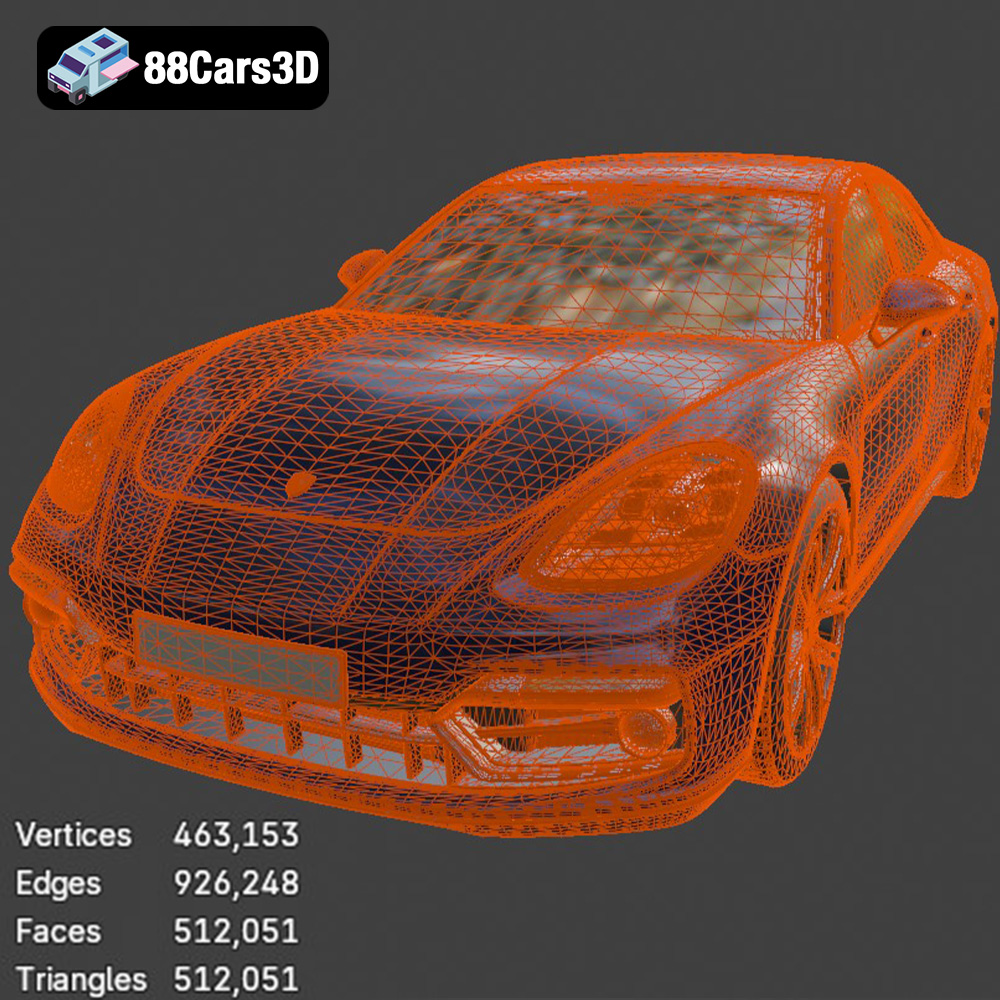
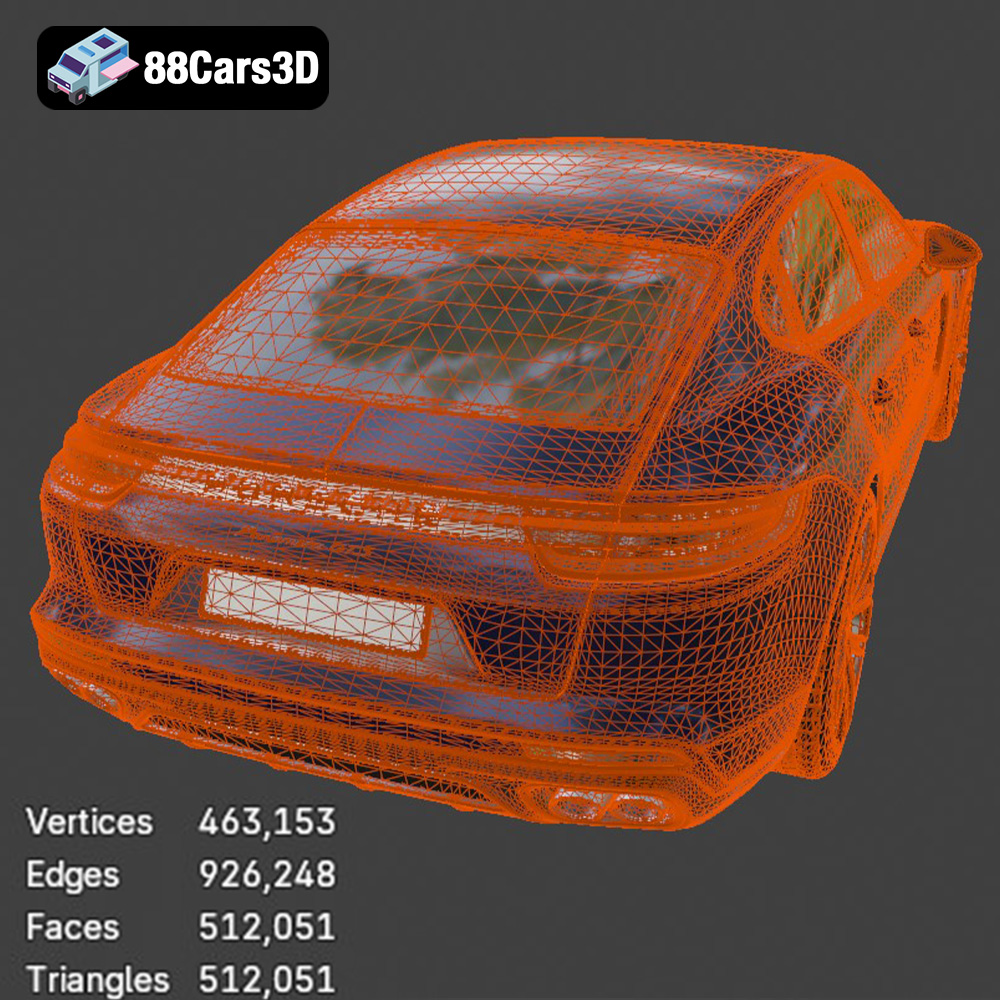
The 2019 Porsche Panamera GTS 3D model stands out with its “meticulously optimized topology with 512,051 triangles.” This poly count is a sweet spot: high enough to maintain “high-end visual fidelity” for close-up shots and detailed reflections, yet optimized for “game-ready performance” in engines like Unreal and Unity. For AAA racing games or open-world titles, this means players can experience the luxury and power of the Panamera GTS without sacrificing frame rates. The model’s real-world scale accuracy and proper pivot setup for steering, wheel rotation, and suspension travel are critical for realistic physics and animation in game engines. Developers can use the .fbx format for easy import into Unreal or Unity, leveraging the pre-configured materials and geometry to jumpstart their development.
Beyond traditional games, optimized 3D car models are transforming virtual showrooms and configurators. Imagine a customer exploring the Porsche Panamera GTS 2019 in a virtual environment, customizing its color, wheels, and interior features in real-time. The “optimized geometry for first-person POV in gaming and VR” means that the “luxurious Alcantara and leather-trimmed sports seats,” “authentic Porsche sports steering wheel,” and “digital advanced cockpit instrument cluster” are all rendered with impeccable detail. This level of immersion provides a powerful sales and marketing tool, allowing potential buyers to interact with the vehicle in ways that physical showrooms cannot replicate. The .glb and .unreal formats are particularly suited for these interactive, real-time applications.
The utility of high-quality 3D car models extends far beyond traditional screens, opening doors to exciting new frontiers in augmented reality, virtual reality, and even physical manufacturing through 3D printing.
Augmented Reality (AR) and Virtual Reality (VR) are revolutionizing how we interact with digital content. For automotive enthusiasts and businesses, AR/VR experiences offer unparalleled engagement. Imagine pointing your smartphone at your driveway and seeing a virtual Porsche Panamera GTS 2019 appear, perfectly scaled and rendered, allowing you to walk around it, change its color, and even peek inside. This immersive capability is ideal for “immersive virtual showrooms, configurators, and mobile AR experiences.” The optimized polycount and the availability of the .glb format are key here, as AR/VR applications demand lightweight, high-performance assets that can render smoothly on a variety of devices, including mobile. The detailed cockpit features of the Panamera GTS model make it perfect for VR, where users can truly feel like they are sitting inside the car.
The journey of a 3D model doesn’t always end on a screen. For hobbyists, collectors, or designers creating physical prototypes, 3D printing offers an exciting tangible output. The Porsche Panamera GTS 2019 3D model, being “convertible to .stl format,” opens up this possibility. With recommended scales like 1:12, 1:18, or 1:24, enthusiasts can print highly detailed replicas. The guidance on layer height (0.04–0.12 mm) and the recommendation for resin printing underscore the importance of precision for capturing fine details like the “signature quad-pipe sports exhaust system” or the “detailed calipers and drilled rotors.” Careful post-processing, including sanding, priming, and applying authentic factory colors, can result in a stunning display-scale model that embodies the craftsmanship of both the digital asset and the real vehicle.
Let’s examine the specific attributes that make the Porsche Panamera GTS 2019 3D model from 88cars3d.com such a robust and versatile asset for professionals.
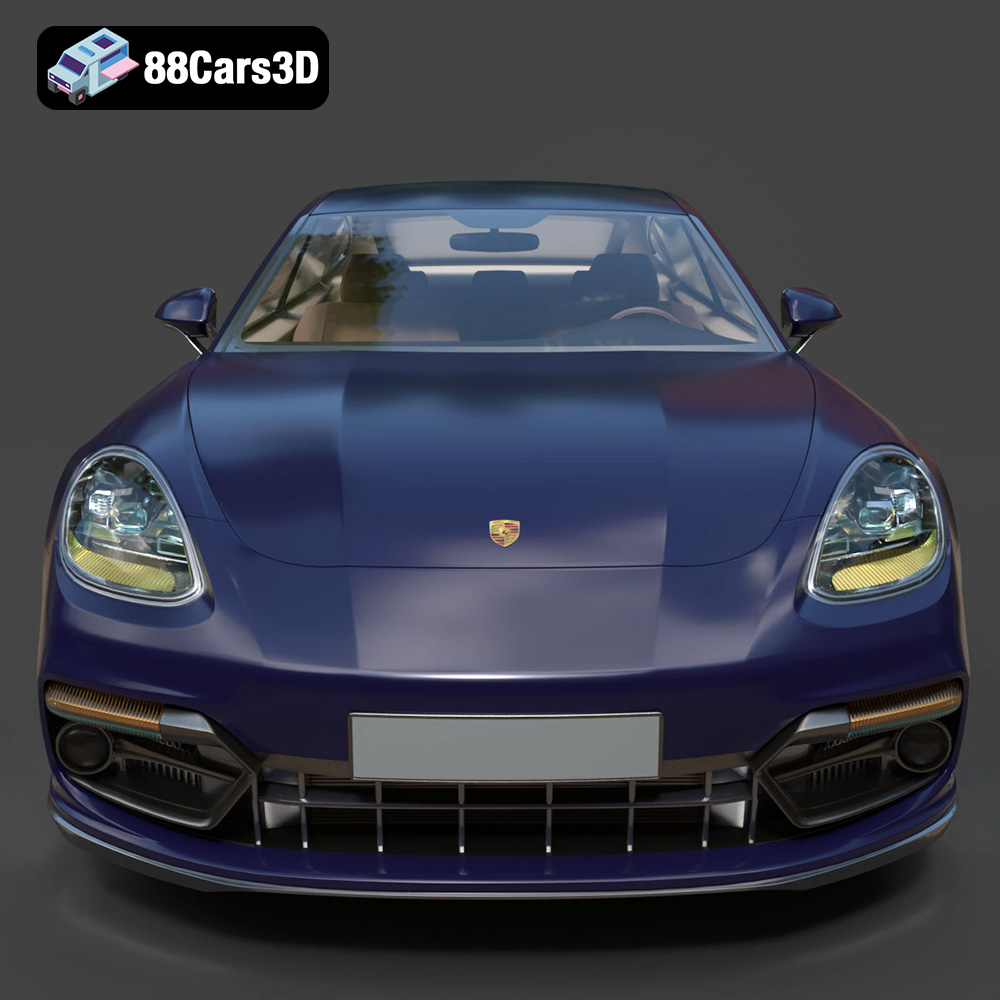
The exterior of this 3D model is a testament to meticulous craftsmanship. It boasts “accurate Porsche Panamera GTS 2019 frame geometry and aerodynamic proportions,” which are critical for any professional visualization or simulation. Details like the “detailed twin-turbo V8 engine block and bay components” and the “signature quad-pipe sports exhaust system with detailed diffusers” are not merely cosmetic; they reflect a deep understanding of the vehicle’s engineering. The “iconic four-point LED matrix headlights and continuous LED taillight strip” are carefully modeled to capture the distinctive lighting signature of the Panamera. Furthermore, “premium multi-spoke alloy wheels with high-performance low-profile tires” and a “high-performance braking system with detailed calipers and drilled rotors” add crucial layers of realism. The separation of wheels, suspension, and steering components is a technical advantage, enabling complex animations and dynamic simulations.
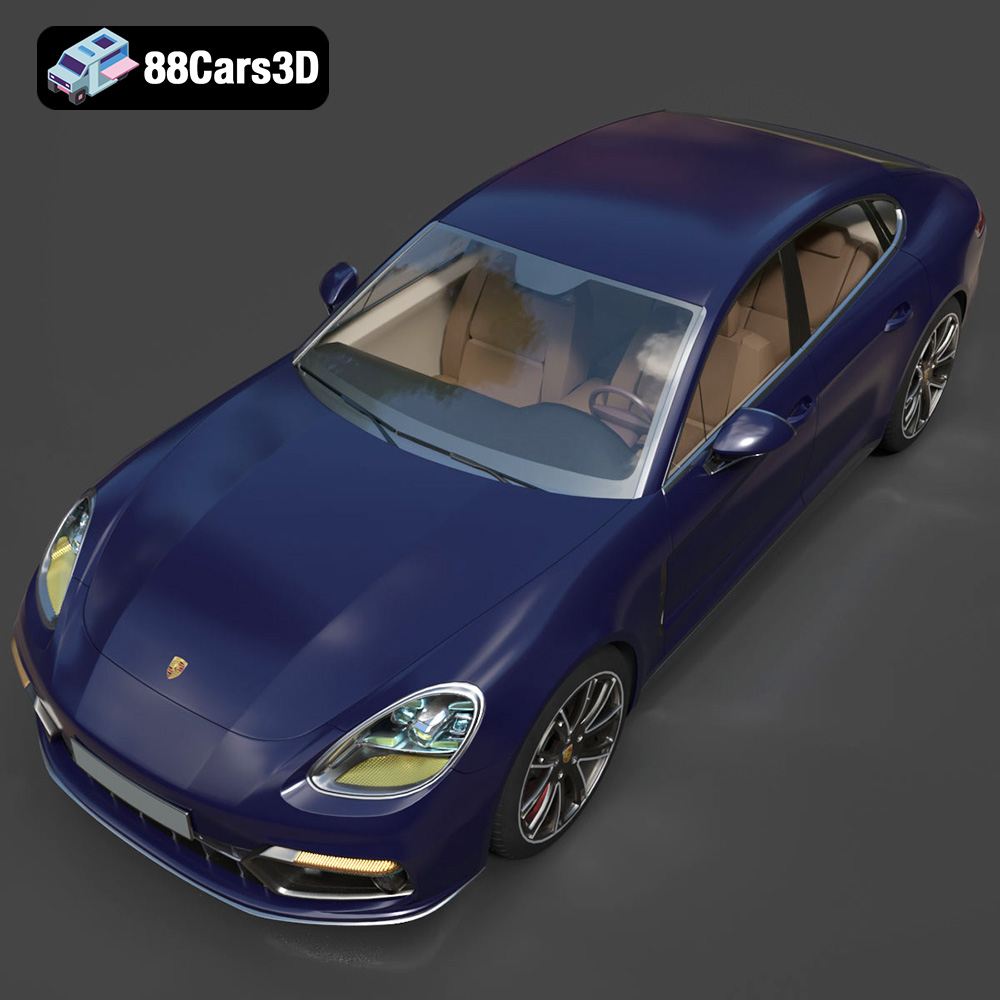
The interior of the Panamera GTS 2019 model is equally impressive, ensuring that close-up shots or first-person perspectives in games and VR are visually stunning. The “luxurious Alcantara and leather-trimmed sports seats with GTS stitching” convey the vehicle’s premium status. The “authentic Porsche sports steering wheel with drive mode selector” and the “digital advanced cockpit instrument cluster and central infotainment screen” are not just placeholders but detailed representations of the real car’s sophisticated cabin. The “precisely modeled center console with tactile buttons, pedals, and PDK gear selector” ensures that every element is accounted for. This level of interior detail, coupled with its optimized geometry, makes it an ideal choice for immersive gaming and virtual reality experiences where the user spends significant time inside the vehicle.
A high-quality 3D model isn’t just about what it is, but what it can become. The ability to customize and integrate it seamlessly into various workflows greatly enhances its value.
The Porsche Panamera GTS 2019 3D model offers extensive customization options, giving artists the freedom to tailor the asset to their specific project needs. Users can “change body/tank colors” to match factory hues or explore “custom finishes.” The ability to “modify tire textures” (e.g., off-road vs. street variants) and “adjust material finishes” (matte, gloss, metallic) provides fine-grained control over the vehicle’s appearance. Furthermore, adapting lighting for different environments allows the model to be showcased in various scenes, from a sunny racetrack to a moody urban nightscape. These customization features make the model adaptable for diverse visual themes and branding requirements.
The comprehensive range of included file formats—.blend, .fbx, .obj, .glb, .stl, .ply, .unreal, .max—is a significant advantage, guaranteeing compatibility with virtually any professional 3D software and real-time engine. This means artists and developers can integrate the Porsche Panamera GTS 2019 3D model into their existing workflows with minimal friction. Whether you’re animating in 3ds Max, designing a game in Unreal Engine, rendering in Blender, or preparing for AR deployment, the right format is readily available. This multi-format support minimizes conversion issues, saves valuable production time, and ensures that the intricate details and optimized geometry are preserved across different platforms, making it a truly versatile game asset and rendering solution.
The realm of 3D modeling for automotive projects is one that demands an exceptional blend of artistic vision and technical precision. From crafting photorealistic renders for architectural visualization to developing high-performance game assets for the next generation of racing simulators, the choice of a high-quality 3D model is paramount. The Porsche Panamera GTS 2019 3D model exemplifies this standard, offering an optimized, meticulously detailed asset that is ready for a multitude of applications. Its robust technical specifications, coupled with extensive file format support, make it an invaluable tool for any professional seeking to elevate their digital automotive projects. By understanding the nuances of different file formats, leveraging the model’s game-ready optimization, and exploring its vast customization potential, creators can unlock new levels of realism and immersion. For those in search of exceptional 3D car models that stand up to professional demands, exploring the curated selection at 88cars3d.com is a clear path to driving digital dreams into reality.
The 2019 Porsche Panamera GTS perfectly bridges the gap between a high-performance sports car and a luxury executive sedan. Known for its aggressive styling, distinctive flyline, and commanding road presence, the Panamera GTS features iconic elements such as its adaptive rear spoiler, muscular haunches, and signature quad-pipe sports exhaust system. Powered by a thunderous twin-turbo V8, this model embodies Porsche’s track-focused heritage wrapped in a practical, four-door gran turismo silhouette.
This highly detailed 3D model features a meticulously optimized topology with 512,051 triangles, striking the perfect balance between high-end visual fidelity and game-ready performance. Engineered for versatility, it is an exceptional asset for developers and creators needing photorealistic vehicles without compromising rendering efficiency in real-time environments.
Perfect for architectural visualization, AAA racing games, virtual automotive showrooms, and high-end commercial rendering.
.blend, .fbx, .obj, .glb, .stl, .ply, .unreal, .max
Tags:
porsche, panamera-gts, panamera-gts-2019, luxury-sedan, sports-car, gran-turismo, game-ready, high-poly, optimized, car-3d-model, game-asset, rendering, vr-ar, blend, fbx, obj, glb, stl, ply, unreal, max
$26.00
.blend
.fbx
.glb
.gran-turismo
.max
.obj
.ply
.porsche
.rendering
.sports car
.stl
.unreal
car-3d-model
game asset
game-ready
high poly
luxury-sedan
optimized
panamera-gts
panamera-gts-2019
VR/AR