Get 20% OFF All Premium 3D & STL Models!

In the rapidly evolving landscape of digital content creation, the demand for high-fidelity 3D assets is more pronounced than ever. From cinematic automotive advertisements to immersive virtual reality experiences and hyper-realistic video games, a well-crafted 3D car model forms the backbone of compelling visual narratives. Professionals across various industries recognize that a truly versatile and technically sound model isn’t just an object; it’s a foundation for innovation, offering unparalleled flexibility and realism.
At the heart of this digital transformation lies the need for assets that are not only visually stunning but also technically optimized for diverse applications. This isn’t merely about aesthetics; it’s about precision, performance, and adaptability. Whether you’re a game developer striving for peak frame rates, an architectural visualizer seeking to populate a scene with authentic vehicles, or a product designer iterating on a physical prototype, the quality of your 3D car models directly impacts the success of your project.
Today, we delve into the intricate world of premium 3D automotive assets, exploring their impact on professional workflows and highlighting the capabilities of an exceptional example: the BMW X1 2013 3D Model. This meticulously crafted digital asset, available for download on 88cars3d.com, encapsulates the sporty and versatile essence of the first-generation E84 X1. It’s a testament to how detailed topology, accurate proportions, and a comprehensive set of file formats can serve as a cornerstone for projects spanning rendering, game development, AR/VR, and even 3D printing.
The choice of a 3D model’s file format is far from trivial; it dictates compatibility, functionality, and the efficiency of your workflow. A premium 3D car model, such as the BMW X1 2013, offers a suite of formats to ensure maximum versatility across different software environments and pipelines. Understanding the nuances of each is crucial for any professional working with 3D assets.
The .blend file is Blender’s native format, renowned for its comprehensiveness. When you acquire a .blend file, you’re not just getting the mesh; you’re gaining access to a complete Blender project, including all materials, textures, lighting setups, animations, and scene configurations. This is ideal for artists who primarily use Blender and require full editability, allowing them to dissect the model, understand its construction, or make extensive modifications without any loss of data. For the BMW X1 2013, the .blend file would provide the base for immediate rendering in Cycles or Eevee, or for integrating into a larger Blender scene.
The .fbx (Filmbox) format, developed by Autodesk, is the industry standard for interoperability between 3D software applications, especially for game development. It efficiently stores 3D models, textures, animations, and rigs in a single file. Its robust support for skeletal animations and complex material assignments makes it the go-to choice for integration into game engines like Unreal Engine and Unity. The optimized nature of .fbx ensures that assets like the BMW X1 can be imported with minimal fuss, retaining PBR (Physically Based Rendering) materials and rigging for immediate use in real-time environments.
The .obj (Wavefront OBJ) format is one of the oldest and most widely supported formats for 3D geometry. While it doesn’t typically store animation or rigging data, it’s excellent for static mesh exchange across virtually any 3D software. An .obj file, usually accompanied by an .mtl (material) file for basic material definitions and references to texture maps, guarantees broad compatibility. This format is invaluable for transferring models like the BMW X1 2013 between different modeling and rendering packages when complex animations are not the primary concern.
.glb (GLB format, part of the glTF family) is a relatively newer, highly efficient format optimized for the web and real-time applications, particularly AR (Augmented Reality) and VR (Virtual Reality). It packages 3D model data, textures, and animations into a single, self-contained binary file, making it incredibly easy to load and display in browsers and mobile environments. For interactive AR/VR car configurators using the BMW X1 2013, the .glb format would be paramount, ensuring quick loading times and seamless integration.
The .stl (STereoLithography) format is the de facto standard for 3D printing. It represents 3D surfaces as a collection of unconnected triangles, making it a universal language for additive manufacturing processes. While it doesn’t carry color or texture information, its simplicity makes it robust for physical fabrication. The inclusion of an .stl file for the BMW X1 2013 means hobbyists and professionals can translate the digital model into a tangible collectible or prototype, adhering to specific print settings like those provided for the X1 model.
The .ply (Polygon File Format, or Stanford Triangle Format) is another format for storing 3D data, often used in scientific and CAD applications. It can store a variety of properties including color, transparency, and normal vectors for each vertex, making it useful for representing scanned data or precise engineering models. While less common for general 3D asset exchange than .fbx or .obj, its ability to store detailed mesh information can be beneficial for specific analysis or visualization tasks involving the BMW X1 2013.
While not a standalone general-purpose format in the same vein as .fbx or .obj, the inclusion of a proprietary .unreal file implies an asset specifically packaged and optimized for direct import into Unreal Engine projects. This might involve pre-configured material instances, proper collision meshes, LODs (Levels of Detail), and blueprint setups, saving significant integration time for game developers. For the BMW X1 2013, an .unreal asset ensures it’s truly “game-ready” with minimal setup.
The .max file is the native format for Autodesk 3ds Max, a leading software for 3D modeling, animation, and rendering. Similar to the .blend file for Blender, a .max file offers a complete scene including geometry, textures, lighting, cameras, and animation data. This provides 3ds Max users with full editability and the highest level of detail for rendering in V-Ray, Corona, or other renderers integrated with 3ds Max. The BMW X1 2013 .max file would be perfect for cinematic renders or detailed animations within a professional studio pipeline.
The comprehensive range of formats offered with the BMW X1 2013 3D Model underscores its versatility, making it a truly valuable asset for any digital creator.
Creating a high-quality 3D car model is a complex endeavor that marries artistic skill with rigorous technical understanding. It’s about more than just replicating shapes; it’s about capturing the essence, the engineering, and the subtle aesthetic nuances that define a vehicle. The BMW X1 2013 3D Model exemplifies this intricate balance.
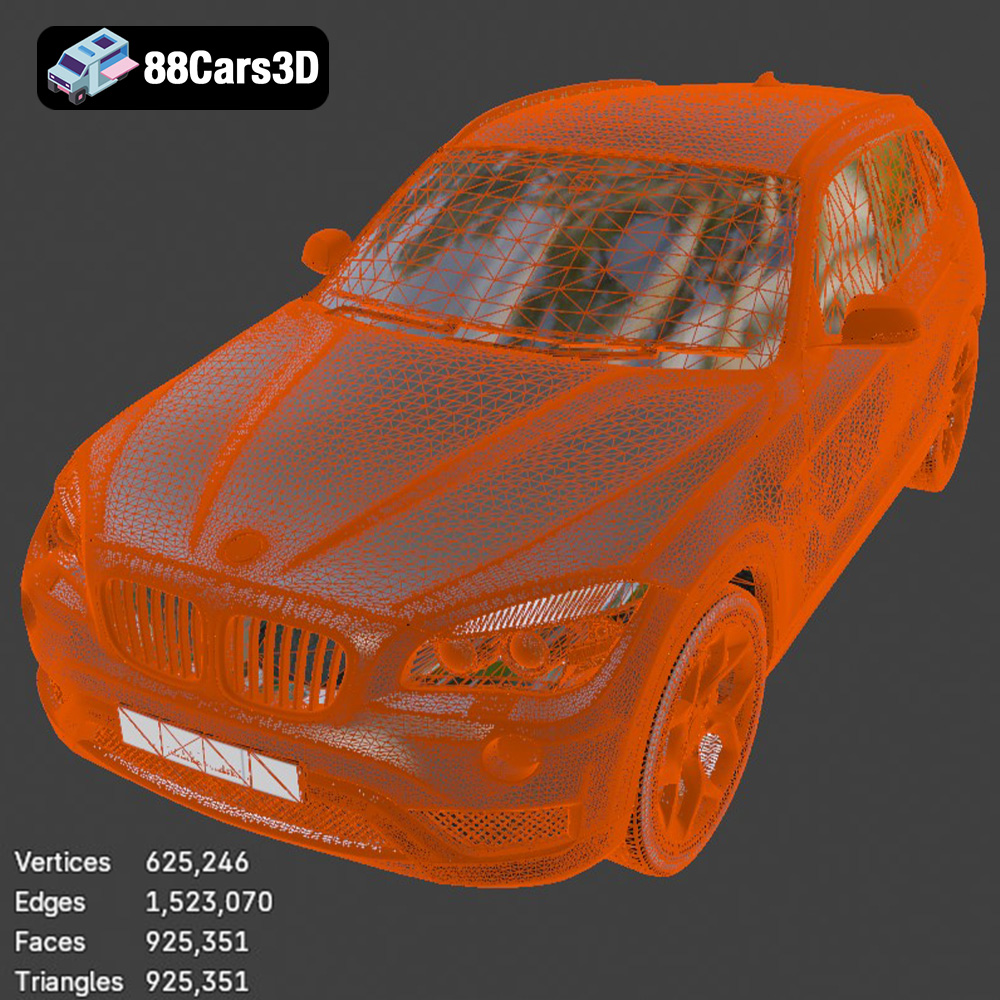
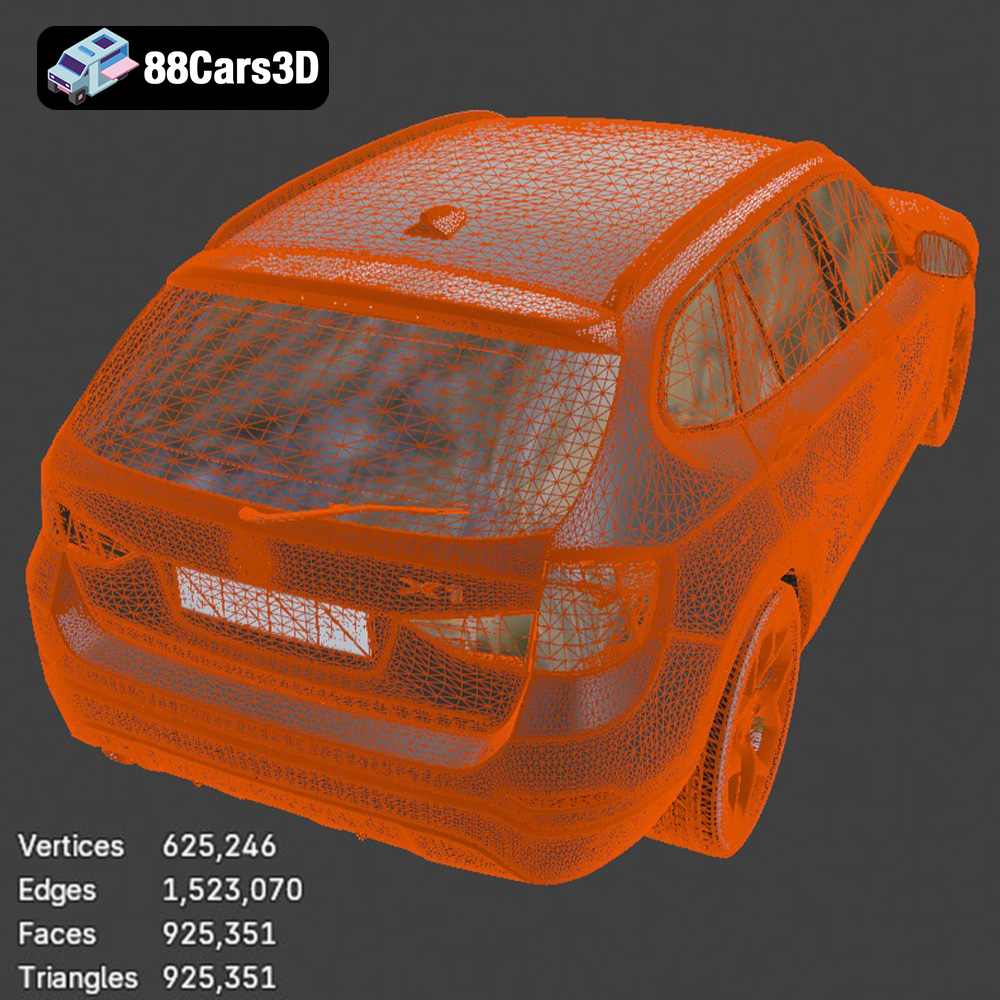
The journey from a real-world vehicle to a photorealistic 3D model begins with meticulous research and reference gathering. This involves studying blueprints, high-resolution photographs, and even physical inspections to understand every curve, panel gap, and component. For the BMW X1 2013, this translates into accurate frame geometry and proportions, detailed engine bay components, a realistic exhaust system, and intricately modeled headlights and taillights. Every element, down to the tire treads and independent suspension representations, is carefully constructed. This attention to detail ensures that whether the model is viewed from a distance or in an extreme close-up, its authenticity remains uncompromised. The “925,351 triangles” mentioned in its specification highlight a topology crafted for exceptional visual fidelity, crucial for smooth surface reflections and accurate light interaction in rendering.
While realism is paramount, a professional-grade 3D car model must also be optimized for performance, especially in real-time applications. High polygon counts can quickly bog down game engines or AR/VR experiences. The challenge lies in achieving a balance: maintaining visual richness without sacrificing structural accuracy or impacting frame rates. The BMW X1 2013 3D Model’s triangle count of 925,351 is a deliberate choice, striking a perfect balance for “game-ready” applications in engines like Unreal and Unity while retaining the high-end visual realism expected for cinematic rendering. This optimization includes efficient UV mapping, streamlined material assignments, and proper pivot setups for animation (steering, wheel rotation, suspension travel), ensuring the model performs seamlessly in dynamic environments.
High-quality 3D car models are indispensable tools for automotive rendering and visualization, transforming static images into dynamic and persuasive marketing assets. The BMW X1 2013 3D Model provides a robust foundation for a myriad of visual applications.
When it comes to crafting photorealistic images, the included .max and .blend files for the BMW X1 2013 unlock powerful workflows. In software like 3ds Max or Blender, artists can leverage advanced rendering engines such as V-Ray, Corona Renderer, or Cycles. The model’s detailed topology and accurate geometry are crucial here. Artists can apply sophisticated PBR (Physically Based Rendering) materials, meticulously tuning properties like metallic reflections, roughness, and normal maps to mimic real-world paint finishes, glass, and rubber. Dynamic lighting setups, from studio softboxes to HDR (High Dynamic Range) environmental lighting, interact authentically with the model’s surfaces, creating stunning reflections and shadows. The intricate interior, with its multi-adjustable seats, detailed dashboard, and iDrive controller, becomes a showcase for ambient occlusion and subsurface scattering on fabrics and plastics, pushing the boundaries of realism for close-up shots.
Beyond pure automotive showcases, premium 3D car models are vital for architectural visualization (ArchViz) and lifestyle rendering. Imagine an elegant modern home rendering; placing a realistically rendered BMW X1 2013 in the driveway instantly adds context, scale, and a touch of aspirational lifestyle. Its authentic Bavarian styling enhances the realism of any scene, making the visualization more relatable and engaging for clients. The model’s real-world scale accuracy ensures it fits seamlessly into virtual environments, whether it’s an urban streetscape, a suburban home, or a luxurious showroom. Integrating the X1 into such scenes helps tell a complete story, transforming a mere architectural design into a living, breathing environment where details matter. For those seeking top-tier assets for these purposes, 88cars3d.com offers a curated selection.
The demands of real-time environments in game development and interactive experiences are rigorous. 3D car models must balance visual fidelity with extreme optimization. The BMW X1 2013 3D Model is engineered precisely for these challenges.
For game developers, the availability of .fbx and specific .unreal formats for the BMW X1 2013 is a significant advantage. These formats are designed for efficient import into leading game engines like Unreal Engine and Unity. The model’s “game-ready & optimized” status, with its 925,351 triangles, represents a sweet spot for modern game titles, allowing for high visual quality without excessive performance overhead. Developers can easily set up PBR materials within the engine, utilizing the included textures to define metallic paint, realistic glass, and detailed tire materials. The proper pivot setup for steering, wheel rotation, and suspension travel is critical, enabling realistic vehicle physics and animation. This makes the BMW X1 ideal for open-world games, racing simulators, or urban driving scenarios where dynamic vehicle interaction is paramount. Establishing collision meshes and potential LODs (Levels of Detail) would further optimize its performance across various hardware specifications, ensuring smooth gameplay.
Augmented Reality (AR) and Virtual Reality (VR) represent the next frontier for interactive visualization. The BMW X1 2013 3D Model is perfectly suited for these immersive applications. Its optimized geometry and the inclusion of the .glb format make it ideal for developing virtual showrooms, interactive car configurators, and mobile AR experiences. Imagine a customer exploring the BMW X1 in 3D on their phone, changing body colors, viewing the detailed interior in first-person, or even placing the virtual car in their own driveway through AR. The model’s high detail, particularly in the cockpit, enhances immersion for first-person perspectives in VR, allowing users to feel truly inside the vehicle. The efficiency of the .glb format ensures quick loading times and smooth interaction, which is crucial for delivering a compelling user experience in these cutting-edge platforms. Whether it’s for training, sales, or entertainment, this model provides the necessary foundation.
The versatility of a well-designed 3D model extends beyond digital screens, venturing into the tangible world through 3D printing. The BMW X1 2013 3D Model offers the unique capability to be transformed into a physical object, allowing for display-scale models or prototypes.
The inclusion of the .stl format makes the BMW X1 2013 3D Model ready for 3D printing. This process requires careful consideration of the model’s geometry and the capabilities of the chosen 3D printer. The .stl file translates the digital mesh into a series of triangles that the 3D printer can interpret to build up layers of material. Before printing, the model typically needs to be processed in a “slicing” software. This software prepares the model by dividing it into horizontal layers, generating the toolpaths for the printer, and allowing users to define crucial settings such as scale, infill density, and support structures. For a detailed automotive model like the X1, ensuring manifold geometry (watertight meshes) and appropriate wall thickness within the .stl file is paramount to a successful print.
The provided 3D print settings for the BMW X1 2013 model are a valuable guide for achieving optimal results. Recommended scales like 1:12, 1:18, or 1:24 allow for various display sizes. A low layer height (0.04–0.12 mm) is critical, especially when using resin printing, to capture the fine details of the X1’s body lines, grille, and interior components. Wall thickness (1.2–2.0 mm) ensures structural integrity, preventing fragile parts. Infill between 20-30% typically provides a good balance of strength and material usage. Supports are almost always required for complex automotive geometries, particularly for overhangs like the exhaust system, mirrors, and undercarriage details. Strategic print orientation, such as angling the frame, can improve structural strength and minimize the need for supports. Post-processing is where the model truly comes to life: sanding, priming, and painting with authentic factory colors or metallic finishes elevate a raw print into a stunning miniature replica. These details demonstrate the foresight put into making the BMW X1 2013 model truly multipurpose.
A truly valuable 3D asset provides not just a static model, but a flexible toolkit for endless creative possibilities. The BMW X1 2013 3D Model embodies this principle, offering extensive customization options crucial for professional workflows.
The core strength of a high-quality 3D model lies in its adaptability. Professionals can easily change body colors, applying specific factory hues or custom metallic and matte finishes to match client branding or artistic vision. Modifying tire textures, for instance, allows for switching between sleek street variants and more rugged off-road styles, instantly transforming the vehicle’s character to fit different scenes or narratives. Adjusting material finishes on interior components—from leather and plastics to chrome accents—adds another layer of realism and customization. Furthermore, the ability to adapt lighting for different environments, from a sun-drenched outdoor scene to a moody, artificially lit studio setup, showcases the model’s robustness under various rendering conditions. This level of control ensures that the BMW X1 2013 can be seamlessly integrated into diverse projects, always looking its best.
Consider the impact of a model like the BMW X1 2013 in real-world scenarios. In automotive advertising, a premium 3D car model reduces the need for expensive physical photography, allowing for limitless creative freedom in virtual environments, dynamic camera angles, and impossible scenarios. For film and television productions, these models serve as digital doubles, enabling stunt sequences or background traffic that looks entirely convincing. Engineering and design firms utilize them for virtual prototyping, iterating on concepts without physical costs. Game studios rely on optimized models for engaging gameplay and immersive worlds. Even in training simulations, a detailed 3D vehicle provides an accurate and interactive learning environment. The comprehensive nature of the BMW X1 2013 3D Model, with its detailed exterior, intricate interior, and multiple file formats from 88cars3d.com, makes it a go-to asset for these demanding applications, streamlining workflows and enhancing output quality across the board. The model is a testament to the fact that investing in high-quality 3D car models pays dividends in flexibility, performance, and ultimately, the impact of your creative work.
The digital realm demands precision, versatility, and stunning realism, especially when it comes to intricate assets like 3D car models. We’ve explored how a truly comprehensive model, exemplified by the BMW X1 2013 3D Model, serves as an invaluable tool across a spectrum of professional applications. From the meticulous crafting of its topology and interior details to its careful optimization for real-time engines and its readiness for physical 3D printing, this model showcases the benchmark for high-quality automotive assets.
Understanding the nuances of file formats like .blend, .fbx, .obj, .glb, .stl, .ply, .unreal, and .max allows professionals to seamlessly integrate and leverage these models in their specific pipelines. Whether you’re aiming for photorealistic automotive rendering in 3ds Max or Blender, developing immersive game assets for Unreal Engine or Unity, creating cutting-edge AR/VR experiences, or bringing a digital design to life through 3D printing, the BMW X1 2013 model provides the flexibility and detail required for excellence.
Investing in premium 3D car models not only streamlines workflows but also elevates the final output, delivering unparalleled visual impact and technical reliability. For creators seeking to enhance their projects with meticulously crafted vehicles, exploring the offerings at 88cars3d.com is a clear path to achieving digital distinction. The BMW X1 2013 3D Model is more than just a digital file; it’s a testament to the power of detailed, versatile 3D assets in shaping the future of digital content creation.
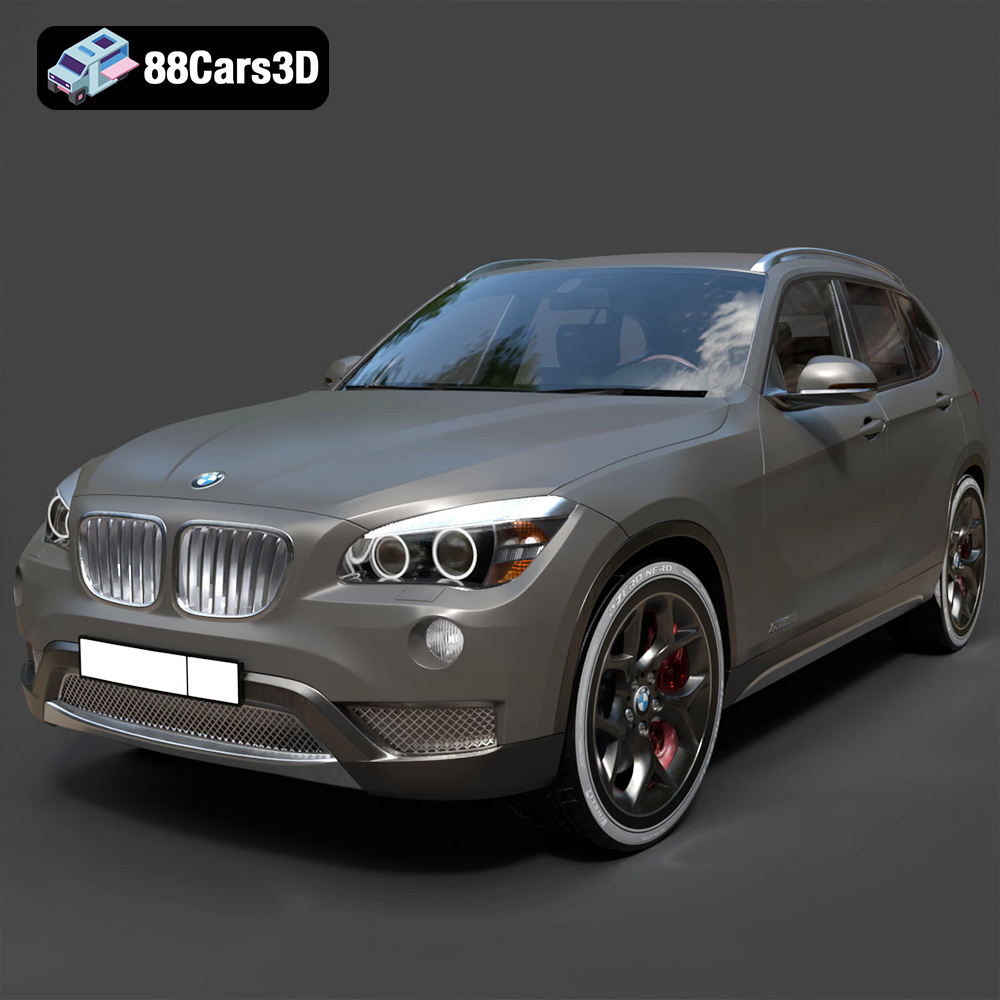
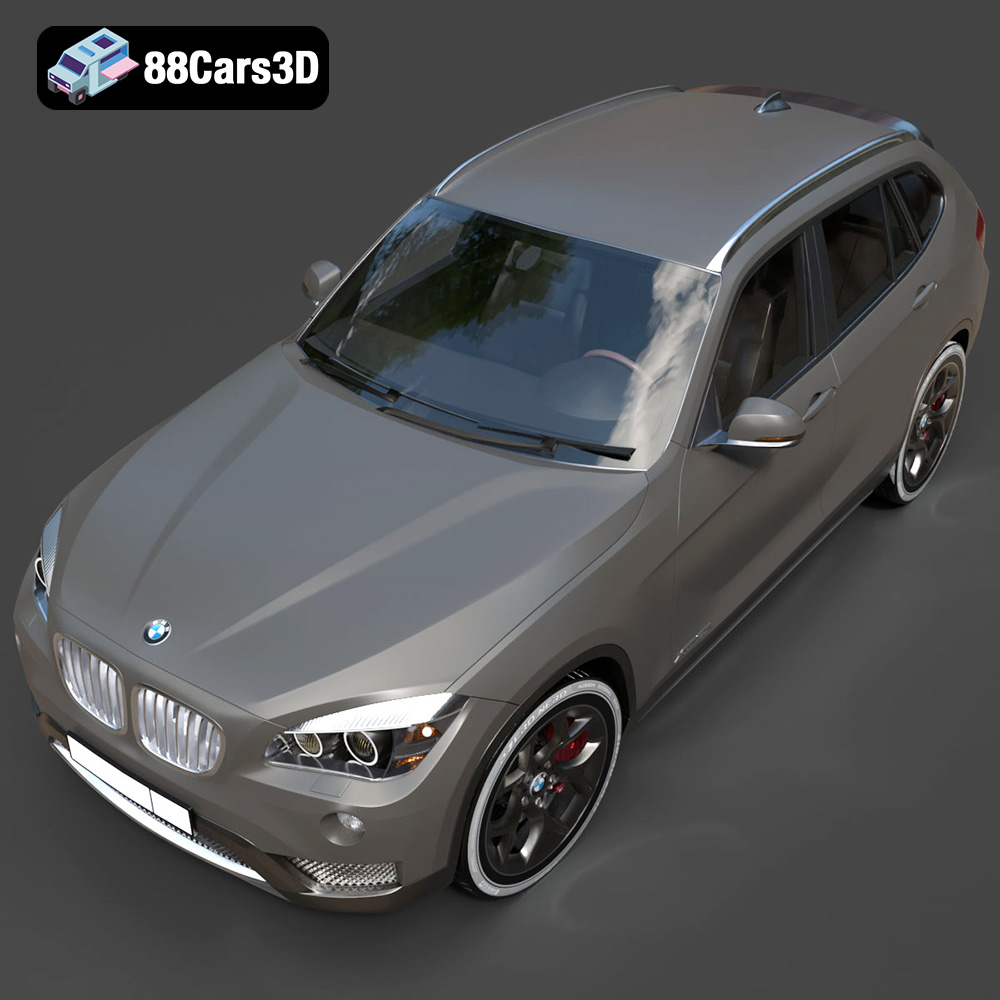
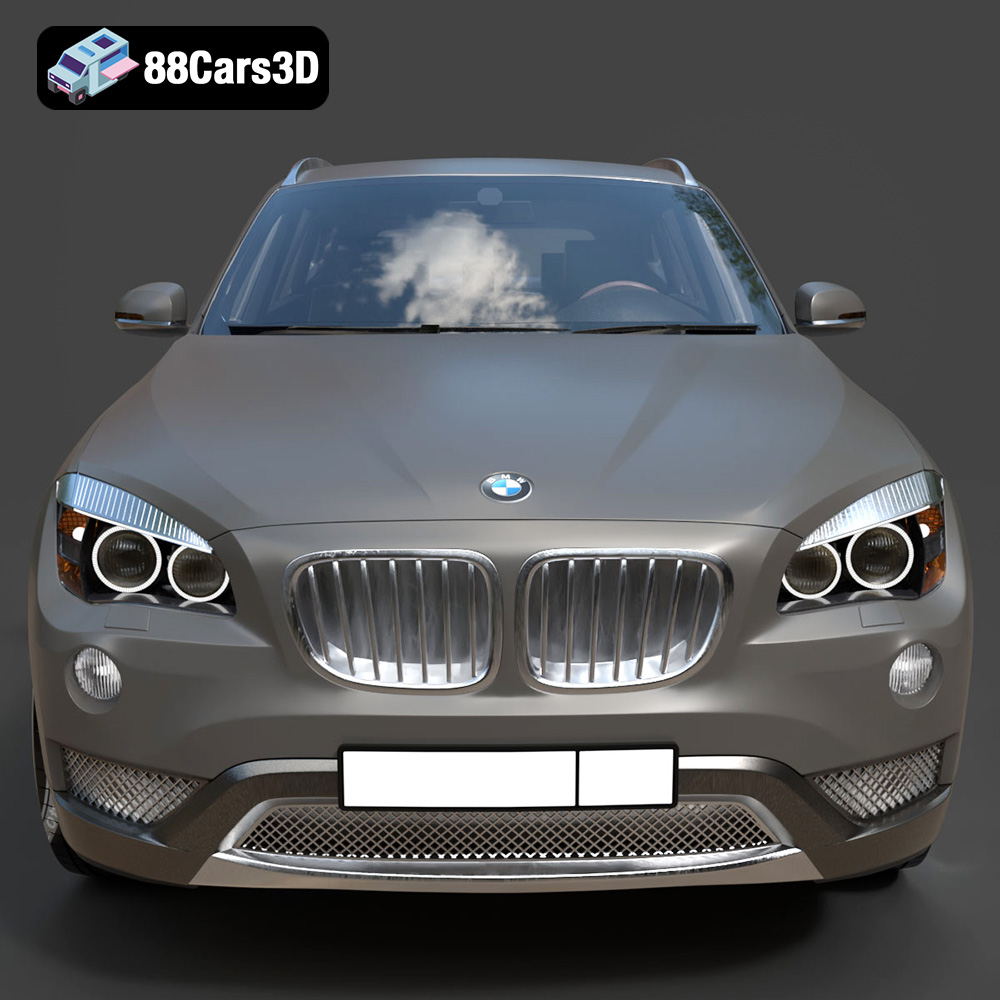
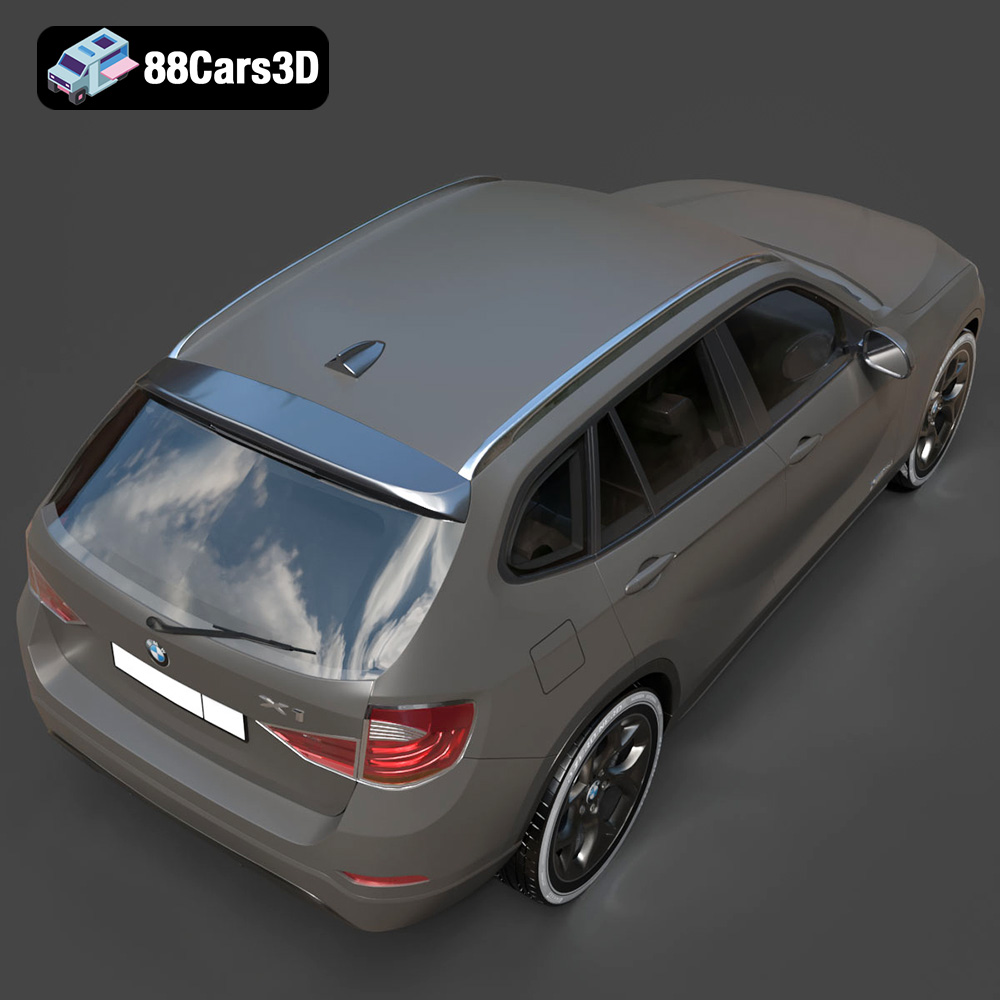
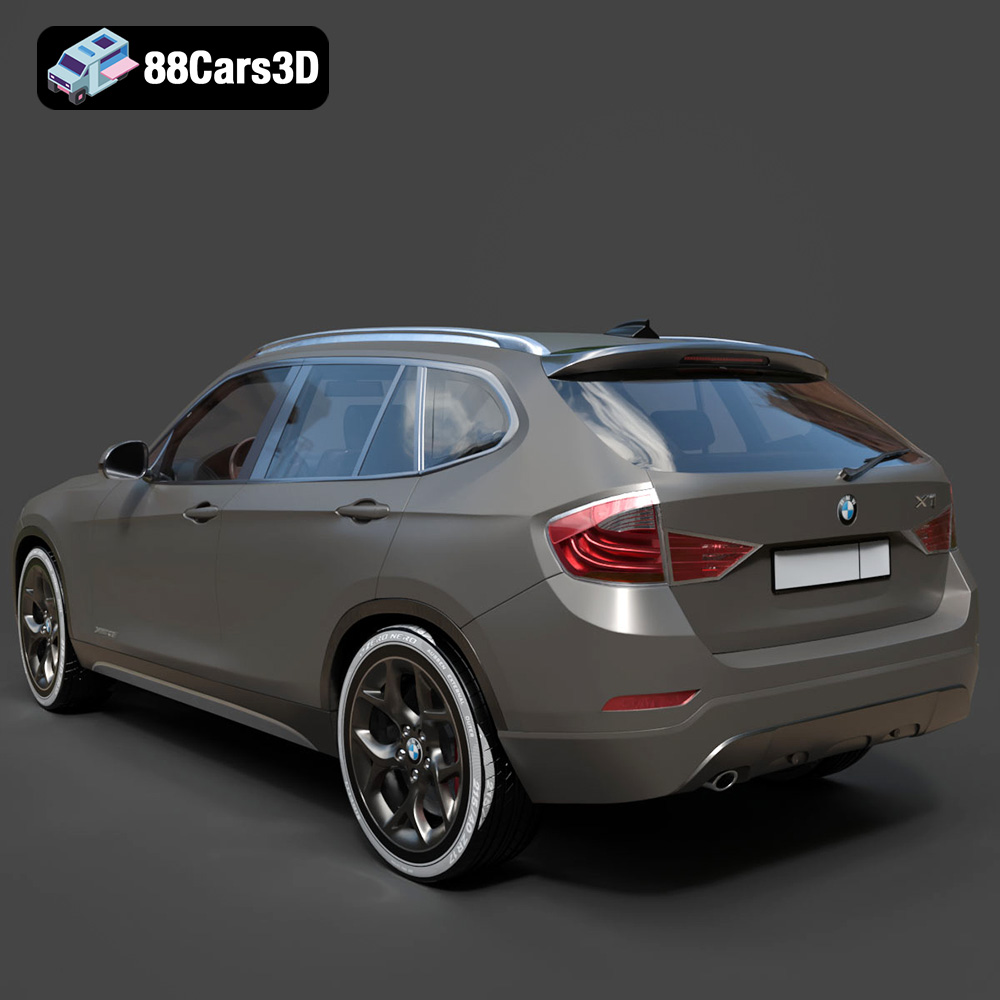
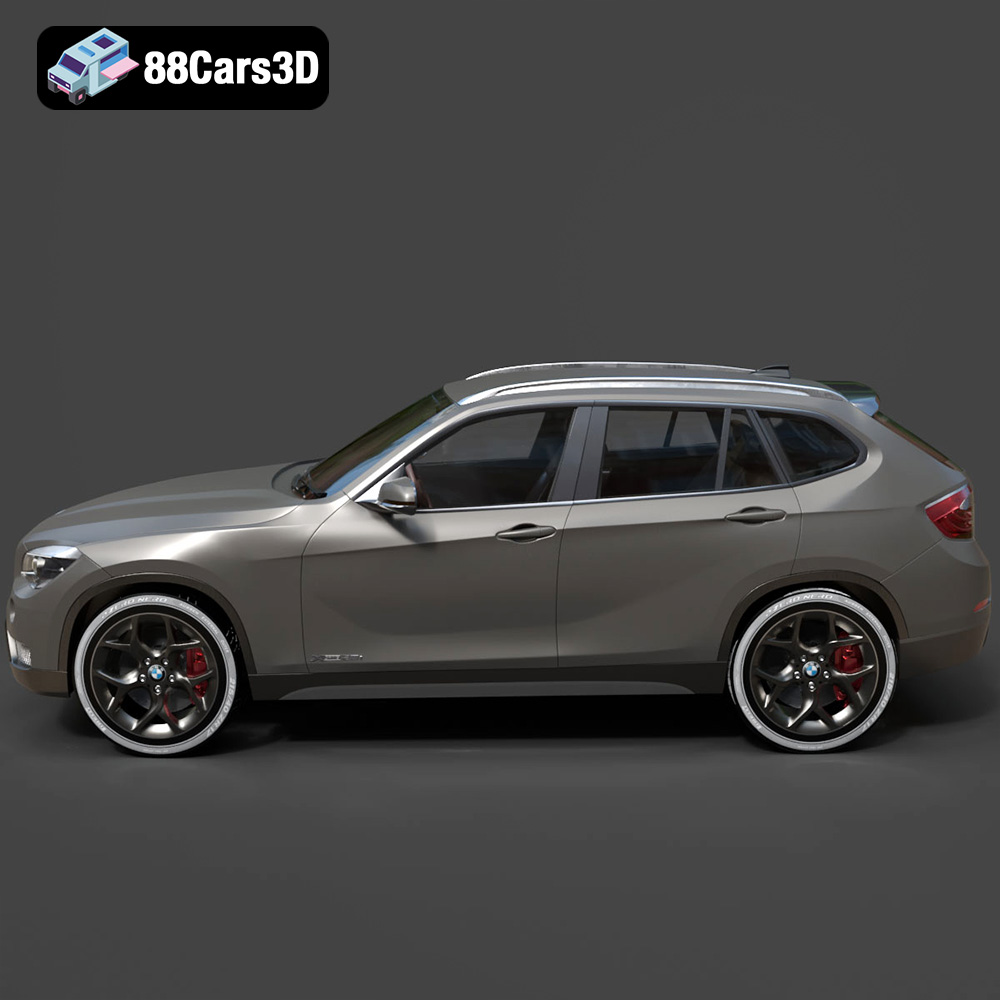
Discover the pioneer of the premium compact SUV segment with our highly accurate BMW X1 2013 3D model. This meticulously crafted digital asset captures the sporty, versatile essence of the first-generation E84 X1, blending the dynamic driving characteristics of a sports sedan with the commanding stance of an SAV (Sports Activity Vehicle). Highlighting iconic visual elements such as the signature kidney grille, sculpted hood, and unmistakable twin-circular headlights, this model brings authentic Bavarian styling to your virtual environment.
Boasting a highly detailed topology with a triangle count of 925,351, this 3D model delivers exceptional visual fidelity and smooth surface reflections. Expertly optimized for modern real-time rendering, game engines, and high-end visualization workflows, the model ensures stunning photorealism without sacrificing structural accuracy. Whether used for up-close cinematic shots or dynamic driving animations, it stands ready to perform seamlessly.
Perfect for urban driving simulators, architectural visualizations, interactive AR/VR car configurators, and modern lifestyle renders.
.blend, .fbx, .obj, .glb, .stl, .ply, .unreal, .max
Tags:
bmw, x1, 2013, suv, compact-suv, game-ready, optimized, car-3d-model, game-asset, rendering, vr-ar, blend, fbx, obj, glb, stl, ply, unreal, max
$26.00
.2013
.blend
.bmw
.fbx
.glb
.max
.obj
.ply
.rendering
.stl
.unreal
car-3d-model
compact-suv
game asset
game-ready
optimized
SUV
VR/AR
x1