Get 20% OFF All Premium 3D & STL Models!

In the vibrant intersection of art, engineering, and technology, 3D automotive models stand as crucial components across a myriad of industries. From breathtaking cinematic sequences and ultra-realistic game environments to cutting-edge virtual showrooms and precision-engineered 3D prints, the demand for accurate, high-quality vehicle assets has never been greater. These digital replicas aren’t just static images; they are dynamic, interactive elements that breathe life into virtual worlds and provide critical tools for design, marketing, and development.
Crafting such models requires a profound understanding of both the vehicle’s real-world counterpart and the intricate technicalities of 3D software and rendering pipelines. It’s about capturing the soul of a design, every curve, reflection, and material nuance, and translating it into a format that performs flawlessly in its intended application. This pursuit of digital perfection is what drives creators and platforms like 88cars3d.com, offering meticulously prepared assets designed to meet professional standards.
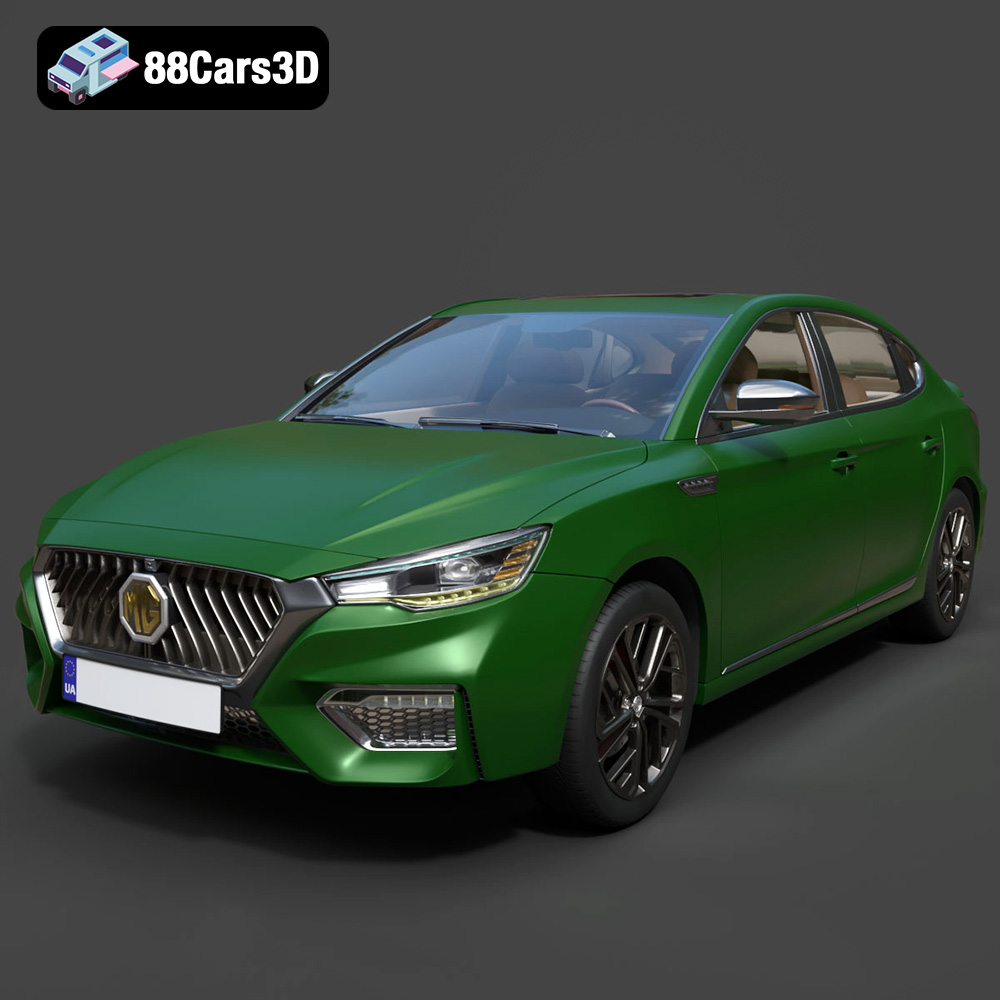
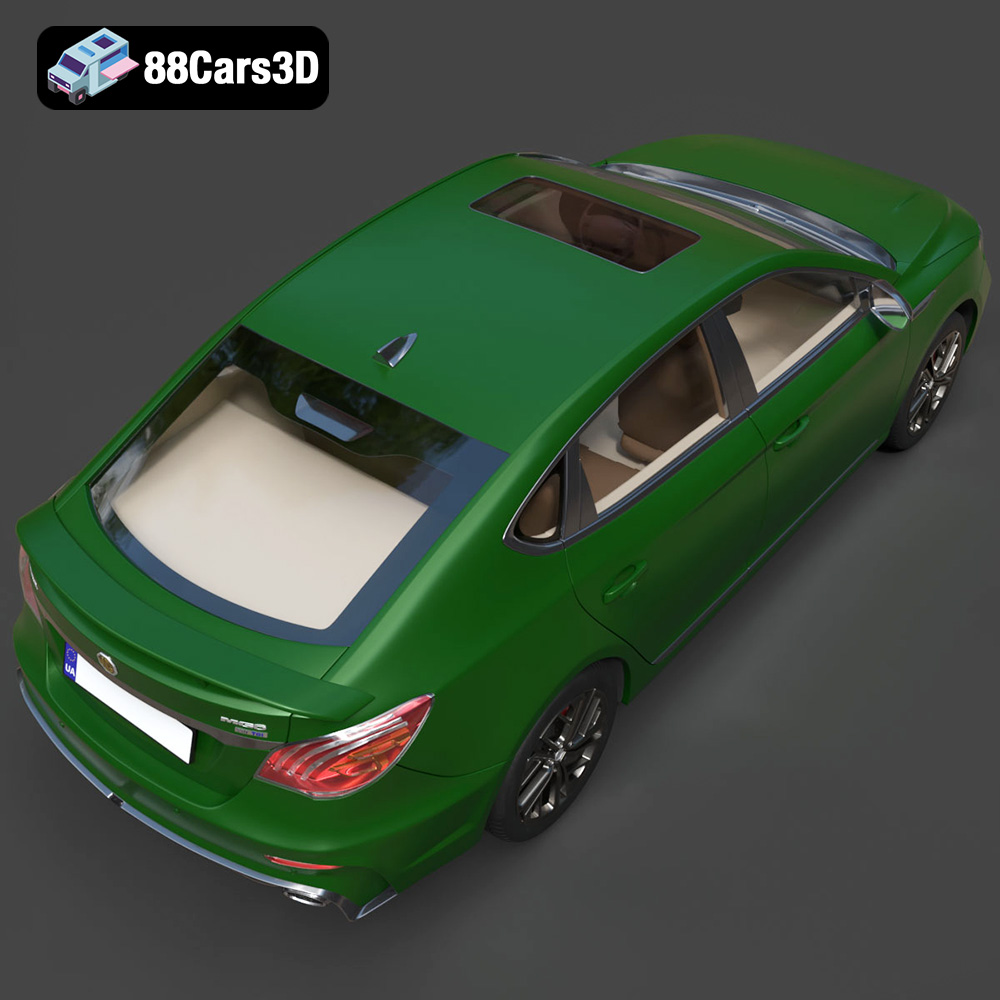
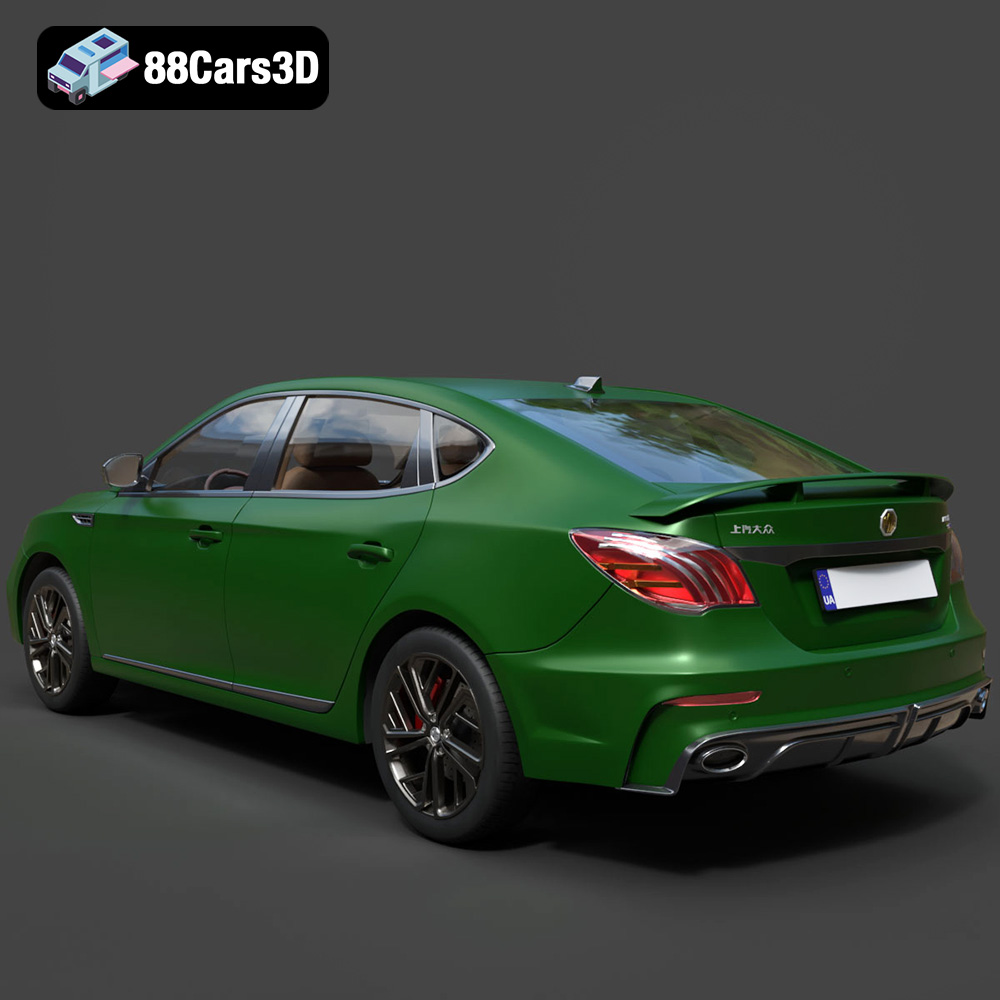
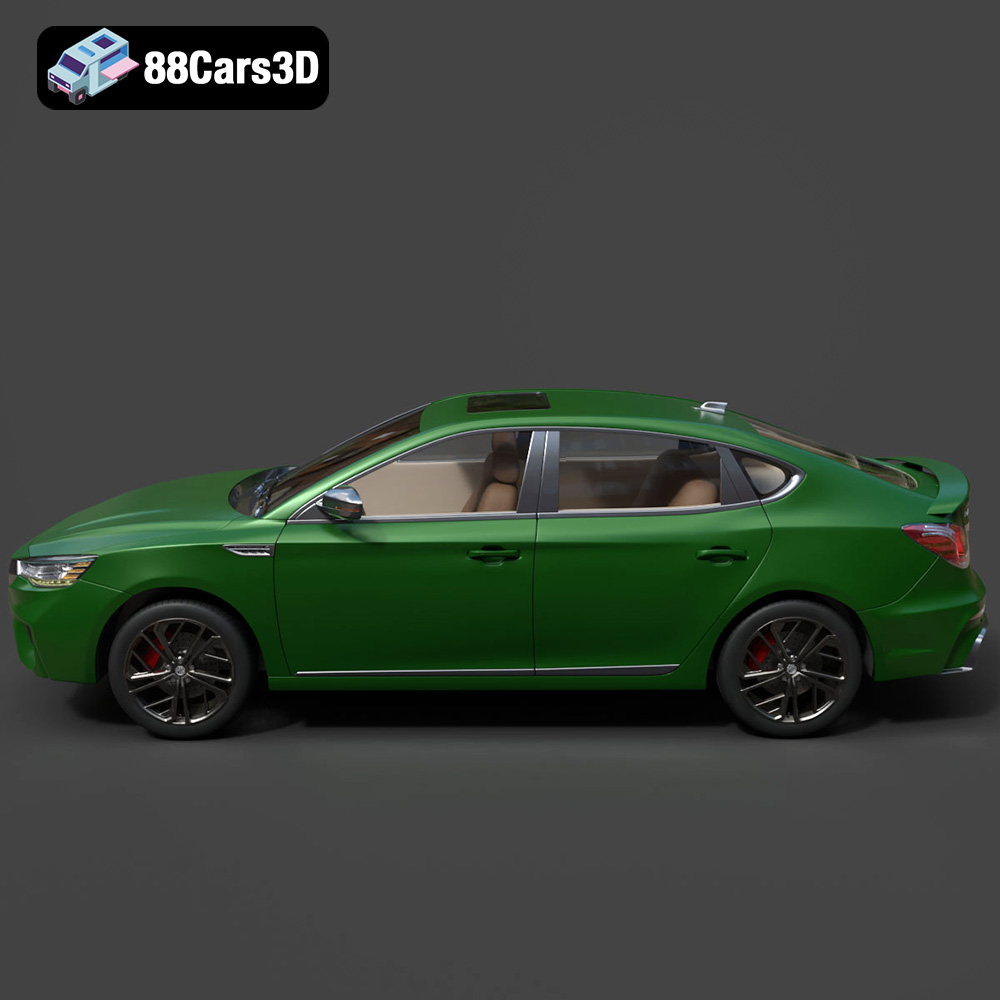
Today, we delve into the world of premium 3D car models, exploring the technical depth, versatility, and creative potential they unlock. Our journey will spotlight an exceptional example of this craftsmanship: the MG 6 2021 3D Model. This sleek fastback sedan, renowned for its contemporary styling and accessible performance, has been meticulously recreated in digital form, offering an unparalleled asset for a wide range of professional applications.
Creating a truly convincing 3D car model is a complex endeavor that transcends simple geometry. It involves a delicate balance of artistic interpretation and scientific precision, ensuring that the digital asset not only looks good but also functions optimally within diverse technical environments.
At its core, a high-fidelity 3D car model serves as a digital twin of a real-world vehicle. This means meticulously translating every aspect of the original design – from the signature front grille and sharp LED headlamps to the sweeping roofline and muscular haunches – into a polygon mesh. Designers and modelers must pay close attention to scale, proportion, and the subtle interplay of light across complex surfaces. This often involves working with CAD data, blueprint references, and extensive photographic studies to ensure accuracy down to the millimeter. The goal is to evoke the same emotional response and perception of quality that the physical car delivers.
Modern applications, particularly in automotive rendering, game development, and AR/VR, demand an extraordinary level of detail. Gone are the days when a low-polygon approximation sufficed. Today, consumers and professionals expect flawless reflections, realistic material shaders, and intricate interior details, even in real-time environments. This drives the need for models with optimized yet rich geometry, carefully unwrapped UVs for precise texture mapping, and materials that mimic physical properties like metallic flake, clear coat reflections, and fabric textures. The technical challenge lies in achieving this visual fidelity without sacrificing performance, a balance exemplified by assets like the MG 6 2021 3D Model.
Choosing the correct file format for a 3D model is a critical decision that impacts compatibility, workflow efficiency, and the ultimate utility of the asset. Different formats are optimized for specific purposes, software, and platforms. Understanding their strengths and limitations is key to a streamlined production pipeline. The MG 6 2021 3D Model, for instance, comes in an extensive array of formats, ensuring maximum flexibility for any project.
The .blend format is the native file type for Blender, the powerful open-source 3D creation suite. A .blend file saves an entire Blender scene, including all mesh data, materials, textures, lighting setups, cameras, animations, physics simulations, and even custom scripts. It’s an all-encompassing package, making it ideal for artists who want full editability and access to the original project structure. When you download a .blend file like the one for the MG 6 2021, you’re not just getting the model; you’re getting the developer’s complete scene, allowing for deep customization, material adjustments, and scene composition directly within Blender. This offers unparalleled flexibility for rendering and animation work within the Blender ecosystem.
.fbx (Filmbox) is arguably the most widely adopted proprietary 3D exchange format, developed by Autodesk. It excels at transferring comprehensive 3D data between various software applications, including geometry (meshes), materials, textures, bones/skeletons, animations, and even camera and light data. Its robust support for animation and hierarchical scene structures makes it the ideal choice for game development pipelines (Unreal Engine, Unity), animation studios, and real-time visualization. When you export an FBX, you’re often packaging a “baked” version of your model, optimized for interoperability. For the MG 6 2021, the .fbx variant would be your go-to for importing into game engines or other major DCC (Digital Content Creation) software like Maya or 3ds Max, ensuring that pivots, hierarchies, and basic materials translate effectively.
The .obj (Wavefront Object) format is a simple, universal 3D data format that has been around for decades. It primarily stores geometry data – vertices, normals, UV coordinates, and faces – along with references to external material files (.mtl). Its simplicity is its strength, offering excellent compatibility across virtually all 3D software. However, it does not support animation, rigging, or complex scene data. For the MG 6 2021, an .obj file is perfect when you need a clean mesh to import into a new software for retopology, sculpting, or applying entirely new materials. It’s a reliable fallback for cross-software compatibility, ensuring you always have access to the core mesh.
.glb (GL Transmission Format Binary) is a relatively newer format gaining significant traction, especially for web-based 3D, AR, and VR applications. It’s the binary version of glTF, designed to be a compact, efficient, and runtime-agnostic format for the transmission and loading of 3D scenes and models. A single .glb file can contain geometry, materials, textures, animations, and scene graph information, all embedded within a single binary payload, eliminating the need for external files. This makes it incredibly efficient for streaming on the web or deploying in mobile AR/VR experiences. The MG 6 2021 .glb model is optimized for quick loading and display in virtual showrooms, online configurators, and mobile augmented reality applications, offering a seamless user experience.
.stl (Stereolithography) is the standard file format for 3D printing. It represents a 3D model as a series of connected triangles (a triangulated surface mesh) without any color, texture, or material information. Its sole purpose is to define the surface geometry of a 3D object for manufacturing. While simple, its ubiquity in the 3D printing world is unmatched. The MG 6 2021’s .stl format allows enthusiasts and professionals to physically manifest the digital design, whether for display-scale hobby models or functional prototypes. Careful consideration of wall thickness and support structures is crucial when preparing an .stl for printing, as outlined in the product’s 3D print settings.
The .ply (Polygon File Format or Stanford Triangle Format) is another format for storing 3D data, often used for data acquired from 3D scanners, scientific visualization, and CAD applications. It can store not only polygonal meshes but also point clouds, allowing for properties like color, transparency, normals, texture coordinates, and even reliability information for each vertex or face. While not as universally used for model exchange as FBX or OBJ, PLY offers a higher degree of precision and flexibility for specific engineering or analytical tasks. For the MG 6 2021, a .ply export could be useful for specific reverse engineering projects, detailed mesh analysis, or integration into specialized CAD workflows.
While not a direct file extension in the traditional sense like .fbx or .obj, “unreal” often refers to assets that are packaged and optimized specifically for direct integration into the Unreal Engine ecosystem. This might involve a custom Unreal Engine project file, or more commonly, a pre-imported and configured asset ready for drag-and-drop use within the engine. This means materials, collision meshes, LODs (Levels of Detail), and pivot points are already set up according to Unreal’s best practices. For the MG 6 2021, an “.unreal” offering would signify a truly game-ready asset, saving developers countless hours of import, setup, and optimization work within the engine, allowing them to focus immediately on gameplay and scene composition.
The .max format is the native file type for Autodesk 3ds Max, a leading software in architectural visualization, product design, and cinematic rendering. Similar to .blend, a .max file saves the entire 3ds Max scene, including geometry, modifiers, materials, textures, lighting, cameras, animation, and rendering settings. It offers full editability within 3ds Max, making it the preferred format for users who rely on its robust modeling tools, extensive plugin ecosystem (like V-Ray or Corona), and powerful rendering capabilities. The MG 6 2021 .max file provides the complete project environment for users to dive deep into material adjustments, lighting setups, and advanced rendering for high-end visualizations and animations.
The MG 6 2021 3D Model is not merely a collection of polygons; it’s a testament to detailed craftsmanship, designed to bring the aggressive contemporary styling and modern British heritage of the real vehicle into the digital realm with exceptional fidelity. This model is engineered for excellence across various professional applications, from high-end rendering to real-time interactive experiences.
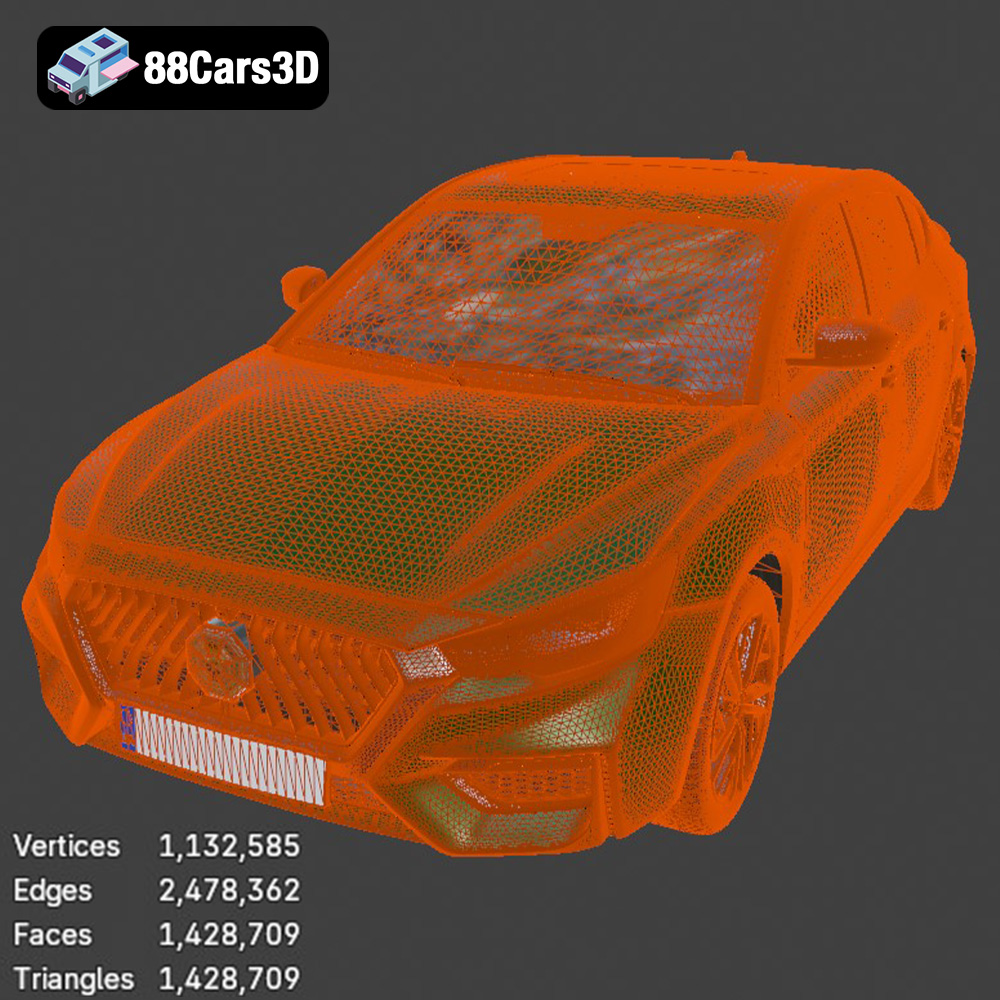
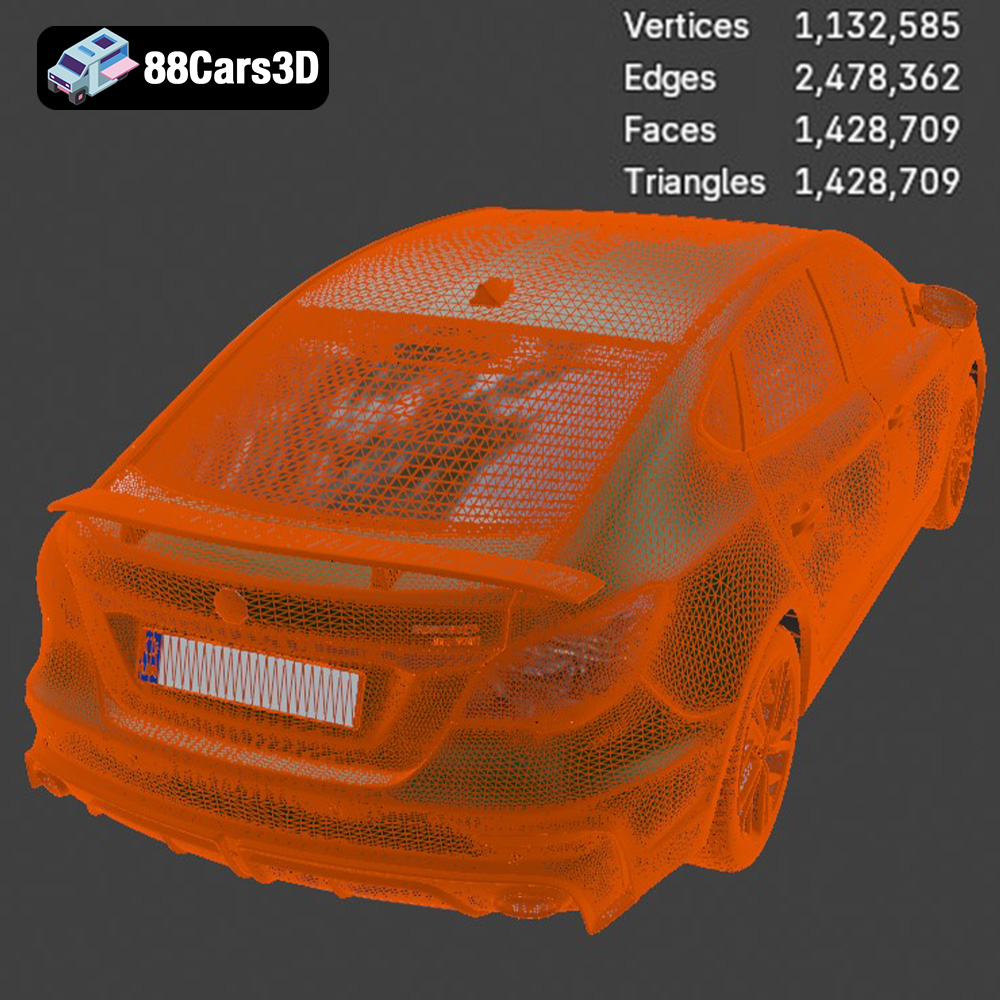
The real MG 6 2021 is characterized by its sleek fastback sedan profile, striking signature front grille, and sharp lines. The 3D model meticulously replicates these defining features. With a high-fidelity geometry boasting a triangle count of 1,428,709, it strikes an optimal balance between visual realism and performance. This polycount ensures that every subtle curve and sharp crease of the vehicle is captured, preventing faceted surfaces and guaranteeing smooth transitions that reflect light accurately. This level of detail is crucial for close-up renders and cinematic animations where imperfections would be glaringly obvious.
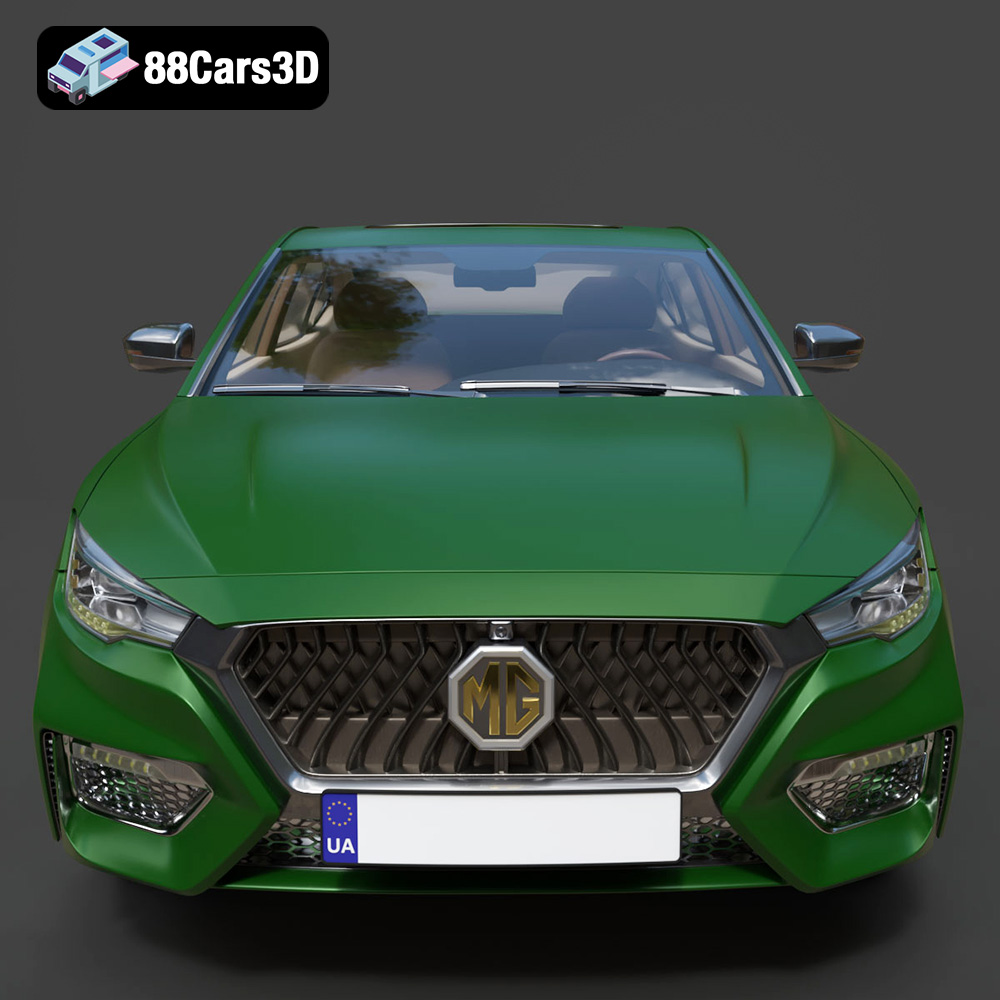
The exterior features of this 3D model are exceptionally detailed. The front fascia accurately reproduces the MG 6’s signature sport grille, flanked by high-detail LED daytime running lights and sharp headlamps. Moving towards the rear, the aerodynamic silhouette transitions into aggressive dual exhaust outlets and a finely integrated rear diffuser, complemented by dynamic taillight clusters. The attention to detail extends to the intricately modeled multi-spoke alloy wheels, complete with realistic tire treads. Even the brake calipers and visible suspension components are present, and crucially, the wheels, suspension, and steering components are separated, enabling realistic animation for racing simulations or virtual test drives.
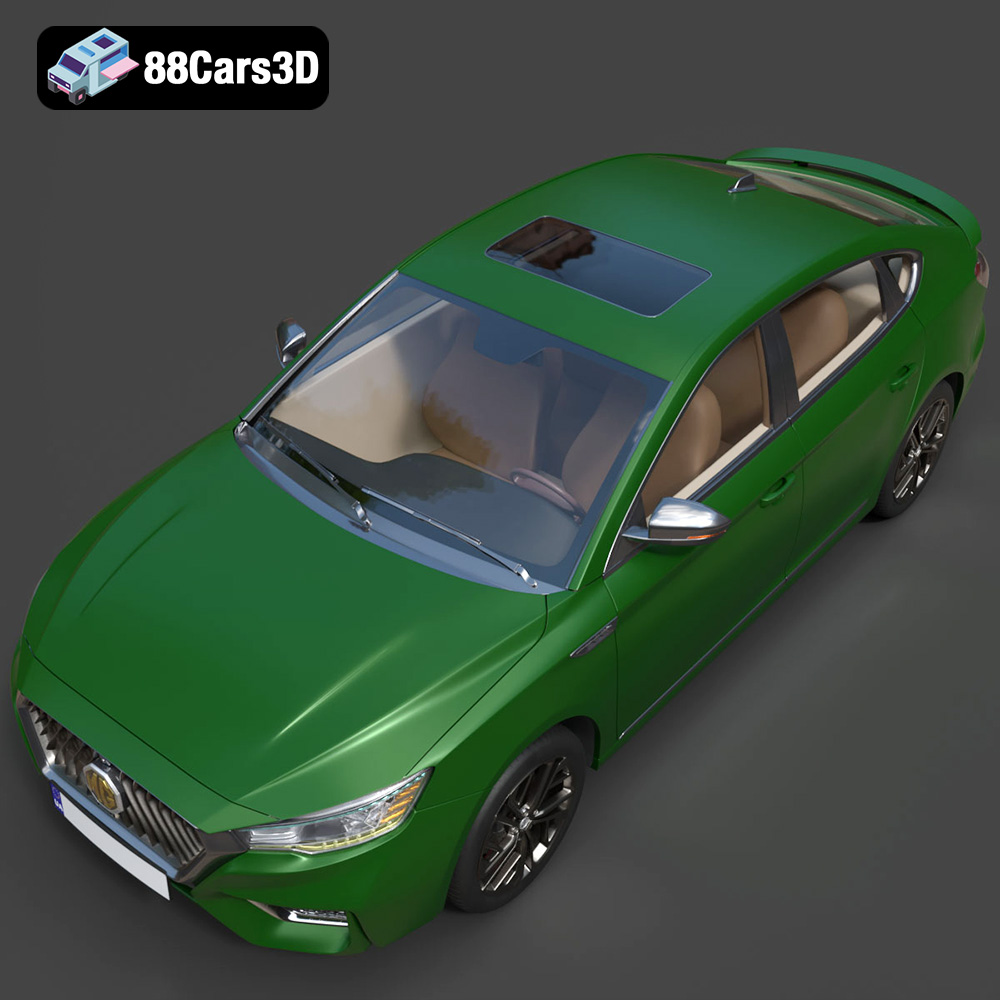
The realism doesn’t stop at the exterior. The cockpit and interior features are equally impressive, designed to provide an immersive experience, especially for first-person viewpoints in gaming or AR/VR applications. The model includes accurate sporty front seating and a contoured rear bench layout. A detailed flat-bottomed multifunction steering wheel, a high-resolution digital instrument cluster, and central infotainment display housings are all present. The accurate center console with its electronic shifter, pedals, and control buttons further enhances the realism, allowing for highly believable virtual interactions and walkthroughs.
The strength of the MG 6 2021 3D Model lies in its technical specifications and broad compatibility. It’s not just a beautiful model; it’s a highly functional asset engineered for a variety of professional pipelines.
For game developers, the “Game-Ready & Optimized” tag isn’t just marketing—it’s a critical technical attribute. With 1,428,709 triangles, the MG 6 2021 model achieves a perfect balance for real-time engines like Unreal and Unity. This polycount is high enough to maintain exceptional visual realism for AAA titles, yet optimized enough to ensure smooth frame rates in open-world games, racing simulators, and other demanding interactive experiences. The proper pivot setup for steering, wheel rotation, and suspension travel is a game-changer, significantly reducing the development time required for vehicle physics and animation implementation.
Architectural visualization firms, advertising agencies, and automotive design studios will find the MG 6 2021 model indispensable for high-end rendering. Its detailed geometry, crisp reflections, and smooth surface transitions are perfect for generating photorealistic images and cinematic animations. Whether rendered in V-Ray, Corona Renderer, Arnold, or Cycles, the model provides an excellent foundation for showcasing vehicles in lifestyle scenes, studio lighting setups, or brand campaigns. The ability to easily customize body paint colors, tire textures, and material finishes allows artists to adapt the model to specific client briefs and creative visions.
The rise of AR/VR technology has opened new frontiers for automotive presentation. The MG 6 2021 model is perfectly suited for immersive virtual showrooms, interactive configurators, and mobile AR experiences. Its optimized geometry and inclusion of formats like GLB ensure efficient loading and smooth performance in these demanding real-time environments. Imagine customers exploring every angle of the MG 6, changing colors, and even “sitting” inside the car, all from the comfort of their home or a dealership. This model facilitates truly engaging and future-proof virtual dealership experiences.
Beyond screen-based applications, the MG 6 2021 3D Model also caters to the growing community of 3D printing enthusiasts and prototypers. Convertible to .stl format, it provides a solid foundation for physical reproductions. The product description offers specific recommendations for printing, including scales (1:12 / 1:18 / 1:24), layer height (0.04–0.12 mm for resin printing), wall thickness (1.2–2.0 mm), and infill (20–30%). Crucially, it highlights the need for supports for detailed parts and suggests print orientation for structural integrity, demonstrating a thoughtful approach to both digital and physical fabrication.
The versatility of the MG 6 2021 3D Model is further amplified by its compatibility with major 3D software and real-time engines. Here’s a look at how professionals can integrate and leverage this asset.
For rendering high-quality stills and animations, utilizing the native .max or .blend files is often the most efficient approach. In 3ds Max, you can open the .max file directly, revealing the pre-arranged scene. From here, artists can fine-tune materials, add studio lighting setups (such as dome lights with HDRIs for realistic reflections), and set up camera angles. For instance, you might use V-Ray or Corona Renderer to create stunning close-ups of the detailed alloy wheels or a wide shot showcasing the car’s sleek profile against an urban backdrop. Similarly, Blender users can open the .blend file, leveraging Cycles or Eevee for rendering, adjusting shaders in the Node Editor, and composing cinematic sequences with ease. The separated wheels and suspension components facilitate advanced rigging for realistic vehicle dynamics.
For real-time applications, importing the .fbx or leveraging the pre-optimized “.unreal” asset is the way to go. In Unreal Engine, you would typically import the FBX, ensuring that materials and textures are correctly assigned. The model’s game-ready optimization means less work for developers. They can then set up materials using Unreal’s physically based rendering (PBR) pipeline, creating highly realistic paint shaders with metallic flake and clear coat effects. The pre-set pivots for wheels and suspension are invaluable for integrating the model into a vehicle blueprint, allowing for realistic driving mechanics, suspension compression, and steering animations without having to manually set up complex hierarchies. This dramatically speeds up the development of racing games or interactive configurators.
One of the significant advantages of purchasing a professional 3D model like the MG 6 2021 from 88cars3d.com is the inherent flexibility for customization. Artists can easily change body paint colors, experimenting with factory-accurate hues, custom metallic finishes, or even matte looks, directly within their chosen 3D software. Tire textures can be swapped between track and street variants to suit different scenarios. Adjusting material roughness, reflectivity, and normal maps can drastically alter the perceived quality and environment interaction. Furthermore, adapting lighting for different environments – be it an indoor showroom, a sunny outdoor scene, or a dramatic night drive – allows the model to be repurposed across countless visual narratives.
In today’s fast-paced digital production environment, time is a precious commodity. Creating a high-fidelity 3D car model from scratch, especially one as detailed and optimized as the MG 6 2021, can take hundreds of hours for even an experienced professional. This is where marketplaces offering premium 3D assets become indispensable.
By acquiring ready-to-use 3D models like the MG 6 2021 from 88cars3d.com, studios, freelancers, and hobbyists can drastically cut down on project timelines and resource allocation. Instead of spending weeks on modeling, UV unwrapping, and initial texturing, artists can immediately jump into lighting, rendering, animation, or game development. This efficiency translates directly into cost savings and the ability to deliver projects faster, without compromising on visual quality. The comprehensive file format support further reduces friction in cross-software workflows, saving precious hours on conversions and re-optimization.
Beyond saving time, purchasing professional assets guarantees a level of authenticity and technical accuracy that is hard to achieve without dedicated automotive design expertise. The MG 6 2021 3D Model, with its real-world scale accuracy and detailed geometry, ensures that any visualization or simulation created with it will be believable and professional. This is particularly important for branding, marketing, and design validation, where even subtle inaccuracies can undermine the credibility of the output. Platforms like 88cars3d.com curate models that meet rigorous quality standards, providing peace of mind to their customers.
The world of 3D automotive modeling is a testament to precision, artistry, and technical innovation. High-fidelity 3D car models are no longer just eye candy; they are essential tools powering the next generation of games, visualizations, AR/VR experiences, and even tangible 3D prints. The MG 6 2021 3D Model stands out as a prime example of what a truly comprehensive and versatile 3D asset can offer. Its meticulous detail, optimized geometry, and broad file format support make it an invaluable resource for any professional looking to integrate a sleek, modern fastback sedan into their digital projects.
From its accurate exterior features and immersive interior to its game-ready optimization and 3D print compatibility, this model addresses the diverse needs of contemporary digital artists and developers. By investing in such high-quality assets from trusted sources like 88cars3d.com, creators can elevate their projects, save invaluable time, and focus on unleashing their full creative potential, driving digital dreams into stunning reality.
The MG 6 2021 is a sleek and sporty fastback sedan that perfectly blends modern British heritage with aggressive contemporary styling. Known for its striking signature front grille, sharp LED headlamps, and aerodynamic silhouette, this vehicle represents the pinnacle of accessible performance and design. The sweeping roofline and muscular haunches give it an athletic stance, making it a standout model in the compact executive class.This high-fidelity 3D model boasts a detailed geometry with a triangle count of 1,428,709, capturing every subtle curve and sharp crease of the real vehicle. Carefully optimized for high-end visual fidelity, the model retains crisp reflections and smooth surface transitions suitable for close-up rendering, cinematic animation, and advanced real-time applications like AR/VR showrooms and modern game engines.
$37.50
.2021
.blend
.fastback
.fbx
.glb
.max
.obj
.ply
.rendering
.sedan
.stl
.unreal
car-3d-model
game asset
game-ready
mg
mg-6
optimized
VR/AR