Get 20% OFF All Premium 3D & STL Models!

In the vast and dynamic world of 3D visualization and game development, the demand for highly detailed yet optimized models is ceaseless. Whether you’re a flight simulator enthusiast, an architectural visualization artist incorporating aerial perspectives, or a game developer crafting the next big aviation title, the quality of your assets dictates the realism and performance of your project. Precision, authenticity, and technical versatility are not just desirable traits; they are essential.
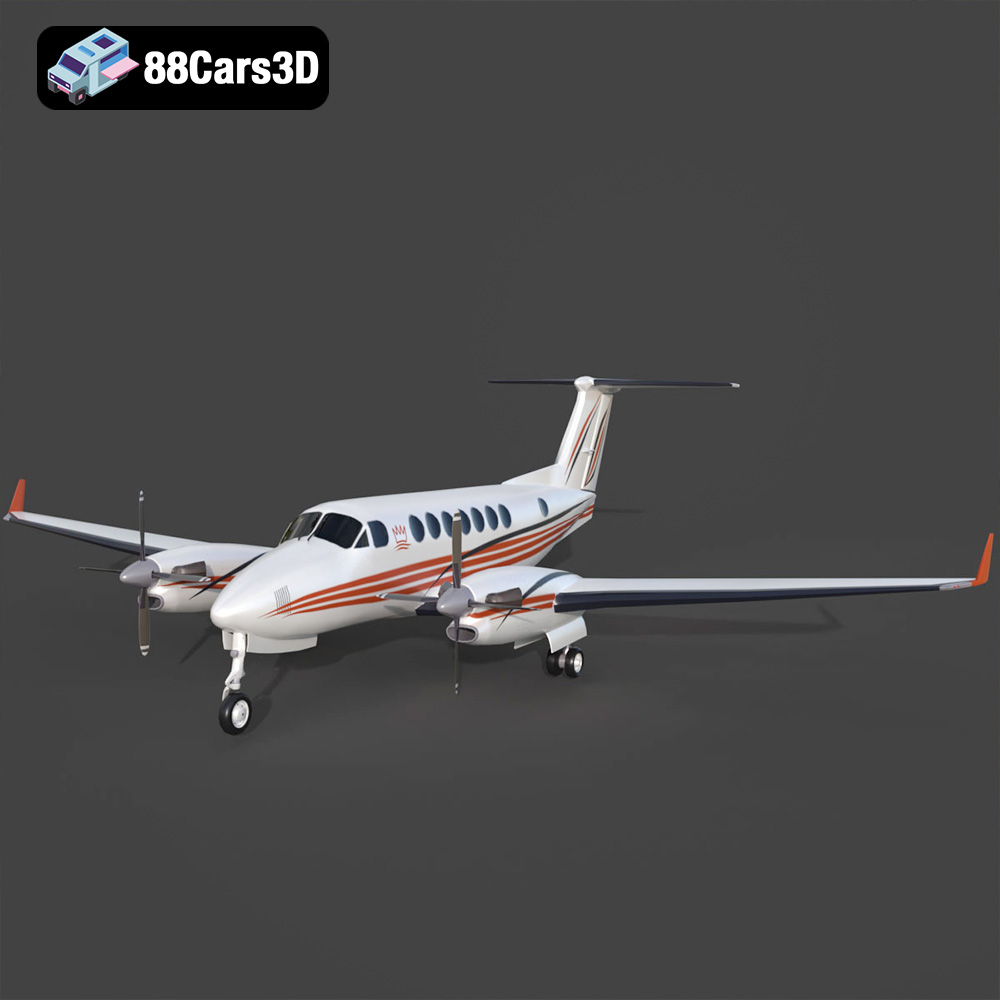
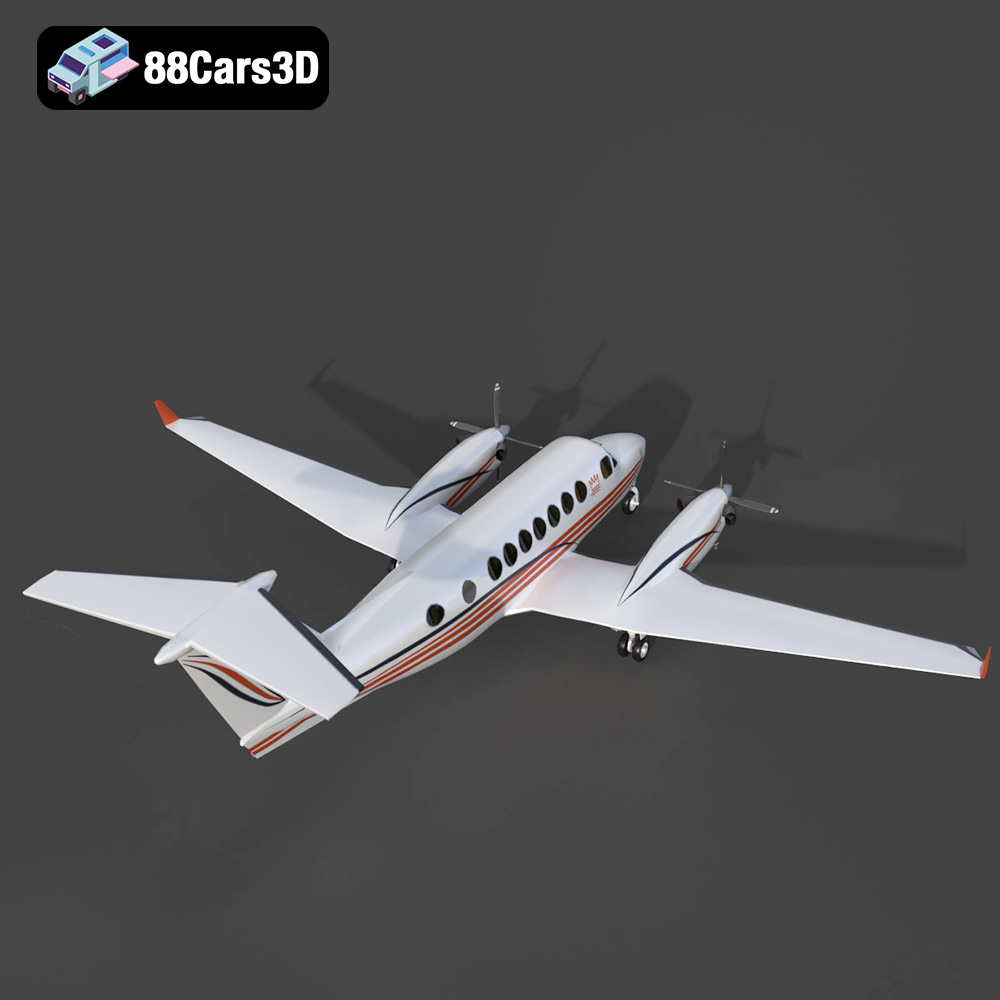
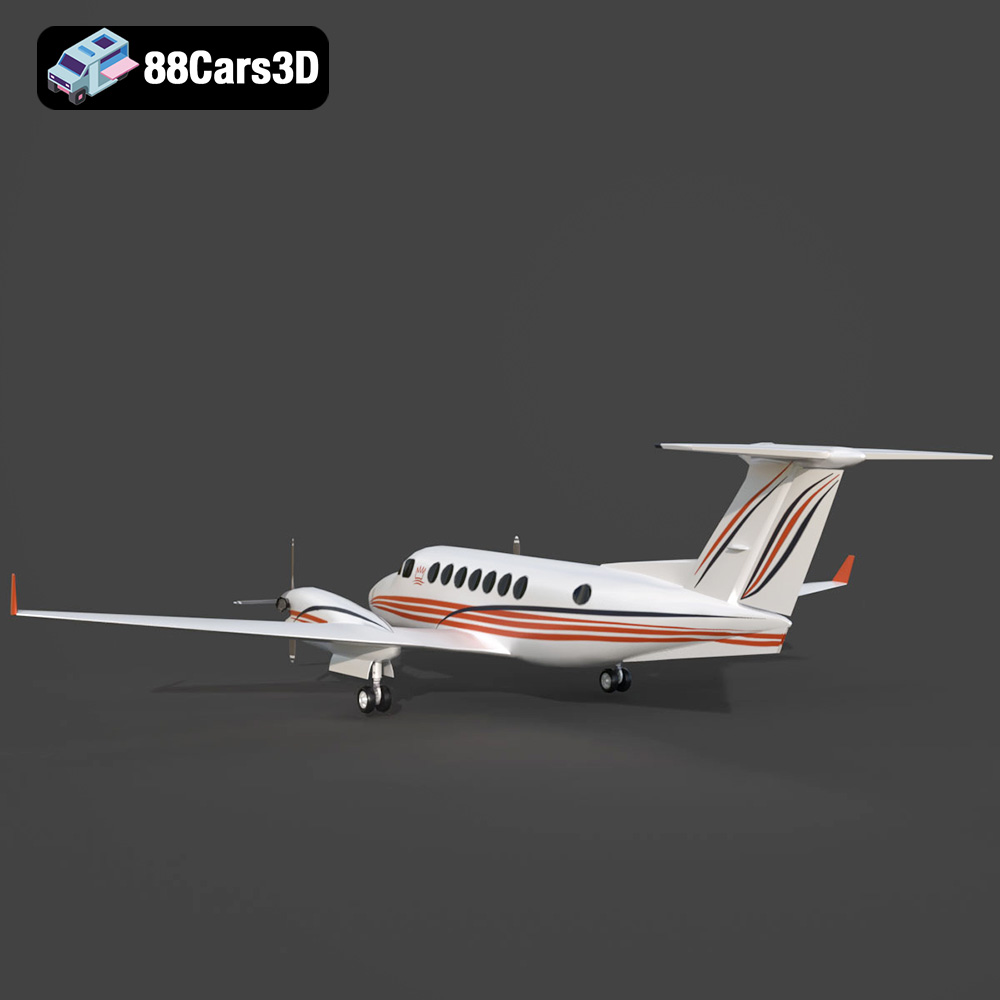
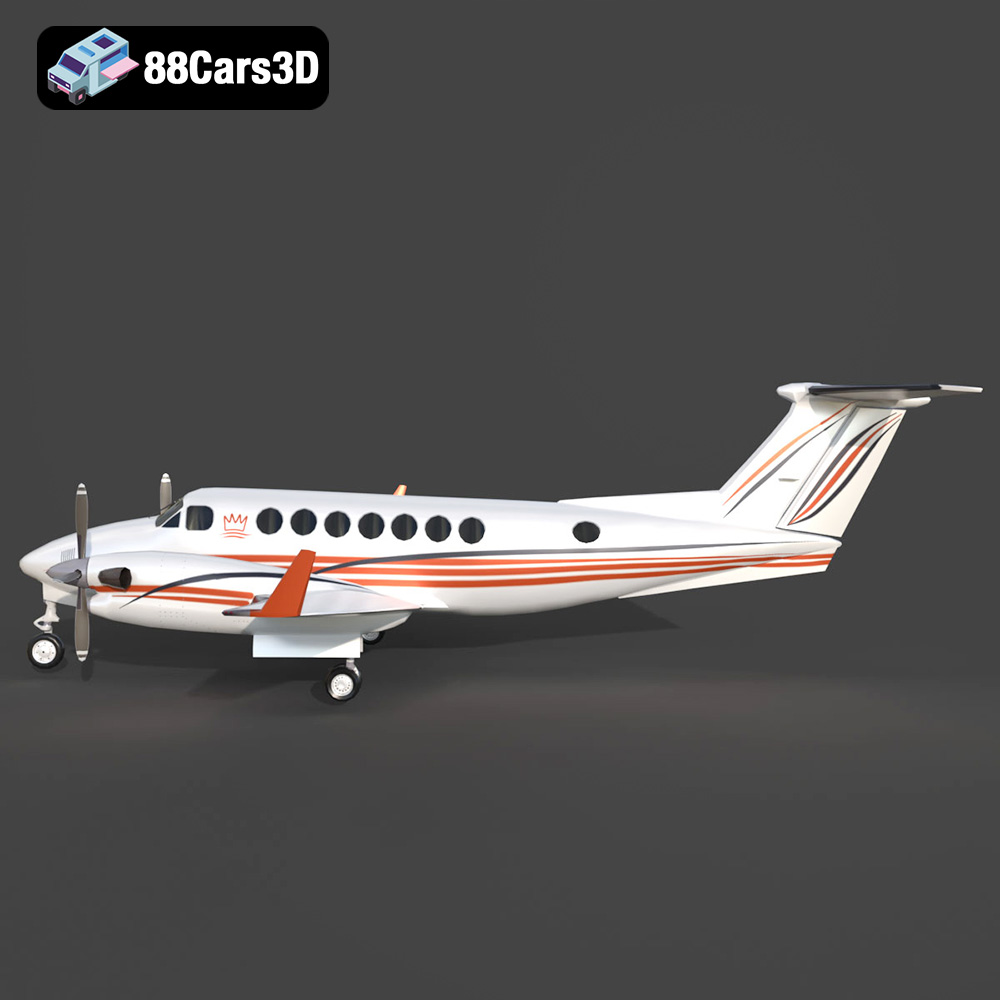
Today, we’re diving deep into an exceptional asset that embodies these very principles: the Beechcraft King Air B300 3D Model. This legendary twin-turboprop aircraft, known for its reliability, versatility, and executive comfort, has been meticulously recreated as a digital asset designed to elevate any project. From its distinctive T-tail to its powerful Pratt & Whitney Canada PT6A engines, every detail is captured, offering an unparalleled foundation for a myriad of applications. This isn’t just a model; it’s a gateway to professional-grade aviation scenarios, ready to be integrated into everything from real-time game engines to high-fidelity cinematic renderings.
The Beechcraft King Air B300 is more than just an aircraft; it’s an icon of general aviation, a workhorse celebrated for its robust performance and passenger comfort. Since its introduction, the King Air series has set benchmarks for business and utility aviation, becoming a go-to choice for corporate travel, air ambulance services, special missions, and pilot training across the globe. Its distinctive silhouette and dependable twin-turboprop power have cemented its place in aviation history.
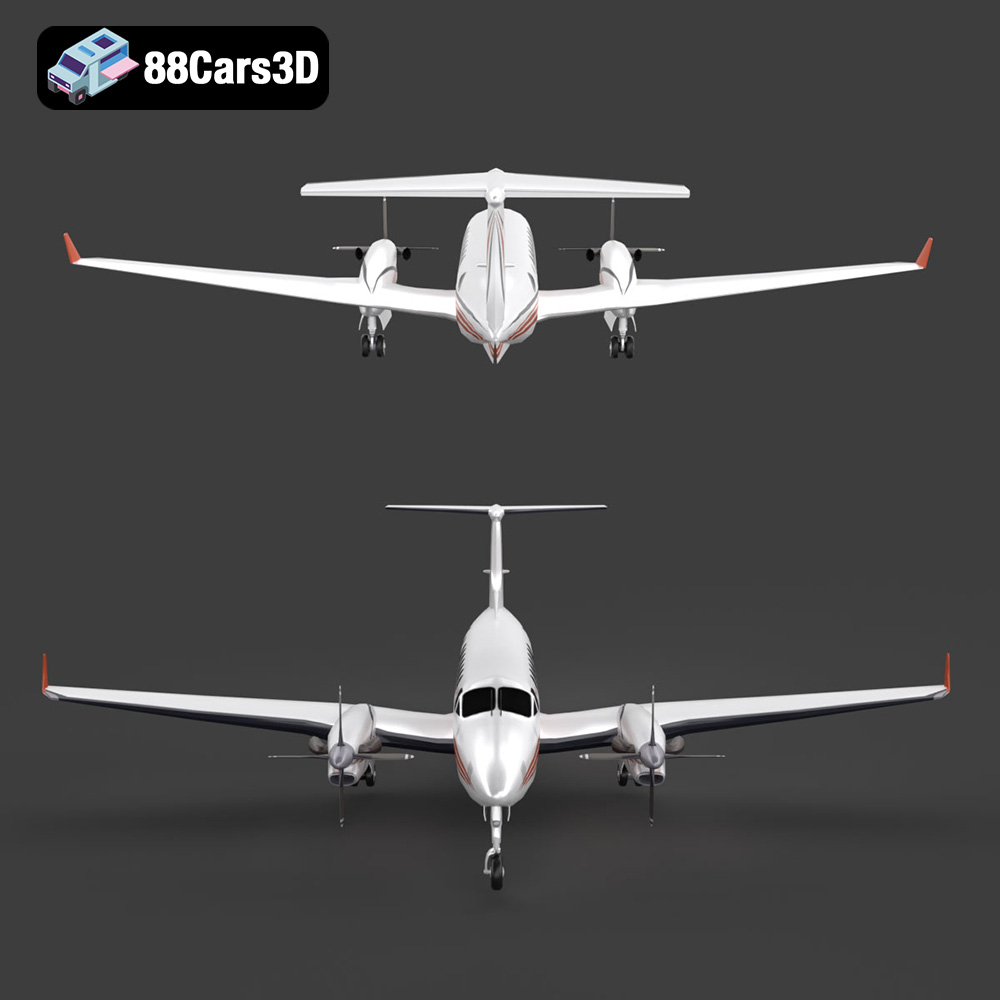
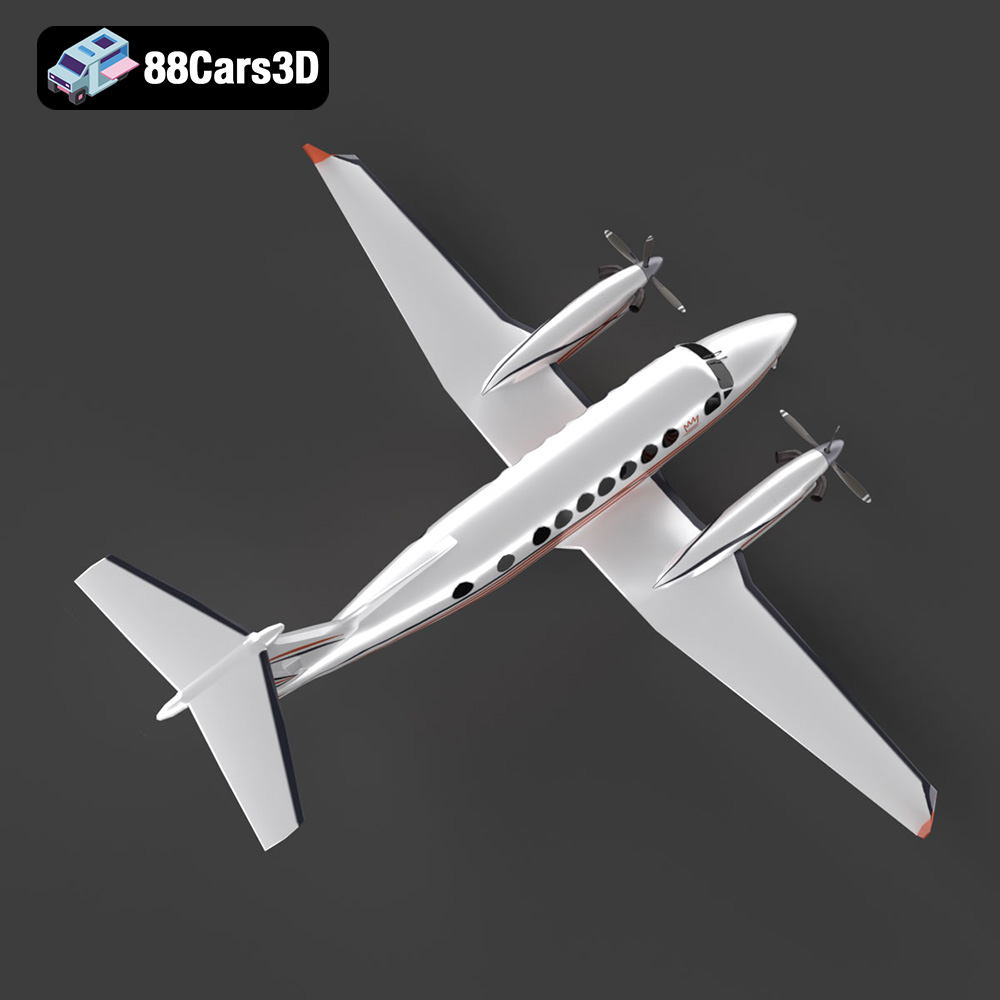
Replicating such an iconic aircraft in a 3D environment requires a deep understanding of its physical characteristics and operational nuances. The goal is not merely to create a visual representation, but to craft a digital twin that feels authentic, whether it’s soaring through a virtual sky or parked majestically in a digital hangar. This particular Beechcraft King Air B300 3D model excels in this regard, offering accurate fuselage geometry, detailed engine cowlings, and a faithfully recreated T-tail empennage. Every curve and panel line is meticulously shaped to reflect the real-world aircraft, providing a solid foundation for any professional endeavor.
The real-world versatility of the King Air B300 naturally translates into its digital counterpart. In flight simulators, it offers an immersive experience for virtual pilots. For marketing and corporate visualization, it can represent luxury and efficiency. Even in specialized AR/VR applications, such as pilot training or virtual showrooms, the model’s accuracy provides a compelling interactive experience. Its enduring popularity ensures that a high-quality 3D model like this remains a valuable asset for any studio or individual working within the aviation visualization space.
Navigating the landscape of 3D asset development often involves understanding a multitude of file formats, each with its own strengths and ideal use cases. The Beechcraft King Air B300 3D model, available on 88cars3d.com, is offered in a comprehensive range of formats, ensuring maximum compatibility and flexibility for professionals. Selecting the right format is crucial for maintaining model integrity, optimizing performance, and streamlining workflows across different software platforms and engines.
The .blend format is the native file type for Blender, an industry-leading open-source 3D creation suite. When you download a .blend file, you’re not just getting a mesh; you’re getting a fully editable Blender scene. This includes all materials, textures, lighting setups, animation rigs, and scene properties. For artists working primarily in Blender, this format offers the most flexibility for customization, modifications, and further development. It’s perfect for those who want to dive deep into the model’s construction, adjust materials, or integrate it into complex Blender-based animations or simulations.
.fbx (Filmbox) is arguably the most common and robust exchange format for 3D data, especially within the game development and real-time visualization pipelines. Developed by Autodesk, FBX files can store a vast array of information, including geometry, materials, textures, animation, skeletal data, and blend shapes. It’s the ideal format for importing the King Air B300 model into game engines like Unreal Engine and Unity, or into other DCC (Digital Content Creation) software such as 3ds Max, Maya, or Cinema 4D. Its widespread support makes it invaluable for collaborative projects and ensures that animations and complex hierarchies are preserved during export and import processes.
The .obj (Wavefront OBJ) format is a widely supported, universal solution for exporting and importing 3D models. While it typically stores only geometry (vertices, normals, texture coordinates, and faces) and references to external material files (.mtl), its simplicity ensures broad compatibility across almost every 3D application. For users needing a clean mesh for sculpting, retopology, or basic rendering where materials are reapplied in the target software, .obj is an excellent choice. It’s a stable and reliable format, though it may require re-linking textures and rebuilding materials after import.
.glb (GL Transmission Format Binary) is quickly becoming the go-to format for efficient transmission and loading of 3D scenes and models in AR, VR, and web-based applications. It’s a binary container that bundles geometry, materials, textures, animations, and skeletal data into a single, compact file. This “all-in-one” approach makes the King Air B300 model incredibly easy to deploy in browser-based configurators, immersive mobile AR experiences, or standalone VR applications where performance and rapid loading are paramount. Its optimization for real-time engines and web delivery makes it a forward-thinking choice.
The .stl (Stereolithography) format is the undisputed standard for 3D printing. It represents a 3D model as a series of connected triangles (a tessellated surface). While it doesn’t store color or texture information, it provides a precise geometric description necessary for slicing software to prepare the model for additive manufacturing. For hobbyists or professionals looking to bring the King Air B300 into the physical world as a display model, prototype, or educational aid, the .stl format is essential. It ensures the model is watertight and ready for the printer.
.ply (Polygon File Format) is another common format for storing 3D data, particularly useful for scan data, CAD applications, and scientific analysis. It can store not only geometry but also properties like color, transparency, normals, texture coordinates, and even reliability information for each polygon. While less common for typical game asset exchange, it offers robust support for complex data and is valuable for specialized applications requiring high-precision mesh representation of the King Air B300, such as aerodynamic simulation or detailed engineering visualization.
The .unreal format typically refers to assets packaged specifically for Unreal Engine, though it might not be a standalone file extension in the same way as .fbx. Often, a .unreal file implies an asset that has been fully prepared, imported, and saved within an Unreal Engine project. This means it includes all necessary materials, textures, collision meshes, LODs (Levels of Detail), and blueprint setups, making it truly plug-and-play for Unreal developers. For a game-ready model like the King Air B300, an .unreal asset significantly reduces setup time, allowing developers to drop it directly into their scenes and begin immediate iteration.
Finally, the .max format is the native file format for Autodesk 3ds Max, a powerful 3D modeling, animation, and rendering software. Like .blend, it contains the entire scene data, including all geometry, materials, lighting, cameras, animation keyframes, and modifiers. For artists who use 3ds Max as their primary tool, having the King Air B300 available in .max provides full access to the original scene setup, allowing for advanced rendering, complex animations, and detailed modifications within a familiar environment.
The inclusion of such a diverse range of formats with the Beechcraft King Air B300 3D model from 88cars3d.com underscores its versatility and suitability for virtually any professional pipeline.
In today’s interactive and real-time environments, a stunning visual model is only truly effective if it performs flawlessly. The Beechcraft King Air B300 3D model is a prime example of an asset where visual fidelity meets rigorous optimization, making it genuinely “game-ready.”
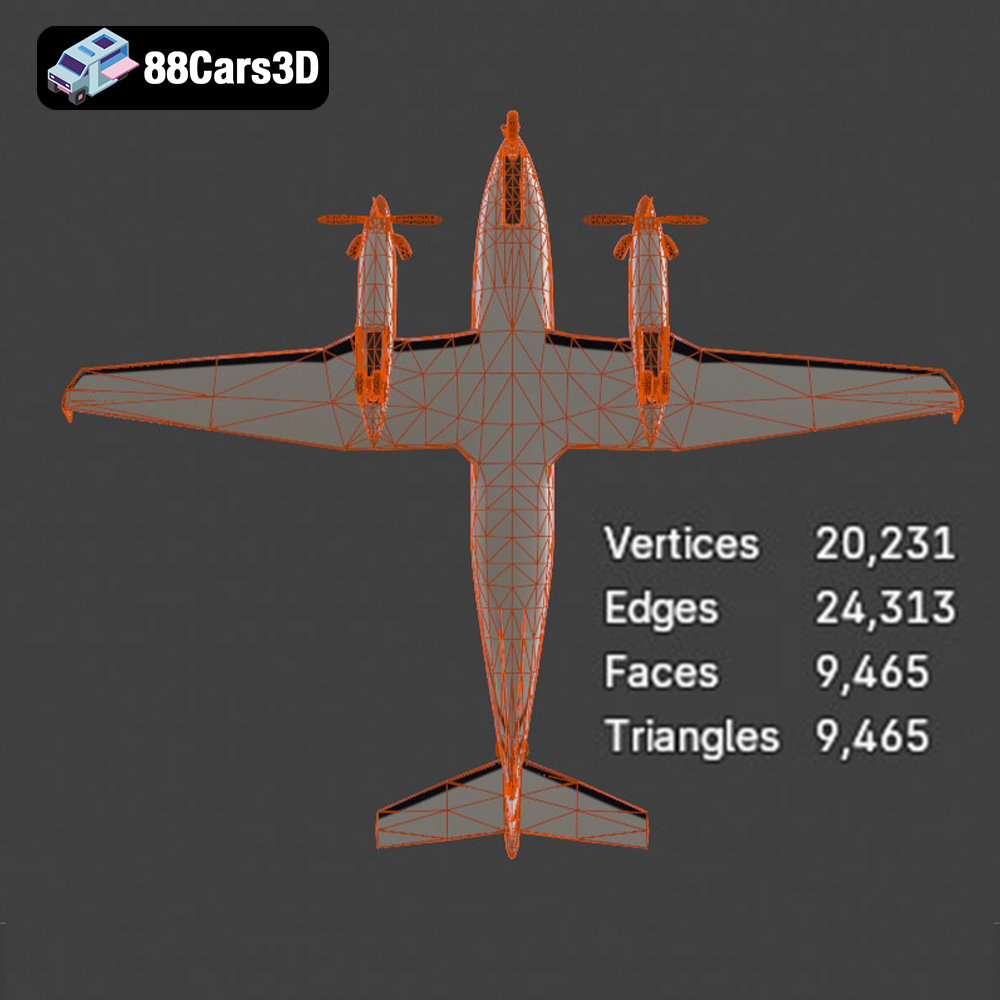
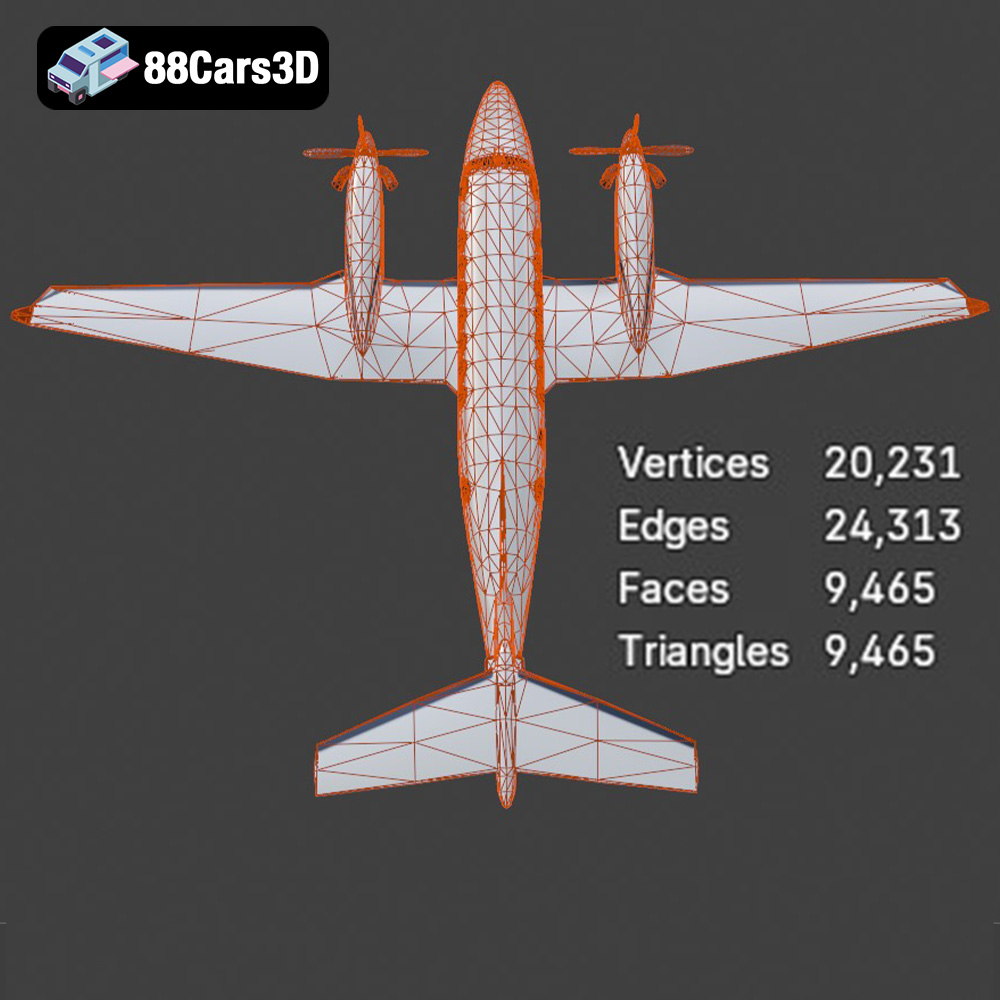
At the heart of its performance is its incredibly optimized topology of 9,465 triangles. This specific poly count strikes a perfect balance: it’s low enough to ensure smooth frame rates in demanding real-time engines like Unreal and Unity, yet detailed enough to maintain high-end visual realism. Achieving this balance requires careful modeling techniques, ensuring that polygon density is allocated where it matters most – around curves, edges, and crucial details – while minimizing unnecessary geometry in flatter areas. This level of optimization means the model can be deployed in flight simulators, open-world games, or even mobile AR experiences without bogging down system resources.
Beyond static beauty, the true utility of an aircraft model often lies in its ability to move and respond. This King Air B300 model features separately modeled components such as landing gear, propellers, ailerons, elevators, rudder, and flaps. Crucially, these components come with proper pivot setups. This seemingly small detail is vital for animators and developers. Correct pivot points ensure that when you rotate a propeller, it spins around its true axis, or when the landing gear retracts, it moves realistically. This attention to mechanical accuracy drastically reduces setup time for animation, allowing for quick integration of realistic flight dynamics and ground operations within your project.
The model doesn’t just look good from a distance; it holds up under closer scrutiny. Exterior features include intricate landing gear, wheels with realistic tire treads, and an accurate exterior lighting setup with navigation, strobe, and landing lights. For those planning first-person experiences, the cockpit shell and windshield framing are authentically shaped, with a representative glass-cockpit instrument panel layout and modeled pilot/co-pilot seating. While optimized for performance, these details contribute significantly to immersion, whether a virtual pilot is looking out the window or performing pre-flight checks.
The versatility of the Beechcraft King Air B300 3D model means it can be integrated into various professional workflows, from cinematic rendering to interactive game development. Let’s explore how it fits into some popular pipelines.
For game developers and real-time visualization specialists, Unreal Engine is a powerhouse. The Beechcraft King Air B300 3D Model, especially in its .fbx or pre-packaged .unreal format, is designed for seamless integration. The optimized polycount ensures it can be added to vast open-world environments or detailed flight simulator scenarios without significant performance overhead. Developers can import the FBX, apply the provided textures, and then leverage Unreal’s powerful material editor to fine-tune reflections, metallic properties, and atmospheric effects. The pre-set pivots for animated parts like propellers and landing gear mean that basic animations can be quickly set up using Unreal’s Sequencer or Control Rig, allowing for rapid prototyping of flight mechanics or ground movements. Imagine integrating this model into a dynamic weather system, with the King Air B300 navigating through volumetric clouds, its lights cutting through the digital fog – all rendered in real-time with stunning fidelity.
Blender artists will find the .blend file format to be a highly accommodating starting point. The fully editable scene provides complete control over every aspect of the model. Artists can easily modify materials using Blender’s Principled BSDF shader, adjust lighting with Eevee or Cycles render engines, or even remodel specific sections if custom variants are needed. For animation, the separated control surfaces (ailerons, elevators, rudder, flaps) and proper pivots make it straightforward to rig the aircraft for complex flight sequences. Imagine a cinematic short where the King Air B300 takes off from a remote airstrip, its propellers blurring as it gains altitude, all animated and rendered within Blender. The flexibility of the .blend file allows artists to push creative boundaries without being constrained by fixed assets.
Professionals utilizing Autodesk 3ds Max for architectural visualization, product rendering, or high-end animation will appreciate the availability of the .max file. This native format ensures that all original scene data, including hierarchy and potentially base material setups, are accessible. Artists can use 3ds Max’s robust modeling tools for any necessary adjustments, leverage powerful renderers like V-Ray or Corona for photorealistic output, and create sophisticated animations. For instance, a corporate aviation visualization might feature the King Air B300 landing at a private airfield, with detailed environmental lighting and reflections accurately captured. The model’s real-world scale accuracy further aids in creating believable compositions within 3ds Max scenes, ensuring it fits perfectly into any visualization context.
For cutting-edge AR/VR applications and web-based 3D experiences, the .glb format is invaluable. Its optimized, single-file structure makes it ideal for quick loading and efficient performance on mobile devices or in browser-based viewers. Developers can integrate the King Air B300 directly into WebGL scenes, mobile AR apps, or VR training simulations. Imagine a virtual showroom where potential buyers can walk around and inspect the aircraft in augmented reality, or a pilot training module where trainees can interact with a virtual King Air B300’s controls. The low poly count of 9,465 triangles is perfectly suited for these performance-sensitive platforms.
The utility of a high-quality 3D model extends far beyond digital screens. For aviation enthusiasts, model makers, or those needing a physical representation, the Beechcraft King Air B300 3D Model offers an excellent foundation for 3D printing, specifically through its dedicated .stl format.
When transitioning a digital asset to a physical print, several considerations come into play. The provided .stl format ensures a watertight mesh, which is crucial for successful slicing. The product description offers specific recommendations for print settings, such as preferred scales (1:48, 1:72, 1:144), layer heights (0.04–0.12 mm, recommending resin printing for fine details), and wall thicknesses (1.2–2.0 mm). These guidelines are invaluable for achieving a high-quality print that accurately reflects the digital model.
Detailed parts of an aircraft, such as propellers, landing gear, and antennas, will invariably require support structures during printing. The guide suggests specific print orientations – fuselage horizontally or angled, wings separately – to maximize structural integrity and minimize support material. After printing, post-processing becomes key. Sanding, priming, and then applying authentic factory colors with metallic finishes can transform a raw 3D print into a stunning display model that captures the true essence of the King Air B300. This opens up a tangible dimension for hobbyists and professionals alike, providing a physical model for study, display, or even as a unique gift.
While the Beechcraft King Air B300 3D model is exceptionally detailed and optimized right out of the box, its true power lies in its capacity for customization. Professionals often require assets that can be adapted to specific branding, scenarios, or artistic visions.
One of the most common customization needs is changing the aircraft’s livery. Whether it’s for a specific airline brand, a corporate identity, or a fictional game faction, swapping textures for fuselage striping and corporate logos is straightforward. The model’s clean UV mapping (implied by its game-ready nature) ensures that custom paint schemes can be applied accurately without distortion. Furthermore, material finishes can be adjusted from matte to gloss or metallic, allowing the artist to fine-tune the aircraft’s appearance under different lighting conditions or to represent wear and tear. Imagine a sleek, executive jet livery versus a rugged, utilitarian air ambulance scheme – both are possible with the underlying model.
The ability to modify propeller textures for static versus blurred motion variants is a game-changer for animation and real-time rendering. A static propeller is ideal for hangar scenes, while a motion-blurred texture dynamically enhances realism during flight sequences. Adjusting lighting for different environments, from a bright sunny tarmac to a dimly lit hangar or a stormy night sky, further immerses the model into its digital context. These customization options, coupled with the proper pivot setups, empower artists and developers to tailor the King Air B300 to perfectly fit the specific narrative and visual requirements of their projects.
In a marketplace flooded with digital assets, choosing reliable sources for your 3D models is paramount. 88cars3d.com stands out as a dedicated online marketplace for high-quality 3D car models and, as evidenced by the Beechcraft King Air B300, extends its commitment to excellence to a broader range of transportation assets.
The Beechcraft King Air B300 3D model is a testament to the quality and technical acumen you can expect. Its optimized polycount, accurate geometry, and comprehensive file format support reflect a deep understanding of professional production pipelines. This isn’t just about pretty pictures; it’s about providing assets that save development time, reduce performance bottlenecks, and integrate seamlessly. When you invest in a model from 88cars3d.com, you’re acquiring a meticulously crafted asset that meets rigorous industry standards.
For professionals working on tight deadlines, the value of a ready-to-use, well-documented model cannot be overstated. The King Air B300 comes with all the necessary components separated for animation and includes key features like proper pivots, which drastically reduce the setup time. This allows artists and developers to focus on creative tasks rather than spending hours on retopology, UV unwrapping, or fixing broken hierarchies. Whether you’re enhancing an automotive rendering project with an aerial element or building a standalone flight simulator, the efficiency gained from using high-quality, pre-optimized assets from 88cars3d.com is invaluable.
The journey through the capabilities and applications of the Beechcraft King Air B300 3D Model reveals a truly versatile and indispensable asset for any professional in the 3D visualization, game development, or AR/VR space. Its meticulously detailed exterior and interior, combined with an optimized topology of 9,465 triangles, strike the ideal balance between visual fidelity and real-time performance. From its wide array of supported file formats – including .blend, .fbx, .obj, .glb, .stl, .ply, .unreal, and .max – to its animation-ready components with proper pivot setups, this model is engineered for seamless integration into the most demanding workflows.
Whether you’re creating a hyper-realistic flight simulator in Unreal Engine, crafting a cinematic animation in Blender or 3ds Max, developing an immersive AR/VR experience, or even bringing the iconic aircraft to life through 3D printing, the King Air B300 3D model provides a robust and flexible foundation. Its customization options further empower artists to adapt the aircraft to specific branding, environmental lighting, and dynamic scenarios, ensuring it perfectly aligns with any creative vision. For high-quality 3D car models and other exceptional transportation assets that streamline your production pipeline, exploring the offerings at 88cars3d.com is a step towards elevating your projects to professional heights.
The Beechcraft King Air B300 is a legendary twin-turboprop aircraft renowned for its reliability, versatility, and executive comfort. This highly detailed 3D model captures the iconic silhouette of the B300, featuring its distinctive T-tail, swept-back wing design, dual Pratt & Whitney Canada PT6A engines, and meticulously shaped aerodynamic fuselage. Boasting an incredibly optimized topology of 9,465 triangles, this game-ready asset delivers outstanding visual fidelity without compromising real-time performance. Designed for seamless integration into flight simulators, game engines, AR/VR experiences, and cinematic animations, the model maintains sharp lines and realistic texturing perfect for any digital hangar.
$14.99
.aircraft
.airplane
.aviation
.blend
.fbx
.glb
.max
.obj
.ply
.rendering
.stl
.unreal
aircraft-3d-model
beechcraft
flight-simulator
game asset
game-ready
king-air-b300
low-poly
optimized
twin-turboprop
VR/AR