Get 20% OFF All Premium 3D & STL Models!

In the rapidly evolving landscape of digital content creation, the demand for highly realistic and technically sound 3D assets has never been greater. From cinematic automotive rendering to immersive game development and sophisticated architectural visualizations, the fidelity of a 3D model can make or break a project. More than just pretty pictures, these assets are the foundational building blocks that power interactive experiences and visually stunning media.
The core of any successful digital endeavor lies in the quality of its components. When it comes to vehicles, this means a meticulous attention to detail, accurate proportions, optimized geometry, and versatile file formats. Whether you’re a seasoned game developer populating an open-world environment or an architectural firm looking to add lifelike vehicles to a street scene, the right 3D car model is indispensable.
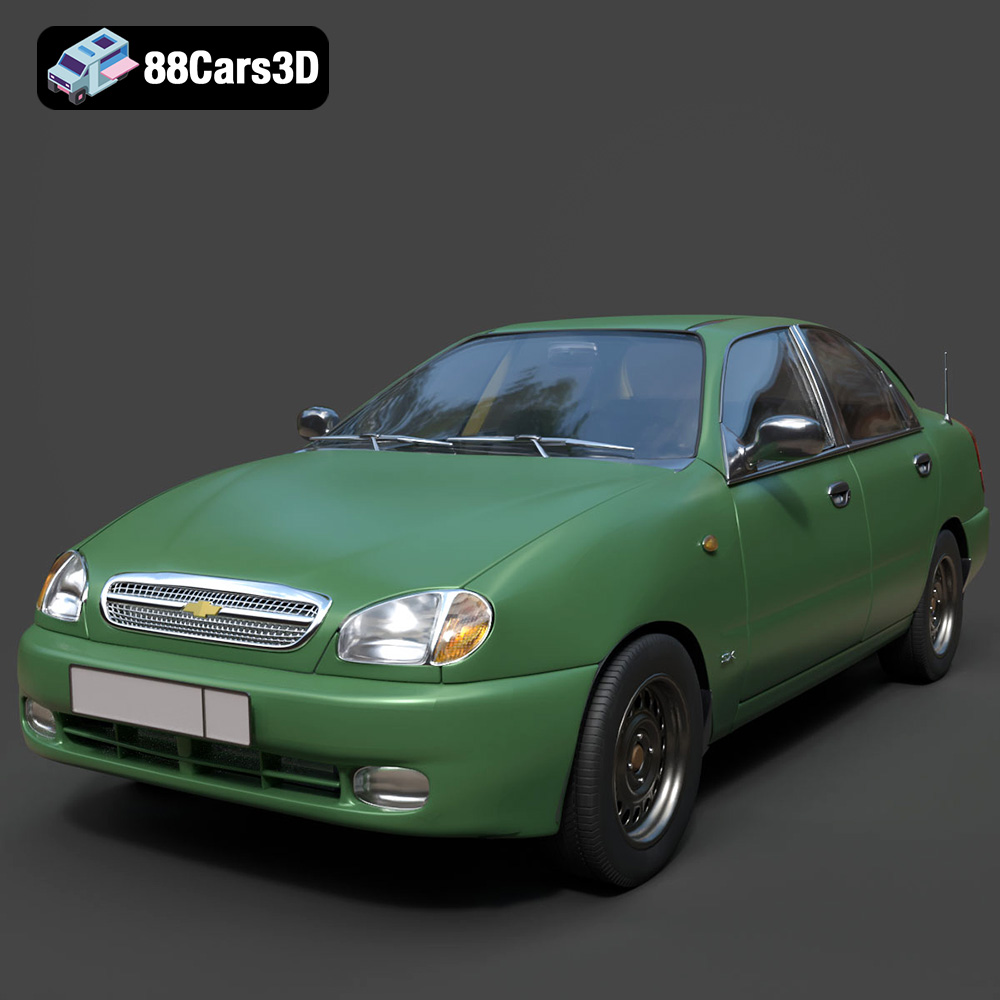
Consider a vehicle like the Chevrolet Lanos 2008. While it might represent practical, everyday driving in the physical world, its digital counterpart must fulfill a much more demanding role. A well-crafted 3D model of the Chevrolet Lanos 2008 is not just a static representation; it’s a dynamic asset designed to be integrated, animated, and rendered across a multitude of platforms. It embodies a blend of artistic precision and technical optimization, ensuring it performs exceptionally in contexts ranging from real-time engines to high-fidelity offline renders. This particular model, available at 88cars3d.com, exemplifies the balance between visual authenticity and technical readiness, making it a powerful tool for professionals and enthusiasts alike.
The versatility of a 3D car model is often defined by the range and quality of the file formats it supports. Each format is designed with specific use cases and software ecosystems in mind, offering unique advantages for different stages of a production pipeline. Understanding these distinctions is crucial for anyone working with 3D assets, ensuring smooth workflow integration and optimal performance. For a comprehensive model like the Chevrolet Lanos 2008, the availability of multiple formats is a testament to its adaptability.
The .blend format is the native file type for Blender, a popular open-source 3D creation suite. When you download a .blend file, you’re not just getting a mesh; you’re getting a fully editable Blender scene. This includes all materials, textures, lighting, camera setups, and even animation data, if present. For artists and studios primarily working in Blender, this format offers the most flexibility for customization, tweaking shaders, modifying geometry, or preparing the asset for specific rendering engines like Cycles or Eevee. It’s perfect for those who need deep access to the model’s internal structure and want to leverage Blender’s powerful modeling and shading tools.
Autodesk’s .fbx (Filmbox) format has become an industry standard for exchanging 3D data between various software applications, particularly in game development. It’s renowned for its robust support of complex scenes, including geometry, materials, textures, animation, and even rigging information. For game engines like Unreal Engine and Unity, .fbx is often the preferred format due to its efficiency and ability to consolidate diverse asset types into a single file. When importing the Chevrolet Lanos 2008 as an .fbx, developers can expect a streamlined process for bringing the car model into their real-time pipelines, complete with proper scale and pivot points for immediate use.
The .obj (Wavefront OBJ) format is one of the oldest and most widely supported 3D file formats, making it a truly universal option for cross-software compatibility. It primarily stores geometric data, such as vertices, normals, UV coordinates, and faces. While it doesn’t embed materials or animations directly, it typically references separate .mtl (material) files for basic shading information and texture maps. The simplicity and widespread adoption of .obj make it an excellent choice for basic mesh exchange, especially when you need to ensure a model can be opened and worked on in virtually any 3D software, from 3ds Max to Maya to ZBrush.
The .glb (GLB, or binary glTF) format is an increasingly important player, especially in the realms of Augmented Reality (AR), Virtual Reality (VR), and web-based 3D applications. It’s a binary version of the glTF (GL Transmission Format) specification, designed for efficient transmission and loading of 3D scenes and models. .glb files encapsulate geometry, materials, textures, animations, and skeletal structures into a single, compact file, making them ideal for performance-sensitive environments. For showcasing the Chevrolet Lanos 2008 in a virtual showroom or an interactive web experience, .glb offers optimized delivery and rendering.
The .stl (stereolithography) format is synonymous with 3D printing. It represents a 3D model as a collection of unconnected triangles, describing only the surface geometry of an object without color, texture, or other attributes. For anyone looking to physically manifest the Chevrolet Lanos 2008, converting the digital model to .stl is the first step. This format is readily understood by slicing software, which prepares the model for various 3D printers. The Lanos model’s detailed geometry makes it suitable for producing accurate physical replicas, as long as appropriate print settings like scale and support structures are considered.
The .ply (Polygon File Format or Stanford Triangle Format) is another widely used format for storing 3D data, particularly known for its ability to store properties beyond just geometry. While often used for scan data, it can also include color, transparency, and normal information per vertex or face. It’s a precision mesh format that finds applications in CAD, 3D scanning, and scientific visualization where detailed surface properties are critical. For highly accurate reproductions or analytical purposes, the .ply version of the Lanos model could offer specific advantages.
While not a standalone file format in the traditional sense, a “.unreal” file typically signifies an asset pack or a component specifically prepared and optimized for Unreal Engine. This often means the asset has been properly scaled, collision meshes generated, materials configured using Unreal’s PBR system, and potentially even includes Blueprints for interactive elements. An Unreal-ready package for the Chevrolet Lanos 2008 means a significantly reduced setup time for developers, as the model is already tailored to the engine’s specifications, allowing for immediate integration into real-time environments and game levels.
Similar to .blend for Blender, the .max format is the native file type for Autodesk 3ds Max, a powerful 3D modeling, animation, and rendering software. A .max file of the Chevrolet Lanos 2008 provides the most comprehensive access to the original project. This includes the full scene hierarchy, modifiers, materials, lights, cameras, and potentially animation rigs. For studios or artists deeply entrenched in the 3ds Max ecosystem, this format offers unparalleled flexibility for further customization, rigging for complex animations, or integrating into large-scale architectural and product visualization projects.
Creating a highly detailed and functional 3D car model is an intricate process that goes far beyond simply replicating shapes. It involves a meticulous blend of artistic observation and technical precision to capture the essence of a vehicle while ensuring its suitability for diverse digital applications. The Chevrolet Lanos 2008 3D model is a prime example of this balance, designed to offer exceptional fidelity without compromising performance.
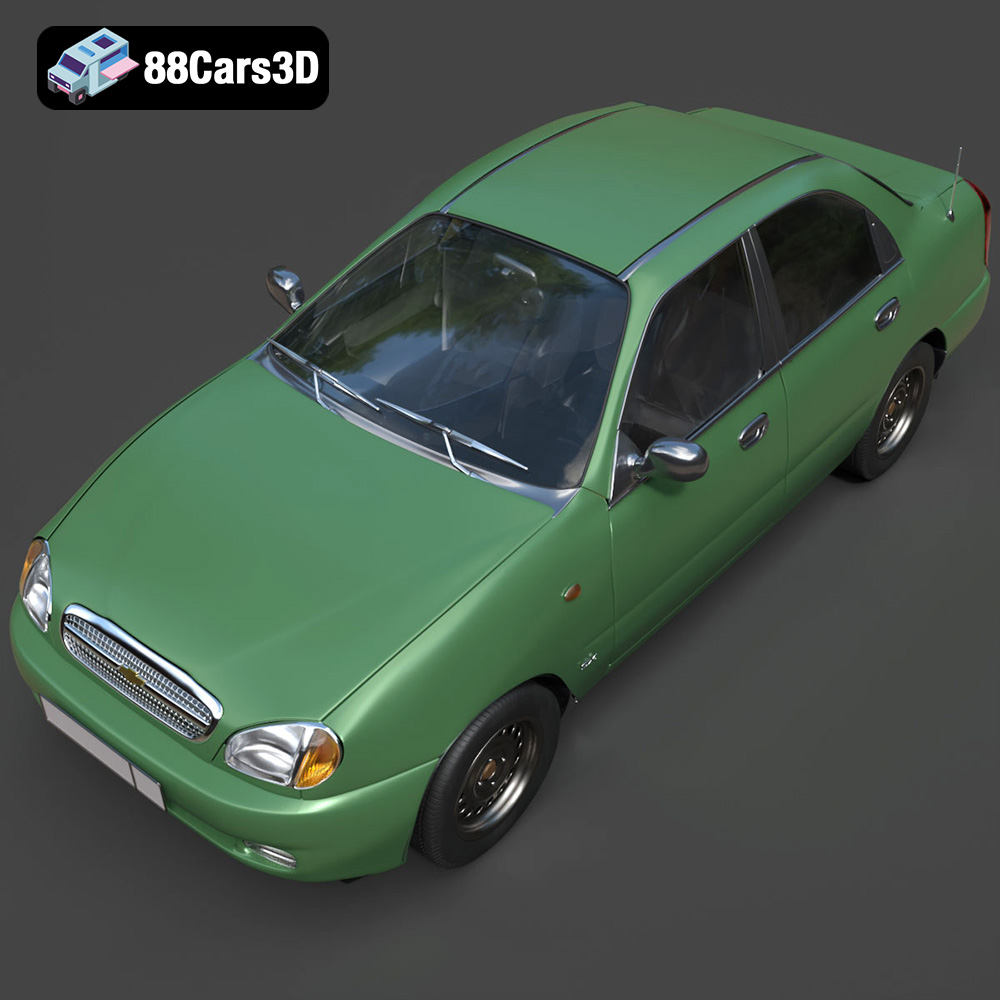
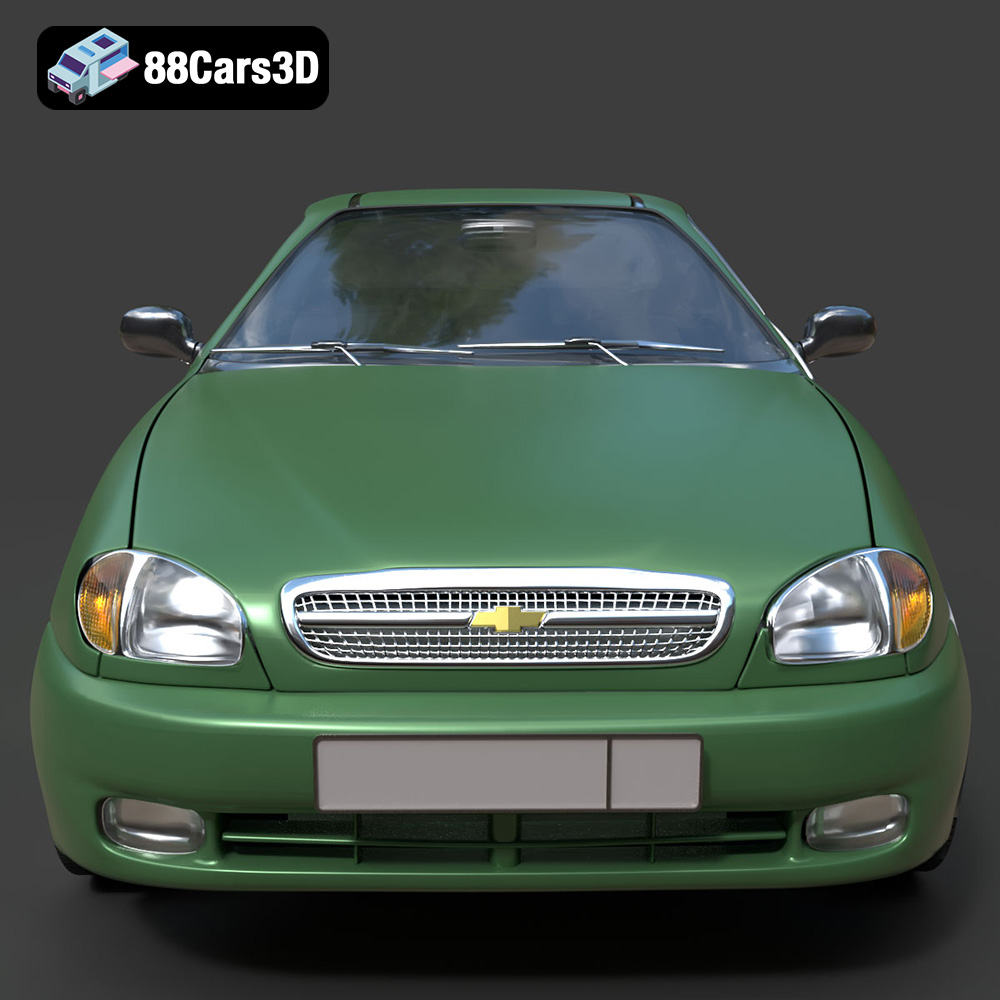
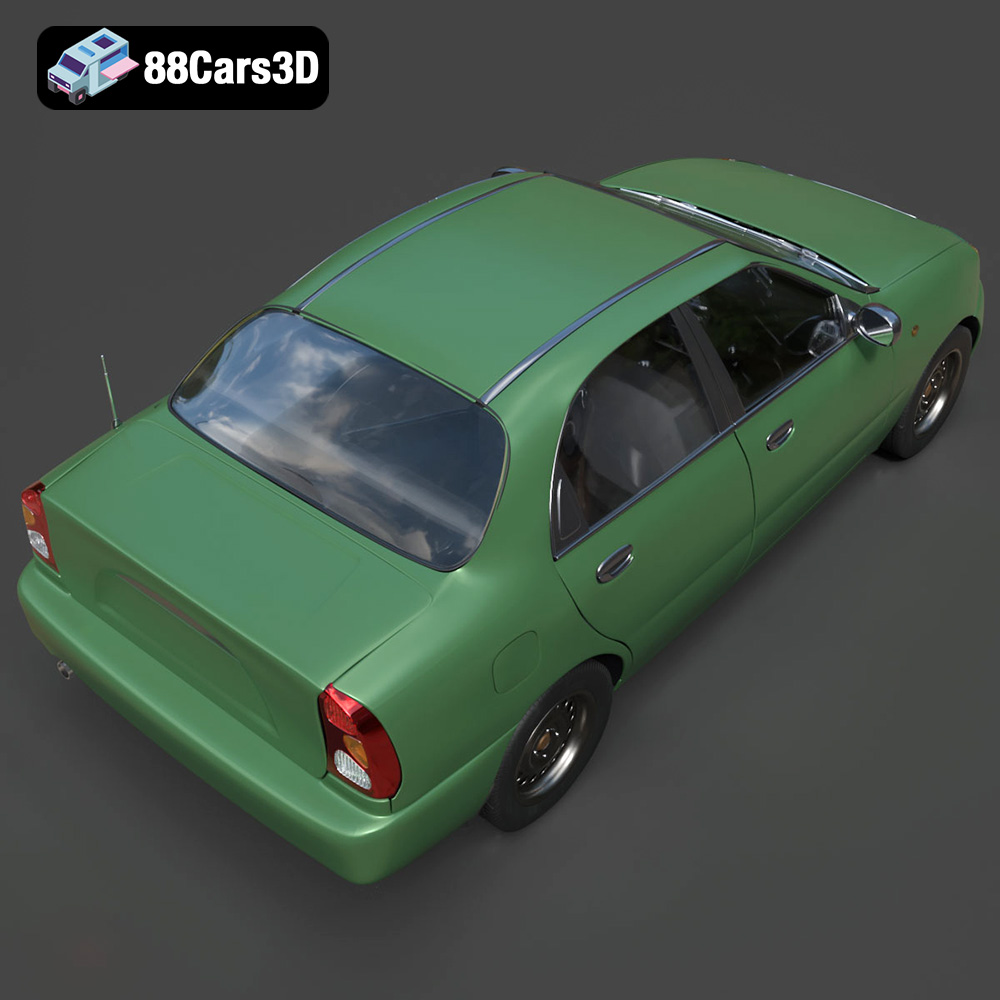
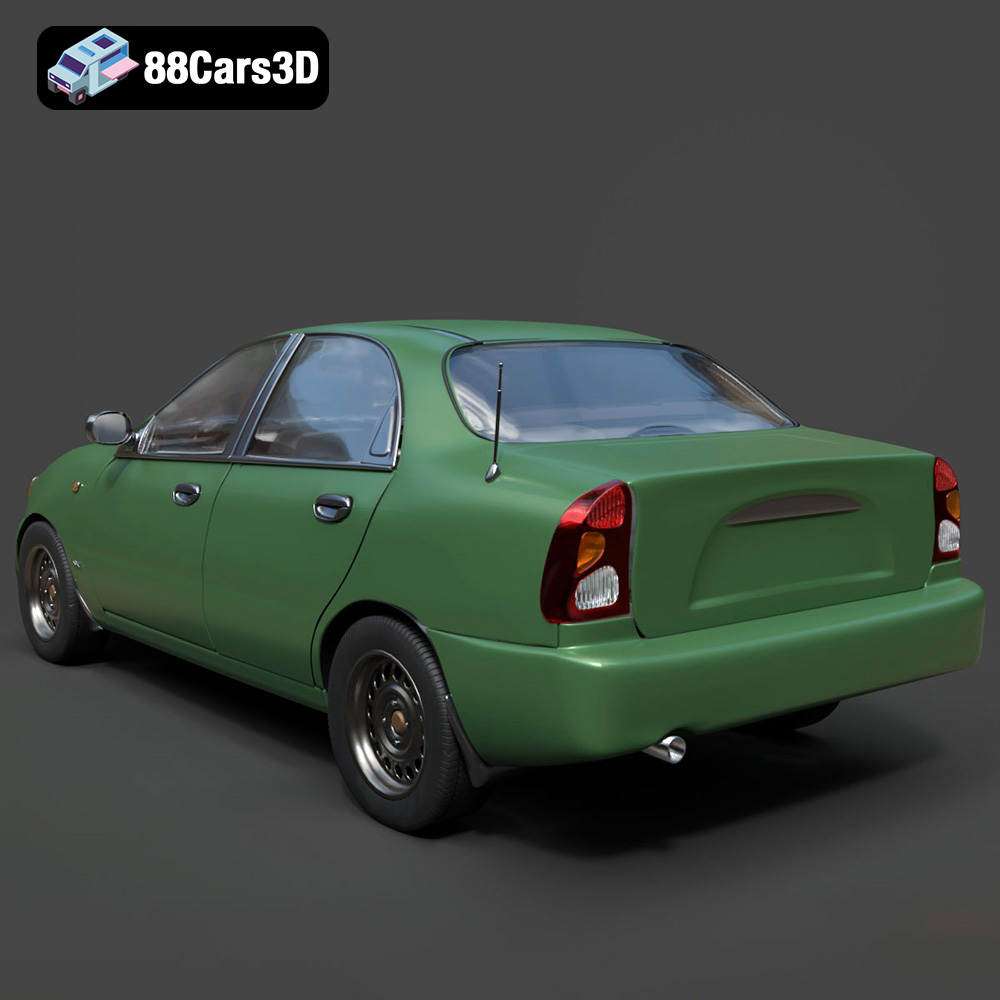
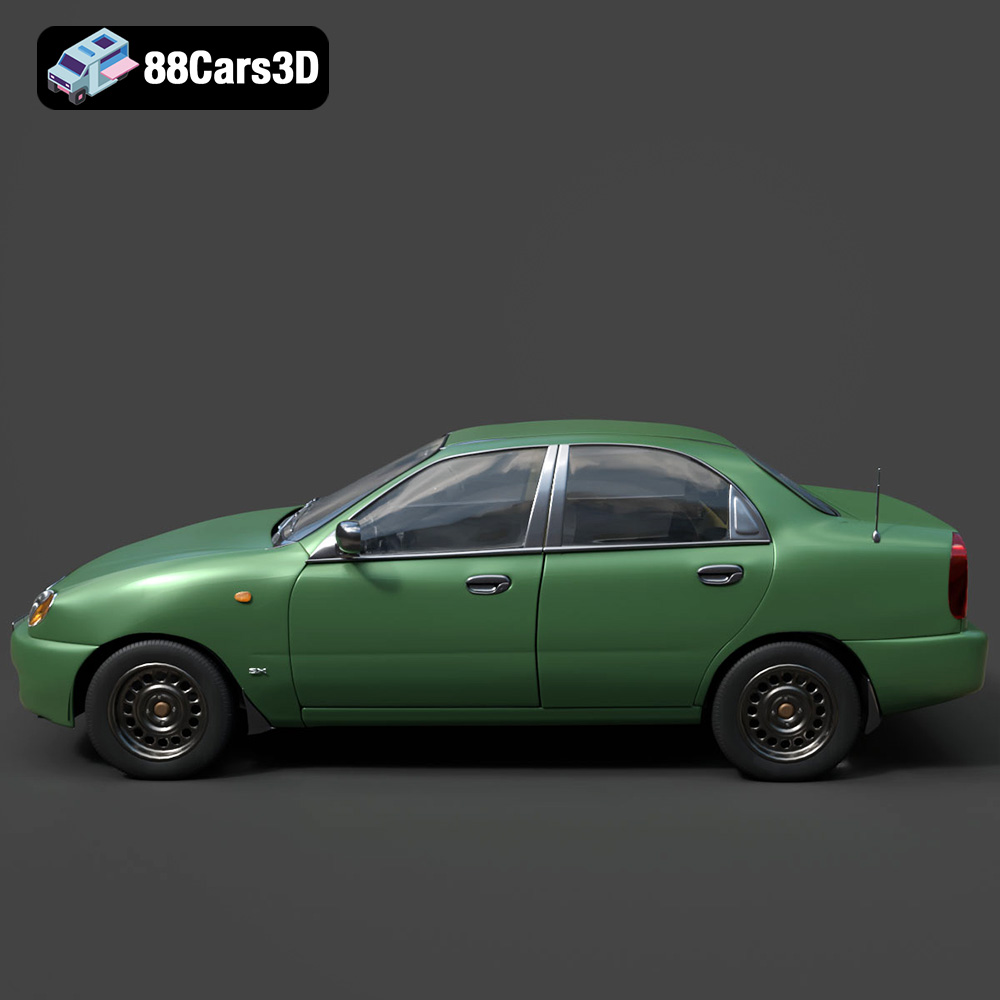
The first impression of any vehicle model is its exterior. For the Chevrolet Lanos 2008, this means faithfully recreating its distinctive subcompact sedan silhouette. The model boasts accurate body geometry and proportions, capturing the smooth aerodynamic lines and the signature modest front grille. But the detail doesn’t stop at the surface. Elements like the detailed 4-cylinder inline engine block and the standard factory exhaust system with its undercarriage routing are meticulously modeled. Authentic headlight and taillight housings, complete with internal reflectors, ensure realistic lighting interactions, while factory-spec wheels, hubcaps, and realistic tire treads contribute significantly to visual realism, making it ideal for high-end automotive rendering.
While the exterior catches the eye, the interior often defines the user experience, especially in interactive applications. The Chevrolet Lanos 2008 model’s cockpit and interior features are crafted with the same level of precision. Standard cloth seat details with authentic stitching, an accurate steering wheel and column design, and a detailed instrument cluster with all necessary gauges (speed, tachometer, fuel) are all present. Precise control details, including pedals, the gear shifter, and the center console, further enhance immersion. Crucially, the interior geometry is optimized for first-person perspective in gaming, meaning players can experience the Lanos from the driver’s seat without encountering distracting visual artifacts or performance drops.
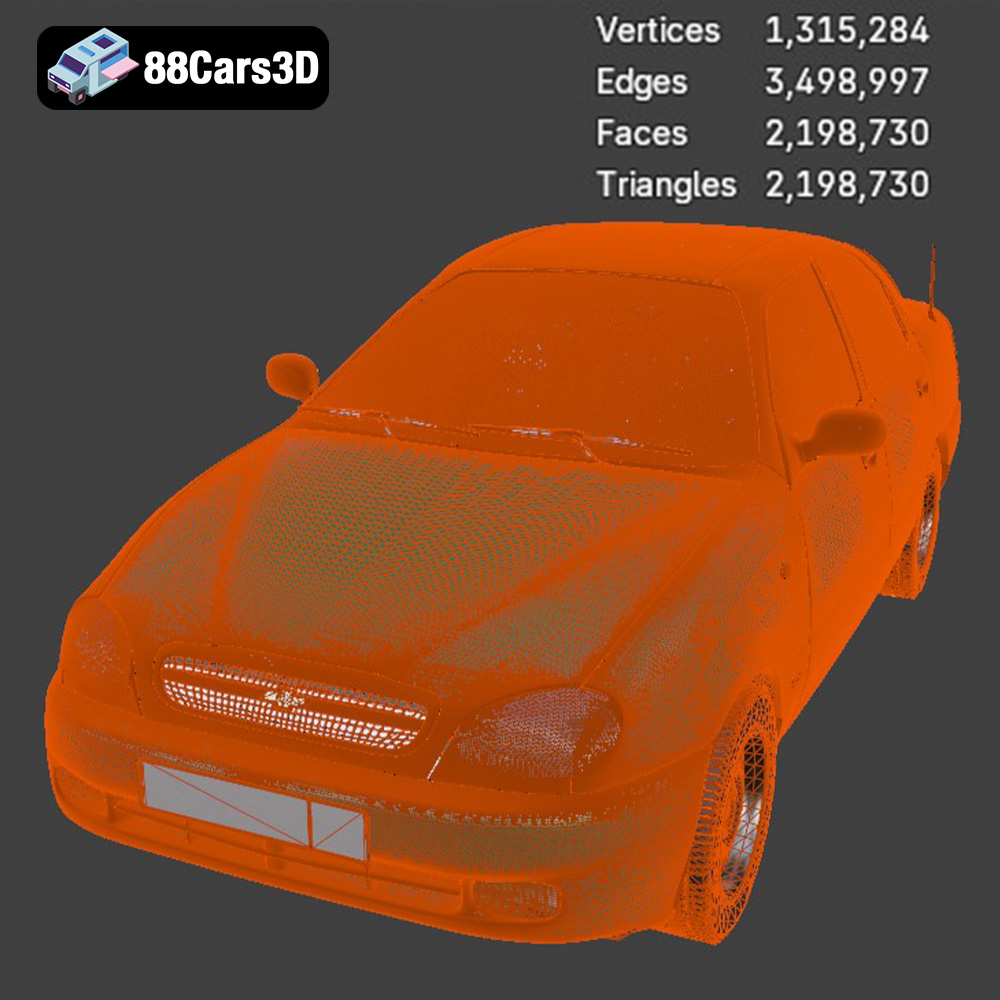
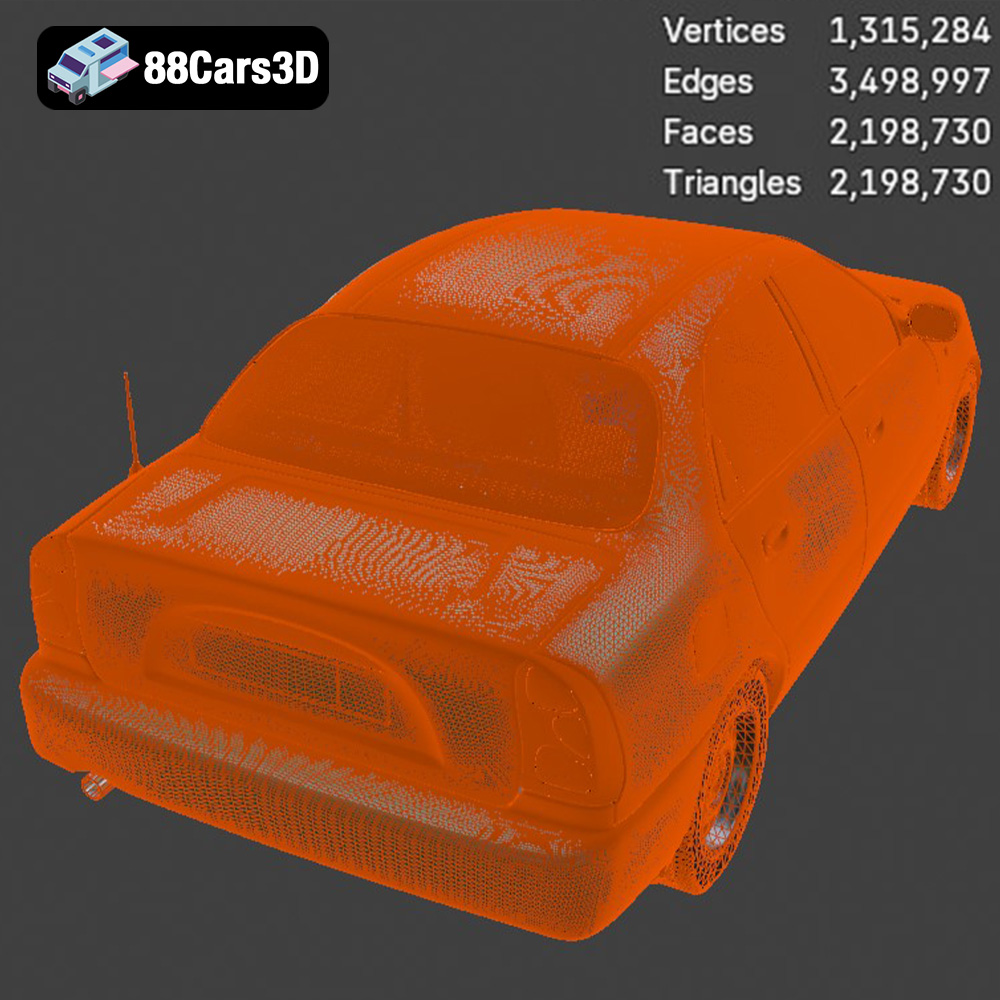
Beyond visual detail, the true strength of a professional 3D car model lies in its technical specifications. The Chevrolet Lanos 2008 model features a topology of 2,198,730 triangles. This specific poly count represents a careful balance: it’s high enough to deliver exceptional visual fidelity for close-up renders and intricate details, yet optimized to perform well in real-time environments like Unreal Engine and Unity. This “game-ready” attribute is critical for developers aiming for visual realism without sacrificing frame rates. Furthermore, the model is built to real-world scale accuracy, ensuring seamless integration into scenes without manual resizing. Proper pivot setup for steering, wheel rotation, and suspension travel is also meticulously implemented, which is essential for accurate animation and dynamic simulation.
The true test of a versatile 3D asset is how effortlessly it integrates into various professional workflows. The Chevrolet Lanos 2008, with its range of file formats and optimized structure, is designed to be a plug-and-play solution for artists and developers across different platforms.
For architectural visualization (arch-viz) and high-end cinematic rendering, 3ds Max remains a cornerstone application. With the Chevrolet Lanos 2008’s .max file, users gain full access to the model’s original scene. This allows for unparalleled customization:
Blender’s growing popularity makes its native .blend format invaluable. Indie game developers, freelance artists, and small studios often rely on Blender for its robust feature set and open-source nature. The Chevrolet Lanos 2008 .blend file comes fully equipped with materials and textures, ready for immediate use:
Unreal Engine is at the forefront of real-time rendering, powering everything from AAA games to virtual production. The inclusion of an .unreal file or a well-prepared .fbx file for the Chevrolet Lanos 2008 significantly streamlines the development process:
A versatile 3D car model like the Chevrolet Lanos 2008 isn’t just a static object; it’s a dynamic asset with a multitude of practical applications across various industries. Its balanced detail and optimization make it a strategic choice for diverse digital projects.
In game development, creating believable environments requires not just stunning landscapes but also a convincing population of vehicles. The Chevrolet Lanos 2008 is perfectly suited for this role due to its “game-ready” optimization. Imagine an open-world city builder where the Lanos forms a key part of the urban traffic flow, or a driving simulator requiring a range of common vehicles. Its 2,198,730 triangle count hits the sweet spot for real-time performance, allowing for dozens, even hundreds, of these cars to appear on screen without significant frame rate drops. Developers can integrate it into AI traffic systems, use it as a static background prop, or even as a drivable vehicle for specific missions, leveraging its accurately detailed interior for first-person gameplay.
The burgeoning fields of Augmented Reality (AR) and Virtual Reality (VR) demand highly optimized yet visually rich assets. For automotive brands or dealerships, a virtual showroom allows customers to explore cars in a fully immersive 3D space from anywhere in the world. The Chevrolet Lanos 2008, especially in .glb format, is ideal for such applications. Its efficient data structure ensures quick loading times and smooth interactions on AR-enabled devices or VR headsets. Imagine an app where users can place a life-sized Lanos on their driveway using AR, or customize its color and materials in a VR environment – the model’s detailed geometry and customizable options make this a seamless experience.
For architectural visualization, adding realistic vehicles is crucial for grounding a scene in reality and conveying scale and context. A high-fidelity model of the Chevrolet Lanos 2008 can transform a static building render into a vibrant, lived-in environment. Whether it’s parked outside a modern home, driving down a newly designed street, or sitting in a multi-story car park, the Lanos adds a layer of authenticity. Beyond arch-viz, the model is excellent for brand campaigns or lifestyle renders. Photographers and marketers can use it to create compelling imagery for advertisements, brochures, or even virtual photo shoots, taking advantage of its accurate proportions and customizable finishes to match specific branding requirements or aesthetic moods. Its separate components for animation further allow for dynamic scenes, like a car pulling into a driveway or simply rotating for a product showcase.
In the world of 3D, “high quality” doesn’t just mean high polygon count; it also means high performance and adaptability. An asset’s optimization is paramount, especially when targeting real-time engines or demanding visualization projects. The Chevrolet Lanos 2008 model exemplifies these principles, offering a versatile asset that excels in various computational environments.
The stated topology of 2,198,730 triangles for the Chevrolet Lanos 2008 is a critical technical detail. This figure represents a carefully chosen balance. For high-end offline rendering (e.g., V-Ray, Corona, Arnold), this polycount allows for smooth curves and intricate details that would appear faceted at lower resolutions. For real-time applications like games or AR/VR, this polycount is on the higher end for a single vehicle but is indicative of a “hero asset” or a primary vehicle that needs to hold up to close-up scrutiny. Modern game engines, with advancements in LOD (Level of Detail) systems and instancing, can handle such assets efficiently. This means the Lanos can look stunning up close, while lower-poly versions (often automatically generated by the engine or provided as part of the asset pack) can be used for distant instances, maintaining performance.
Beyond the raw polycount, the underlying geometry and UV mapping are crucial for optimal performance and visual quality. A well-constructed mesh will have clean topology (e.g., quads preferred for deformations, minimal n-gons), which prevents rendering artifacts and allows for smooth subdivision if needed. For the Lanos, this means a structured geometry that deforms predictably for animation and handles lighting gracefully. Effective UV mapping is equally vital; it dictates how textures are applied to the model’s surface. A well-laid-out UV map minimizes stretching, maximizes texture resolution, and allows for efficient texture packing, which is critical for game performance. The Lanos model’s design ensures efficient texturing, contributing to its realistic appearance with minimal texture memory overhead.
One often-overlooked aspect of 3D asset quality is adherence to real-world scale. The Chevrolet Lanos 2008 model is designed with “real-world scale accuracy based on actual vehicle chassis.” This seemingly simple detail dramatically reduces integration time and potential headaches for developers. When importing the model into any 3D environment or game engine, it will immediately appear at the correct size relative to characters, buildings, and other assets, eliminating the need for tedious manual scaling and potential misalignments. Equally important is the “proper pivot setup for steering, wheel rotation, and suspension travel.” This technical precision means that when an animator or game developer wants to make the wheels turn or the suspension compress, the pivot points are already correctly placed, allowing for immediate and accurate rigging or physics simulation without complex adjustments.
The trajectory of 3D modeling for automotive applications is one of continuous innovation, pushing the boundaries of realism, interactivity, and utility. High-quality 3D car models are not just visual assets; they are becoming integral components of advanced technological ecosystems, and platforms like 88cars3d.com are at the forefront of providing these essential building blocks.
As AR and VR technologies mature, the demand for incredibly detailed yet highly optimized 3D car models will only intensify. Imagine virtual car configurators that allow potential buyers to explore every detail of a new model in a photorealistic VR environment, or AR applications that project a vehicle onto a real-world setting with perfect accuracy. Models like the Chevrolet Lanos 2008, with its game-ready optimizations and support for formats like .glb, are perfectly positioned to power these next-generation immersive experiences. The ability to interact with a vehicle digitally before it even exists physically, or to bring it to life in a virtual space, is transforming how we design, market, and experience automobiles.
The concept of a “digital twin” – a virtual replica of a physical object, system, or process – is gaining significant traction in the automotive industry. High-fidelity 3D car models are the visual foundation of these digital twins. From design and engineering simulations to predictive maintenance and autonomous driving development, digital twins of vehicles provide invaluable insights. A highly detailed 3D model, enriched with sensor data and real-time information, can simulate real-world conditions, predict performance, and optimize operational efficiency. While the Chevrolet Lanos 2008 may not be a cutting-edge electric vehicle, the principles of its detailed digital representation are directly applicable to creating the digital twins of tomorrow’s automobiles.
The future of 3D automotive assets also lies in their modularity and ease of customization. Users increasingly expect to modify body colors, adjust material finishes, change tire textures, and adapt lighting for various environments. The Chevrolet Lanos 2008 model already offers these customization options, signaling a trend towards more adaptable and user-friendly assets. This flexibility empowers artists and developers to rapidly iterate on designs, personalize content for specific audiences, and react quickly to changing market demands, ensuring that digital vehicles remain relevant and engaging across their lifecycle.
The journey from a physical vehicle to a pixel-perfect 3D asset is a complex one, requiring both artistic vision and rigorous technical execution. High-quality 3D car models are more than just digital representations; they are pivotal tools that drive innovation across industries, from bringing game worlds to life to enhancing professional visualizations and pioneering immersive AR/VR experiences. The Chevrolet Lanos 2008 3D model stands as a testament to this craft, offering a meticulously detailed and optimized asset that is ready for a multitude of applications. Its comprehensive suite of file formats, from .blend to .fbx and .unreal, ensures seamless integration into virtually any professional workflow. Whether you’re an indie developer, an arch-viz artist, or a professional aiming for photorealistic rendering, this model provides the fidelity and flexibility required to elevate your projects. Explore this and many other top-tier 3D car models at 88cars3d.com, where quality and versatility meet the demands of modern digital creation.
The Chevrolet Lanos represents the essence of practical, everyday driving. With its straightforward and recognizable subcompact sedan silhouette, this economic vehicle is a staple in many urban landscapes around the world. The model faithfully recreates the smooth aerodynamic lines, signature modest front grille, and classic utilitarian styling that defines the Lanos. This highly detailed 3D model boasts a topology of 2,198,730 triangles, delivering exceptional visual fidelity suitable for close-up renders while offering a structured geometry that performs well in modern environments. Designed with game development, AR/VR, animation, and high-end visualization in mind, it provides a highly realistic automotive asset for any digital project.
$86.50
.2008
.blend
.chevrolet
.fbx
.glb
.lanos
.max
.obj
.ply
.rendering
.sedan
.stl
.unreal
car-3d-model
compact-car
game asset
game-ready
low-poly
optimized
VR/AR