Get 20% OFF All Premium 3D & STL Models!

In the rapidly evolving landscape of digital visualization, the demand for exceptionally detailed and versatile 3D car models has never been higher. From breathtaking cinematic sequences and immersive virtual reality experiences to high-performance gaming environments and precise manufacturing prototypes, a superior digital asset forms the bedrock of success. Modern automotive design transcends physical boundaries, with digital twins becoming indispensable tools for creators and engineers alike. This journey into the heart of digital automotive creation explores the intricacies of building, optimizing, and deploying sophisticated vehicle assets, highlighting how a meticulously crafted model can elevate any project.
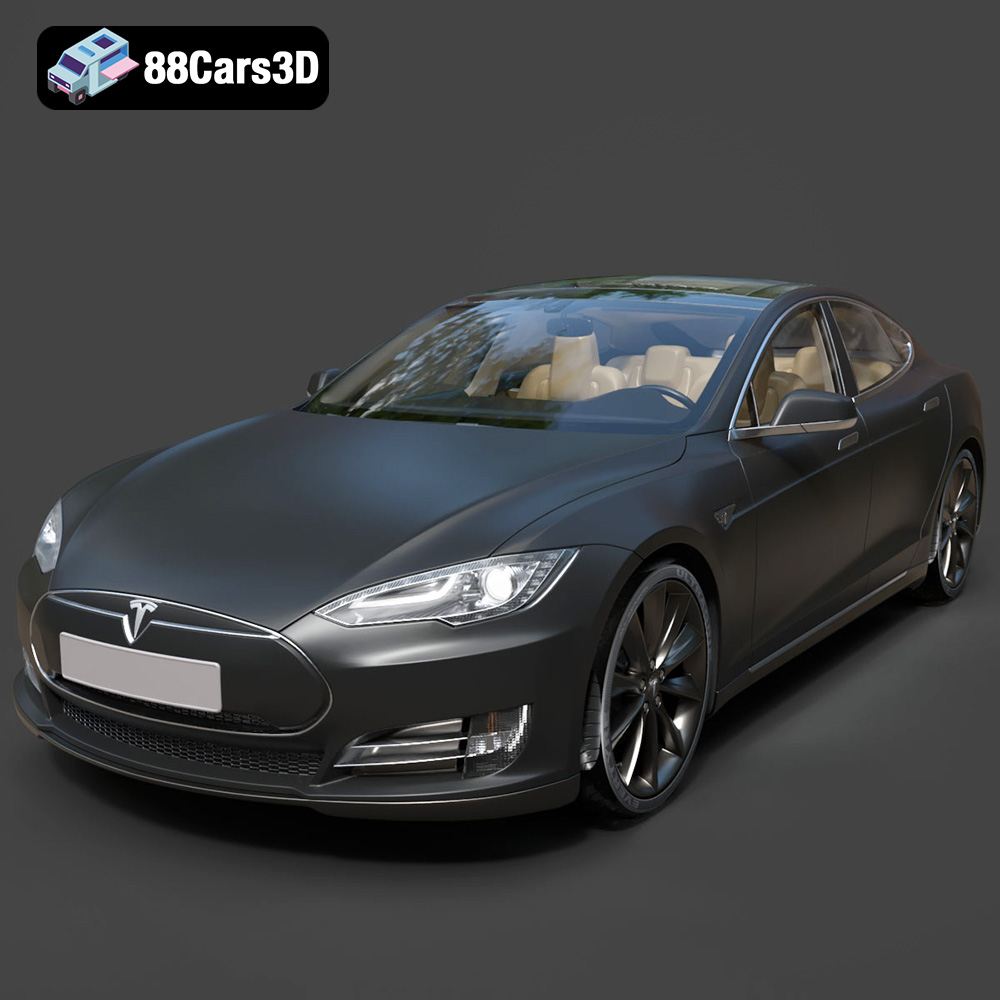
Today, we delve into the world of electric vehicles through the lens of a prime example: the Tesla S-08 3D Model. This particular model, available on 88cars3d.com, encapsulates the essence of modern EV aesthetics and engineering precision, making it an invaluable asset for a myriad of professional applications. Its detailed topology and thoughtful construction provide a robust foundation for everything from stunning automotive rendering to dynamic integration as a top-tier game asset.
Choosing the correct file format is a critical first step in any 3D workflow, directly impacting compatibility, feature retention, and pipeline efficiency. Professional 3D car models, like the Tesla S-08, are often provided in multiple formats to cater to diverse software ecosystems and project requirements. Each format has its strengths, optimized for specific tasks from real-time rendering to 3D printing. Understanding these nuances is paramount for any digital artist or developer.
The .blend format is the native file type for Blender, an open-source 3D creation suite. A .blend file typically contains the entire scene, including mesh data, materials, textures, lighting, cameras, animations, and even physics simulations. Its primary advantage is its comprehensive nature, allowing for full editability within Blender. This means artists can easily modify geometry, adjust materials, re-rig components, or change lighting setups with complete access to the original project structure. For users deeply integrated into the Blender ecosystem, a .blend file offers maximum flexibility and a fully set-up scene ready for immediate use or further customization.
.fbx (Filmbox) is a proprietary file format owned by Autodesk and is widely considered the industry standard for exchanging 3D data between different software applications. Its strength lies in its robust support for mesh geometry, materials, textures, animations, and even skeletal data. For game development, particularly with engines like Unreal Engine and Unity, .fbx is often the go-to choice due to its efficient handling of complex scenes and animation data. When exporting to .fbx, developers can choose to embed media (textures) or reference them externally, and control the level of detail or triangulation for optimization. The Tesla S-08 in .fbx format ensures seamless integration into most professional pipelines, making it an excellent choice for real-time applications.
.obj (Wavefront OBJ) is one of the oldest and most universally supported 3D file formats. It primarily stores geometry data, including vertices, normals, UV coordinates, and faces. While it can reference external material files (.mtl) for basic color and texture information, it doesn’t inherently store advanced material properties, rigging, or animation data. Its simplicity is its strength: nearly every 3D software can import and export .obj files, making it an excellent choice for basic mesh exchange and ensuring cross-software compatibility. For static renders or base meshes that will be textured and rigged in a different application, .obj provides a clean, reliable foundation.
.glb (GL Transmission Format Binary) is the binary version of glTF (Graphics Language Transmission Format), designed for efficient transmission and loading of 3D scenes and models by engines and applications. It’s often referred to as the “JPEG of 3D” due to its focus on compactness and real-time rendering. A .glb file contains all necessary data—geometry, materials, textures, animations—in a single, self-contained binary file. This makes it ideal for web-based 3D viewers, AR/VR applications, and mobile experiences where performance and file size are critical. The Tesla S-08 .glb file is perfectly suited for interactive virtual showrooms or augmented reality presentations, ensuring fast loading and smooth performance.
.stl (Stereolithography) is the most common file format for 3D printing. It represents a 3D model as a series of connected triangles (a tessellation) that describe the surface geometry without any color, texture, or material information. While simple, its ubiquity makes it essential for physical prototyping. The Tesla S-08 .stl variant allows enthusiasts and designers to bring the digital model into the physical world, enabling the creation of tangible scale models. Careful consideration of manifold geometry and watertight meshes is crucial when preparing .stl files for successful 3D prints.
.ply (Polygon File Format, or Stanford Triangle Format) is another format for storing 3D data, particularly useful for scanned data, point clouds, and mesh data with additional properties like color per vertex, transparency, or confidence values. It can store both polygonal models and point clouds. While less common for typical asset exchange than .fbx or .obj, .ply is valuable in scientific, engineering, and CAD applications where precise mesh data and attribute storage are paramount. It offers greater flexibility than .stl for storing mesh attributes beyond just geometry.
While not a direct file format in the traditional sense, an .unreal designation implies an asset specifically prepared and often pre-configured for direct import and optimal performance within Unreal Engine. This could mean a packaged asset with blueprints, pre-set materials, collision meshes, LODs (Levels of Detail), and optimized textures, designed to drop directly into an Unreal project with minimal setup. For a high-fidelity asset like the Tesla S-08, an Unreal-ready package significantly accelerates development for games, simulations, and real-time architectural visualizations, leveraging Unreal Engine’s advanced rendering capabilities and robust toolset.
The .max format is the native file type for Autodesk 3ds Max, a powerful 3D modeling, animation, and rendering software. Similar to .blend, a .max file contains a complete scene, including geometry, modifiers, materials, textures, lights, cameras, and animation curves specific to 3ds Max’s environment. It offers full editability within the software, making it ideal for professional studios that use 3ds Max as their primary creative hub for complex animation, advanced rigging, and high-end photorealistic rendering. The Tesla S-08 .max file provides an invaluable starting point for those wanting to leverage 3ds Max’s extensive feature set for detailed studio renders or intricate animation sequences.
The true value of a premium 3D car model lies in its meticulous construction and adherence to real-world details. The Tesla S-08 3D Model from 88cars3d.com stands as a testament to this principle, delivering a high-fidelity representation that captures the pioneering spirit of electric vehicle design. Every curve, every panel gap, and every material choice contributes to a digital asset that is both visually stunning and technically robust.
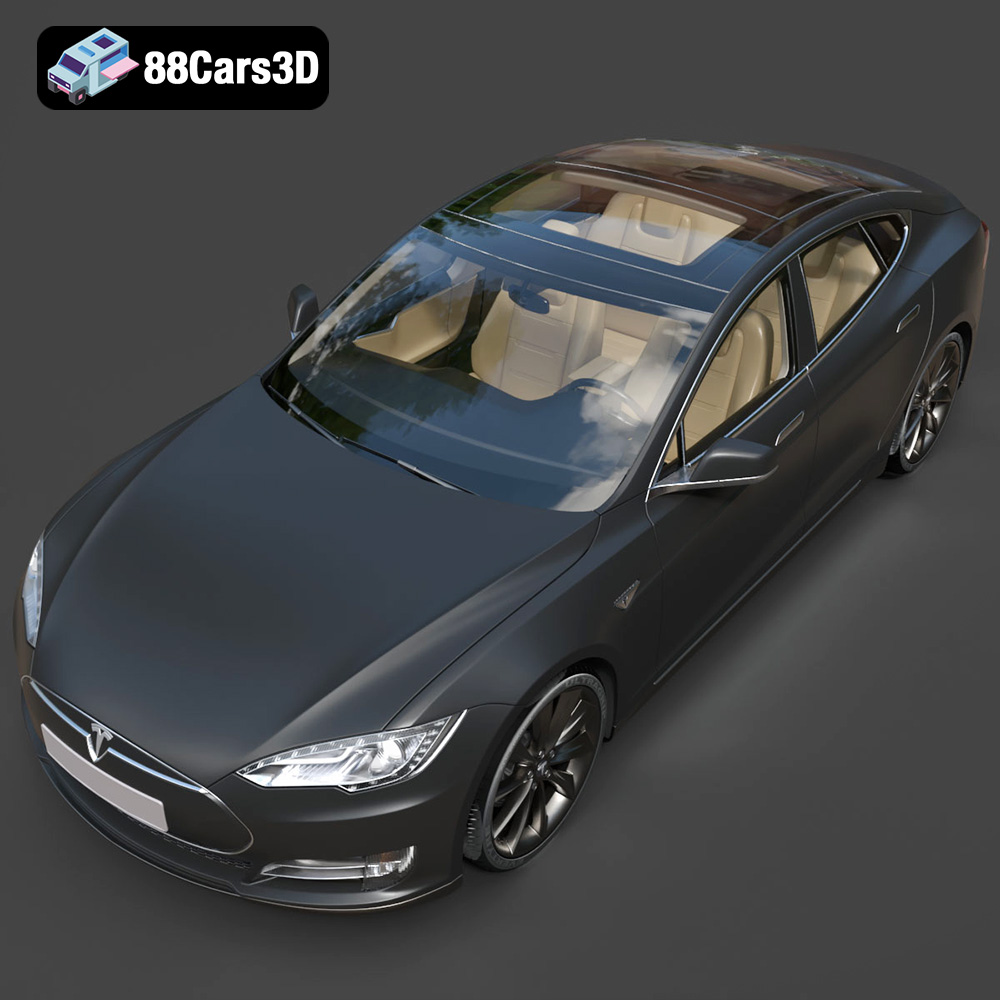
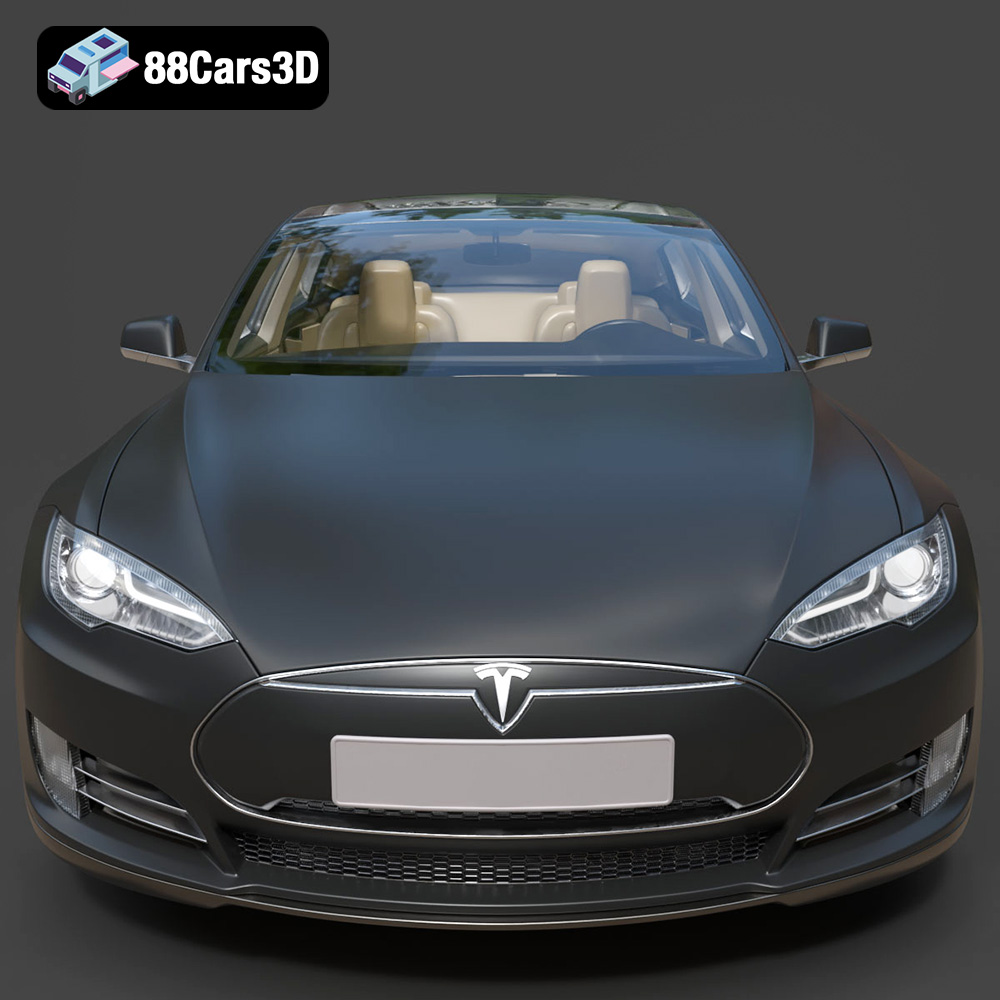
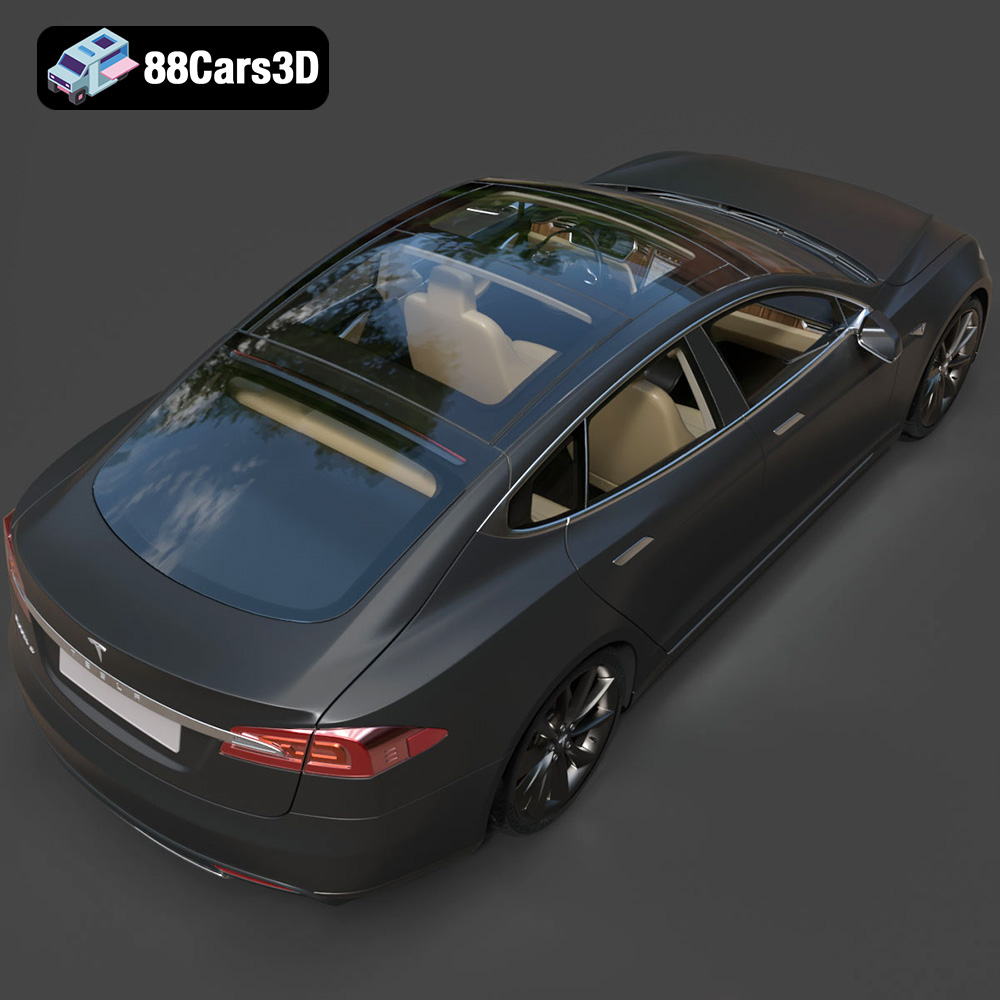
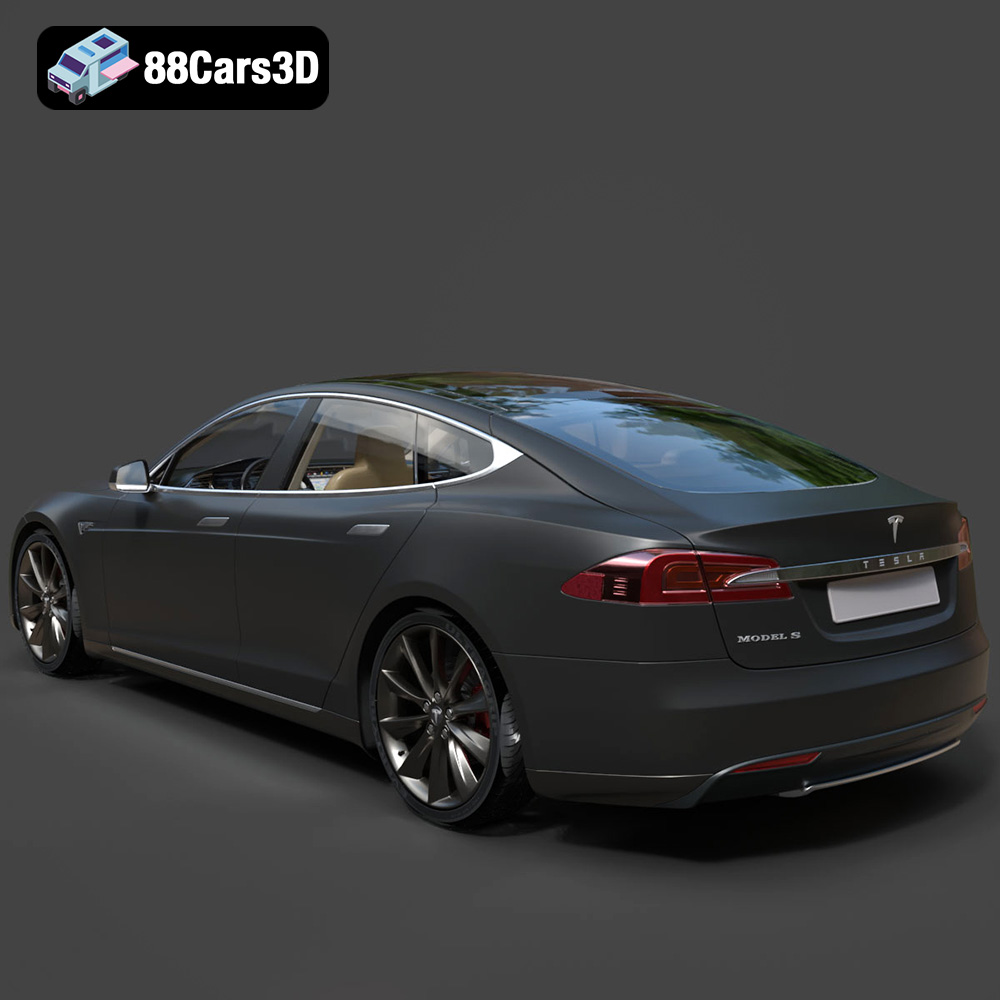
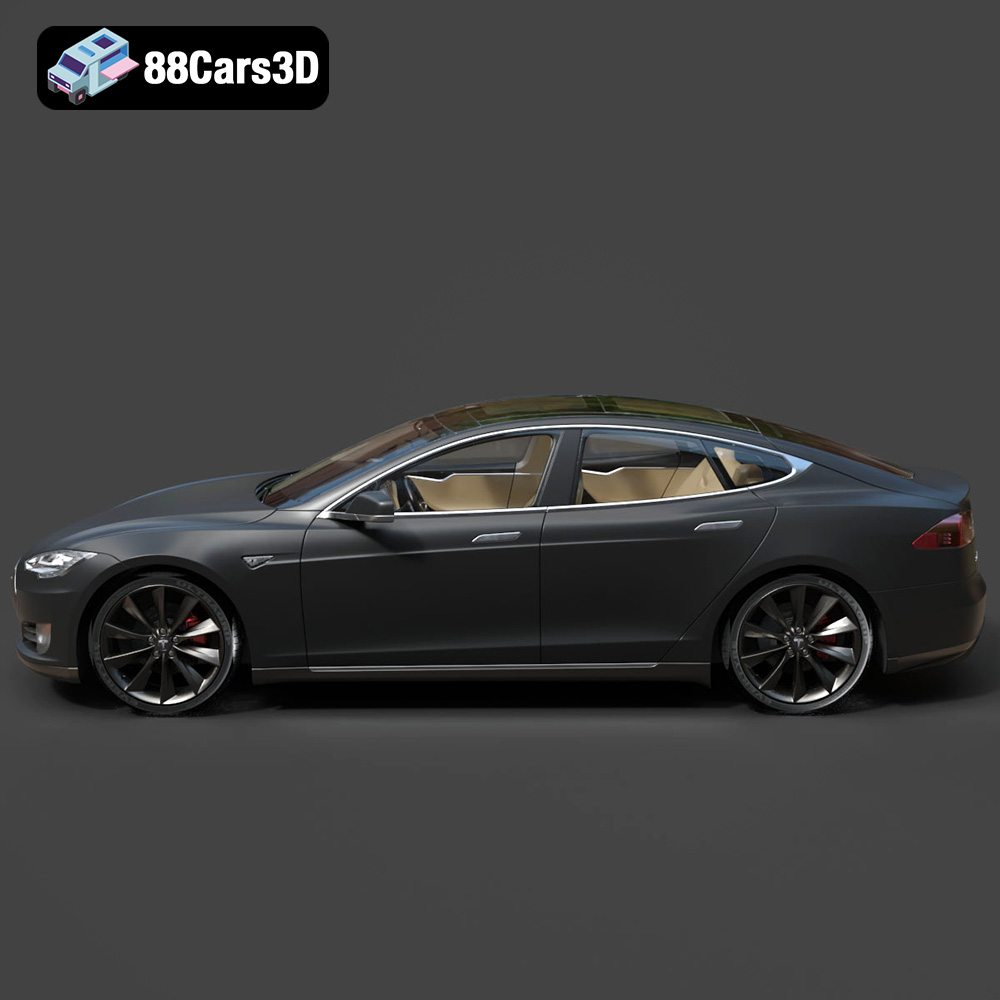
The exterior of the Tesla S-08 has been recreated with exceptional accuracy, reflecting the sleek, aerodynamic philosophy central to modern EV design. The model boasts an accurate frame geometry and aerodynamic proportions, crucial for realistic automotive rendering. Key features like the signature seamless front fascia, flush door handles, and the elegant sweeping roofline are meticulously replicated. Even the absence of a traditional combustion engine is cleverly represented by a clean undercarriage and enclosed grille design, offering authenticity down to the smallest detail. High-resolution LED headlights and signature taillight assemblies illuminate scenes with photorealistic flair, while premium aero-optimized alloy wheels and high-performance tires complete the exterior’s sophisticated aesthetic. This attention to detail extends to functional elements such as a realistic independent suspension setup, with separate wheels, suspension, and steering components, making it ideal for sophisticated animations and interactive experiences.
Stepping inside the virtual cabin, the Tesla S-08 model continues to impress with its detailed interior features. The cockpit, a hallmark of modern EV minimalism, includes premium sculpted leather-style bucket seats, a distinctive minimalist steering wheel/yoke design, and the massive central touchscreen display and digital instrument cluster that defines the Tesla experience. Accurate pedal assembly and intuitive interior controls further enhance realism. Importantly, the interior geometry is optimized for first-person POV in gaming, ensuring a smooth and immersive experience for players. This balance of detail and optimization is critical for creating compelling interactive environments without sacrificing performance.
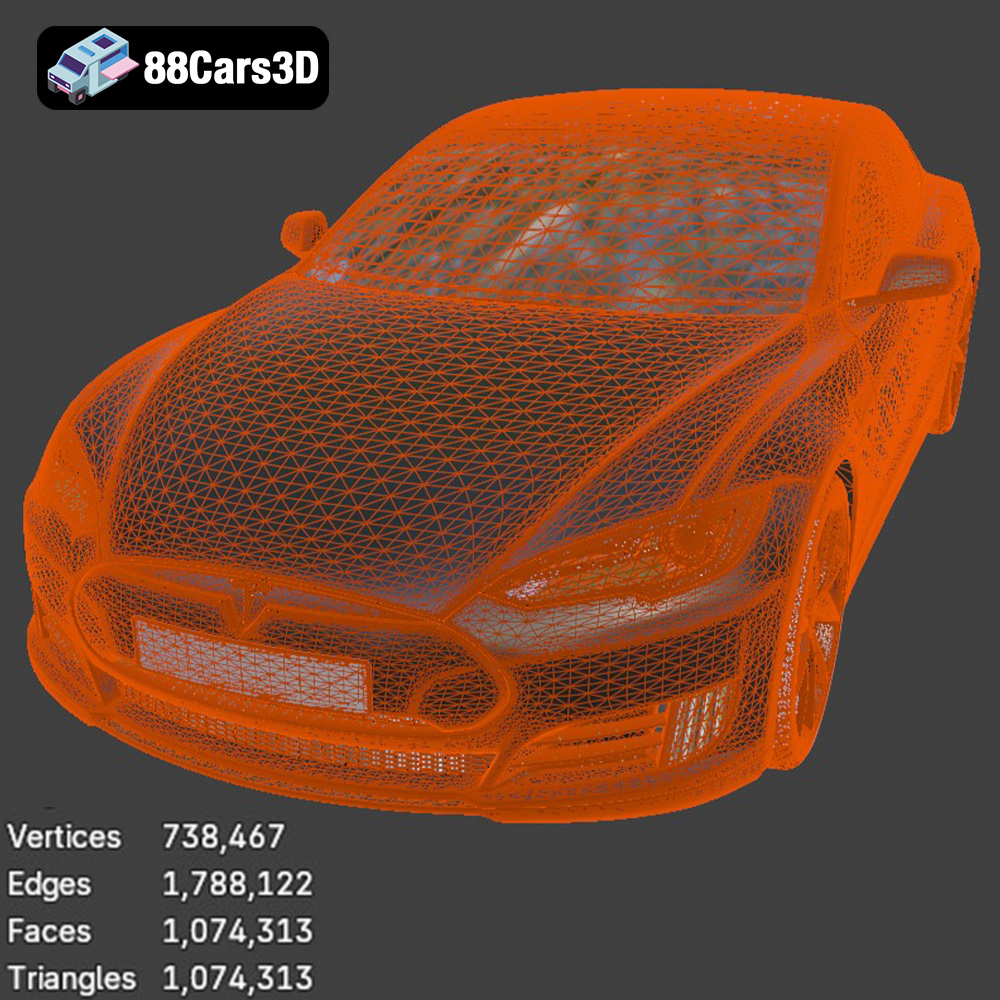
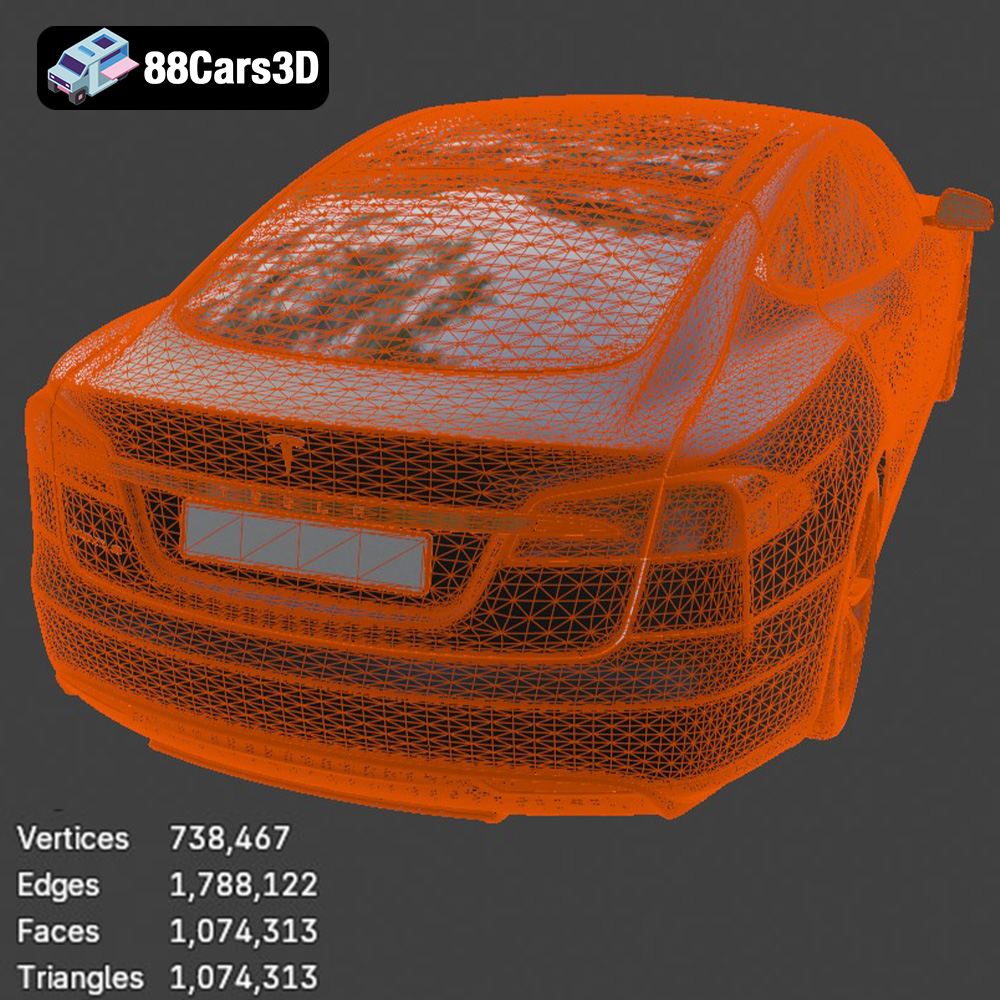
The technical specifications of the Tesla S-08 model underscore its professional-grade quality. With 1,074,313 triangles, it achieves a perfect balance for real-time engines like Unreal and Unity, maintaining high-end visual realism without overburdening system resources. This optimized polycount makes it an excellent game asset for open-world games, racing titles, and simulators. Crucially, the model adheres to real-world scale accuracy, based on actual vehicle chassis dimensions, ensuring proper integration into existing environments and scenes. A proper pivot setup for steering, wheel rotation, and suspension travel is also a key advantage, simplifying the animation process and allowing for dynamic, interactive elements straight out of the box. Compatibility with major 3D software platforms and real-time rendering engines further cements its versatility.
In the realm of digital content creation, the technical quality of a 3D car model is often judged by its ability to perform across various demanding applications. The Tesla S-08 3D model is engineered to excel, striking a critical balance between visual fidelity and performance efficiency, making it highly valuable for industries ranging from entertainment to advanced visualization.
For game developers, an optimized game asset is non-negotiable. The Tesla S-08’s triangle count of 1,074,313 is a sweet spot, providing enough detail for compelling visuals in modern game engines while remaining manageable for real-time rendering. This makes it ideal for leading platforms like Unreal Engine and Unity. When integrating into these engines, developers typically leverage the .fbx or .unreal formats. The process involves importing the model, setting up materials using PBR (Physically Based Rendering) workflows, applying textures (Albedo, Normal, Metallic, Roughness, Ambient Occlusion maps), and configuring collision meshes. The model’s pre-defined pivots for wheels and suspension significantly streamline the rigging process, enabling realistic vehicle physics and animations with minimal effort. This level of optimization allows the Tesla S-08 to be a primary vehicle in a racing simulator or an ambient asset in a sprawling open-world environment.
Augmented Reality (AR) and Virtual Reality (VR) demand exceptional performance due to their real-time, interactive nature. The Tesla S-08 3D Model, particularly in its .glb format, is tailor-made for these applications. For immersive virtual showrooms or configurators, the model’s high fidelity combined with its optimized geometry ensures a smooth framerate and a visually rich experience. In AR, users can place the Tesla S-08 into their real-world environment via a smartphone or headset, interacting with it as if it were physically present. The clean topology and efficient material setup facilitate rapid loading and rendering on mobile devices, which often have more constrained computational power. This opens up possibilities for interactive product showcases, virtual test drives, and educational tools that leverage the power of spatial computing.
When it comes to crafting photorealistic stills or cinematic animations, the Tesla S-08 model provides an exceptional foundation for automotive rendering. Using software like 3ds Max or Blender, artists can leverage its detailed geometry and PBR-ready materials to achieve stunning visual results. The workflow typically involves importing the .max or .blend file, setting up studio lighting or environment HDRIs (High Dynamic Range Images), adjusting camera angles for dramatic effect, and fine-tuning material properties for realistic reflections and refractions. Customization options, such as changing body colors to authentic factory hues, modifying tire textures, or adjusting material finishes (matte, gloss, metallic), allow for endless creative possibilities. This makes the model perfect for brand campaigns, lifestyle scenes, and architectural visualizations where a premium vehicle presence is desired.
The utility of a high-quality 3D car model extends beyond purely digital realms. With advancements in additive manufacturing, digital assets can now seamlessly transition into tangible objects, opening up new avenues for prototyping, display, and even artistic expression. The Tesla S-08 3D model embraces this versatility, offering a direct path to physical manifestation through 3D printing.
The inclusion of the .stl format for the Tesla S-08 is a significant advantage for hobbyists and professionals looking to create physical scale models. The process of converting a detailed render-ready model into a printable format requires specific considerations. While the .stl file provided is optimized, understanding the recommended print settings is crucial for success. For fine details, resin printing (SLA/DLP) is highly recommended over FDM, allowing for layer heights as fine as 0.04–0.12 mm. Optimal wall thickness (1.2–2.0 mm) and infill (20–30%) ensure structural integrity without excessive material usage. Supports are almost always required for complex automotive geometries, particularly for mirrors, spoilers, and intricate undercarriage details. Printing the frame angled and wheels separately is a common practice to minimize support material and maximize detail capture. This detailed guidance ensures that the digital precision of the Tesla S-08 translates accurately into a physical object.
Once printed, the journey of a 3D model to a finished physical piece is not complete. Post-processing is key to achieving a professional look. This typically involves sanding to remove layer lines or support marks, followed by priming to create a uniform surface for paint. For a model like the Tesla S-08, applying authentic factory colors with metallic finishes can elevate its realism significantly. Beyond paint, enthusiasts can further customize their physical models by adding clear coats for a glossy finish, weathering effects for a battle-hardened look, or even incorporating miniature interior details if the scale allows. The ability to iterate and experiment with different finishes on a physical print, directly derived from the digital asset, bridges the gap between digital design and tangible creation.
For professional artists and studios, the efficiency of integration is as crucial as the quality of the asset itself. The Tesla S-08 3D model is designed for seamless adoption into industry-standard 3D software, providing a flexible foundation for diverse creative and technical workflows across 3ds Max, Blender, and Unreal Engine.
Autodesk 3ds Max users can leverage the native .max file provided, offering complete scene control and editability. Upon opening, artists can immediately access the meticulously organized mesh, material setups, and pivot points. For high-fidelity automotive rendering, the workflow often involves:
The detailed interior and exterior geometry make the Tesla S-08 an ideal candidate for close-up shots and intricate animation sequences within 3ds Max.
Blender users benefit from the dedicated .blend file, which opens a fully functional scene within the software. Blender’s comprehensive toolset allows for immense creative freedom:
The open-source nature of Blender combined with a high-quality asset like the Tesla S-08 fosters an environment of innovation and collaborative development for various 3D car models projects.
For game developers and real-time visualization specialists, the .fbx or .unreal formats are paramount for integration into Unreal Engine.
The game-ready nature of the Tesla S-08 3D model significantly reduces development time and allows creators to focus on gameplay and immersive experiences, making it an indispensable game asset.
The journey of a 3D car model doesn’t end with its initial creation or integration into a scene. Its true potential is often unlocked through customization and its capacity to solve real-world challenges. The Tesla S-08 3D model, with its robust design and flexible structure, exemplifies this forward-thinking approach.
A key advantage of a well-structured 3D model is its adaptability. The Tesla S-08 provides extensive customization options, allowing artists and developers to tailor its appearance to specific project needs. Changing body colors to any factory hue or bespoke custom finish is straightforward, enhancing branding efforts or narrative consistency. Modifying tire textures from sleek street variants to rugged off-road types can completely alter the vehicle’s character and intended use. Adjusting material finishes—matte, gloss, or metallic—allows for subtle yet impactful changes in realism and aesthetic. Furthermore, adapting lighting for different environments, from a sun-drenched beach to a moody cityscape, drastically changes the car’s perceived context. This level of flexibility ensures that the Tesla S-08 can fit into virtually any scene or scenario, consistently delivering high-quality visuals for automotive rendering and diverse virtual environments.
The impact of high-quality 3D car models extends far beyond entertainment. In the automotive industry, these digital twins are critical for design iteration, aerodynamic testing, marketing materials, and virtual configurators that allow potential buyers to customize their vehicles before production. For architecture, models like the Tesla S-08 populate modern street environments in visualizations, adding realism and context to new developments. In training and simulation, highly accurate vehicle models provide realistic scenarios for driver training, emergency response simulations, and autonomous vehicle development. The ability to export the Tesla S-08 to .stl further closes the loop, enabling physical prototypes or collector’s items. Whether it’s a critical component of a blockbuster video game or a key visual in an urban planning proposal, the Tesla S-08 3D model offers unparalleled versatility and contributes significantly to advancing digital design and visualization practices.
The world of 3D content creation thrives on quality, versatility, and technical precision. As we’ve explored, a meticulously crafted 3D car model like the Tesla S-08 is not just a digital asset; it’s a foundation for innovation across multiple industries. From its detailed exterior and interior design to its optimized polycount and comprehensive file format support, it’s engineered to meet the rigorous demands of professional workflows in game development, AR/VR, automotive rendering, and even 3D printing.
Understanding the nuances of file formats, the specific demands of various software pipelines, and the potential for deep customization empowers creators to extract maximum value from their digital investments. The Tesla S-08 3D Model exemplifies what a premium asset can offer: a blend of aesthetic fidelity and technical robustness that significantly accelerates project timelines and elevates visual outcomes. For those seeking top-tier 3D car models to power their next project, whether it’s for a high-performance game, a compelling visualization, or an immersive AR experience, 88cars3d.com provides a curated selection of assets that meet the highest professional standards. Investing in quality assets is investing in the future of digital creation.
Experience the cutting-edge design of the Tesla S-08, a true pioneer in the electric vehicle revolution. This high-fidelity 3D model captures the sleek, aerodynamic curves and futuristic styling that define modern luxury EVs. From its signature seamless front fascia to the flush door handles and elegant sweeping roofline, every visual element has been meticulously recreated. The absence of a traditional combustion engine is visually represented by its clean undercarriage and enclosed grille design. Boasting a detailed topology of 1,074,313 triangles, this model offers premium visual fidelity suitable for close-up renders while maintaining an organized mesh structure. It provides an exceptional foundation for advanced visualization, high-end game development, and immersive interactive applications. Perfect for architectural visualizations, modern street environments, high-end racing simulators, and premium AR/VR showrooms.
$37.50
.blend
.ev
.fbx
.glb
.max
.obj
.ply
.rendering
.sedan
.stl
.tesla
.unreal
car-3d-model
electric-car
game asset
game-ready
luxury car
optimized
s-08
VR/AR