Get 20% OFF All Premium 3D & STL Models!

In the rapidly evolving landscape of digital content creation, the demand for high-quality, meticulously crafted 3D assets has never been greater. From blockbuster video games and immersive virtual reality experiences to photorealistic marketing campaigns and intricate architectural visualizations, 3D car models stand as pivotal components, offering both aesthetic appeal and crucial functionality. The automotive world, with its blend of engineering precision and iconic design, translates exceptionally well into the digital realm, providing artists and developers with an endless source of inspiration and complex design challenges.
Crafting a compelling 3D vehicle goes far beyond simply replicating its physical form. It involves a deep understanding of topology, material science, lighting, and performance optimization. A truly exceptional 3D car model is a harmonious blend of artistic interpretation and technical accuracy, capable of performing flawlessly across diverse digital platforms. It must capture not just the lines and curves, but the very essence and character of the real-world machine.
For professionals in game development, automotive rendering, and visualization, time is a critical asset. Building complex models from scratch is a labor-intensive process, often requiring hundreds of hours. This is where pre-made, high-quality 3D car models become indispensable. They offer a significant advantage, providing a solid foundation that saves valuable development time and resources, allowing creators to focus on scene composition, animation, and unique storytelling. The market for premium 3D assets, like those found at 88cars3d.com, addresses this exact need, offering ready-to-use models that meet stringent industry standards.
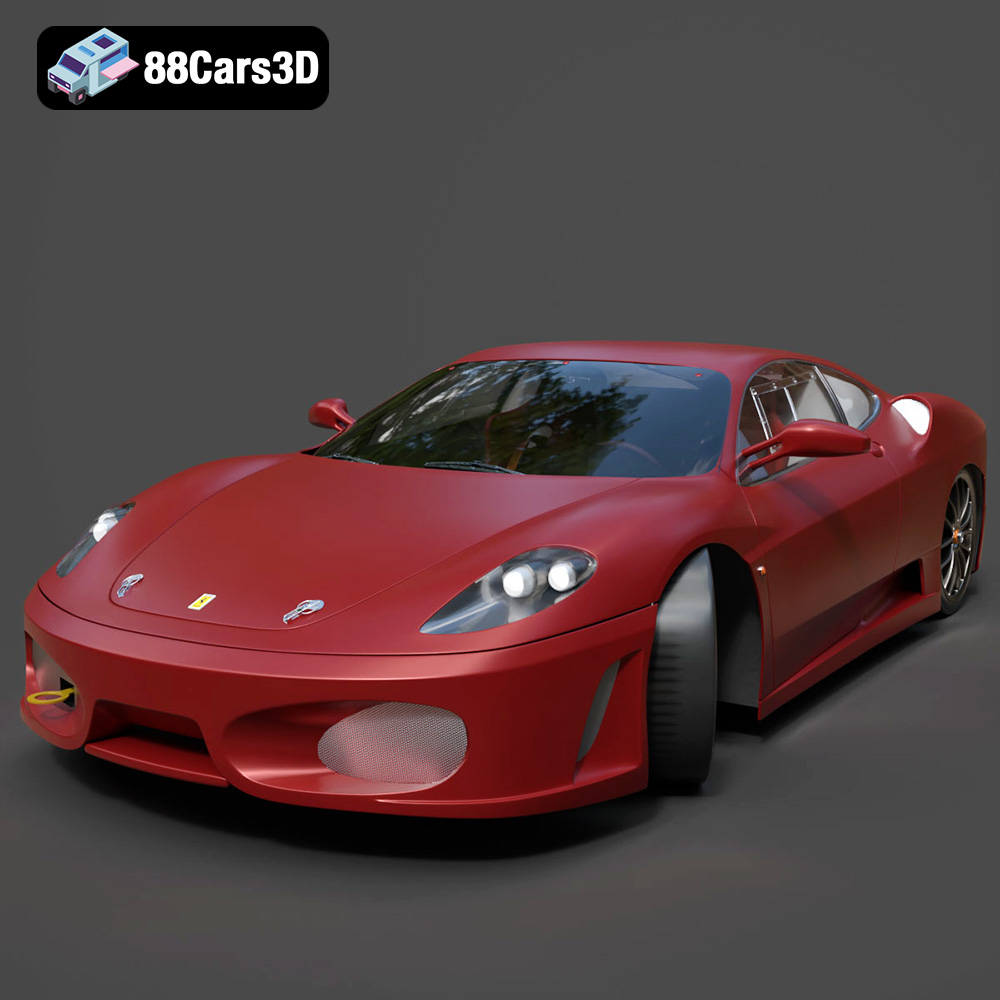
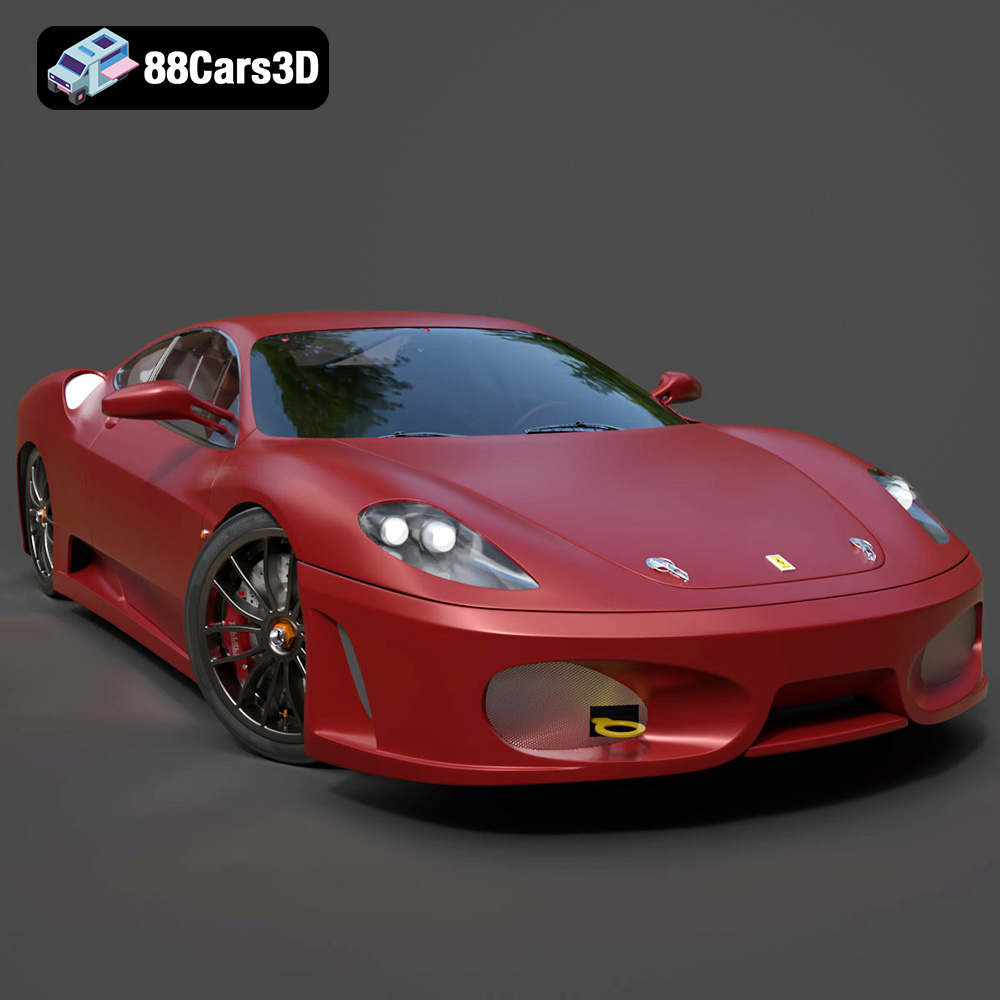
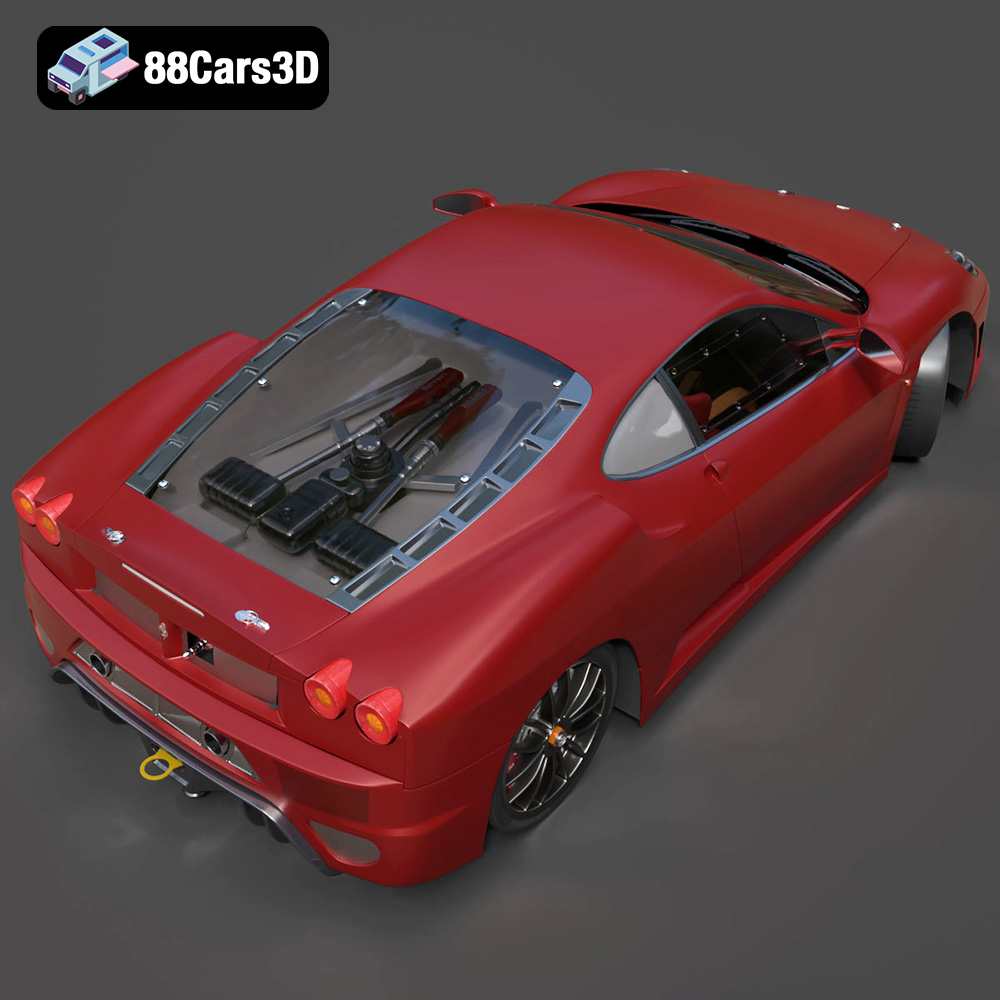
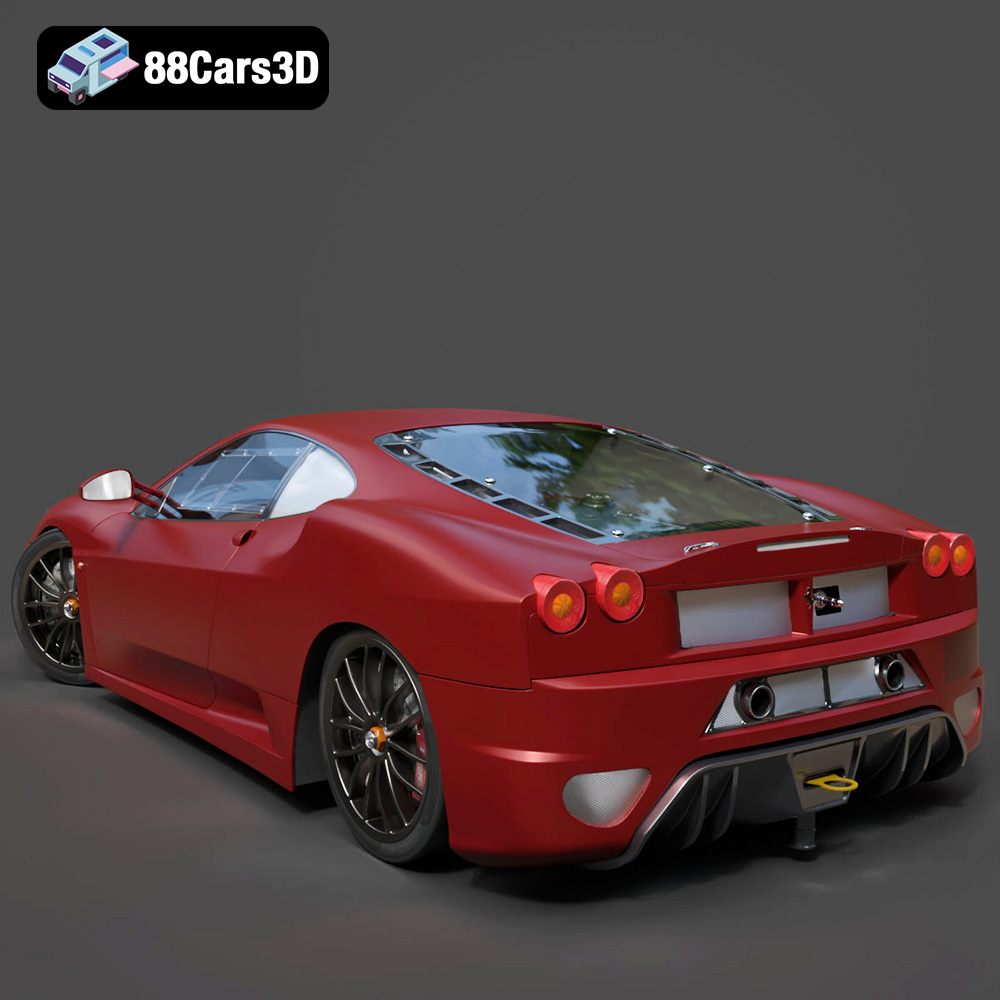
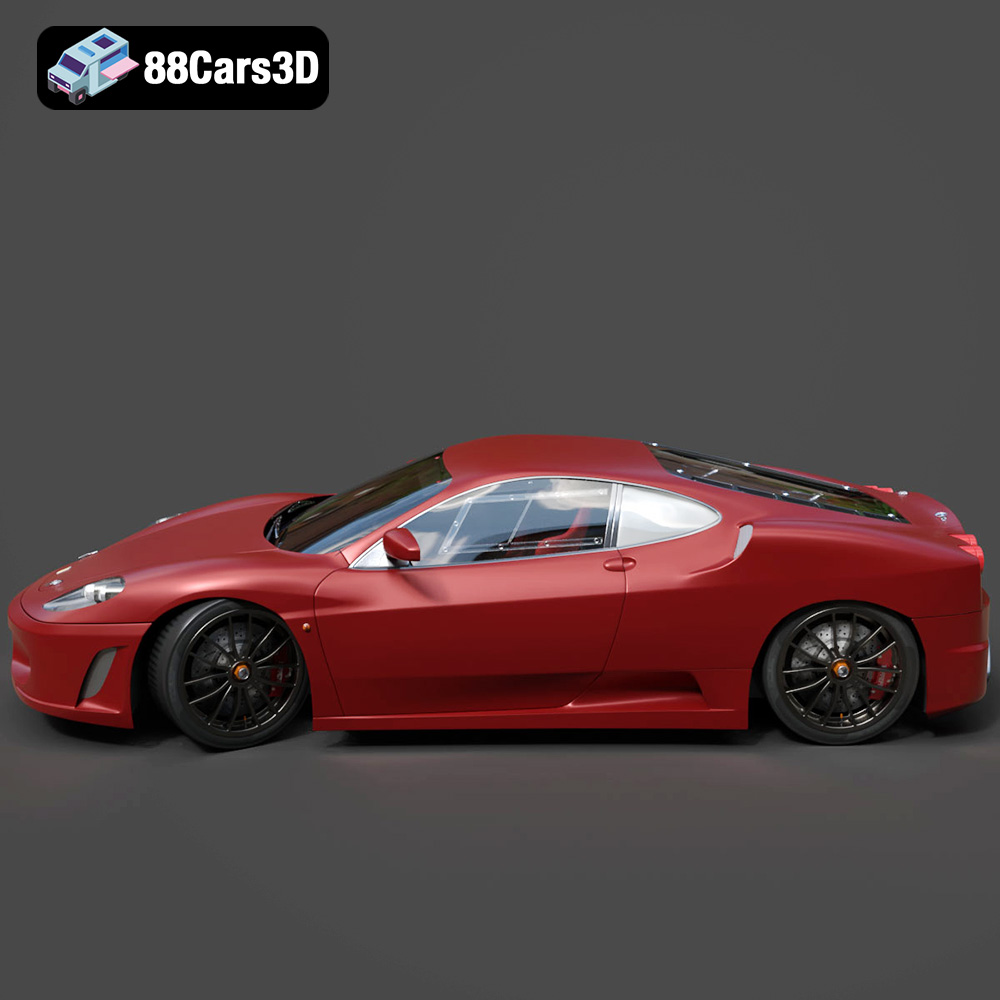
Consider the Ferrari 450 2013 3D Model. This particular asset exemplifies the pinnacle of digital automotive craftsmanship. It captures the breathtaking aerodynamic design, aggressive styling, and unmistakable mid-engine supercar silhouette of its real-world counterpart. With its optimized topology and meticulous detailing, it serves as a powerful tool for a wide range of digital applications, from high-speed racing simulations to luxury virtual showrooms and immersive AR experiences.
The versatility of a 3D model is often defined by the file formats it supports. Each format is designed with specific use cases, software compatibility, and optimization levels in mind. Understanding these nuances is crucial for any professional working with 3D assets, as selecting the correct format can significantly impact workflow efficiency, project performance, and the final output quality. The Ferrari 450 2013 3D Model, for instance, comes with a comprehensive suite of formats, ensuring maximum flexibility across various pipelines.
The Ferrari 450 2013 3D Model isn’t just a generic car asset; it’s a carefully engineered digital replica designed to meet the rigorous demands of professional production pipelines. Its meticulous construction ensures both visual fidelity and optimal performance, making it a standout asset for anyone seeking high-quality 3D car models.
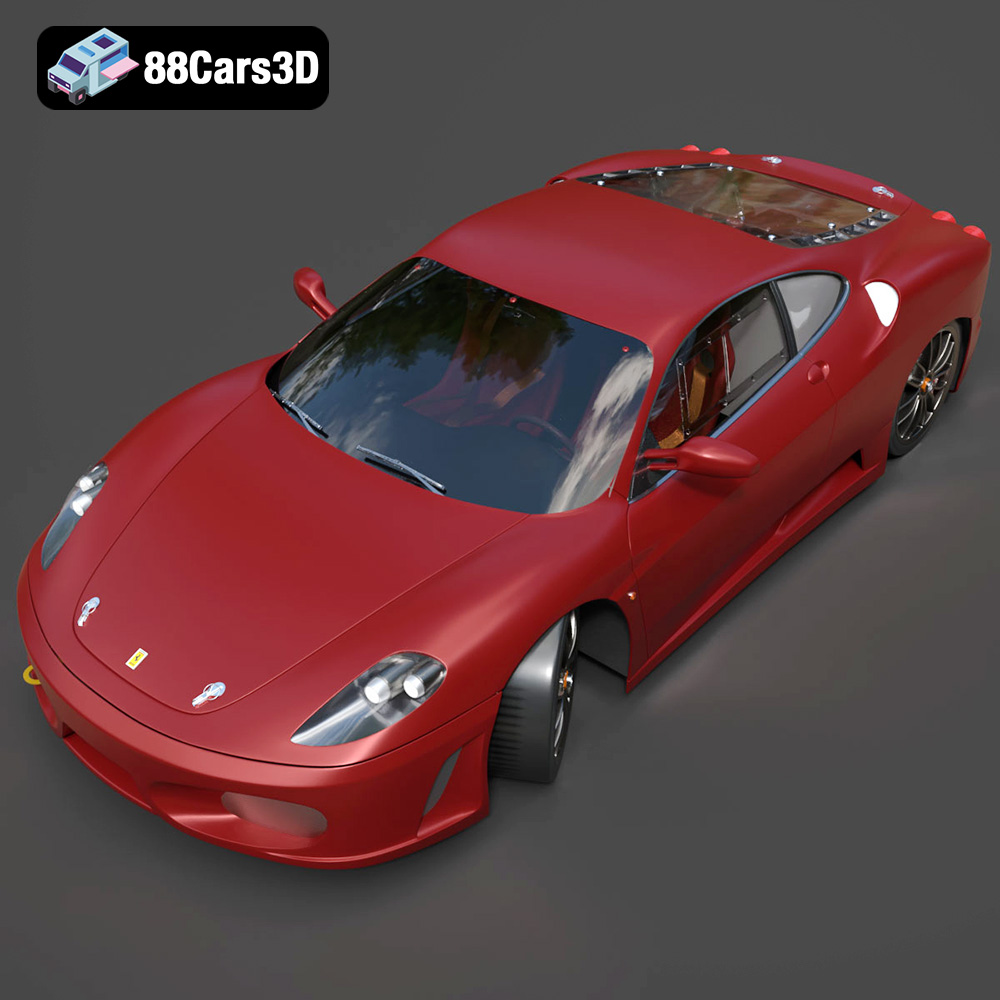
The model boasts accurate frame geometry and proportions, capturing the iconic curves and aggressive stance of the 2013 Ferrari 450. Details extend to a visible engine block through the rear cover, a precision-modeled dual-exit exhaust system, signature LED headlights, and classic circular taillights. The authentic alloy wheels and high-performance tire details contribute significantly to its realism. Crucially, components like wheels, suspension, and steering are separated, allowing for independent animation. This modularity is paramount for creating dynamic scenes in automotive rendering, realistic car physics in game development, or interactive experiences in AR/VR where users might inspect suspension travel or steering angle.
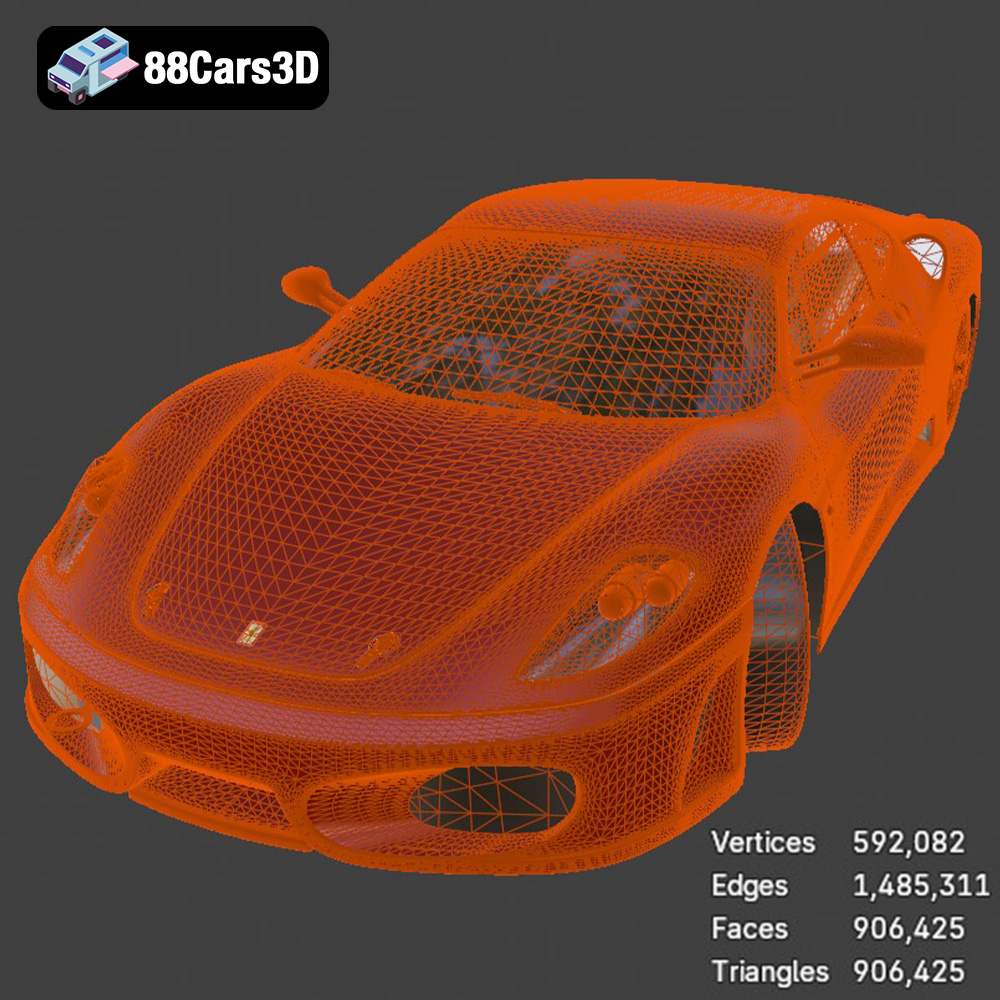
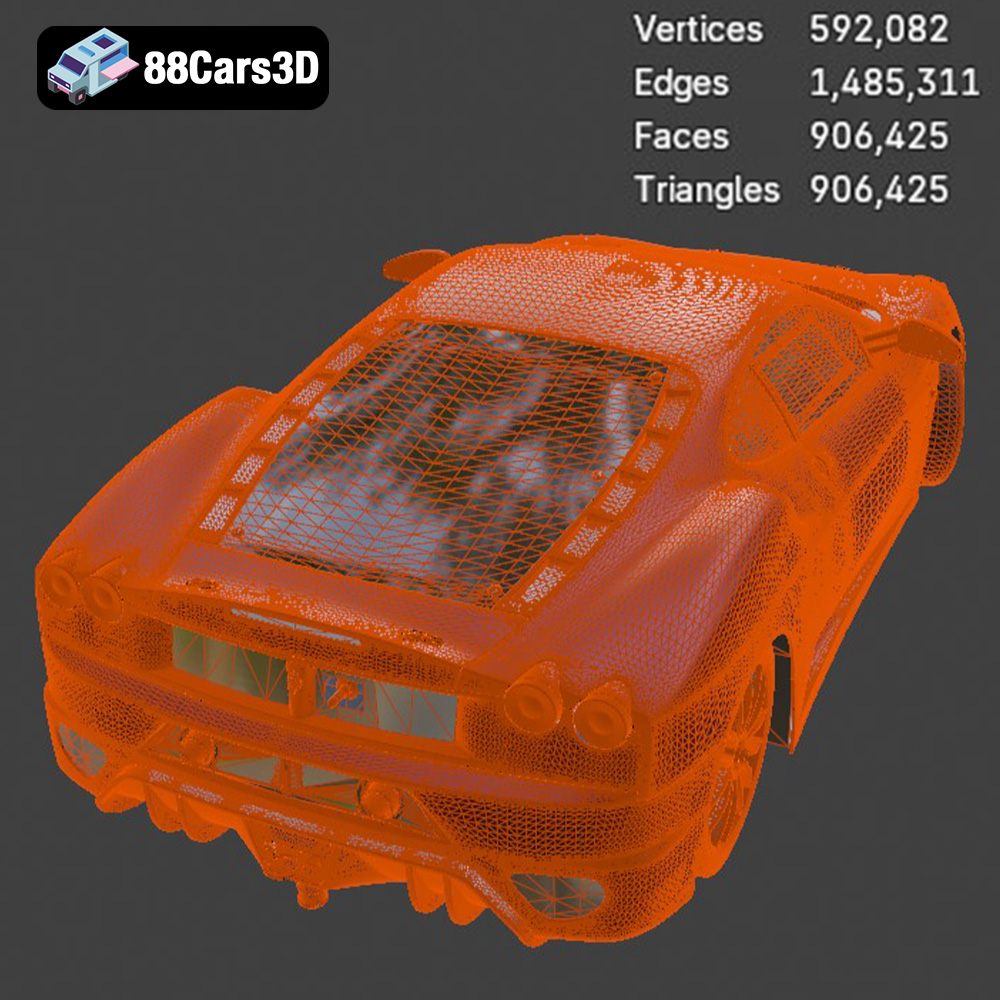
Beyond the stunning exterior, the cockpit offers an immersive experience. Premium sport bucket seats, an F1-inspired steering wheel with paddle shifters, a detailed digital instrument cluster, and precise control details (pedals, levers, drive-mode selector) are all faithfully recreated. This attention to interior detail is vital for first-person POV in gaming or for virtual showrooms where users can “sit” inside the car. Despite this level of detail, the model maintains an optimized topology with 906,425 triangles. This polygon count strikes a near-perfect balance, offering high-end visual realism without overburdening real-time engines like Unreal or Unity, making it a truly game-ready asset.
The technical specifications of the Ferrari 450 3D model are geared towards professional integration. It’s built to real-world scale accuracy, ensuring consistency across various projects and environments. Proper pivot setups for steering, wheel rotation, and suspension travel are pre-configured, significantly reducing setup time for animators and technical artists. This level of preparation means less time spent on foundational setup and more time dedicated to creative implementation, enhancing productivity across diverse applications from cinematic rendering to interactive simulations.
For game developers, acquiring high-quality game assets is a strategic decision that impacts both production timelines and the final user experience. The Ferrari 450 2013 3D Model, with its “game-ready” designation, is a prime example of an asset built to excel in this demanding environment.
Integrating a complex automotive model like the Ferrari 450 into a game engine such as Unreal Engine or Unity involves several key steps. The model’s optimized triangle count of 906,425 is crucial here. While detailed, it avoids being excessively high, which could cause performance bottlenecks. Further optimizations often include generating Level of Detail (LOD) meshes for seamless performance scaling across varying distances, creating custom collision meshes for accurate physics interactions, and ensuring efficient UV mapping for texture atlases. The included .unreal format for this model demonstrates its readiness, often signifying pre-configured materials and possibly even basic blueprints for vehicle physics, allowing developers to drop it into a scene and begin testing almost immediately.
A static car model has limited use in a dynamic game. The Ferrari 450 model’s separate wheels, suspension, and steering components are a significant advantage. This modularity allows for precise rigging, enabling realistic wheel rotations, independent suspension travel over uneven terrain, and accurate steering feedback. In racing games or open-world titles, this level of control is essential for creating immersive driving mechanics and visually convincing physics. Developers can use these separate elements to build intricate vehicle rigs, connecting them to physics engines and input systems for a truly interactive experience.
Modern game engines rely heavily on Physically Based Rendering (PBR) materials to achieve photorealistic visuals. The Ferrari 450 model is designed to leverage these systems. Its geometry supports complex material setups, allowing for realistic paint reflections, tire rubber textures, metallic glints on alloy wheels, and the subtle sheen of interior leather. Customization options, such as changing body colors, modifying tire textures, or adjusting material finishes (matte, gloss, metallic), are critical for in-game customization systems or for adapting the car to different environments or player preferences, enhancing replayability and player engagement.
While games provide interactive experiences, automotive rendering and visualization focus on creating stunning, photorealistic still images and animations for marketing, design reviews, and virtual showrooms. Here, the premium quality of 3D car models shines brightest.
For high-end automotive rendering, software like 3ds Max and Blender are industry staples. The Ferrari 450 2013 3D Model’s inclusion of .max and .blend formats provides a direct entry point for artists using these powerful tools. In 3ds Max, artists can leverage advanced rendering engines like V-Ray or Corona to achieve unparalleled realism. Similarly, Blender’s Cycles and Eevee renderers can produce breathtaking visuals. The model’s detailed geometry and material-ready setup allow artists to focus on complex lighting scenarios, environmental reflections, and intricate camera work to highlight every sculpted curve and precision component of the supercar.
Achieving photorealism is largely dependent on accurate materials and sophisticated lighting. With the Ferrari 450 model, artists can apply high-resolution PBR textures and complex shaders to simulate paint flakes, carbon fiber weave, brushed aluminum, and fine leather. Advanced lighting setups, including HDRI environment maps, area lights, and volumetric effects, are used to mimic studio lighting, golden hour sunlight, or dramatic night scenes. The model’s accurate reflections and intricate details truly come alive under these conditions, making it an ideal asset for high-impact visual campaigns.
Automotive manufacturers and luxury brands increasingly utilize 3D models for virtual showrooms, online configurators, and immersive advertising. A model like the Ferrari 450 can be placed in a bespoke virtual environment, allowing potential buyers to interact with the vehicle, change colors, open doors, and view the interior from any angle. For brand campaigns, high-resolution renders can be used for print advertisements, billboards, and cinematic video spots, showcasing the vehicle’s design and performance attributes long before physical prototypes are available, or for historical models that are no longer in production. The quality of the 3D car models from 88cars3d.com ensures that these visualizations maintain brand integrity and visual excellence.
The utility of high-quality 3D car models extends beyond traditional screens, moving into interactive and tangible experiences through Augmented Reality (AR), Virtual Reality (VR), and 3D printing.
AR/VR platforms demand highly optimized models that can be rendered in real-time on various devices. The Ferrari 450 2013 3D Model, particularly in its .glb format, is perfectly suited for these applications. For AR, users can project the Ferrari into their real-world environment via a smartphone or tablet, viewing it in their driveway or living room. In VR, it can form the centerpiece of an immersive virtual showroom or a driving simulation, allowing users to virtually “sit” inside the car and explore its features with a sense of presence. The model’s optimized geometry and separate, animatable components are crucial for maintaining smooth framerates and delivering a convincing, interactive experience.
For hobbyists, collectors, or designers seeking a tangible representation of their digital assets, 3D printing offers an exciting avenue. The Ferrari 450 model includes an .stl format, making it directly compatible with 3D printers. While the original model is high-detail, preparing it for 3D printing often involves specific considerations. The product description provides excellent guidance: recommending scales (1:12 / 1:18 / 1:24), layer heights (0.04–0.12 mm, with resin printing preferred for fine details), wall thickness, infill percentages, and strategic support structures for complex parts like exhaust, mirrors, and aero elements. Post-processing, including sanding, priming, and painting with authentic factory colors, can transform the printed model into a stunning physical replica.
The inherent flexibility of the Ferrari 450 3D model allows for extensive customization, regardless of the target platform. Whether it’s changing body/tank colors, modifying tire textures to simulate off-road versus street variants, adjusting material finishes for different lighting conditions, or adapting lighting for specific environments, the model provides a robust foundation. This adaptability ensures that the asset can be repurposed and tailored to a myriad of project requirements, maximizing its value and lifespan across various creative endeavors.
The demand for exceptional 3D car models continues to grow across industries, from game development and cinematic rendering to immersive AR/VR experiences and physical 3D prints. Assets like the Ferrari 450 2013 3D Model stand as prime examples of how meticulous craftsmanship, technical optimization, and broad file format support converge to create truly versatile and invaluable tools for digital artists and developers. Its carefully balanced polycount, detailed features, and animation-ready components ensure it’s not just a beautiful replica but a high-performance asset ready for any professional pipeline.
Understanding the nuances of various 3D file formats, from editable native files like .blend and .max to optimized interchange formats like .fbx and web-friendly .glb, empowers creators to seamlessly integrate models into their chosen workflows. Whether you are aiming for photorealistic renders in 3ds Max, dynamic gameplay in Unreal Engine, or a tangible model through 3D printing, a premium asset like the Ferrari 450 provides the foundation for success. For anyone seeking to elevate their digital projects with top-tier automotive assets, exploring the curated selection of 3D car models available at 88cars3d.com is a definitive step towards achieving unparalleled realism and efficiency.
Experience the thrill of Italian engineering with this stunning 3D model of the 2013 Ferrari 450. Known for its breathtaking aerodynamic design, aggressive styling, and unmistakable mid-engine supercar silhouette, this model captures the essence of high-performance racing heritage. Key visual elements include a sculpted body, precision-modeled exhaust system, and signature styling cues that define the modern supercar era.
Crafted with meticulous attention to detail, this 3D model features an optimized topology with a triangle count of 906,425, ensuring high-end visual fidelity without compromising performance. It is perfectly suited for a wide range of digital applications, offering seamless integration for game development, AR/VR, animation, and realistic visualization.
Perfect for high-speed racing simulations, luxury virtual showrooms, automotive rendering, and immersive AR experiences.
.blend, .fbx, .obj, .glb, .stl, .ply, .unreal, .max
Tags:
ferrari, ferrari-450, 2013, sports-car, supercar, game-ready, low-poly, optimized, car-3d-model, game-asset, rendering, vr-ar, blend, fbx, obj, glb, stl, ply, unreal, max
$58.99
.2013
.blend
.fbx
.ferrari
.glb
.max
.obj
.ply
.rendering
.sports car
.stl
.supercar
.unreal
car-3d-model
ferrari-450
game asset
game-ready
low-poly
optimized
VR/AR