Get 20% OFF All Premium 3D & STL Models!

In the dynamic world of digital content creation, where realism and efficiency are paramount, the demand for exceptionally detailed 3D car models continues to surge. From blockbuster video games to cutting-edge architectural visualizations and immersive AR/VR experiences, premium automotive assets are the backbone of many professional projects. These digital masterpieces allow designers, developers, and artists to integrate iconic vehicles seamlessly into their visions, saving countless hours of modeling while delivering unparalleled visual fidelity.
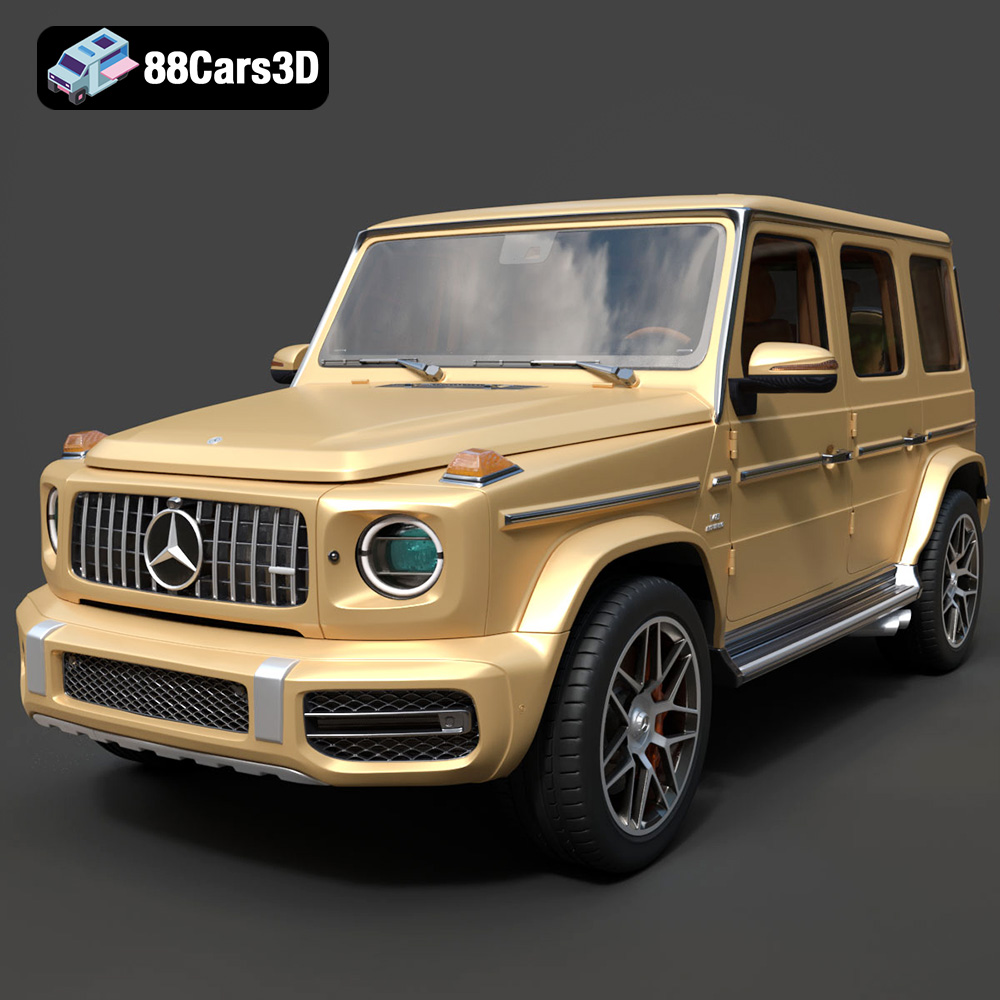
At the intersection of rugged luxury and sophisticated engineering stands the Mercedes-Benz G63 AMG, a vehicle that commands attention both on the road and in the digital realm. Its unmistakable silhouette, aggressive stance, and luxurious interior make it a prime candidate for high-end 3D replication. For professionals seeking an asset that embodies this level of detail and versatility, the Mercedes-Benz G63 AMG 3D Model offers an extraordinary solution. This model, available through platforms like 88cars3d.com, is not just a digital replica; it’s a meticulously crafted tool designed to elevate projects across an array of industries.
The choice of file format for a 3D model is as critical as the model’s detail itself, often dictating compatibility, ease of use, and the specific applications it can serve. For an asset as versatile as the Mercedes-Benz G63 AMG 3D model, understanding the nuances of each included format is key to maximizing its potential in your workflow.
The `.blend` format is native to Blender, the popular open-source 3D creation suite. When you download a `.blend` file, you’re not just getting the mesh; you’re receiving a complete Blender scene. This means all materials, textures, lighting setups, cameras, and even animation data (if present) are packaged within a single file. For artists deeply integrated into the Blender ecosystem, this format offers unparalleled flexibility. You can dive directly into the scene, modify topology, adjust materials, tweak lighting, or animate components of the Mercedes-Benz G63 AMG with full creative control. It’s the ideal starting point for anyone looking to heavily customize the model within Blender.
The Filmbox, or `.fbx`, format is an industry-standard proprietary file format developed by Autodesk for 3D content creation and exchange. Its strength lies in its ability to encapsulate a wide range of 3D data, including mesh geometry, skeletal animations, blend shapes, cameras, and lights. This makes `.fbx` the go-to format for transferring models between different 3D software applications and, crucially, for importing assets into real-time game engines like Unreal Engine and Unity. For the G63 AMG, an `.fbx` file ensures that the meticulously crafted geometry, pivot points for animation (like wheels and steering), and potentially pre-assigned material IDs transfer smoothly, ready for PBR material setup in your game engine of choice.
The Wavefront OBJ (`.obj`) format is one of the most widely supported and universal 3D file formats. It’s a simple, text-based format that primarily stores geometric data: vertices, normals, texture coordinates (UVs), and faces. While it doesn’t typically store advanced features like animations, rigging, or complex material definitions (these are usually external `.mtl` files), its simplicity ensures broad compatibility across almost every 3D software package. For static renders, architectural visualization, or as a fallback format, the `.obj` version of the G63 AMG is a reliable choice for ensuring your model can be opened and worked with in virtually any environment.
GL Transmission Format Binary (`.glb`) is a relatively newer format that’s rapidly gaining traction, especially in the web, Augmented Reality (AR), and Virtual Reality (VR) spaces. It’s the binary version of glTF, designed to be a compact, single-file format that includes geometry, materials (PBR ready), textures, and animations. Its efficiency makes it perfect for quick loading and display in web browsers via WebGL, or for integration into mobile AR/VR applications. The G63 AMG as a `.glb` asset means it’s primed for interactive virtual showrooms, mobile configurators, or captivating web-based product showcases, delivering stunning visuals with optimized file sizes.
Stereolithography (`.stl`) is the standard file format for 3D printing. Unlike other formats that describe surface appearance or animation, `.stl` files exclusively define the surface geometry of a 3D object using a collection of triangular facets. It contains no color, texture, or material information. When preparing the Mercedes-Benz G63 AMG for physical creation, converting it to an `.stl` file is the crucial step. This format ensures that your 3D printer can accurately interpret the model’s form and dimensions, enabling you to bring the digital luxury SUV into the physical world as a tangible model.
The Polygon File Format (`.ply`) is primarily used for storing 3D data from 3D scanners, CAD software, and other scientific applications. It can store a variety of properties including color, transparency, surface normals, and range data, alongside the basic geometry. While less common for general 3D asset distribution than FBX or OBJ, `.ply` is valued for its precision and comprehensive data storage, making it useful for engineering analysis, reverse engineering, or integrating the G63 AMG into workflows that require high-fidelity mesh data beyond simple visual representation.
While `.unreal` is not a standard standalone file extension like `.fbx` or `.obj`, its inclusion implies an asset that is specifically packaged or pre-configured for direct import and optimal performance within Unreal Engine. This typically means the model (likely an FBX internally) has been rigorously tested, optimized, and perhaps even includes pre-setup materials, collision meshes, or Level of Detail (LOD) assets tailored for Unreal’s rendering pipeline. An “Unreal-ready” G63 AMG asset significantly streamlines the integration process for game developers and real-time visualization artists, minimizing setup time and ensuring expected performance within the engine.
The `.max` format is the native file type for Autodesk 3ds Max, one of the leading 3D modeling, animation, and rendering software packages in the industry. Similar to `.blend` for Blender users, a `.max` file provides a complete 3ds Max scene. This includes all geometry, materials (often V-Ray or Corona materials for high-end rendering), lighting, cameras, rigging, and animation data. For professionals relying on 3ds Max for architectural visualization, product rendering, or cinematic sequences, the `.max` version of the G63 AMG offers the highest level of editability and integration into their established workflows.
Each of these formats serves a distinct purpose, empowering artists and developers to utilize the Mercedes-Benz G63 AMG 3D model in the most efficient and effective way for their specific project needs. The comprehensive inclusion of these file types underscores the model’s commitment to versatility and professional-grade application.
Creating a truly convincing 3D car model is an intricate blend of artistic skill and technical precision. It demands an understanding of real-world vehicle design, material science, and optimization techniques. The Mercedes-Benz G63 AMG 3D model stands as a testament to this craft, faithfully capturing the essence of the luxury SUV down to its minute details.
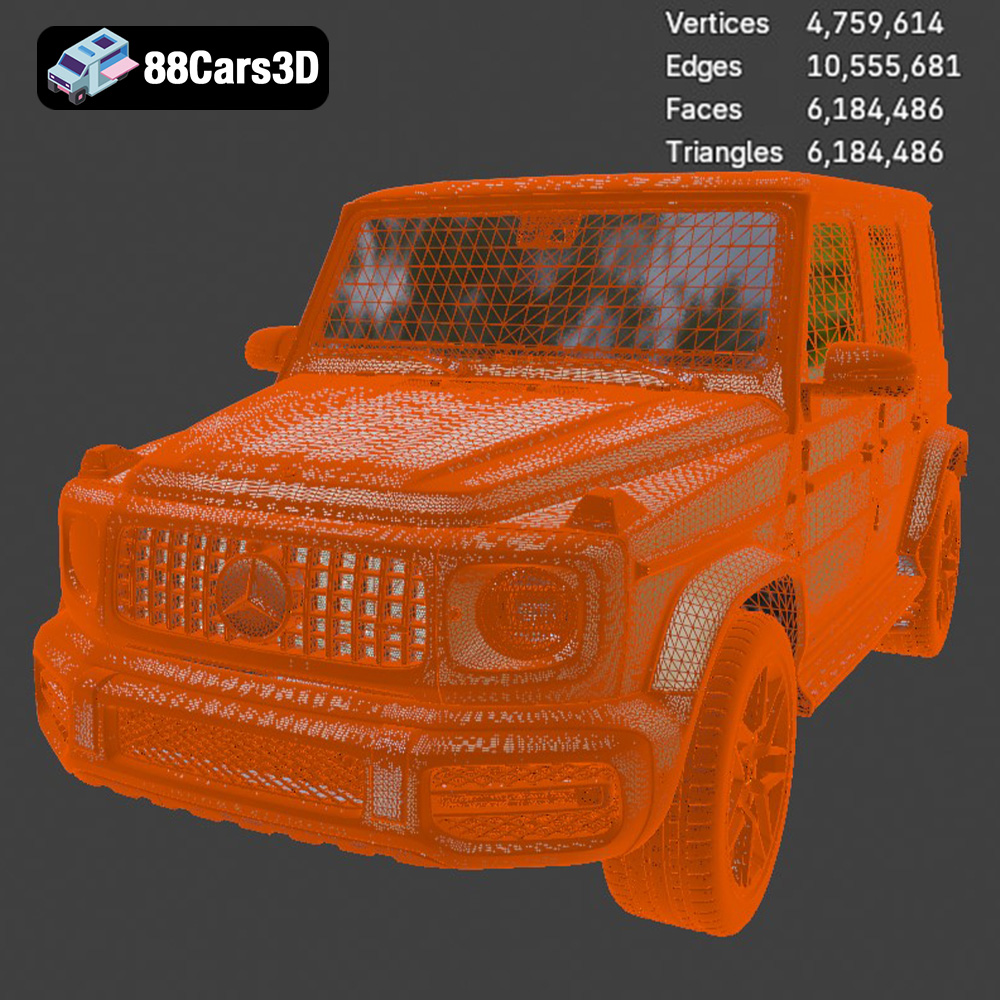
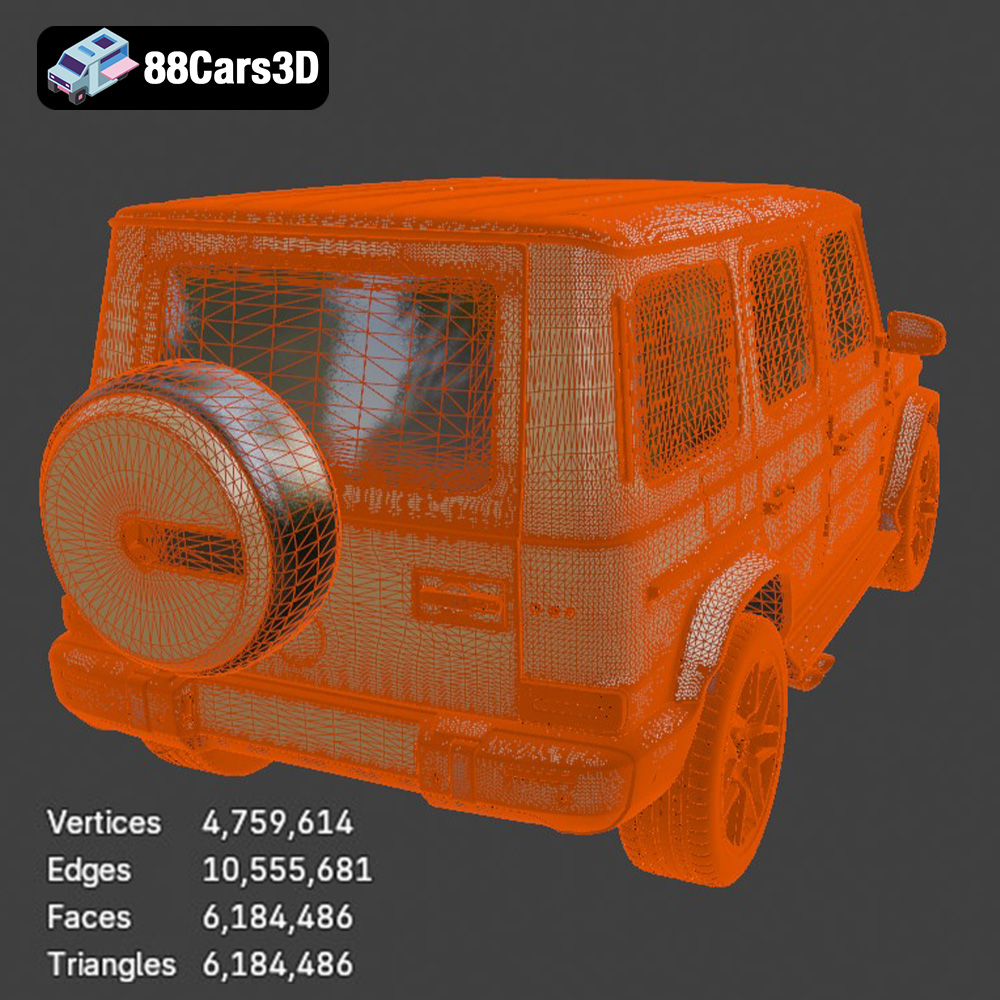
The foundation of any high-fidelity 3D model lies in its geometry and topology. With 6,184,486 triangles, the G63 AMG model achieves an unparalleled level of detail. This isn’t just about having a high poly count; it’s about intelligent distribution of those polygons. Complex curves, sharp edges, and intricate cut-ins require dense mesh to hold their form without aliasing, while flatter surfaces can be more optimized. The meticulous topology ensures that the model holds up under extreme close-ups, where every curve and panel gap needs to appear flawless. This balance between detail and expert structuring is crucial for professional automotive rendering and game assets, allowing for both visual richness and manageable performance. The real-world scale accuracy further solidifies its utility, ensuring it fits perfectly into existing scenes and simulations without scaling issues.
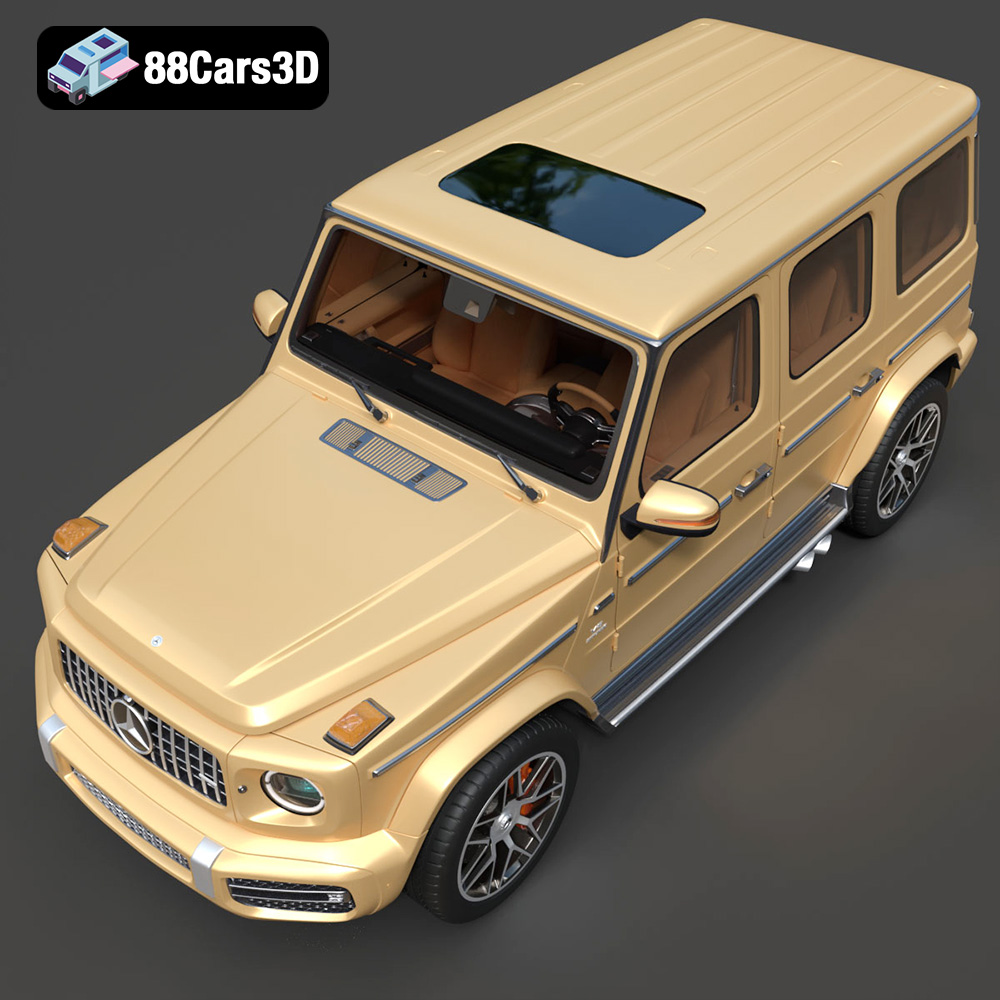
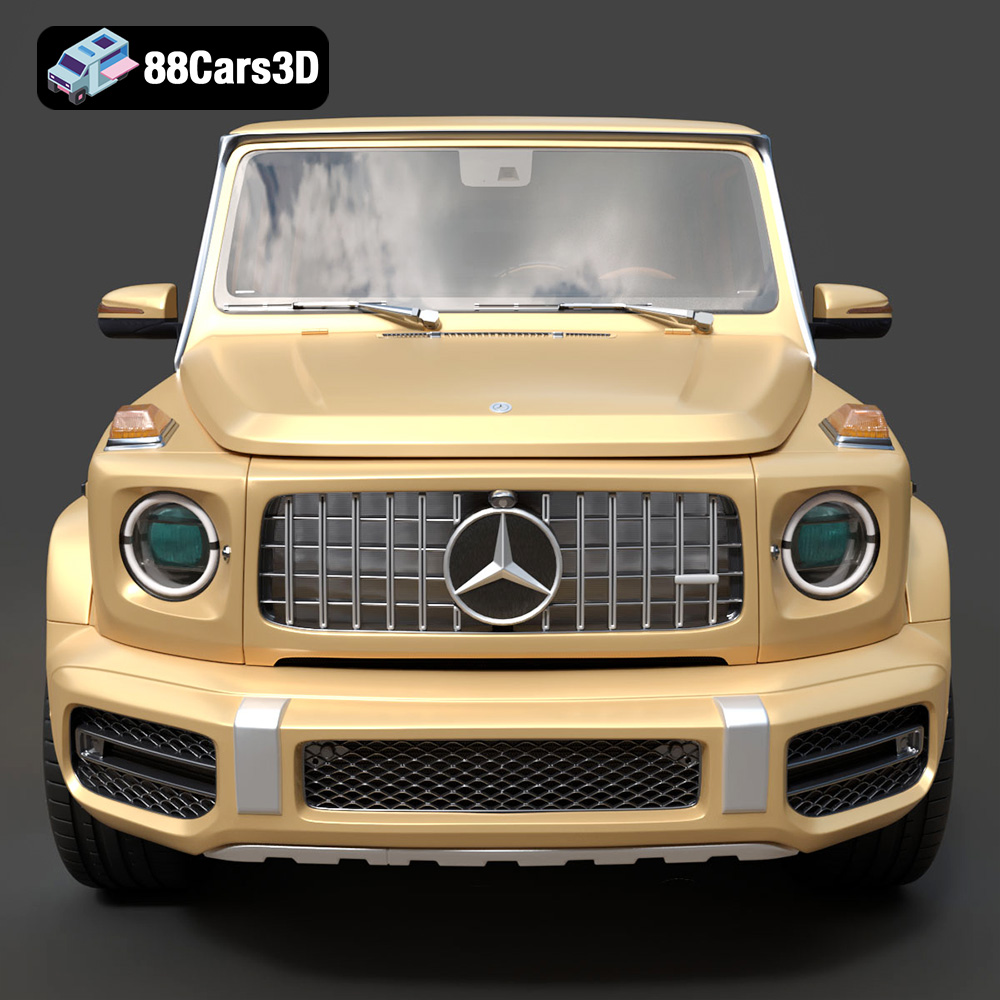
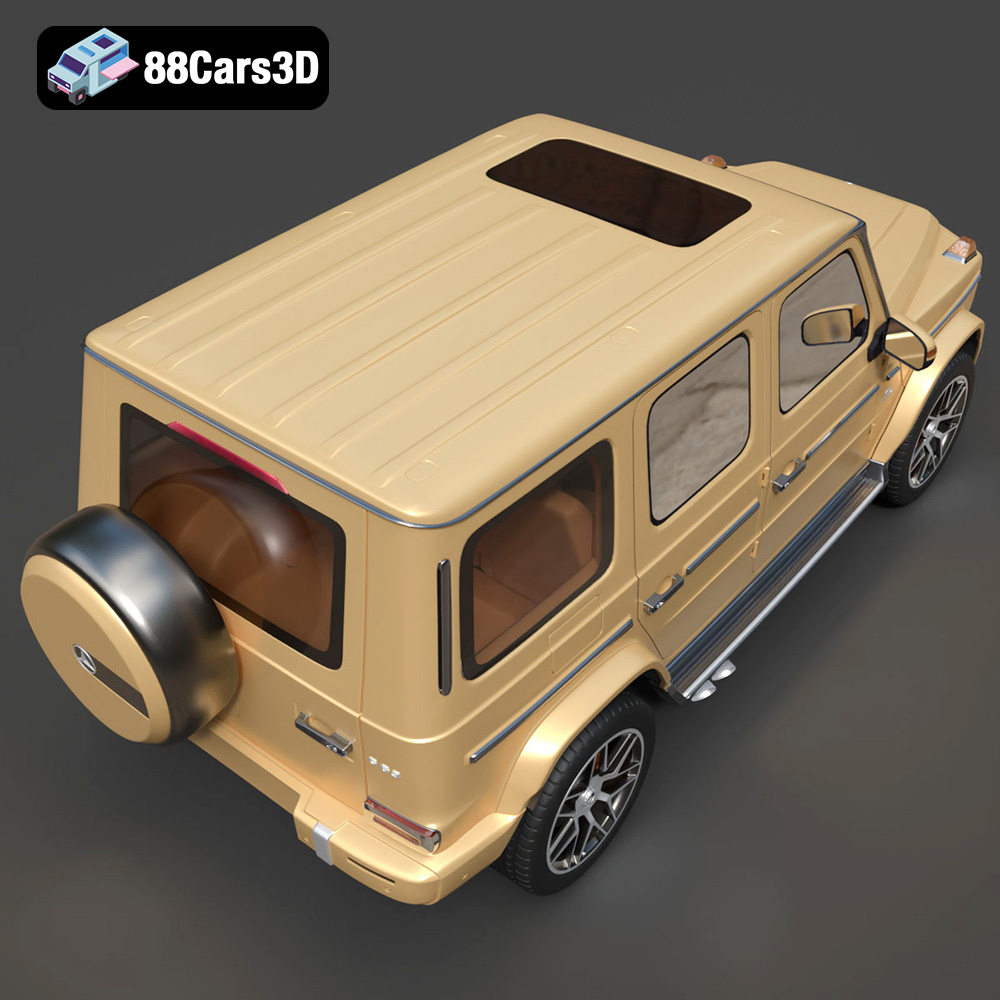
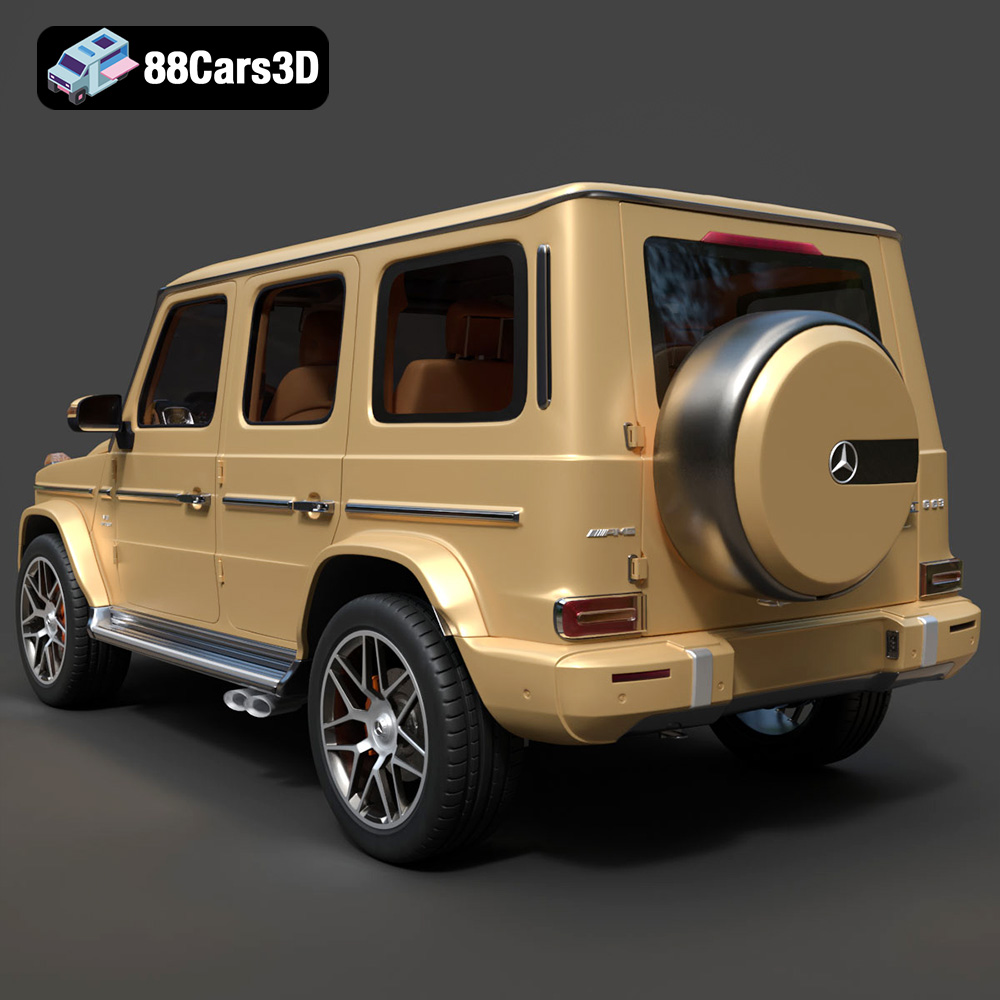
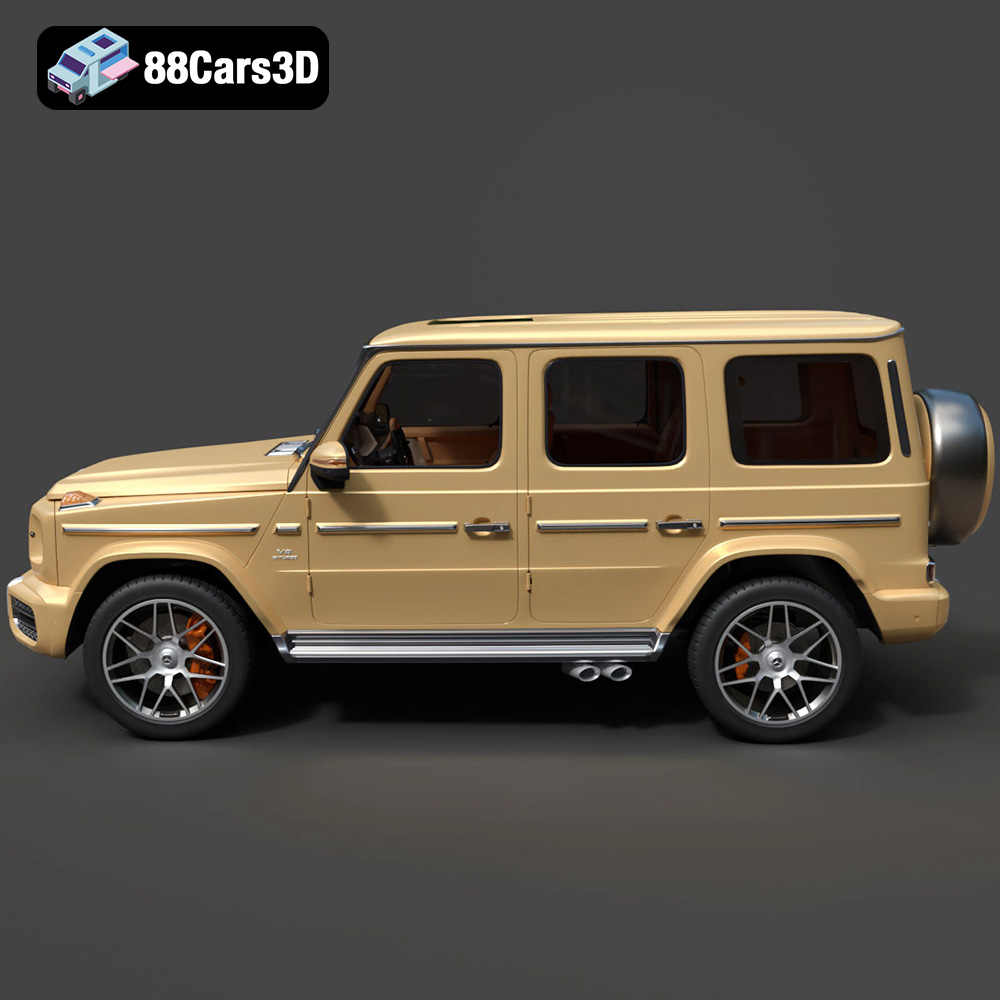
What sets a premium 3D car model apart is its ability to evoke the same feeling as its real-world counterpart. For the G63 AMG, this means recreating its distinctive personality. The exterior boasts the accurate frame geometry and iconic boxy proportions that define the G-Wagon. From the aggressive Panamericana front grille and iconic circular LED headlights to the distinctive side-exit dual exhaust system and massive AMG alloy wheels with detailed brake calipers, every element contributes to an authentic representation. Even the intricate ladder-frame chassis and suspension details are present, crucial for realistic animations and engineering visualizations.
The interior is equally impressive. Step into the digital cockpit, and you’ll find premium diamond-stitched luxury leather seating details, a highly detailed widescreen digital cockpit and instrument cluster, and an AMG performance steering wheel. The center console, dashboard, pedals, and shifter are all accurately replicated, providing an immersive experience even for first-person POV in gaming. This level of detail ensures that whether your project demands an exterior beauty shot or an interior driving simulation, the G63 AMG model delivers true-to-life realism.
A high-quality 3D car model is a multi-tool in a digital artist’s arsenal, adaptable to a wide array of uses beyond static renders. The Mercedes-Benz G63 AMG 3D model exemplifies this versatility, engineered for seamless integration into game development, AR/VR experiences, and high-end visualization.
Despite its substantial triangle count, the G63 AMG model is meticulously optimized for real-time engines like Unreal Engine and Unity. “Game-ready” doesn’t necessarily mean low-poly; it means intelligently structured. The geometry, while detailed, is designed for efficient rendering. Crucially, the model features proper pivot setups for steering, wheel rotation, and suspension travel. This means animators can quickly rig the vehicle for realistic movement, accelerating the development of racing titles, open-world games, and immersive simulators. With its `.fbx` and “Unreal-ready” formats, developers can import the G63 AMG directly into their projects, set up PBR materials, and immediately have a visually stunning, performant vehicle ready for action. The included separate wheels, suspension, and steering components are invaluable for creating dynamic, interactive vehicle physics.
Augmented Reality (AR) and Virtual Reality (VR) demand highly optimized assets that can render smoothly on diverse hardware, from mobile phones to high-end headsets. The G63 AMG model, particularly in its `.glb` format, is an ideal candidate for these immersive platforms. Its optimized geometry strikes a perfect balance between visual fidelity and real-time performance, allowing for the creation of captivating virtual showrooms, interactive car configurators, and mobile AR experiences. Imagine a customer exploring the G63’s interior in VR, or placing a life-sized digital version in their driveway via AR – this model makes such experiences a stunning reality.
For advertising agencies, automotive brands, and architectural visualization studios, the G63 AMG model provides an exceptional asset for creating breathtaking renders. Its high detail is perfect for studio lighting setups, brand campaigns, and luxury lifestyle scenes where every reflection, every stitch, and every panel gap must be rendered with photorealistic precision. Integrating this model into an architectural visualization scene instantly elevates its prestige, adding a touch of luxury and dynamism that brings the entire project to life. Whether rendered in 3ds Max with V-Ray or Corona, or within Blender Cycles, the model is built to shine under intense scrutiny.
The journey of a 3D model doesn’t always end on a screen. For enthusiasts, collectors, or even designers needing a physical prototype, 3D printing offers a tangible manifestation of digital creativity. The Mercedes-Benz G63 AMG 3D model includes full support for this process, providing specific guidelines for transforming its intricate digital form into a physical object.
The conversion to `.stl` format is the first step in preparing the G63 AMG for 3D printing. The product description provides clear recommendations for scale (1:12 / 1:18 / 1:24), catering to different display preferences. For achieving the model’s fine details, such as the grille, intricate interior, or brake calipers, resin printing is explicitly recommended with a layer height of 0.04–0.12 mm. This ensures that the smooth curves and sharp edges are accurately reproduced. Crucially, specific wall thickness recommendations (1.2–2.0 mm) and infill (20–30%) are provided, guiding users to produce a structurally sound and detailed print. The need for supports on detailed parts like the exhaust and mirrors, along with an optimal print orientation (frame angled, wheels separately), demonstrates the forethought put into its printability.
3D printing is often just the beginning of the physical creation process. Post-processing is where the model truly comes to life. The G63 AMG model’s description highlights the importance of sanding for smooth surfaces, followed by a primer layer to prepare it for painting. The ultimate goal is to achieve authentic factory colors with metallic finishes, transforming a raw 3D print into a miniature replica that rivals high-end collector’s items. This detailed guidance empowers hobbyists and professionals alike to produce a stunning, physical Mercedes-Benz G63 AMG that reflects the quality of its digital counterpart.
In today’s fast-paced production environments, leveraging high-quality pre-made assets is not just a convenience; it’s a strategic advantage. The Mercedes-Benz G63 AMG 3D model, alongside other premium 3D car models from 88cars3d.com, plays a pivotal role in streamlining professional workflows across various industries.
For studios, whether small independent outfits or large development houses, the “buy vs. build” decision is constant. Modeling a vehicle like the G63 AMG from scratch, to this level of detail and optimization, can take hundreds of hours of a highly skilled artist’s time. By purchasing a pre-built, production-ready asset, teams can drastically cut down on development cycles, reallocate resources to other critical tasks, and bring projects to market faster. This isn’t about compromising quality; it’s about smart resource management, ensuring that every project benefits from expertly crafted assets without incurring prohibitive costs or timelines. For a major automotive configurator, a racing game, or a high-profile commercial, having a fully detailed and optimized G63 AMG ready to drop into a scene offers immense value.
While pre-built, these models are designed for adaptability. The G63 AMG 3D model explicitly lists customization options such as changing body/tank colors (including factory and custom finishes), modifying tire textures (off-road vs. street variants), adjusting material finishes (matte, gloss, metallic), and adapting lighting for different environments. This flexibility means the model isn’t a static asset but a dynamic base that can be tailored to fit specific brand guidelines, creative visions, or environmental requirements. For example, an architectural visualization project might require the G63 to match the exact paint scheme of a luxury home, while a game might need it to transition between clean street tires and rugged off-road variants. This level of customization ensures that the model seamlessly integrates into any project, enhancing its unique narrative.
The digital landscape is continuously evolving, and with it, the demand for sophisticated, high-quality 3D assets grows. The Mercedes-Benz G63 AMG 3D model stands as a prime example of excellence in automotive 3D modeling, offering an unparalleled blend of detail, versatility, and technical precision. From its meticulously recreated exterior and luxurious interior to its optimized geometry for real-time engines and comprehensive file format support, it’s a tool designed to empower creators across game development, AR/VR, cinematic rendering, and even 3D printing.
Its “game-ready” nature, coupled with advanced detailing and animation-friendly setup, makes it an invaluable asset for anyone aiming for the highest standards of realism and efficiency. Whether you’re building an immersive open-world game, designing a virtual showroom, crafting a stunning architectural visualization, or bringing a physical model to life, this G63 AMG asset provides the foundation for exceptional results. For those seeking premium 3D car models that truly push the boundaries of digital artistry and technical utility, look no further than the curated selection at 88cars3d.com. Investing in assets of this caliber means investing in the quality and speed of your creative workflow.
The Mercedes-Benz G63 AMG stands as the pinnacle of luxury SUVs, blending rugged military heritage with modern high-performance engineering. This 3D model captures the unmistakable boxy silhouette, iconic circular LED headlights, and aggressive Panamericana front grille that make the G-Wagon a global status symbol. Every detail, from the handcrafted biturbo V8 engine bay layout to the distinctive side-exit dual exhaust system, has been faithfully recreated. Boasting a highly detailed topology of 6,184,486 triangles, this model delivers unparalleled visual fidelity designed for extreme close-ups, high-end visualization, and next-generation game engines. Despite its massive detail, the geometry is expertly structured to allow for seamless integration into advanced real-time applications like Unreal Engine 5, offering stunning realism for automotive simulations, VR showrooms, and high-fidelity rendering pipelines. Perfect for luxury lifestyle scenes, architectural visualization, high-end racing simulators, and cinematic renders.
$37.50
.blend
.fbx
.glb
.luxury suv
.max
.obj
.ply
.rendering
.stl
.unreal
car-3d-model
g63-amg
game asset
game-ready
mercedes-benz
off-road
optimized
SUV
VR/AR