Get 20% OFF All Premium 3D & STL Models!

In the dynamic worlds of game development, high-fidelity visualization, and immersive virtual reality, the quality of your 3D assets can make or break a project. Automotive models, in particular, demand a blend of technical precision and artistic flair to truly captivate an audience. Whether you’re crafting an adrenaline-pumping off-road racing game, designing a photorealistic marketing campaign, or building an interactive virtual showroom, the foundation of your success lies in expertly engineered 3D car models.
Today, we delve into the robust capabilities of a stellar example: the Cactus Jeep 3D Model. This exceptional asset, available at 88cars3d.com, embodies the perfect fusion of rugged utility and digital optimization. It’s a testament to how a meticulously detailed model can serve a myriad of professional applications, from powering real-time game engines to producing stunning renders and even facilitating tangible 3D prints. Join us as we explore the technical intricacies and creative potential that such a high-quality asset brings to the table for digital artists and developers.
Choosing the correct file format for your 3D model is a critical decision that impacts workflow efficiency, compatibility, and the final output quality. The Cactus Jeep 3D Model offers a comprehensive suite of formats, each optimized for specific applications. Understanding their nuances is key to leveraging this versatile asset to its fullest potential.
The .blend format is native to Blender, the popular open-source 3D creation suite. When you download the Cactus Jeep in .blend format, you’re getting a fully editable Blender scene. This includes not just the mesh, but also all materials, textures, lighting setups, cameras, and potentially even rigging or animation data if present. It’s the ideal choice for artists who primarily work in Blender and require maximum flexibility for modifications, re-texturing, or integrating the model into existing Blender projects. Its primary advantage lies in retaining all of Blender’s native features, ensuring a seamless editing experience.
.fbx (Filmbox) is arguably the most widely adopted proprietary file format for 3D data exchange, especially prevalent in game development and animation pipelines. It supports geometry, materials, textures, animations, and skeletal data. The Cactus Jeep as an .fbx is ideal for importing into game engines like Unreal Engine and Unity, as well as other 3D software such as 3ds Max, Maya, and Cinema 4D. Its robust support for animation and scene data makes it a go-to for character and vehicle integration, providing a reliable bridge between different software environments without significant data loss. This is your workhorse for real-time asset deployment.
The .obj (Wavefront OBJ) format is a universal geometry definition file. While it primarily stores 3D geometry (vertices, normals, texture coordinates, and faces), it often references an associated .mtl (material) file for basic material properties and texture paths. Its simplicity makes it highly compatible with virtually every 3D application, making it an excellent fallback or starting point for cross-software projects. For the Cactus Jeep, using .obj ensures you can import the raw geometric data into almost any program, though you might need to re-apply more complex materials or PBR textures manually in your target software.
.glb (GL Transmission Format Binary) is a relatively newer format designed for the efficient transmission and loading of 3D scenes and models in web and mobile applications, particularly for AR/VR experiences. It’s a self-contained binary format that encapsulates geometry, materials, textures, and animations into a single file, making it incredibly easy to share and integrate. Its optimization for real-time rendering and small file size makes the Cactus Jeep .glb perfect for web-based 3D configurators, AR filters, or VR applications where performance and rapid loading are paramount.
.stl (Stereolithography) is the de facto standard for 3D printing. It represents a 3D model as a series of connected triangles (a tessellation) without any color, texture, or material information. When preparing the Cactus Jeep for 3D printing, the .stl format provides the pure geometric data required by slicing software. It’s crucial for hobbyists and professionals alike who wish to bring the digital model into the physical world, creating scale replicas or functional prototypes. Specific print settings and supports are always necessary when working with .stl files.
.ply (Polygon File Format) is a versatile format for storing 3D data from 3D scanners, CAD software, and other sources. It can store not only geometry but also color, transparency, and normal information for each vertex. While less common for general 3D asset distribution, its ability to store detailed mesh attributes makes it suitable for scientific, engineering, or precise digital archiving applications where mesh integrity and additional per-vertex data are important. For the Cactus Jeep, the .ply offers a robust mesh representation for specialized analysis or very specific conversion needs.
The .unreal format signifies an asset specifically prepared and often packaged for direct import into Unreal Engine projects. This might include pre-configured material instances, collision meshes, LODs (Levels of Detail), and optimized settings tailored for Unreal’s rendering pipeline. Using the Cactus Jeep .unreal file can significantly streamline your workflow in Unreal Engine, saving time on setup and ensuring optimal performance within the engine’s ecosystem. It’s the most direct path to getting the model running smoothly in an Unreal-powered game or simulation.
Similar to .blend for Blender, the .max format is native to Autodesk 3ds Max. This file contains the complete 3ds Max scene, including all modeling, materials, lighting, animation, and scene settings. For artists deeply integrated into the 3ds Max ecosystem, the .max file offers full editability and access to all modifiers, render settings, and proprietary features. This is invaluable for high-end automotive rendering, architectural visualization, and complex animation projects where 3ds Max is the primary tool. The Cactus Jeep .max file provides unparalleled flexibility for advanced users within 3ds Max.
The Cactus Jeep 3D Model is more than just a collection of polygons; it’s a meticulously crafted digital twin of an off-road icon, designed to excel across a spectrum of professional applications. Its value lies not just in its accurate representation but in its underlying technical optimization.
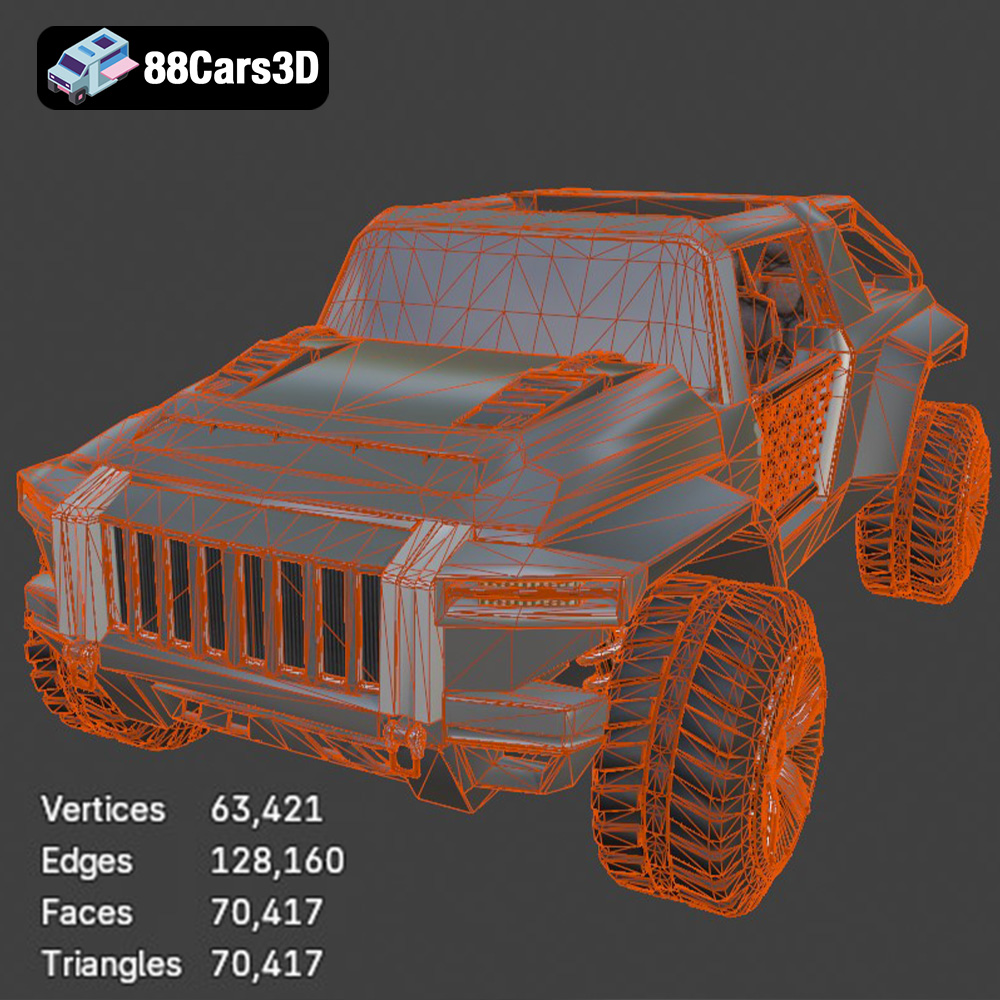
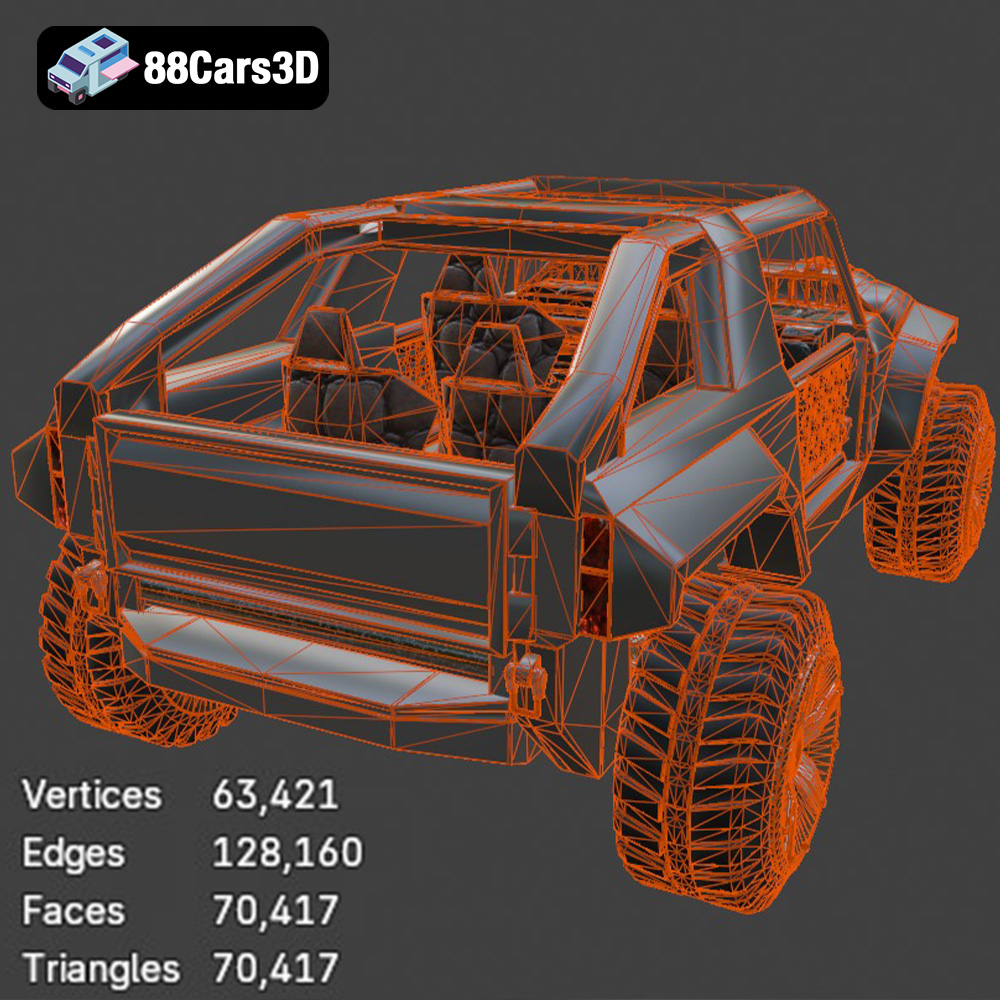
At the heart of any successful 3D asset, especially for game development, is its topology. The Cactus Jeep boasts an efficient topology of 70,417 triangles. This figure represents a crucial balance: it’s detailed enough to convey stunning visual fidelity and realism, yet optimized to ensure exceptional performance in real-time engines like Unreal and Unity. This careful polygon management prevents frame rate drops, making it an exceptional “game-ready” asset capable of populating vast open-world environments without bogging down system resources. Furthermore, the model is built to real-world scale accuracy, ensuring it integrates seamlessly with other assets and environments, and its proper pivot setup for steering, wheel rotation, and suspension travel is foundational for realistic animation and physics simulations.
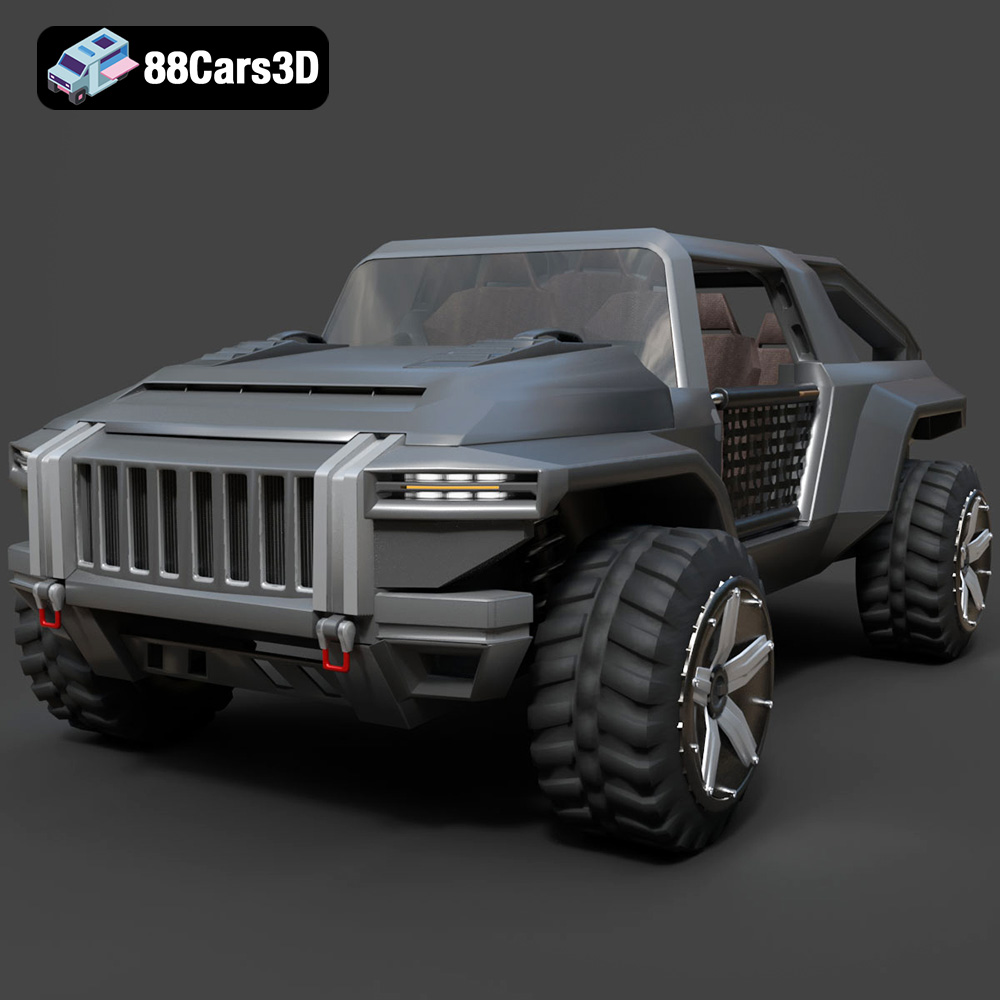
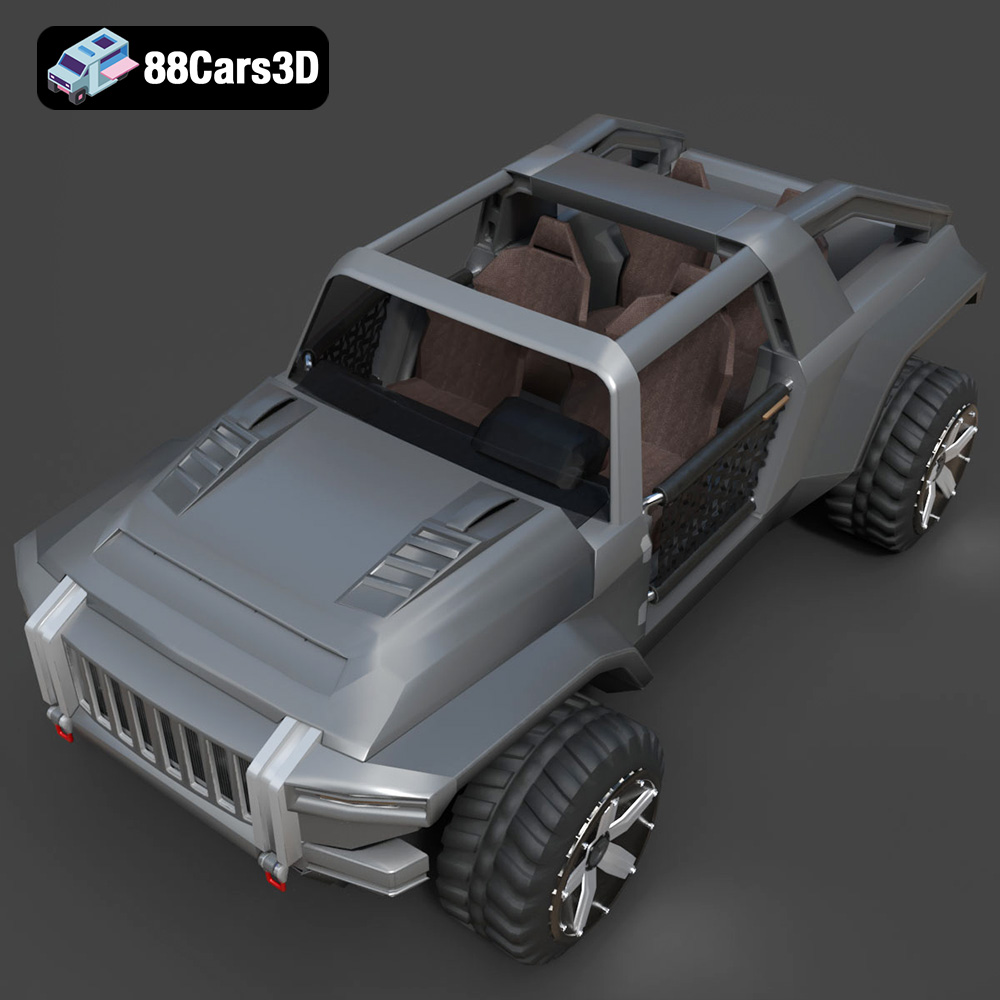
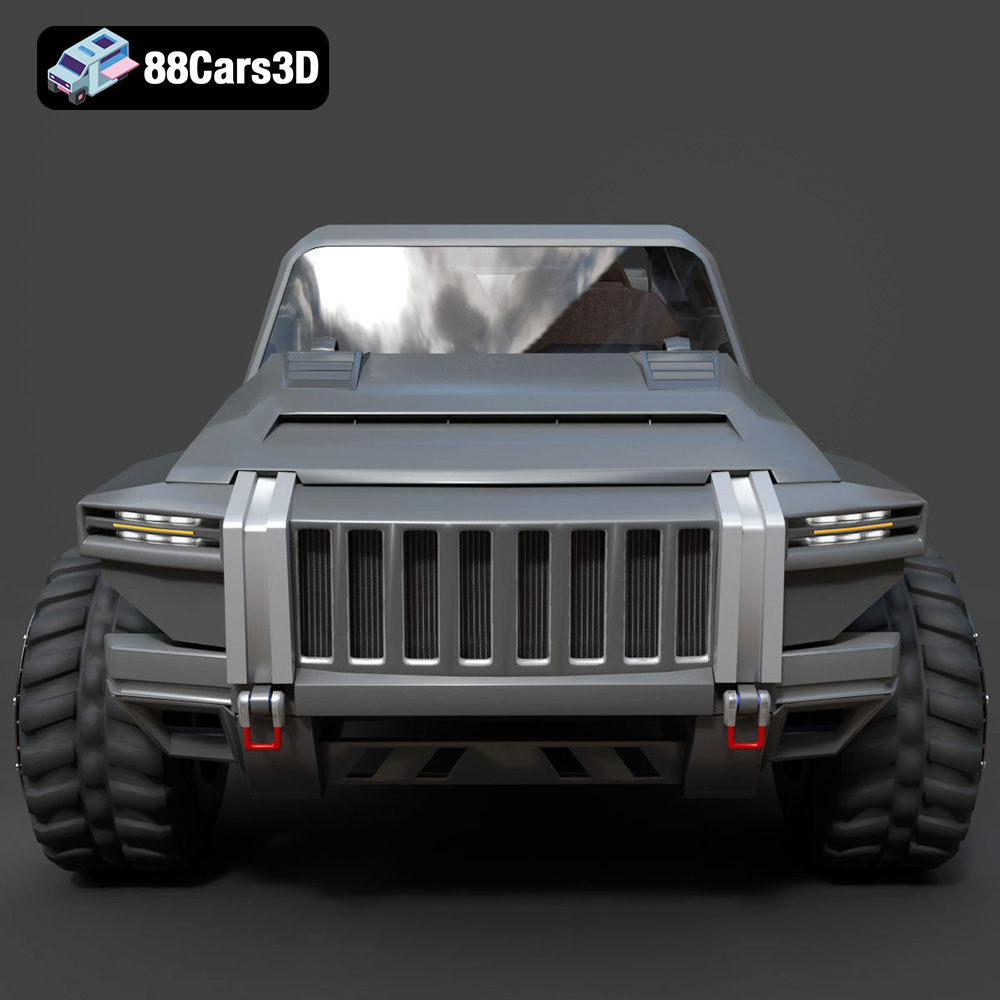
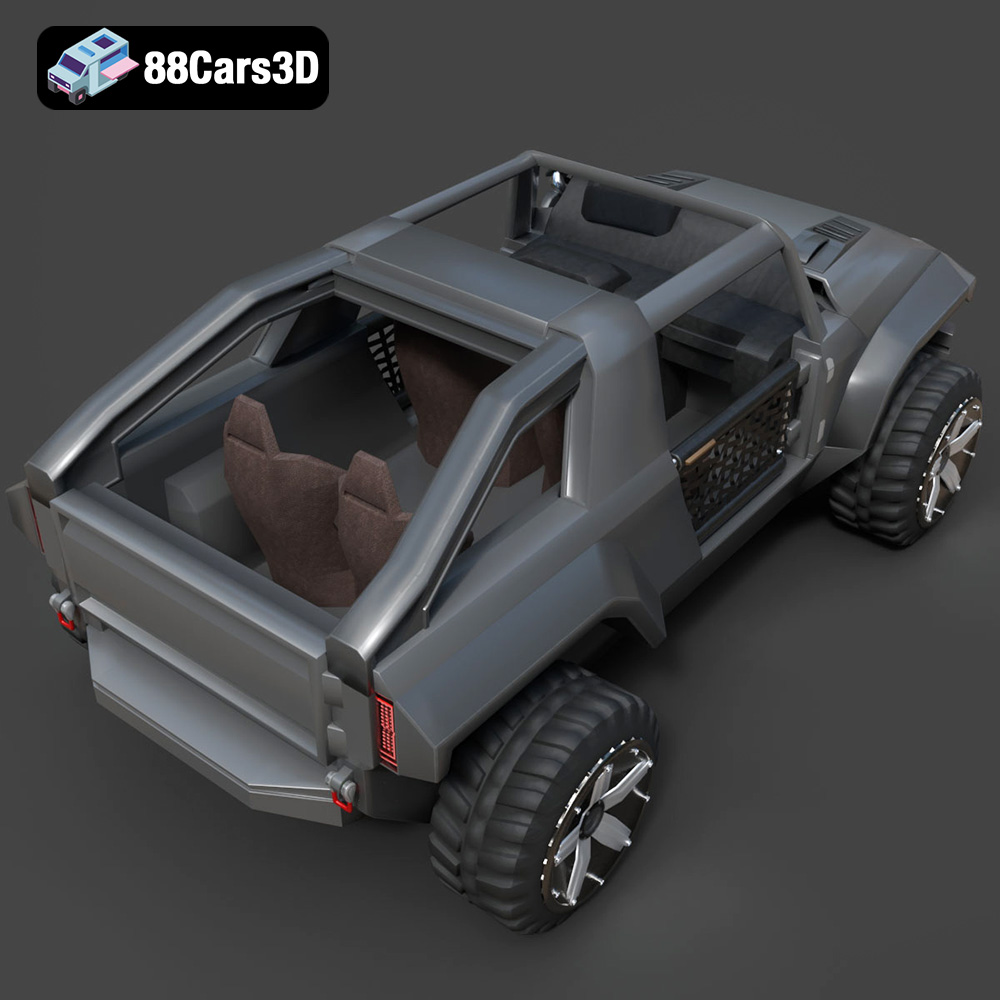
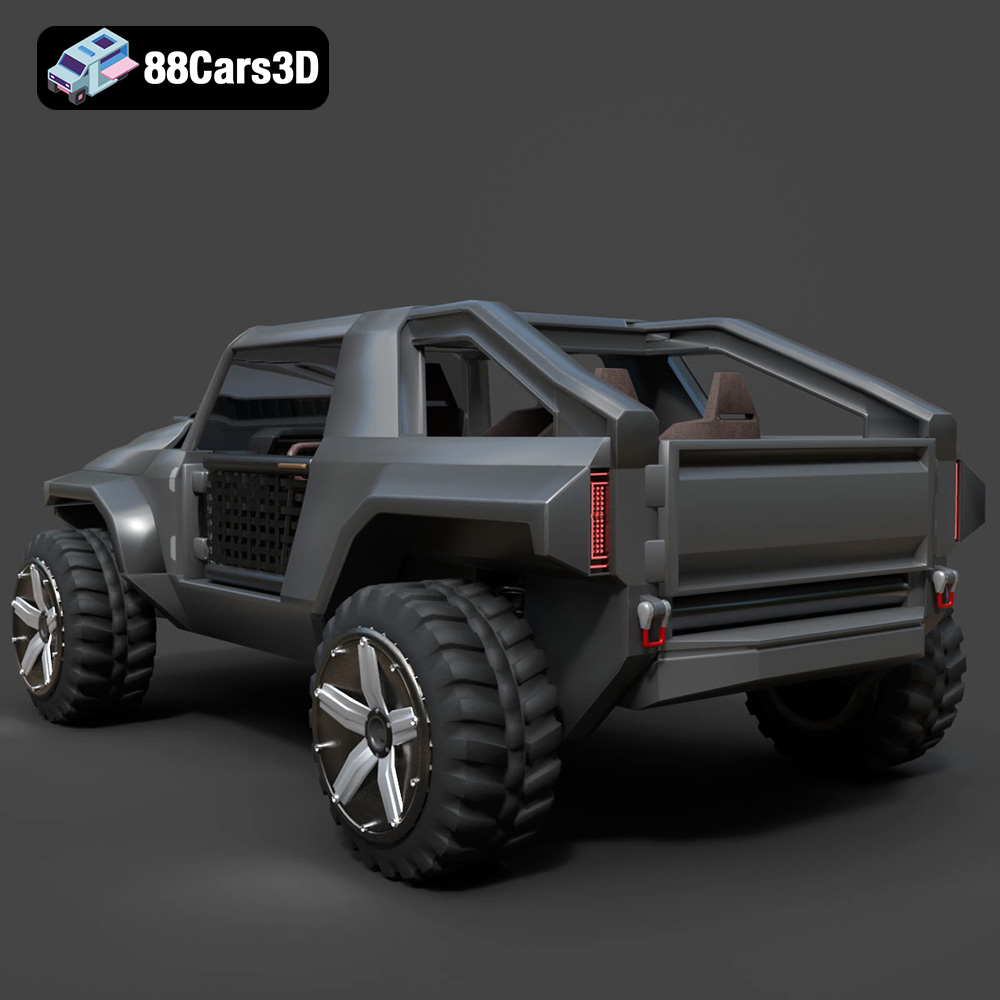
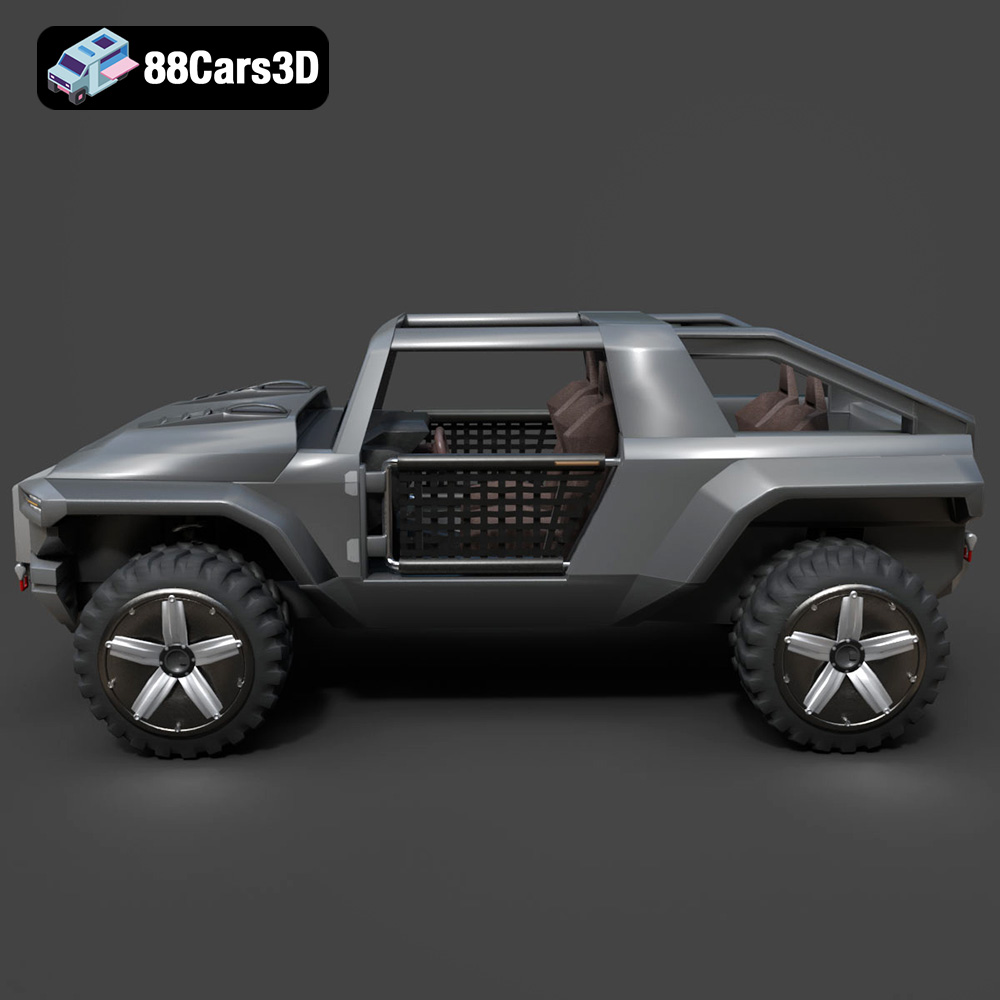
Every element of the Cactus Jeep 3D Model has been designed to capture the true spirit of a classic off-roading legend. The exterior features accurate frame geometry, rugged boxy proportions, and a signature front grille that immediately identifies it. Detailed engine bay components, a heavy-duty off-road exhaust system, classic round headlights, utilitarian taillights, and auxiliary light mounts contribute to its authentic look. Chunky all-terrain tires fitted on robust steel wheels, coupled with a high-clearance off-road suspension system with visible leaf springs/dampers, emphasize its capability. Crucially, separate components for wheels, suspension, and steering are included, enabling realistic animation. The interior doesn’t disappoint either, with utilitarian front bucket seats, a rear bench with rugged textures, a classic heavy-duty steering wheel, vintage-inspired analog instrument cluster, and detailed manual transmission and 4WD transfer case levers. This attention to detail extends to its optimization for first-person POV in gaming, ensuring a convincing in-cab experience.
A premium 3D model like the Cactus Jeep isn’t just a static object; it’s a dynamic tool that empowers various creative and technical workflows across different industries.
For game developers, the Cactus Jeep 3D Model is a treasure. Its game-ready optimization means less time spent on asset preparation and more on creative implementation. Developers can easily import the .fbx or .unreal files into engines like Unreal Engine or Unity. The separate components for wheels, suspension, and steering, coupled with proper pivot points, allow for straightforward integration of vehicle physics and animation systems. Imagine developing an open-world off-road simulation: the Cactus Jeep could serve as a core player vehicle or a robust AI-controlled entity, traversing challenging digital landscapes. Setting up realistic materials, fine-tuning collision meshes, and implementing responsive handling are all made easier thanks to the model’s clean topology and structured components. For indie studios or even larger teams looking to rapidly prototype or expand their vehicle roster, sourcing such a high-quality, pre-optimized asset from 88cars3d.com can be a significant time and cost-saver.
Beyond gaming, the Cactus Jeep excels in high-end automotive rendering and visualization. Artists working in 3ds Max or Blender can leverage the native .max or .blend files for maximum editability. This allows for advanced material setup, from complex PBR (Physically Based Rendering) shaders for the rugged body paint and metallic components to detailed tire rubber and interior fabrics. Photorealistic lighting setups, whether studio-based or dynamic outdoor environments, can bring the model to life for marketing campaigns, digital showrooms, or lifestyle scenes. Visualizing custom color schemes, experimenting with different wheel/tire combinations, or showcasing the vehicle’s capabilities in pristine rendered sequences are all within reach. The model’s real-world scale accuracy further ensures that renders appear authentic and grounded.
The versatility of the Cactus Jeep extends into cutting-edge applications like Augmented Reality (AR) and Virtual Reality (VR), as well as traditional 3D printing. For AR/VR experiences, the .glb format is particularly beneficial. Its optimized, self-contained nature makes it ideal for seamless integration into mobile AR apps or interactive VR showrooms. Imagine a potential customer exploring the Cactus Jeep in an immersive virtual environment, examining its interior in 360 degrees, or even placing it in their driveway using AR on their smartphone. Furthermore, for enthusiasts or professionals who wish to create a tangible replica, the .stl format is provided for 3D printing. With recommended scales (1:12 / 1:18 / 1:24) and detailed print settings (layer height, wall thickness, infill, supports), users can bring this digital masterpiece into the physical world. Resin printing is recommended for capturing the finer details, and post-processing steps like sanding, priming, and painting can result in an authentic, display-worthy model.
The true power of a high-quality 3D model lies in its underlying technical foundations and the flexibility it offers for creative expression.
The 70,417 triangle count is a carefully chosen sweet spot, ensuring that the Cactus Jeep is both visually rich and performant. This optimized topology means that the model will render efficiently across various platforms and devices, from high-end workstations to mobile VR headsets. Beyond static beauty, the model’s design considers animation from the ground up. The separation of wheels, suspension, and steering components, combined with precise pivot setups, means that the model is ready to be rigged and animated for dynamic simulations right out of the box. This attention to mechanical detail empowers animators to create realistic vehicle movements, whether it’s navigating challenging terrain or performing stunts.
No two projects are exactly alike, and the Cactus Jeep 3D Model offers ample customization opportunities to match diverse creative visions. Artists can easily change body and tank colors, applying anything from classic factory finishes to unique custom gradients or battle-worn textures. Tire textures can be swapped to reflect different terrains, transitioning from chunky off-road variants to smoother street-optimized options. Material finishes, such as matte, gloss, or metallic, can be adjusted to achieve specific looks and moods. Furthermore, adapting the lighting for different environments allows the vehicle to be showcased in various scenarios, from sun-drenched deserts to moody, rain-soaked trails. This extensive customization potential ensures that the Cactus Jeep can be seamlessly integrated into virtually any digital narrative or visual aesthetic.
The availability of such a high-caliber 3D asset has profound implications across various sectors, streamlining production and enhancing realism.
For independent game developers, the Cactus Jeep represents a massive acceleration in asset creation. Instead of spending weeks modeling and optimizing a vehicle, an indie studio can acquire this game-ready asset from 88cars3d.com and immediately integrate it, focusing their resources on unique gameplay mechanics or world-building. This dramatically reduces development time and costs, enabling smaller teams to produce high-quality experiences. For larger AAA studios, such models can serve as robust base assets for prototyping, populating background scenes, or even being used as reference for bespoke modifications, saving significant internal art team hours and ensuring consistent quality.
In the automotive industry, the Cactus Jeep 3D Model’s capabilities extend to digital prototyping and immersive marketing. Manufacturers or custom vehicle builders can utilize this model for virtual concept exploration, showcasing potential modifications or accessory integrations without costly physical prototypes. For marketing, imagine interactive online configurators where potential buyers can customize their Cactus Jeep in real-time, change colors, add accessories, and even view it in their own driveway via AR, all powered by an optimized .glb model. High-resolution renders can be used in brochures, advertisements, and social media campaigns, creating compelling visual stories that resonate with enthusiasts and potential customers alike. The digital flexibility offered by models like the Cactus Jeep is transforming how vehicles are designed, presented, and sold.
The demand for high-quality, technically sound 3D car models continues to grow across industries. The Cactus Jeep 3D Model stands as an exceptional example of an asset engineered to meet these rigorous demands. From its optimized 70,417-triangle topology perfect for game development and real-time engines like Unreal and Unity, to its detailed exterior and interior features that captivate in photorealistic renders, this model offers unparalleled versatility. Its broad support for file formats – including .blend, .fbx, .obj, .glb, .stl, .ply, .unreal, and .max – ensures seamless integration into virtually any professional workflow, whether you’re creating immersive AR/VR experiences, producing physical 3D prints, or crafting intricate animations in 3ds Max or Blender.
By providing a foundation of technical excellence and offering extensive customization options, the Cactus Jeep empowers artists and developers to bring their creative visions to life with efficiency and stunning realism. It embodies the core philosophy behind premium digital assets: saving valuable production time while elevating the final product. For those seeking top-tier 3D car models to drive their next project, exploring offerings like the Cactus Jeep at 88cars3d.com is an investment in quality and efficiency.
Experience the ultimate blend of rugged utility and off-road heritage with the Cactus Jeep. This iconic 4×4 vehicle is celebrated for its utilitarian styling, exceptional durability, and unmatched capability on rough terrains. From its signature front grille and exposed heavy-duty chassis to its muscular wheel arches and functional boxy silhouette, this 3D model captures the true spirit of a classic off-roading legend ready to tackle the wilderness. Engineered for seamless integration into modern digital environments, this model boasts an efficient topology of 70,417 triangles. It delivers stunning visual fidelity without compromising performance, making it an exceptional game-ready asset. Whether you are developing an immersive open-world adventure, creating realistic automotive renders, or building an interactive VR experience, this meticulously optimized model guarantees high-end results across various real-time engines and rendering software. Perfect for open-world off-road simulations, survival game environments, digital automotive showrooms, and photorealistic lifestyle renderings.
$14.99
.4×4
.blend
.fbx
.glb
.jeep
.max
.obj
.ply
.rendering
.stl
.unreal
cactus
car-3d-model
game asset
game-ready
low-poly
off-road
optimized
SUV
VR/AR