Get 20% OFF All Premium 3D & STL Models!

In the rapidly evolving landscape of 3D visualization, the demand for exceptionally detailed and versatile automotive assets has never been higher. From cinematic masterpieces to cutting-edge game development and immersive augmented reality experiences, a high-quality 3D car model forms the backbone of countless projects. It’s not merely about aesthetics; it’s about technical precision, optimized performance, and seamless integration across diverse platforms.
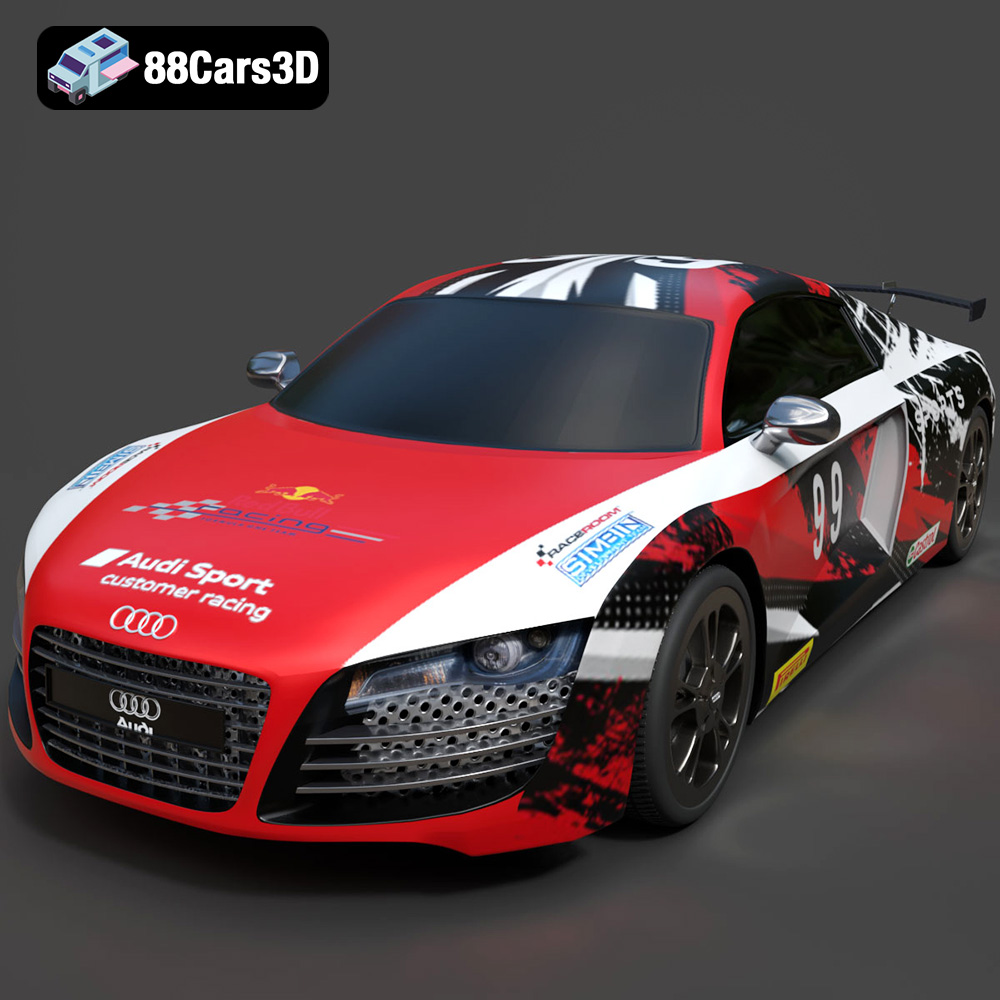
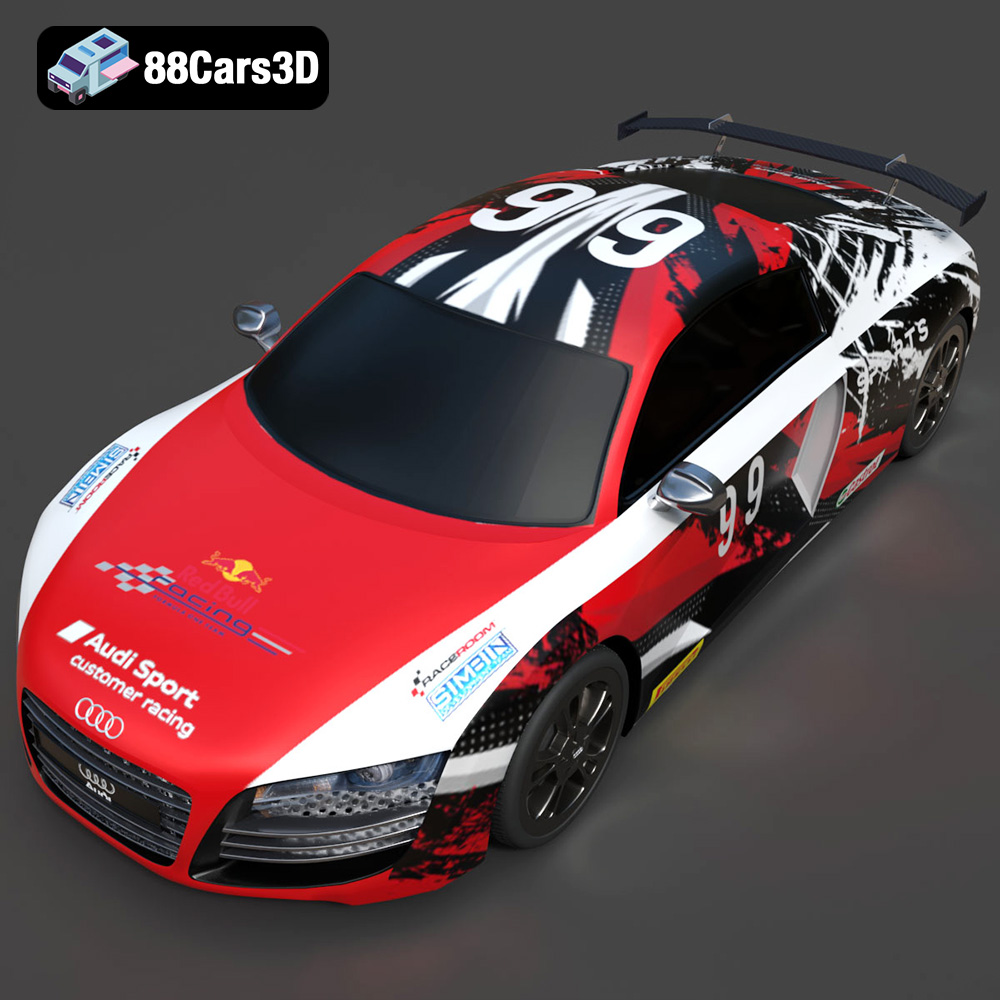
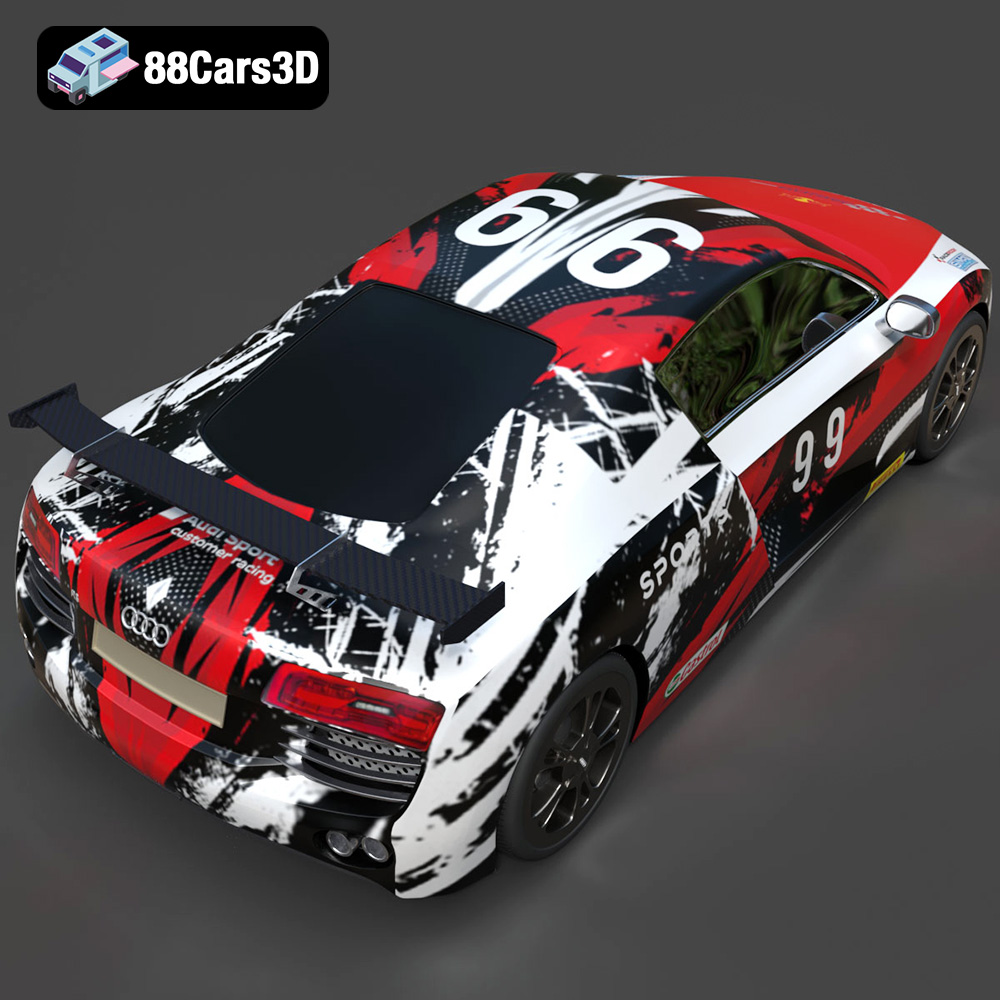
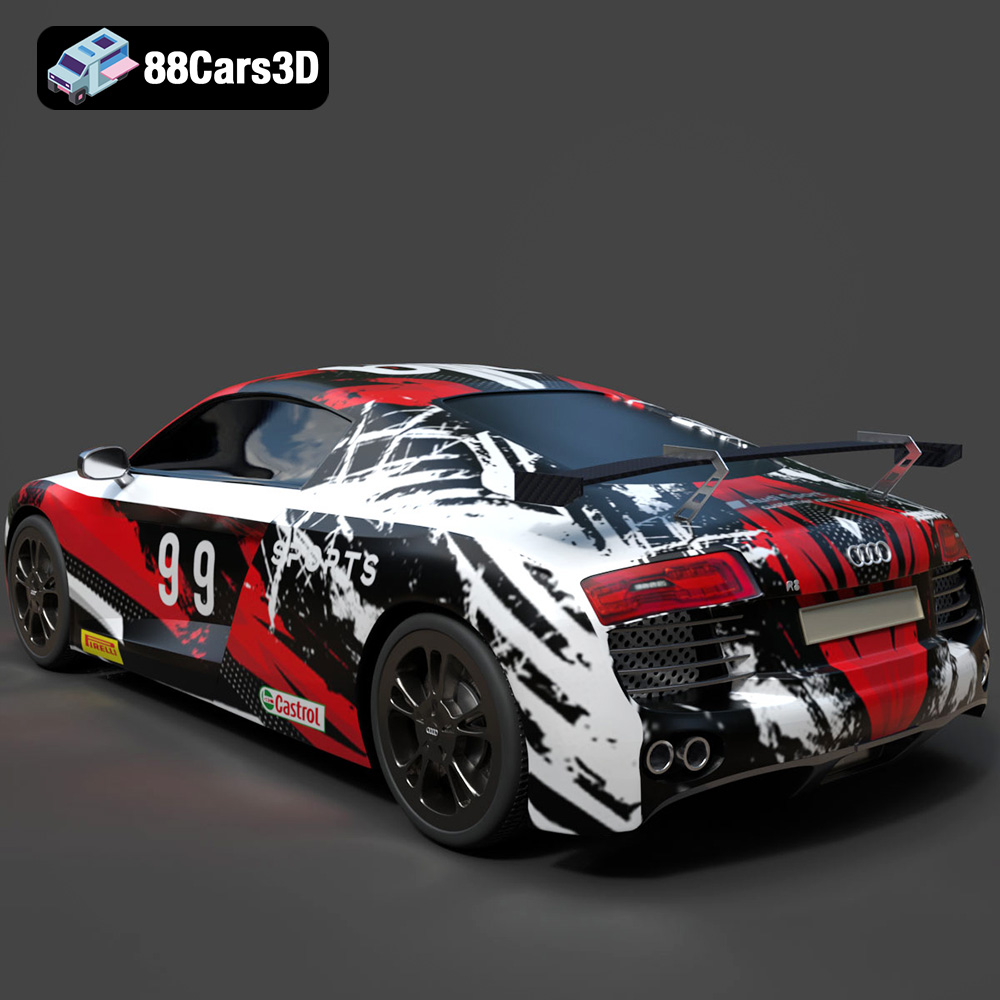
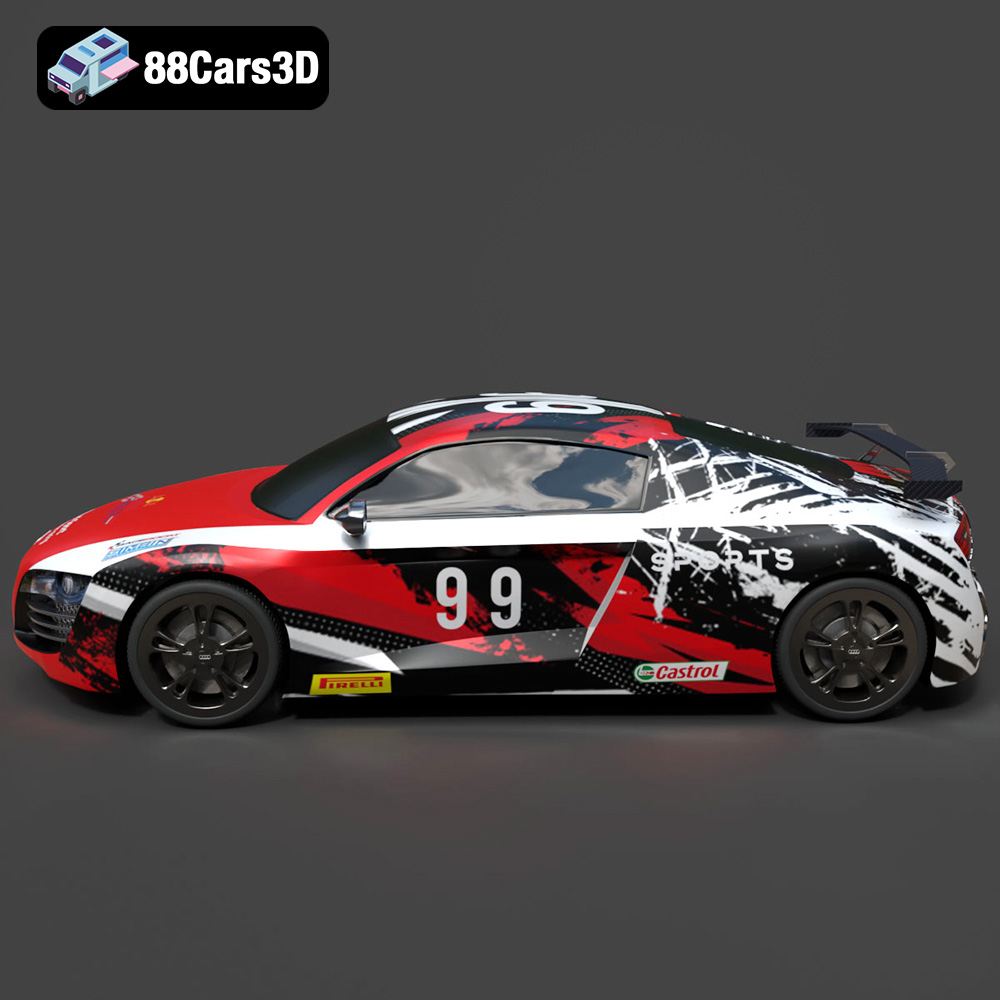
Today, we’re taking a closer look at what makes a premium 3D car model stand out, using a legendary example as our guide: the Audi R8 2008 3D Model. This iconic mid-engine sports car, renowned for its fusion of German engineering with exotic aesthetics, serves as a perfect case study for exploring the intricacies of professional-grade 3D assets. A model of this caliber, readily available on platforms like 88cars3d.com, empowers artists and developers to achieve stunning realism and functional performance in their respective fields.
The choice of file format for a 3D model is often as critical as the model itself, dictating its compatibility, functionality, and optimal use across different software and applications. A truly versatile asset, such as the Audi R8 2008 3D Model, offers a wide array of formats, each serving distinct purposes. Understanding these formats is crucial for any professional working with 3D car models.
The .blend format is the native file type for Blender, the powerful open-source 3D creation suite. When you download a .blend file, you’re getting a complete Blender scene, often including not just the mesh, but also materials, textures, lighting setups, cameras, and even animation data. This makes it incredibly valuable for artists who primarily work within Blender, offering full editability and access to the original project structure. For the Audi R8 2008 3D Model, the .blend file provides a ready-to-render scene, allowing for immediate customization of colors, materials, and lighting within Blender’s robust environment.
.fbx (Filmbox) stands as one of the most widely adopted proprietary file formats for 3D data interchange. Developed by Autodesk, it’s a robust format capable of storing not only geometry but also crucial elements like animation, rigging, materials (with some limitations on complex shaders), cameras, and lights. This makes it ideal for transferring assets between different 3D software packages (e.g., from 3ds Max or Blender to Unreal Engine or Unity). For game development, the .fbx format is almost universally preferred due to its ability to retain animation data and its optimized structure for real-time pipelines. The Audi R8 2008 3D Model in .fbx ensures seamless integration into major game engines, preserving its separate animated components like wheels and suspension.
The .obj (Wavefront OBJ) format is a widely supported, open standard for geometry definition. It’s excellent for exchanging basic mesh data between nearly any 3D software, making it a universal fallback. An .obj file primarily stores vertex positions, UV coordinates, normals, and face information. Material properties are typically referenced via an accompanying .mtl (Material Template Library) file. While .obj doesn’t support animation or advanced scene data like .fbx, its simplicity and ubiquitous compatibility make it a reliable choice for static models, especially for rendering and initial modeling stages.
.glb (GL Transmission Format Binary) is a relatively newer format gaining significant traction, particularly for web-based 3D, augmented reality (AR), and virtual reality (VR) applications. It’s a binary version of the glTF (GL Transmission Format) standard, designed for efficient transmission and loading of 3D scenes and models. .glb files are self-contained, embedding textures and other assets directly, which makes them highly optimized for fast loading and rendering in browsers, mobile apps, and real-time AR/VR environments. The Audi R8 2008 3D Model in .glb format is perfect for developers building immersive virtual showrooms or interactive web configurators.
.stl (Stereolithography) is the de facto standard format for 3D printing. It represents a 3D model as a collection of unconnected triangular facets, defining only the surface geometry of an object without color, texture, or other CAD attributes. While simple, its universal acceptance in additive manufacturing makes it indispensable. When considering the Audi R8 2008 3D Model for physical display or prototyping, the .stl version provides the necessary data for converting the digital asset into a tangible object, allowing hobbyists and professionals to bring the R8 to their desks.
The .ply (Polygon File Format) is another format for storing 3D data, often used in scientific and engineering applications, particularly for data generated by 3D scanners. It can store various properties beyond just geometry, such as color, transparency, normals, texture coordinates, and even reliability information for vertices and faces. It supports both ASCII and binary encodings. While less common for general-purpose asset exchange than .fbx or .obj, its precision and ability to handle detailed point cloud or mesh data make it valuable for specific CAD, analysis, or reverse engineering workflows.
The .unreal format refers to assets specifically configured and exported for direct use within Unreal Engine. While typically an .fbx is imported and then converted into Unreal’s internal asset format (like Static Mesh, Skeletal Mesh), some vendors may provide pre-packaged .unreal assets that are already optimized, have LODs generated, materials set up, and collision meshes configured for optimal performance within the engine. This significantly reduces setup time for developers, offering a “plug-and-play” experience for game-ready assets such as the Audi R8 2008 3D Model, ensuring it’s immediately ready for racing simulators or open-world environments.
The .max format is the native file type for Autodesk 3ds Max, a powerful 3D modeling, animation, rendering, and compositing software. Similar to .blend, a .max file contains a complete scene, including geometry, modifiers, materials (especially those using 3ds Max’s native or popular render engine shaders like V-Ray or Corona), lighting, cameras, and animation curves. It’s the preferred format for studios and professionals who use 3ds Max extensively, providing full access to the project’s construction history and advanced rendering capabilities for high-end automotive visualizations and cinematic sequences.
The availability of the Audi R8 2008 3D Model in this diverse range of formats truly underscores its professional-grade quality and adaptability, ensuring it can fit into virtually any 3D production pipeline.
Beyond technical specifications, the true magic of a 3D car model lies in its ability to captivate viewers through stunning visualizations. Automotive rendering is an art form that demands meticulous attention to detail, realistic materials, and evocative lighting. The Audi R8 2008 3D Model, with its high-definition topology and accurate geometry, provides the perfect canvas for achieving breathtaking realism.
Achieving photorealism starts with Physically Based Rendering (PBR) materials. The R8 model’s surfaces—from the metallic sheen of its body paint and alloy wheels to the subtle texture of the leather interior and intricate carbon fiber accents—are designed to interact with light in a physically accurate manner. This means defining properties like metallicness, roughness, albedo, and normal maps precisely. In software like 3ds Max (using V-Ray or Corona Renderer) or Blender (with Cycles or Eevee), artists can apply these PBR textures to replicate the car’s real-world appearance, ensuring reflections, refractions, and specular highlights behave just as they would on a physical vehicle. The deep contours of the sport seats and the detailed badging on the flat-bottomed steering wheel truly shine when rendered with high-fidelity PBR pipelines.
Professional automotive rendering often utilizes studio lighting setups, employing large softboxes and rim lights to highlight the car’s sculptural forms. Alternatively, integrating the 3D model into high-dynamic-range imaging (HDRI) environments allows for realistic reflections and ambient lighting that mimic real-world locations, from urban streetscapes to sprawling natural landscapes. Whether it’s showcasing the Audi R8 2008 in a sleek virtual showroom or embedding it within an architectural visualization project, the model’s real-world scale accuracy and detailed exterior features (like the visible 4.2L V8 mid-engine block and signature LED DRLs) ensure it seamlessly blends into any scene, adding a layer of authenticity and luxury.
Even the most perfect render can be enhanced through post-production. Techniques such as color grading, depth of field effects, motion blur (for dynamic shots), lens flares, and subtle atmospherics can elevate a still image or animation into a cinematic masterpiece. For marketing campaigns or brand visualization, these subtle enhancements can create a powerful emotional connection, making the Audi R8 2008 3D Model not just a static object, but a dynamic, aspirational presence. Professionals frequently use software like Adobe Photoshop or After Effects to apply these finishing touches, transforming raw renders into polished visual assets.
The demand for realism in game development, particularly for racing titles and open-world experiences, necessitates 3D car models that strike a delicate balance between visual fidelity and performance optimization. The Audi R8 2008 3D Model is specifically engineered to meet these rigorous demands, making it an invaluable asset for game developers.
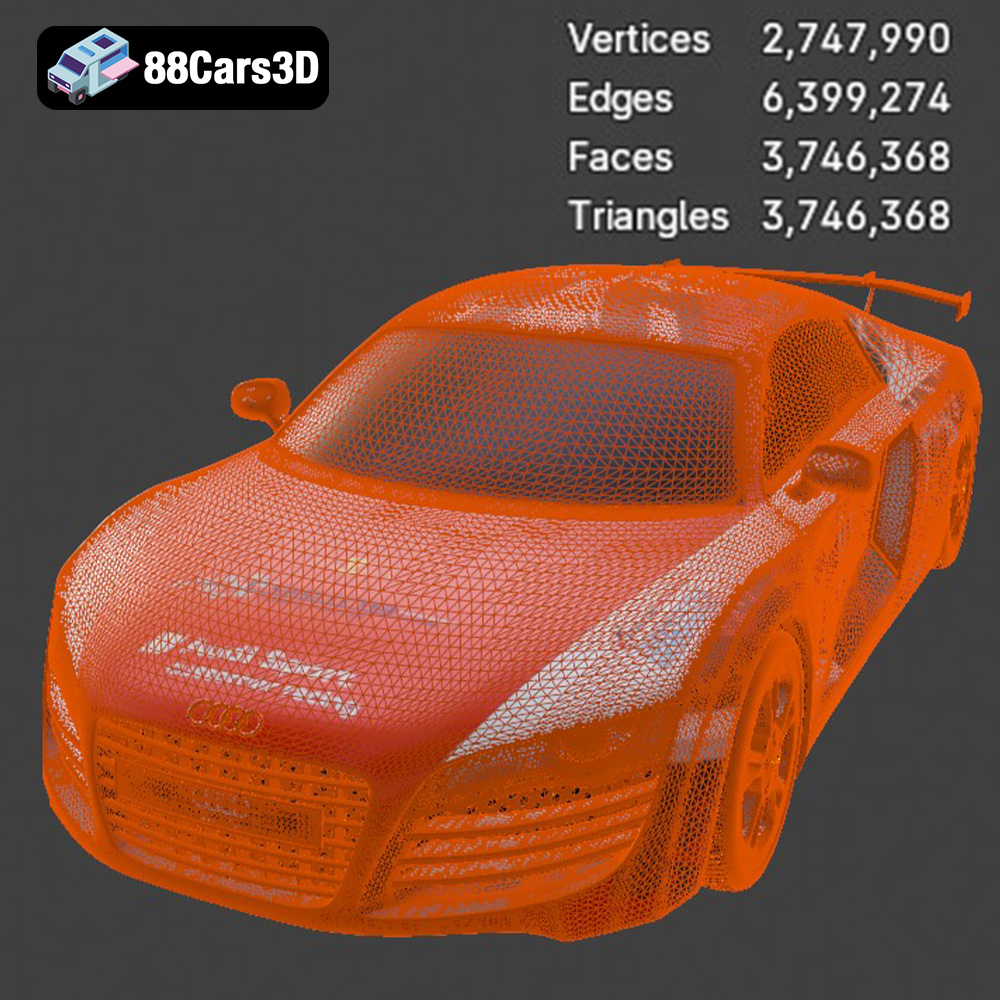
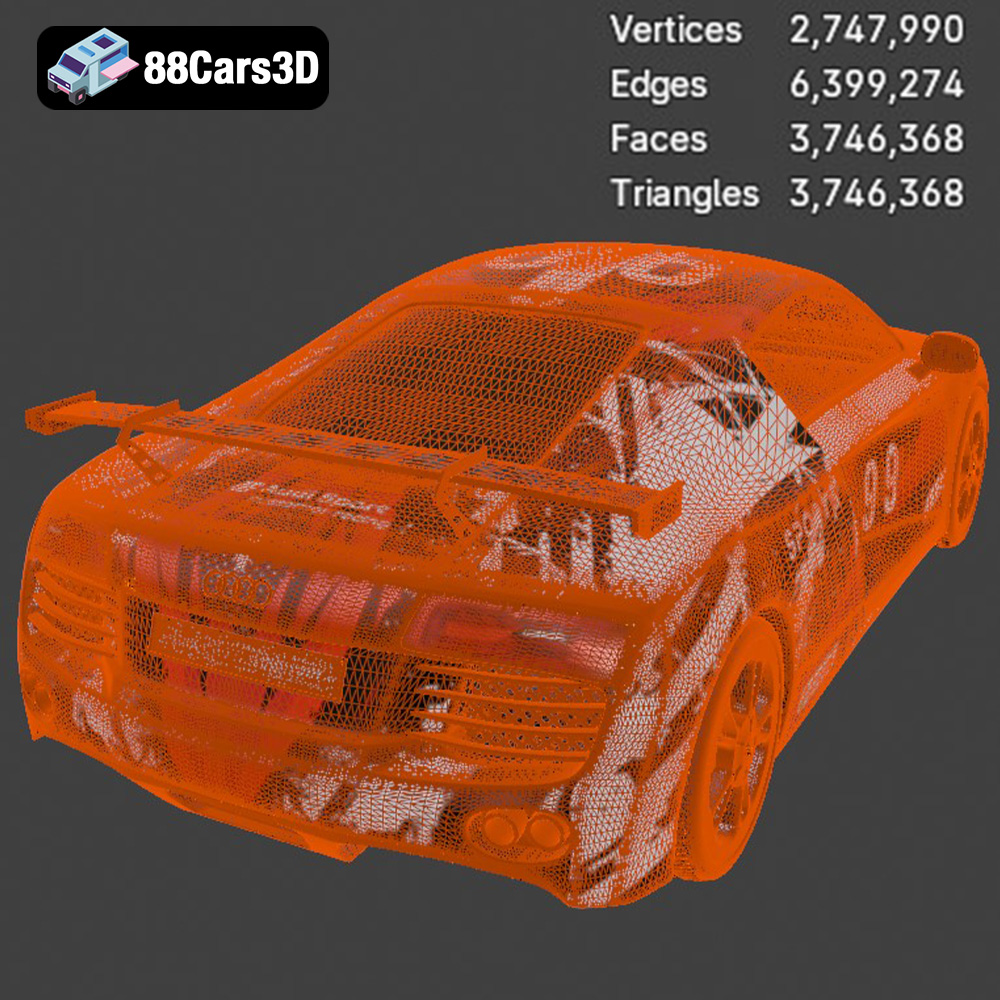
With a high-definition topology boasting 3,746,368 triangles, this model offers exceptional visual realism without crippling performance. This polycount is “high-definition” for intricate details yet “optimized” because the underlying mesh structure is clean and efficient. For real-time engines like Unreal Engine and Unity, effective optimization often involves implementing Level of Detail (LOD) systems. This means creating multiple versions of the model, each with progressively lower poly counts, that swap out depending on the camera’s distance from the object. This ensures that the game renders highly detailed versions only when necessary, maintaining smooth frame rates. The Audi R8’s optimized geometry and excellent edge flow make it perfectly suited for generating these LODs, allowing it to shine up close while remaining efficient at a distance.
Integrating a complex automotive asset like the R8 into game engines requires careful attention. Using the .fbx or .unreal formats, developers can import the model, set up its materials using PBR shaders, and configure its physics. The model’s technical advantages, such as its real-world scale accuracy and proper pivot setup for steering, wheel rotation, and suspension travel, are critical here. These features enable accurate physics simulations, allowing the car to handle realistically within the game world. Separate components for wheels, suspension, and steering mean developers can easily animate these parts, creating dynamic and responsive driving experiences. Collision meshes must also be created to ensure the car interacts properly with the environment and other vehicles.
The Audi R8 2008 3D Model is a dream asset for racing simulators. Its precise geometry, detailed interior (optimized for first-person POV), and accurate suspension components enable highly realistic driving dynamics. Players can experience the thrill of the R8 with unparalleled visual fidelity, from the intricate control details of the gated manual shifter to the realistic brake calipers. In open-world games, this level of detail enhances player immersion, whether the R8 is a drivable vehicle, an environmental prop, or part of a cinematic cutscene. Its “game-ready” designation means less post-import tweaking and more focus on gameplay development, making it a valuable time-saver for studios.
The utility of a comprehensive 3D car model extends far beyond traditional rendering and game development. With advancements in augmented reality (AR), virtual reality (VR), and 3D printing, high-fidelity assets are finding new and exciting applications, and the Audi R8 2008 3D Model is perfectly equipped to meet these demands.
The .glb format, optimized for web and mobile performance, makes the Audi R8 3D model an ideal candidate for cutting-edge AR/VR applications. Imagine a prospective buyer using an AR app on their phone to virtually place a life-size Audi R8 in their driveway, rotating it, opening doors, and even peering into the detailed cockpit. Virtual showrooms can allow customers to explore different color options, material finishes, and customization possibilities in a fully immersive 3D environment, offering an experience far richer than traditional static images. The R8’s “optimized geometry” and balanced polycount ensure smooth performance even on mobile AR platforms, providing a seamless and interactive experience that could redefine automotive sales and marketing.
For enthusiasts, designers, and hobbyists, the ability to transform a digital model into a physical object is incredibly appealing. The Audi R8 2008 3D Model, available in the .stl format, is fully convertible for 3D printing. This opens up possibilities for creating detailed display models, scale replicas, or even components for larger projects.
At the heart of any truly professional 3D asset lies its technical foundation. The Audi R8 2008 3D Model exemplifies this with a robust set of features and specifications designed for high performance and unparalleled visual fidelity across all applications.
The meticulous attention to the exterior of the Audi R8 2008 is evident in every detail. The model boasts accurate frame geometry and proportions, ensuring that its iconic silhouette is faithfully reproduced. Key features include the breathtaking visible 4.2L V8 mid-engine block, showcasing intricate engine components through the rear glass hatch – a highlight for any render or close-up shot. The quad exhaust system and aggressive rear diffuser are accurately modeled, contributing to the car’s powerful stance. Furthermore, the signature front LED DRLs and detailed taillight housings capture the R8’s distinctive lighting signature. The high-resolution multi-spoke alloy wheels, complete with massive brake calipers and cross-drilled rotors, demonstrate a commitment to micro-details that often make or break realism. Even the accurate suspension geometry and ride height are precisely maintained, vital for realistic animation and integration into driving simulations. All these elements combined illustrate why this is a truly premium 3D car model.
Stepping inside the virtual cabin of the Audi R8 2008 3D Model reveals an equally impressive level of detail. The deeply contoured sport seats are accurately modeled with realistic stitching and leather texturing, inviting viewers or players into a luxurious environment. The signature flat-bottomed sport steering wheel, complete with detailed badging, is a focal point of the driver-focused cockpit. The dual-cowl instrument cluster and center console are intricately reproduced, featuring minute control details including the iconic gated manual shifter and climate controls. For game development, this interior is specifically “optimized geometry for first-person POV in gaming,” meaning it maintains high visual fidelity where the player’s eyes will linger most, without excessive polycount that would burden performance.
Beyond static visual appeal, the model’s technical specifications underscore its readiness for dynamic applications. Its “real-world scale accuracy based on actual vehicle chassis” ensures that it integrates seamlessly with real-world environments and other accurately scaled assets. Critically, the “proper pivot setup for steering, wheel rotation, and suspension travel” means that animators and game developers can immediately utilize the model for complex vehicle dynamics without extensive re-rigging. The “separate wheels, suspension, and steering components for animation” further streamline this process, enabling independent movement and realistic physics. This level of preparation highlights the model’s professional-grade quality, available to you on 88cars3d.com, making it an excellent investment for projects requiring dynamic 3D car models.
A truly valuable 3D asset is one that offers flexibility and longevity. The Audi R8 2008 3D Model provides extensive customization options, ensuring it can adapt to the specific needs of various projects and remain relevant as technology evolves.
One of the primary advantages of owning a well-structured 3D model is the ease with which its appearance can be altered. Artists can readily “change body/tank colors” to match specific branding, client preferences, or artistic visions, ranging from authentic “factory colors” to “custom finishes” like matte, gloss, or iridescent. Similarly, “modify tire textures” allows for adapting the car’s look and feel, from sleek street variants to more aggressive off-road designs if desired (though perhaps less fitting for an R8, the technical capability is there). “Adjust material finishes” extends to all surfaces, from the metallic luster of the wheels to the subtle reflectivity of interior plastics, enabling fine-tuning for specific lighting conditions or artistic styles. This level of control ensures the Audi R8 2008 3D Model can be a chameleon, fitting into a multitude of visual narratives.
The longevity of a 3D asset often depends on its adaptability. The Audi R8 model’s clean topology and organized structure mean it can be easily modified or re-textured for future projects. Should a game engine update its rendering pipeline, or a new visualization standard emerge, the core model is robust enough to be re-adapted. Its availability in multiple formats (.blend, .max, .fbx, .obj, .glb, .stl, .ply, .unreal) future-proofs it by ensuring compatibility with virtually any current or future 3D software and platform. Whether you need to adapt it for a new AR feature, refine its textures for an 8K cinematic render, or scale it down for a mobile application, the underlying quality provides a solid foundation for continued use and modification, maximizing the return on your investment in a high-quality 3D car model from 88cars3d.com.
The journey through the world of high-fidelity 3D car models reveals a fascinating blend of artistic vision and technical mastery. The Audi R8 2008 3D Model stands as a prime example of what a professional-grade automotive asset should be: a meticulously crafted, highly detailed, and incredibly versatile digital replica. From its accurate exterior proportions and visible engine bay to its richly detailed interior optimized for first-person views, every aspect of this model is designed for excellence.
Its availability in a comprehensive range of file formats—including .blend, .fbx, .obj, .glb, .stl, .ply, .unreal, and .max—ensures seamless integration into diverse workflows, be it for photorealistic automotive rendering, high-performance game development, immersive AR/VR experiences, or even detailed 3D printing. The balanced polycount, real-world scale, and animation-ready components underscore its value as a powerful tool for professionals across industries.
Investing in a premium 3D car model like the Audi R8 2008 means acquiring not just an asset, but a foundation for creative exploration and technical achievement. It provides the flexibility for extensive customization and the robust structure for future-proofing your projects. For anyone seeking to elevate their digital automotive projects, this model offers a compelling blend of beauty, performance, and adaptability. Discover this exceptional 3D car model and many more high-quality assets at 88cars3d.com, where excellence meets accessibility.
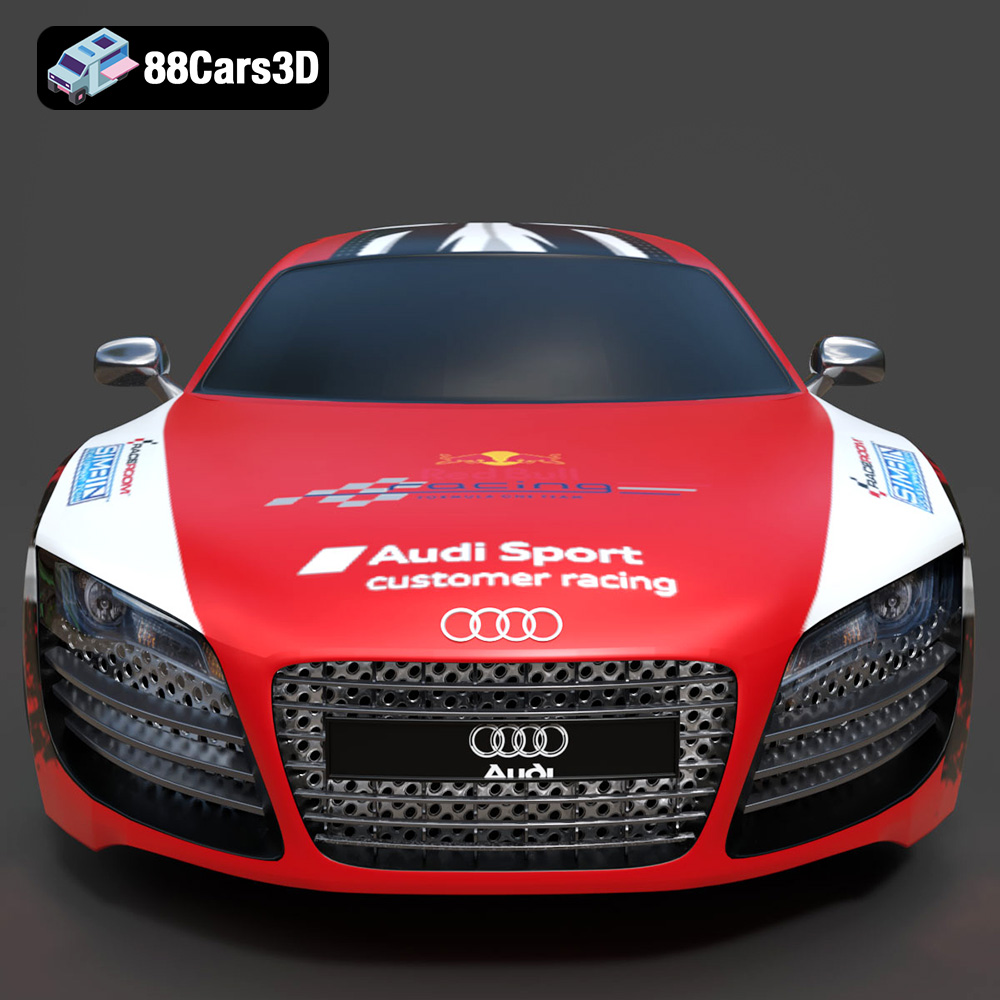
The 2008 Audi R8 is a legendary mid-engine sports car that redefined everyday supercar usability. Instantly recognizable by its iconic contrasting side blades, aggressive stance, and signature LED daytime running lights, the R8 seamlessly blends German engineering precision with exotic aesthetics. This high-definition 3D model boasts 3,746,368 triangles, capturing the breathtaking visible engine bay, beautifully sculpted aerodynamic curves, and the distinct front grille. Perfect for high-fidelity racing simulators, architectural visualizations, virtual automotive showrooms, and cinematic renders, it’s game-ready and optimized for real-time engines while offering unparalleled visual fidelity across various professional applications.
$37.50
.2008
.audi
.blend
.fbx
.glb
.max
.obj
.ply
.r8
.rendering
.sports car
.stl
.supercar
.unreal
car-3d-model
game asset
game-ready
high poly
mid-engine
optimized
VR/AR