Mastering Automotive Visualization: The Power of High-Fidelity 3D Car Models
In the rapidly evolving worlds of automotive design, game development, cinematic rendering, and virtual reality, the demand for hyper-realistic 3D car models has never been greater. Whether you’re a seasoned developer creating the next-generation racing simulator, an architect visualizing a luxury home with a prestigious vehicle in the driveway, or a marketing agency crafting a captivating automotive commercial, the quality of your digital assets dictates the authenticity and impact of your final product. These models are not merely visual props; they are complex digital blueprints that bring virtual worlds to life.
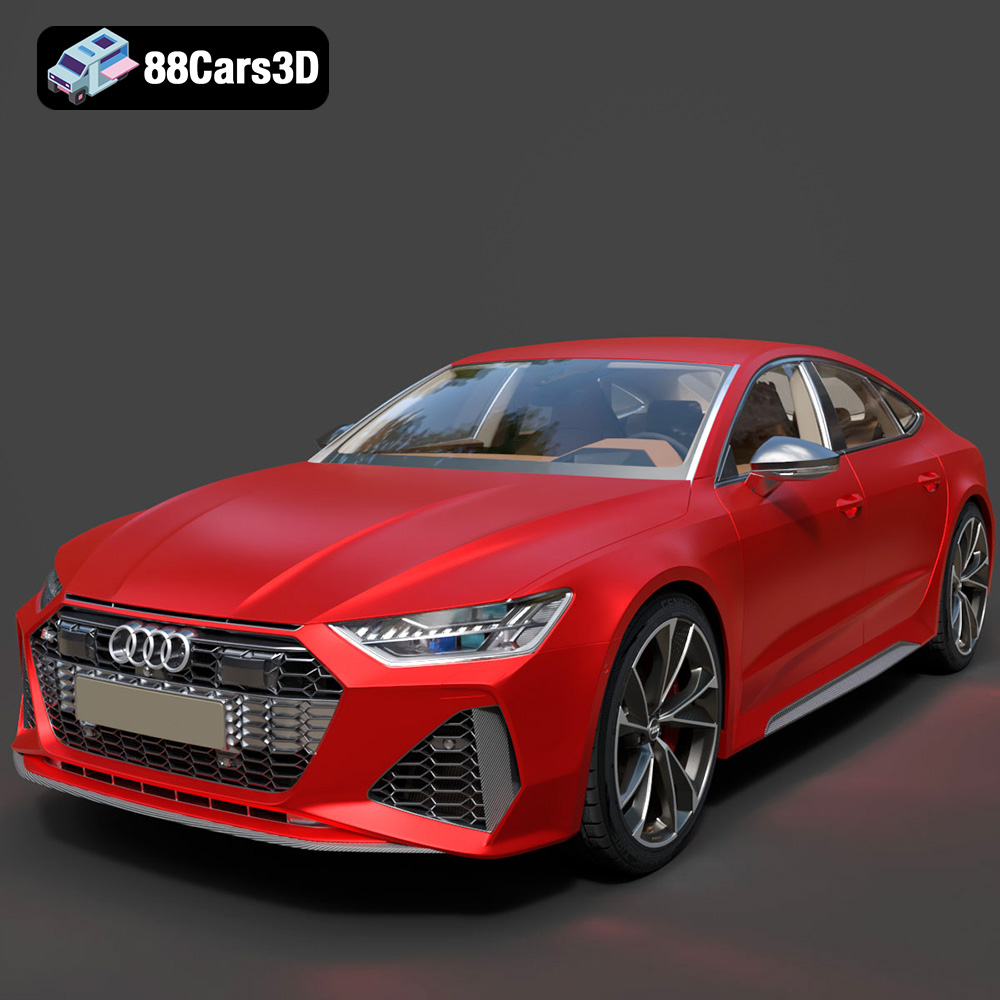
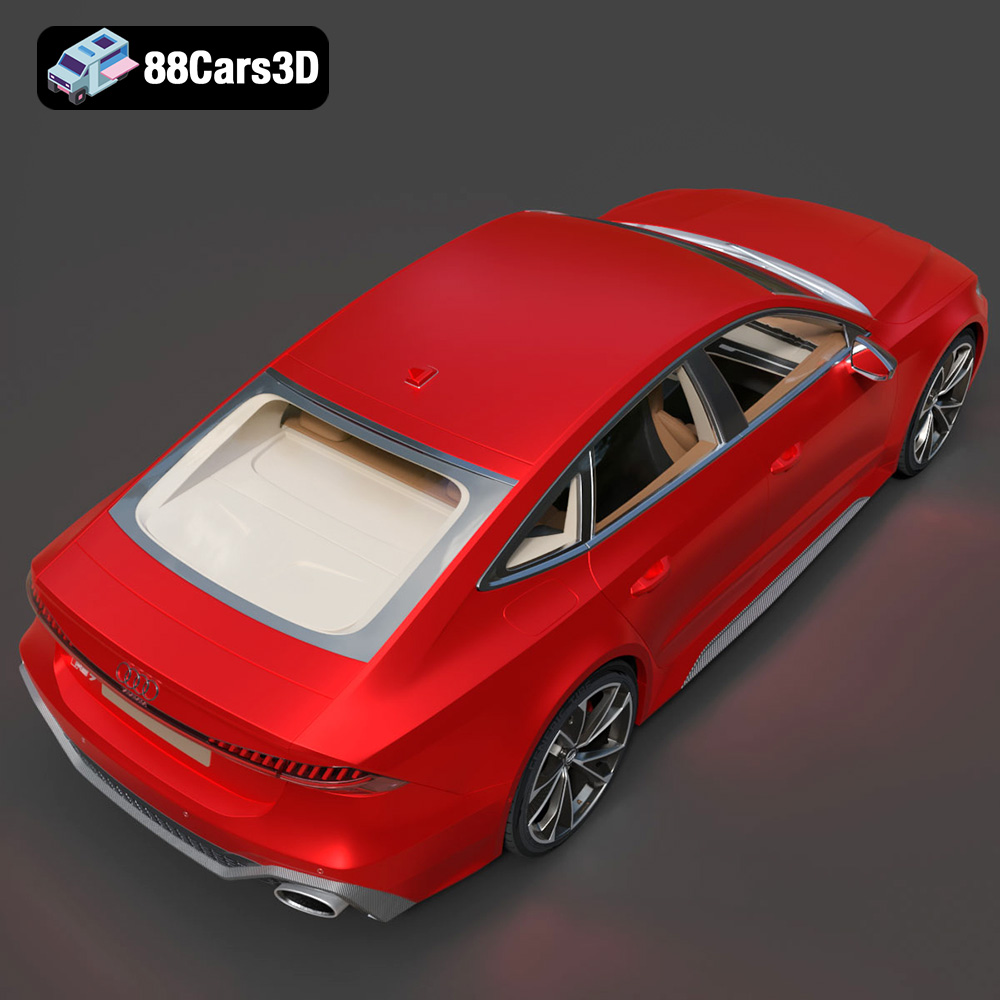
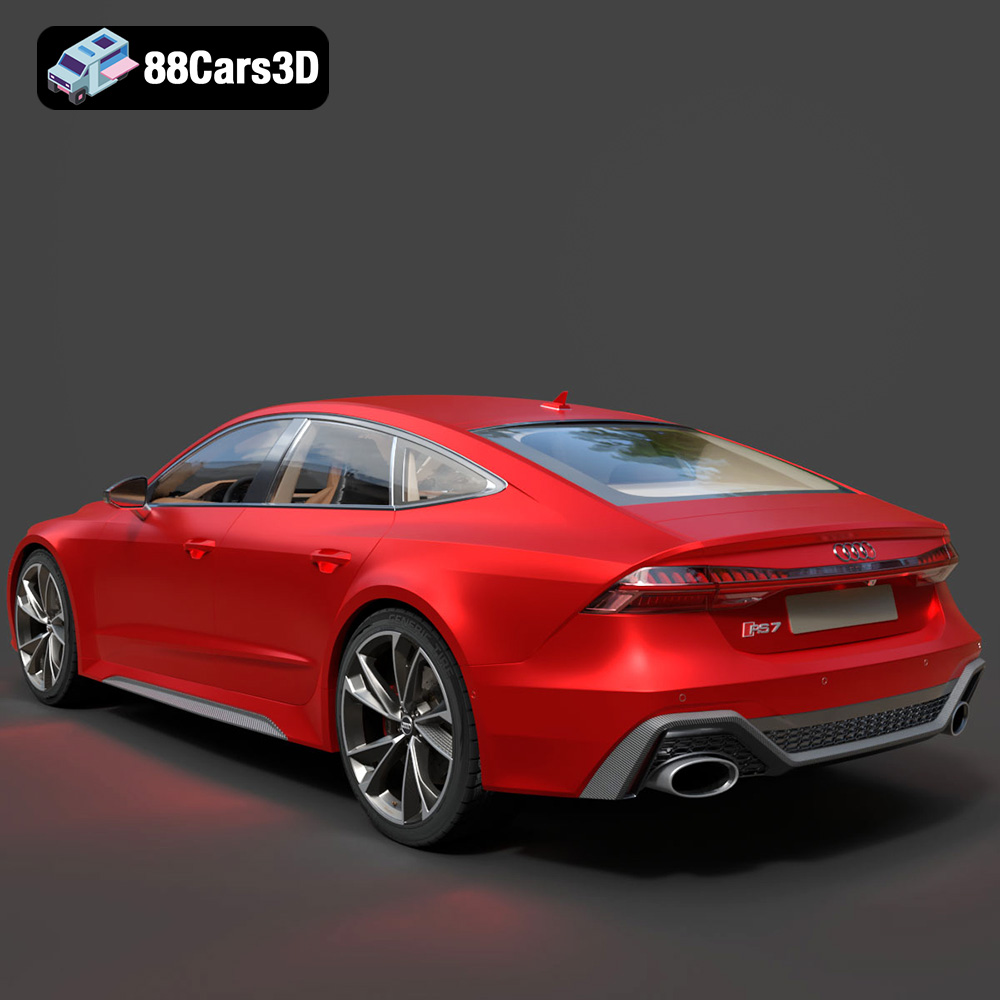
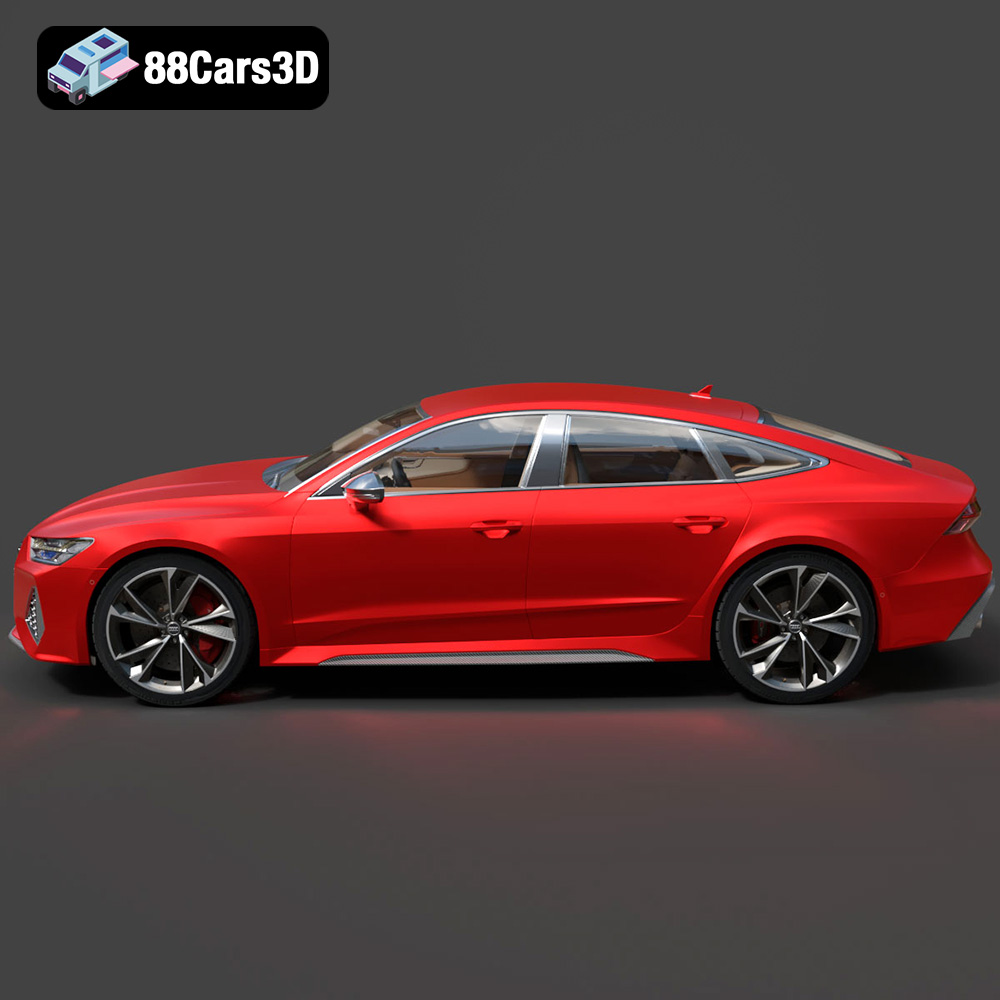
Consider the allure of a vehicle like the Audi RS7 Sportback 2020. Its aggressive performance, distinctive widebody stance, and luxurious interior make it a modern icon. Recreating such a vehicle in a digital environment requires an extraordinary level of precision and technical expertise. A premium 3D model, such as the Audi RS7 Sportback 2020 3D Model available on 88cars3d.com, is meticulously crafted to capture every sculpted line, every intricate detail, and the very essence of the real-world counterpart. This article will delve into the technical intricacies of high-quality 3D car models, explore their diverse applications, and highlight how a versatile asset like the Audi RS7 Sportback 2020 model empowers professionals across various industries.
The Foundation of Visual Realism: Why High-Quality 3D Car Models Matter
At the heart of any compelling digital experience lies the quality of its assets. For automotive subjects, this means a deep commitment to accuracy, from chassis proportions to the stitching on an interior seat. Low-quality models can break immersion, compromise realism, and ultimately undermine the credibility of a project. High-quality 3D car models, however, elevate a project, providing a robust foundation for stunning visuals and engaging interactions.
Beyond Aesthetics: The Engineering Behind a Great Model
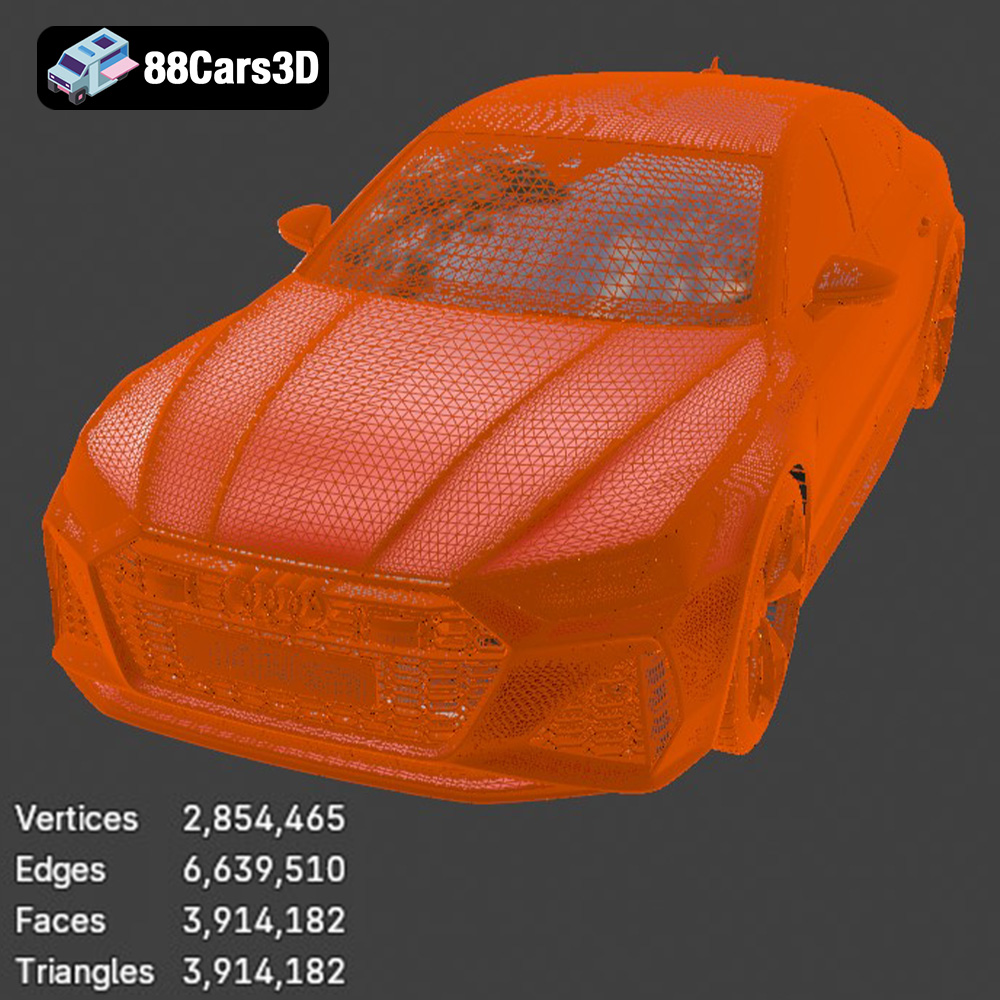
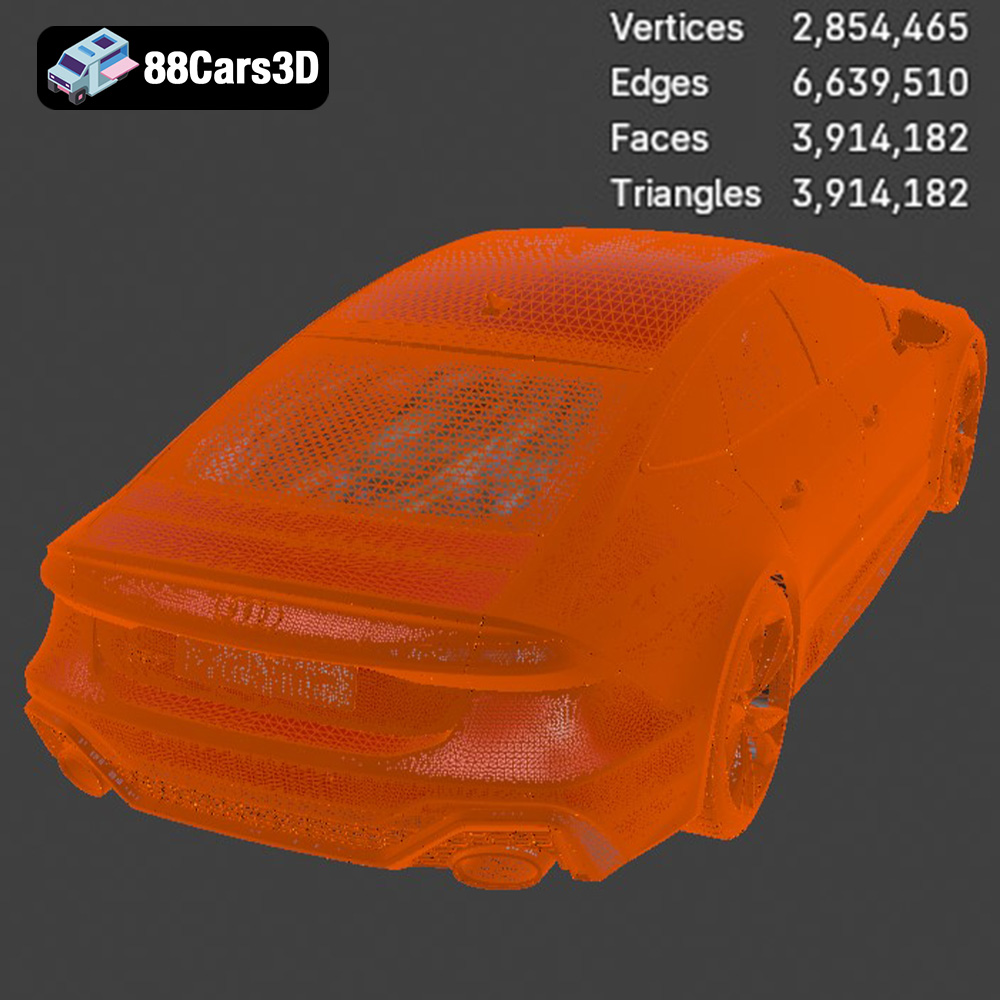
A truly exceptional 3D car model is more than just a pretty mesh. It’s a carefully engineered digital object. This involves precise polygon modeling to capture complex curvatures without excessive mesh density in less critical areas, intelligent UV mapping for seamless texture application, and proper material setup to simulate real-world physical properties like paint reflectivity, glass refraction, and tire grip. The Audi RS7 Sportback 2020 model, for instance, boasts a triangle count of 3,914,182. This figure strikes an optimal balance, providing enough geometric detail for stunning close-up shots and cinematic sequences, while still being structured efficiently for real-time applications like game engines. Such a precise balance ensures that the model performs well across a spectrum of demands, from high-fidelity rendering to optimized real-time environments.
Meeting Industry Demands: From Concept to Consumer
High-fidelity 3D car models are indispensable tools across several professional domains. In automotive design, they facilitate rapid prototyping and visualization of new concepts long before physical models are built. For game developers, they are the cornerstone of immersive racing titles and open-world adventures, demanding optimized geometry and realistic physics properties. Architectural visualization studios rely on them to populate rendered scenes with aspirational lifestyle elements. Even in product marketing, realistic renders featuring detailed vehicles can significantly enhance brand perception and engagement. The versatility of a model like the Audi RS7 Sportback 2020 allows it to seamlessly transition between these varied professional contexts, adapting to the specific technical requirements of each.
Understanding 3D Model File Formats: Choosing the Right Tool for Your Project
The choice of file format for a 3D model is not merely a technicality; it’s a critical decision that impacts workflow, compatibility, performance, and the ultimate usability of the asset. Different formats are optimized for different purposes, from editable scene files to lightweight real-time assets. A comprehensive asset, such as the Audi RS7 Sportback 2020 3D Model from 88cars3d.com, typically offers a wide array of formats to ensure maximum compatibility and utility across various professional pipelines.
Proprietary Powerhouses: .blend and .max
- .blend – Fully editable Blender scene with materials: This is Blender’s native file format, preserving an entire scene’s data, including meshes, materials, textures, animations, lights, cameras, and even custom scripts. It’s ideal for artists who primarily work within Blender, offering full editability and the ability to leverage Blender’s powerful modifiers, node-based shaders, and integrated rendering engines like Cycles and Eevee. For the Audi RS7 model, a .blend file would provide the most flexibility for detailed customization and advanced rendering setups within Blender.
- .max – Editable 3ds Max project for animation and rendering: Similar to .blend for Blender, .max is the native file format for Autodesk 3ds Max. It stores all scene information, including complex hierarchies, animation data (like the separate wheels, doors, suspension, and steering components mentioned for the Audi RS7), materials, and lighting setups. This format is crucial for professionals heavily invested in the 3ds Max ecosystem, particularly for high-end architectural visualization, advertising, and animation projects that benefit from 3ds Max’s robust modeling and rendering capabilities.
Universal Interoperability: .fbx, .obj, .ply
- .fbx – Ideal for Unreal, Unity, and real-time pipelines: Developed by Autodesk, FBX (Filmbox) is one of the most widely supported interchange formats in the 3D industry. It can store not only geometry but also materials, textures, rigging, and animation data in a single file. This makes it the go-to format for transferring assets between different 3D software applications and, crucially, for importing into game engines like Unreal Engine and Unity. The .fbx version of the Audi RS7 is optimized for these real-time environments, ensuring proper pivot points for animation (e.g., wheel rotation, steering) and efficient loading.
- .obj – Universal format for cross-software compatibility: OBJ (Object) is a simpler, more universal format for geometry data. It stores vertex positions, UV coordinates, normals, and material group information, often referencing external .mtl (material) files and texture images. While it doesn’t typically store animation or rigging, its widespread support makes it an excellent choice for basic mesh transfer between virtually any 3D software. When maximum compatibility is required and animation isn’t the primary concern, the .obj version of the Audi RS7 ensures broad access.
- .ply – Precision mesh format for CAD or analysis: PLY (Polygon File Format, or Stanford Triangle Format) is primarily used for storing 3D data from 3D scanners, CAD software, and other scientific applications. It can store a wide range of properties, including color, transparency, surface normals, and texture coordinates for each vertex or face. It’s often favored for its precision and comprehensive data storage in applications requiring accurate geometric representation for analysis or reverse engineering, making it useful for niche engineering or highly precise visualization tasks of the Audi RS7.
Real-time & Web Optimization: .glb and .unreal
- .glb – Optimized for AR, VR, and browser-based display: GLB (GL Transmission Format Binary) is the binary version of glTF, a royalty-free specification for the efficient transmission and loading of 3D scenes and models by applications. It packages textures and other assets directly into a single file, making it incredibly convenient for web-based 3D viewers, AR/VR experiences, and mobile applications where file size and loading speed are critical. The .glb version of the Audi RS7 Sportback 2020 is perfect for virtual showrooms or immersive AR experiences.
- .unreal – Engine-ready asset for real-time environments: While not a standalone file format in the traditional sense, “unreal” often refers to assets packaged or optimized specifically for direct import and use within Unreal Engine, often involving specific folder structures, material setups, and sometimes even pre-configured blueprints. These assets are “engine-ready,” meaning they require minimal setup once imported, potentially saving significant development time for projects built within the Unreal ecosystem. The description highlights the Audi RS7’s game-ready optimization, making it an ideal candidate for such direct Unreal integration.
Physical Creation: .stl
- .stl – Suitable for 3D printing output: STL (Stereolithography) is the standard file format for 3D printing. It represents a 3D object as a series of connected triangles, defining only the surface geometry without color, texture, or other properties. While not used for rendering, the .stl version of the Audi RS7 allows hobbyists and designers to physically materialize the digital model, whether for display, prototyping, or scale model collections, as detailed in the product’s 3D print settings.
By providing this diverse range of formats, including the specific offerings for the Audi RS7 Sportback 2020 model, a marketplace like 88cars3d.com ensures that professionals can integrate their purchases seamlessly into virtually any existing workflow, maximizing efficiency and creative potential.
Crafting Digital Masterpieces: Workflows for Automotive Rendering and Game Development
The true power of a high-quality 3D car model is unleashed when integrated into professional workflows. Whether aiming for photorealistic renders or optimized real-time game assets, understanding the nuances of these pipelines is key.
Photorealistic Rendering in 3ds Max and Blender Cycles/Eevee
For architectural visualization, advertising, and cinematic projects, photorealism is paramount. In software like 3ds Max or Blender, artists leverage advanced rendering engines such as V-Ray, Corona, Cycles, or Eevee to achieve stunning results. The Audi RS7 Sportback 2020 3D model provides an excellent starting point for such endeavors. Its detailed geometry, especially the HD Matrix LED headlights with laser light detailing, the signature RS dual oval exhaust system, and intricate interior elements like the Virtual Cockpit and honeycomb stitching, allows for incredibly convincing close-ups.
- Material & Texture Setup: A critical step involves setting up physically based rendering (PBR) materials. This means defining realistic metallic paints with clear coats, nuanced tire rubber, reflective glass, and rich interior leathers and Alcantara. High-resolution texture maps (diffuse, roughness, metallic, normal, displacement) are applied to convey surface imperfections and intricate details. The model’s optimized topology ensures these textures wrap cleanly and efficiently.
- Lighting & Environment: Achieving photorealism relies heavily on realistic lighting. This often involves using High Dynamic Range Images (HDRIs) for environment lighting, coupled with carefully placed studio lights or area lights to accentuate the vehicle’s form and highlights. The reflectivity of the Audi RS7’s body panels and the detailed chrome accents will react realistically to these light sources, making the car feel truly present in the scene.
- Camera & Post-Processing: DSLR-like camera settings (depth of field, aperture, focal length) are used to compose dynamic shots. Post-processing in tools like Photoshop or Nuke adds cinematic effects such as color grading, lens flares, and subtle atmospherics to elevate the final render to magazine-quality standards.
Integrating into Unreal Engine for Interactive Experiences
Game development and real-time interactive experiences demand not just visual quality but also performance. The Audi RS7 Sportback 2020 model is explicitly designed to be game-ready, striking a “perfect balance for real-time engines (Unreal, Unity) while maintaining high-end visual realism.”
- Import & Optimization: The .fbx and .unreal file formats are ideal for direct import into Unreal Engine. The model’s topology, while detailed, is structured to be efficient, minimizing draw calls and optimizing polygon count for smooth real-time performance. Game developers might also implement Level of Detail (LOD) systems, creating progressively simpler versions of the model that swap in as the camera moves further away, further boosting performance without sacrificing visual fidelity up close.
- Material Instancing & Dynamic Customization: Within Unreal, the car’s materials can be converted into material instances, allowing for easy, real-time customization of colors, finishes (matte, gloss, metallic), and even tire textures (sport radials vs. track slicks), directly within the engine or through a user interface. This is crucial for virtual configurators or in-game customization options.
- Animation & Physics Integration: The model’s separate components (wheels, doors, suspension, steering) with proper pivot setups are vital for realistic animation and physics. In Unreal, this allows developers to implement realistic wheel rotation, independent suspension travel, functional doors, and steering systems, bringing the Audi RS7 to life in a playable environment. Unreal’s physics engine can then simulate realistic driving dynamics, making it perfect for open-world games, racing titles, and simulators.
The Audi RS7 Sportback 2020: A Case Study in Precision 3D Modeling
The Audi RS7 Sportback 2020 3D Model embodies the pinnacle of high-fidelity automotive asset creation, offering a comprehensive solution for a multitude of professional applications. Its detailed specifications and features directly address the demands of cutting-edge visualization and interactive experiences.
Exterior Authenticity: Replicating an Automotive Icon
The exterior of a car is its most recognizable feature, and replicating it with accuracy is paramount. This model meticulously captures the Audi RS7’s commanding presence:
- Frame Geometry and Proportions: Accurate widebody proportions and chassis geometry ensure the vehicle looks correct from every angle, crucial for both realistic renders and credible physics in games.
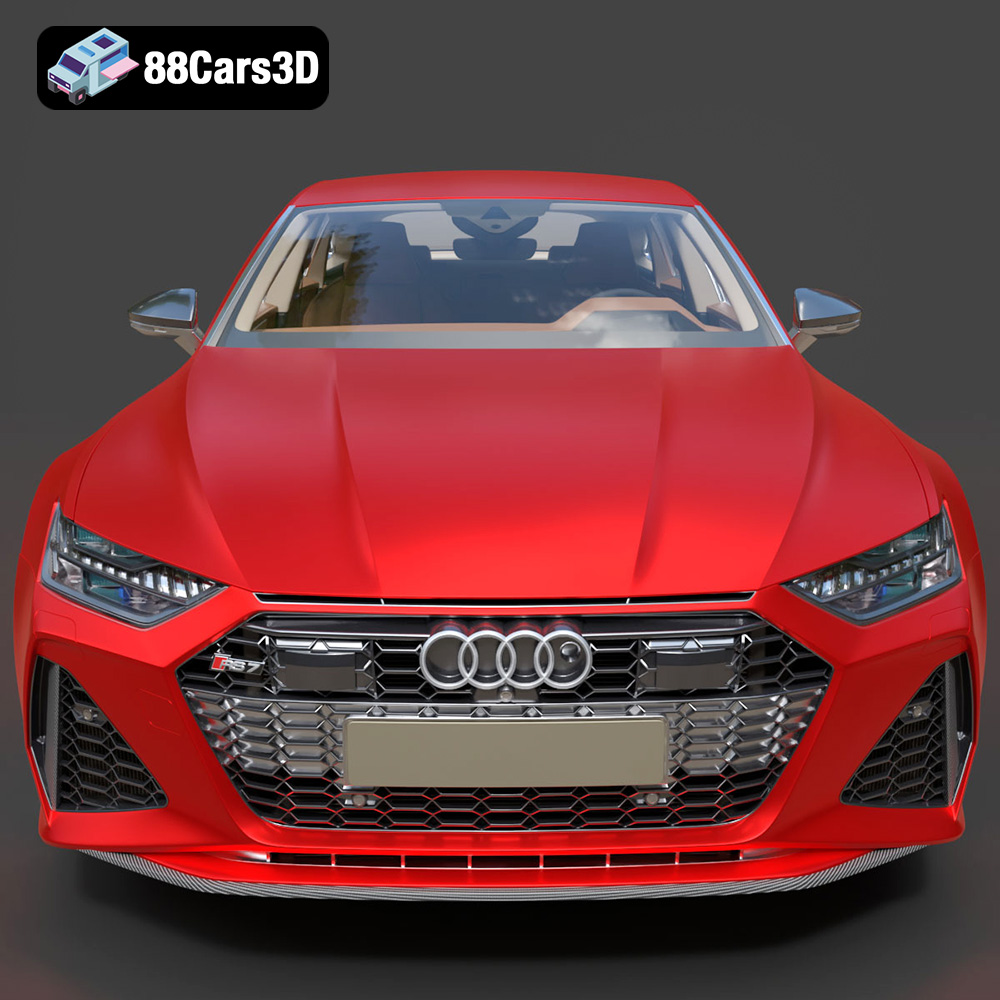
- RS-Specific Details: The distinctive RS-specific front bumper, wide single-frame grille, and prominent air intakes are faithfully reproduced, conveying the car’s aggressive performance character. The signature RS dual oval exhaust system and rear diffuser are also present, adding to the authenticity.
- Lighting Systems: HD Matrix LED headlights with laser light detailing and sleek animated taillights are represented, allowing for realistic illumination and dynamic light effects in renders and real-time environments.
- Wheels and Braking: High-performance alloy wheels and a detailed RS braking system with massive calipers are essential details that car enthusiasts appreciate, adding another layer of realism to the model.
- Undercarriage & Stance: Even the realistic sport suspension stance and undercarriage elements contribute to overall credibility, especially important for dynamic shots or close-ups in games.
Interior Immersion: The Digital Cockpit Experience
The interior is equally important, especially for first-person perspectives in games or immersive VR experiences. The Audi RS7 Sportback 2020 model excels here:
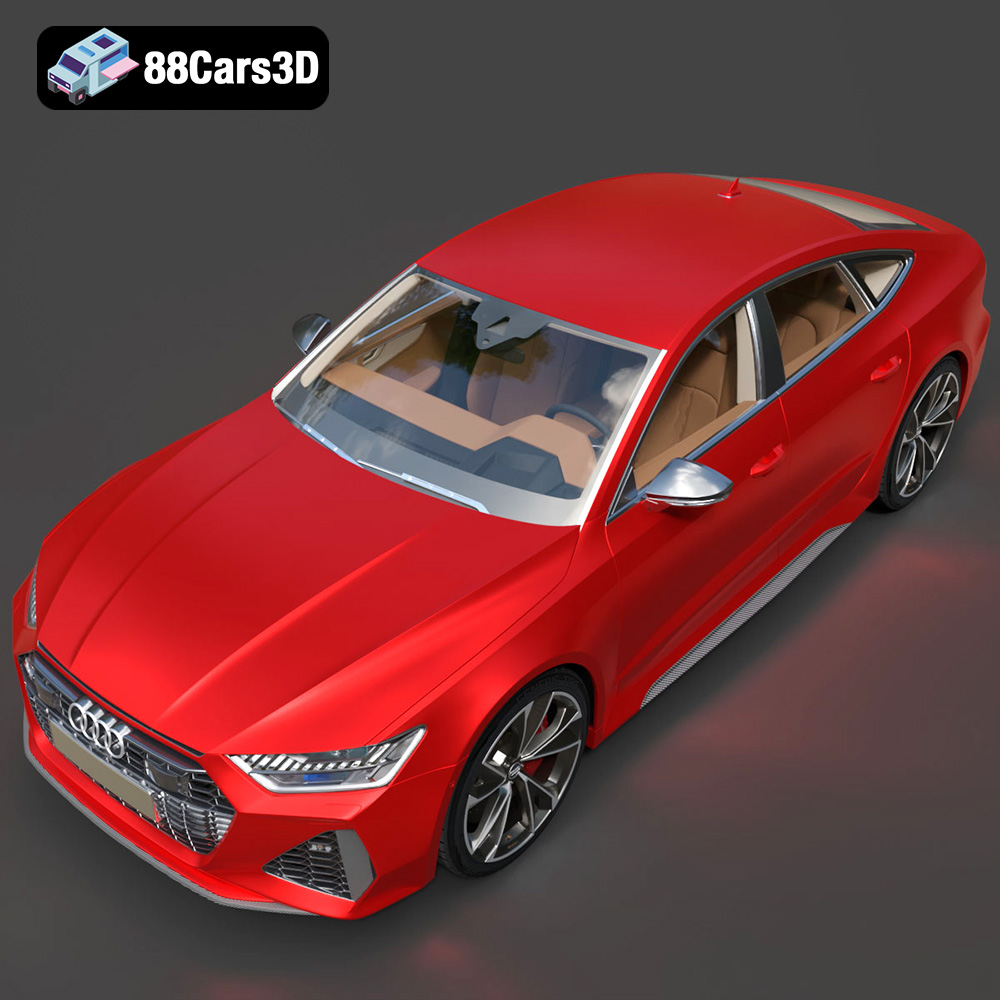
- RS Sport Seats: Detailed honeycomb stitching patterns on the RS sport seats provide tactile visual feedback, enhancing the sense of luxury and performance.
- Driver Controls: The flat-bottomed Alcantara/leather steering wheel with paddle shifters and the intricate center console detailing, including the electronic shifter and climate controls, are all accurately modeled.
- Virtual Cockpit: The Virtual Cockpit dual-screen MMI infotainment and instrument cluster displays are present, allowing for the integration of custom UI elements or realistic screen animations, critical for a truly immersive experience.
- Optimized Geometry: The interior’s geometry is optimized specifically for first-person POV, ensuring smooth performance even when viewed up close in gaming and VR applications.
Technical Excellence for Diverse Applications
Beyond visual fidelity, the model’s technical advantages make it a versatile asset:
- Game-Ready & Optimized: With 3,914,182 triangles, the model achieves high-end visual realism without overburdening real-time engines like Unreal or Unity. This balance is a testament to expert modeling practices.
- Real-World Scale Accuracy: Based on actual vehicle chassis, the model maintains real-world scale, which is crucial for seamless integration into existing scenes (e.g., architectural visualizations) and for maintaining proper physics in simulations.
- Proper Pivot Setup: The correct pivot points for steering, wheel rotation, and suspension travel are pre-configured, drastically simplifying the animation and rigging process for game developers and animators.
- Broad Compatibility: The inclusion of formats like .blend, .fbx, .obj, .glb, .stl, .ply, .unreal, and .max ensures compatibility with virtually any major 3D software or real-time rendering engine, making it a truly universal asset for professionals.
Beyond the Screen: 3D Printing and AR/VR with Automotive Models
The utility of high-quality 3D car models extends far beyond traditional screen-based rendering and gaming. Emerging technologies like 3D printing, Augmented Reality (AR), and Virtual Reality (VR) are opening up new avenues for interaction and experience.
Bringing the Digital to Life: 3D Printing with .stl
For hobbyists, designers, or even automotive engineers seeking physical prototypes, the ability to 3D print a digital model is invaluable. The Audi RS7 Sportback 2020 model is convertible to .stl format, making this possible. 3D printing, especially with resin printers, allows for the creation of highly detailed physical replicas.
- Scale & Detail: Recommended scales like 1:12, 1:18, or 1:24 allow for detailed desktop models. Resin printing, with layer heights between 0.04-0.12 mm, is highly recommended to capture fine details such as the RS grille pattern, headlight intricacies, and interior elements.
- Structural Considerations: Proper wall thickness (1.2–2.0 mm) and infill (20–30%) ensure structural integrity. Supports are critical for overhangs and delicate parts like exhaust tips, mirrors, and the steering wheel.
- Post-Processing: After printing, sanding, priming, and painting with authentic factory colors and metallic finishes can transform the raw print into a stunning miniature replica, reflecting the real-world luxury of the Audi RS7.
Immersive Experiences: AR/VR Showrooms and Configurators
AR and VR are transforming how consumers interact with products, especially high-value items like automobiles. 3D car models are central to these immersive experiences.
- Virtual Showrooms: Imagine stepping into a VR showroom where you can walk around the Audi RS7 Sportback 2020, open its doors, examine the interior in full 3D, and even “sit” inside. The model’s optimized geometry and detailed interior are perfect for creating such engaging virtual environments. The .glb format is particularly well-suited for these web- and mobile-based AR/VR applications due to its efficiency and PBR material support.
- Interactive Configurators: AR configurators allow users to project a full-scale 3D model of the Audi RS7 into their real-world environment via a smartphone or tablet. They can change body colors (Nardo Gray, factory colors, custom matte finishes), adjust material finishes, and even swap tire textures in real-time. This level of interaction empowers customers to visualize their dream car before making a purchase decision.
- Training & Simulation: Beyond consumer-facing applications, highly accurate 3D models are used in VR for driver training simulations or technical training for mechanics, providing a safe and realistic environment for learning.
Unlocking Creative Potential: Customization and Future Trends
The true value of a professional 3D car model lies not only in its initial fidelity but also in the flexibility it offers for customization and adaptation. As industries evolve, so too do the requirements for digital assets, and a well-built model is future-proofed through its inherent adaptability.
Personalizing Your Digital Garage: Color, Materials, and Lighting
Once acquired, a high-quality 3D model like the Audi RS7 Sportback 2020 provides a robust foundation for creative exploration. Artists and developers can easily:
- Change Body Colors: Experiment with the full spectrum of Audi factory colors, custom matte finishes, or even unique livery designs for racing applications. This flexibility is crucial for marketing campaigns that require specific brand palettes or for game assets that offer player customization.
- Modify Tire Textures & Wheel Finishes: Swap between realistic sport radials for street scenes and aggressive track slicks for a race environment. The separate wheels and detailed braking system allow for individual customization of calipers and alloy finishes.
- Adjust Material Finishes: Tweak the gloss, metallic flake, carbon fiber patterns, and reflectivity of various components to achieve a specific aesthetic, from showroom pristine to battle-hardened.
- Adapt Lighting: Implement dynamic ambient interior lighting, control DRLs (Daytime Running Lights), and adjust headlight behavior to match different times of day or environmental conditions, adding layers of realism to any scene.
This level of customization ensures that the initial investment in a premium 3D model translates into a versatile asset that can be endlessly repurposed for diverse projects without sacrificing quality.
The Evolving Landscape of 3D Automotive Assets
The future of 3D automotive models is bright, driven by advancements in rendering technology, real-time performance, and user expectations. We’re seeing a trend towards even higher geometric detail, more sophisticated procedural materials, and tighter integration with AI for generative design and automated content creation. Models like the Audi RS7 Sportback 2020, with their robust construction and comprehensive format support, are well-positioned to adapt to these changes, serving as essential building blocks for the next generation of digital experiences. The ongoing demand for photorealistic automotive rendering and game assets will only push the boundaries further, making accessible, high-quality models from sources like 88cars3d.com indispensable.
Conclusion
The creation and utilization of high-fidelity 3D car models represent a cornerstone of modern digital content creation across diverse industries. From captivating automotive rendering for advertising campaigns to immersive game assets that drive next-gen experiences, the demand for precision, detail, and versatility is constant. The ability to render a vehicle like the Audi RS7 Sportback 2020 with photographic realism, or integrate it seamlessly into a real-time game engine, hinges entirely on the quality and flexibility of its underlying 3D model.
Assets like the Audi RS7 Sportback 2020 3D Model featured on 88cars3d.com are more than just digital files; they are meticulously crafted tools designed to empower professionals. With its exceptional level of detail (3,914,182 triangles), game-ready optimization, accurate real-world scale, and broad compatibility across numerous file formats (.blend, .fbx, .obj, .glb, .stl, .ply, .unreal, .max), this model exemplifies what it means to be a truly professional-grade asset. It streamlines workflows, unlocks creative potential through extensive customization options, and serves as a reliable foundation for any project, from cinematic visualization to cutting-edge AR/VR applications and 3D printing.
As the digital landscape continues to evolve, investing in high-quality 3D car models remains crucial for anyone aiming to produce impactful, visually stunning, and technically sound content. For those seeking premium assets that meet the rigorous demands of professional production, 88cars3d.com offers a curated selection designed to elevate your projects to the next level.
Featured 3D Model
Audi RS7 Sportback 2020 3D Model Download STL FBX OBJ GLB Blend
The Audi RS7 Sportback 2020 represents the pinnacle of German engineering, seamlessly blending aggressive performance with grand touring luxury. Known for its commanding presence on the road, this high-performance sportback features a menacing front fascia with a wide single-frame grille, sharply sculpted lines, and a distinctive sloping roofline. Powered by a potent twin-turbo V8 engine in the real world, its muscular widebody stance, dual oval exhaust tips, and striking LED matrix headlights make it an iconic modern classic in the luxury performance segment.
This premium 3D model boasts an exceptional level of detail with a triangle count of 3,914,182, ensuring high-fidelity visual realism suitable for close-up shots and high-end cinematic sequences. Despite its meticulous detailing, the model’s topology is carefully structured for integration into game engines and real-time environments. Whether you are developing a next-gen racing title, an immersive VR showroom, or crafting photorealistic visualizations, this asset delivers unparalleled quality and accuracy.
Perfect for urban racing games, luxury architectural visualizations, high-end automotive commercials, and virtual configurators.
$37.50
View This Model
Related Tags
.2020
.audi
.blend
.fbx
.glb
.max
.obj
.ply
.rendering
.stl
.unreal
car-3d-model
game asset
game-ready
high poly
luxury car
optimized
performance-car
rs7-sportback
sports-sedan
VR/AR